Psych: The Story of the Human Mind
Paul Bloom
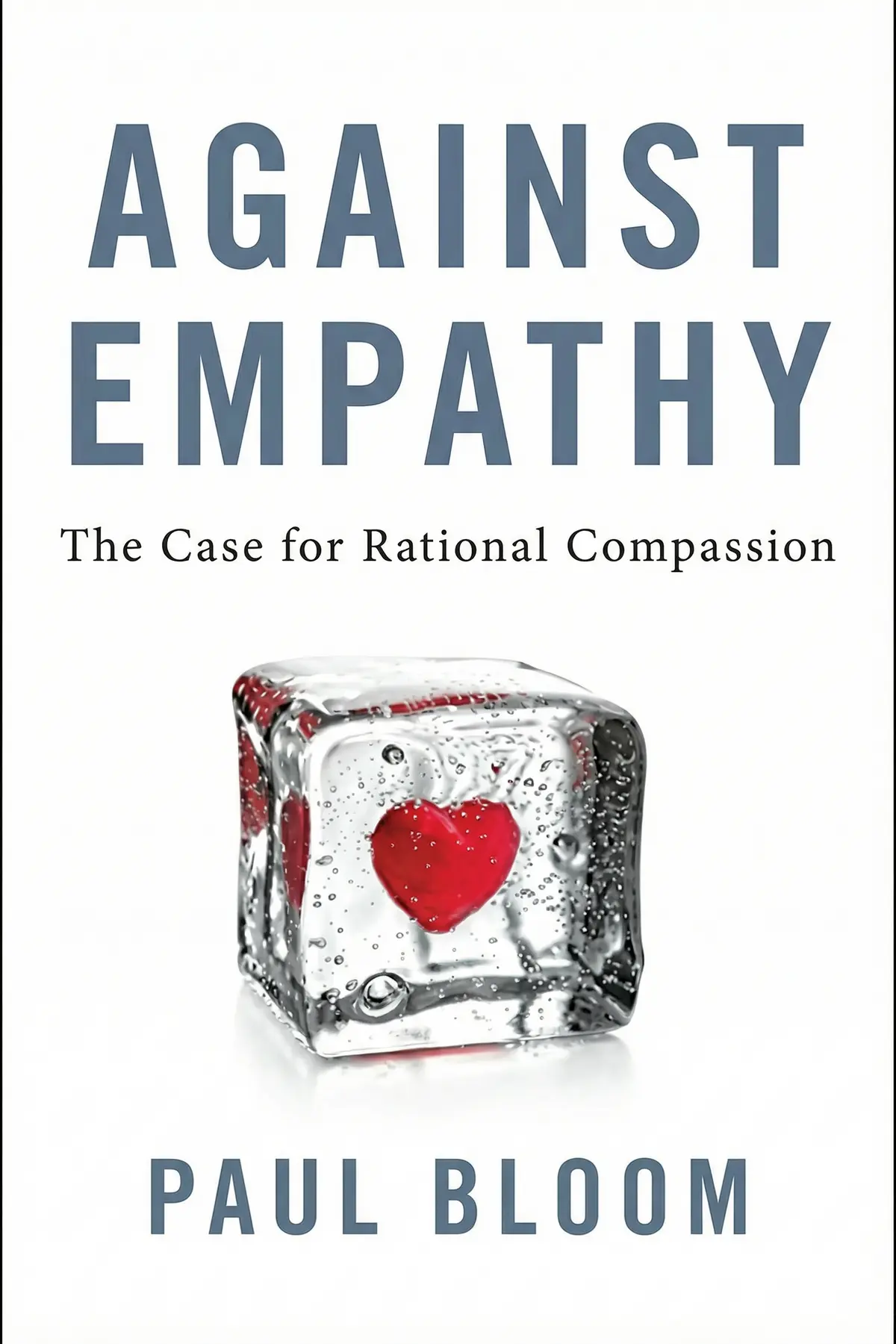
Against Empathy explores why our reliance on shared feelings often leads to biased, irrational decisions, proposing instead that we adopt rational compassion to build a fairer and more effective world.
1 min 55 sec
We live in an era where empathy is frequently held up as the ultimate moral virtue. When a tragedy occurs—whether it’s a natural disaster halfway across the globe or a local incident in our own community—the common refrain is that we need to feel more, to put ourselves in the shoes of the victims, and to let our hearts lead the way. It sounds noble, doesn’t it? The idea is that if we could just feel what others feel, we would be better people, and the world would be a more just place. But what if this deeply held belief is actually leading us astray? What if our reliance on empathy is actually making us more biased, less effective, and even more prone to conflict?
In this exploration of Paul Bloom’s provocative work, we are going to look at the ‘case for rational compassion.’ We will pull back the curtain on why empathy, as a primary driver of morality, is a flawed and often dangerous tool. It’s not that being a cold, unfeeling robot is the goal; rather, it’s about recognizing that our emotions are like a spotlight. They focus intensely on a single point, but they leave everything else in the shadows. This narrow focus often results in us helping the person right in front of us while unintentionally harming many more people we can’t see.
Through this journey, we’ll see how our brains are wired to mirror the pain of others and why that doesn’t always lead to the right action. We’ll examine the difference between ‘feeling with’ someone and ‘understanding’ someone, and why that distinction is vital for everything from parenting to international policy. By the end, you’ll see how moving away from the knee-jerk reactions of empathy and toward a more reasoned, compassionate logic can help us build a world that is truly fair for everyone, not just those who happen to pull at our heartstrings the most. Let’s dive into why it’s time to rethink one of our most cherished emotions.
2 min 50 sec
Empathy isn’t just one thing; it’s a dual-layered process of feeling and knowing. Discover the crucial difference between emotional resonance and cognitive understanding.
2 min 22 sec
Our brains are hardwired to sync up with the actions and emotions of those around us. Explore the fascinating role of mirror neurons in our social evolution.
2 min 27 sec
Empathy acts like a spotlight, focusing on the few while leaving the many in the dark. Learn why this narrow focus leads to unfairness and bad policy.
2 min 14 sec
Can empathy actually make social conflicts worse? Explore how biased feelings can deepen the divide between opposing groups during times of crisis.
2 min 32 sec
If empathy is a flawed guide, what should we use instead? Discover the power of morality, logic, and faith in driving truly effective kindness.
2 min 26 sec
Our ability to feel for others is easily switched off by judgment and bias. Explore the ‘Blame Game’ and why we fail to help those we deem unworthy.
2 min 37 sec
Empathy is obsessed with the here and now, often at the expense of the future. Discover why our ‘feel-good’ choices can actually hinder long-term progress.
1 min 48 sec
As we wrap up our look at Against Empathy, it’s clear that the message isn’t to become cold-hearted or indifferent. Rather, it’s a call to elevate our kindness by grounding it in something more reliable than a fleeting emotion. We’ve seen how empathy acts as a biased spotlight, how it can be switched off by our own prejudices, and how its focus on the immediate can blind us to the greater good. It is a powerful biological tool, but it was designed for a world of small tribes and immediate physical threats, not the global, interconnected society we inhabit today.
The alternative is rational compassion. This means using our unique human capacity for reason to decide how we can best help others. It means looking at the data, considering the long-term effects, and recognizing the humanity of everyone—even those who don’t look like us or trigger our ‘mirror neurons.’ It’s about being good because we believe in justice and fairness, not just because a certain story made us cry.
As a final thought, consider how you approach your own acts of giving. We often donate small amounts to many different causes because it gives us that ‘warm glow’ of satisfaction multiple times. But as an actionable step, consider the logistics. Small checks often cost charities more to process and acknowledge than they are actually worth. If you truly want to help, try consolidating your giving. Pick one or two organizations where you can make a meaningful, rational impact. Move beyond the emotional impulse and toward a deliberate, thoughtful strategy for kindness. By doing so, you stop being a prisoner of your empathy and start being a true architect of a better world.
This exploration challenges the modern assumption that more empathy is the solution to all of society’s ills. While we are often told to 'feel' the pain of others, this book argues that such an approach is fundamentally flawed. Empathy acts like a spotlight, illuminating one person or group while leaving the rest of the world in darkness. This narrow focus can lead us to favor people who look like us or live near us, while ignoring global crises and long-term consequences. By examining the neurological roots of our emotions and the pitfalls of impulsive kindness, the text makes a compelling case for 'rational compassion.' It suggests that we should use our logic and moral principles, rather than just our gut reactions, to decide how to help. Through examples ranging from public tragedies to charitable giving, it reveals how we can make better, more ethical choices that benefit the many rather than just the visible few. The promise of the book is a clearer understanding of how to be truly good in a complex world without being blinded by our own emotions.
Paul Bloom is a distinguished professor at Yale University and a prominent psychologist. He focuses his research on the intersection of ethics, religion, and language, specifically looking at how these factors shape our human perception. A prolific writer, Bloom has contributed to prestigious publications including the New York Times, Slate, and the Guardian. He is the author of several acclaimed books, including Just Babies, How Pleasure Works, and Descartes’ Baby.
Listeners find the work both captivating and enlightening, and one listener highlights that it features many references to research and prior studies. Responses to the prose are varied; some listeners find it well-crafted, while others find it difficult to track. Opinions on the logic and engagement are also split, with some finding the core thesis intriguing while others disagree. Listeners value the book's wit and stimulating nature.
This book completely flipped my perspective on what it means to be a "good person." We are taught from childhood that empathy is the ultimate virtue, yet Bloom argues it acts like a biased spotlight. It focuses our attention on the one "baby in the well" while we ignore the thousands dying of preventable diseases elsewhere. I found his distinction between "feeling for" and "feeling with" to be incredibly helpful for my own emotional health. While the writing is a bit academic at times, the humor sprinkled throughout keeps the heavy philosophy from becoming too dry. It’s a brave, counter-intuitive look at human nature that everyone should grapple with.
Show moreFinally got around to reading this, and it’s easily one of the most thought-provoking social science books of the decade. Bloom isn't saying we should be jerks; he's saying we should be smart about our kindness. The way he deconstructs the "spotlight effect" of empathy changed how I think about charitable giving and political activism. It’s written with a surprising amount of wit and self-awareness, especially when he addresses his own previous mistakes in his earlier books. The book is informative and packed with studies that challenge everything you think you know about morality. I’ve been recommending this to everyone who wants to actually make a difference.
Show moreBloom makes a compelling case that walking a mile in someone’s shoes is actually a terrible way to design policy. Why? Because we only choose to walk in the shoes of people who look like us or share our values. This book is a much-needed cold shower for the "all you need is love" crowd. I loved the focus on "effective altruism" and the reminder that our feelings aren't always the best guide for doing the most good. It’s well-written, provocative, and backed by a mountain of citations that keep the argument grounded. This is the kind of book that stays with you long after you close the final chapter.
Show moreEver wonder why we pour resources into one tragic story while ignoring millions in quiet suffering? Bloom uses the heartbreaking example of Sandy Hook to show how our hearts can lead us to make irrational, even unfair, decisions. By focusing on the "spotlight" of empathy, we end up ignoring the systemic issues like food stamp cuts that affect far more people. I really appreciated the way he encourages us to use "rational compassion" instead of just drowning in someone else's pain. The book is well-cited and provides plenty of studies to back up these controversial claims. It’s not an easy pill to swallow, but it’s a necessary one for anyone interested in effective altruism.
Show moreAs someone who works in social work, the distinction between affective empathy and rational compassion is vital for preventing burnout. If I felt every ounce of my clients' pain, I wouldn't be able to function, let alone help them. Bloom articulates this brilliantly, providing a framework for being helpful without being emotionally overwhelmed. The chapters on how empathy fuels "us vs. them" mentalities were particularly eye-opening for our current political climate. Some might find the prose a bit dense with citations, but I think the academic grounding is what gives the argument its teeth. It’s a refreshing take that challenges the traditional school of morality.
Show moreThe premise is absolutely titillating, but the execution feels a bit like a long-form essay stretched into a book. I agree with the core idea that we shouldn't let raw emotion dictate public policy because emotions are notoriously fickle. However, Bloom’s insistence on "rationality" as a cure-all feels a bit naive given how often reason has been used to justify atrocities. He writes with a lot of clarity, yet I found myself getting bored with the constant reiteration of his definitions. It’s a thought-provoking piece of work that will definitely start conversations at dinner parties. I just wish it had a bit more "heart" to balance out all that cold, hard logic.
Show moreLook, I appreciate the intellectual bravery it takes to write a book with this title in our current "empathy-obsessed" culture. There is a lot to like here, especially the parts about how empathy can actually lead to aggression and cruelty toward "outsiders." However, I found the middle section quite hard to follow as he drifted into various philosophical tangents that didn't always connect. He tries to cover too much ground—from Buddhism to neuroscience—and ends up thinning out his central argument. It’s a fascinating read that will make you think, even if you end up disagreeing with half of it. It definitely earned its spot on my discussion list.
Show moreAfter hearing Paul Bloom on a few podcasts, I expected a rigorous defense of rationality, but this book felt repetitive and strangely defensive. He spends nearly half the pages just defining what he means by "empathy" to avoid being misunderstood. I felt like I was reading a series of blog posts rather than a cohesive academic argument. Truth be told, his reliance on pop-psych figures like Steven Pinker and Sam Harris made the whole thing feel a bit shallow. There are some interesting points about how empathy can lead to racism or war, but they get buried under layers of hedging. It’s an okay read, just not the intellectual powerhouse I was hoping for from a Yale professor.
Show moreTo be fair, Bloom is a brilliant psychologist at Yale, but his constant referencing of 'pop-psych' icons like Sam Harris really rubbed me the wrong way. I was looking for deep, original research, not a summary of what his famous friends think about the brain. The argument that empathy is biased isn't exactly new, and he spends a lot of time punching at strawmen. I also didn't find his "rational" alternatives particularly well-developed or practical for everyday life. While there are some fascinating nuggets about how we perceive "babies in wells," the overall narrative is muddled and inconsistent. It’s a decent library borrow, but maybe not a permanent shelf addition.
Show moreFrankly, this felt like an intellectual justification for being cold-hearted and disconnected from the human experience. Bloom tries to make a case for a "rational" world, but a world without empathy sounds like a robotic nightmare. He dismisses the very thing that makes us human, suggesting we should be more like calculators when making moral choices. If the sequel is called "Against Love," I wouldn't be at all surprised. The way he talks about national interests and war-torn zones felt dangerously close to suggesting we just stop caring about people who are far away. I found the tone condescending and the logic flawed at almost every turn.
Show more
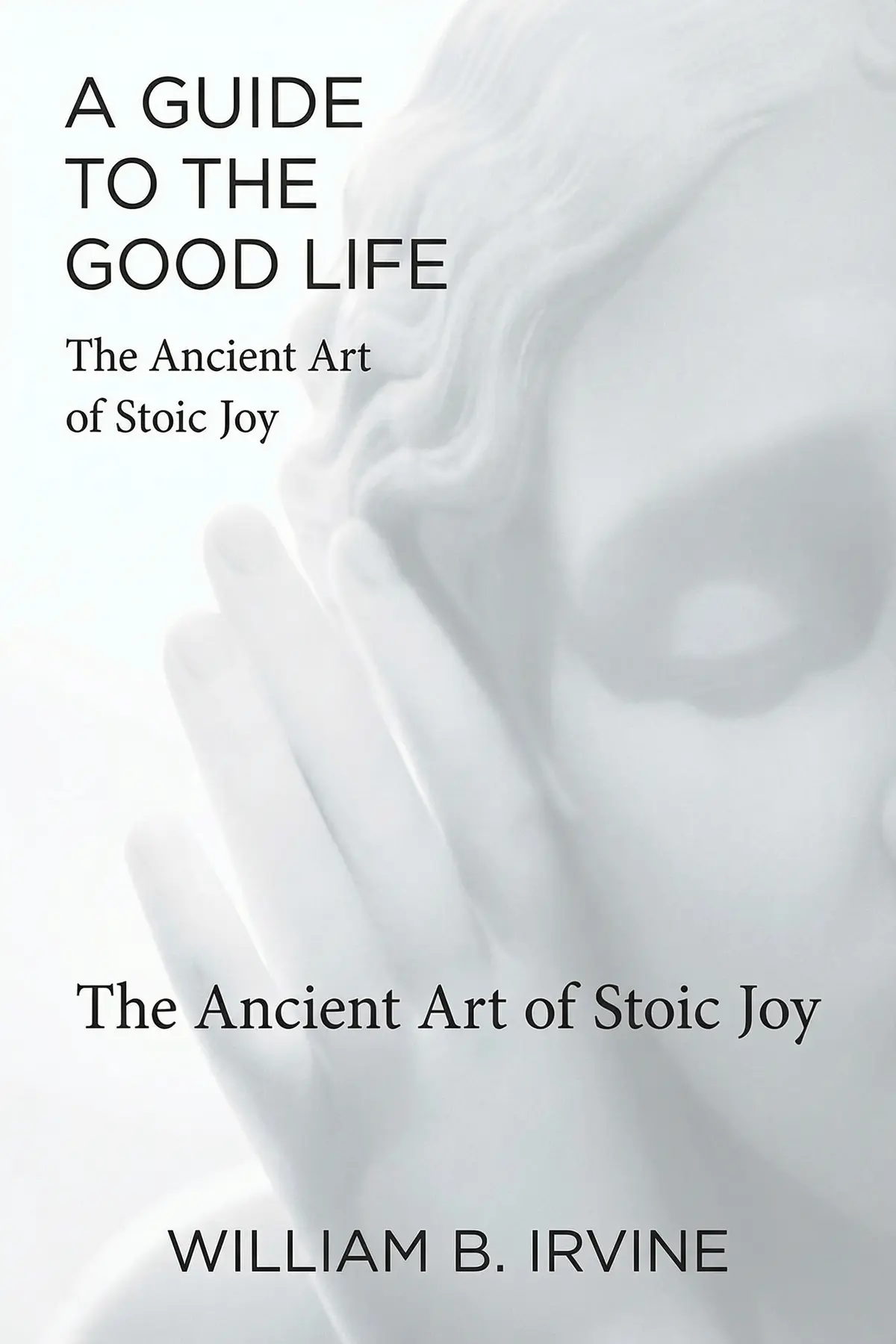
William B. Irvine
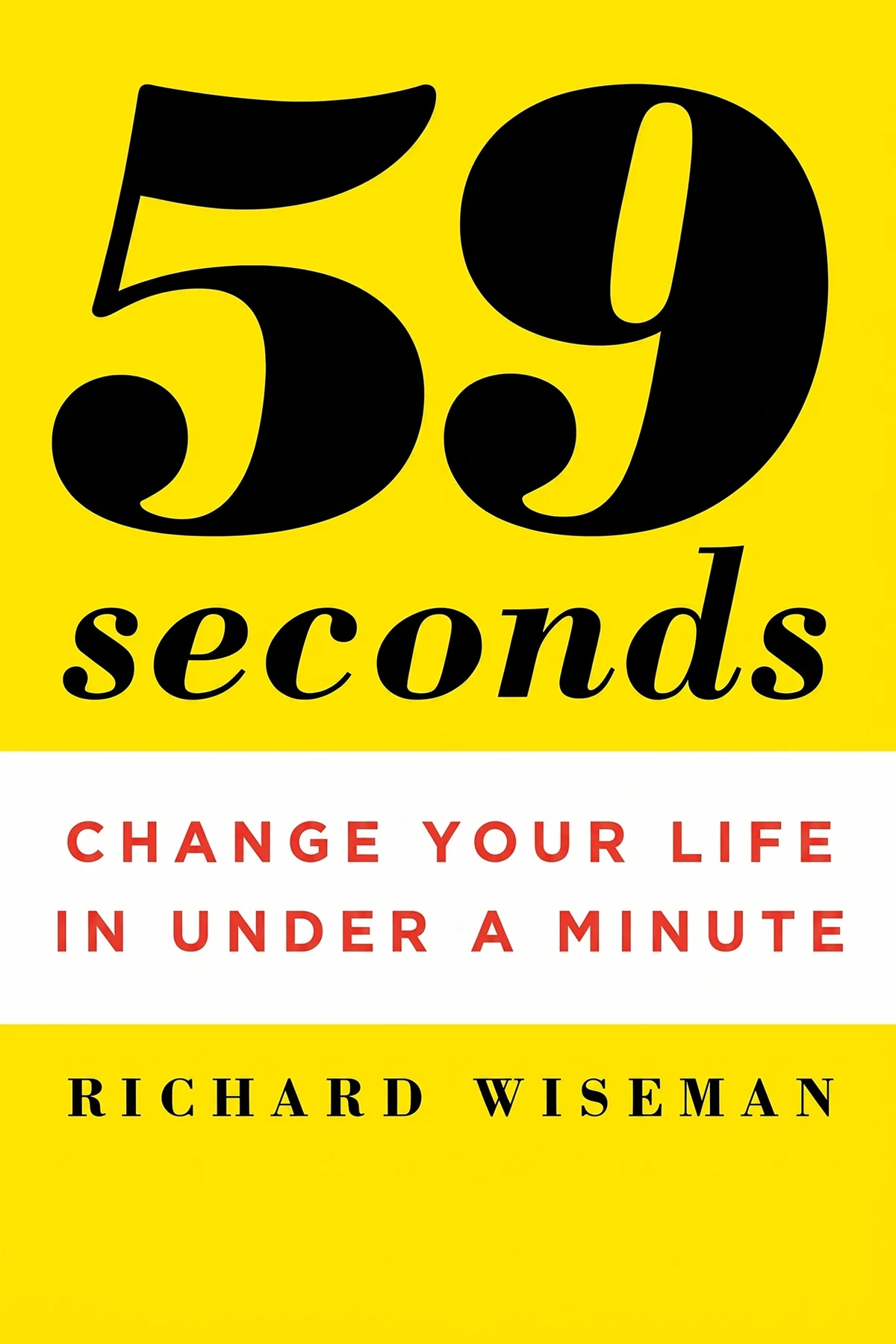
Richard Wiseman
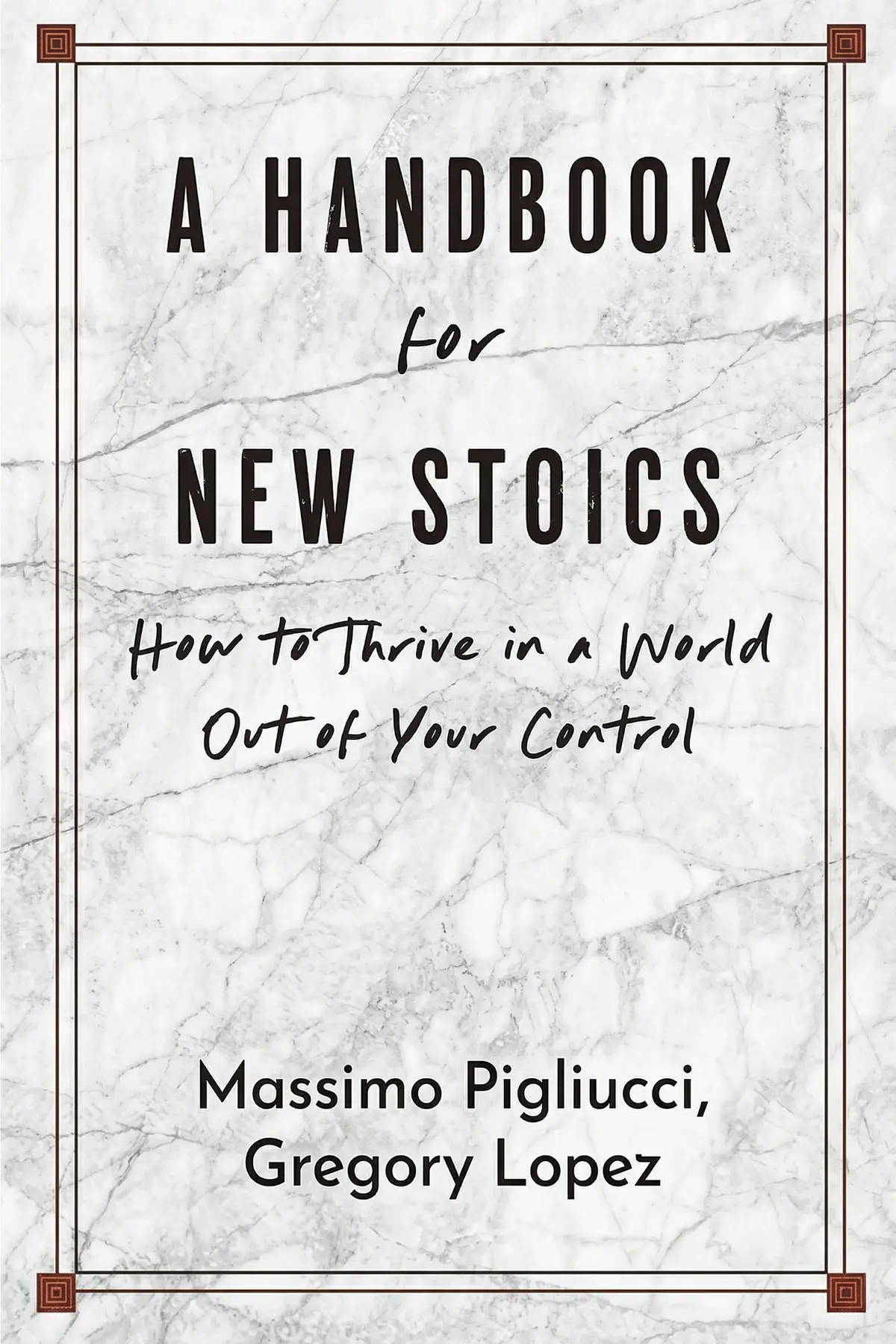
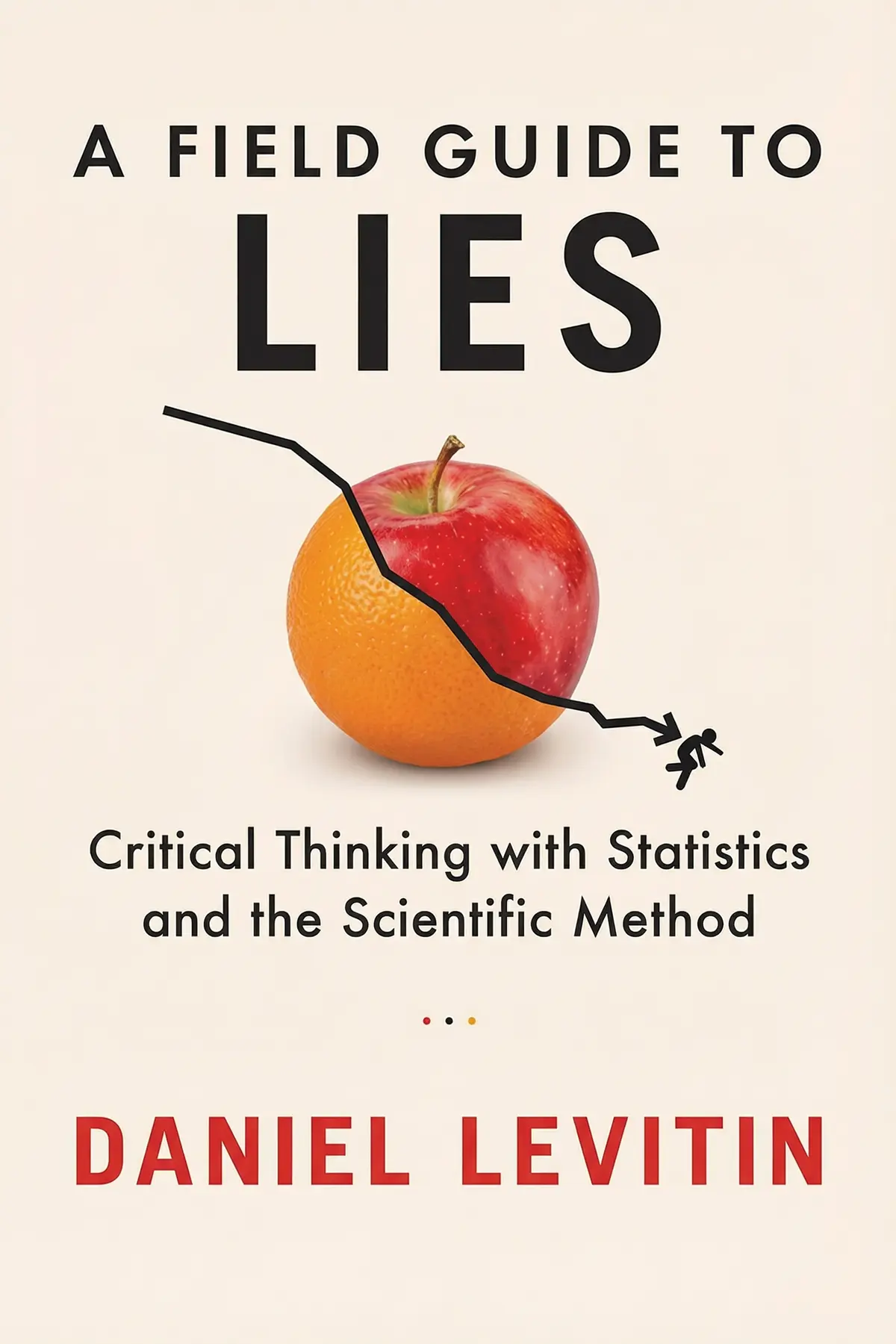
Nigel Warburton
AUDIO SUMMARY AVAILABLE
Get the key ideas from Against Empathy by Paul Bloom, plus 5,000+ more titles in English and Thai.