

22 min 11 sec
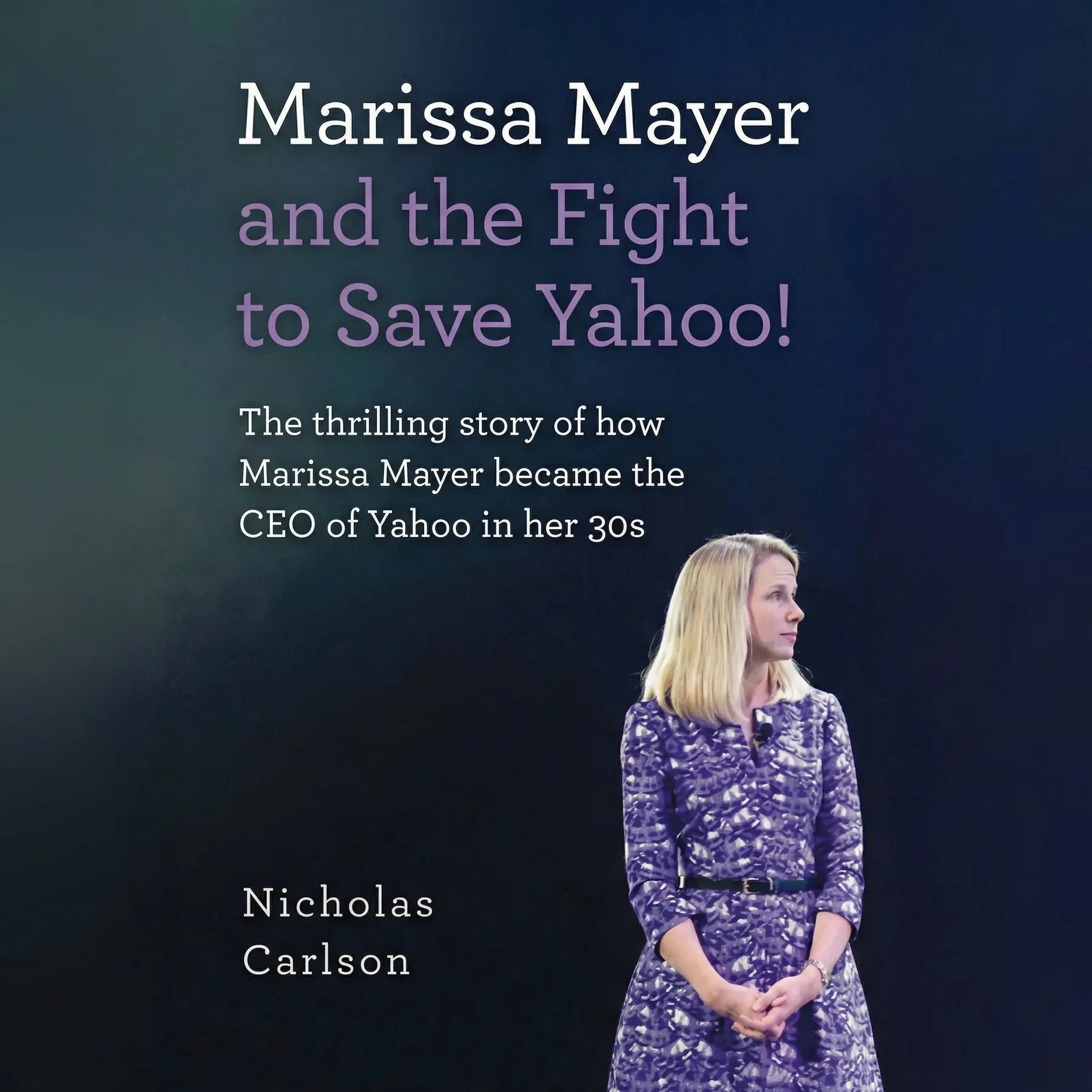
Marissa Mayer and the Fight to Save Yahoo!
Explore the dramatic rise and complex decline of Yahoo, from its Stanford origins to Marissa Mayer’s high-stakes attempt to reinvent the internet pioneer in an era dominated by mobile and social media.

Table of Content
1. Introduction
2 min 17 sec
Imagine a world where the internet didn’t have a front door. In the early 1990s, the World Wide Web was a digital frontier—exciting, but disorganized and difficult to navigate. Into this void stepped Yahoo, a company that would define the first era of the connected world. For a significant time, Yahoo didn’t just provide a service; for many users, Yahoo *was* the internet. It was the portal through which millions of people first discovered what the digital age had to offer. However, the tech industry is notoriously unforgiving, and the giant that once stood atop the mountain eventually found itself sliding toward irrelevance.
In this summary, we are diving into the dramatic history of a company that went from a Stanford dorm room project to a multi-billion-dollar empire, only to face a slow, painful struggle for its survival. We will look closely at the turning points that defined its trajectory: the missed opportunities that could have changed history, the leadership changes that attempted to steer a sinking ship, and the arrival of Marissa Mayer. At just thirty-seven years old, Mayer left a high-ranking position at Google to take on the monumental task of saving Yahoo.
Her story is one of high-stakes gambling and intense scrutiny. From billion-dollar acquisitions to controversial internal policy changes, Mayer’s tenure was a whirlwind of activity designed to modernize an aging icon. But to understand why Mayer faced such an uphill battle, we have to go back to the beginning. We need to see how Yahoo was built, how it made its fortune, and where the cracks first started to appear. This journey is more than just a corporate history; it is a lesson in how quickly the tides of technology can turn and what happens when a pioneer loses its way. Through the lens of Marissa Mayer’s leadership and the company’s long-standing struggles, we will explore the throughline of an organization searching for a purpose in a world that had moved on without it. By the end, you will see not just the story of a single CEO, but the broader evolution of the internet itself, as seen through the eyes of a company that fought desperately to remain in the spotlight.
2. The Accidental Birth of a Digital Giant
2 min 24 sec
Discover how a simple list of favorite websites created by two graduate students evolved into the most important directory in the early history of the internet.
3. Converting Clicks into a Multi-Billion-Dollar Ad Engine
2 min 10 sec
Explore the innovative ways Yahoo pioneered online advertising, transforming from a simple directory into a financial juggernaut within just a few years.
4. Scaling Innovation Through Data and Pods
2 min 08 sec
Learn about the unique organizational structure that allowed Yahoo to launch hundreds of products by listening to what users were actually doing.
5. The Integrity Crisis and the Dot-Com Collapse
2 min 05 sec
Trace the moment Yahoo began to lose its way by prioritizing short-term advertising revenue over the long-term trust of its users.
6. The Billion-Dollar Blind Spot and the Rise of Search
2 min 10 sec
Investigate the single most consequential mistake in Yahoo’s history: the decision to ignore the revolutionary potential of algorithmic search.
7. Marissa Mayer’s High-Stakes Entry
2 min 15 sec
Follow the rise of Marissa Mayer at Google and the intense expectations that surrounded her arrival as the savior of Yahoo.
8. The Mobile Pivot and the Media Mismatch
2 min 05 sec
Analyze Mayer’s strategy to transform Yahoo into a mobile powerhouse and the complications that arose when she tried to manage the media side of the business.
9. Cultural Friction and the Unfinished Turnaround
2 min 10 sec
Examine the internal controversies and market pressures that ultimately hindered Mayer’s efforts to restore Yahoo to its former glory.
10. Conclusion
2 min 27 sec
As we look back at the history of Yahoo and the tenure of Marissa Mayer, a clear picture emerges of a company that was both a victim of its own success and a casualty of the rapid evolution of technology. Yahoo was a pioneer that helped millions of people understand what the internet could be. It built an incredible advertising engine and a suite of products that touched every corner of digital life. However, its early dominance led to a dangerous complacency, causing it to miss the critical shift toward algorithmic search and the eventual transition to mobile-first computing.
Marissa Mayer’s arrival was a moment of genuine hope. She brought a level of technical rigor and a clear-eyed focus on mobile that the company desperately needed. She cleaned up the product line, improved the user interface across the board, and made bold bets on the future through acquisitions like Tumblr. Yet, her story at Yahoo also highlights the limits of a single leader’s influence when faced with deep-seated cultural issues and an industry that moves at a breakneck pace. Her management style, while successful at Google, created internal friction at Yahoo that arguably hampered the very innovation she was trying to foster.
The throughline of the Yahoo story is the search for relevance. In its early days, Yahoo was relevant because it organized the chaos of the web. Later, it struggled because it tried to be everything to everyone, losing its soul in a sea of generic content and paid placements. Mayer’s attempt to focus on “daily habits” was a smart strategic move, but it may have come too late to displace the new giants that had already occupied those spaces in the minds and pockets of users.
The key takeaway for any professional or entrepreneur is the importance of identity and agility. You cannot simply rely on being the first mover; you must constantly reinvent your core value proposition. Yahoo’s journey shows that even billions of dollars in revenue and a world-famous brand are not enough to protect a company that stops solving unique problems for its users. As you reflect on this story, consider your own projects: Are you solving a problem that still exists, or are you defending a solution for a world that has already changed? The struggle to save Yahoo is a permanent case study in the relentless demand for innovation in the digital age.
About this book
What is this book about?
Marissa Mayer and the Fight to Save Yahoo! chronicles the turbulent journey of one of the internet’s most iconic brands. It begins with the accidental creation of a web directory by two Stanford students and follows Yahoo’s rapid ascent to a multi-billion-dollar advertising powerhouse during the dot-com boom. The narrative then shifts to the strategic missteps and identity crises that plagued the company, including the fateful decision to pass on purchasing a young Google. The core of the book focuses on the 2012 hiring of Marissa Mayer, a high-profile Google executive tasked with a nearly impossible turnaround. It explores her shift toward a mobile-first strategy, her massive acquisitions like Tumblr, and the internal cultural clashes sparked by her management style. This is a story of ambition, corporate strategy, and the relentless pace of technological change, offering a deep look at why even the most dominant giants can struggle to stay relevant in a shifting digital landscape.
Book Information
About the Author
Nicholas Carlson
Nicholas Carlson is Business Insider's chief correspondent and investigative reporter. He wrote about the histories of Facebook, Twitter and Groupon and is the author of The Cost of Winning: Tim Armstrong, Patch and the Struggle To Save AOL.
Ratings & Reviews
Ratings at a glance
What people think
Listeners find this title to be an absorbing experience that delivers profound understanding regarding Yahoo’s background and business practices. The author’s approach is expertly handled, and listeners characterize the tone as both truthful and credible. They value the speed of the narrative, with one listener remarking that it truly is a page-turner.
Top reviews
Narut
Ever wonder how a tech giant with so much early promise ends up as a cautionary tale for Silicon Valley? Carlson delivers an incredibly candid and honest look at the internal friction that defined Yahoo's later years. I was gripped by the details of Mayer’s transition from Google, where she had already established herself as a meticulous, data-driven executive. The book does an excellent job of illustrating the impossible task she faced upon arrival. You get a real sense of the tension between her innovative vision and a company culture that was already deeply troubled. Not gonna lie, the reporting on the 'sexist gossip' regarding her wardrobe and maternity leave felt a bit unnecessary, but it accurately reflects the media circus of the time. This is a must-read for anyone interested in corporate governance and the high-stakes world of tech turnaround attempts.
Show moreElan
Finally got around to reading this, and it provides an incredibly authentic look at the chaos behind the famous purple logo. The book is effectively two stories in one: a tragic history of a pioneer that lost its way and a portrait of a leader trying to fix the unfixable. I was particularly fascinated by the breakdown of the Alibaba deal, which basically kept Yahoo on life support for years. Carlson’s tone is matter-of-fact, yet he captures the high-speed drama of the valley perfectly. It’s a refreshing change from typical 'hero-worship' biographies because it highlights the failures and the mismanagement just as much as the talent. The research into Mayer’s personal branding and her work ethic at Google serves as a great backdrop for her eventual move to the top spot. If you want to understand why some companies thrive while others stagnate, this is the book to grab.
Show moreSamroeng
This book is basically two stories woven into one: a tragic history of a pioneer that lost its way and a portrait of a leader trying to fix the unfixable. Nicholas Carlson’s writing is sharp, making the complex world of tech mergers and acquisitions feel surprisingly human. I was struck by the description of Yahoo’s lack of identity; they never quite knew if they were a media company or a tech company. Mayer’s attempt to pivot to mobile was a valiant effort, and this book documents every hurdle she faced with incredible detail. It’s a fascinating read that offers great insight into the systemic issues that plague aging tech giants. The story is a reminder that in Silicon Valley, even a massive head start isn't enough to guarantee survival. I highly recommend this for anyone who wants a behind-the-scenes look at the realities of corporate turnarounds. Truly an indulgent and educational read.
Show moreAraya
Nicholas Carlson manages to turn what could have been a dry corporate post-mortem into a legitimate page-turner. The narrative flows with a journalistic flair that captures the chaos of the early internet years and the eventual decline of a pioneer. I found the sections on the QPR system—that controversial forced ranking curve—to be especially illuminating because it explains so much about the internal morale collapse. It’s a bit heavy on the gossip side, which makes it feel like popcorn entertainment at times, but the factual timeline regarding the Microsoft bid and the Alibaba windfall remains solid. Frankly, it’s a fascinating study of how brand neglect can sink even the biggest titans. While some of the insights into Mayer’s personality feel speculative, the book offers a rare, insider perspective on the struggle of being a female CEO in a male-dominated industry. It is a well-constructed account that avoids being a simple success story.
Show moreThongchai
The chapter on Mayer’s decision to ban remote work was particularly revealing, especially given how it polarized the tech world at the time. This book is a masterclass in pacing, moving swiftly from the founding of the directory to the desperate search for a new identity. Carlson captures the 'secret access' feeling of being in the room during these pivotal meetings. I appreciated how the author balanced Mayer’s technical genius with the interpersonal friction she often caused. It’s an honest portrayal of a complex person who defies easy stereotypes. Even though the company's ultimate fate is well-known, the book reads like a thriller. My only minor gripe is that the ending feels a bit abrupt, but that’s likely because the story was still unfolding during publication. Overall, it’s a brilliant, insightful read for any tech enthusiast or business student.
Show moreRatthapong
As someone who followed the tech news during Mayer’s tenure, this book fills in so many of the gaps regarding what was actually happening in those boardrooms. The description of the management systems—specifically how they mirrored the 'forced curve' at Enron—was a chilling reminder of how corporate culture can be destroyed by good intentions. Carlson is a great storyteller who knows how to keep the reader engaged with short, punchy chapters. The truth is, Yahoo was likely beyond saving long before Mayer arrived, but seeing the specific ways they missed the mobile revolution is still painful. I loved the background on the various CEOs that came before her; it really puts the 'troubled company' tag into perspective. It’s a well-researched piece of journalism that manages to stay accessible to a general audience. This is definitely one of the better business books I've read lately.
Show moreAnong
Picked this up on a whim and was surprised by how much I learned about the broader ecosystem of AOL, Google, and eBay. The author does a fantastic job of weaving together the disparate threads of the internet's evolution. It’s clear that Mayer is a star to watch, regardless of the outcome at Yahoo, and her work ethic is clearly legendary. The book provides an authentic glimpse into the pressures of high-level leadership. I found the sections on her 'personal branding' at Google to be quite insightful for my own career. While the gossipy tone can be a bit much, it accurately captures the cutthroat nature of the industry. The narrative is fast-paced and well-executed, making it a very easy read for such a complex subject. It’s a solid 4-star book that balances business history with a compelling character study.
Show moreBee
While I appreciated the deep dive into the early days of Jerry Yang and David Filo, the second half of this book felt a bit too focused on tabloid-style speculation. The author relies heavily on anonymous sources and office rumors, which makes me question the absolute credibility of the more personal anecdotes. For example, trying to pin Mayer into a specific Myers-Briggs personality type felt a little forced and pseudoscientific for a serious business biography. To be fair, the writing is snappy and the pacing is excellent throughout the entire 300-plus pages. I learned quite a bit about the broader ecosystem involving AOL, Apple, and eBay that I hadn't considered before. It’s an enjoyable read if you take the 'insider' claims with a grain of salt. It just lacked the objective distance I usually prefer in journalistic non-fiction. Good, but definitely skewed by the author's subjective lens.
Show moreFah
To be fair, Carlson writes with a journalistic flair that keeps you engaged, but I finished the book feeling like I still didn't truly know the 'real' Marissa Mayer. A lot of the content is recycled from his Business Insider articles, which makes it feel a bit disjointed at times. The book excels when it focuses on the factual history of brand mismanagement and the missed opportunities with Microsoft. However, when it dives into the psychological motivations of the executives, it feels like it’s reaching. Personally, I would have preferred more focus on the technical shifts in the industry and less on the social dynamics of the 'Google elite.' It is a decent overview of a specific era in Silicon Valley, but it doesn't quite reach the heights of other classic tech biographies. It’s a good 'popcorn' read for a flight, but don't expect a deep, academic analysis.
Show moreJib
Not what I expected from a business biography, as it leans way too heavily on hearsay rather than hard data or direct interviews. The author seems more interested in the 'drama' of the boardroom than the actual mechanics of the business strategy. I found the constant focus on Mayer’s fashion choices and her two-week maternity leave to be quite regressive and distracting. It felt like the book was trying to capitalize on controversy rather than providing a balanced analysis of her leadership. Look, the historical context of Yahoo’s early growth is interesting, but the narrative is plagued by a 'he-said, she-said' vibe that undermines its authority. Many of the perspectives included are clearly from disgruntled former employees, which makes the whole thing feel one-sided. I was hoping for a more professional dissection of the tech industry, but this felt more like a long-form gossip column.
Show moreReaders also enjoyed

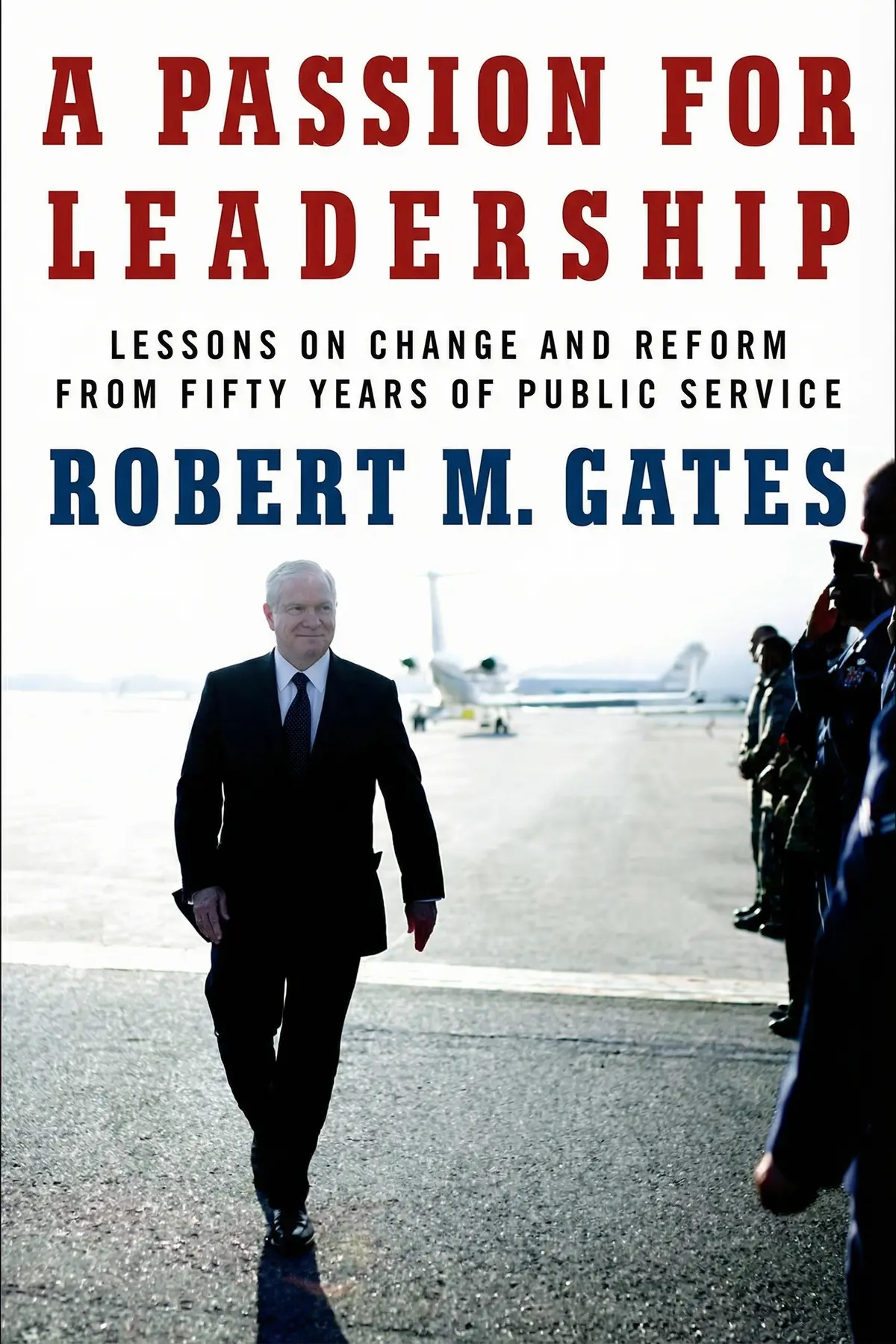
A Year with Peter Drucker: 52 Weeks of Coaching for Leadership Effectiveness
Joseph A. Maciariello



Acting with Power: Why We Are More Powerful Than We Believe
Deborah Gruenfeld
All In: How Great Leaders Build Unstoppable Teams
Mike Michalowicz

AUDIO SUMMARY AVAILABLE
Listen to Marissa Mayer and the Fight to Save Yahoo! in 15 minutes
Get the key ideas from Marissa Mayer and the Fight to Save Yahoo! by Nicholas Carlson, plus 5,000+ more titles in English and Thai.
- 5,000+ titles
- Listen as much as you want
- 7-day free trial
- Cancel anytime







