
14 min 26 sec
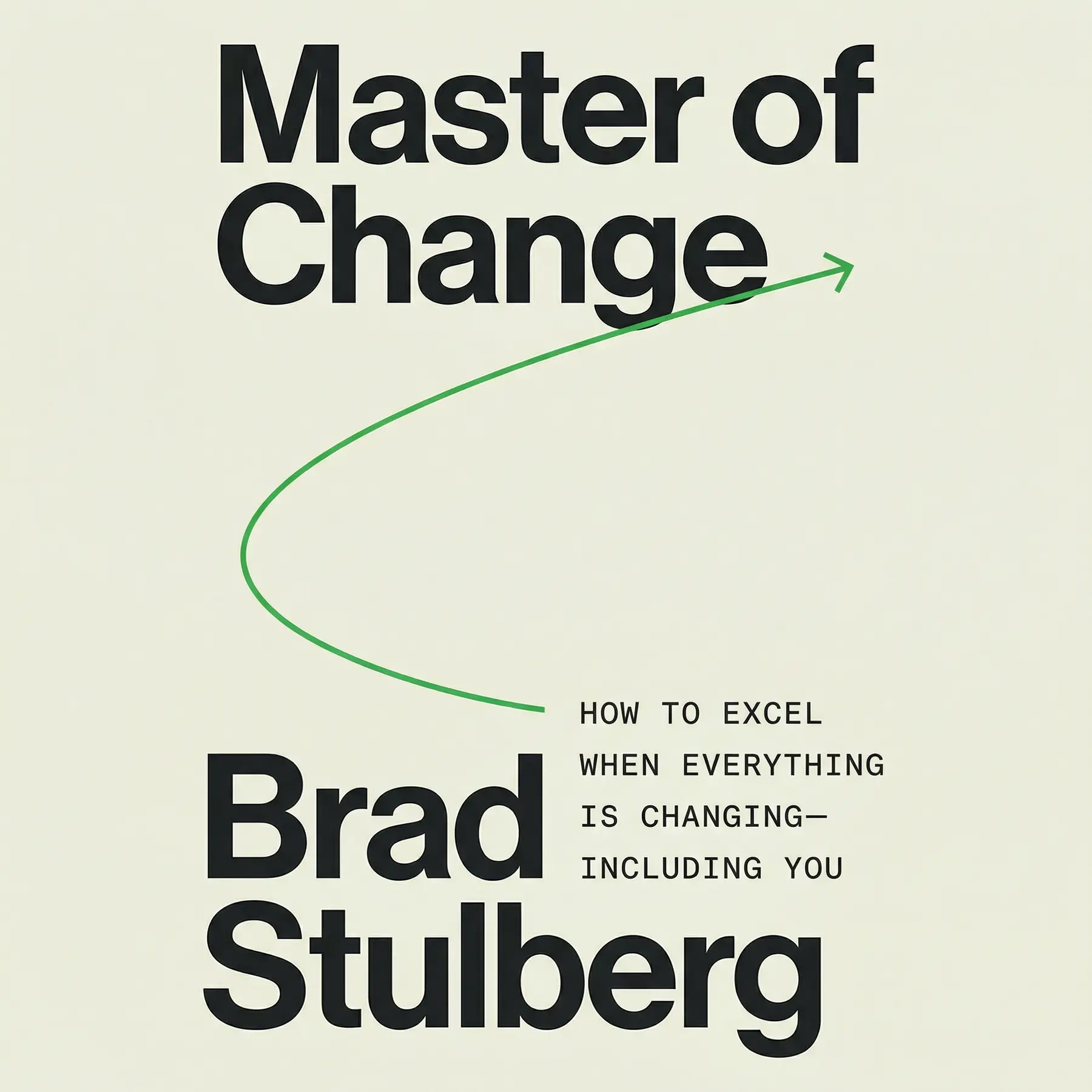
Master of Change: How to Excel When Everything Is Changing - Including You
Discover how to navigate life’s constant transitions by developing rugged flexibility. This guide explores strategies for embracing change, managing expectations, and grounding yourself in core values to thrive amidst uncertainty.
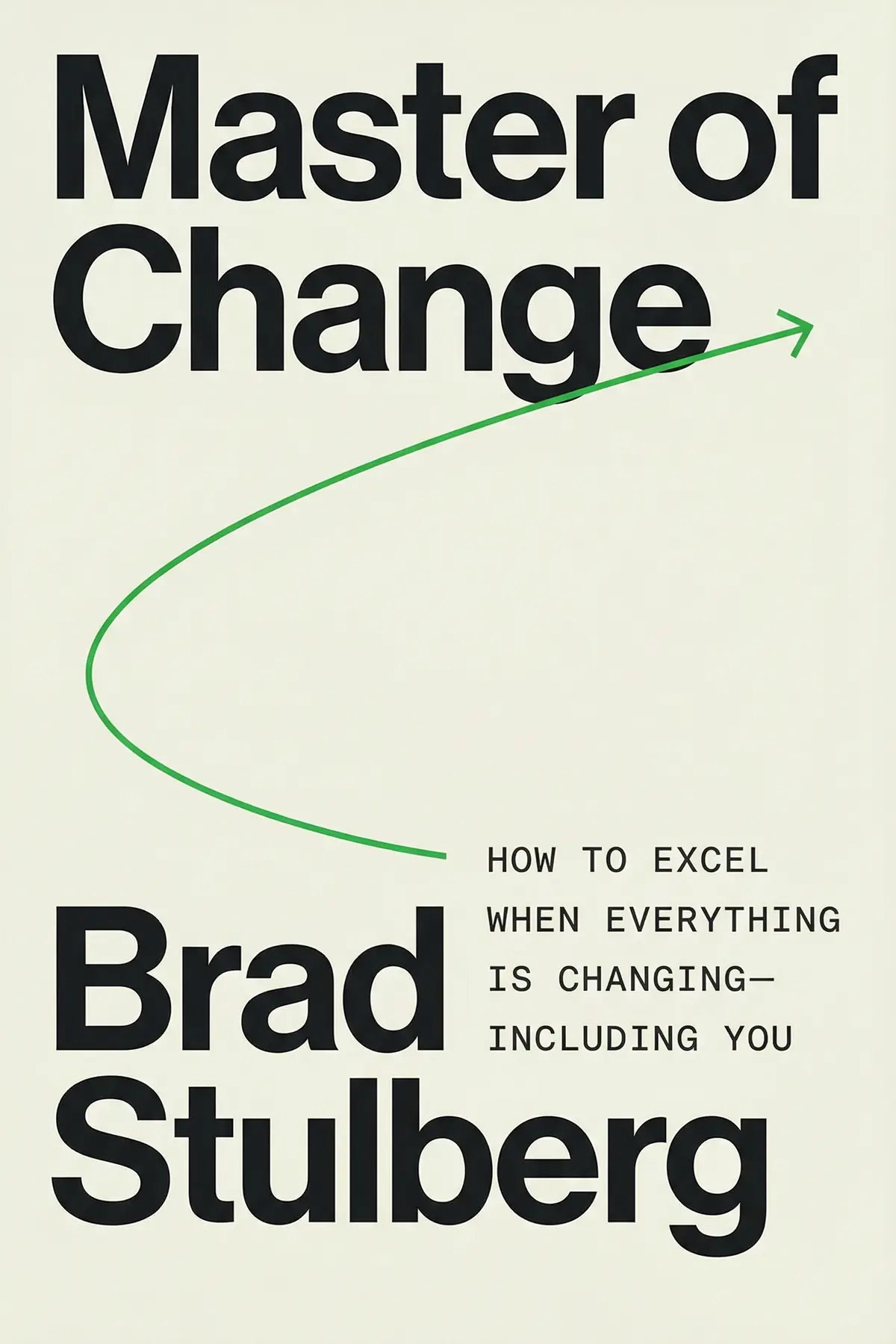
Table of Content
1. Introduction
1 min 32 sec
Think about the last time life threw you a curveball. Maybe it was a sudden career pivot, a relationship ending, or even a global event that upended your daily routine. In those moments, it is natural to feel as though you are struggling to stay afloat in a turbulent river. We often spend our energy trying to fight the current, hoping to return to the way things were. But what if the secret to surviving the current wasn’t fighting it, but learning how to move with it?
This is the core challenge of modern existence. Change is the only true constant, yet we frequently treat it as an interloper or a temporary glitch in an otherwise stable life. Brad Stulberg argues that our traditional view of stability is actually holding us back. We often aim for ‘homeostasis,’ a state where we return to a fixed baseline after a disruption. But in a world that never stops moving, trying to return to a previous version of ourselves is a losing game.
Instead, we need to cultivate what Stulberg calls ‘rugged flexibility.’ This is the ability to remain grounded in who we are while being supple enough to adapt to new realities. In the following segments, we will explore how to stop resisting the inevitable and start mastering the art of transformation. We’ll look at why managing our expectations is the key to well-being, how our core values act as an anchor during storms, and how to choose a mindful response over an impulsive reaction. By the end, you’ll see that change isn’t something that happens to you—it’s the very environment in which you can choose to flourish.
2. The Fallacy of Resistance
2 min 48 sec
Explore why fighting the natural flow of life leads to suffering and how the concept of rugged flexibility can help you adapt to inevitable shifts.
3. The Alignment of Expectation and Reality
2 min 51 sec
Understand how your mental projections influence your happiness and why adopting a mindset of tragic optimism can provide hope in difficult times.
4. Values as the Ultimate Anchor
2 min 38 sec
Learn how to identify and utilize your core principles as a steady compass when the world around you feels chaotic and unpredictable.
5. The Space Between Stimulus and Response
3 min 13 sec
Discover the psychological tools that allow you to pause and choose your actions mindfully, rather than reacting on impulse during stressful transitions.
6. Conclusion
1 min 24 sec
As we have seen, the journey to becoming a master of change is not about finding a way to make life stand still. It is about developing the inner stability to remain upright while the world moves around you. We live in a cycle of constant ‘disorder events,’ and the more we accept this as the baseline of human existence, the less we will suffer when things shift.
By cultivating rugged flexibility, you allow yourself to be both strong and adaptable. You learn to manage your expectations, embracing the reality of your situation while maintaining the tragic optimism necessary to find meaning. You anchor yourself in your core values, ensuring that no matter how much your external life changes, your internal compass remains true. And finally, you learn to inhabit the space between stimulus and response, choosing mindful action over instinctive reaction.
Mastering change is a practice, not a destination. It requires a daily commitment to showing up with curiosity and openness. The next time you feel the ground shifting beneath your feet, remember the river. Don’t waste your energy trying to hold back the water. Instead, trust your values, take a breath, and learn to navigate the flow. When you do, you’ll find that change is not a force to be feared, but the very catalyst that allows you to become the most resilient version of yourself.
About this book
What is this book about?
Life is a series of transitions, yet most of us are conditioned to resist change rather than embrace it. Master of Change provides a framework for moving beyond resistance and toward a state of rugged flexibility. By understanding that change is an inherent part of the human experience, we can learn to stop viewing it as a threat and start seeing it as an opportunity for growth and evolution. The book promises to help you build the psychological and emotional tools necessary to handle everything from minor daily disruptions to major life-altering events. Through the lens of neuroscience, philosophy, and real-world examples, you will learn how to cultivate a mindset that remains steady even when the world is shifting. The goal is not to become invincible, but to become adaptable—developing the strength to hold onto your core identity while being flexible enough to change your path when the situation demands it.
Book Information
About the Author
Brad Stulberg
Brad Stulberg is a researcher and writer specializing in health and well-being. He is widely recognized for his work on human performance and mental health. In addition to being the author of the best-seller The Practice of Groundedness, his insights frequently appear in major publications such as the New York Times, the Wall Street Journal, and the Atlantic.
Ratings & Reviews
Ratings at a glance
What people think
Listeners describe this book as highly profound, giving special credit to its actionable advice and how it aids in managing the world's perpetual shifts. Furthermore, the prose is widely admired, and listeners value the solid scientific research integrated throughout the text. The work also focuses on the necessity of accepting transitions and using them to your advantage, while introducing the idea of "rugged flexibility." Listeners feel the material is easy to relate to, with one listener mentioning that the work serves as a sanity-check for modern life.
Top reviews
Mattanee
Brad Stulberg has a knack for distilling complex psychological research into something that feels deeply intuitive. In "Master of Change," he introduces the concept of "rugged flexibility," which essentially argues that we shouldn't just bounce back, but rather evolve through our challenges. I loved the way he blended ancient Stoic wisdom with modern behavioral science without making it feel like a textbook. While some might find the references to the 2020 era a bit repetitive, the actual framework for staying grounded is worth the price of admission alone. It’s a refreshing sanity-check for anyone feeling overwhelmed by the constant flux of modern existence. Frankly, this is his best work since "Peak Performance."
Show moreSawit
This book arrived at exactly the right moment in my life. Instead of offering a generic "five steps to success" guide, "Master of Change" explores the deeper dynamics of how the human mind handles uncertainty. The way Stulberg connects the dots between science and philosophy is brilliant, making the case for a more fluid way of living. I felt personally called out by the description of "change-averse" mindsets, but the 4P framework provided a tangible way to start shifting my perspective. It’s not just a book you read; it’s a tool you use to stay grounded when the storm hits. Genuinely impressed by how practical and actionable the advice turned out to be.
Show morePranee
I’m not usually one for self-help, but the "good science" integrated throughout this book made it a compelling read. Stulberg doesn't just give you platitudes; he explains the neurological reasons why change feels so threatening to us. I loved the concept of being "rugged" in our values but "flexible" in our methods. It’s a mindset shift that feels perfectly suited for the modern times we live in. The writing is clear, concise, and avoids the usual fluff you find in this genre. For anyone feeling stuck or afraid of what comes next, this book is an absolute must-read. It helped me find my footing during a very difficult month.
Show moreJackson
Finally got around to reading this after hearing so much buzz about the 4P framework. The idea of pausing, processing, planning, and proceeding sounds simple on paper, but Stulberg explains the nuance behind why our brains resist this during stressful transitions. To be fair, some of the sections on Eastern philosophy felt a bit like a hodgepodge of ideas I’ve read elsewhere, yet the synthesis here is unique. I appreciated the emphasis on sticking to core values while remaining adaptable in everything else. It’s a solid manual for navigating life's inevitable curveballs. Not every chapter hit home, but the ones that did were incredibly insightful.
Show moreOtt
As someone who is currently navigating several major life pivots, I found a lot of comfort in these pages. Stulberg’s writing style is incredibly soothing and grounded, making it easy to digest even when he’s diving into dense topics like homeostasis versus allostasis. The book validates the fear of change while providing a mental map to move through it without losing your identity. I especially liked the section on "ruggedness," which gave me a new perspective on resilience. My only gripe is that it occasionally feels a bit vague, almost like the Matrix, where you're waiting for a concrete "how-to" that never quite fully materializes. Still, it’s a very helpful guide for the current era.
Show moreMoon
Ever wonder why some people seem to thrive in chaos while others completely fall apart? Stulberg answers this by looking at how we view our identity during times of transition. He argues that we should be like a house with a strong foundation but flexible windows, a metaphor that really stuck with me. The chapters on pausing and processing emotions were particularly strong, offering a much-needed sanity-check for our high-speed world. Some of the philosophical sections felt a little disjointed, almost like a hodgepodge of Greek and Eastern thought thrown together. However, the actionable systems he provides for personal improvement are top-notch and easy to implement.
Show moreWatchara
The chapter on "rugged flexibility" alone makes this book a worthwhile investment for any professional. Stulberg has a gift for making complex ideas like "allostasis" feel relevant to your daily work life and personal relationships. Personally, I found the 4P framework—Pause, Process, Plan, and Proceed—to be a game-changer for how I handle unexpected curveballs at the office. While the book draws heavily on existing philosophies like Stoicism, the way it’s packaged for a modern audience is fresh and engaging. It’s not always a "how-to" guide, but it certainly builds a mental map for navigating life more skillfully. A solid four stars for the practical wisdom and the soothing, grounded tone.
Show moreMikael
Look, I have mixed feelings about this one compared to Stulberg’s previous books. On one hand, the central thesis about responding rather than reacting is a powerful tool for mental strength. On the other hand, the book feels padded with a lot of scientific jargon that doesn't always lead to a practical application. There’s also a noticeable amount of political commentary regarding the 2020 election that felt a bit out of place in a self-help title. If you can look past the sermonizing, there are about twenty pages of truly excellent advice buried in here. It's a decent read, but I wouldn't call it a masterpiece.
Show moreJob
The core concepts here are undeniably strong, especially the 4P framework for emotional regulation. However, I gotta say the book gets bogged down in way too much discussion about the 2020 election and COVID-19. It dates the material significantly and feels a bit like a left-leaning sermon in certain chapters. If you can filter out the social commentary, you’ll find some very important psychological tools for navigating difficult times. It’s a good book that needed a tighter edit to stay focused on the universal aspects of change. Worth a read if you’re a fan of the author’s previous work, but be prepared for some filler.
Show moreThawee
Not what I expected based on the high ratings. The truth is, most of this could have been a long-form essay rather than a full-length book. I found the constant references to the pandemic and the 2020 election to be quite distracting and, at times, a bit preachy. While the concept of "rugged flexibility" is a nice phrase, it doesn't feel like a groundbreaking discovery in the realm of resilience research. If you’ve read any Stoicism or basic Buddhist philosophy, a lot of this will feel like a retread of old ideas. I really liked "The Practice of Groundedness," but this one just didn't provide enough new value for me to recommend it.
Show moreFeatured in
Readers also enjoyed
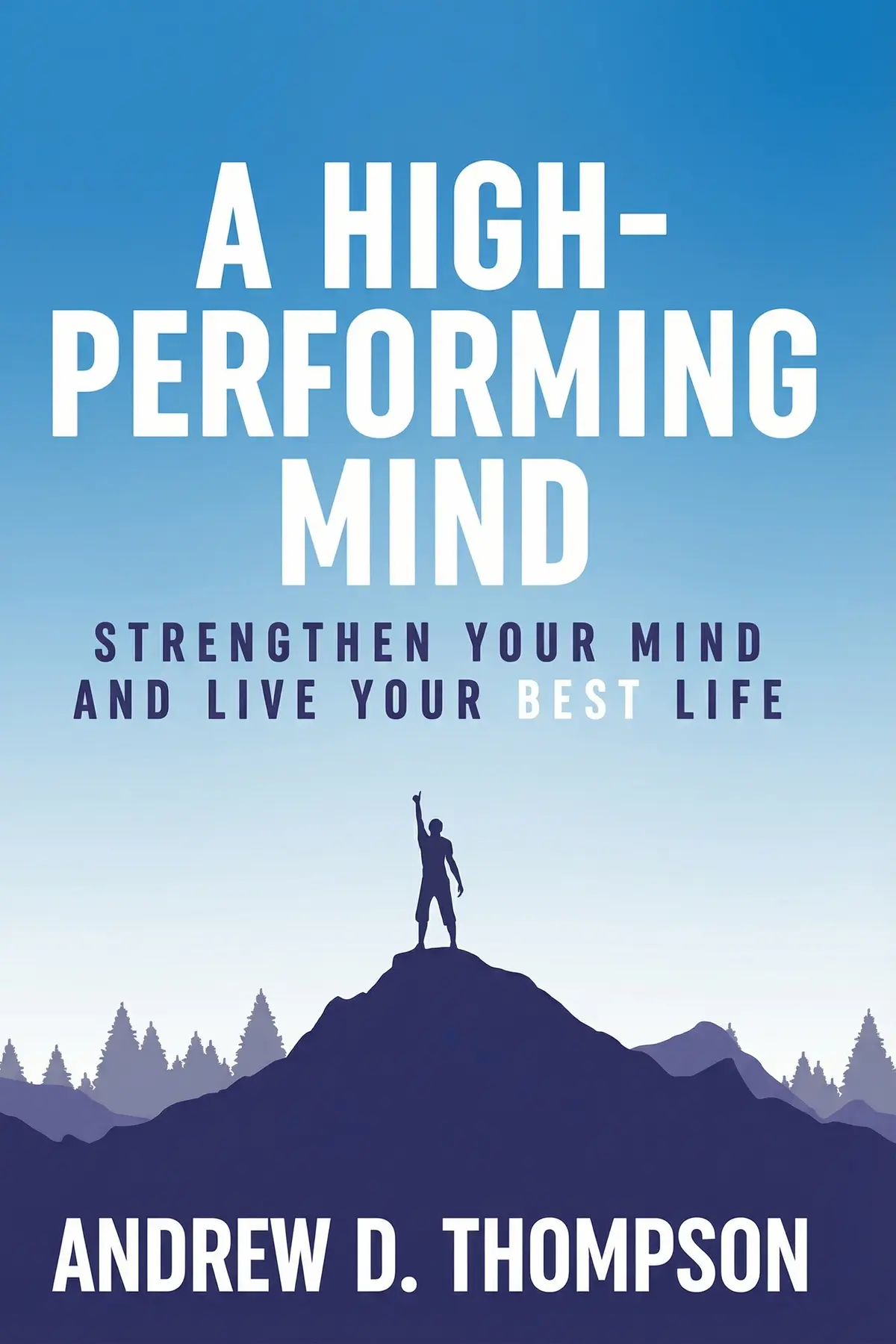
A High-Performing Mind: Strengthen Your Mind and Live Your Best Life
Andrew D. Thompson
Abundance: The Inner Path to Wealth
Deepak Chopra
59 Seconds: Change Your Life in Under a Minute
Richard Wiseman
A Guide to the Good Life: The Ancient Art of Stoic Joy
William B. Irvine
AUDIO SUMMARY AVAILABLE
Listen to Master of Change in 15 minutes
Get the key ideas from Master of Change by Brad Stulberg, plus 5,000+ more titles in English and Thai.
- 5,000+ titles
- Listen as much as you want
- 7-day free trial
- Cancel anytime







