
16 min 45 sec
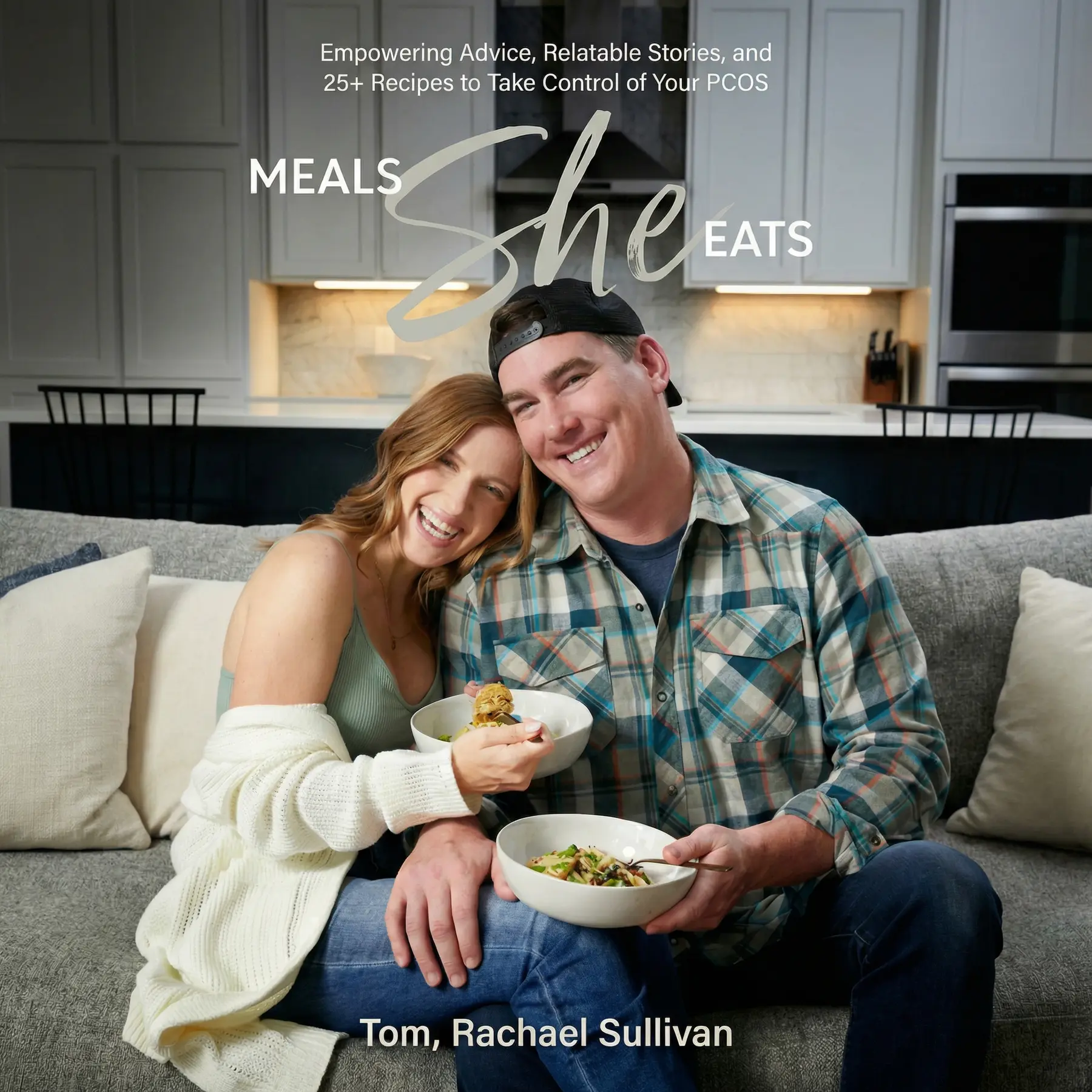
Meals She Eats: Empowering Advice, Relatable Stories, and 25+ Recipes to Take Control of Your PCOS
Discover how to manage PCOS symptoms through a revolutionary approach to nutrition and lifestyle. This guide offers practical advice on syncing your diet and exercise with your body's natural hormonal cycles.
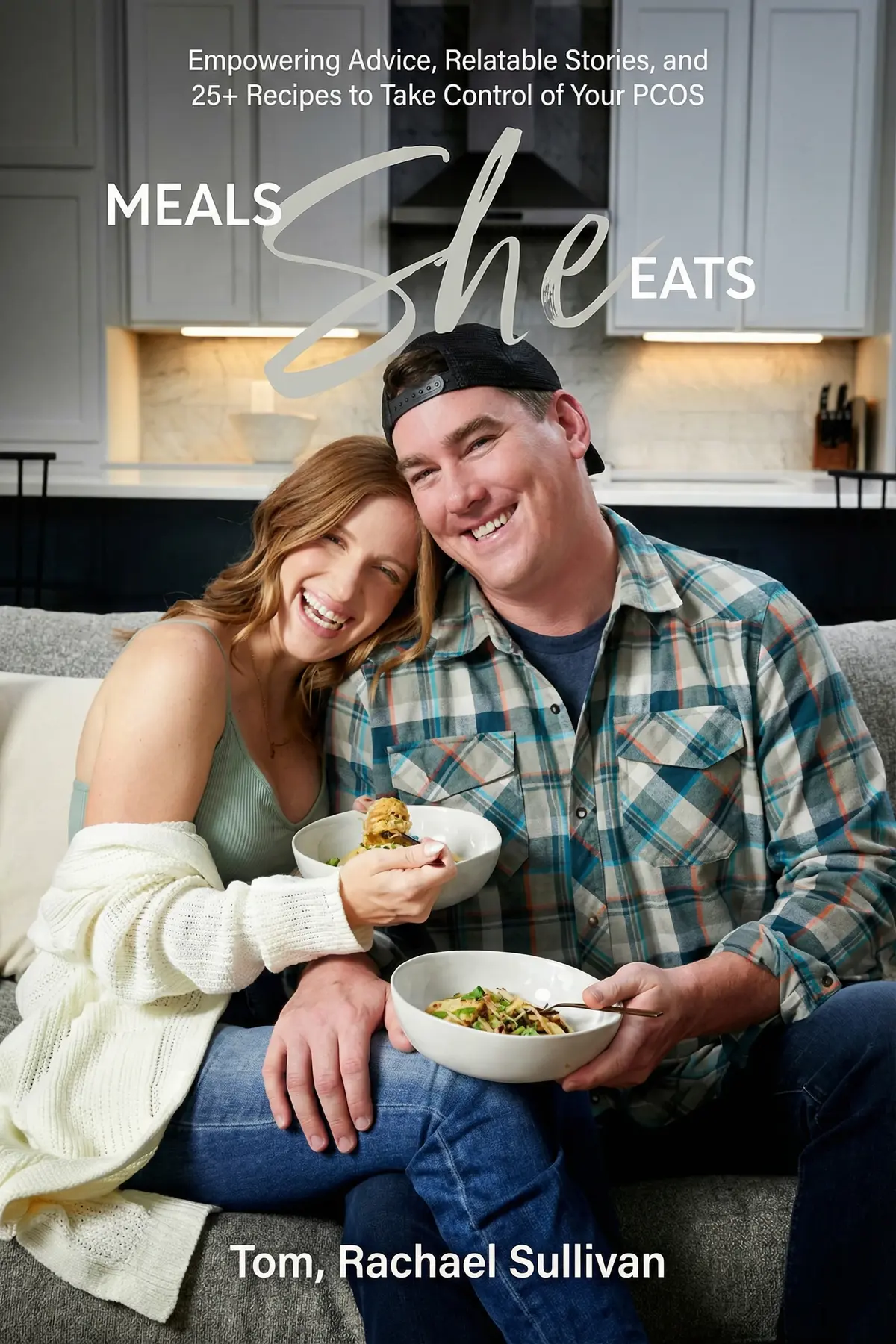
Table of Content
1. Introduction
1 min 42 sec
Imagine waking up and feeling completely in tune with your body’s internal clock. For many women, especially those navigating the complexities of Polycystic Ovary Syndrome, or PCOS, the body can often feel like a mystery or even a source of frustration. You might find yourself dealing with unexpected weight changes, persistent skin issues, or a menstrual cycle that seems to have a mind of its own. It is easy to feel powerless when faced with a condition that has no definitive cure. However, there is a path toward reclaiming balance, and it begins with understanding the rhythm of your hormones.
This journey is about more than just finding a list of things you shouldn’t eat. It is about discovering a way of living that honors the natural fluctuations of your reproductive system. By shifting your perspective from fighting against your body to working in harmony with it, you can begin to alleviate the symptoms that often feel overwhelming. The core philosophy here is that food is not just fuel; it is a powerful tool for hormonal regulation.
In the following sections, we will explore the science of the menstrual cycle and how PCOS disrupts it. We will look at how to audit your home for hidden toxins and how to adjust your physical activity to match your energy levels. Most importantly, we will dive into a detailed, phase-by-phase nutritional guide. From the restorative meals needed during your period to the high-energy foods for ovulation, you will learn how to nourish yourself back to a state of equilibrium. This is your guide to taking control of your health, one meal and one phase at a time.
2. Decoding the Cycle and the Syndrome
1 min 59 sec
Understand the biological foundations of your menstrual cycle and how hormonal imbalances lead to the common symptoms associated with PCOS.
3. Aligning Lifestyle and Environment
1 min 56 sec
Explore how to synchronize your physical activity and home environment with your hormonal needs to reduce endocrine disruption.
4. The Pillars of a Hormone-Friendly Diet
1 min 50 sec
Learn the essential dietary rules for PCOS management, including which foods to prioritize and which inflammatory triggers to avoid.
5. Nourishing the Menstrual Phase
1 min 56 sec
Focus on replenishment and digestion with specific recipes designed to restore nutrients lost during your period.
6. Energy for the Follicular Phase
1 min 58 sec
Support egg development and rising energy levels with diverse, thoroughly cooked meals featuring proteins and healthy carbs.
7. Vitality in the Ovulatory Phase
1 min 46 sec
Promote detoxification and support your peak energy levels with fiber-rich raw fruits and vegetables.
8. Comfort and Care in the Luteal Phase
2 min 05 sec
Reduce PMS symptoms and prepare for your period with warm, magnesium-rich foods that support progesterone production.
9. Conclusion
1 min 33 sec
Navigating life with PCOS can often feel like an uphill battle, but as we have explored, you are far from helpless. By shifting your focus from a search for a cure to a commitment to management through cycle-syncing, you can transform your relationship with your body. The journey begins with education—understanding the four phases of your cycle and recognizing how hormonal imbalances like elevated androgens affect your well-being. From there, it is about taking practical, daily steps to support your internal rhythm.
By auditing your home environment for toxins, choosing movement that matches your energy levels, and embracing a whole-food, anti-inflammatory diet, you provide your body with the resources it needs to heal. The recipes we’ve discussed—from the restorative miso soup of the menstrual phase to the fiber-rich salads of ovulation—are more than just meals; they are targeted interventions designed to balance your hormones.
Remember that consistency is key. This isn’t a thirty-day challenge; it’s a lifestyle shift. There will be days when you feel out of sync, and that is okay. The goal is to keep returning to these principles, listening to your body’s signals, and nourishing yourself with intention. As you align your life with your natural biological clock, you aren’t just managing symptoms; you are building a foundation for long-term health, vitality, and empowerment. Take it one phase at a time, and trust in your body’s incredible ability to find its way back to balance.
About this book
What is this book about?
Meals She Eats provides a comprehensive roadmap for women living with Polycystic Ovary Syndrome (PCOS). Rather than offering a temporary fix or a restrictive diet, it introduces the concept of cycle-syncing—aligning your food intake, exercise routine, and even your home environment with the four distinct phases of the menstrual cycle. The book explains the underlying hormonal shifts that occur throughout the month and how these changes impact everything from energy levels to fertility and skin health. The promise of this guide is empowerment. By understanding how androgen levels and other hormones fluctuate, readers can take proactive steps to mitigate common symptoms like fatigue, acne, and irregular periods. It moves beyond theory by providing specific dietary rules—such as avoiding dairy, soy, and gluten—and offering a collection of recipes tailored to each phase. Whether you are seeking to improve your fertility or simply want to feel more in tune with your body, this summary highlights the essential strategies for reclaiming your health through mindful, hormone-supporting choices.
Book Information
About the Author
Tom Sullivan
Tom and Rachael Sullivan are the husband-and-wife creators of the popular social media platform Meals She Eats. After Rachael was diagnosed with polycystic ovary syndrome (PCOS), Tom began developing specific recipes and meal plans designed to help manage her symptoms and support her hormonal health. Their journey resonated with millions online, leading to features on major media outlets including the TODAY Show and the Rachael Ray Show. They continue to share their experiences and culinary creations to support other women facing similar health challenges.
Ratings & Reviews
Ratings at a glance
What people think
Listeners admire the well-researched PCOS insights and practical suggestions provided throughout this cookbook. The text includes personal narratives and specific advice on which ingredients to prioritize during various menstrual cycle phases. Listeners describe the material as clear and approachable, with one listener emphasizing how it streamlines details regarding trying to conceive (TTC). They appreciate the book’s strategy for enhancing general well-being and mitigating the effects of PCOS.
Top reviews
Fort
Tom and Rachael have truly captured the essence of what it means to support a partner through a PCOS diagnosis. This book is so much more than a collection of recipes; it is a roadmap for couples navigating the confusing world of hormone health and fertility. I was especially impressed by the way the information on cycle phases was broken down into manageable, easy-to-digest sections. The dual POV adds a level of heart and relatability that you just don't see in standard clinical cookbooks. As someone currently in the thick of my own fertility journey, I found the suggested 28-day meal plan to be an absolute lifesaver. It simplifies complex TTC information and makes the daily 'what’s for dinner' struggle much easier to handle. These two have created a resource that feels like a warm hug for the 'CYSTer' community.
Show moreSin
Finally got my hands on a copy after following their journey online, and the layout is just as gorgeous as I hoped. The photography is stunning, and the way the book is divided into the four cycle phases makes so much sense for anyone trying to sync their life with their hormones. It’s rare to find a husband who dives this deep into research for his wife's health, and that perspective makes the book feel very inclusive for partners. Not gonna lie, I was worried it would be too clinical, but the writing is approachable and kind. The recipes are simple enough for weeknights but feel special enough to enjoy with the whole family. It’s a wonderful tool for supporting overall health while managing the ups and downs of a cycle.
Show moreKan
As a doula, I am always hunting for accessible resources for my clients who are trying to conceive or manage cycle-related symptoms. This book is officially at the top of my recommendation list because it presents hormone health in such a non-intimidating way. The authors do a fantastic job explaining how hormones fluctuate through the cycles and what the body specifically needs during those times. I love that they include lifestyle and exercise suggestions alongside the food. It creates a holistic picture of wellness that isn't just about weight loss, but about feeling good in your own skin. The focus on avoiding gluten, soy, and dairy is handled well with plenty of tasty animal protein options. This is a phenomenal resource for any woman wanting to understand her body better.
Show moreIsaiah
Wow, this book really takes the guesswork out of what can be a very isolating health journey. I was diagnosed with PCOS years ago and felt like I was just left to figure it out on my own until I found this community. The way Tom and Rachael break down the menstrual cycle into specific nutritional needs is a total game-changer for my energy levels. It’s refreshing to see a book that focuses on food as a way to support the body rather than just a way to restrict it. The 28-day suggested guide is easy to follow and the pictures are absolutely beautiful to look at. This is a must-have for anyone looking to reverse their symptoms through nutrition without feeling like they are on a 'diet.' Truly a win for the community!
Show moreGrace
After years of feeling like my body was a mystery, this book provided a sense of clarity I haven't found elsewhere. The Sullivans have done a great job of making PCOS management feel like a team effort rather than a solo struggle. I love how the recipes are curated for each specific phase of the cycle, and the shopping lists are a huge time-saver. Frankly, I didn't mind the repetition in some of the ingredients because it meant I wasn't wasting food at the end of the week. The dual POV kept me engaged and made the whole experience feel very personal and authentic. If you are struggling with hormone balance or just want to understand your cycle better, this book is an incredible investment in your health. It’s informative, beautiful, and deeply supportive.
Show moreNarong
Ever wonder how to actually eat for your cycle without spending hours on Google? This book answers that question with beautiful charts and clear, phase-based shopping lists. I've followed the Sullivans on Instagram for a while, so I knew the backstory, but having all the exercise and self-care tips in one physical copy is great. The anti-inflammatory focus is spot on, and I appreciate that they tackle the often-ignored connection between nutrition and the menstrual cycle. My only minor gripe is that the recipe section felt a bit narrow, focusing heavily on a few core ingredients. However, the 28-day meal plan is a solid guide for anyone who needs a structured start. It’s a helpful resource that genuinely simplifies the lifestyle changes needed to manage PCOS symptoms effectively.
Show moreChloe
The dual perspective from both Tom and Rachael makes this a unique read in the sea of health-related cookbooks. I received a copy through NetGalley and was pleasantly surprised by how much effort went into the visual guides and shopping lists. While I agree with other reviewers that some ingredients can be a bit pricey, the overall philosophy of anti-inflammatory eating is solid. It’s definitely geared toward a specific audience—those with the time and budget for fresh, whole foods—but the results are worth the effort. I noticed some repetition in the recipes, but to be honest, that makes meal prepping easier during a busy work week. It’s a heart-centered guide that provides a lot of clarity for those struggling with the overwhelming amount of conflicting info on PCOS.
Show moreWanida
Picked this up specifically for the anti-inflammatory approach and the 'no gluten, soy, or dairy' guidelines. I found the section on PCOS history and the couple's personal fertility journey to be very moving and well-written. The book is divided into four sections based on cycle phases, which helps you understand why you might be craving certain things at certain times. However, the recipes do lean heavily on meat and shellfish, so it might not be the best fit for vegetarians or those on a strict budget. Despite the high cost of some ingredients, the information provided is phenomenal and very easy to follow. It’s a great introductory guide for anyone looking to simplify the complex relationship between food and hormones. I’ll definitely be keeping this on my kitchen counter for a while.
Show moreKaen
While the heart behind this project is undeniable, the practical application left me a little wanting. To be fair, the dual POV is heartwarming and relatable, but the $40 price tag feels steep for a book you can finish in under two hours. I noticed that many of the recipes rely heavily on expensive salmon and niche raw-ingredient substitutes that could easily double a monthly grocery budget. Furthermore, some recipes are nearly identical, like the two different versions of avocado toast that only change one ingredient. Truth is, if you have a high income and don't mind repetitive meals, you'll love it, but for the average person, it's a bit of a stretch. I was excited on my first read but felt let down when actually trying to navigate the content in my kitchen.
Show morePatcharaporn
Look, this is a solid entry point for anyone brand new to hormone-balancing diets, but it lacks the scientific depth of a medical text. Personally, I found that other resources like The Period Manual offer a much more comprehensive look at the physiology behind these conditions. Because the authors don't have a formal medical background, some of the advice feels a bit anecdotal rather than evidence-based. The recipes are decent, but if you’re already part of the ‘Cysterhood’ community, you likely know most of this information already. It’s a pretty book with some good lifestyle tips, but it didn't quite hit the mark for me in terms of new, actionable health education. If you want a basic cookbook that focuses on the four phases, give it a shot, but keep your expectations grounded.
Show moreReaders also enjoyed
AUDIO SUMMARY AVAILABLE
Listen to Meals She Eats in 15 minutes
Get the key ideas from Meals She Eats by Tom Sullivan, plus 5,000+ more titles in English and Thai.
- 5,000+ titles
- Listen as much as you want
- 7-day free trial
- Cancel anytime







