
A Planet of Viruses
Carl Zimmer
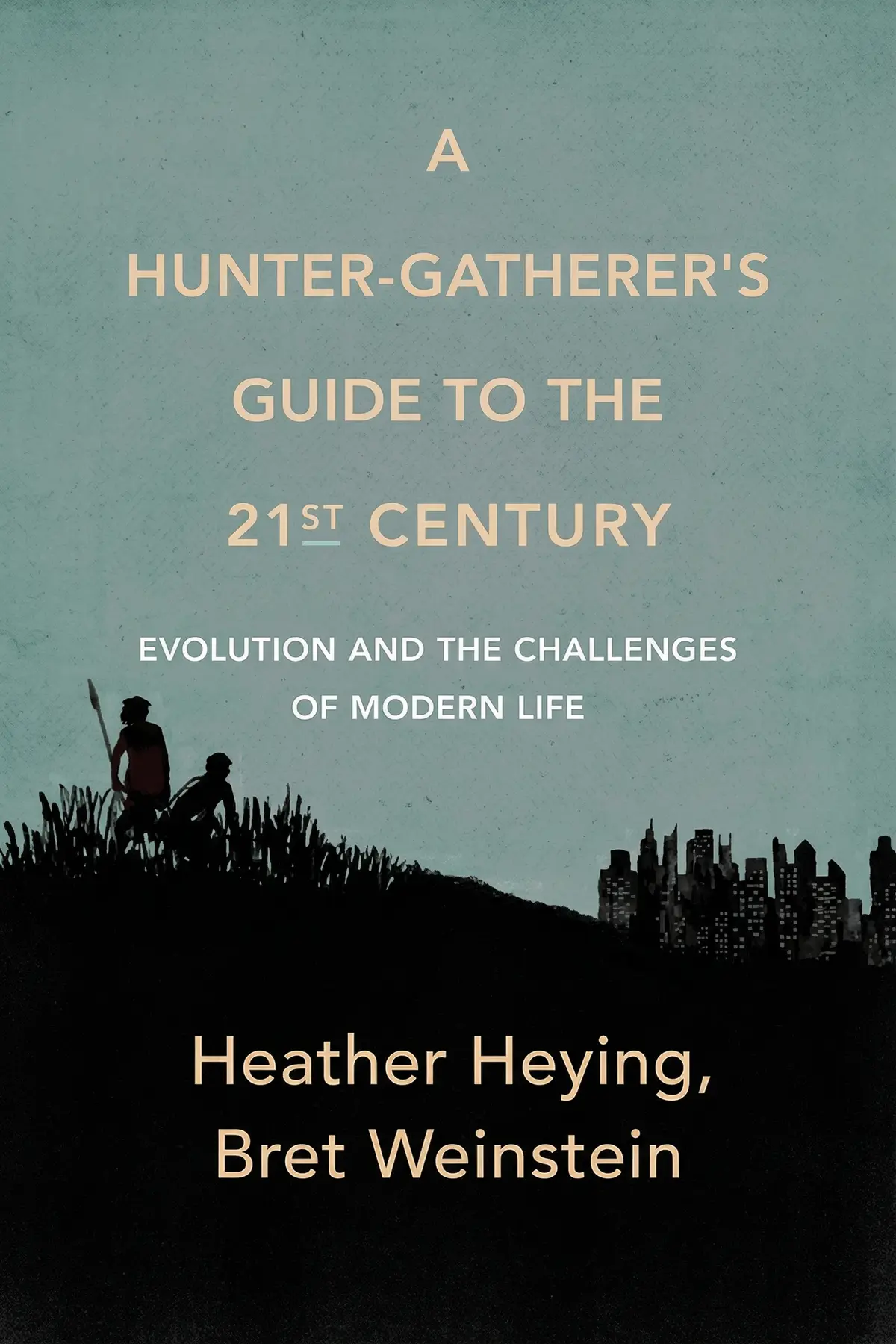
Explore the profound mismatch between our ancient biological roots and the high-tech modern world. Learn how evolutionary insights can help us reclaim our health, relationships, and well-being in an era of hyper-novelty.
2 min 14 sec
Imagine, for a moment, that you are a biological time traveler. Your body, your brain, and your basic instincts were forged over hundreds of thousands of years in a world of wide-open savannas, unpredictable weather, and tight-knit tribal communities. You are designed to move, to hunt, to gather, and to find security in the faces of a few dozen people you’ve known your entire life. Yet, you wake up today in a climate-controlled room, staring at a high-definition screen, surrounded by thousands of strangers, and eating food that has been chemically engineered for shelf-life rather than nutrition. This is the central tension of our time.
We are currently living in an era of hyper-novelty, a period where the rate of technological and cultural change has vastly outpaced the slow, deliberate process of biological evolution. This creates a state of mismatch, where the environment we live in is fundamentally different from the one we are adapted for. The result? A society that is wealthier and more connected than ever before, yet plagued by unprecedented levels of chronic disease, anxiety, and general dissatisfaction. We have the tools of gods, but the biology of forest-dwellers.
In this exploration, we aren’t just looking at history; we are looking at the operating manual for the human species. By understanding the evolutionary pressures that shaped our ancestors, we can begin to see why modern life often feels so abrasive. We will look at how the physical structures of our cities change the way we see, how our obsession with hygiene might be making us sick, and why there is no such thing as a perfect human diet.
This journey through our ancestral past provides a lens through which we can view every aspect of our lives, from the way we raise our children to the way we treat our bodies. The goal isn’t to reject progress, but to harmonize it with our nature. By the end of this discussion, you’ll have a clearer understanding of the biological throughline that connects us to our ancestors and a roadmap for how to live more authentically in a world that often demands we be something we aren’t.
3 min 05 sec
Our brains are wired for the organic curves of nature, but we spend our lives in boxes. Discover how our built environment literally alters our vision and our immune systems.
2 min 53 sec
Forget the one-size-fits-all meal plans. Explore why your genetic heritage and the ancient discovery of fire mean there is no single perfect way for humans to eat.
2 min 49 sec
Why go through the trouble of finding a mate? Learn why the ‘cost’ of sex is a vital insurance policy for survival in a volatile world.
3 min 02 sec
Humans take a long time to grow up for a very good reason. See why modern ‘over-parenting’ and screens are disrupting our natural developmental process.
2 min 41 sec
Think of sleep as a waste of time? Think again. Discover why our ancestors’ inability to see in the dark created a vital window for mental maintenance.
2 min 40 sec
Modern medicine often looks at the body as a collection of parts rather than a whole system. Learn why the ‘magic bullet’ approach can sometimes do more harm than good.
1 min 54 sec
The journey from our ancestral past to the high-tech present reveals a startling truth: we are a species out of sync. The modern world has provided us with immense comfort, but it has also stripped away the environmental challenges that our bodies and minds require to function at their best. From the way we move and eat to the way we sleep and raise our children, we are living in a state of constant evolutionary mismatch.
However, this realization is not a cause for despair, but a call to action. We cannot—and should not—try to live exactly like our ancestors, but we can use the insights of evolutionary biology to make better choices. We can choose to embrace the ‘messiness’ of the natural world, to prioritize unstructured play for our children, and to be skeptical of ‘magic bullet’ solutions that ignore the complexity of our bodies.
As a final piece of actionable wisdom, consider something as simple as the ground beneath you. For millions of years, humans walked barefoot, developing thick, protective calluses that served as natural shoes while still allowing our feet to feel the textures and temperatures of the earth. Today, we encase our feet in cushioned, structured shoes that deaden our connection to the ground and alter our natural gait.
This week, try to spend some time barefoot. Walk on grass, sand, or dirt. Reconnect with the sensory information your ancestors used to navigate the world. It is a small, symbolic step toward bridging the gap between your ancient biology and your modern life. By honoring the hunter-gatherer within, you can begin to build a future that is not just technologically advanced, but biologically sound. The path forward is not back to the caves, but toward a more conscious, evolutionarily informed way of being in the world.
The world has changed faster in the last century than our bodies have in the last million years. This rapid shift has created a dangerous disconnect between our hunter-gatherer biology and the industrial environments we now inhabit. This summary examines the core concept of evolutionary mismatch, exploring how modern conveniences—from processed foods and sterile homes to digital screens and specialized medicine—often work against our ancestral design. By looking through the lens of evolutionary biology, you will discover why the rise of chronic illnesses, social isolation, and developmental issues is a predictable result of this gap. The promise of this work is not to return to the Stone Age, but to use the wisdom of our past to navigate the complexities of the present. You will gain a deeper understanding of human nature, from the necessity of sleep and the purpose of childhood to the biological realities of sex and nutrition, empowering you to make more informed choices for a healthier, more fulfilling life.
Heather Heying is an American evolutionary biologist specializing in evolutionary ecology and consciousness. Bret Weinstein is an author, academic, and podcaster. He was formerly a professor of biology at Evergreen State College.
Listeners find the book remarkably profound and an absorbing read for the general public, featuring scientific discussions that are both approachable and lucidly explained. They also value its pertinence to contemporary living, with one listener drawing attention to its unique outlook on the relationship between evolution and the modern world. Additionally, the work provides a strong framework for moving through life, as one listener depicts it as a blueprint for thriving on both a personal and collective level. Listeners applaud the excellence of the writing, with one mentioning its rigorous adherence to a scientific method, and many describe the experience as both uplifting and revolutionary.
After following the authors' podcast for months, I was eager to see if their written work could distill such complex evolutionary concepts into a usable manual for life. This book provides an incredibly insightful foundational guide for anyone feeling overwhelmed by the rapid pace of the 21st century. Heying and Weinstein explain that we are living in a state of hyper-novelty. Our ancient biology simply cannot keep up with our modern inventions. The way they break down the WEIRD acronym—Western, Educated, Industrial, Rich, and Democratic—helps illustrate why our specific cultural bubble is so mismatched to our nature. While some critics find their tone a bit academic, I found the scientific explanations to be well-grounded and accessible for a layperson. The Corrective Lens sections at the end of each chapter offer practical advice that feels both life-changing and grounded in common sense. It is rare to find a book that acts as both a deep scientific exploration and a practical guide for daily survival. This is a must-read for those seeking success in an increasingly confusing world.
Show moreThis book is a masterclass in making evolutionary biology accessible to the average person. I’ve been a fan of the DarkHorse podcast for a while, and seeing their ideas organized into a cohesive narrative is truly inspiring. They tackle subjects like parenting and medicine with a level of nuance that you just don't see in mainstream media. Not gonna lie, the Corrective Lens gave me several actionable steps to improve my daily routine. I feel like I finally have a blueprint for thriving in a chaotic era. It makes sense of why we feel so out of place.
Show moreThe chapter on medicine alone makes this a worthwhile purchase for anyone skeptical of the pharmaceutical-first approach that dominates our culture today. It is rare to see evolutionary biologists take such a bold stand against the over-prescribing of pills for every minor human discomfort. Heying and Weinstein argue that we should trust our evolved bodies more and our synthetic interventions less. The way they explain the mismatch between our ancestral environment and our current cubicle-bound lives is both fascinating and terrifying. I found the writing to be of very high quality, firmly rooted in rigorous biological methodology that still feels human. It is an inspiring read that provides a road map for anyone wanting to live a more authentic, biological life. Every page seems to offer a new insight into why we feel so disconnected from the world around us. This book did not just give me information; it gave me a whole new perspective on my existence.
Show moreFinally got around to reading this navigational chart for individual achievement, and I must say it feels like the corrective lens I’ve been needing for years. The authors do a brilliant job of explaining why we are currently so stressed, sick, and socially isolated. By looking at human history over 200,000 years, they show us that our current normal is actually a bizarre historical outlier. I loved the scientific exploration of how hyper-novelty is breaking our ability to form stable communities and families. The book is incredibly insightful and serves as a great foundation for navigating the complexities of modern life without losing your mind. Even the more academic sections were well-explained enough for me to follow along without a PhD in biology. It is a life-changing book that offers a novel outlook on how our ancestral history clashes with the current age. I have already recommended it to several friends who feel like the world is moving too fast for them.
Show moreEver wonder why our modern environment feels so inherently hostile to our physical and mental well-being despite all our technological progress? This book dives deep into the evolutionary mismatch theory, suggesting that our current lifestyles are completely out of sync with our ancestral needs. I found the sections on sleep and nutrition particularly fascinating because they offer a different perspective on how we should treat our bodies. The authors suggest that we are too clean and too soft, living in square buildings with carpentered corners that limit our perception. Truth is, some of the personal anecdotes about their time in the jungle felt a bit long-winded and strayed away from the core science. However, the overarching argument that we need to return to more traditional ways of living is quite compelling and well-explained. It’s a solid foundation for anyone wanting to reevaluate their relationship with technology and modern medicine. It isn't a perfect guide, but it certainly provides food for thought for the weary modern soul.
Show moreWeinstein and Heying take us on a journey through our ancestral past to explain why we are currently failing at things like sleep and nutrition. I found the book's relevance to modern life to be its strongest selling point, as it connects ancient history to our current anxiety. Personally, I enjoyed the deep dive into how our culture has evolved to serve the genome, even if that idea is a bit controversial. It is a thought-provoking read that definitely changed how I view my daily habits. While some advice felt a bit prescriptive, the logic behind it is usually quite sound.
Show moreLiving in a WEIRD society has clearly disconnected us from our biological roots, and this book serves as an urgent wake-up call. I really appreciated how the authors tackled the concept of cultural adaptations and how they lead us astray. Look, the book is a bit of a dense read at times. However, the effort is rewarded with a much deeper understanding of human nature. A solid four-star read for anyone interested in the intersection of biology and sociology.
Show moreTo be fair, Heying and Weinstein have provided a solid foundation for anyone trying to navigate the hyper-novelty of our current century. The writing is generally clear, though it does get a bit dry and overly academic during the middle chapters on niche biological processes. I appreciated the WEIRD framework, as it puts our modern Western struggles into a much larger global and historical context. However, the tone often shifts into something that feels a bit holier-than-thou, especially when they discuss parenting or modern medicine. They make some great points about how we are over-medicated, but then they swing too far into anecdotal territory for my liking. It’s a bit of a mixed bag; you have to sift through some of the treehouse philosophy to get to the actual scientific gems. If you can handle a bit of condescension, there is plenty of insightful material here to ponder. It’s a decent starting point, but I would not call it the definitive guide to human nature.
Show morePicked this up because I generally like the mismatch theory, but the execution here is surprisingly frustrating and often feels arrogant. The authors seem to have a bit of a messiah complex, acting as if they are the only ones who truly understand human nature. I found the Corrective Lens boxes to be more like a list of commandments rather than helpful scientific suggestions. They often use personal anecdotes about their kids to justify massive scientific leaps that just do not have enough evidence. For instance, the suggestion that we can avoid global health crises by just being more natural felt incredibly dismissive of modern reality. It's a shame because the core premise—that we are ancient brains in a modern world—is actually quite sound and important. Instead of a rigorous scientific exploration, we get a lot of magical thinking and rambling about carpentered corners that doesn't really lead anywhere. Look elsewhere for a more balanced take on evolutionary psychology because this book misses the mark.
Show moreNot what I expected given the high praise, and frankly, I found the tone incredibly condescending and the writing poorly constructed. The authors spend way too much time talking about their personal lives and not nearly enough time providing hard, peer-reviewed evidence for their claims. They seem to romanticize the Noble Savage myth while simultaneously claiming they aren't doing exactly that. I was especially bothered by the way they dismiss modern medicine in favor of natural healing based on a single anecdote about a broken hand. It feels like they are playing at being scientists while actually just promoting a specific, narrow lifestyle choice. The book is repetitive, mixing metaphors until the original point is completely lost in a sea of unnecessary jargon. I could not even finish the last few chapters because the Corrective Lens advice became so prescriptive and out of touch with reality. Save your money and read something by Robert Sapolsky instead if you want actual science.
Show moreCarl Zimmer
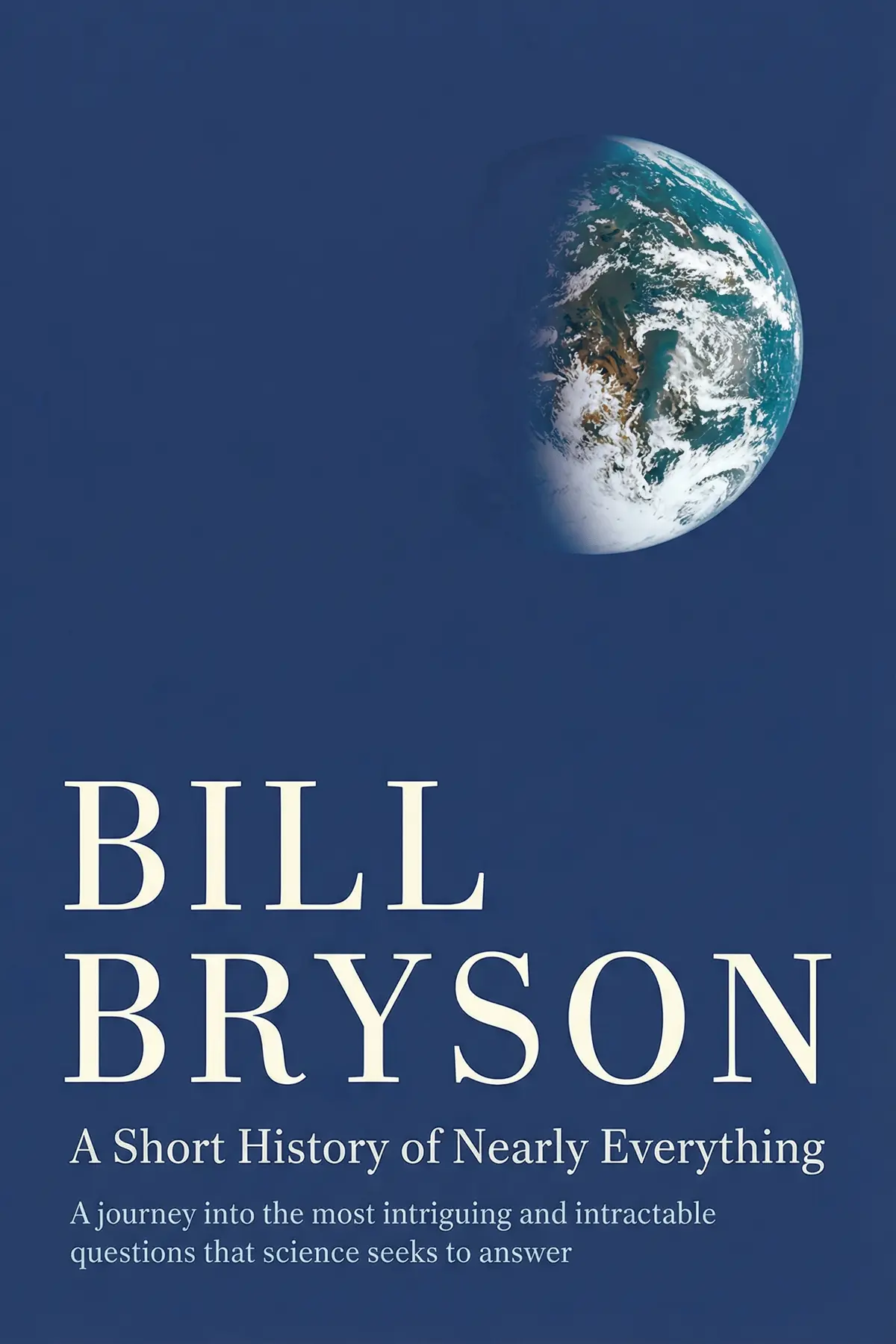
Bill Bryson
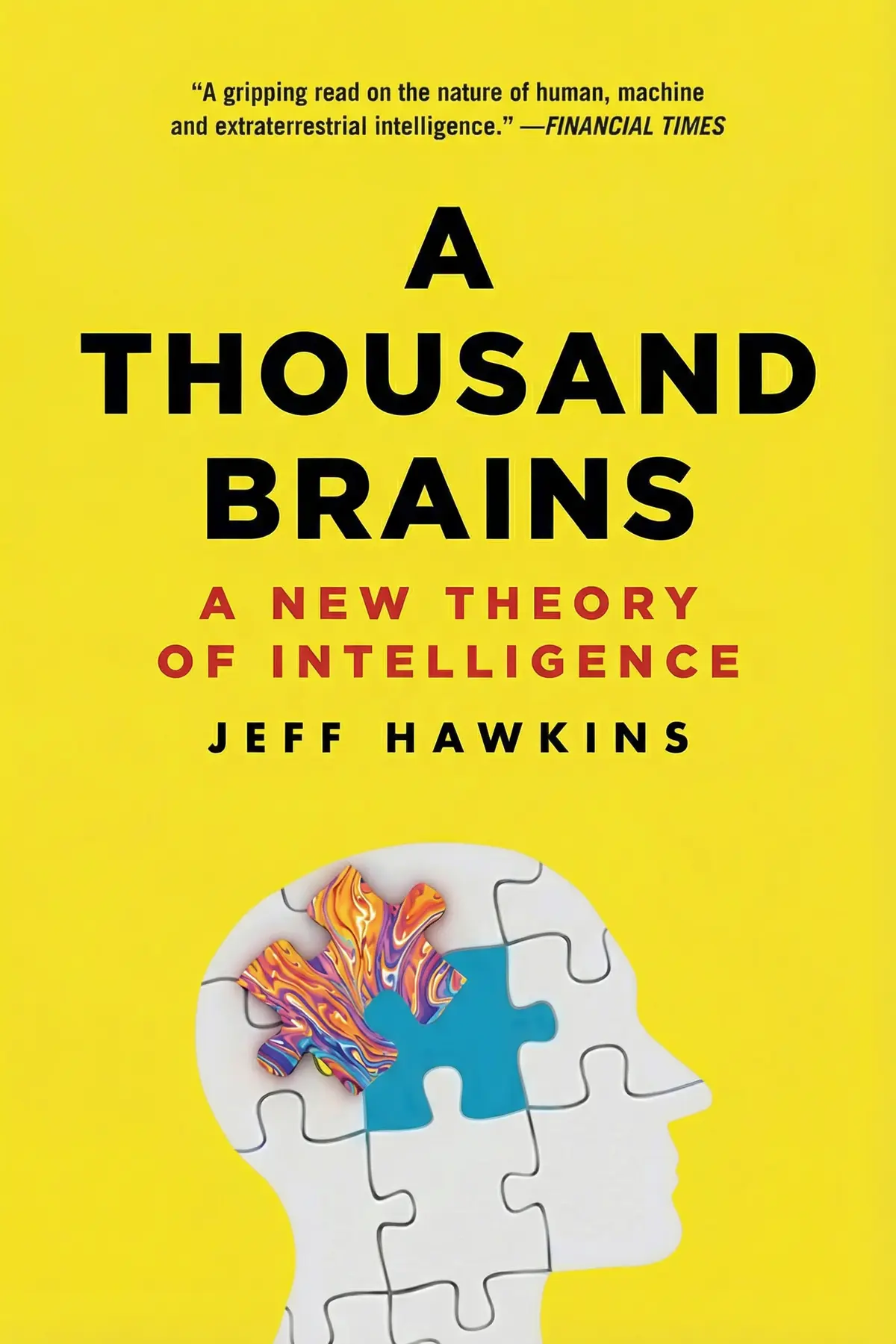
Jeff Hawkins
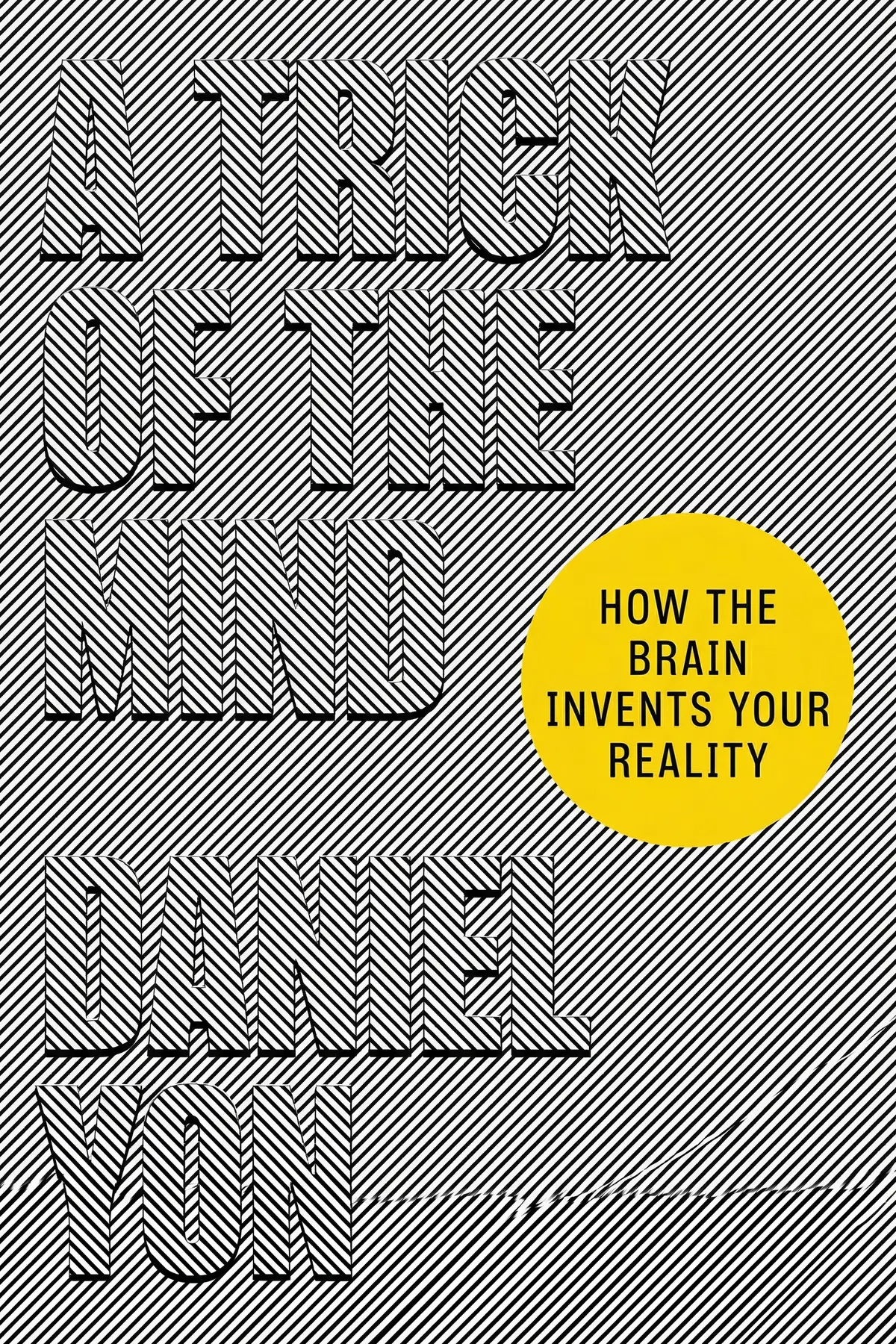
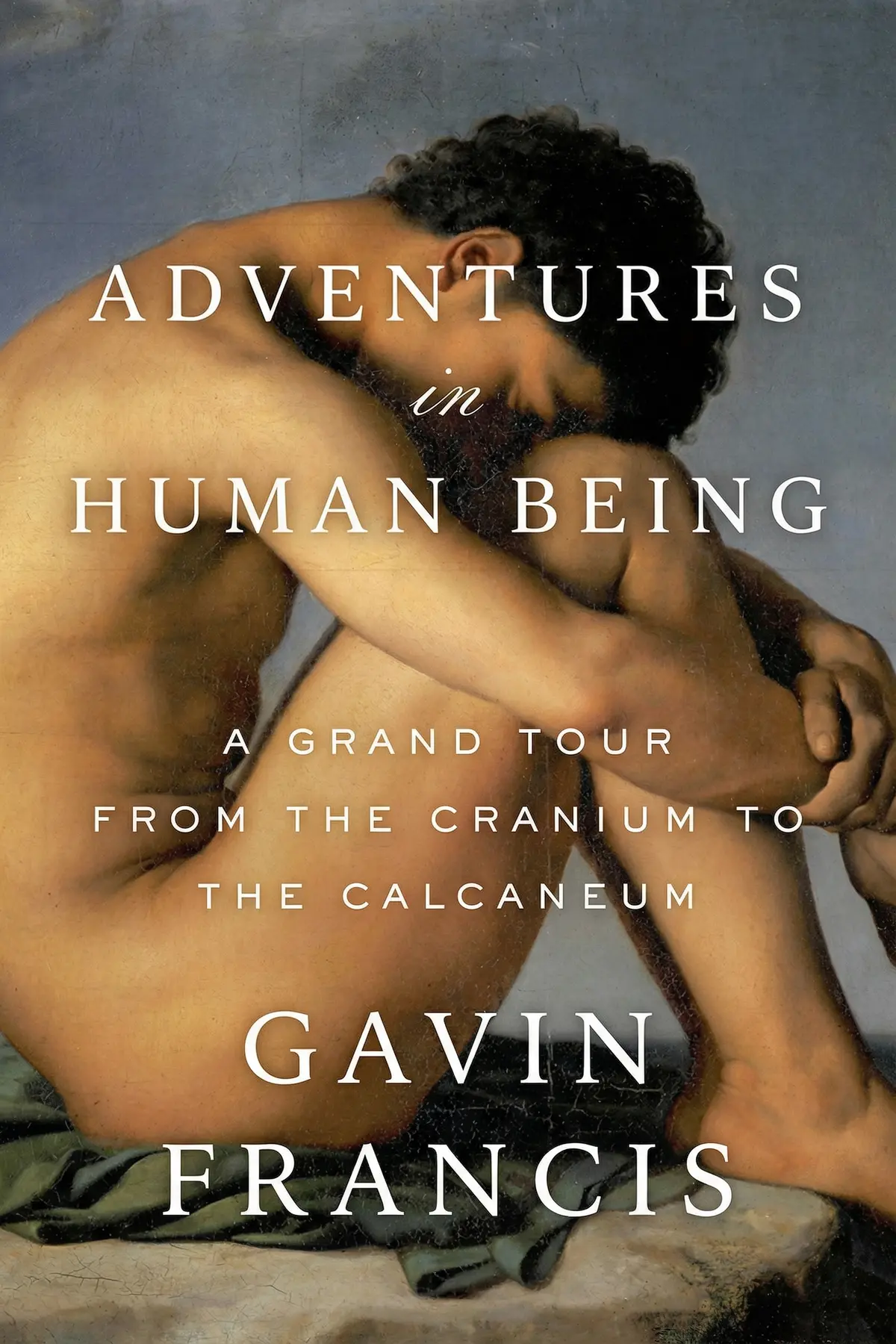
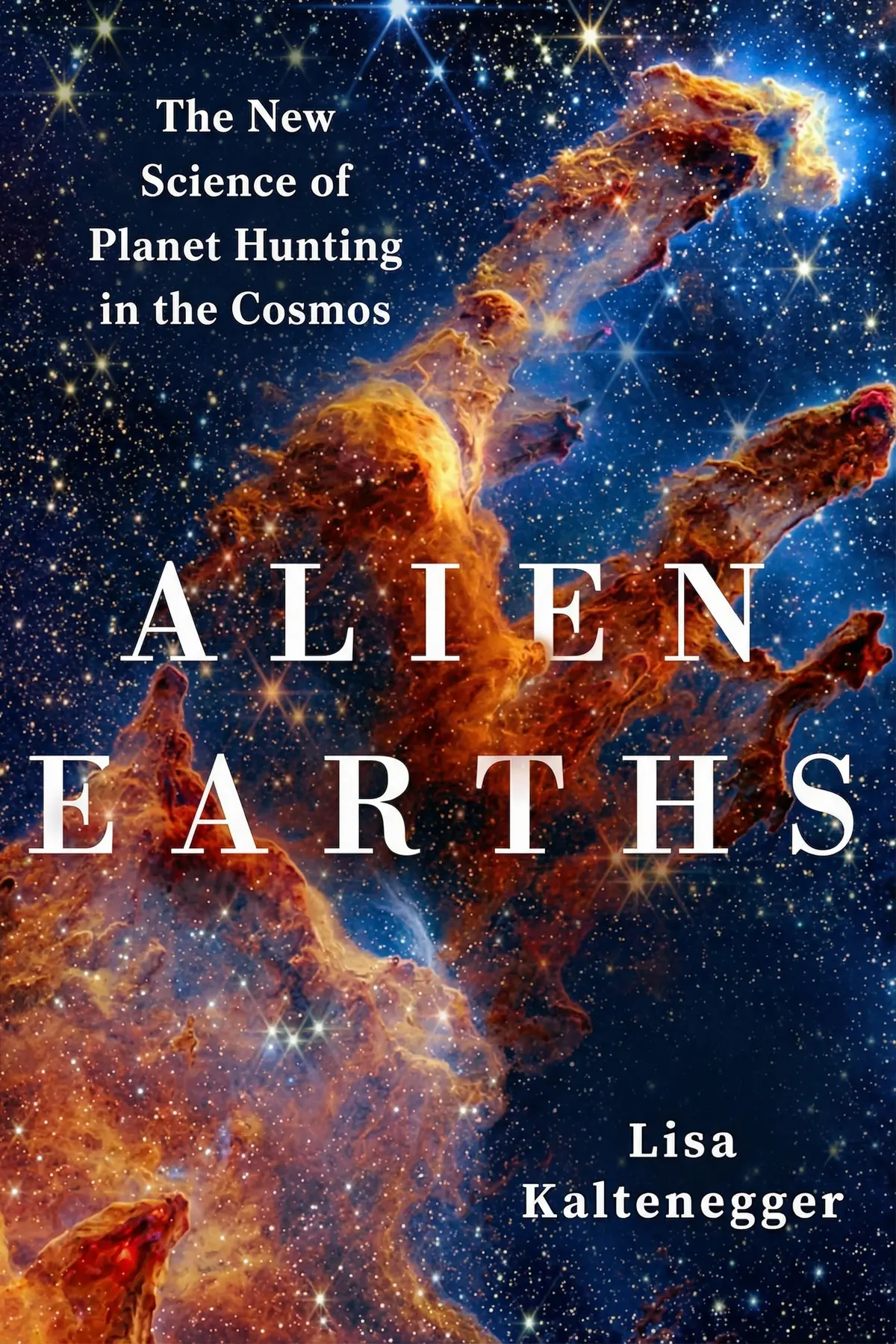
Lisa Kaltenegger
AUDIO SUMMARY AVAILABLE
Get the key ideas from A Hunter-Gatherer’s Guide to the 21st Century by Heather Heying, plus 5,000+ more titles in English and Thai.







