

A Long Way Gone: Memoirs of a Boy Soldier
Ishmael Beah
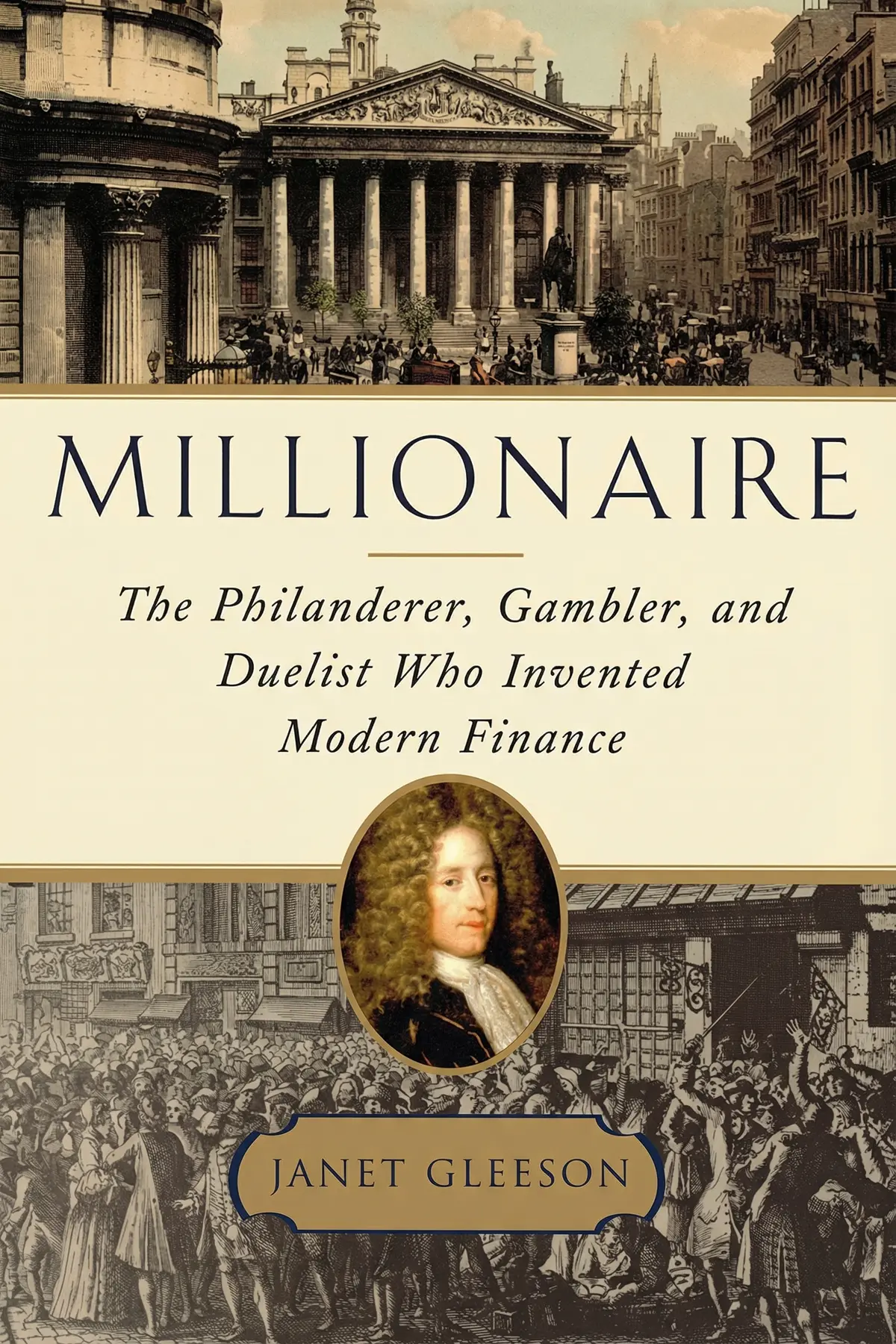
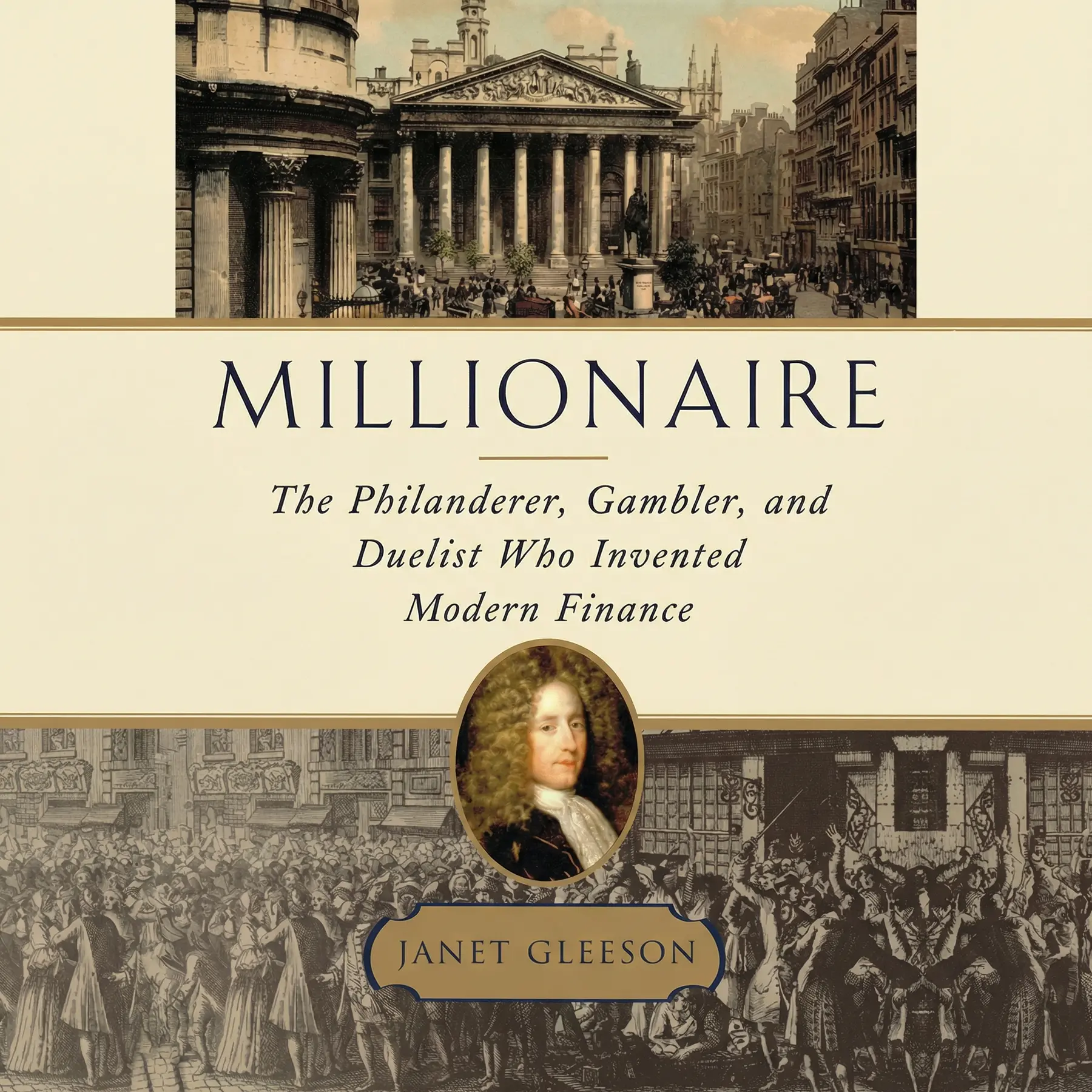
Millionaire chronicles the life of John Law, a Scottish gambler and fugitive who revolutionized the French economy. It explores the birth of paper money, speculative bubbles, and the origins of modern finance.
1 min 49 sec
When we think about the dizzying highs and terrifying lows of the financial world, our minds often drift to the high-frequency trading floors of Wall Street or the tech-fueled booms of Silicon Valley. We imagine that the culture of excess—the Ferraris, the designer suits, and the overnight fortunes—is a strictly modern phenomenon, a product of the late twentieth century. But as we peel back the layers of history, we find that the DNA of our modern financial system was actually forged three centuries ago in the heat of a single man’s ambition. That man was John Law, a Scotsman who was as comfortable at a card table as he was in the halls of power.
In this exploration of Millionaire by Janet Gleeson, we step back into the early eighteenth century, a period defined by the Enlightenment and a desperate thirst for progress. At the center of this story is Law, a figure who transitioned from a condemned murderer to the most powerful financial architect in Europe. He was the man who convinced a nation to trade its gold for paper, and in doing so, he birthed the first modern economic bubble. Law’s story is more than just a biography; it is a roadmap of how credit, trust, and speculation came to rule the world.
Through this journey, we will see the rise and fall of an empire built on the promise of a New World, the birth of the term ‘millionaire,’ and the timeless lessons of what happens when the collective imagination of a society outpaces its reality. Law’s life was a gamble of the highest stakes, and the systems he left behind are the ones we still use to navigate our economic lives today. Let’s look at how a fugitive dandy reshaped the concept of wealth forever.
2 min 09 sec
Ancient commerce relied on heavy metals, but the true revolution began when we stopped trading physical objects and started trading promises.
2 min 14 sec
Before he was a financier, John Law was a master of probability who used the card table to escape the constraints of his upbringing.
2 min 09 sec
A violent confrontation and a daring prison break forced Law into a life of exile, where his theories on money finally matured.
2 min 12 sec
A kingdom buried in debt provided the perfect laboratory for a revolutionary who promised to turn paper into prosperity.
2 min 05 sec
By tying the national currency to the untapped potential of the American wilderness, Law created a massive engine of speculation.
2 min 04 sec
As stock prices soared, a new social class emerged, fueled by a bubble that turned commoners into celebrities overnight.
2 min 00 sec
When the fantasy of the New World met the reality of the bank vault, the world’s first modern financial crash began.
2 min 04 sec
Law died in poverty and exile, but the financial architecture he designed would eventually become the foundation of the global economy.
1 min 45 sec
The story of John Law, as told in Millionaire, is a profound reminder that the history of money is essentially a history of human psychology. Law was a man who understood the future long before his peers, but he was also a man who fell victim to the timeless trap of believing that momentum could replace reality. He transformed France from a stagnant, debt-ridden kingdom into a buzzing hub of financial innovation, only to see it all come crashing down because the underlying assets—the promised riches of Louisiana—were an illusion.
As we close this chapter on the life of the world’s first financial superstar, the throughline is clear: our modern economy is built on a foundation of faith. We believe in the value of the currency in our pockets and the shares in our portfolios. Janet Gleeson’s account shows us that while the tools of finance have become infinitely more complex, the human impulses that drive them remain unchanged. Law’s rise and fall serve as both a blueprint for growth and a warning against the dangers of unbridled speculation.
The actionable takeaway from Law’s life is to always distinguish between the ‘liquidity’ of a market and the ‘value’ of the underlying asset. In our own lives, whether we are investing in a business, a home, or a new technology, we must look past the hype of the crowd and ask ourselves if there is real substance beneath the paper promises. John Law’s legacy lives on in every bank in the world, reminding us that while credit can create a millionaire, only real value can sustain a fortune. Thank you for joining us for this BookBits summary.
Millionaire tells the captivating true story of John Law, a man whose life was as volatile as the markets he helped create. A brilliant mathematician and a notorious high-stakes gambler, Law fled a death sentence in London only to find himself reinventing the financial foundations of France. This narrative non-fiction work delves into the Enlightenment era, a time of radical change where nations and individuals fought for dominance through wealth. The book promises a deep dive into the mechanics of the first modern economic bubble. You will see how Law introduced the revolutionary concept of paper currency to a nation drowning in debt, only to watch as human greed and misinformation turned his vision into a spectacular catastrophe. It’s a story of power, corruption, and the enduring principles of credit and trust that still govern our global economy today.
Janet Gleeson is the author of several acclaimed works, including The Arcanum, The Grenadillo Box, and The Serpent in the Garden. Her background is rooted in the world of high-value aesthetics and history; she previously worked for the Impressionist Paintings Department at Sotheby’s. Additionally, she has contributed extensively to various magazines, with a specific focus on the history of antiques and art.
Listeners find the writing both accessible and absorbing, with one review remarking that it reads much like a historical romance. They also prize the rich historical context, with one listener describing the work as "Financial history at its very best." Additionally, listeners value the book’s specific viewpoint, as one person points to its sharp economic and financial insights.
Finally got around to reading this after hearing it was the definitive account of the Mississippi Bubble, and it did not disappoint. This is financial history at its very best. Gleeson illustrates the sheer madness of the era, where French ladies supposedly begged to watch Law perform basic daily functions just to be in his presence. The book teaches more about the inherent value and danger of paper currency than most modern economics textbooks ever could. It’s a tragic, soaring arc of a man who understood probability better than his peers but couldn't outrun the mob once the gold ran out. If you want to understand why our current financial systems are so prone to instability, this is the perfect place to start. Truly a fantastic story that deserves a big-budget movie adaptation.
Show morePersonally, I found this to be an incredibly insightful look at the origins of modern finance and the psychology of bubbles. The way Gleeson describes the transition from heavy metal coins to portable paper wealth is brilliant and easy for a layperson to grasp. Law wasn't just a gambler; he was an innovator who saw the future of credit before anyone else did. The book captures the atmosphere of 1720s France perfectly, from the desperate colonization of New Orleans to the stampede of investors in the Rue de Quincampoix. It’s a short read, but it packs a punch in terms of economic and financial insights. I highly recommend this to anyone interested in the history of money or the legendary figures who shaped our current global systems.
Show moreJanet Gleeson managed to turn a dry subject like 18th-century macroeconomics into something resembling a fast-paced historical romance. Not gonna lie, I was worried this would be a dusty academic slog, but the narrative of John Law’s life is genuinely gripping. From his fatal duel in London to his escape from Newgate and his rise in the French court, the story moves with incredible momentum. The author does a superb job of explaining how the term 'millionaire' was actually coined during this specific speculative frenzy. I particularly appreciated the frequent references to Voltaire, which added a layer of intellectual authenticity to the drama. My only gripe is that the technical descriptions of the Banque Royale’s collapse were a bit sketchy and hard to follow without a prior history degree.
Show moreAs a history buff who usually avoids 'academic' biographies, I was pleasantly surprised by how briskly this moved through Law’s early life. The chapters detailing his obsession with the new science of probability were a highlight for me, showing how he used math to dominate the aristocratic salons of Europe. Look, the transition from a convicted murderer to the controller-general of French finance is the stuff of fiction, yet it’s all historical fact. Gleeson keeps the story constantly interesting without relying on too much flowery conjecture or imagined dialogue. You really get a sense of the sheer scale of the boom, where even the Regent’s mother was caught up in the mania. It’s a cautionary tale about inflation and the fragility of public trust that feels incredibly relevant to our modern world.
Show moreWhat a wild ride through the decadent salons of Paris and the gritty cells of Newgate prison. I bought this on a whim and was really glad I did, mostly because the author knows how to frame a biography like a high-stakes thriller. John Law is a captivating figure—tall, charming, and dangerous—and his rise to become the richest person in Europe is handled with great narrative flair. The book avoids the 'dusty' feeling of many historical works by focusing on the human obsession with wealth and status. It was eye-opening to see how the Banque Royale's over-emission of currency led to such rampant inflation that people were trading religious chalices just to survive. While the middle section gets a bit bogged down in stock trading details, the overall impact is powerful.
Show moreIs John Law a visionary genius or just a glorified con man? Gleeson attempts to bridge that gap, but frankly, the protagonist remains a bit of an enigma even after two hundred pages. The book provides a decent overview of how paper money revolutionized the French economy, yet I felt the author would seem to want to have it both ways regarding Law’s morality. One moment he is a brilliant mathematician using Pascal’s probability to beat the house, and the next he is a reckless adventurer ruining thousands. While the historical context of the Mississippi Bubble is fascinating, the prose occasionally drifts into the territory of a published PhD thesis. It is certainly informative, but I struggled to connect with the personalities of his common-law wife and children, who felt like mere footnotes in this financial saga.
Show moreTruth is, I have mixed feelings about Gleeson’s portrayal of John Law’s economic 'miracle' in Paris. On one hand, the author makes a good case that he was acting disinterestedly and sincerely believed in his national bank scheme. On the other hand, the descriptions of the government’s attempts to control the ensuing disaster—like banning gold and silver coins—were almost too outrageous to believe. The book is definitely readable and engaging, but it seems to scratch only the surface of the complex political economy of the 18th century. I would have loved more analysis on why exactly his plan was on the cusp of working, as the author suggests. It’s a solid introduction to a fascinating man, but I left the final page wanting more depth than Gleeson provided.
Show morePicked this up at a local library because the cover looked interesting, but I have to say it was a bit of a mixed bag. The story of Law’s escape from prison and his gambling exploits across the continent kept me turning the pages early on. However, once the focus shifted heavily to the administrative details of the Mississippi Company, the pace slowed down significantly. I felt like I was being hit with a barrage of facts that overwhelmed the actual story of the man. To be fair, the historical content is top-notch, but the writing style felt a little inconsistent—switching between a romanticized narrative and a dry report. It’s an interesting look at a speculative bubble, though I didn't find the author’s conclusions about Law’s character very definitive.
Show moreThe premise of a gambler becoming the most powerful man in France was fascinating, but the execution left me cold. To be fair, the book is quite short, which might be why the descriptions of Law's handling of the French money supply felt too inadequate to be convincing. I never obtained a real sense of his motivations—was he a misguided philanthropist or just seeking personal glory? The author provides very little background on the secondary characters, making the whole affair feel like a sequence of events rather than a lived experience. By the time the Mississippi Company started failing, I was overwhelmed by details that seemed to cloud the main thread of the story. I found the ending particularly unsatisfying and abrupt, leaving me with more questions than answers about the actual mechanics of the crash.
Show moreI found myself more confused about the actual mechanics of 18th-century French finance after finishing this book than when I started. While Law is obviously a fascinating historical character, the author’s descriptions of his banking schemes were far too sketchy for my liking. I wanted to see the 'how' and 'why' of the economic collapse, but instead, I got a lot of anecdotes about ladies in waiting. The book feels a bit like it’s trying to be a historical romance and a serious biography at the same time, failing to fully satisfy either genre. Without a stronger background in French history, I found it difficult to follow the various political shifts. It was a quick read, but ultimately a disappointing one that lacked the rigorous analysis I was hoping for.
Show moreIshmael Beah

James Herriot
Barack Obama


Masaji Ishikawa
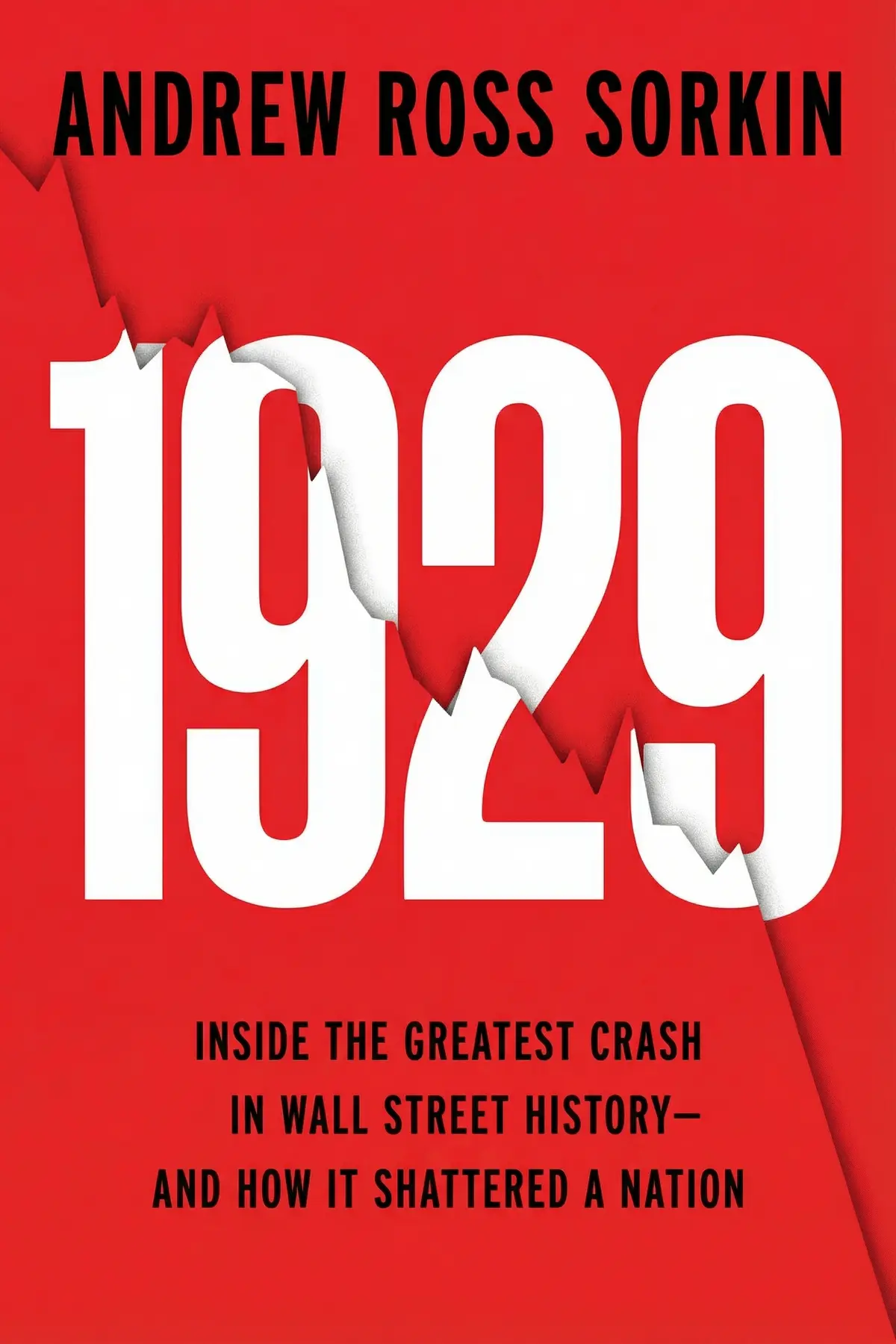
Andrew Ross Sorkin
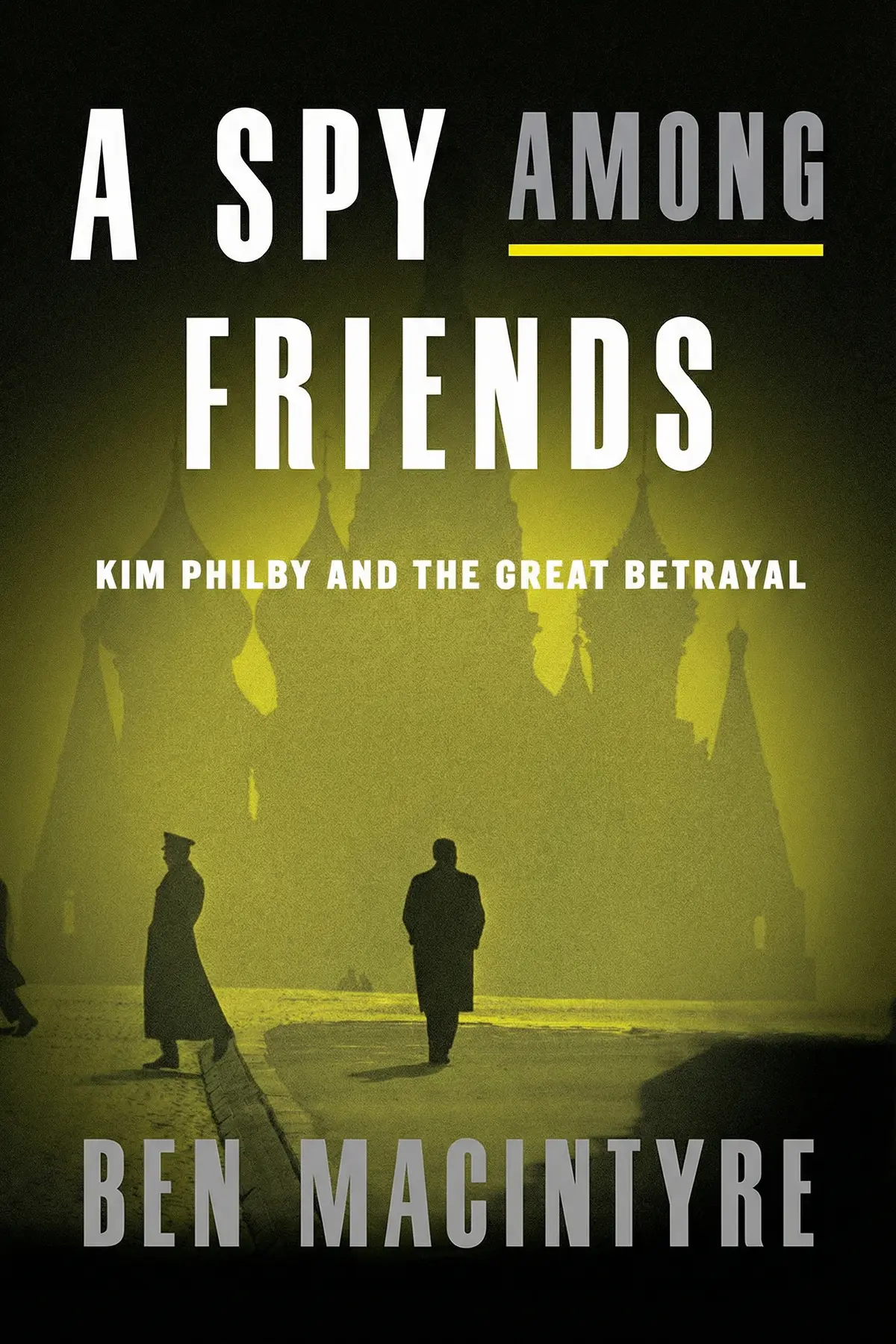
Ben Macintyre
AUDIO SUMMARY AVAILABLE
Get the key ideas from Millionaire by Janet Gleeson, plus 5,000+ more titles in English and Thai.







