
14 min 03 sec
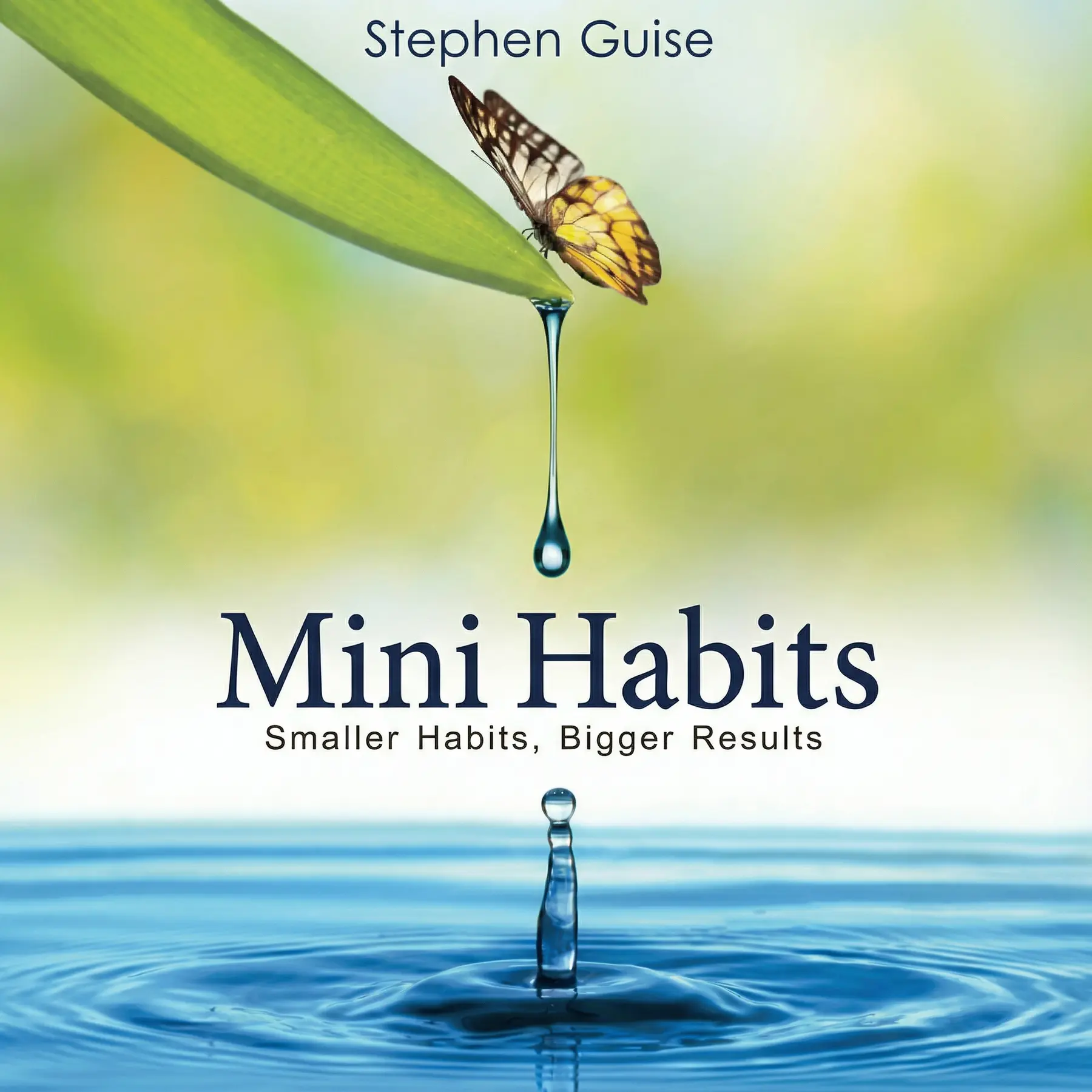
Mini Habits: Smaller Habits, Bigger Results
Discover how setting ridiculously small goals can bypass your brain’s resistance to change. Mini Habits offers a strategy for building permanent positive behaviors by leveraging willpower and biological brain mechanics over fleeting motivation.
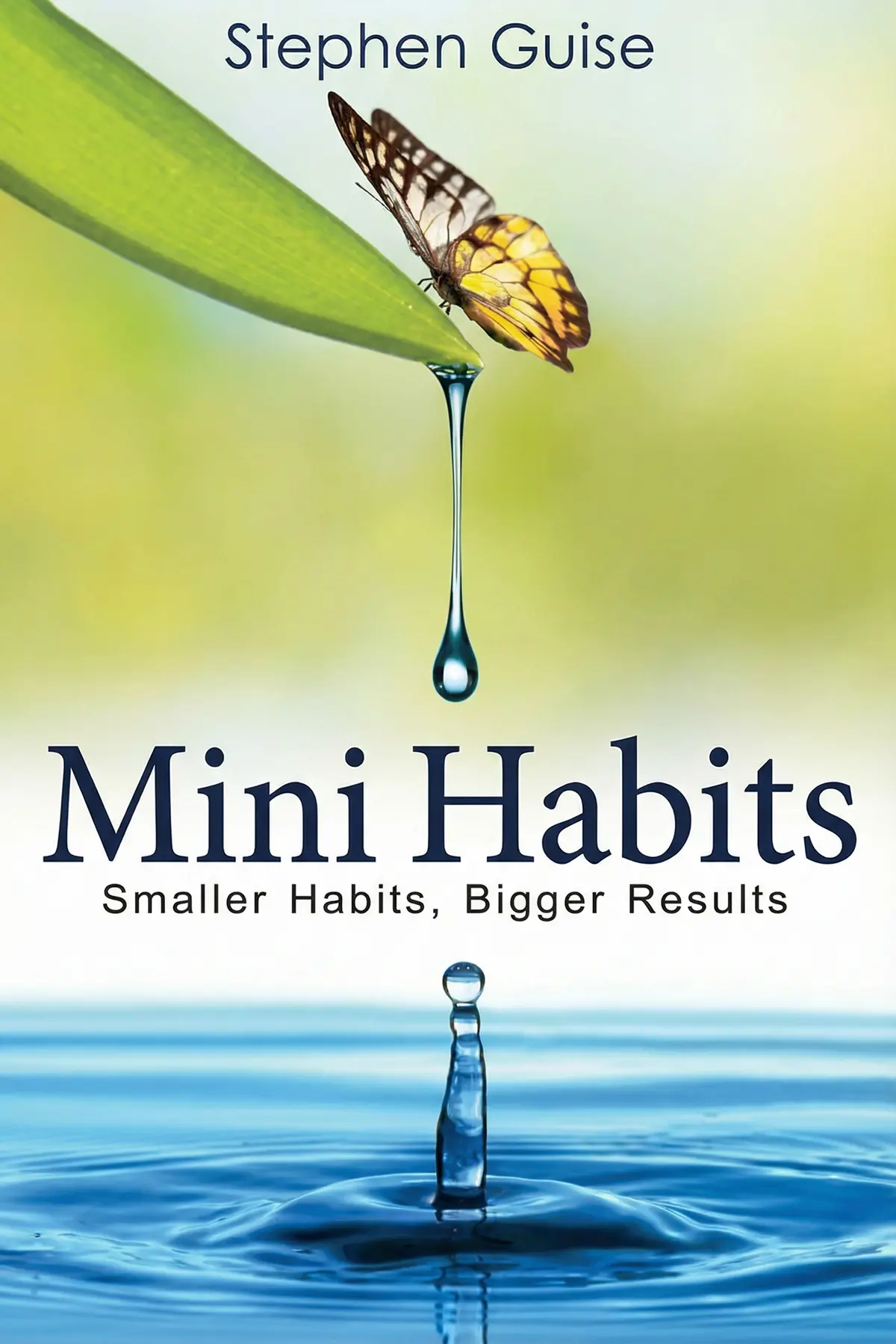
Table of Content
1. Introduction
1 min 40 sec
We have all been there: the burst of inspiration on January first, the expensive gym membership, the stack of books we promise to read, or the ambitious diet plan that involves cutting out everything we love. For a few days, we feel like a new person. But then, life happens. We get tired, a deadline looms at work, or we simply lose that initial spark. Suddenly, the goal that felt so achievable on Monday feels like an impossible mountain by Friday. We end up back on the couch, feeling guilty and wondering why we lack the discipline to change.
According to Stephen Guise, the problem isn’t you—it’s your strategy. Most self-help advice tells us to aim high and get motivated. But Guise argues that this is actually a recipe for failure because it ignores how our brains truly work. In this exploration of behavioral science and practical self-discipline, we are going to look at the concept of ‘mini habits.’ These are behaviors so tiny, so seemingly insignificant, that they are effectively ‘too small to fail.’
Think of it as a way to hack your own biology. Instead of fighting against your brain’s natural resistance to change, you are going to learn how to sneak around it. We will dive into why our willpower is a finite resource that we need to protect, why motivation is a fickle friend we shouldn’t rely on, and how the architecture of our brains can be rewired one tiny step at a time. The throughline of this journey is simple: consistency is the only thing that matters, and the easiest way to be consistent is to make your goals so small they become undeniable. By the end of this summary, you’ll understand how a single push-up can lead to a fitness revolution and how five minutes of focus can rebuild your entire career.
2. The Brain's Internal Tug-of-War
2 min 19 sec
Explore the biological battle between your conscious mind and your autopilot system, and learn why your ‘smart’ brain often loses to your habits.
3. The Trap of Motivation
2 min 19 sec
Discover why relying on your feelings to get things done is a dangerous strategy and how willpower offers a more reliable path to success.
4. The Strategy of 'Stupid Small'
1 min 58 sec
Learn why the most effective goals are those that seem almost ridiculous and how they trigger the physics of personal momentum.
5. Building Trust Through Tiny Wins
1 min 59 sec
Understand how consistent success with small goals repairs your self-esteem and creates a new identity of capability.
6. Creating Your Action Plan
2 min 21 sec
Follow a step-by-step guide to selecting, implementing, and tracking your new habits for maximum long-term impact.
7. Conclusion
1 min 27 sec
The journey of a thousand miles really does begin with a single step, but the secret of the mini habit is that the step stays small the whole way there. We have explored how our brains are split between a logical prefrontal cortex and a pattern-seeking basal ganglia. We’ve learned that willpower is a precious, finite muscle and that motivation is too flaky to be trusted. Most importantly, we have seen that by making our goals ‘stupid small,’ we can bypass all the mental friction that normally keeps us stuck.
The beauty of this system is its grace. It allows you to be human. It gives you permission to have bad days, to be tired, and to be busy, while still maintaining your progress. When you commit to a mini habit, you are ending the cycle of ‘starting over’ every Monday. You are choosing a path of slow, steady, and inevitable growth.
As you move forward, I challenge you to pick one tiny thing you can do today. Not a big thing, not a life-changing thing, but a tiny thing. Write one sentence. Do one squat. Clear one item off your desk. Do it right now, or as soon as you finish this sentence. Feel that tiny spark of success? That is the sound of a new neural pathway beginning to form. Don’t worry about tomorrow yet. Just do your one thing today, and trust that these tiny bits of effort will eventually add up to a life you can be proud of.
About this book
What is this book about?
Have you ever wondered why your grandest resolutions often fizzle out after just a few weeks? Mini Habits tackles this universal struggle by revealing that our brains are biologically wired to resist big, sudden changes. When we set massive goals, we unknowingly trigger a mental defense mechanism that leads to procrastination and burnout. This book presents a revolutionary alternative: the 'mini habit' strategy. By committing to tasks so small they seem impossible to fail—like doing just one push-up or writing fifty words a day—you can trick your brain into accepting new routines. These tiny actions require minimal willpower and bypass the fatigue of the prefrontal cortex. Over time, these 'stupid small' steps forge powerful neural pathways, leading to massive results and a permanent shift in your identity and capabilities. It is a promise of consistency over intensity.
Book Information
About the Author
Stephen Guise
Stephen Guise is a writer, blogger, and dedicated researcher specializing in the intersection of personal growth and fun learning. He is known for his unconventional approach to self-improvement, focusing on strategies that are sustainable and scientifically grounded. In addition to his work on habit formation, he has also authored How to Be an Imperfectionist, where he explores the benefits of letting go of perfectionism to achieve greater success and happiness.
Ratings & Reviews
Ratings at a glance
What people think
Listeners find the book highly accessible and useful as a self-improvement guide, valuing its realistic tips and simple-to-follow method. Furthermore, the mini-habits strategy earns positive reviews for its success in building new routines, and one listener highlights its effectiveness by mentioning the scientific research cited. In addition, listeners appreciate the motivational qualities of the text, especially the rewarding sense of hitting small targets, and they describe the core idea as both fresh and encouraging.
Top reviews
Ooi
Finally got around to reading this after struggling with my gym routine for months. The core philosophy—doing something so small it's impossible to fail—is a total game-changer for anyone with high ambitions but low daily energy. I was skeptical about the "one push-up" idea, yet it somehow tricks the brain into doing more once you start. Stephen Guise explains the neuroscience behind why our brains resist big changes, and honestly, it made so much sense to me. Truth is, I’ve already started applying the two-page reading goal, and it’s the most consistent I’ve been in years. It’s not just a self-help book; it’s a practical manual for outsmarting your own laziness. If you feel stuck, just buy it and start with the smallest possible step.
Show moreSayan
Ever wonder why you can never stick to a diet or a new hobby for more than a week? This book explains that our expectations are usually the very things holding us back from real progress. I love how Guise uses scientific research to back up his claims about how the prefrontal cortex functions under stress. It’s empowering to realize that my past failures weren't due to a lack of character, but rather a flawed strategy. Personally, I started with a goal of writing just fifty words a day, and I’ve surpassed that every single evening since Monday. It’s such an affirming feeling to hit your goal every single day without fail. This is the most practical self-help book I’ve encountered in a long time.
Show moreArjun
Wow, I wish I had discovered this years ago. I’ve spent my whole life setting massive goals, failing them, and then spiraling into guilt and shame. This book finally gave me permission to start small, and it's been such a massive relief for my mental health. I’m currently doing one minute of stretching and writing one sentence a day, and it feels amazing to actually succeed. I must say, the hardest part of any task is just the initial resistance, and this method nukes that resistance entirely. The author's voice is encouraging and relatable, making you feel like he's right there in the trenches with you. If you’re tired of the "no pain, no gain" mentality, this is the perfect antidote.
Show moreViroj
After hearing several people mention this book in productivity forums, I finally decided to see what the hype was about. It turns out the hype is well-deserved because the system actually works in the real world. I’ve tried the "100 days of X" challenges before and always crashed, but the mini habit approach is sustainable because it requires almost zero willpower. The truth is, we often overestimate what we can do in a day but underestimate what we can do in a year of small steps. Guise provides a clear framework for implementation that is easy to comprehend and even easier to start. I’ve already recommended this to my sister who struggles with staying consistent at the gym. It’s a life-changing perspective.
Show moreIsabella
The beauty of this system lies in its utter simplicity. While many productivity books demand a complete lifestyle overhaul, Guise suggests we do the opposite by shrinking our goals until they are "stupid small." I found the distinction between willpower and motivation particularly enlightening because it explains why my New Year's resolutions always fail by February. To be fair, the writing style is quite casual and accessible, which makes it a quick read for a Sunday afternoon. I do think he repeats himself a bit too much in the middle chapters, but the message is important enough to warrant the emphasis. It’s a solid 4-star read for anyone who needs a sustainable way to build better routines without the usual burnout.
Show moreSureerat
As someone who has always been a "go big or go home" type of person, this book was a much-needed reality check. I used to think that if I didn't spend an hour at the gym, the workout didn't count, but that mindset only led to total inactivity. Guise argues that showing up is the hardest part, so we should make showing up as easy as possible. In my experience, the "mini habit" of meditating for just one minute has actually stuck, whereas my previous twenty-minute goals failed immediately. The prose is clear and the logic is sound, even if the author's humor is a bit hit-or-miss at times. It’s a very readable guide that actually offers a path toward permanent lifestyle changes.
Show moreWoravit
Picked this up on a whim and I'm genuinely surprised by how much it has shifted my daily routine. The writing is punchy and moves fast, which is great for someone like me who has a short attention span. I appreciated the specific examples of how to set up a "mini habit" plan and the rules for not cheating yourself. Not gonna lie, I thought the idea was a bit silly at first, but hitting a tiny goal every day builds a weird kind of momentum. It’s like you’re building a winning streak that you don't want to break. I wish there was a bit more focus on how to transition these mini habits into larger ones over time. Regardless, it's a very helpful tool for anyone feeling overwhelmed by their own ambitions.
Show morePenelope
There is no denying that the central concept is powerful, but this could have easily been a long blog post. By the time I reached the halfway mark, I felt like I had mastered the strategy and the rest was just filler and redundant anecdotes. Look, the idea of doing "mini" versions of your goals is brilliant and it definitely works for my writing habit. However, I was hoping for more diverse case studies beyond just the author’s personal experiences with push-ups and blog posts. It’s a great introduction to habit formation, yet it lacks the depth of something like Atomic Habits. Still, if you struggle to get started on anything, the core advice here is worth the price of admission.
Show moreWillow
The chapter on the science of the brain was the highlight for me. Understanding how the basal ganglia and the prefrontal cortex interact during habit formation makes the "mini" approach seem much more legitimate than your average "just do it" advice. However, I found the tone a bit too self-promotional in certain sections, with constant references to the author's own blog. Truth be told, the strategy is effective, but the book itself feels a bit unpolished in its organization. I would have loved to see more data from a wider variety of sources or professional case studies. It is a decent read if you want a quick boost of motivation, but it doesn't quite reach the level of a definitive guide.
Show moreNong
Not what I expected given the high ratings. While I agree that small steps are better than nothing, I found the book incredibly repetitive and stretched thin. It felt like the author took a five-page idea and fluffed it out into a full-length book to meet a publishing quota. Frankly, if you understand the title "Mini Habits," you’ve already grasped the entire thesis. I was looking for more nuanced strategies for complex habits, but instead, I got endless variations of "just do one push-up." It’s a fine message for beginners, but for anyone who has already read basic psychology or habit books, this will feel very elementary. I ended up skimming the last third because it was just rehashing the same three points.
Show moreFeatured in
Readers also enjoyed

A Guide to the Good Life: The Ancient Art of Stoic Joy
William B. Irvine
A High-Performing Mind: Strengthen Your Mind and Live Your Best Life
Andrew D. Thompson
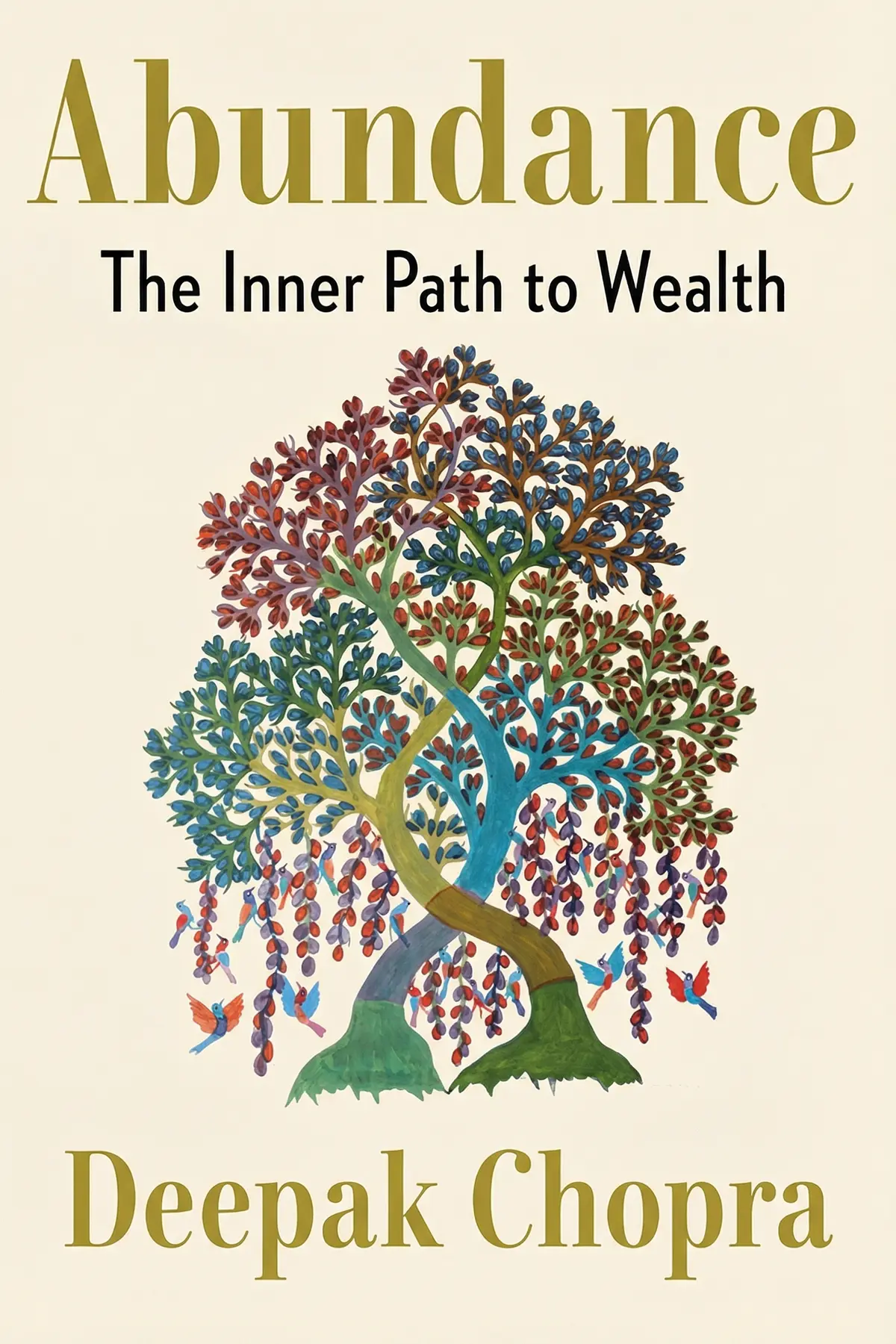
Abundance: The Inner Path to Wealth
Deepak Chopra
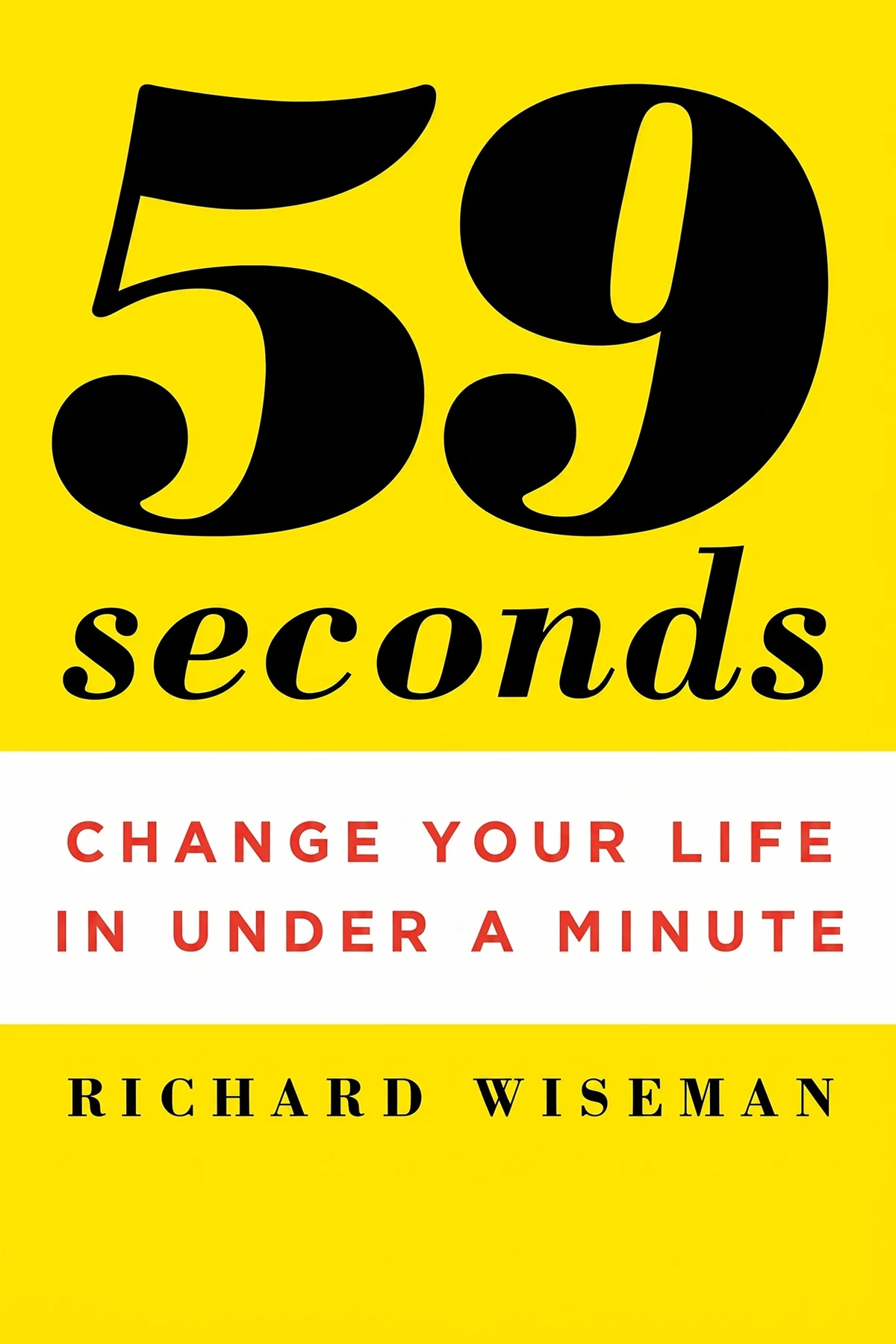
59 Seconds: Change Your Life in Under a Minute
Richard Wiseman
AUDIO SUMMARY AVAILABLE
Listen to Mini Habits in 15 minutes
Get the key ideas from Mini Habits by Stephen Guise, plus 5,000+ more titles in English and Thai.
- 5,000+ titles
- Listen as much as you want
- 7-day free trial
- Cancel anytime







