
18 min 36 sec
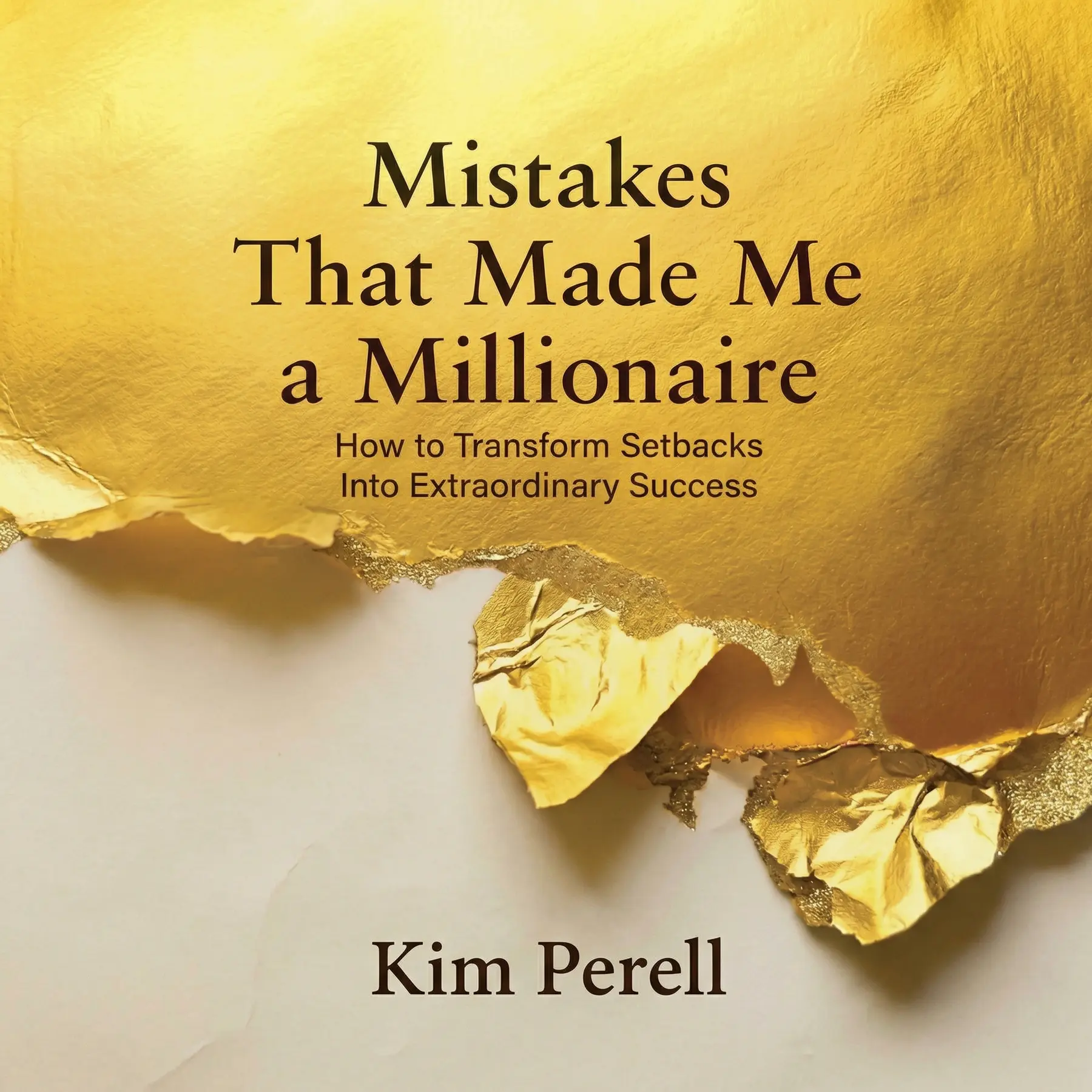
Mistakes that Made Me a Millionaire: How to Transform Setbacks Into Extraordinary Success
By Kim Perell
Learn to identify the hidden habits and common mistakes that prevent professional and personal growth while discovering practical strategies to transform failure into a foundation for lasting success and exponential growth.
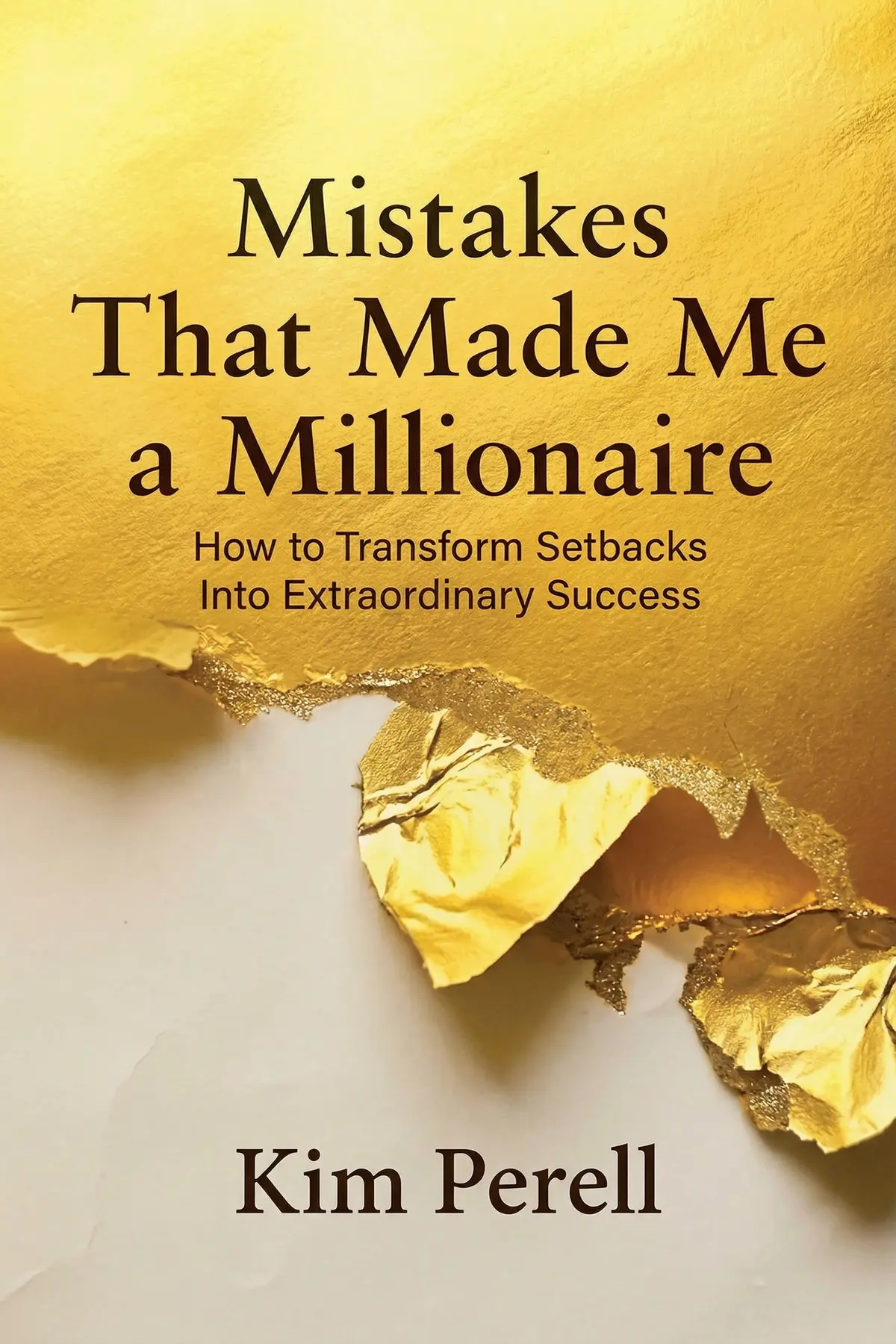
Table of Content
1. Introduction
1 min 18 sec
We often look at successful entrepreneurs and imagine a straight, unbroken line leading from their first idea to a massive exit. We see the magazine covers, the billion-dollar valuations, and the polished speeches, assuming they simply had better ideas or more luck than everyone else. But the reality is far more interesting and much more useful for the rest of us. Success rarely collapses from one catastrophic event; instead, it is often eroded by small, everyday habits that feel safe and sensible. We might stay in a job too long because it’s comfortable, or we might wait for the perfect moment to launch a project, unaware that the delay is actually a form of quiet failure.
The real secret to reaching the highest levels of achievement isn’t avoiding mistakes altogether—it’s learning how to use them as fuel. In this summary of Kim Perell’s insights, we are going to pull back the curtain on the errors that actually build fortunes. We will look at why perfectionism is a trap, why the lone-genius myth is a recipe for burnout, and why the most dangerous thing you can do for your career is to play it safe. By the end of this journey, you’ll have a new framework for decision-making that prioritizes action over hesitation and relationships over spreadsheets. Let’s explore the specific mistakes that stall progress and, more importantly, the repeatable habits that can turn those setbacks into a million-dollar trajectory.
2. The Danger of Waiting for Perfection
2 min 21 sec
Discover why the quest for the perfect moment is actually a form of procrastination and how the 70% rule can unlock your momentum.
3. The Solo Genius Fallacy
2 min 06 sec
Learn why trying to do everything yourself is a limit on your growth and how asking for help is actually a strategic advantage.
4. Mastering the Biology of Risk
2 min 18 sec
Understand how your brain’s natural response to fear can lead to poor decision-making and how to consciously steer toward growth.
5. The Trap of Staying Too Long
2 min 22 sec
Recognize the signs that you’ve outgrown your current situation and learn why comfort is often the enemy of your future success.
6. The Strategic Value of the Pivot
2 min 09 sec
Understand why sticking to the original plan can be a fatal error and how the world’s most successful companies use flexibility to win.
7. Hiring for Substance, Not Shine
2 min 03 sec
Learn to look past charisma during interviews and discover the rigorous approach needed to build a high-performing team.
8. The Power of Personal Connection
2 min 23 sec
Discover why treating business as a series of human relationships, rather than cold transactions, is the secret to long-term success.
9. Conclusion
1 min 36 sec
As we reach the end of this exploration into the mistakes that build millionaires, the overarching theme is clear: success is a journey of constant adjustment and courageous action. We’ve seen that the biggest risks aren’t found in the bold moves we make, but in the safe choices that keep us stagnant. Whether it’s waiting too long for the ‘perfect’ moment, trying to carry the entire weight of a business on your own shoulders, or letting the biological alarm bells of fear dictate your future, these are the subtle errors that prevent us from reaching our true potential.
But the good news is that every one of these mistakes is avoidable—or reversible—once you recognize the pattern. By implementing the strategies we’ve discussed, such as the 70% rule for decision-making, the triple-tap method for seeking help, and the structured approach to hiring, you can begin to replace momentum-killing habits with winning ones. You can learn to see a pivot not as a failure of your original vision, but as an evolution of your strategy. And most importantly, you can remember that in the high-stakes world of business, your humanity and your relationships are your most powerful assets.
The path to becoming a millionaire—or achieving whatever your version of success may be—is paved with the lessons learned from things that didn’t go as planned. Every setback is just a piece of data, and every failure is a chance to start again with more intelligence. The only real mistake is to stop moving altogether. So, take that 70% of confidence you have right now, pick one area where you’ve been playing it safe, and take a meaningful step forward today. Your future self will thank you for the mistakes you were brave enough to make.
About this book
What is this book about?
Mistakes that Made Me a Millionaire is an exploration of the common pitfalls that stall even the most ambitious entrepreneurs. It moves away from the traditional narrative of smooth, upward success and instead focuses on the messy, necessary errors that define a true career path. The book promises to help you identify where you are holding yourself back—whether through a fear of starting, an inability to ask for help, or a refusal to pivot when the market demands it. By examining real-world examples and personal anecdotes, the author provides a roadmap for replacing these stall points with winning habits. You will learn to recognize the difference between "safe" decisions and "smart" ones, ensuring that your trajectory remains focused on long-term growth rather than short-term comfort. The core message is that failure isn't the opposite of success; it is the data set you need to achieve it.
Book Information
About the Author
Kim Perell
Kim Perell is a serial tech entrepreneur and prominent angel investor who built companies from her kitchen table to a $235 million exit and has backed 90+ startups with multiple acquisitions; her accolades include Ernst & Young Entrepreneur of the Year. Her other best-selling titles include The Execution Factor, a USA Today national bestseller, and Jump, which hit the Wall Street Journal list.
Ratings & Reviews
Ratings at a glance
What people think
Listeners find this a valuable resource for entrepreneurs, filled with hands-on advice and narratives that resonate. Furthermore, the book feels genuine and sincere, offering the drive to persevere, and listeners enjoy the unique perspective on addressing professional errors. Listeners also highly regard the book's gold content and its capacity to foster bravery and self-assurance.
Top reviews
Gioia
Picked this up because I’ve been feeling stuck in a loop of over-analyzing every single career move. Perell’s perspective on the '70% rule'—moving when you have just enough clarity—is exactly the push I needed. Truth is, I’m usually the person who waits for 100% certainty, but that just leads to stagnation. The book reads like a mentor chatting with you over coffee, sharing the messy bits instead of just the highlight reel. I loved the distinction between learning and earning; it made me realize I’ve been doing neither lately. While some parts feel a bit like a pep talk, the raw honesty about her failures makes the advice land much harder than your average business manual. It’s refreshing to see a millionaire admit that they didn't have it all figured out from day one. This isn't just about business growth, but about building the resilience to face rejection without it breaking your spirit.
Show moreKek
Wow, this book was the exact morale booster I needed after a particularly rough quarter. Kim Perell comes off as so authentic and relatable, which is rare for someone at her level of success. Personally, I found the chapter on asking for help to be the most impactful. I’ve always viewed asking for help as a sign of weakness, but Kim shows how it’s actually a strategic skill. She writes with real emotion, making you feel the sting of her rejections along with her. The focus on empathy and personal relationships in business is a refreshing change from the usual 'crush your enemies' mentality. I finished the book feeling energized and equipped with a clearer sense of how to navigate my own uncertainty. It’s not just a business book; it’s a testimony to the power of believing in yourself.
Show morePang
Kim Perell doesn't just talk about success; she deconstructs the absolute train wrecks that paved the way for it. Most business gurus want to sound like they had a master plan from day one. Kim admits she was often spinning her wheels. Gotta say, the way she explains how failure fuels pattern recognition is brilliant. It’s not about the mistake itself, but the 'adaptive confidence' you build by surviving it. The book is packed with practical lists that don't feel like filler. From the rethink-reorganize-react loop to the focus on 'return on relationship,' it’s clear she’s actually lived these lessons. It gave me the boost I needed to stop polishing my plan and just launch. If you're tired of sanitized business memoirs and want something that feels real and gritty, this is the one.
Show moreTod
After hearing Perell speak on a podcast, I wanted to see if her book actually lived up to the hype. It’s surprisingly candid. She breaks down how customer pivots—like the ones Starbucks or YouTube did—aren't just lucky breaks but calculated reactions to reality. In my experience, most business books try to make the author look like a genius, but Kim is happy to look like a human who messed up. The chapter on identity lock-in hit home for me because I’ve often tied my entire self-worth to my job title. The writing is punchy, with short sentences that keep the momentum high. I did find a few of the 'listicles' a bit repetitive, yet the overall framework for analyzing mistakes is incredibly useful. It gave me the courage to reorganize my current project instead of just doubling down on a failing strategy.
Show moreCherry
Ever wonder why some people bounce back from total disaster while others just fold? Perell argues it’s all about the 'return on relationship.' This really shifted my perspective on networking. Gotta say, her section on the cost of poor hiring—how it drains momentum and morale more than just money—was a wake-up call for my small team. We often focus on ROI in terms of dollars, but she reminds us that people decide what becomes possible. The book is written with a lot of heart, and you can tell she actually cares about the reader’s journey. Some of the 'shaking my head' moments did happen, especially when the advice got a bit too 'positive vibes only,' but the practical steps for rethinking and reacting are gold. It's a great companion for anyone who feels like their mistakes are defining them.
Show moreErn
The chapter on 'identity lock-in' alone makes this book worth the purchase price. We so often define ourselves by our titles, making a pivot feel like an existential crisis. Truth be told, I’ve stayed in failing projects far too long because I didn't want to admit the 'old me' was wrong. Perell’s advice to move with 70% information is a game-changer for recovering perfectionists. The writing is very direct, which I appreciate. No fluff, just lessons learned the hard way. I did feel that the connection between some of her mistakes and the eventual 'millionaire' status was a bit of a leap, but the mindset shifts she suggests are undeniably valuable. It’s a book about resilience as a strategy rather than just a personality trait. I’ve already recommended it to a few colleagues struggling with their own transitions.
Show moreMia
The concept of 'failing forward' isn't exactly groundbreaking, but Perell brings a personal touch that keeps you turning pages. Not gonna lie, some of the anecdotes felt a bit glossed over, like the story about the sales leader’s failure where I felt some crucial details were missing. However, the core message about prioritizing relationships over spreadsheets resonated with my own experience in management. It’s a short, accessible read that you can finish in a weekend, which is both a pro and a con. I wanted more depth in the 'how-to' sections, but instead, it stays in the motivational lane. The triple-tap technique for following up was a practical takeaway I started using immediately. It’s a solid morale booster for entrepreneurs who are currently in the 'messy middle,' though seasoned veterans might find the insights a bit surface-level.
Show moreBook
Finally got around to reading this, and I have mixed feelings about the execution. Look, the advice is simple and sound, which is great for beginners. But for anyone who has been in the game for a while, it feels a bit like a refresher course. I appreciated the specific mention of the Penn State study on worry—91% of things we fear never happen. That’s a powerful statistic to keep in mind when you're paralyzed by a big decision. However, the prose leans heavily into motivational platitudes at times, which can be a bit much if you’re looking for hard data. It’s a very accessible book, and I can see it being a huge help for someone just starting their first business. For me, it was a 3-star read: good reminders, but not quite life-changing.
Show moreDaranee
As someone who designs curriculum for adult learners, I was intrigued by the 'learning vs. earning' framework mentioned in the blurbs. It’s a solid way to assess career progression. To be fair, the book lacks the academic depth I usually look for, but the stories serve as decent case studies in cognitive flexibility. Perell’s view of the 'zone of proximal development'—though she doesn't use that term—mirrors how we encourage growth in the classroom. You need to be challenged enough to stretch but supported enough to keep going. While I found the 'triple tap' and other lists a bit simplistic, they provide a systematic approach for those who struggle with executive function. The book is a quick, light read. It’s better suited for a commute than a deep study session, but there’s enough traction to make it worth the time.
Show moreSamira
Not what I expected from someone with such a massive track record in the tech space. Frankly, the advice feels spread thin, relying on recycled entrepreneurship tropes that you can find in any airport bookstore. The 70% clarity rule is fine, but it’s stretched across far too many pages. I found the anecdotes to be selectively edited to fit a specific narrative of 'resilience,' which made them feel less like genuine lessons and more like branding. Every mistake is framed as a stepping stone to a million dollars, but the actual mechanics of those transitions are often left vague. It’s a quick read, sure, but lacks the intellectual rigor I was hoping for. If you’re looking for a deep dive into data-driven decision making, this isn’t it. It feels more like a collection of motivational LinkedIn posts than a cohesive business strategy guide.
Show moreReaders also enjoyed
Alibaba: The House That Jack Ma Built
Duncan Clark
60 Seconds & You’re Hired!
Robin Ryan
7 Powers: The Foundations of Business Strategy
Hamilton Helmer
AUDIO SUMMARY AVAILABLE
Listen to Mistakes that Made Me a Millionaire in 15 minutes
Get the key ideas from Mistakes that Made Me a Millionaire by Kim Perell, plus 5,000+ more titles in English and Thai.
- 5,000+ titles
- Listen as much as you want
- 7-day free trial
- Cancel anytime







