
Alexander Hamilton
Ron Chernow
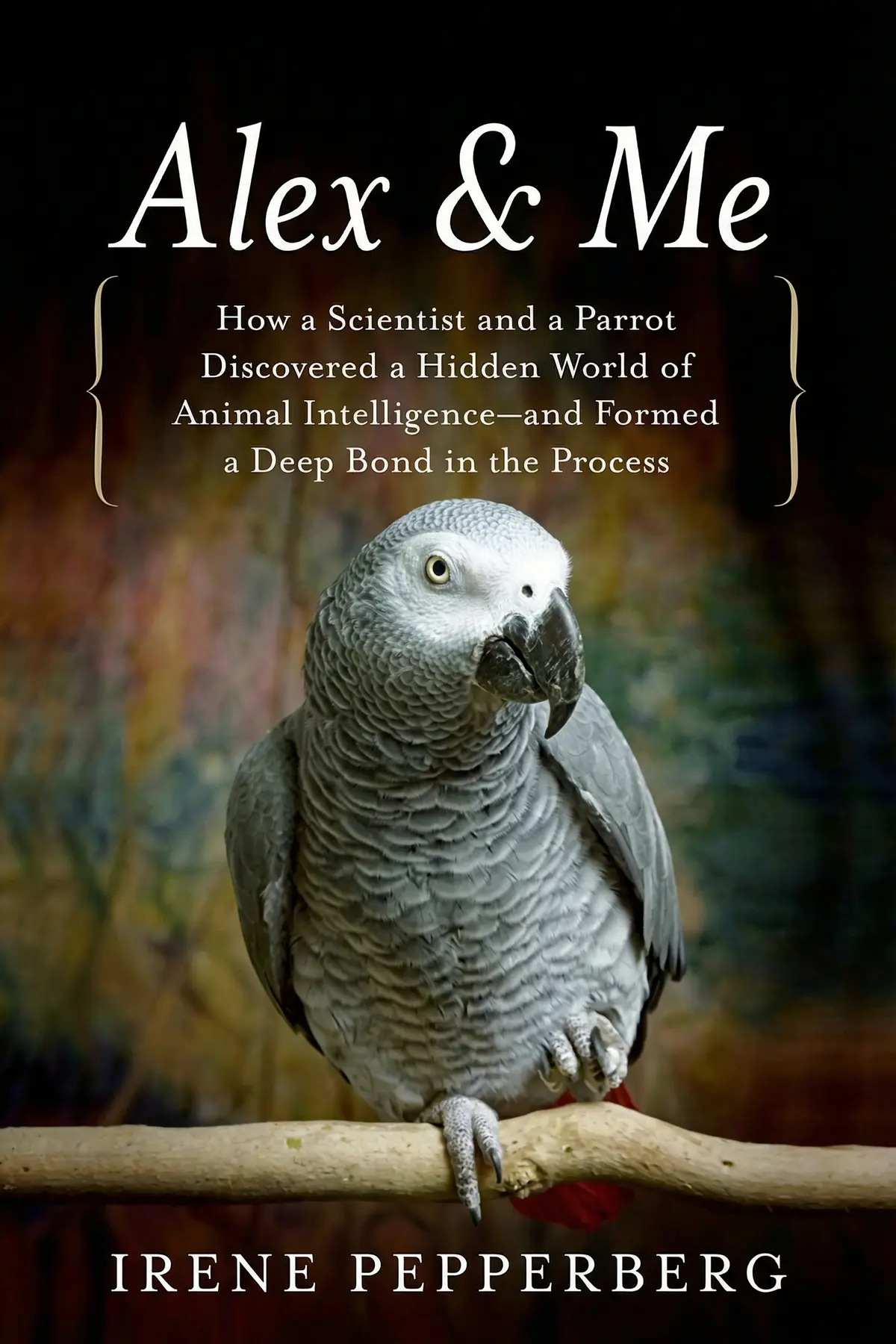
Discover the incredible bond between scientist Irene Pepperberg and Alex, an African Grey parrot. This summary explores how their groundbreaking research redefined animal intelligence and challenged the scientific establishment’s long-held beliefs.
1 min 47 sec
Imagine stepping into a laboratory and being greeted not by a sterile silence or the hum of machinery, but by a voice. A voice that doesn’t just repeat what you say, but asks for what it wants, identifies the color of your shirt, and even tells you to calm down when you’re stressed. This isn’t a scene from a science fiction movie; it was the daily reality for Dr. Irene Pepperberg and a remarkable African Grey parrot named Alex. For over thirty years, this duo worked together to pull back the curtain on a hidden world of animal cognition that most scientists refused to believe existed.
In the journey we are about to take, we will explore the life of Alex, a bird who became much more than a research subject. He became a teacher, a friend, and a pioneer. But this story is also about Dr. Pepperberg herself—a scientist who had to fight against a rigid, often skeptical establishment that viewed her work as a distraction or, at best, a series of clever tricks. Her journey is one of immense grit and intellectual bravery. She wasn’t just trying to teach a bird to talk; she was trying to prove that animals have minds that are far more sophisticated than we previously dared to imagine.
As we move through these ideas, you’ll see how Alex’s abilities reached far beyond simple imitation. We’ll look at how he learned to categorize the world, how he expressed frustration and apology, and how he even displayed a spark of creative genius. This isn’t just a book about a bird; it’s a book about what it means to be intelligent and how our connection with the animal world can fundamentally change how we see ourselves. By the end, you’ll understand why the loss of Alex was felt not just by a single scientist, but by millions of people across the globe. Let’s dive into the fascinating world of Alex and Irene, and see how they changed science forever.
2 min 28 sec
Explore how the presence of animals can shape a person’s identity and offer profound comfort during life’s most difficult transitions and health challenges.
2 min 23 sec
Discover the innovative teaching technique that moved beyond simple mimicry to show how parrots can learn to use labels functionally in a social context.
2 min 12 sec
Learn how Alex proved he could navigate complex mental landscapes by distinguishing between colors, shapes, and numbers in a way previously thought unique to humans.
2 min 26 sec
Go behind the scenes of Alex’s famous outbursts and apologies to see the evidence for genuine intention and emotional intelligence in animals.
2 min 12 sec
Witness the moment Alex invented his own words, demonstrating that his understanding of language was creative and not just reproductive.
2 min 14 sec
Learn about the surprising X-ray evidence that revealed how parrots produce speech in a way that is strikingly similar to the human vocal process.
2 min 25 sec
Trace Irene Pepperberg’s journey as a female scientist fighting for legitimacy in a world that often dismissed her groundbreaking work as a mere curiosity.
1 min 48 sec
The story of Alex and Irene Pepperberg is a powerful reminder that we are surrounded by intelligence, even if it doesn’t always look like our own. Over three decades, a small bird with a brain the size of a walnut managed to challenge the very foundations of how we define language, thought, and emotion. Alex showed us that parrots are not just mimics; they are thinkers, creators, and social beings who can navigate complex abstract concepts and express their own unique will. He taught us that the ability to categorize the world and communicate those categories is not a human monopoly.
But perhaps the most lasting lesson from this journey is the importance of the bond between the researcher and the subject. Irene’s willingness to treat Alex as a partner rather than just a specimen allowed his true potential to flourish. Her struggle for scientific recognition highlights the need for grit and the courage to follow a path that others might ridicule. Because she stayed the course, we now have a much richer, more nuanced understanding of the natural world and our place within it.
As you think about the life of Alex, consider the ‘hidden worlds’ that might be existing all around you. Whether it’s in your own pets or the wildlife in your backyard, there is a level of awareness and intention that we are only just beginning to decode. The legacy of Alex and Irene encourages us to look closer, listen more carefully, and remain open to the idea that we are part of a vast, interconnected community of intelligent life. Let Alex’s final words to Irene—’You be good. I love you’—serve as a reminder of the profound simplicity and depth that communication can achieve, across any species divide.
Alex & Me tells the story of an unlikely partnership that changed the course of cognitive science. When Dr. Irene Pepperberg first began working with Alex, a common African Grey parrot, the prevailing scientific wisdom suggested that birds were little more than biological automatons capable only of simple mimicry. Over three decades of rigorous research, Pepperberg and Alex shattered those preconceptions, proving that parrots could understand abstract concepts, use language with intent, and even display complex emotions. This summary delves into the specific experiments and breakthroughs that made Alex a global phenomenon. It also highlights the personal struggle of Pepperberg as a woman in a male-dominated field, fighting for funding and respect while navigating the emotional depth of her relationship with her feathered subject. The promise of this book is a journey into the mind of another species, revealing that the divide between humans and the animal kingdom is far narrower than we ever imagined. It is a story of persistence, the power of communication, and the profound impact of a thirty-year friendship.
Dr. Irene Pepperberg has devoted her life to understanding how animals think and behave. She has worked with the famous African Grey Parrot, Alex, for over 30 years. Along the way, she has changed our understanding of animal intelligence and animals’ potential for communication. Dr. Pepperberg is currently a lecturer and research associate at Harvard University.
Listeners describe this work as informative and captivating, filled with extraordinary stories and an intimate narrative regarding animal thought processes. The text provides a moving look at the bond shared by a researcher and a gifted avian subject, with one listener mentioning that it excels at clarifying parrot intelligence. Listeners appreciate the wit, characterizing the story as amusing while tugging at the heartstrings, and find the scientific details fascinating and thorough.
Picked this up after seeing a documentary about animal cognition, and it completely blew my mind. Irene Pepperberg doesn't just talk about a bird; she documents a thirty-year revolution in how we perceive non-human intelligence. Watching Alex transition from a pet store purchase to a creature capable of understanding the concept of "zero" and categorization is nothing short of breathtaking. To be fair, some of the academic hurdles Pepperberg faced felt repetitive, but they highlight the uphill battle for female scientists in the 70s. Alex comes across as a tiny, feathered person with a massive ego and an even bigger heart. It's an entertaining read that pulls at your heartstrings while providing rigorous scientific insights. I found myself looking at the crows in my backyard with entirely new eyes after finishing this.
Show moreWow. I am sitting here in tears after finishing the final chapter. I never thought I could feel this much for a bird I’ve never met. This isn't just a science book; it’s a love story about two beings who spent three decades learning to speak each other’s language. The way Alex used his limited vocabulary to express complex desires and even humor is absolutely stunning. I loved the "little alien" comparison because it perfectly captures that feeling of interacting with a consciousness so different from our own. Pepperberg does an excellent job of balancing the data with the emotional reality of their relationship. It’s a moving account that should be required reading for anyone who thinks animals are just acting on instinct. Purely magical and devastating all at once.
Show moreThe chapter on Alex’s final days is one of the most heartbreaking things I’ve ever read in a non-fiction book. Pepperberg manages to capture the profound weight of grief that follows the loss of a companion who was essentially a colleague and a child combined. I found her descriptions of the academic sexism she faced to be very revealing and necessary context for her attachment to Alex. Some might find her personal history tedious, but it explains why she poured her entire life into this one project. The anecdotes are funny, the science is rigorous, and the bond is undeniable. It’s a beautiful tribute to a bird that changed the world. I’ll be recommending this to everyone in my book club for sure.
Show moreAs someone who grew up with parakeets, I was naturally drawn to the story of a bird that could actually communicate his needs. The book is essentially a dual biography of a woman and her avian partner, though the human side occasionally overshadows the parrot. Pepperberg is candid about her childhood and the social anxieties that perhaps made her more suited to life in a lab than a social gathering. It’s fascinating to see how she broke through the "bio-automaton" bias of the era. The writing isn't always polished, but the anecdotes about Alex asking for "cherry" or "banana" are delightful. My only real gripe is that the middle sections drag a bit when focusing on grant applications. Still, any animal lover will find this deeply rewarding and probably a little bit heartbreaking.
Show moreFinally got around to this after hearing so many people mention the famous "You be good, I love you" ending. It’s a powerful testament to the bond between species, even if the clinical setting feels a bit cold at times. Pepperberg’s struggle to find funding and space for her work is a sobering reminder of how rigid the scientific establishment can be. To be honest, I was shocked by how much personality Alex had, from his jealousy of other birds to his tendency to boss around the lab assistants. The prose is straightforward and accessible, making complex cognitive theories easy to digest for a layperson. While the beginning is heavy on the author's background, once the research gets going, it's hard to put down. It really makes you reconsider what goes on inside a bird brain.
Show moreAfter hearing a co-worker talk about their own African Grey, I had to see if the legends about Alex were true. This book proves that birds are far more than "featherweights" when it comes to mental capacity. The research into phonics and the concept of "none" is particularly fascinating to anyone interested in linguistics or psychology. I did find the author's tone a bit abrasive occasionally, especially when she's recounting her social struggles and early career. However, the sheer wonder of Alex’s progress outweighs any minor annoyances with the narrative style. It’s a quick read that packs a significant intellectual punch. It definitely convinced me that most people aren't equipped to handle the social needs of these highly intelligent creatures. Don't buy a parrot; just read this book instead.
Show moreEver wonder what’s actually happening behind the eyes of the birds in your garden? This book provides some startling answers through the lens of one extraordinary African Grey. Pepperberg’s work shattered the idea that language is a uniquely human trait, and her persistence is admirable. The book is at its best when it focuses on the "model-rival" technique and the specific experiments they conducted. I appreciated the inclusion of the New York Times obituary at the start, even if it was a bit of a spoiler for the emotional ending. The writing is clear, though it lacks the lyrical quality of some other nature writers. It’s a solid, educational read that will make you rethink your relationship with every animal you encounter.
Show moreIn my experience, memoirs by scientists can be hit or miss, but this one hits more than it misses. It provides a fascinating look at the "inter-species" communication that most people thought was impossible forty years ago. Alex wasn't just mimicry and crackers; he was a thinking, feeling entity with a distinct sense of humor. While the author’s social anxiety and childhood stories might seem out of place to some, they provide a necessary foundation for her unique perspective. To be fair, the book is quite short, and I would have loved even more detail on the specific testing protocols. Regardless, it’s a moving and informative read that bridges the gap between hard science and heartfelt biography. A must-read for anyone fascinated by the limits of the mind.
Show moreNot what I expected given the hype surrounding Alex the parrot. While the scientific achievements are undeniably impressive, the author's voice often felt quite defensive and, at times, a bit immature. She spends a significant amount of the page count complaining about colleagues and childhood slights, like a baker who was mean to her once. I wanted more Alex and less of Dr. Pepperberg’s personal grievances with the academic world of the 1970s. Frankly, when she described her journal entry calling Alex "incredibly stupid" for not cooperating, it rubbed me the wrong way. That said, the sections detailing Alex’s ability to use phonics and identify shapes are genuinely riveting. It’s a fast read, but it feels more like a memoir of a frustrated researcher than a celebration of a bird.
Show moreLook, I wanted to love this because I’m a huge animal advocate, but the execution left me cold. The book is marketed as being about Alex, yet it feels more like a vehicle for Dr. Pepperberg to settle old scores with the people who doubted her. There’s a distinct lack of warmth in the early chapters, and the author's personality comes across as quite prickly. Calling your research subject "stupid" in a journal because he’s having an off day seems incredibly unprofessional and lacks empathy. I skipped through a lot of the childhood memoir stuff to get to the actual bird interactions. While the science is important, the storytelling is self-centered and frequently repetitive. If you want to learn about Alex, you might be better off watching YouTube clips of his actual sessions.
Show moreRon Chernow
Jeff Hawkins

Jacinda Ardern
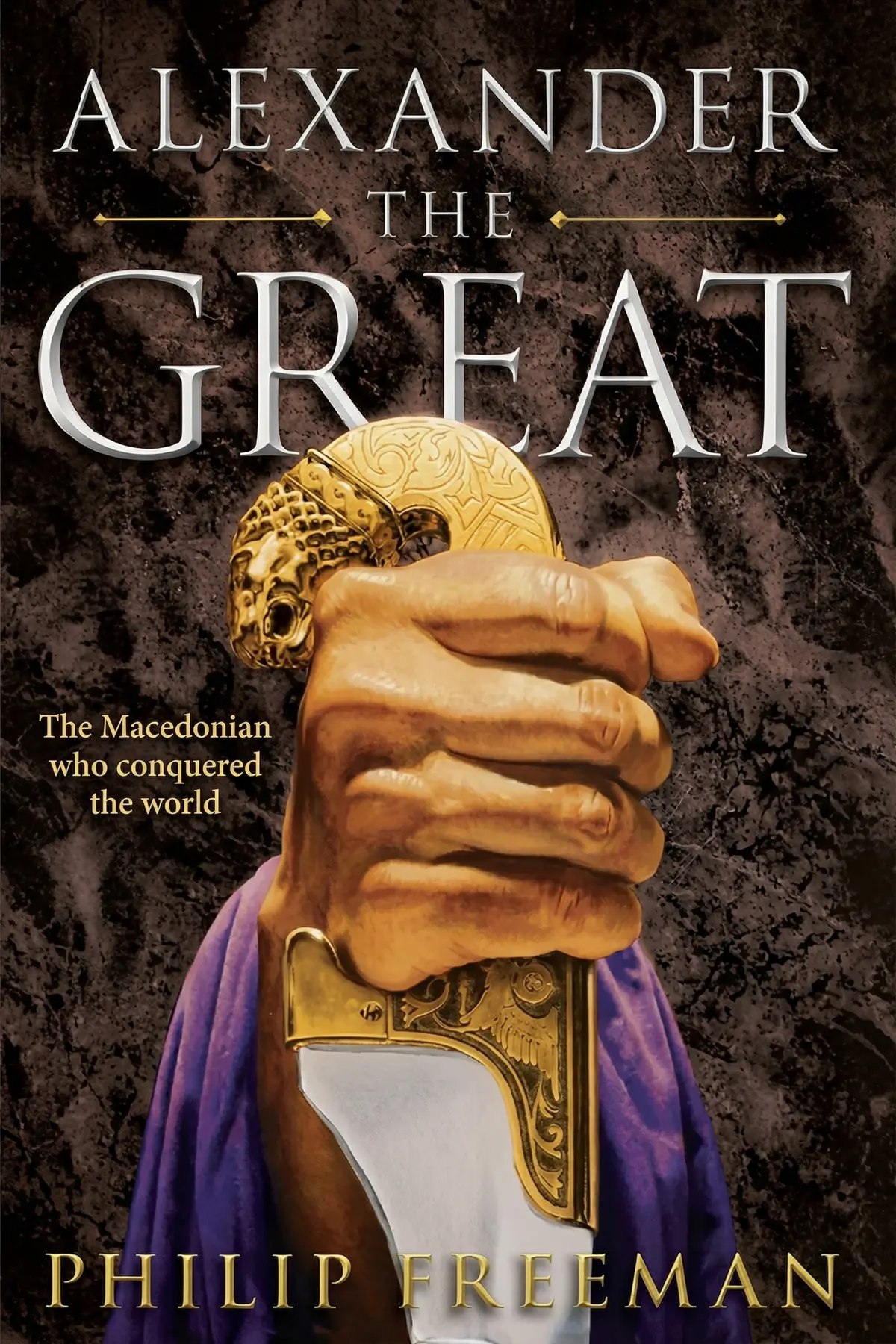
Philip Freeman
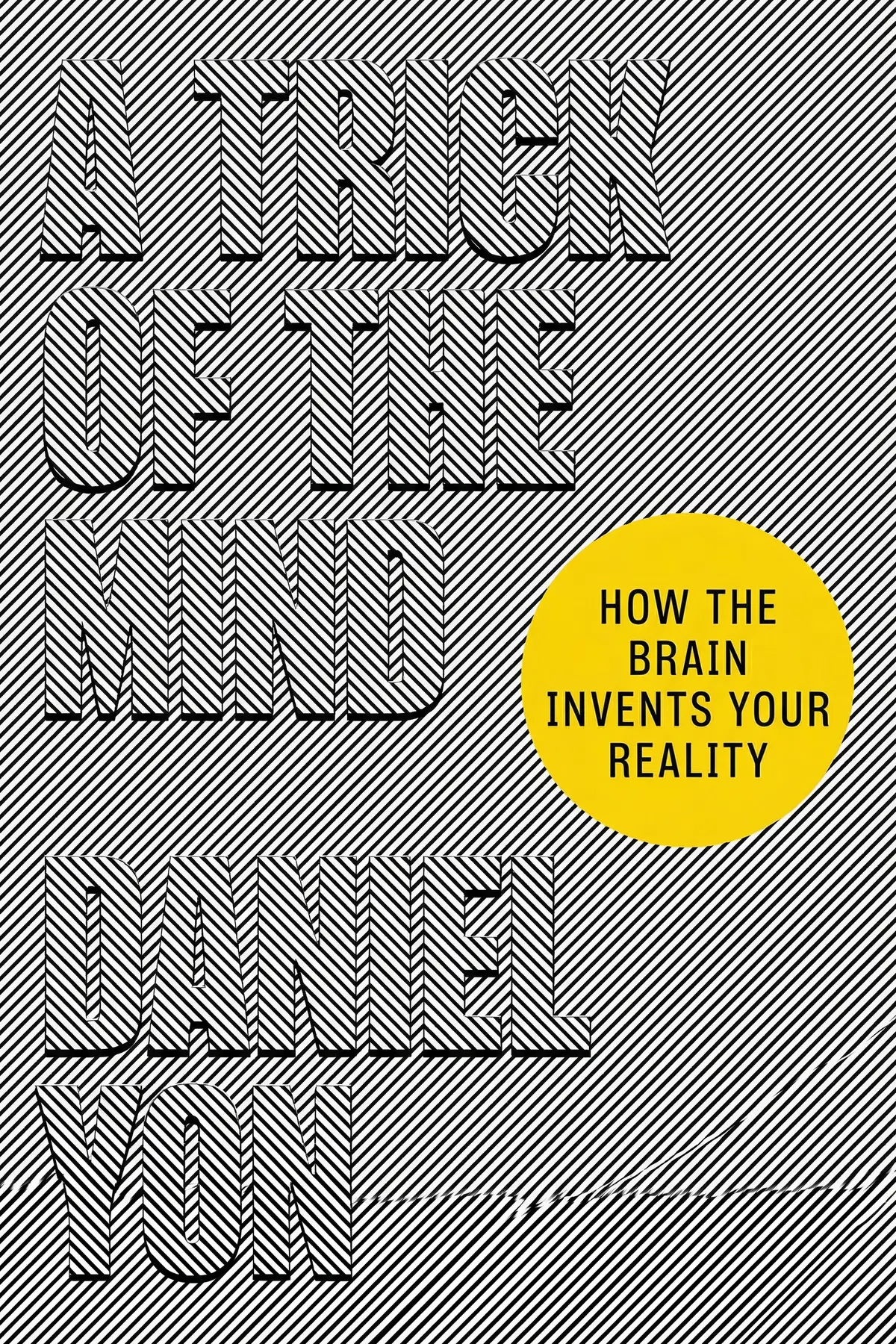
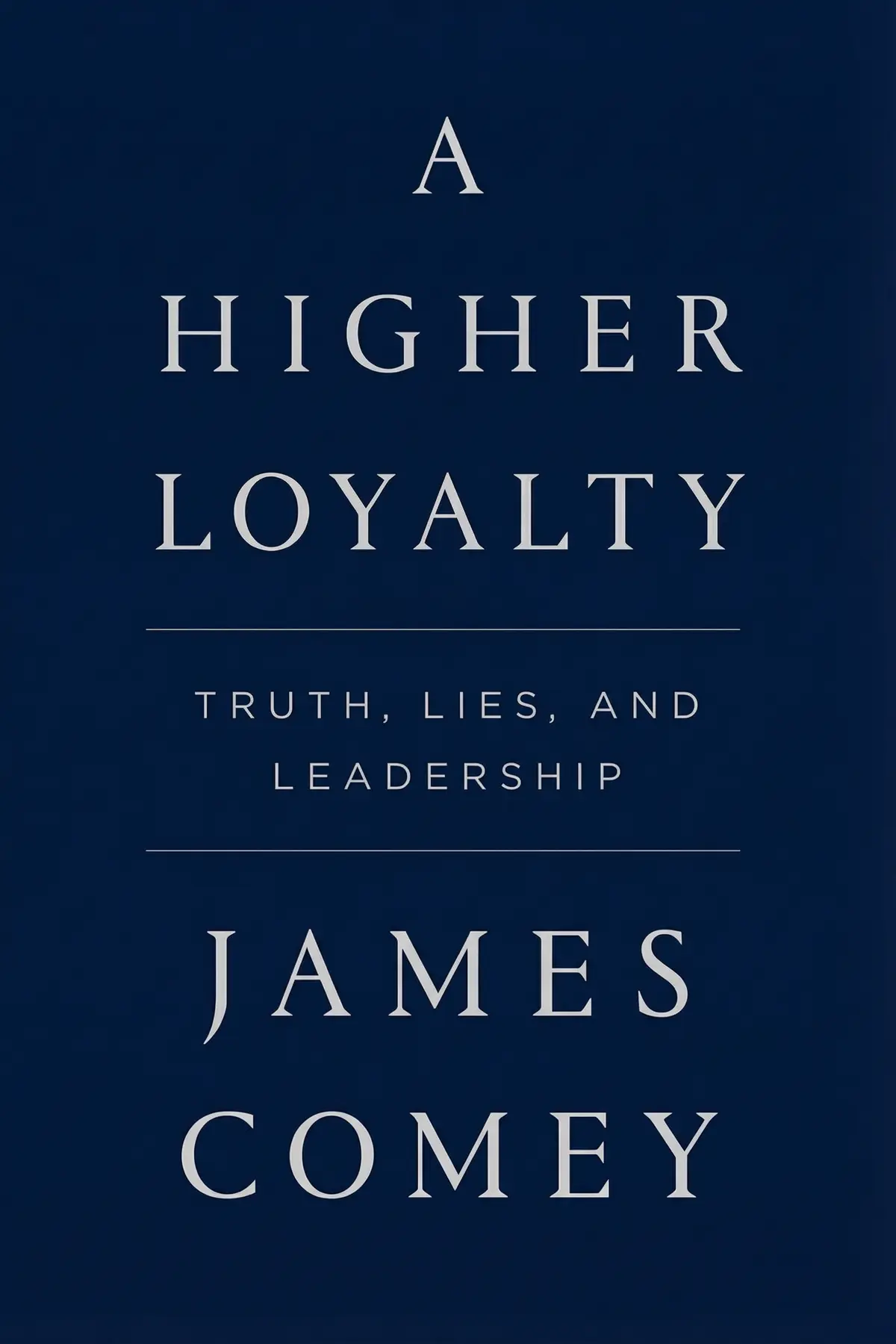
James Comey
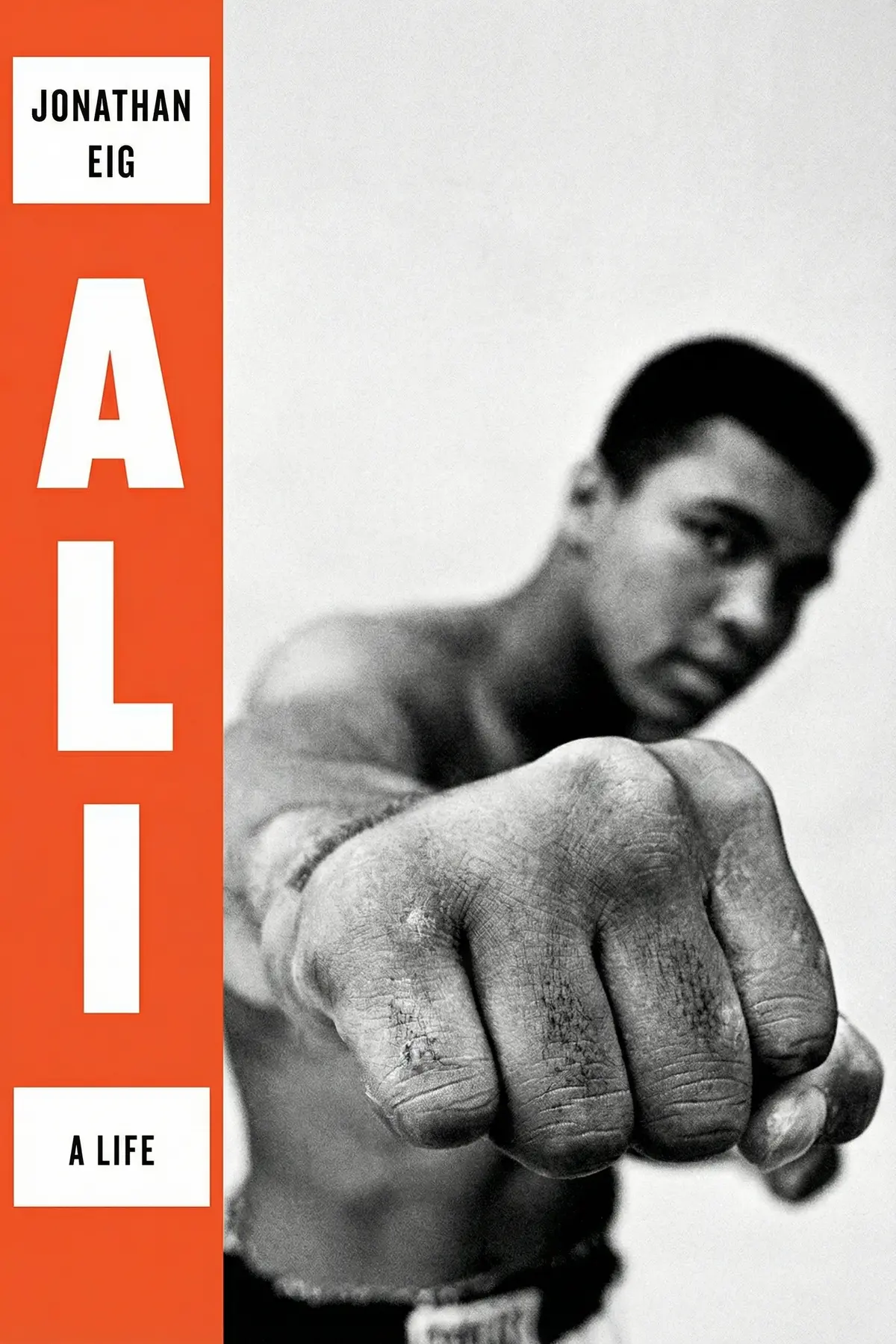
Jonathan Eig
AUDIO SUMMARY AVAILABLE
Get the key ideas from Alex & Me by Irene Pepperberg, plus 5,000+ more titles in English and Thai.







