
15 min 52 sec
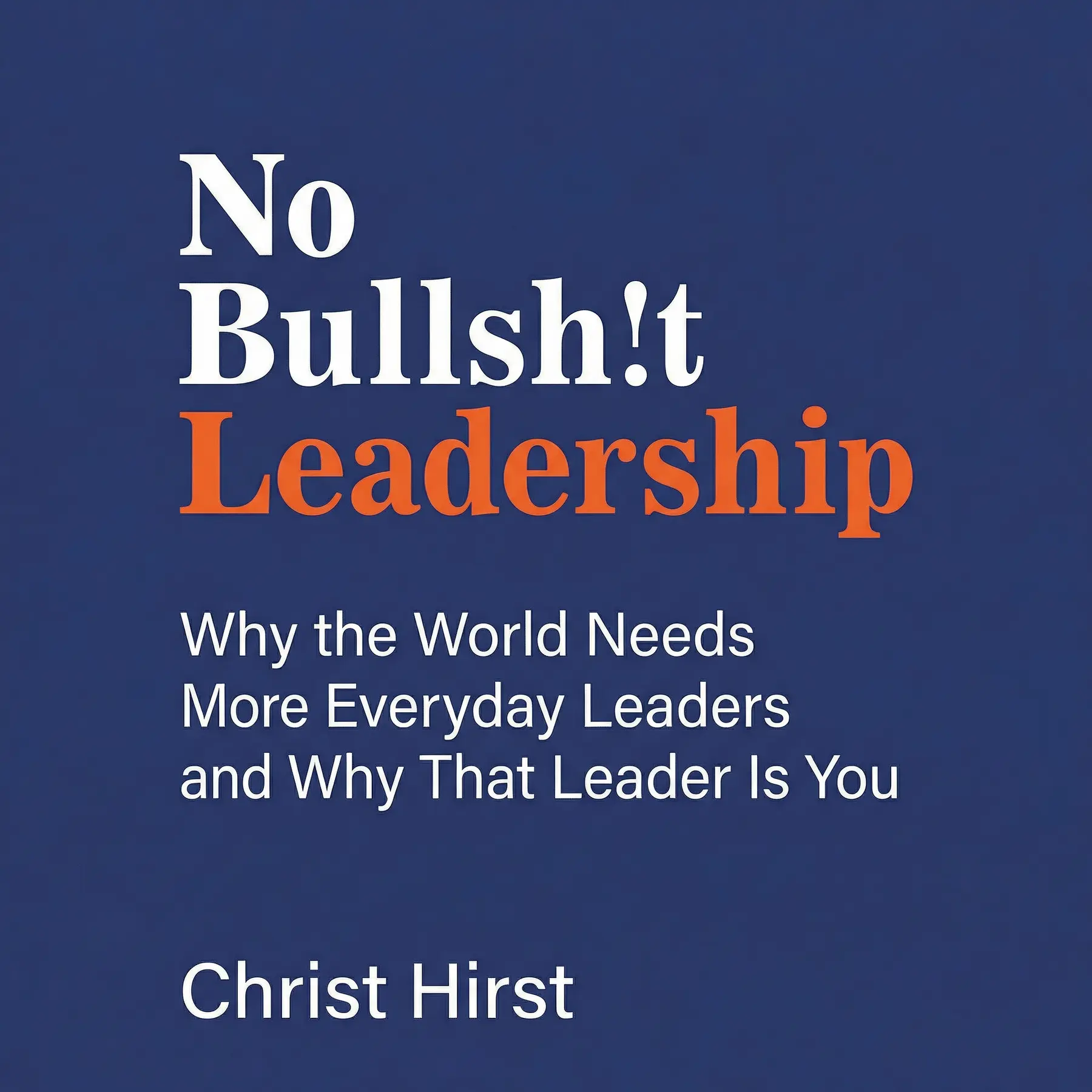
No Bullsh*t Leadership: Why the World Needs More Everyday Leaders and Why That Leader Is You
By Chris Hirst
A practical manual for leadership that strips away corporate jargon and focus on direct action, clear decision-making, and fostering a culture of accountability to move any organization from where it is to where it needs to be.
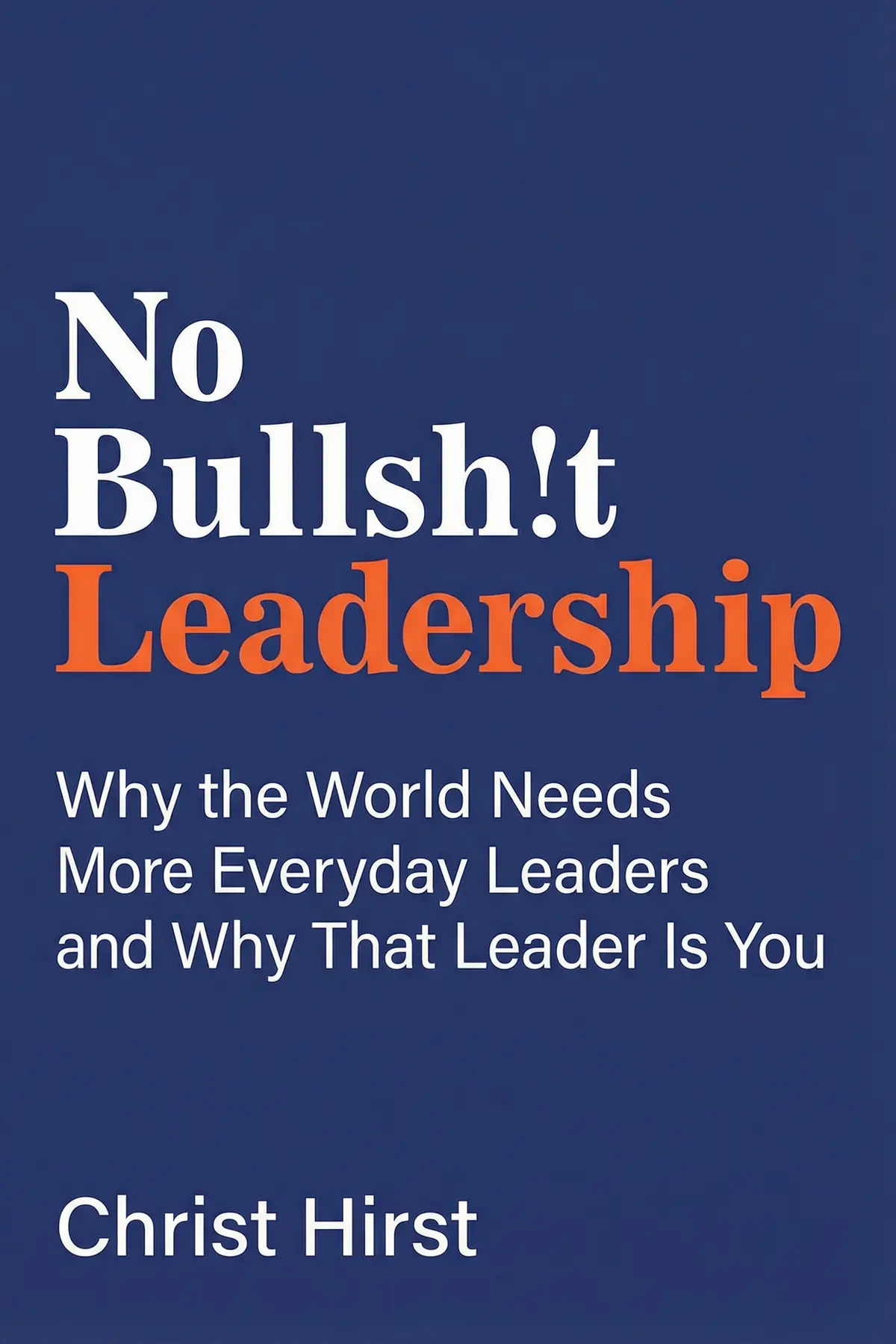
Table of Content
1. Introduction
1 min 49 sec
We often talk about leadership as if it’s a mystical quality bestowed upon a lucky few at birth. You’ve probably heard the phrase natural-born leader used to describe a charismatic executive or a standout athlete. But this way of thinking is one of the biggest hurdles to actual progress. It suggests that if you weren’t born with a specific set of personality traits or didn’t attend a specific elite university, you simply aren’t cut out for the job. This couldn’t be further from the truth. Leadership isn’t an innate identity; it’s a muscle. And just like any other muscle, it gets stronger with use, repetition, and the right kind of exercise.
The core philosophy we’re exploring here is that leadership is fundamentally simple, even if it isn’t always easy. It’s about stripping away the gimmicks, the complex mind games, and the overly academic theories that often clutter modern management. Instead, we focus on a few basic principles that allow anyone, in any position, to effectively guide a group of people toward a common goal. Whether you are leading a small volunteer group or a global corporation, the mechanics of getting things done remain remarkably consistent.
In the following sections, we are going to look at the throughline of effective leadership: the ability to move a team from point A to point B without getting bogged down in unnecessary distractions. We’ll discuss how to gather real insights from the front lines, why making a decision—even an imperfect one—is better than hesitation, and how to build a culture that sustains itself through action. We’ll also touch on the importance of surrounding yourself with the right mix of people and why your own personal resilience is the fuel that keeps the entire engine running. By the time we finish, you might realize that you have the capacity to be the leader your organization needs right now, regardless of your past title or experience.
2. The Core Mission of a Leader
2 min 12 sec
What is the primary function of someone in charge? Explore how to cut through corporate fog by asking two fundamental questions about your organization’s current state and its future destination.
3. Decisiveness Over Perfection
2 min 03 sec
In a world of endless meetings, how do you actually get things done? Discover why the 40/70 rule is your best tool for making effective, timely decisions under pressure.
4. Culture is Built Through Action
2 min 01 sec
Forget the posters on the wall. Learn why real organizational culture is shaped by physical changes and the personal example set by those at the top.
5. Assembling the Right Crew
2 min 02 sec
A leader is only as effective as the team they lead. Explore the essential criteria for hiring, firing, and why a diverse mix of personalities is non-negotiable for success.
6. Radiating Resilience and Energy
2 min 01 sec
Leadership is an endurance sport that requires constant emotional output. Discover why your mood is contagious and how to keep your team motivated during the toughest climbs.
7. The Art of the Organizational Turnaround
2 min 06 sec
How do you fix a company that has lost its way? Learn about the ‘reception test’ and the strategy of building a core team of allies to spark a lasting transformation.
8. Conclusion
1 min 38 sec
As we wrap up this exploration of a no-nonsense approach to leadership, the most important thing to remember is that the power to lead is already within your reach. You don’t need a fancy title or a specific pedigree to start moving your team from point A to point B. What you do need is the courage to be honest about where you are, the decisiveness to act when you have enough information, and the resilience to keep going when the climb gets steep. Leadership is not about complex theories; it’s about the simple, daily commitment to taking action and supporting the people around you.
One final, vital piece of advice is to remember that you cannot lead others if you are running on empty. Leadership is an incredibly demanding role, and it’s easy to fall into the trap of thinking that you have to work every hour of the day to be effective. But exhaustion is the enemy of good judgment and positive energy. To be the best version of yourself for your team, you have to prioritize your own downtime. Think of yourself as the most important member of your team. If that member is burnt out, the whole team suffers. Taking time to recharge isn’t selfish; it’s a strategic necessity.
So, as you step back into your daily responsibilities, look for the ‘bullshit’ you can cut away. Look for the meetings that don’t need to happen, the vague goals that need to be clarified, and the cultural ‘concrete’ that needs to be smashed. Start small, be consistent, and lead by example. Whether you are fixing a broken department or steering a successful company toward its next big win, keep it simple, keep it honest, and keep moving forward. The world doesn’t need more managers; it needs more people who are willing to take the helm and sail.
About this book
What is this book about?
This summary explores a refreshingly honest approach to leading teams and organizations by focusing on results rather than rhetoric. It challenges the myth that leadership is an innate trait found only in a select few, arguing instead that it is a skill developed through consistent practice and simple, direct strategies. The narrative moves through the essential stages of identifying current organizational realities and setting clear, actionable goals. You will learn how to navigate the complexities of decision-making using proven frameworks that favor momentum over perfection. The summary also dives into the nuances of cultural transformation, explaining why physical environments and behavioral examples speak louder than mission statements. Furthermore, it addresses the difficult but necessary aspects of team management, including the importance of diversity and how to identify which employees truly contribute to a positive culture. By the end, the focus shifts toward resilience and personal well-being, providing a complete roadmap for anyone looking to step up and lead effectively in a high-pressure world.
Book Information
About the Author
Chris Hirst
Chris Hirst is the Global CEO of Havas Creative, a prominent marketing services firm located in London. He is a recognized voice in the business world, frequently contributing to major media outlets like the BBC, Sky News, and the Financial Times. His industry influence is well-documented, with the Evening Standard ranking him as the third most powerful executive in the marketing and advertising sector.
Ratings & Reviews
Ratings at a glance
What people think
Listeners find this a clear, conversational guide that treats leadership as a skill anyone can practise, built around knowing where you are, where you want to go and how to get there. Many value its simple frameworks and push towards action, especially newer and mid-level managers. Some feel it runs longer than its no-nonsense promise, leans on sports examples and covers familiar ground, and a few miss more on trust and integrity.
Top reviews
Bae
I am a fairly new team lead and this gave me a clear way to think about my job. The conversational tone makes it quick to get through, and the questions at the end of each idea pushed me to actually try things with my team instead of just nodding along.
Show moreSofia
Surprisingly useful even though I am not a manager. It changed how I see my own role and where I can lead in small ways from where I sit. The section on building diverse teams felt modern and thoughtful.
Show moreKom
Simple and direct, which is exactly what I wanted. Hirst boils leadership down to knowing where you are, where you want to go and how to get your people there, and he does it without the usual management jargon. Not every chapter landed for me, but the core framework is easy to remember.
Show moreSaovapa
Practical and easy to read. I liked that it treats leadership as something anyone can practise rather than a talent a few people are born with. Good for junior and mid-level managers; senior leaders may find much of it familiar.
Show morePrayoon
A good mix of frameworks and real examples, many of them from sport. The advice on making decisions and keeping momentum instead of waiting for the perfect plan was the part I found most helpful.
Show moreTod
Hirst writes like a straight-talking boss, and that makes the advice stick. The idea that leadership is difficult but not complicated is a helpful reminder when things at work get messy.
Show moreNiramai
A short, honest guide that pushes you to act. I came away with a few concrete questions to ask about my team and our goals. It is not groundbreaking, but it is clear and encouraging, especially for first-time leaders.
Show moreElena
Some solid points, but it felt longer than it needed to be for a book that promises no fluff. The key ideas could fit in a few chapters, and the rest repeats them. Still a decent refresher if your team is struggling.
Show moreCholada
Readable and sensible, but I expected more depth. I would have liked more examples outside sport, and I was surprised the book says so little about trust and integrity, which I see as the basis of leading people.
Show moreGung
Fine, but quite generic. Most of it I had heard before in other leadership books, and one of the examples it holds up as a model leader did not sit well with me. Worth a skim rather than a close read.
Show moreReaders also enjoyed

7 Powers: The Foundations of Business Strategy
Hamilton Helmer

A Bigger Prize: How We Can Do Better Than the Competition
Margaret Heffernan
A Year with Peter Drucker: 52 Weeks of Coaching for Leadership Effectiveness
Joseph A. Maciariello
AUDIO SUMMARY AVAILABLE
Listen to No Bullsh*t Leadership in 15 minutes
Get the key ideas from No Bullsh*t Leadership by Chris Hirst, plus 5,000+ more titles in English and Thai.
- 5,000+ titles
- Listen as much as you want
- 7-day free trial
- Cancel anytime







