
25 min 50 sec
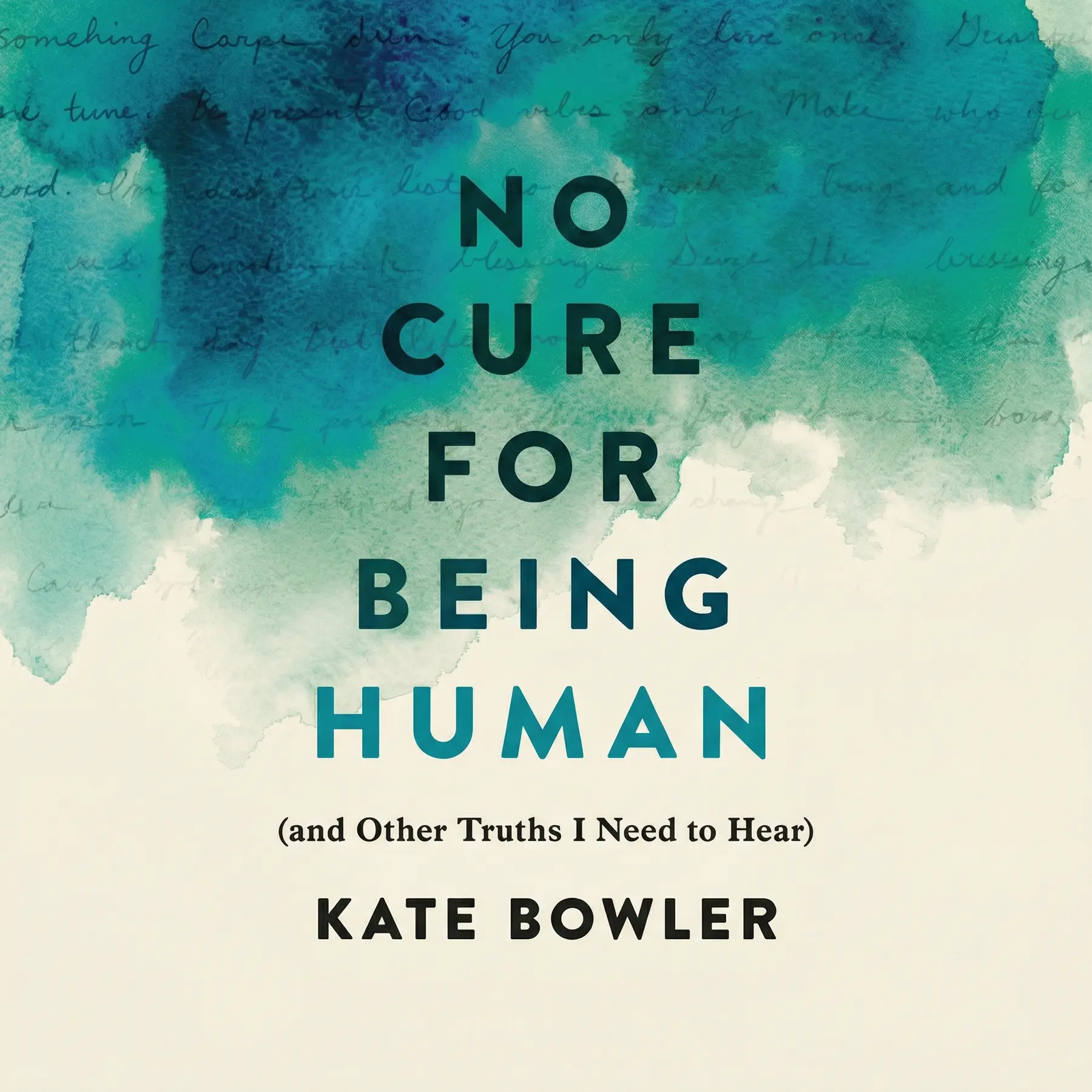
No Cure for Being Human: (and Other Truths I Need to Hear)
By Kate Bowler
Kate Bowler explores the intersection of terminal illness and the toxic culture of self-optimization, offering a profound reflection on finding meaning in a life that cannot be fixed or perfected.
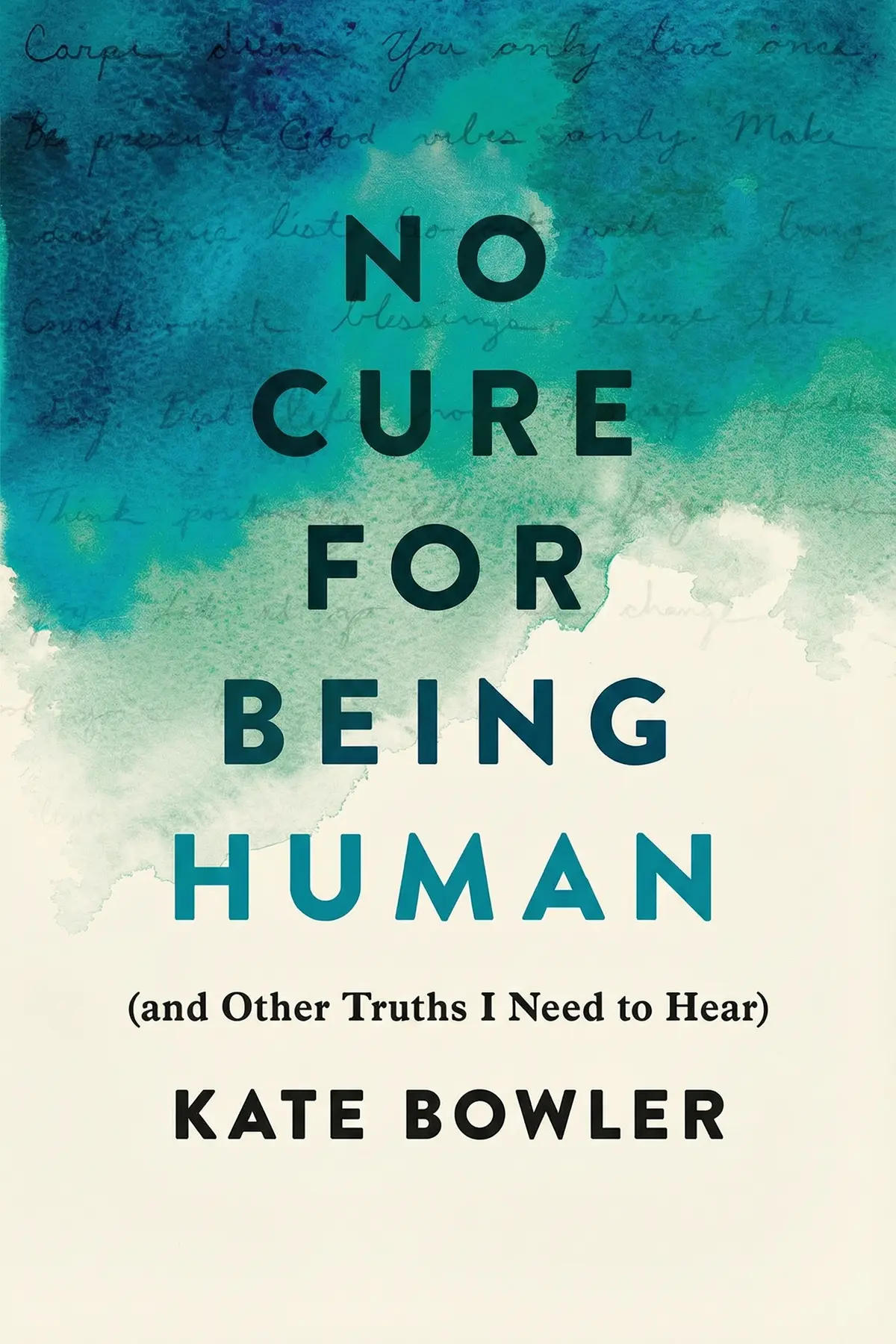
Table of Content
1. Introduction
2 min 06 sec
Imagine for a moment that you have done everything right. You have found the love of your life, you have built a career that feels like a calling, and you are raising a child you adore. You are, by all modern accounts, living the dream. This was the reality for Kate Bowler, a thirty-five-year-old professor at Duke University. But then, in a single afternoon, the floor dropped out. A diagnosis of stage four colon cancer transformed her world from a place of infinite possibility into a countdown clock.
Kate’s situation was uniquely ironic. As a historian of Christianity, she had spent years documenting the rise of the prosperity gospel—the belief that if you have enough faith and do the right things, God will reward you with health and wealth. She knew the critiques of this mindset inside and out. Yet, when faced with her own mortality, she found that the secular world has its own version of this gospel. We are told we can ‘curate’ our lives, ‘optimize’ our schedules, and ‘win’ the battle against any hardship if we just try hard enough.
In this exploration of her journey, we are going to look at why the concept of ‘living your best life’ is not just a marketing slogan, but a heavy burden that prevents us from experiencing the reality of being human. We will see how the pressure to be an inspiration can actually isolate those who are suffering, and why the most important thing we can do is give up on the idea that we can fix the unfixable. This is not just a story about cancer; it is a story about the limitations we all share and the grace that can be found when we stop trying to outrun our own humanity. We’ll look at the history of self-help, the fallacy of the bucket list, and the messy truth about what it means to spend time when you know you’re running out of it. Through Kate’s eyes, we learn that there is no cure for the condition of being alive, and that realization might actually be the thing that sets us free.
2. The Toxicity of the Perfection Narrative
2 min 32 sec
Explore why the cultural obsession with ‘living your best life’ creates a deceptive framework that blames individuals for their own suffering and inevitable human limitations.
3. The False Comfort of the Prosperity Gospel
2 min 55 sec
Investigate how religious and secular beliefs in a predictable world of rewards and punishments lead to a lack of empathy for those experiencing hardship.
4. The Illusion of Choice and the Reality of Luck
2 min 51 sec
Analyze the ways in which society frames life as a series of manageable choices, ignoring the massive role that random chance and biology play in our destinies.
5. The Trap of the Bucket List
2 min 56 sec
Discover why the modern trend of ‘checking boxes’ before death can actually distract us from the meaningful business of living in the present moment.
6. The Algebra of Ambition and Mortality
2 min 37 sec
Reflect on the difficult calculations involved in balancing career goals, family, and the limited time we have, especially when facing a terminal diagnosis.
7. The Myth of the Meaningful Silver Lining
2 min 31 sec
Examine the social pressure to find ‘lessons’ in suffering and why it’s okay to admit that some pain is simply loss without a hidden benefit.
8. The Body as a Marked Vessel
2 min 29 sec
Understand the complex relationship between a person facing illness and their physical form, especially in a culture that prizes youth and flawless health.
9. Shared Fragility in a Global Context
2 min 33 sec
Reflect on how individual crises like cancer and collective crises like the COVID-19 pandemic reveal the universal truth of our shared vulnerability and the end of certainty.
10. Conclusion
2 min 20 sec
In the end, Kate Bowler’s journey brings us back to a simple, uncomfortable, and ultimately liberating truth: there is no cure for being human. We live in a world that is obsessed with the idea of the ‘fix’—the right diet, the right mindset, the right faith, or the right career move that will finally make us safe and complete. But as we have seen through Kate’s story, life is not a problem to be solved. It is a mystery to be inhabited.
The throughline of her experience is the dismantling of the ‘best life now’ ideology. Whether it’s the religious prosperity gospel or the secular self-help industry, the promise is always the same: that you can control the uncontrollable. But when Kate faced the reality of her own mortality, she found that these promises were not just false; they were exhausting. They turned her life into a series of auditions and calculations, pulling her away from the very people and moments that actually made her life worth living.
The most important takeaway is the power of ‘enough.’ We don’t need a bucket list to have a significant life. We don’t need to find a ‘reason’ for our suffering to have a meaningful one. We don’t need to be an ‘inspiration’ to be worthy of love. We just need to be here, in the messy, uncurated reality of our days.
As you move forward, consider this actionable piece of advice: take a moment to look at the ‘optimization’ projects in your own life. Are you trying to fix something that is simply a part of being human? Are you putting off joy until you reach a certain milestone? Why not try to ‘give up’ on the idea of perfection today? Instead of writing a gratitude list to prove how well you are doing, try just sitting with the things you love, in all their fleeting, unquantifiable glory. Accept your scars, embrace your limitations, and remember that you are allowed to be both broken and beautiful at the same time. There is no formula for a perfect life, but there is an endless capacity for a real one. And a real life, with all its endings and its ‘not-enoughs,’ is the best life any of us can ever hope to have.
About this book
What is this book about?
This summary explores the deeply personal and intellectually sharp memoir of Kate Bowler, a historian who spent her career studying the American obsession with the prosperity gospel only to find herself facing a stage four cancer diagnosis at age thirty-five. It examines the uncomfortable reality that some things in life—like sickness, grief, and mortality—cannot be solved with a positive attitude or a better productivity hack. The narrative follows Bowler through the clinical trials, the emotional upheaval of parenting while facing a short timeline, and the societal pressure to perform a miracle of recovery. It promises a move away from the shallow waters of 'living your best life' and toward a more honest, grounded way of being human. By dissecting the history of self-help and the cultural demand for silver linings, Bowler provides a roadmap for those who are tired of being told that their suffering is just a lesson in disguise. Ultimately, it is a call to embrace our finitude and find beauty in the messy, uncurated middle of our lives.
Book Information
About the Author
Kate Bowler
Kate Bowler is an esteemed professor of the history of Christianity at Duke University. She has built a distinguished career as a scholar of the self-help industry and the American prosperity gospel. Her work bridges the gap between academic research and popular life writing, as seen in her New York Times best-selling memoir Everything Happens for a Reason (and Other Lies I’ve Loved). Her latest work, No Cure for Being Human (and Other Truths I Need to Hear), continues her exploration of faith, suffering, and the human condition.
Ratings & Reviews
Ratings at a glance
What people think
Listeners find the writing beautiful, featuring elegantly crafted sentences, and they value the work's sincere vulnerability and profound honesty. Furthermore, the narrative is described as uplifting, with one listener observing how it brings profound insight to the difficulties of life, and another stating it acts as a roadmap for intense emotions and tough choices. Additionally, listeners take pleasure in the wit, specifically the moments that trigger actual laughter, while one review emphasizes the way the book blends grace with grief.
Top reviews
Muk
Kate Bowler has this uncanny ability to make you laugh while your heart is actively breaking into a million jagged pieces. In this memoir, she navigates the aftermath of a stage 4 colon cancer diagnosis with a level of rigorous honesty that feels both refreshing and deeply uncomfortable. She doesn’t offer any easy exits or trite spiritual platitudes about everything happening for a reason. Instead, she explores the messy, unfinished reality of living with a ticking clock. I found the sections about her immunotherapy trials and the bizarre nature of medical bureaucracy particularly moving. Her prose is beautifully sculpted, turning a terrifying medical journey into a guidebook for the soul. It’s a raw, hilarious, and devastating look at what it means to be finite in a world that demands infinite progress. You won't find any Hallmark moments here, just the truth.
Show moreSiraporn
Few books capture the 'beautiful, terrible' reality of existence as effectively as this one. Bowler, a historian of the Prosperity Gospel, turns her academic eye inward to dismantle the American obsession with self-improvement and living your best life. After her diagnosis at age 35, she is forced to confront the limits of her own agency. The way she describes the strange closeness of God in the hospital—not as a magic cure, but as a presence sticking to everything—is profoundly moving. It’s a work of deep wisdom that doesn’t pretend to have all the answers. I loved the humor she injects into the darkest moments, like her interactions with well-meaning but clueless friends. This isn't just a cancer book; it’s a theological exploration of what we do when our plans for the future vanish. It’s stunning and real.
Show morePongpan
Warning: do not read this in public unless you are prepared to sob in front of strangers. I learned that the hard way on my commute. Bowler’s writing is so visceral and raw that it cuts through any emotional defenses you might have. She captures the fever dream of modernity perfectly—this idea that we can optimize our way out of suffering through Mary Kay lipstick or Crossfit. The truth is, we are all finite, and Bowler’s 'ticking clock' metaphor is a hauntingly beautiful way to describe the human condition. I found her descriptions of the physical toll of treatment to be incredibly brave and detailed without being overly gory. This is a rare kind of book that manages to combine tragedy with genuine, laugh-out-loud wit. It’s a gift to anyone who has ever felt like they’re failing at life.
Show moreElise
Is there a cure for being human? Kate Bowler argues there isn’t, and that’s the beauty of it. This book is a rigorous dismantling of the bucket list mentality that suggests we can finish our lives if we just try hard enough. Bowler’s honesty about her initial naivety—like not even knowing how many stages of cancer there are—makes her instantly relatable. She writes with a transparency that is rare in spiritual memoirs, avoiding the glib answers that so many religious authors rely on. I was particularly struck by her description of the 'terrible winnowing' of her days. The writing is compact and poetic, every word seemingly chosen with extreme care. It’s a guidebook for the soul that provides deep wisdom without being preachy. If you’re tired of being told to just stay positive, this book will feel like a long-overdue exhale.
Show moreRafael
Picked this up on a whim and ended up finishing it in two sittings. The book is incredibly fast-paced and tightly edited, focusing on Bowler's life as she navigates terminal illness while raising a young son. One of the most heartbreaking parts was her questioning how many years she needed to survive for her child to actually remember her. It’s a gut punch. Look, some might find her a bit self-focused, but she’s literally writing about her own death, so what do you expect? I enjoyed the way she deconstructed the concept of a bucket list and showed how performative it can be. The writing is sharp and often funny, though it does get a bit heady when she dives into academic tenure struggles. Overall, it’s a poignant reminder that we are all unfinished masterpieces. A very solid four stars for the emotional honesty alone.
Show moreJulian
After following Kate’s podcast for years, I had high expectations for this memoir, and mostly, it delivered. It's an insightful look at the 'indefinite remission' stage of her journey, where the urgency of death meets the monotony of daily life. The book is filled with beautifully sculpted sentences that demand you slow down and process the weight of her words. I especially appreciated her reflections on the 'gospel of good, better, best' and how toxic our culture of toxic positivity can be. My only minor gripe is that some chapters feel slightly disjointed, jumping between medical procedures and academic history without a smooth bridge. However, her humor—especially the bits about anointing oils and hospital bureaucracy—kept me engaged. It’s a guidebook for anyone facing raw feelings and hard decisions. Not quite a five-star read, but very close.
Show morePrapaiwan
Just finished this short memoir and I'm still processing the heavy emotions it stirred up. It’s an honest and touching look at facing mortality at a young age. Bowler shatters trite platitudes with a surgeon's precision. There’s no sugar-coating here; she talks about the callous remarks of doctors and the exhaustion of medical insurance bureaucracies with a biting wit. I found her perspective as a church historian to be a unique lens, though at times the academic side-quests felt a bit distracting from the core narrative. To be fair, her writing is stunning and the pacing is nearly perfect. It manages to be inspirational without being cheesy, which is a difficult needle to thread. If you want a book that acknowledges life is hard without trying to fix it for you, this is the one.
Show moreMint
The persistence Bowler shows in researching her own survival is nothing short of heroic. She brings readers into the world of immunotherapy and clinical trials with the eye of a researcher, but the heart of a mother who just wants to see her son grow up. The dialogue between her and her child about death was especially poignant. While I enjoyed her cynical humor, I can see how it might put some people off. She doesn't have much patience for 'well-meaning' advice, which feels earned but occasionally comes across as slightly harsh. Still, the beauty of her prose is undeniable. She captures that 'hard space between anticipation and realization' perfectly. It’s a short read that packs a massive punch. I’d recommend it to anyone dealing with a life-altering diagnosis or just the general weight of being human.
Show moreWyatt
I really wanted to love this, but I struggled with the structure. While her writing style is objectively elegant and poetic, the book often felt like a rambling mess that prioritizes 'artsy' prose over a clear narrative arc. Truth is, Bowler is incredibly candid about her suffering, yet I found a persistent current of cynicism and resentment throughout the essays. She seems to have a lot of contempt for anyone offering conventional advice or 'life rafts' of faith, which made the reading experience feel quite heavy and discouraging. I appreciated the honesty regarding her stage 4 struggle, but the constant scoffing at others' attempts to help left a sour taste in my mouth. It’s a short read, but it felt much longer because of the repetitive existential questioning. It simply wasn't for me, though the sentences were pretty.
Show moreAraya
To be perfectly honest, I found the author’s voice incredibly grating. While the tragedy of her cancer is undeniable, the way she presents her story feels remarkably self-centered. She spends an inordinate amount of time discussing her academic prestige and 'wonderful' life while acting surprised that a Christian scholar would have to face tribulation. The venom she directs toward doctors and well-meaning friends is appalling. It felt like she was milking her illness to score points against traditional faith. Her reflections lacked the profound philosophical insight I expected; instead, I found a lot of resentment and shallow observations disguised as clever writing. It's too religious for secular readers and not biblically sound enough for believers. This left me feeling drained and discouraged rather than inspired. It felt more like a cynical vent session than a helpful memoir.
Show moreReaders also enjoyed
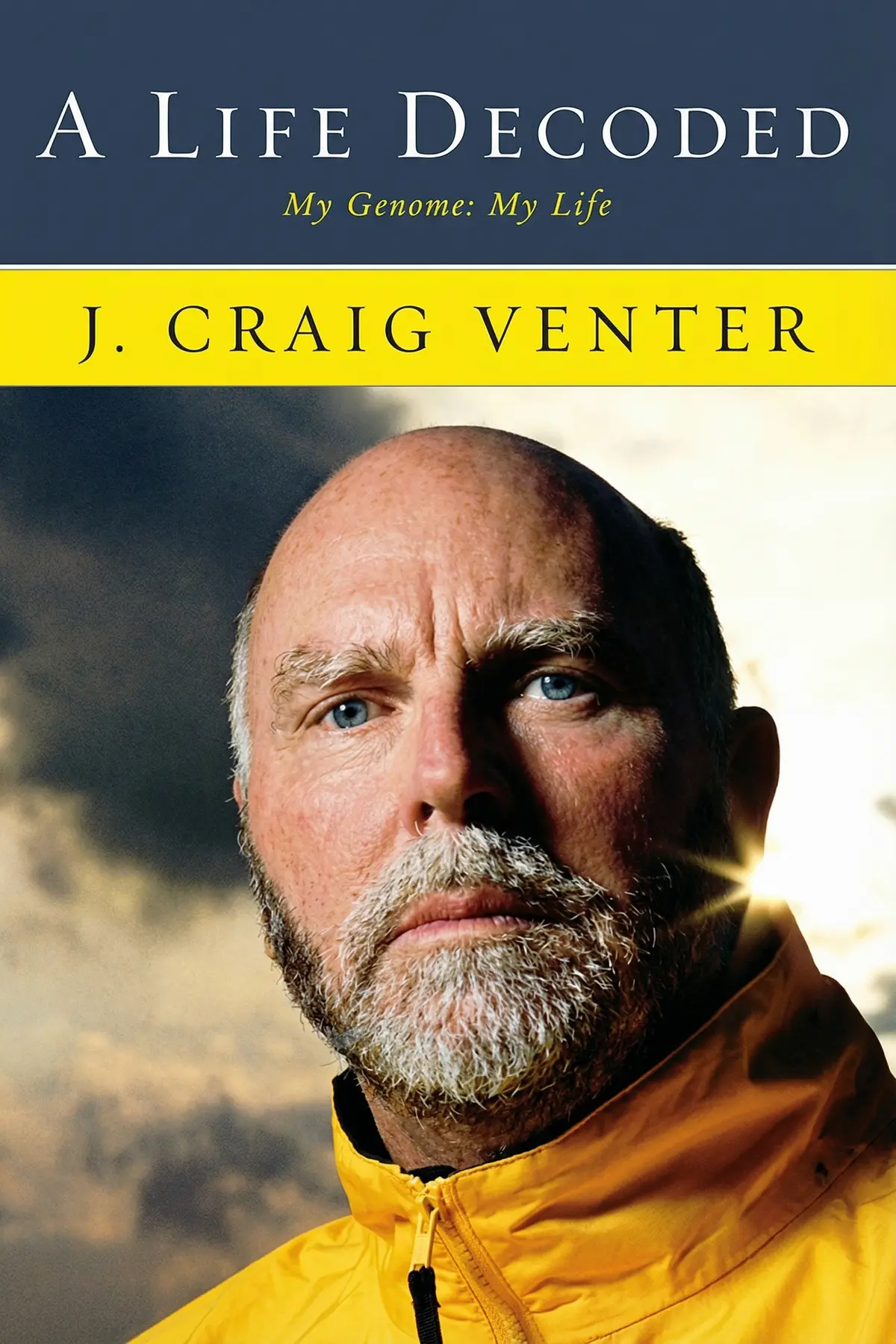
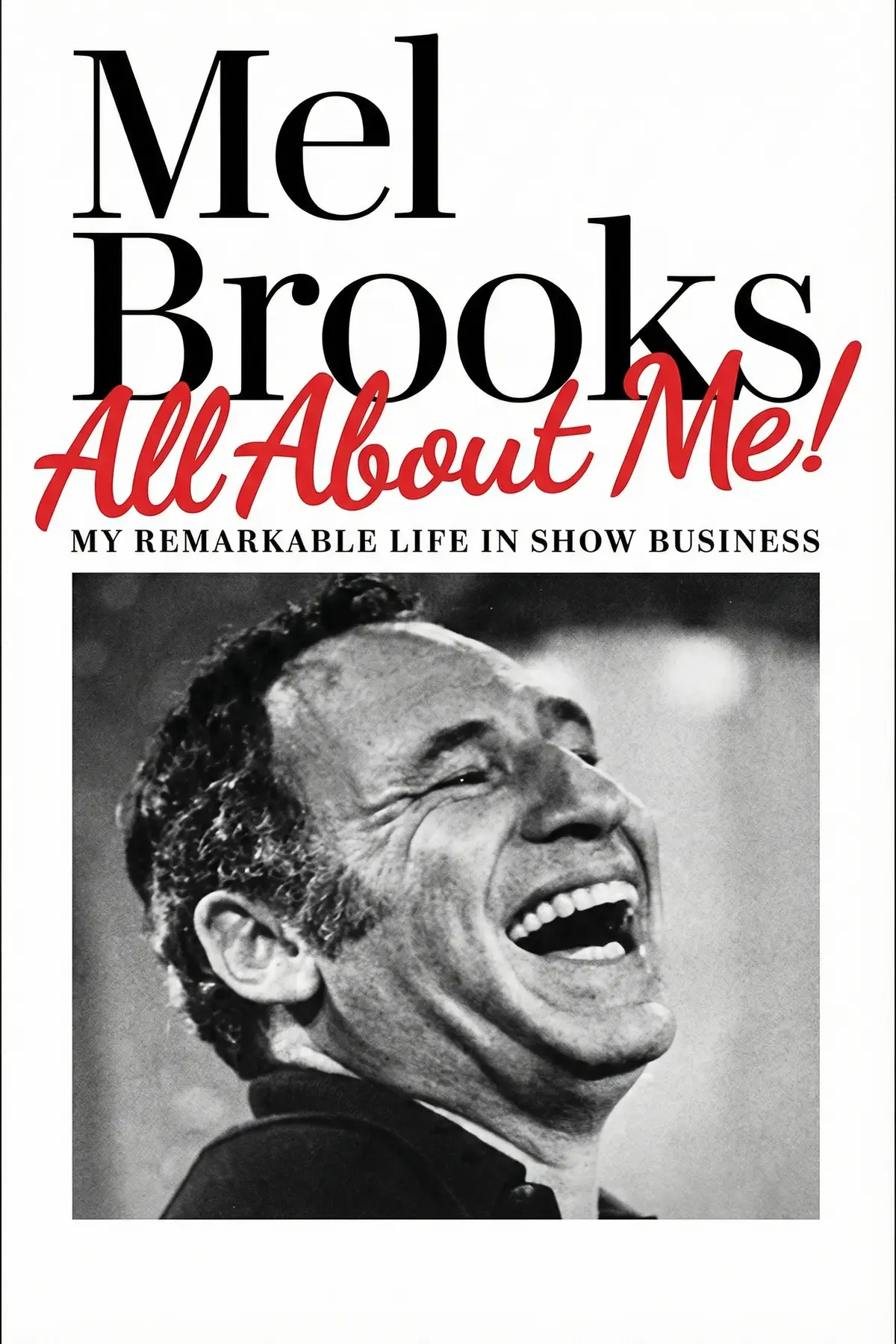
A Life Decoded: My Genome: My Life
J. Craig Venter

A Long Way Gone: Memoirs of a Boy Soldier
Ishmael Beah
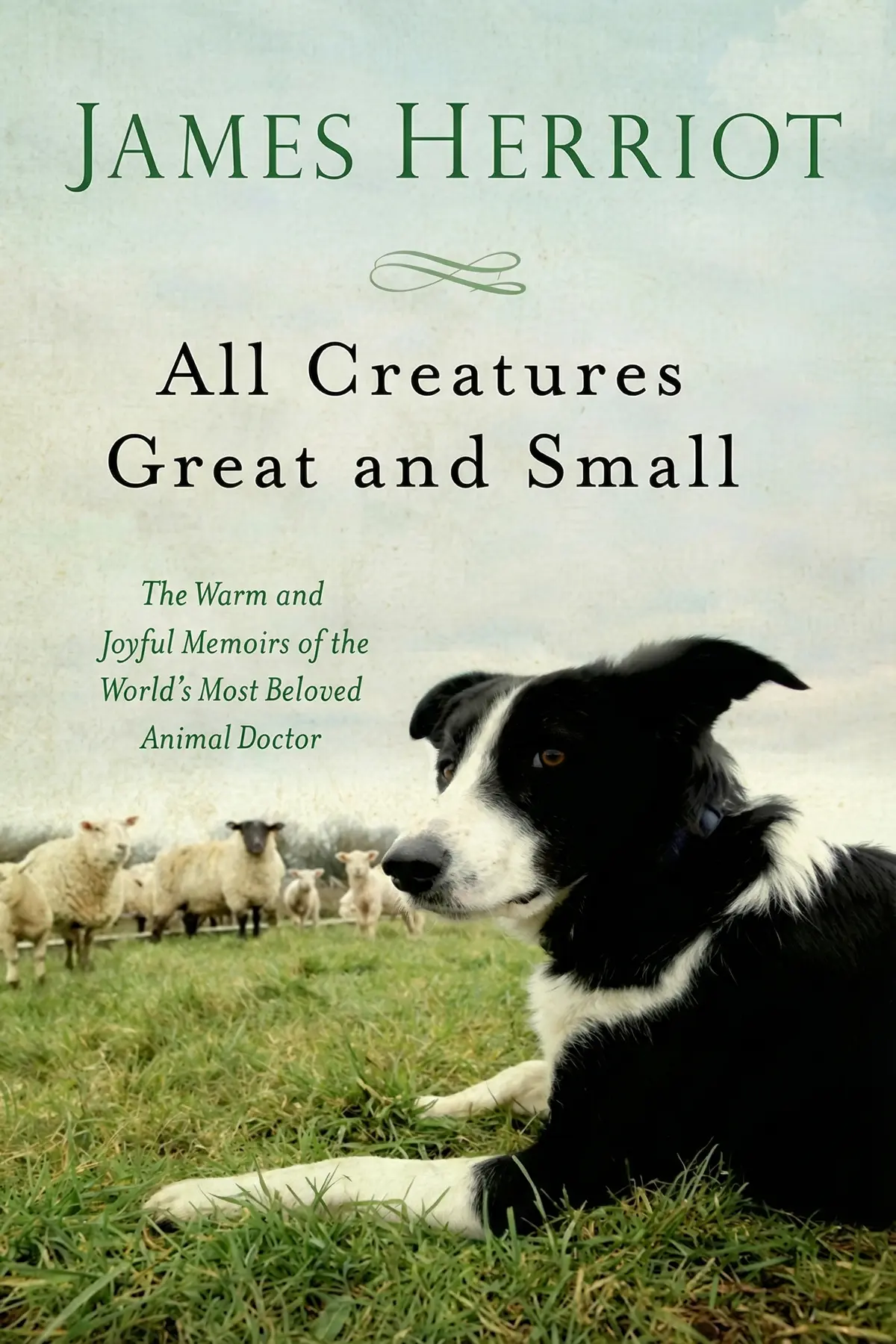
All Creatures Great and Small
James Herriot
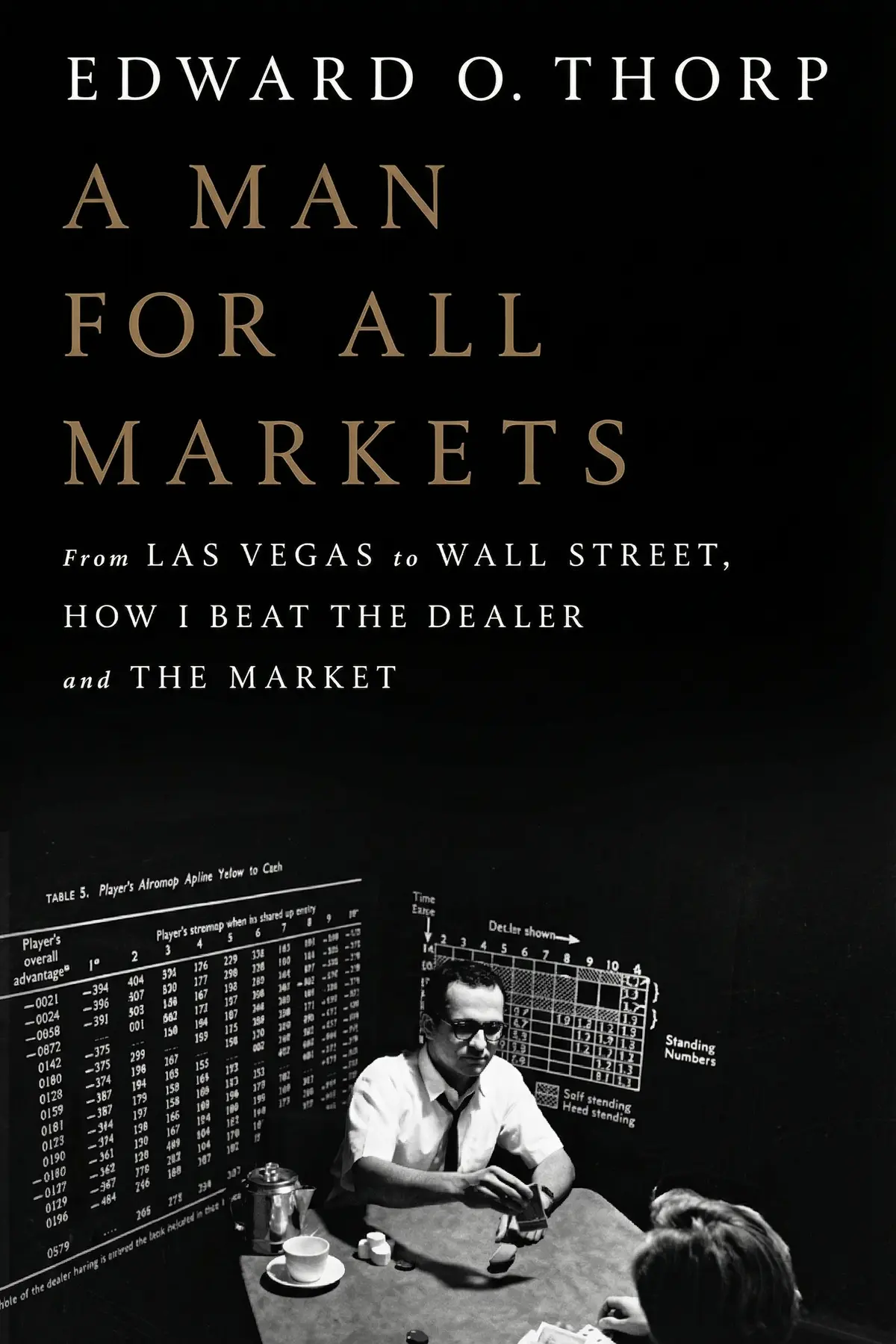

A Promised Land
Barack Obama
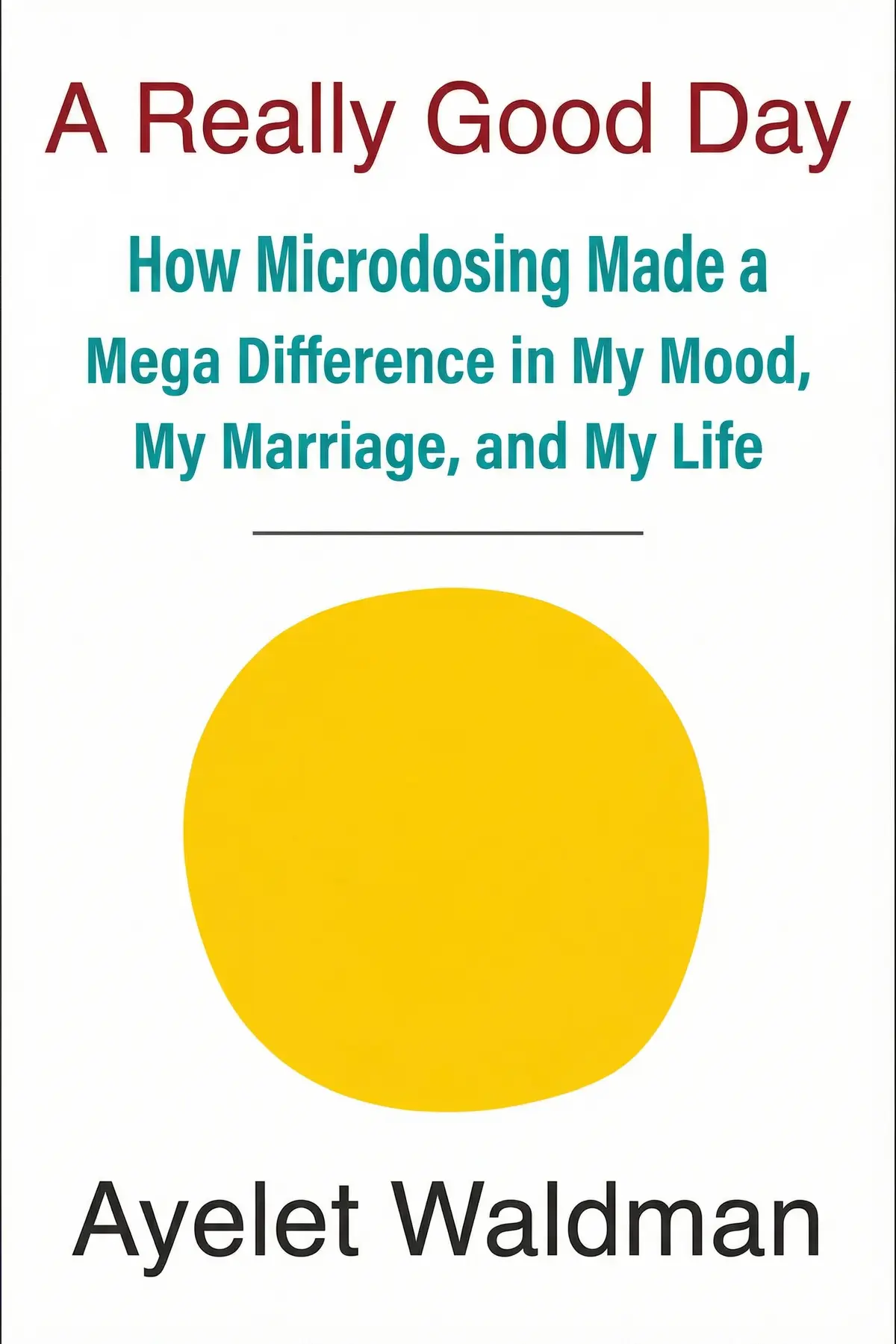
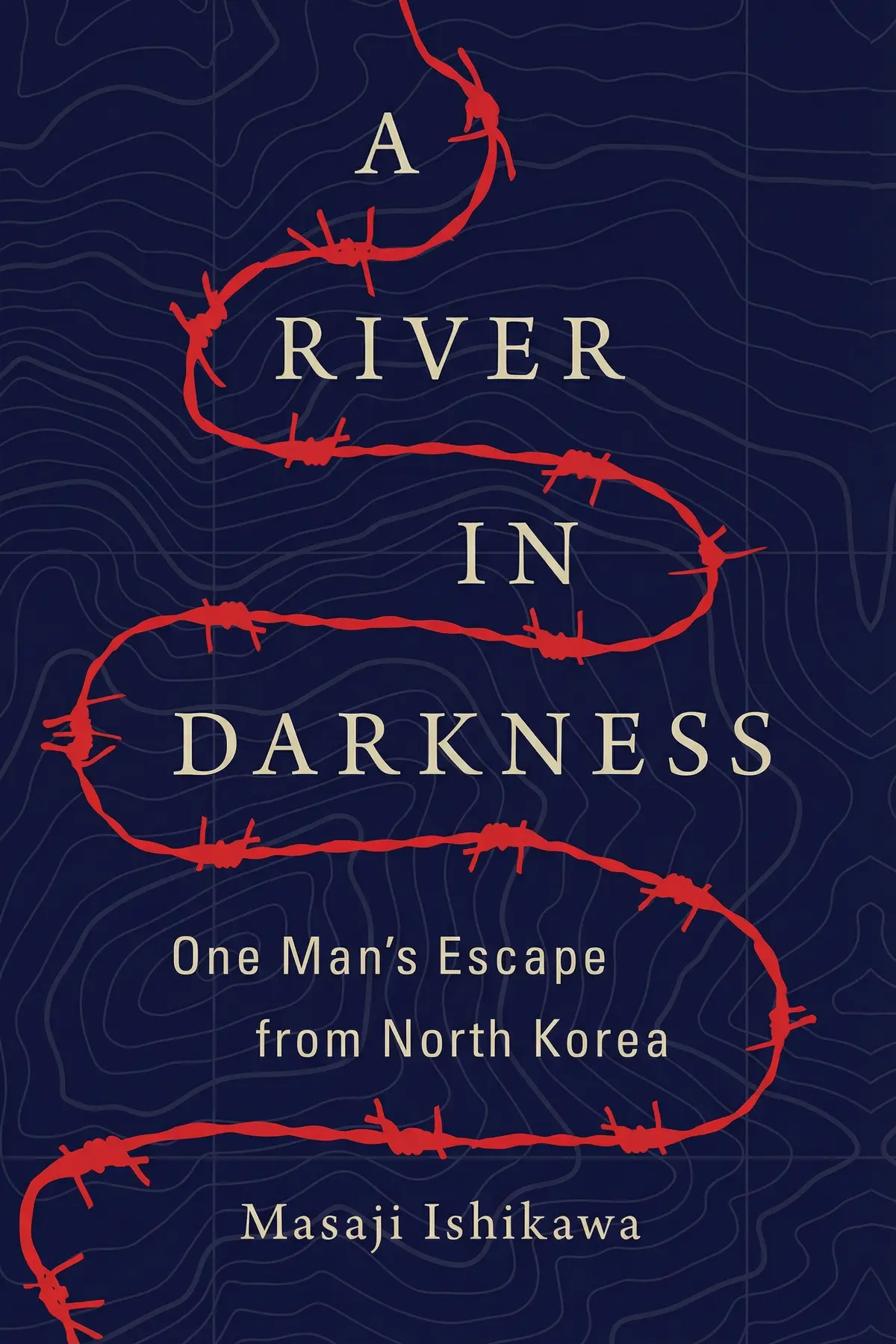
A River in Darkness: One Man’s Escape from North Korea
Masaji Ishikawa
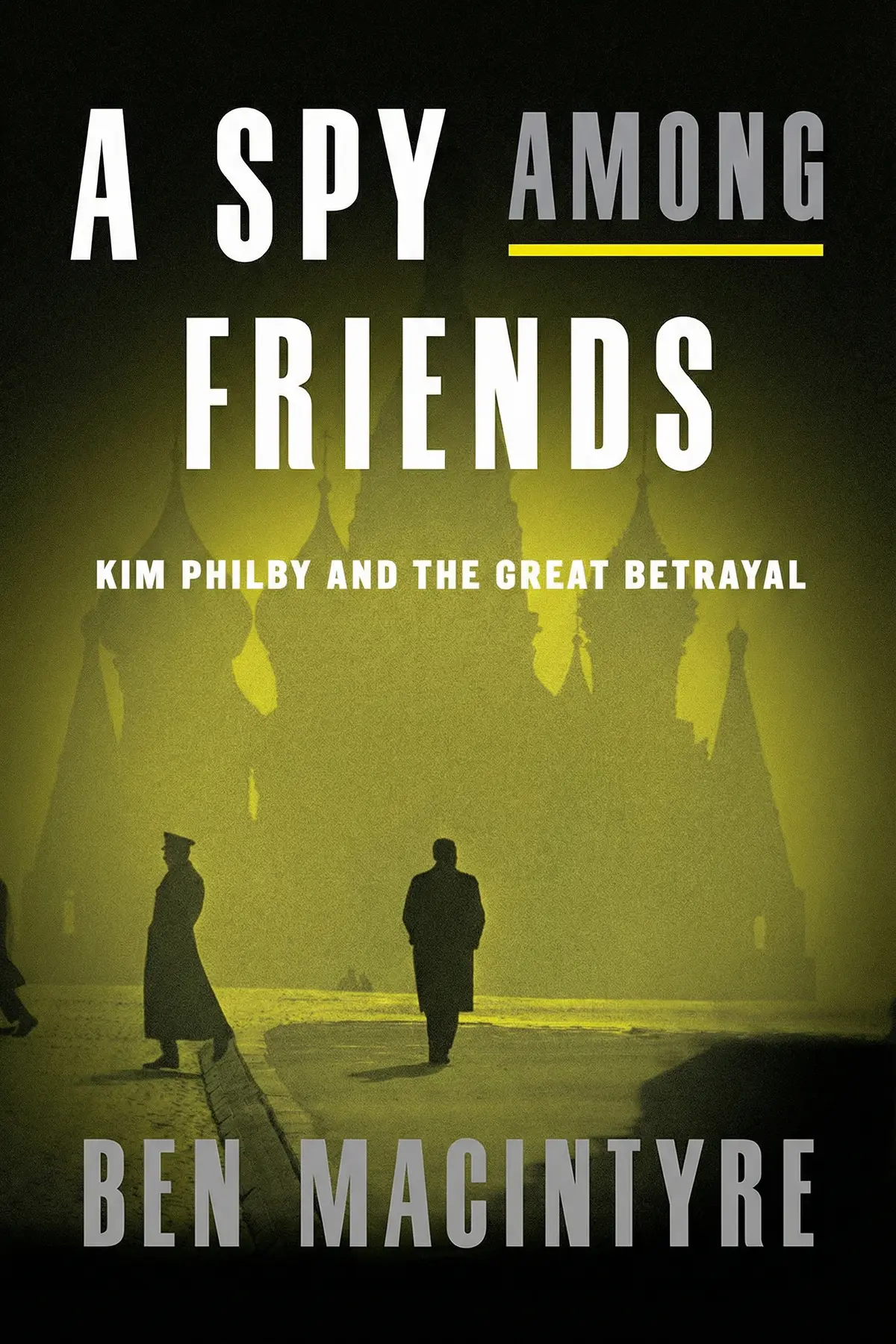
A Spy Among Friends: Philby and the Great Betrayal
Ben Macintyre
AUDIO SUMMARY AVAILABLE
Listen to No Cure for Being Human in 15 minutes
Get the key ideas from No Cure for Being Human by Kate Bowler, plus 5,000+ more titles in English and Thai.
- 5,000+ titles
- Listen as much as you want
- 7-day free trial
- Cancel anytime







