
17 min 57 sec
On the Origin of Time: Stephen Hawking's Final Theory
On the Origin of Time presents Stephen Hawking’s final cosmological theory, developed with Thomas Hertog, suggesting that the laws of physics aren't fixed but evolved along with the universe itself.
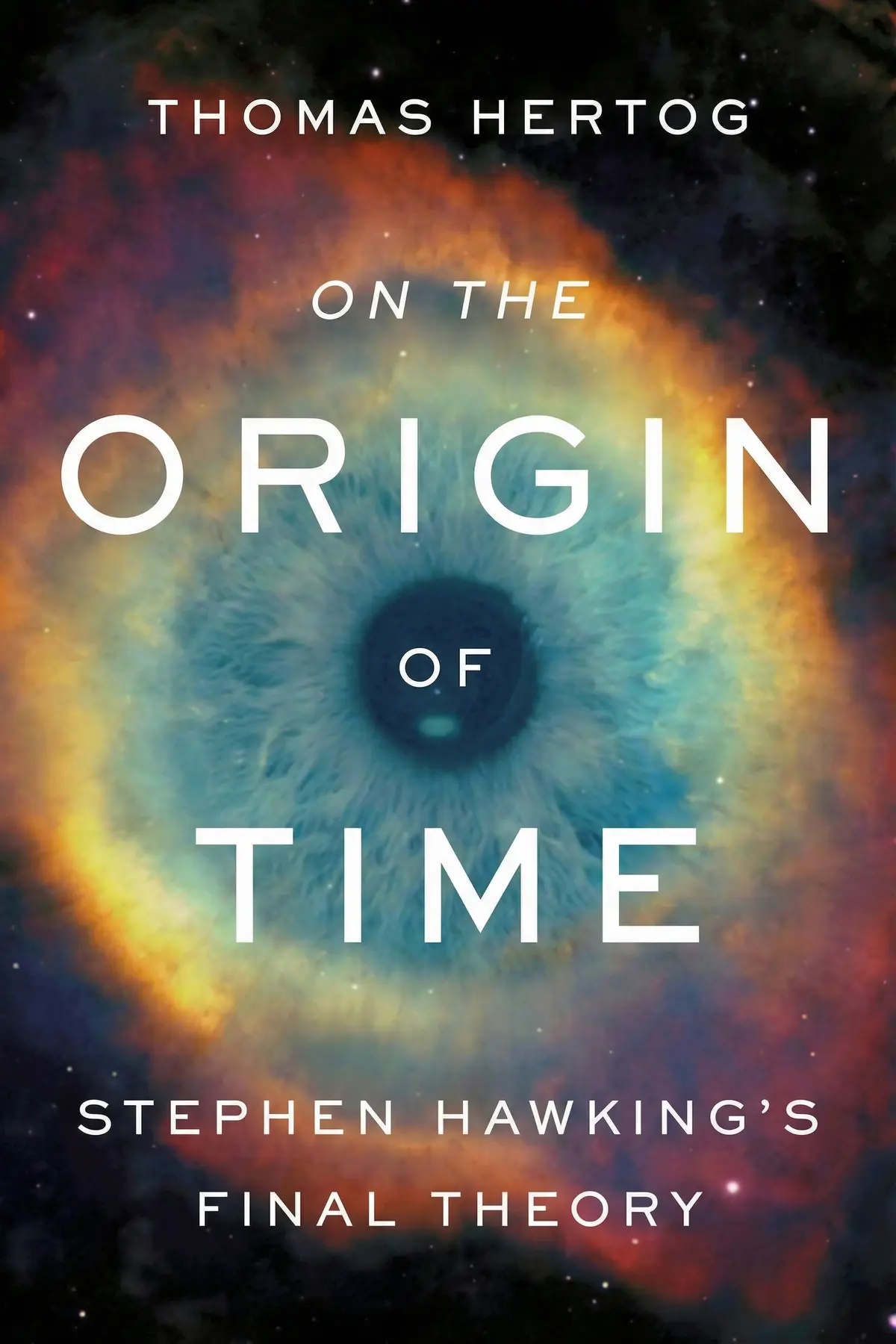
Table of Content
1. Introduction
1 min 55 sec
When we think of the great minds of science, we often imagine them as figures of unwavering certainty, carving eternal truths into the fabric of history. But the reality is that the most profound scientific progress often comes from a place of deep uncertainty and the courage to admit when an old idea no longer fits the evidence. This was the case for Stephen Hawking, perhaps the most famous physicist of our era. For much of his career, Hawking champion the idea that the universe was governed by a set of static, immortal laws that had existed since the dawn of time. Yet, toward the end of his life, he began to question this foundation. He started to wonder: why do these laws look the way they do? Why is the universe so remarkably hospitable to life?
In this exploration of Thomas Hertog’s work, we are going to trace the steps of Hawking’s final scientific quest. We will see how a decades-long collaboration between Hertog and Hawking led to a radical departure from traditional physics. We aren’t just looking at the ‘how’ of the universe, but the ‘why’ of its most fundamental rules. This journey will take us through the strange realms of quantum mechanics and into a new way of seeing the cosmos—not as a clockwork machine with pre-set instructions, but as an evolving system. As we dive into these ideas, we’ll see how Hawking’s last theory attempts to solve the mystery of our origins by looking at time and space through a completely different lens. It is a story of how a brilliant mind, even when faced with the limitations of a physical body, never stopped reaching for the stars and challenging the very boundaries of human knowledge. Prepare to have your perspective on reality shifted as we look at the universe from the top down.
2. The Finely Tuned Cosmos
2 min 40 sec
Our universe seems almost suspiciously perfect for human life, with physical forces balanced on a razor’s edge. What happens if these fundamental settings are nudged even slightly?
3. The Search for a Scientific Explanation
2 min 27 sec
Faced with a universe that looks designed, science struggles to find an explanation that can be tested and proven. Are our current theories failing the test?
4. The Origin of Time and the No-Boundary Proposal
2 min 20 sec
What was there before the beginning? Hawking’s radical proposal suggests that time itself might have a starting point where it simply didn’t exist.
5. Laws of Physics as an Evolving System
2 min 13 sec
What if the rules of gravity and light weren’t written in stone at the dawn of time? Hawking’s final theory views physics through the lens of biology.
6. Top-Down Cosmology and the Role of the Observer
2 min 09 sec
Does the act of looking at the stars change the past? Explore the mind-bending idea that we, as observers, help define the history of our universe.
7. The Holographic Reality
2 min 26 sec
Is our 3D world just a projection of a deeper, simpler truth? Discover how information theory and black holes reveal the ‘pixelated’ nature of space and time.
8. Conclusion
1 min 47 sec
As we conclude our journey through the final thoughts of Stephen Hawking, we find ourselves standing in a universe that is far more mysterious and interconnected than we ever imagined. We have moved from a vision of a cosmos governed by cold, eternal laws to one that is dynamic and evolving. Through the work of Hawking and Thomas Hertog, we’ve seen how the very laws of physics might have emerged through a process of quantum selection, and how our role as observers might be the key to understanding why the universe looks the way it does.
The ‘no-boundary proposal’ and the theory of a holographic universe remind us that our intuitive sense of time and space has its limits. At the very beginning, the resolution of reality itself fades away, revealing a state where time as we know it simply ceases to be. This is not just a collection of abstract mathematical theories; it is a profound shift in the human story. It suggests that we are not merely accidental visitors in a vast, indifferent machine. Instead, we are a vital part of the universe’s self-definition.
Hawking’s final theory invites us to embrace the ‘top-down’ perspective—to realize that by seeking to understand the cosmos, we are helping to shape its history. It is a call to keep questioning, to keep observing, and to remain open to the idea that the laws of nature are not just rules we follow, but a story we are still helping to write. In the end, the origin of time is not just a moment in the distant past; it is a process that we are still part of today, every time we look up at the stars and wonder why.
About this book
What is this book about?
Have you ever wondered why the universe is so perfectly calibrated for life to exist? On the Origin of Time dives into the revolutionary final collaboration between the legendary physicist Stephen Hawking and his close colleague Thomas Hertog. This journey takes us to the very beginning of everything, challenging our most basic assumptions about the nature of reality. The book moves away from the traditional view that the laws of physics are eternal and unchanging. Instead, it proposes a radical new perspective where these laws evolved through a process similar to biological selection in the moments following the Big Bang. By combining quantum theory with a 'top-down' view of cosmology, the authors suggest that our presence as observers actually plays a role in shaping the history of the universe. This summary explores the mind-bending concepts of holography, the no-boundary proposal, and the search for a truly scientific explanation for our existence.
Book Information
About the Author
Thomas Hertog
Thomas Hertog is a distinguished Belgian cosmologist who spent twenty years working at the side of Stephen Hawking. As Hawking’s final and closest scientific collaborator, Hertog co-authored numerous influential papers that reshaped modern cosmology. He is also the author of On the Origin of Time.
Ratings & Reviews
Ratings at a glance
What people think
Listeners find that this work provides a survey of cosmology and admire its readability, with one listener noting that it offers a captivating educational experience that is never dull. Furthermore, the prose is highly regarded, and they value its profound cosmological substance and stimulating perspectives. However, feedback on its clarity is divided; some listeners find it easy to follow while others find the ideas hard to process.
Top reviews
Rohan
After hearing so much about Hertog’s collaboration with the late Stephen Hawking, I finally dived into this ambitious exploration of our universe's birth. The book is an extraordinary tribute to Hawking’s final theories, yet it stands firmly on its own merit as a piece of brilliant scientific literature. To be fair, the technical density of the later chapters required me to reread several pages just to grasp the basics of the holographic universe. Hertog’s prose is remarkably clear for such a heavy subject, making the complex shift from linear time to quantum emergence feel almost intuitive. I particularly enjoyed the historical context involving George Lemaître, which added a necessary human element to the abstract physics. While it certainly stretches your mental capacity, the journey through top-down cosmology is incredibly rewarding. It is a must-read for anyone who isn't afraid of a little intellectual vertigo.
Show moreNattapong
Hertog’s writing is on par with the great historical biographers, bringing a McCullough-esque storytelling quality to the world of theoretical physics. He manages to humanize the legendary Stephen Hawking while simultaneously explaining the 'top-down' cosmology they developed together over many years. This isn't just a book about math; it is a deep, philosophical look at why our universe is the way it is. The truth is, I expected this to be a dry academic slog, but it turned out to be an engaging learning experience that I couldn't put down. The way he describes time emerging from a quantum state is nothing short of poetic. Even the minor criticisms I have regarding the complexity of the diagrams don't take away from the overall impact. It is a fabulous history of the search for meaning in the stars. If you love science and great storytelling, you need this on your shelf.
Show moreNang
As someone who has read almost every popular physics book released in the last decade, I can say this is one of the best. Thomas Hertog managed to capture the voice of a modern pioneer while keeping the focus on the science. The way he describes time changing into space at the very beginning of the universe is absolutely mind-blowing. It makes the concept of a 'beginning' almost nonsensical in a way that feels profoundly true. I found the book to be highly readable despite the heavy subject matter, which is a testament to Hertog’s skill as a communicator. Gotta say, the personal anecdotes about his time working with Hawking in Leuven added a lovely emotional layer. This is the kind of book that you finish and then immediately want to start again. It’s a brilliant, thought-provoking journey through the ultimate history of our world.
Show moreHazel
Imagine a world where time itself is not a constant, but a byproduct of quantum behavior. This is the staggering reality that Thomas Hertog presents in his latest work. I was captivated from the first page by the way he weaves together history, philosophy, and cutting-edge theory. The book provides a comprehensive overview of cosmology without ever becoming boring or repetitive. While some parts are definitely 'heavy stuff,' the overall narrative is so compelling that you want to keep pushing through. I especially liked how he explained that the beginning of time corresponds to a lack of information. It is a beautiful and haunting idea that stayed with me long after I closed the book. This is a must-read for anyone who has ever looked at the stars and wondered where it all came from. Hertog has done a magnificent job bringing Hawking’s final legacy to life.
Show moreSaranya
Ever wonder if the laws of physics might have evolved just like biological species do? Thomas Hertog takes this Darwinian perspective and applies it to the very dawn of time, creating a narrative that is both revolutionary and grounded. The comparison between cosmic evolution and biological natural selection was the highlight for me because it made the abstract concepts feel much more tangible. Look, some of the stuff about string theory and quantum observers is definitely a heavy lift for a casual reader. I occasionally felt like I was drifting through a sea of information without a life jacket. However, the author’s enthusiasm is infectious and kept me turning the pages even when I was confused. It is a thought-provoking piece that bridges the gap between biology and cosmology in a way I haven't seen before. This is definitely not your average, boring science textbook.
Show moreKai
Finally got around to reading this for my non-fiction book club, and it definitely sparked a long, intense discussion. Hertog does a fantastic job of explaining how time might not be the linear progression we all assume it to be. Instead, he presents a universe that is dynamic and emerging from quantum behavior in ways that are hard to wrap the human mind around. Personally, I found the chapters on the Big Bang to be the most compelling because they challenge the traditional 'outside-in' view of the cosmos. There were moments where the text became a bit repetitive, perhaps in an attempt to ensure the reader was still following along. Despite that, the insights into Hawking’s final years and his shift in perspective were deeply moving and intellectually stimulating. It is a complex topic that will certainly stretch the capacity of many readers. I’m glad I took the time to process it.
Show moreAkosua
Looking at the universe through a top-down lens is a total game-changer for any armchair cosmologist. Thomas Hertog provides a detailed but clear roadmap of how he and Hawking arrived at their final theory of everything. I was particularly struck by the inclusion of George Lemaître’s role in the early days of cosmology, as he often gets overlooked in popular accounts. The book successfully navigates the 'Who is Who' of physics, from Bohr to Feynman, making the history feel like a grand adventure. Not gonna lie, the sections on gravity being modeled as a quantum field theory on a boundary surface were incredibly dense. I had to slow down my reading pace significantly during those middle chapters. Still, the payoff is a much deeper understanding of the holographic nature of our reality. It is a challenging but ultimately satisfying read for those who want more than just surface-level science.
Show moreSeksan
This deep dive into the origin of time left my head aching in the most pleasant fashion. Hertog has a unique way of rephrasing complex ideas so they almost make sense to a layman like myself. I loved the connection he drew between the evolution of the universe and Darwin’s theories of biological life. It’s a perspective that makes the cold, vast cosmos feel a little more like home. To be fair, there are moments where the prose gets bogged down in technical jargon that might alienate some readers. I found myself googling 'entanglement' and 'wormholes' more than once just to stay afloat. But the effort is worth it for the sheer scale of the vision Hertog presents. The writing style is polished and the tone is respectful yet bold. It’s a great addition to the library of anyone interested in the big questions of existence.
Show moreIsabelle
Frankly, I found myself oscillating between total fascination and complete bewilderment while reading this. The book is clearly a masterpiece of scientific thought, but I must admit that large sections of the quantum theory felt like white background noise. I appreciated the historical overview of thinkers like Copernicus and Einstein, as it gave me a solid foundation before things got weird. Once we hit the holographic universe and the lack of entanglement at the beginning of time, I felt like I was falling into a black hole of confusion. Is it well-written? Absolutely. Is it accessible? Only if you have a high tolerance for concepts that defy common sense and logic. I think I understood about forty percent of the actual physics, which is enough to make me feel smarter at parties but not enough to explain the book to anyone else.
Show morePranee
Look, I really wanted to enjoy this because I’m a fan of Hawking’s earlier work, but I ended up feeling like I was in way over my head. The first few chapters were fascinating and provided a solid history of cosmology from Einstein to the present day. However, once Hertog gets into the nitty-gritty of quantum entanglement and the holographic boundary, the narrative completely lost me. It felt less like a book for the general public and more like a specialized text for physics students. I appreciate the deep cosmological content, but the lack of simple metaphors made it a struggle to get through the second half. If you aren't already well-versed in string theory, you might find yourself skimming large portions just to find something recognizable. It’s certainly a well-researched book, but the level of difficulty is just too high for me. I finished it, but I can't say I truly understood it.
Show moreReaders also enjoyed
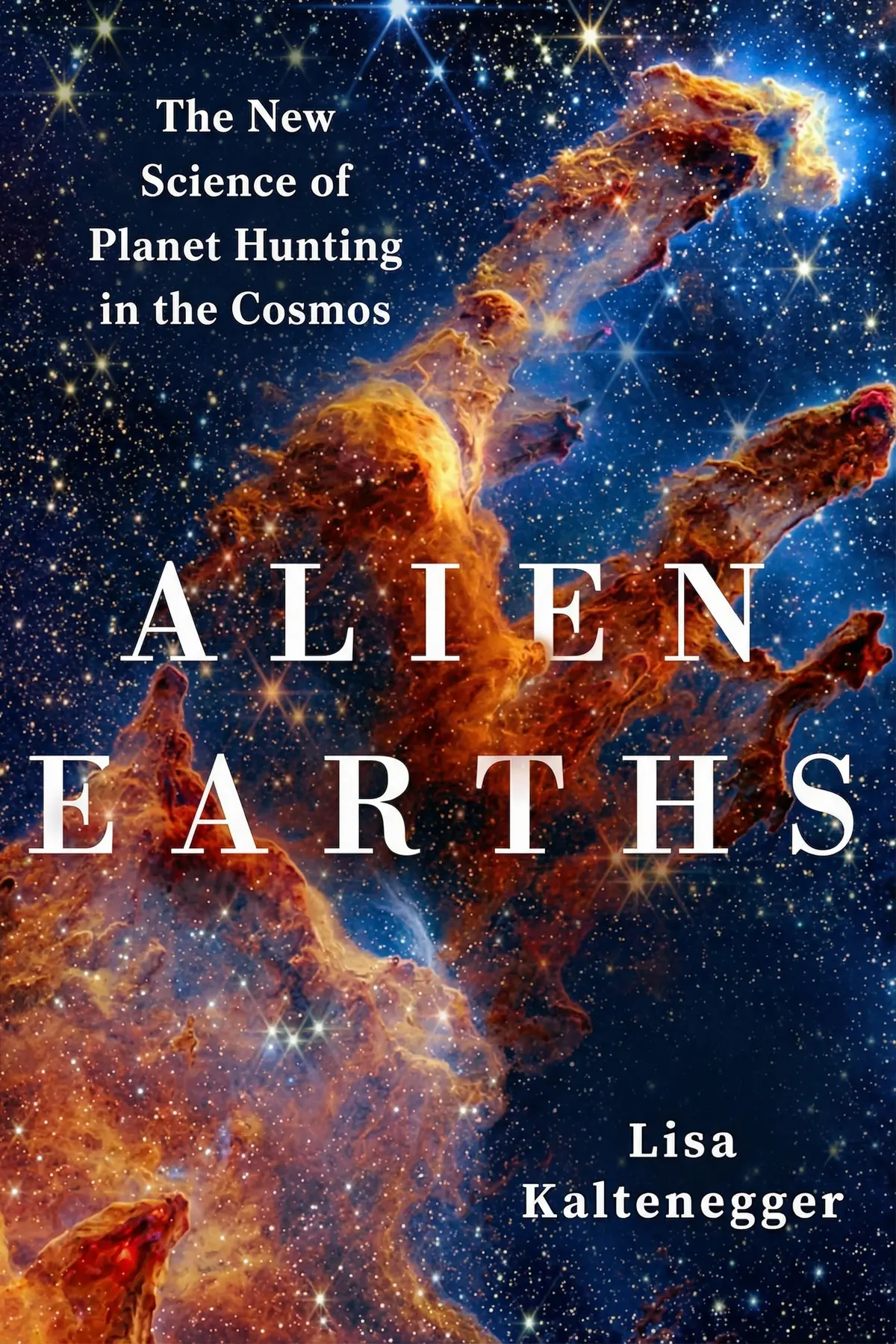
Alien Earths: The New Science of Planet Hunting in the Cosmos
Lisa Kaltenegger
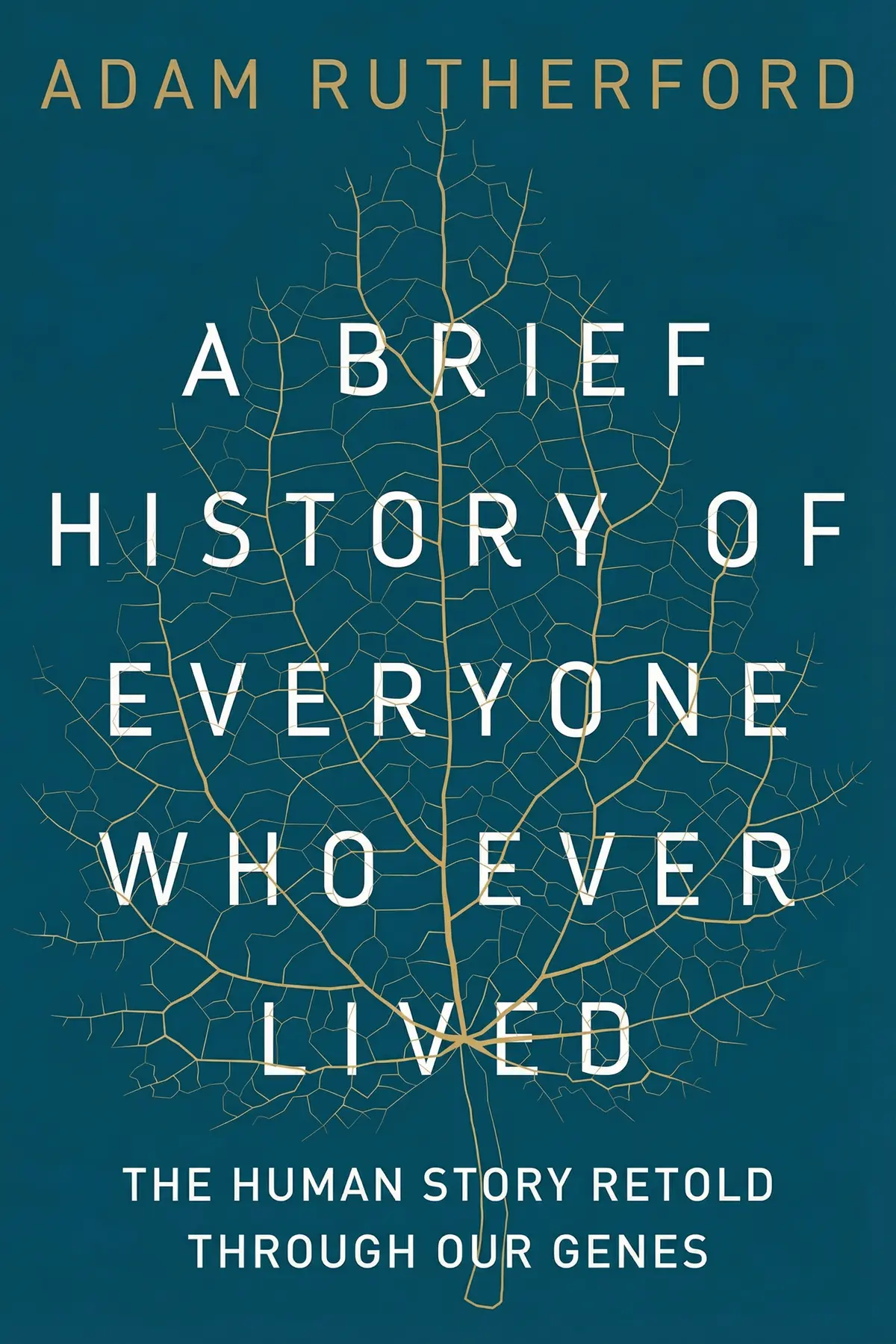
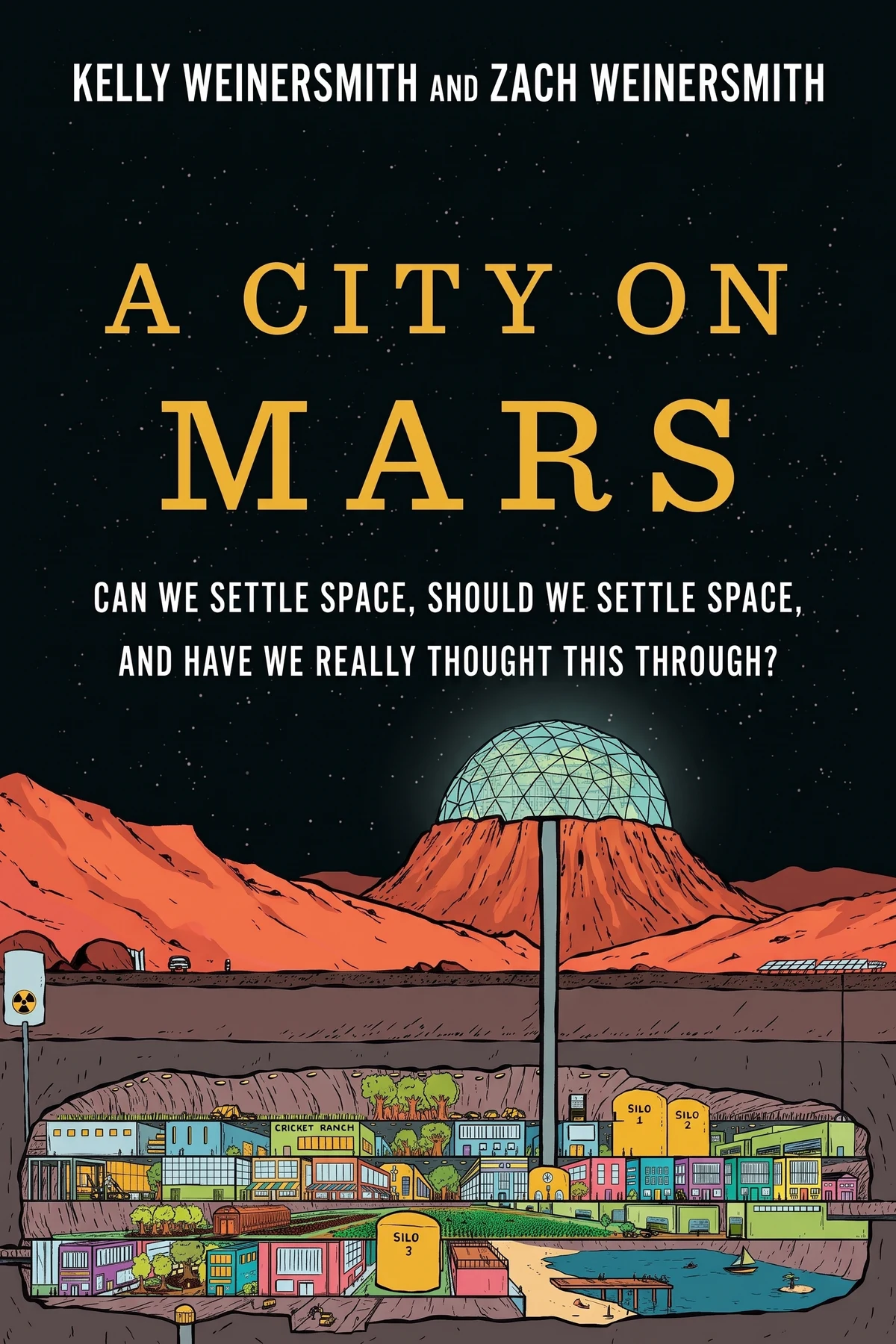
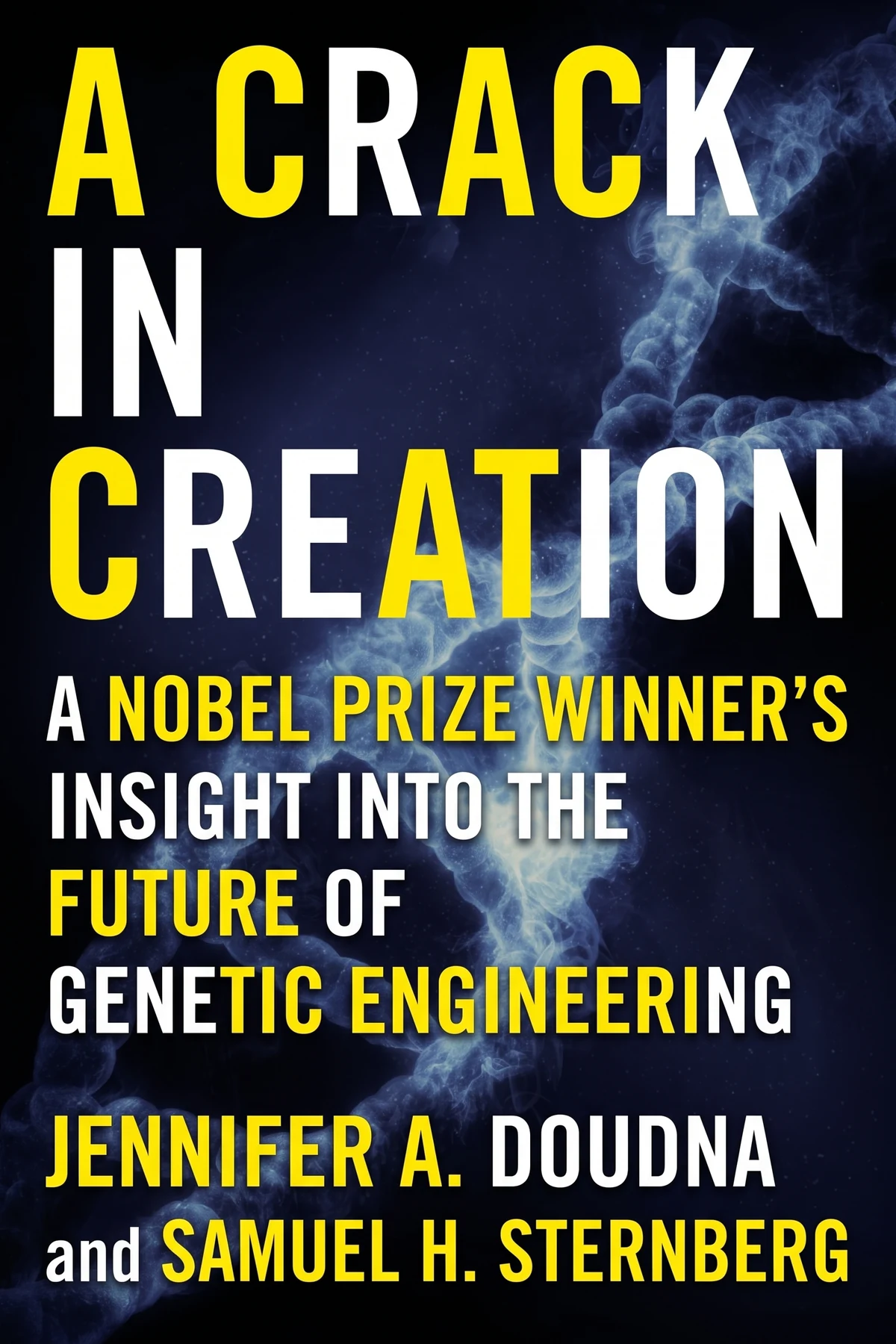
A Life Decoded: My Genome: My Life
J. Craig Venter
A Planet of Viruses
Carl Zimmer
A Short History of Nearly Everything
Bill Bryson
AUDIO SUMMARY AVAILABLE
Listen to On the Origin of Time in 15 minutes
Get the key ideas from On the Origin of Time by Thomas Hertog, plus 5,000+ more titles in English and Thai.
- 5,000+ titles
- Listen as much as you want
- 7-day free trial
- Cancel anytime







