
15 min 08 sec
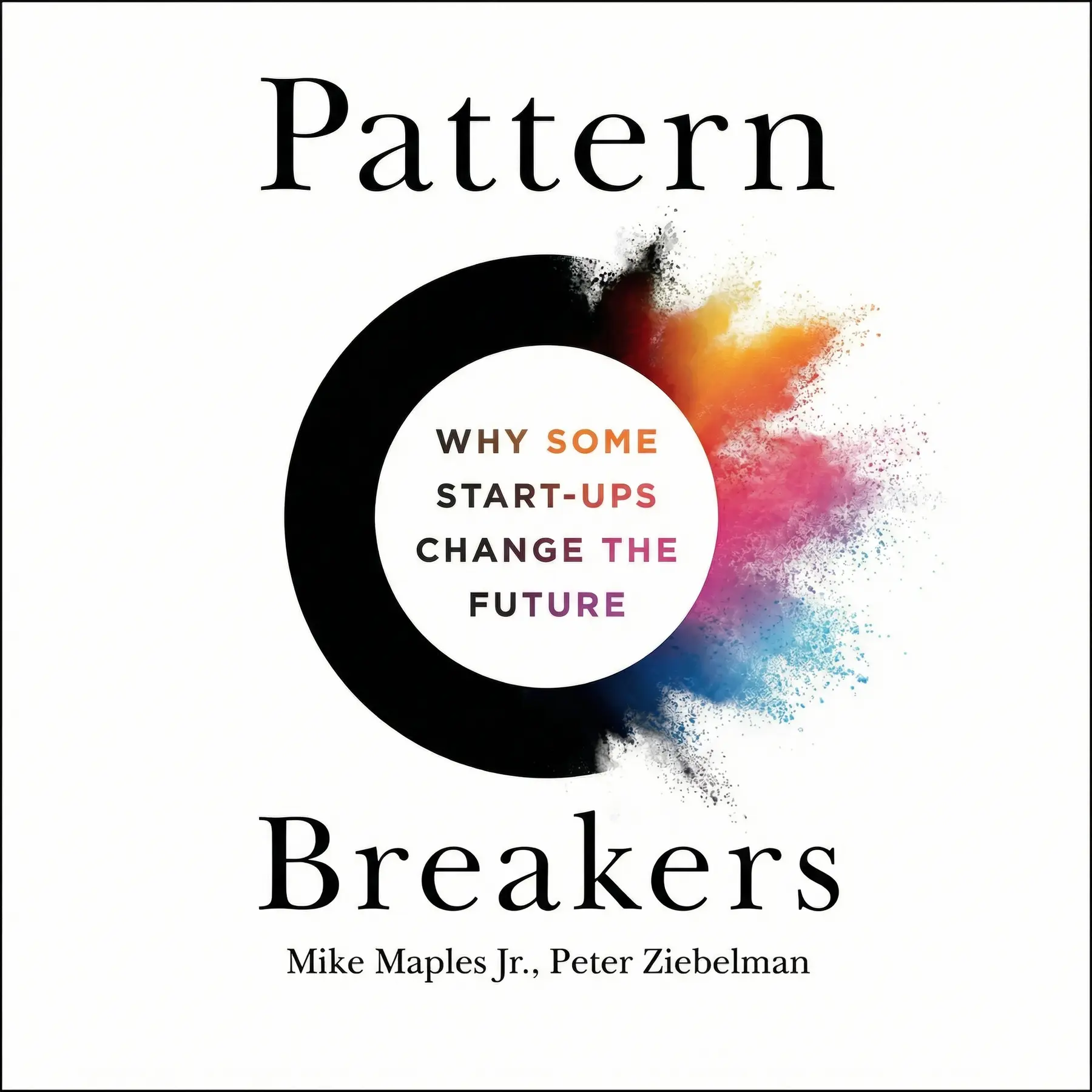
Pattern Breakers: Why Some Start-Ups Change the Future
Pattern Breakers explores why radical innovation requires defying conventional wisdom. It reveals how entrepreneurs can identify market shifts, validate unconventional ideas with prototypes, and build movements that fundamentally change the future.
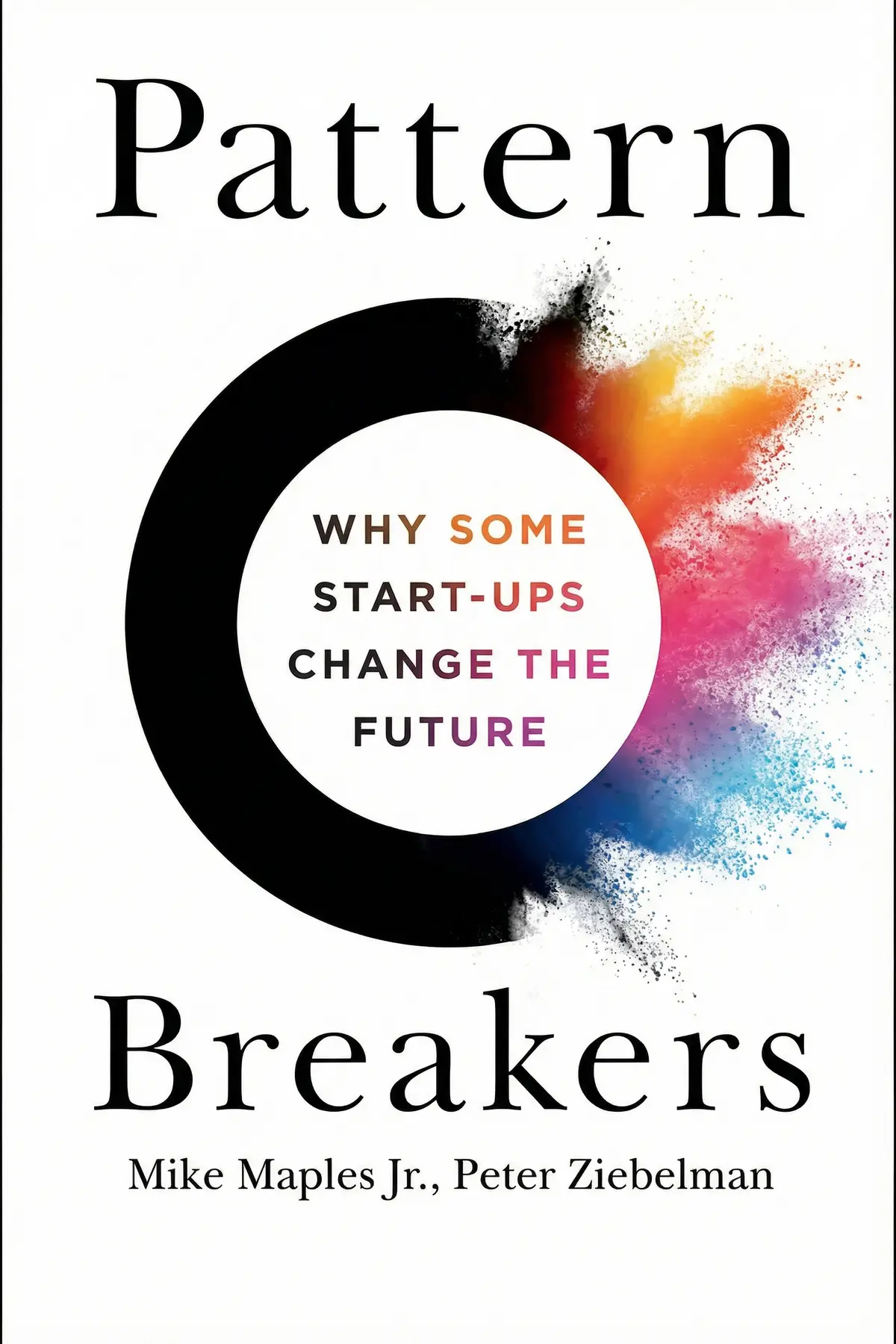
Table of Content
1. Introduction
1 min 26 sec
Why do most new ideas fail while a select few completely reshape our world? We often assume that success is the result of following a proven roadmap or perfecting a set of best practices. We look at the giants of industry and try to mirror their steps, believing that if we just do what they did, but slightly better, we will achieve similar heights. But there is a fundamental flaw in this logic. If you are following a pattern that already exists, you are, by definition, not creating something revolutionary. You are simply participating in a world that has already been built.
In this exploration of Pattern Breakers, we delve into the counterintuitive reality of innovation. We will see that the human brain is actually working against us in this quest. We are biologically wired to find comfort in the familiar and to seek out routines that keep us safe and accepted. While these traits are excellent for maintaining a stable society, they are the enemies of the breakthrough.
The throughline of our discussion today is that true innovation is an act of defiance. It is about recognizing the difference between a pattern that should be followed and one that must be broken. We will look at how the most successful entrepreneurs throughout history haven’t just been lucky; they have been masters of timing, experts at validating the impossible, and architects of movements rather than just products. By the end of this journey, you’ll understand that the future isn’t found by looking at the present through a magnifying glass, but by looking at it through a prism that reveals the hidden shifts just beneath the surface.
2. The Evolutionary Trap of Pattern Matching
2 min 22 sec
Discover why your brain is naturally wired to resist the very innovations you want to create and how social norms act as a cage for creativity.
3. Learning from the Outsider Perspective
2 min 27 sec
Explore how the Wright brothers used knowledge from a bicycle shop to solve a problem that stumped the world’s greatest scientists.
4. The Science of Timing and Inflections
2 min 18 sec
Innovation isn’t just about a great idea; it’s about catching a wave at the exact moment it starts to crest.
5. Validating the Impossible with Implementation Prototypes
2 min 30 sec
Learn how to ‘cross the Rubicon’ by testing your most radical assumptions without wasting years of time or millions of dollars.
6. Building a Movement of True Believers
2 min 35 sec
True innovation isn’t about selling to the masses; it’s about finding the small group of visionaries who will help you rewrite the rules.
7. Conclusion
1 min 30 sec
As we conclude our look into the world of Pattern Breakers, the core message is clear: the path to greatness is rarely found by following the crowd. While our brains and our societies encourage us to find safety in the familiar, the most impactful changes come from those who have the courage to step into the unknown. We have seen that innovation is a multi-step process that begins with self-awareness—recognizing that our own biological instincts often try to keep us from seeing the next big thing.
Becoming a pattern breaker means becoming an observer of inflections. It means watching the world change in real-time and asking yourself how those changes create new openings. It means having the discipline to test your wildest theories with simple prototypes rather than rushing blindly into execution. And perhaps most importantly, it means having the conviction to stand by your vision even when the majority of people tell you that it can’t be done.
The actionable takeaway from this journey is to start small but think radically. Look at your own industry or your daily life and identify one ‘best practice’ that feels outdated or inefficient. Ask yourself what would happen if you did the exact opposite. Don’t worry about convincing the world just yet; find your first true believer. Remember that every giant company and every life-changing invention started as a pattern-breaking thought in someone’s mind. By refusing to accept things as they are, you gain the power to create things as they could be. The future belongs to those who are willing to break the mold and build something entirely new.
About this book
What is this book about?
Pattern Breakers examines the psychological and strategic shifts necessary to create a truly revolutionary startup. The core premise is that our natural tendency to follow best practices and established routines often blinds us to transformative opportunities. Authors Mike Maples Jr. and Peter Ziebelman argue that the most successful companies do not simply iterate on existing ideas; instead, they identify market inflections—pivotal changes in technology or behavior—and strike at exactly the right moment. The book offers a practical framework for navigating this journey, from utilizing implementation prototypes to validate radical concepts to finding a small group of true believers who will spearhead a new movement. By shifting focus from product features to vision-driven disruption, entrepreneurs can learn to stop matching existing patterns and start creating new ones. The promise of the book is a roadmap for any visionary looking to move beyond incremental gains and achieve a breakthrough that reshapes an entire industry.
Book Information
About the Author
Mike Maples Jr.
Mike Maples Jr. is a venture capitalist and cofounder of Floodgate, a seed-stage fund in Silicon Valley that invested early in companies like Twitter and Twitch. He hosts the podcast Pattern Breakers and has been featured on the Forbes Midas List multiple times. He holds an MBA from Harvard and a BS in engineering from Stanford. Peter Ziebelman is a lecturer at Stanford University Graduate School of Business and cofounder of Palo Alto Venture Partners. He consults for Fortune 500 companies and advises startups. He also serves on several nonprofit boards. He holds a master’s degree in management from Stanford and a BS in combined sciences from Yale.
Ratings & Reviews
Ratings at a glance
What people think
Listeners find this book both thought-provoking and engaging, with one mentioning that it offers a completely fresh perspective. Additionally, the narrative style earns praise, as one listener points out how every individual startup tale feels distinct and remarkable. Listeners also value the depth of information provided, with one calling it an outstanding framework for founders and investors.
Top reviews
Ana
Picked this up because I’ve always been fascinated by how companies like Uber actually start from nothing. Maples and Ziebelman argue that it isn't just about luck, but about identifying "inflections" like the GPS chip in the iPhone 4s. I found the distinction between an insight and just a regular idea to be incredibly helpful for my own project. The writing is snappy and avoids the typical dry prose found in most business manuals. It feels more like a blueprint for thinking differently than a set of rigid instructions. Truth is, most founders are just pattern-matching, and this book shows why that’s a recipe for mediocrity. It’s an entertaining read that pushes you to look for the "non-obvious" shifts in the world. I'll be recommending this to my whole team.
Show moreCha
Finally got around to reading this, and it’s easily the most refreshing take on entrepreneurship I’ve encountered this year. Maples challenges the "best practices" culture that usually leads to incremental improvements rather than breakthroughs. The central idea—that you must live in the future to see the patterns others miss—really resonated with my experience in tech. I loved the stress tests for insights; they provide a much-needed filter for deciding if an idea is actually worth your time. The authors don't just tell you to be different; they explain the mechanics of how to be different in a way the market can eventually accept. This isn't just a book for founders; it's for anyone who wants to stop following the crowd. It changed how I view disruption entirely.
Show moreSook
Wow, this actually shifted my perspective on how to evaluate market opportunities. Maples and Ziebelman provide a structured way to look for non-obvious insights that can be used to leverage massive external changes. I specifically enjoyed the case study on Living Carbon and how Maddie Hall looked for future problems rather than current ones. It’s rare to find a business book that is both intellectually stimulating and genuinely entertaining to read. The authors have a knack for taking complex venture capital concepts and making them accessible without dumbing them down. Most business books could be an email, but the deep dives into these specific founder mindsets justify the length here. It’s an essential guide for anyone looking to build something that actually matters.
Show moreBig
The way the authors break down the transition from Justin.tv to Twitch really clicked for me. It wasn't just a pivot; it was an alignment with a shifting technological landscape that they call an inflection. While some might say this is just retroactively explaining success, the framework provided for "implementation prototypes" feels genuinely practical for early-stage testing. I appreciated the storytelling approach because it makes the abstract concepts of the Pattern Breakers mindset feel grounded. My only gripe is that it can feel a bit repetitive in the middle chapters. However, the core message about living in the future and finding "early believers" is a powerful takeaway. It’s a solid addition to the startup canon that offers more than just the usual MVP advice.
Show moreAey
Ever wonder why some startups explode while others with better products fail to gain any traction? This book argues that the "believers" you find early on are more important than the product itself. I found the concept of category design and the implementation prototype to be much more useful than the standard MVP methodology. Instead of just building a smaller version of a product, you’re essentially testing the emotional resonance of your vision. The prose is clear and moves quickly, making it a great choice for a long flight. Some of the advice is high-level, but the underlying philosophy is sound and provides a great mental exercise for flexing your pattern-breaking muscles. It's a thoughtful look at the intersection of technology and human behavior.
Show moreIff
After hearing Mike Maples talk about these concepts on podcasts, I wanted to see the full framework in writing. The book succeeds in providing a cohesive Inflection Theory that goes beyond the typical advice of "just work hard." I particularly appreciated the focus on radical shifts rather than incremental ones, which is a trap many first-time founders fall into. While the writing style is a bit repetitive at times, the quality of the insights regarding early believers makes it worth the effort. It helps you understand the difference between an idea that people like and an idea that people are desperate for. Not every example landed for me, but the overall message is a necessary counter-balance to conventional wisdom. It’s a great tool for anyone in the early stages of a startup.
Show moreSiriphen
If you’re tired of the same old lean startup advice, Pattern Breakers offers a much-needed alternative. The focus here is on creating a movement and a new category rather than just a better version of what already exists. I loved the mental exercises designed to help you throw out constraints and think with fresh eyes. It’s an insightful look at how to build a company that changes the status quo rather than just fitting into it. The authors’ experience as investors shines through in their ability to identify what makes a founder truly exceptional. My only criticism is that the stress tests could have been more detailed in their execution. Still, it’s a provocative read that will stay with me for a while. Definitely worth the time for any aspiring entrepreneur.
Show moreLiam
As someone who has followed Mike Maples' career for a while, I had high hopes for this one. The framework of inflections and insights is logical, but I couldn't shake the feeling that much of this is survivorship bias disguised as a system. To me, the "Oceans Eleven" references felt a bit cringey and unnecessary for a serious business book. That said, the section on why time is the only thing a founder can truly lose was quite poignant and served as a good reality check. It's a pleasant enough read for a weekend, though it doesn't quite live up to the promise of being radical. I’d recommend it to newcomers in the venture space, but seasoned entrepreneurs might find it a bit light on actionable details. A decent 3-star read.
Show moreChanon
The concepts here are interesting, but I found myself wanting more diverse examples beyond the usual Silicon Valley darlings. Maples is clearly a genius investor, yet the book occasionally feels like it’s just justifying his own successes after the fact. I didn't see enough discussion on how these theories apply to non-tech industries or smaller-scale businesses. To be fair, the advice on avoiding "featuresteins" is something every product manager needs to hear. It’s a decent book with some good tidbits of wisdom, but it lacks the empirical weight I expected from someone of his stature. If you want a quick hit of inspiration and a few new terms for your pitch deck, go for it. Just don't expect it to be a magic wand for success.
Show moreIce
To be fair, I expected something much more rigorous from such high-profile VCs. This book feels like a collection of blog posts stretched out to fit a hardcover format with a lot of guru posturing. The authors repeat the same three or four success stories—Lyft, Okta, Airbnb—until the point is driven into the ground. Frankly, it reads like an MBA textbook trying to sound revolutionary by using buzzwords like "inflection points" to describe what most people just call market timing. It lacks the deep data analysis I was hoping for, relying instead on cherry-picked examples that fit their narrative perfectly. If you’ve already read the classics like Hoffman or Gil, you won't find anything particularly radical here. It’s a quick read, but ultimately feels like a missed opportunity for something truly insightful.
Show moreFeatured in
Readers also enjoyed
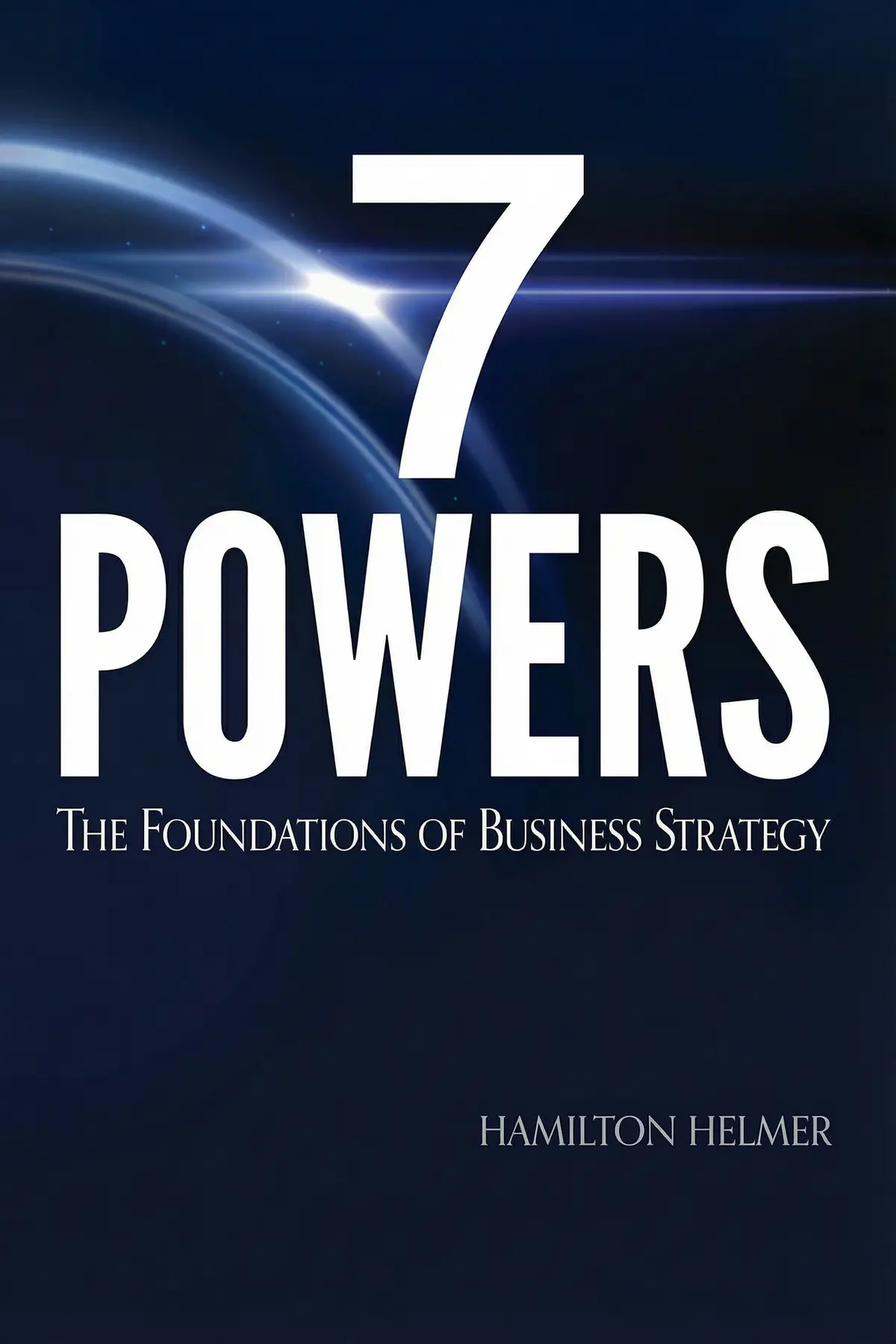
7 Powers: The Foundations of Business Strategy
Hamilton Helmer
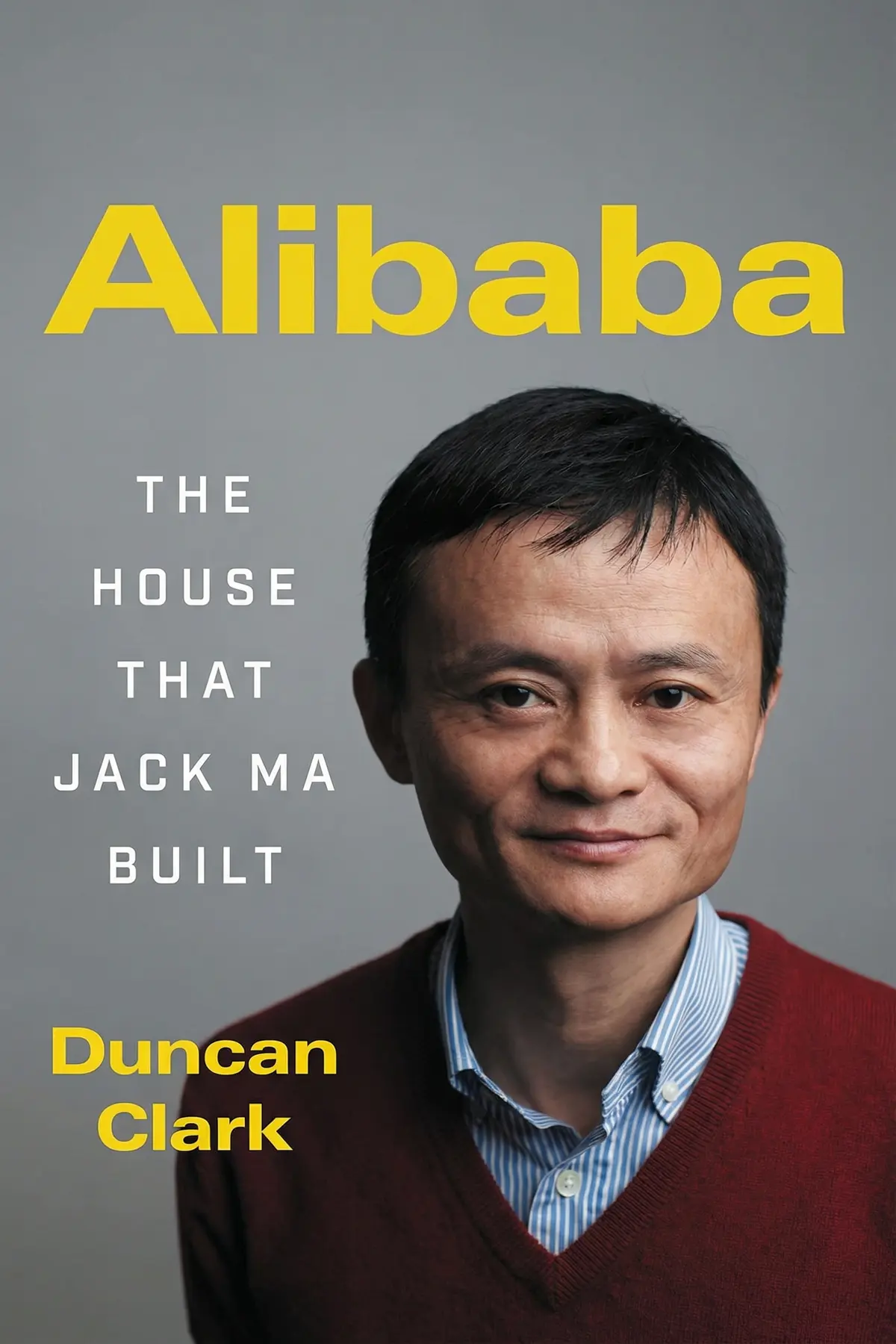
Alibaba: The House That Jack Ma Built
Duncan Clark

Bad Blood: Secrets and Lies in a Silicon Valley Startup
John Carreyrou
AUDIO SUMMARY AVAILABLE
Listen to Pattern Breakers in 15 minutes
Get the key ideas from Pattern Breakers by Mike Maples Jr., plus 5,000+ more titles in English and Thai.
- 5,000+ titles
- Listen as much as you want
- 7-day free trial
- Cancel anytime







