
20 min 19 sec
Personality: What Makes You the Way You Are
Explore the scientific foundations of who we are by examining how evolutionary history, genetics, and childhood environments converge to create the distinct traits that define the human experience.
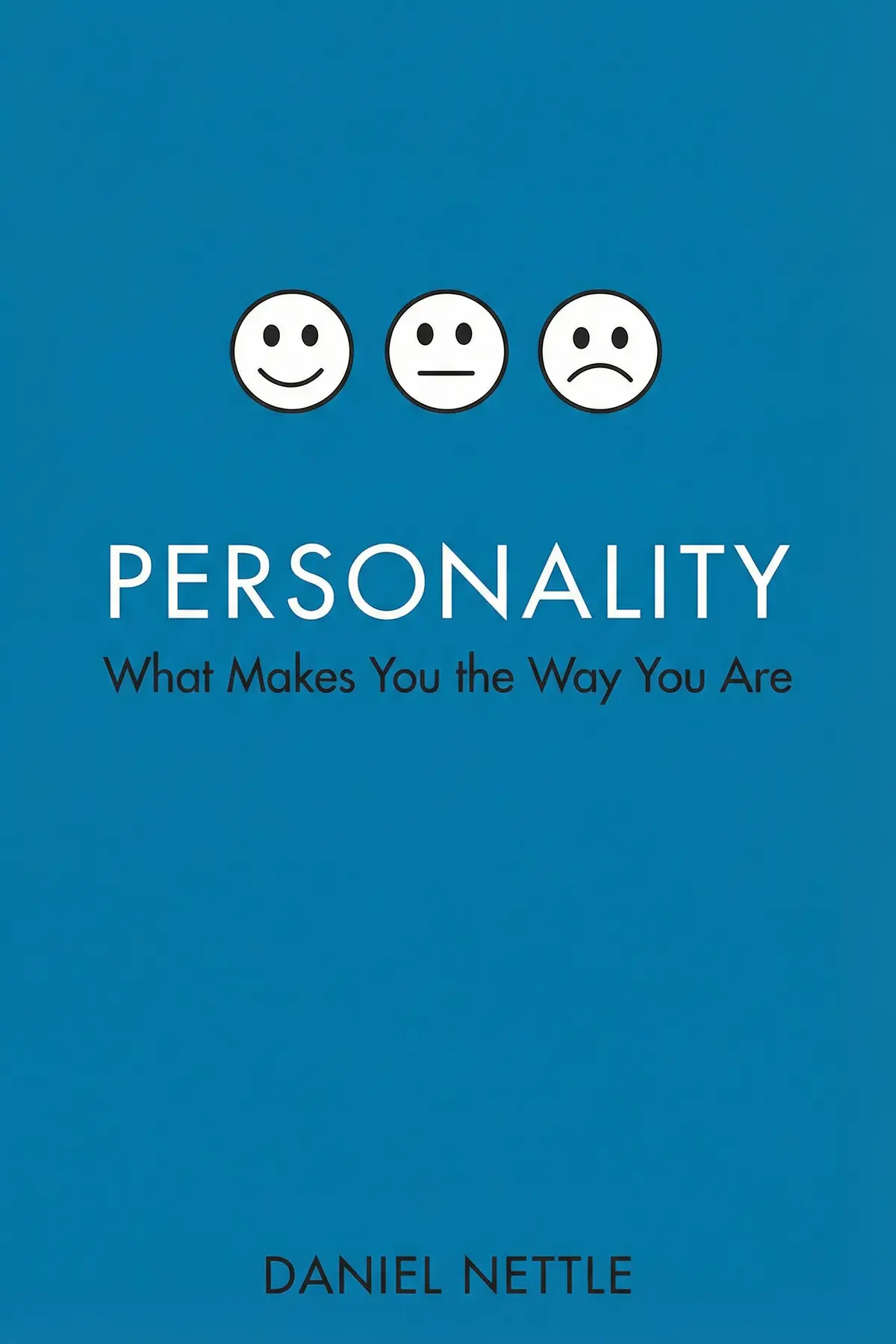
Table of Content
1. Introduction
1 min 47 sec
Have you ever paused to consider why the world is filled with such a staggering variety of human temperaments? You likely know someone who remains remarkably calm even when chaos erupts, while another person might spiral into worry over a minor inconvenience. Some of us are naturally drawn to the spotlight, thriving in the energy of a crowd, while others find peace and renewal only in solitude. These differences aren’t just random quirks; they are the fundamental building blocks of what we call personality. For a long time, these variations seemed like a mystery, but modern psychology has begun to peel back the layers of this enigma.
In this exploration, we are going to look at the deep-seated forces that make you who you are. We’ll move past the superficial labels and dive into the scientific research that explains the origin of our traits. We are looking at a throughline that connects our ancient evolutionary past to the specific way you react to a stressful email or a social invitation today. The central idea here is that our personalities are not accidental; they are survival strategies honed over millions of years.
By understanding the framework of personality, specifically the ‘Big Five’ traits, we can stop asking ourselves why we aren’t more like someone else and start understanding the unique advantages of our own disposition. We will discover how our genetics and our early childhood environments set a baseline that remains remarkably stable throughout our lives. This isn’t just about self-categorization; it’s about gaining the tools to navigate your life, your career, and your relationships with a newfound sense of clarity. We’ll see how every trait, even the ones we might find frustrating, serves a vital purpose in the grander scheme of human survival. Let’s begin this journey into the core of human nature.
2. The Dual Roots of Character
2 min 15 sec
Discover how our fundamental nature is a precise mix of biological inheritance and the formative pressures of our earliest years.
3. The Persistence of the Self
1 min 57 sec
Explore why the person you were as a child remains the foundation of who you are today, despite the changing circumstances of adulthood.
4. Evolution’s Diverse Portfolio
2 min 04 sec
Uncover the evolutionary secret behind why humans haven’t converged into a single ‘ideal’ personality type over millions of years.
5. The Engines of Joy and Caution
1 min 56 sec
Examine the first two pillars of personality and how they govern our internal reward systems and our responses to potential threats.
6. The Architecture of Ambition and Altruism
1 min 49 sec
Delve into how Conscientiousness and Agreeableness facilitate professional success and social cohesion respectively.
7. The Mystery of the Creative Mind
1 min 34 sec
Understand the most elusive of the Big Five traits and its connection to how we perceive and explore the world around us.
8. The Fallacy of the Perfect Persona
1 min 45 sec
Learn why no single set of personality traits is inherently superior and how every ‘flaw’ can be a hidden strength in the right context.
9. Identifying Your Natural Niche
1 min 32 sec
Discover how self-awareness regarding your traits can guide you toward environments where you are most likely to flourish.
10. Strategy Over Transformation
1 min 42 sec
Master the art of managing your natural tendencies through conscious behavioral choices and coping mechanisms.
11. Conclusion
1 min 58 sec
As we have seen, the landscape of human personality is both vast and meticulously ordered by the forces of evolution. We are each born with a set of genetic predispositions that are then shaped and solidified by our earliest environments. By the time we reach adulthood, these traits—Extraversion, Neuroticism, Conscientiousness, Agreeableness, and Openness—form a stable foundation for our lives. They influence our moods, our career choices, our relationships, and how we navigate every challenge that comes our way. The most important realization we can make is that there is no ‘standard’ or ‘correct’ way to be. Every trait we possess is a survival strategy that has been preserved because it offers a unique advantage in the right circumstances.
The throughline of our exploration has been the power of self-understanding. When you stop viewing your personality as a collection of flaws and start seeing it as a specialized toolkit, your perspective shifts. You begin to see that your anxiety is also your vigilance, your introversion is also your depth, and your impulsivity might be your bravery. This knowledge is not meant to limit you, but to liberate you. It provides the roadmap for finding the places where you will naturally thrive and the people with whom you will truly connect.
As you move forward, the most actionable advice is to embrace the role of an observer of your own life. Pay attention to how your traits manifest in your daily decisions. When you feel a surge of worry or a burst of excitement, recognize it as the product of your unique psychological makeup. Use this awareness to make strategic choices about your environment and your behavior. Remember, you don’t need to transform your personality to live a better life; you simply need to learn how to drive the vehicle you were given. By aligning your actions with your natural strengths and developing strategies for your challenges, you can navigate your path with confidence and reach your fullest potential.
About this book
What is this book about?
This exploration into human nature dives deep into the 'Big Five' personality traits—Extraversion, Neuroticism, Conscientiousness, Agreeableness, and Openness. It moves beyond simple labels to explain why these traits exist from an evolutionary standpoint and how they influence every decision we make, from our career paths to our social interactions. By synthesizing psychological research and biological evidence, the text promises to reveal why there is no such thing as a perfect personality. Instead, it offers a framework for understanding your own unique disposition, showing how to leverage your natural tendencies to find your niche and manage the challenges that come with your specific psychological makeup.
Book Information
About the Author
Daniel Nettle
Daniel Nettle is the author of many successful books, such as Happiness: The Science Behind Your Smile and Strong Imagination: Madness, Creativity and Human Nature. He studied psychology, philosophy and anthropology at Oxford University and University College London, and his work focuses mostly on evolution, cognitive development and human behavior.
Ratings & Reviews
Ratings at a glance
What people think
Listeners find the work to be well-documented and accessible, with one review noting it presents many eye-opening facts about personality traits. Furthermore, the book is immersive and enjoyable, and one listener mentions it includes a 12-question personality assessment. They also value its narrative flow, with one review pointing out the use of real-life stories, and consider it a quality introduction to the field. However, views on its accuracy are mixed, with one listener noting weak statistical correlations.
Top reviews
Saowalak
Ever wonder why you're the way you are? Daniel Nettle provides a compelling look at the Big Five through the lens of evolutionary biology. I found the 12-question assessment at the beginning to be a fantastic hook that immediately personalized the data for me. It’s one thing to read about 'Extraversion' in the abstract, but another to see it explained as a reactivity to rewards. The writing is snappy and avoids the dense jargon that usually bogs down psychology texts. To be fair, some might find the evolutionary explanations a bit speculative, yet Nettle handles his uncertainty with a refreshing lack of pretension. It makes the idea of 'fluctuating selection'—where every trait has a cost and a benefit—much easier to grasp. This isn't just a list of traits; it’s a manual for understanding the human condition.
Show moreVarinee
Wow. This book completely changed how I perceive my own 'failings.' Nettle’s explanation of the fluctuating selection model is brilliant because it removes the moral weight from personality traits. Being 'low' on a trait isn't a defect; it's just a different strategy for survival. I especially loved the final chapter on how to live with our personalities. The thought experiment about making different choices even with the same traits was quite empowering. It’s rare to find a science book that is this funny and accessible without sacrificing the integrity of the research. The prose is lean, the stories are relatable, and the insights into how our brain reacts to rewards versus threats are top-notch. If you’ve ever felt like a square peg in a round hole, read this.
Show moreKae
Picked this up on a whim and was pleasantly surprised by how much I learned about the genetics of behavior. Nettle is a fantastic writer who manages to blend hard science with personal anecdotes seamlessly. His lack of pretension is his greatest strength; he admits where the science is still out, which actually makes his other claims feel more trustworthy. The way he breaks down 'Openness to Experience' and its evolutionary costs was particularly fascinating to me. To be fair, I’m a bit of a science nerd, so I loved the data-driven approach. It’s a quick read but one that sticks with you long after you’ve put it down. Highly recommended for fans of evolutionary biology and psychology.
Show moreLandon
As someone who grew up on Myers-Briggs typology, transitioning to the Big Five model felt like moving from a horoscope to a laboratory. Nettle does a stellar job explaining the OCEAN traits, particularly the sections on Neuroticism and Openness. Truth is, I was surprised to learn about the link between high conscientiousness and certain eating disorders like anorexia. It’s these specific, science-backed anecdotes that keep the narrative moving when the statistical theory gets a bit heavy. The book is remarkably easy to read for an Oxford Landmark Science title, though I wish there was more depth on the criticisms of personality testing itself. It’s a solid introduction that manages to be both informative and slightly unsettling. You’ll definitely walk away looking at your friends and family through a much more analytical lens.
Show moreSumalee
After hearing so much about the Big Five, I finally sat down with Nettle's take on the subject. The way he frames our 'neurotic tendencies' as something to be blamed on our parents—and our genes—is both hilarious and scientifically grounded. He successfully argues that personality variation persists because different traits are useful in different environments. For instance, being high in Neuroticism might be a drag in a stable modern office, but it’s a literal life-saver in a dangerous, unpredictable setting. My only real gripe is that some of the statistical correlations he presents seem a bit weak when you look closely at the data. Regardless, it’s a thought-provoking read that suggests personality is stable but not necessarily a fixed destiny. Worth it for the evolutionary perspective alone.
Show moreWatcharin
Finally got around to reading this, and I’m glad I did. Nettle makes a compelling case that our personalities are clusters of correlated behaviors rather than just arbitrary categories we’ve been shoved into. I found the section on how attractive people might become more extroverted due to positive reinforcement to be particularly insightful. It shows the interplay between our physical selves and our social environments in a way I hadn't considered. While the book is easy to understand, it doesn't shy away from the fact that personality is complex and influenced by a myriad of factors beyond just 'nurture.' My only complaint is that it felt a bit rushed toward the end. Still, a very solid 4-star read for anyone curious about human nature.
Show moreKob
This book offers a really nuanced look at the Big Five without being overly academic. I appreciated how Nettle doesn't just treat personality as a set of static boxes but as a continuum of strategies. The writing is clear and the narrative flows well, making it much more engaging than your average textbook. I did find some of his conclusions about heritability a bit oversimplified, but for a pop-science book, it’s remarkably well-balanced. It’s interesting to see how even 'negative' traits like Neuroticism have an evolutionary purpose. Gotta say, it’s refreshing to read a book that doesn't try to 'fix' you but instead helps you understand the tools you were born with. A great introduction to a complex field.
Show moreArm
Not what I expected from a book in the Landmark Science series. While Nettle is an engaging writer, the analysis felt a bit 'low level' for someone already familiar with pop-psychology. He explores the two sides of each factor well—like how Agreeableness isn't always a net positive—but much of the material felt recycled from other sources I've encountered. Look, the book is perfectly fine as a primer, but don't go in expecting revelatory new data or deep dives into the neurobiology. It’s an easy enough read, and the humor is a nice touch, but it skims the surface of the debate around heritability. If you’re brand new to the Big Five, you’ll love it; if you’ve read any Pinker or Haidt, you might find yourself skimming.
Show moreChatri
The chapter on Conscientiousness was the highlight for me, but the rest of the book was a bit of a mixed bag. In my experience, these kinds of personality books tend to overpromise and underdeliver on actual 'life-changing' advice. Nettle provides a great overview of the OCEAN model and some interesting facts about how gestation or attractiveness can affect development. However, the book is quite short and feels a bit like an introductory lecture series. The tone is conversational, which is great, but I wanted more grit. He mentions the dark side of Agreeableness, but I felt that section left a lot to be desired. It’s a good starting point for a student, but perhaps too light for a seasoned reader of human behavior.
Show moreDarawan
Frankly, I wanted to like this book way more than I actually did. The concept of personality as a genetic inheritance is fascinating, yet the execution felt incredibly dry. I read a lot of non-fiction and neuroscience, but this one just couldn't hold my attention for more than a few pages at a time. It’s a short book, but it was a real struggle to reach the conclusion. The examples provided felt a bit thin, and the narrative quality just wasn't there for me. I appreciated the 12-question quiz, but once that was over, the excitement died down quickly. It’s not a bad book by any means, but for a 'landmark' science text, it felt remarkably uninspired. There are better, more engaging resources out there for the casual reader.
Show moreReaders also enjoyed
A Liberated Mind: How to Pivot Toward What Matters
Steven C. Hayes
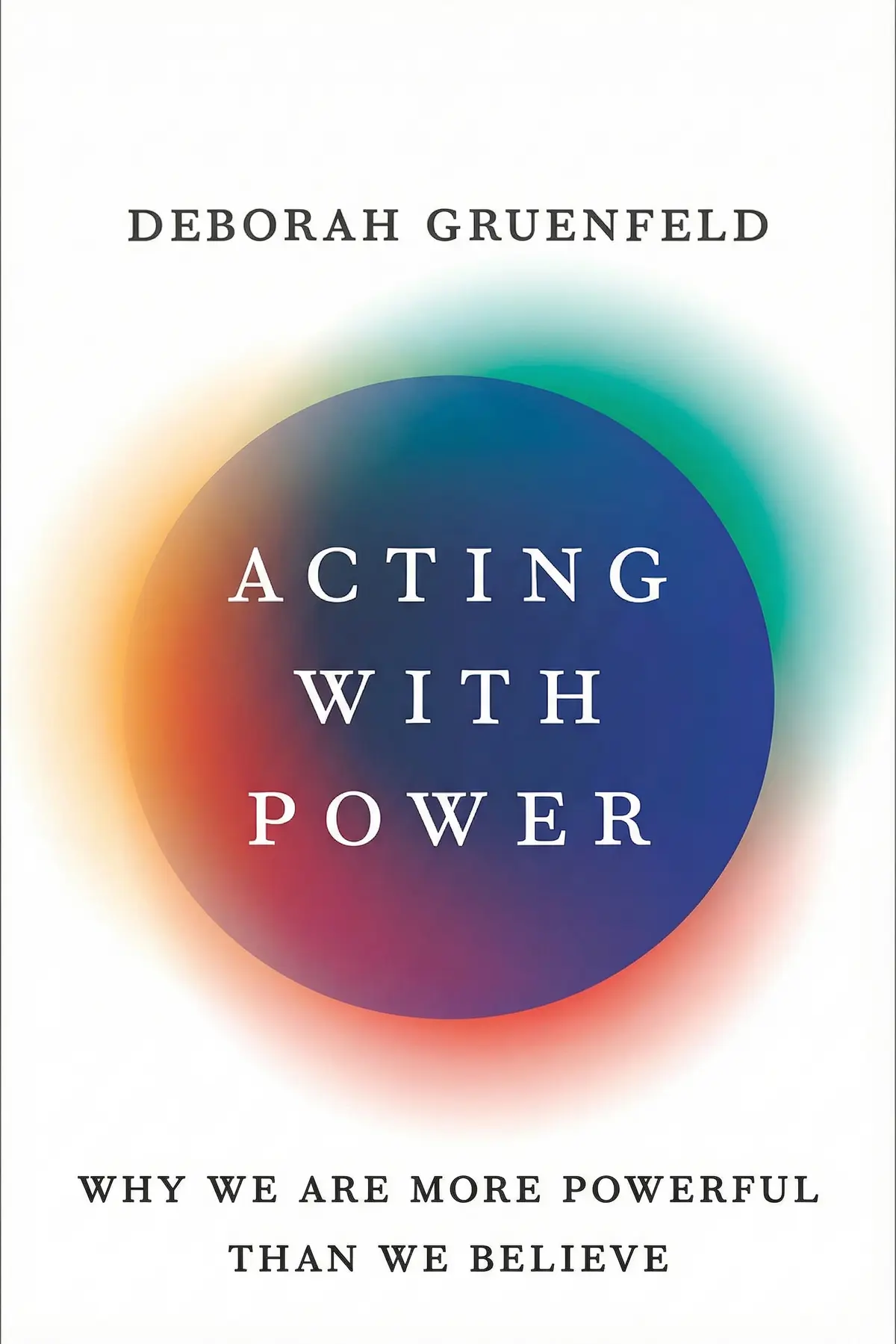
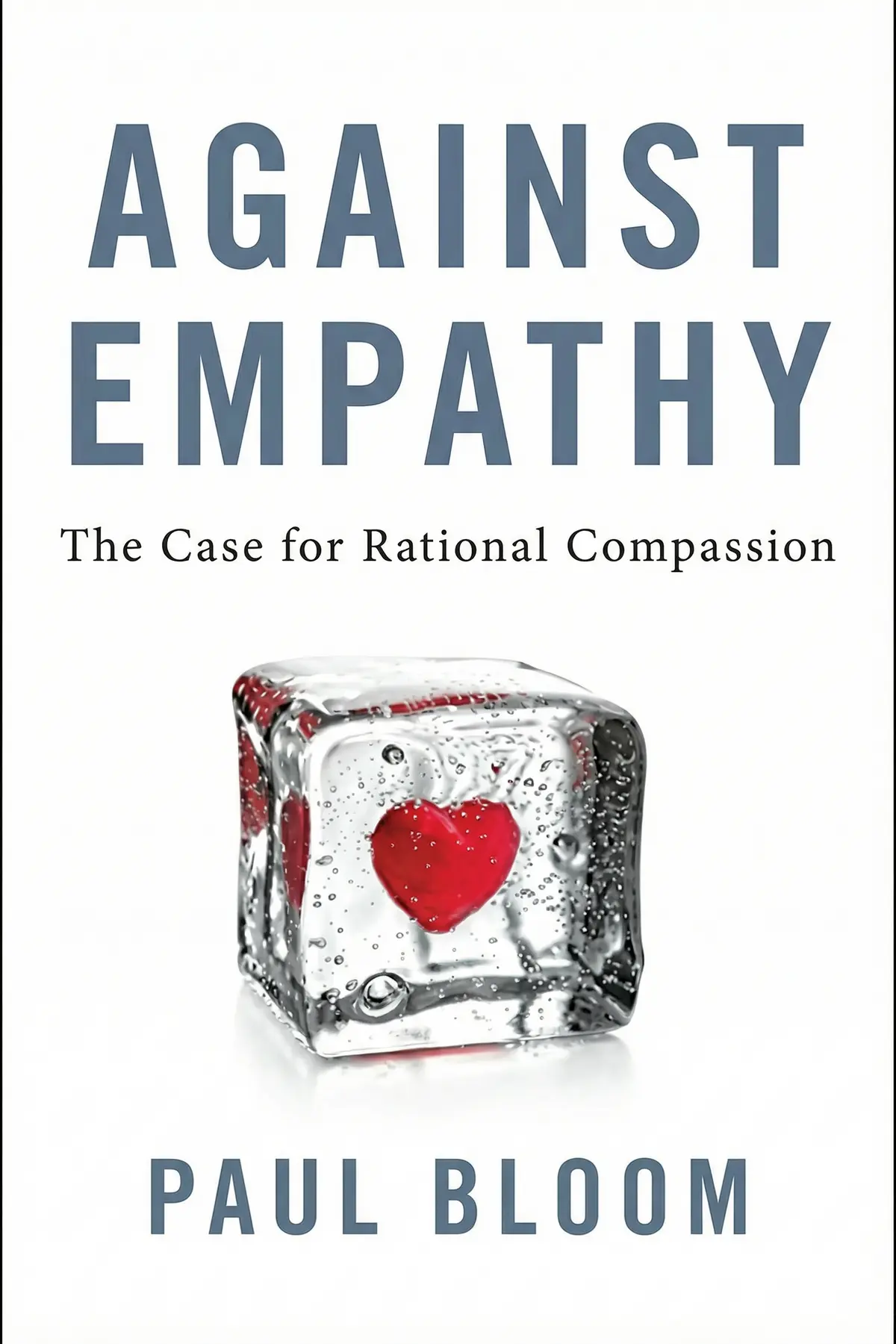
Acting with Power: Why We Are More Powerful Than We Believe
Deborah Gruenfeld
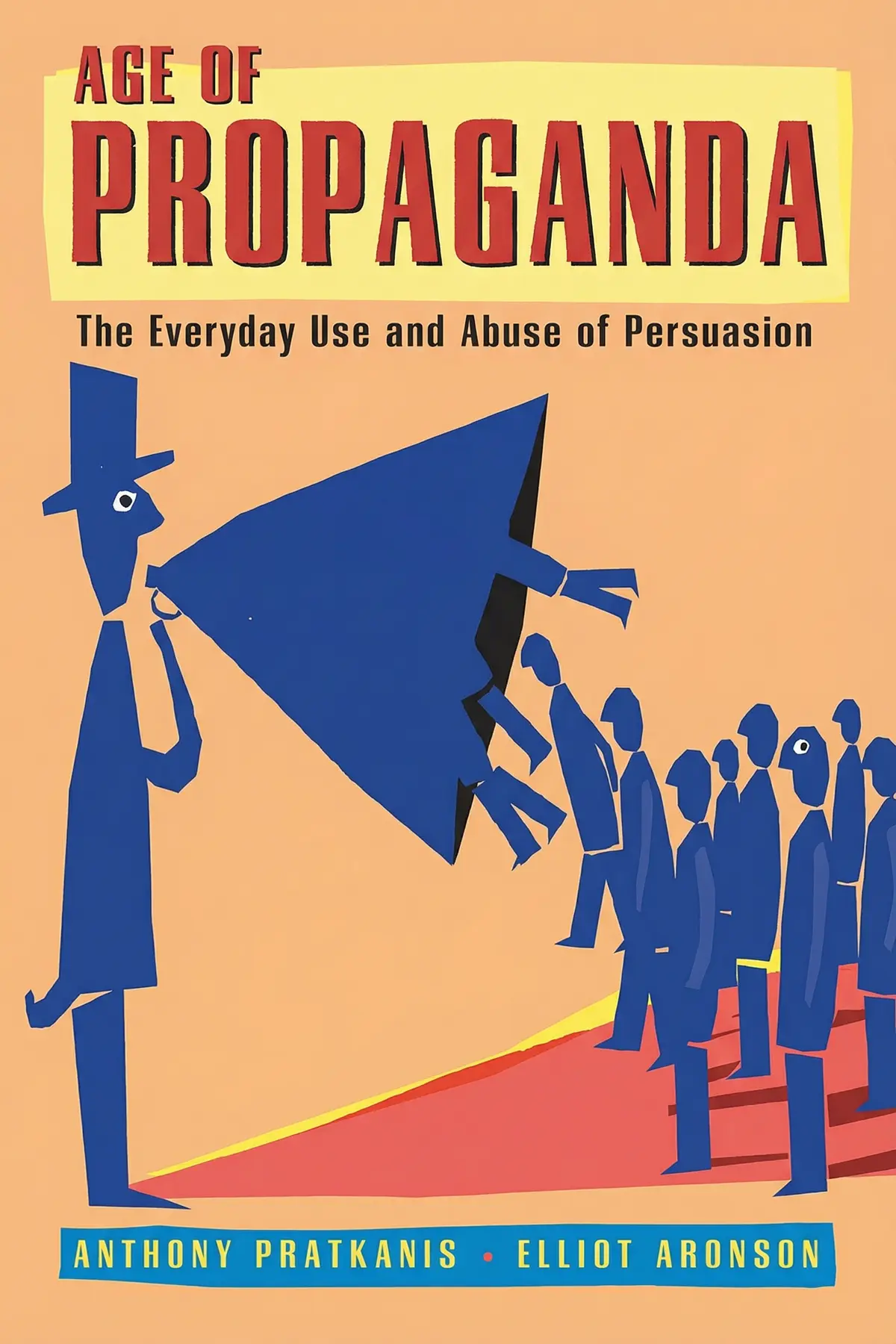
Age of Propaganda: The Everyday Use and Abuse of Persuasion
Anthony Pratkanis
59 Seconds: Change Your Life in Under a Minute
Richard Wiseman
AUDIO SUMMARY AVAILABLE
Listen to Personality in 15 minutes
Get the key ideas from Personality by Daniel Nettle, plus 5,000+ more titles in English and Thai.
- 5,000+ titles
- Listen as much as you want
- 7-day free trial
- Cancel anytime







