
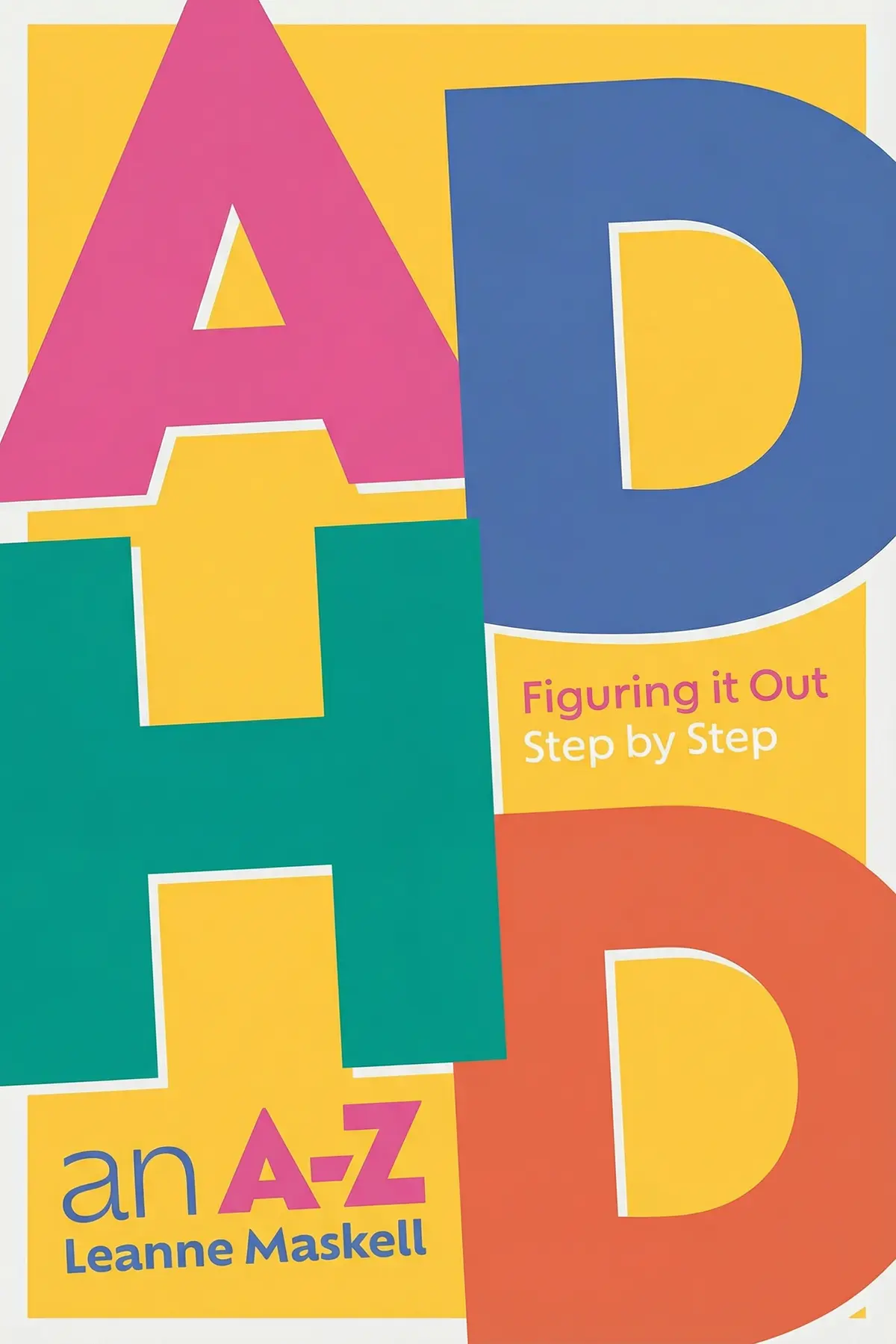
ADHD an A-Z: Figuring It Out Step by Step
Leanne Maskell
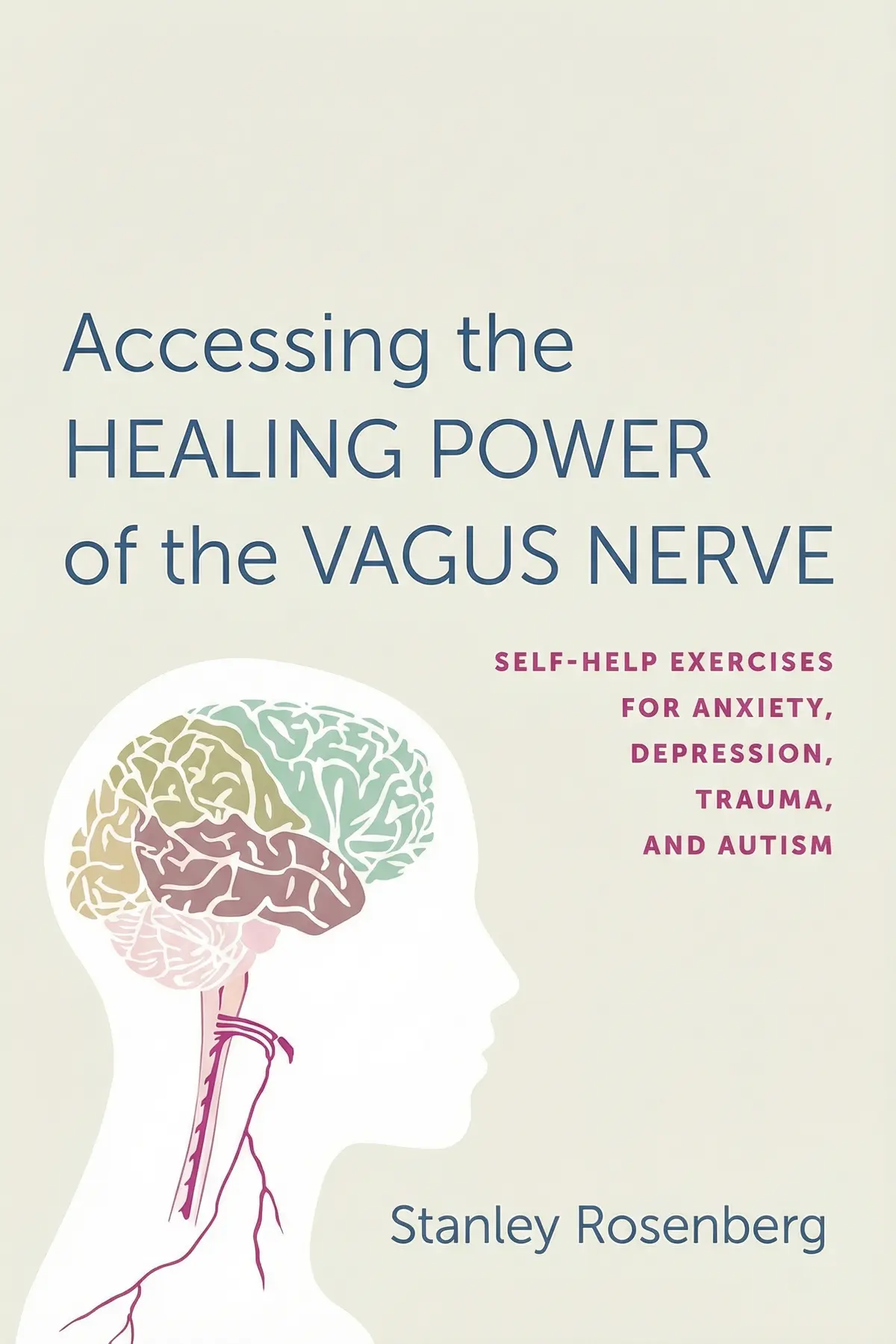
Explore the revolutionary role of the vagus nerve in managing stress and trauma. This summary details practical exercises to help regulate your nervous system and restore your body to a state of calm and connection.
2 min 03 sec
In our fast-paced, high-pressure world, the feeling of being overwhelmed has become a standard part of the human experience. You likely know the sensation well: the tight chest, the racing thoughts, and the nagging sense of dread that follows you through the day. Many of us find ourselves perpetually on edge, caught in a loop of worry about what happened yesterday or what might go wrong tomorrow. This isn’t just a mental hurdle; it is a physiological state that can manifest as sleeplessness, digestive issues, or even chronic pain. We often search for complex solutions to these problems, yet therapist Stanley Rosenberg suggests that the answer might be much simpler and more accessible than we realize.
At the heart of our ability to feel safe, relaxed, and connected to others is a remarkable part of our anatomy known as the vagus nerve. Often called the ‘wanderer’ because of its extensive path through the body, this nerve acts as a highway for communication between the brain and our internal organs. Rosenberg, based on his decades of experience at his clinic in Copenhagen, argues that many of our modern ailments are actually signs of a vagus nerve that has been knocked out of balance. When this system is malfunctioning, our bodies get ‘stuck’ in survival modes that were meant for short-term emergencies, not daily life.
In the following sections, we will explore the fascinating mechanics of the nervous system and how it dictates our social interactions. We will dive into the revolutionary Polyvagal Theory, which completely redefined our understanding of how we respond to stress. Most importantly, we will look at how you can take control of your own healing. By performing simple, targeted physical movements, you can learn to signal to your brain that the danger has passed, allowing your body to return to its natural state of rest, recovery, and genuine social engagement. This is a journey into the biological roots of our emotions and a guide to making your nervous system work for you rather than against you.
2 min 16 sec
Discover how twelve cranial nerves act as the silent directors of your social life and physical survival, and why one specific nerve is the key to it all.
2 min 25 sec
Explore the groundbreaking Polyvagal Theory and learn about the five distinct states of your nervous system that go far beyond simple stress and relaxation.
2 min 03 sec
Learn how being chronically stuck in survival mode can lead to exhaustion, weakness, and a host of physical and emotional symptoms.
1 min 53 sec
Learn a simple physical test used by professionals to determine if your ventral vagus nerve is functioning correctly.
2 min 06 sec
Follow a step-by-step guide to a simple, two-minute physical movement designed to reset your nervous system and increase blood flow to the brain.
1 min 56 sec
Witness the dramatic potential of nerve regulation through the story of a man whose debilitating lung condition was alleviated through vagal activation.
1 min 58 sec
Discover how targeting the vagus nerve can offer new hope for psychological challenges and developmental disorders like autism.
1 min 28 sec
As we have explored, the vagus nerve is far more than just a component of our anatomy; it is the silent conductor of our emotional and physical lives. From the way we digest our food to the way we connect with our loved ones, the health of this ‘wandering’ nerve dictates our quality of life. Stanley Rosenberg’s work, grounded in the Polyvagal Theory, reminds us that we are not victims of our stress. Our bodies have an innate capacity for self-healing, provided we give them the right signals. By moving beyond the outdated idea of a simple ‘fight-or-flight’ response, we can begin to see the nuance in our own reactions and understand why we might feel stuck in cycles of exhaustion or anxiety.
The most empowering takeaway from this journey is the simplicity of the solution. You don’t always need complex interventions to find relief. Sometimes, a two-minute exercise that realigns your neck and engages your eyes is enough to tell your brain that the crisis is over. This shift from fear to social engagement is the foundation of health. It allows your heart to beat steadily, your lungs to breathe deeply, and your mind to open up to the people around you. As you move forward, remember that your nervous system is always listening. By incorporating these simple practices into your daily routine, you can actively foster a state of safety and connection, unlocking the healing power that has been within you all along.
Modern life often leaves us trapped in a cycle of stress, anxiety, and physical discomfort. But what if the key to unlocking true relaxation and healing was hidden within a single nerve? This summary explores the groundbreaking work of therapist Stanley Rosenberg, who draws on Stephen Porges’s Polyvagal Theory to demonstrate how the vagus nerve governs our emotional and physical well-being. You will learn that our nervous system is far more complex than a simple on-off switch for stress. By understanding the different branches of the vagus nerve, you can identify why your body might be stuck in a state of 'freeze' or 'fight-or-flight.' The book promises a path toward better health through simple, non-invasive physical exercises that anyone can perform at home. These techniques are designed to shift the body from a state of fear into a state of social engagement, offering relief for conditions ranging from chronic pain to psychological challenges like depression and autism.
Stanley Rosenberg is a seasoned craniosacral therapist who has spent over thirty years operating a specialized clinic in Copenhagen, Denmark. Throughout his extensive career, he has worked with thousands of clients, addressing a broad spectrum of physical and psychological issues. His expertise extends to helping individuals manage respiratory problems, migraines, bipolar disorder, and autism through gentle, body-based therapeutic interventions.
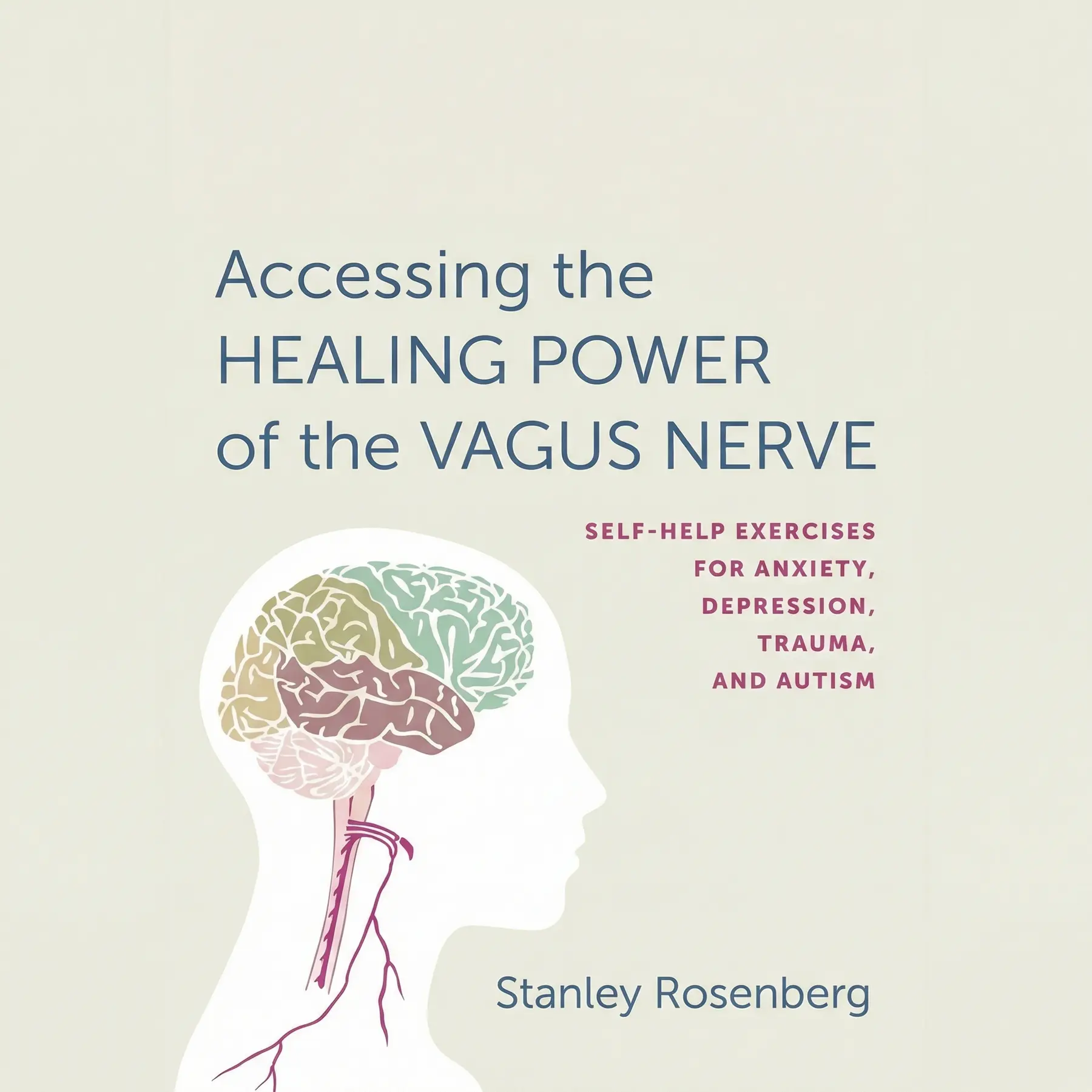
Listeners find the work educational and simple to navigate, offering lucid, sequential guidance to aid in nervous system regulation. Furthermore, the text is logically organized and presented in accessible terms, making for a compelling exploration. They value the thorough theoretical foundation, specifically the distillation of polyvagal theory, and believe it is vital for comprehending total health, with one listener highlighting how it revolutionized their life after struggling with anxiety for years.
After years of struggling with a nervous system that felt like it was constantly on high alert, this book has been a godsend. Rosenberg takes the complex Polyvagal theory and makes it accessible for people who aren't medical professionals. The writing is simple, clear, and deeply informative. I particularly loved the focus on how our physical state dictates our social engagement. It explained so much about my own patterns of withdrawal. The exercises are the real stars, though. They are subtle but incredibly powerful; the first time I did the basic reset, I felt a physical shift in my chest. It is rare to find a book that offers both the theory and a concrete 'how' that actually works. This should be required reading for anyone dealing with trauma or chronic stress.
Show moreI’ve tried everything for my migraines, from medication to extreme diets, but nothing provided relief until I started the exercises in this book. It sounds too simple to be true—just moving your eyes and tilting your head—but the physiological release is real. Rosenberg explains the 'Basic Exercise' with such clear, step-by-step directions that you can't really mess it up. I love that he doesn't just give you the moves; he explains the theory behind why your body reacts the way it does. The book is a bit academic in parts, but I found the theory fascinating rather than boring. It has completely changed how I look at my health. I no longer feel like a victim of my symptoms. I finally feel like I have a manual for my own nervous system.
Show moreEver wonder why you feel stuck in a loop of panic or total exhaustion? This book explains it all through the lens of the vagus nerve. I was worried it would be too 'woo-woo,' but the focus is very much on the physical body and the cranial nerves. The language is simple and easy to follow, making it perfect for someone who is already overwhelmed by stress. I found the summary of Porges' Polyvagal theory to be the best I've read yet. It is well-organized and the illustrations help a lot with the anatomy parts. I have been doing the exercises daily for three weeks now, and my 'brain fog' has significantly lifted. It is a comprehensive theory that actually translates into a better quality of life. Highly recommend.
Show moreRosenberg manages to take some very heavy neuroscience and turn it into something I could actually use to help my anxiety. Before reading this, I didn't realize that my 'shutting down' was a physiological response from the dorsal vagus nerve. Understanding that it wasn't a character flaw, but a survival mechanism, was a huge relief for me. The book is informative and the exercises are incredibly easy to incorporate into a busy schedule. I have noticed that I am more 'present' in social situations and less likely to feel overwhelmed by noise or crowds. While the author is a bodyworker and not a doctor, his deep insight into how the body holds tension is clear on every page. This book is an essential tool for anyone trying to heal.
Show moreFinally, a guide that actually bridges the gap between complex neuroscience and practical, everyday application. I’ve struggled with chronic anxiety for nearly a decade, and understanding the 'rest and digest' mechanism through Rosenberg’s lens was a total lightbulb moment for me. The book is well-structured, moving from the foundational theory of the nervous system into specific, illustrated exercises that anyone can do at home. I appreciate how he explains the evolutionary side of why we freeze or flee. My only real gripe is that the text is a bit repetitive in the middle chapters; he tends to reiterate the same points about the ventral branch over and over. Still, the impact on my daily stress levels has been undeniable. If you can move past some of the more anecdotal claims, there is real gold here.
Show moreAs a bodyworker myself, I found Rosenberg’s insights into the anatomical connections between the vagus nerve and our facial muscles to be incredibly useful for my practice. He provides a level of detail about the hybrid states of the nervous system that I haven't found in other popular texts. While his writing style can be a bit dry and he definitely repeats himself to drive the point home, the clinical value is there. I’ve started incorporating the eye-positioning techniques with my clients, and the feedback has been overwhelmingly positive. I do agree with other reviewers that his language regarding autism is dated and could have used a more sensitive editorial eye. If you can look past that, the core methodology for nervous system regulation is solid. It is a great resource for healers.
Show moreThis book provides a solid foundation for anyone interested in the mind-body connection. Rosenberg’s passion for his work really shines through, and his generosity in sharing these techniques is a breath of fresh air in a field where everything is usually hidden. To be fair, the book is quite repetitive and could have been edited down by about fifty pages. He also makes some very grand claims about the psychological effects of these exercises that might be a bit of an oversimplification. However, the core message is vital: our physical state governs our emotional reality. It is a fascinating read that offers practical tools for grounding yourself during chaotic times. This is definitely worth the read for the exercises alone, even if the theory feels a bit long-winded.
Show morePicked this up because my therapist mentioned Polyvagal theory, and I wanted a layman's introduction to how it all works. The book is a bit of a mixed bag, in my experience. On one hand, the breakdown of the dorsal vs. ventral vagal states is fascinating and helped me realize why I shut down during stress. On the other hand, the author’s background as a bodyworker definitely colors his perspective. He makes some very bold claims about 'cures' that lack rigorous clinical backing. The section on autism was particularly uncomfortable to read and felt very out of touch with modern neurodiversity perspectives. However, the step-by-step directions for the exercises are clear and easy to follow. I’ve noticed a slight improvement in my sleep, so it wasn't a total waste of my time.
Show moreThe anatomy portions of this book were incredibly dense and, to be fair, quite boring to get through. I really wanted to understand the mechanics of the vagus nerve, but the writing fluctuates between technical jargon and simplistic generalizations. One minute he's talking about cranial nerves, and the next he's making wild claims about changing the shape of a child's head to treat autism. It feels like he’s trying to sell a 'one size fits all' solution to every human ailment. I did find the 'Basic Exercise' helpful for my shoulder tightness, but the 200 pages of repetitive filler leading up to it were exhausting. You are better off watching a YouTube summary of the exercises and saving your money. It is simply too much fluff for very little actionable substance.
Show moreFrankly, I’m appalled by the way this book discusses neurodivergence. Rosenberg refers to autism as a 'defect' that needs 'curing,' which is not only outdated but deeply offensive to the community. The writing style is also excruciatingly repetitive throughout every single chapter. Often, the author rehashes the exact same sentences in consecutive chapters as if the editor fell asleep mid-task. While the physical exercises at the end have some merit for neck tension, they are presented as a miracle panacea for everything from social anxiety to chronic illness. I find the scientific claims to be shaky at best. This is especially true since the author is a bodyworker rather than a doctor or neuroscientist. If you are looking for actual Polyvagal theory, go straight to Stephen Porges and skip this mess entirely. It is a dry manual that could have been a pamphlet.
Show moreLeanne Maskell
Alcoholics Anonymous World Services
Steven C. Hayes

AUDIO SUMMARY AVAILABLE
Get the key ideas from Accessing the Healing Power of the Vagus Nerve by Stanley Rosenberg, plus 5,000+ more titles in English and Thai.







