
17 min 20 sec
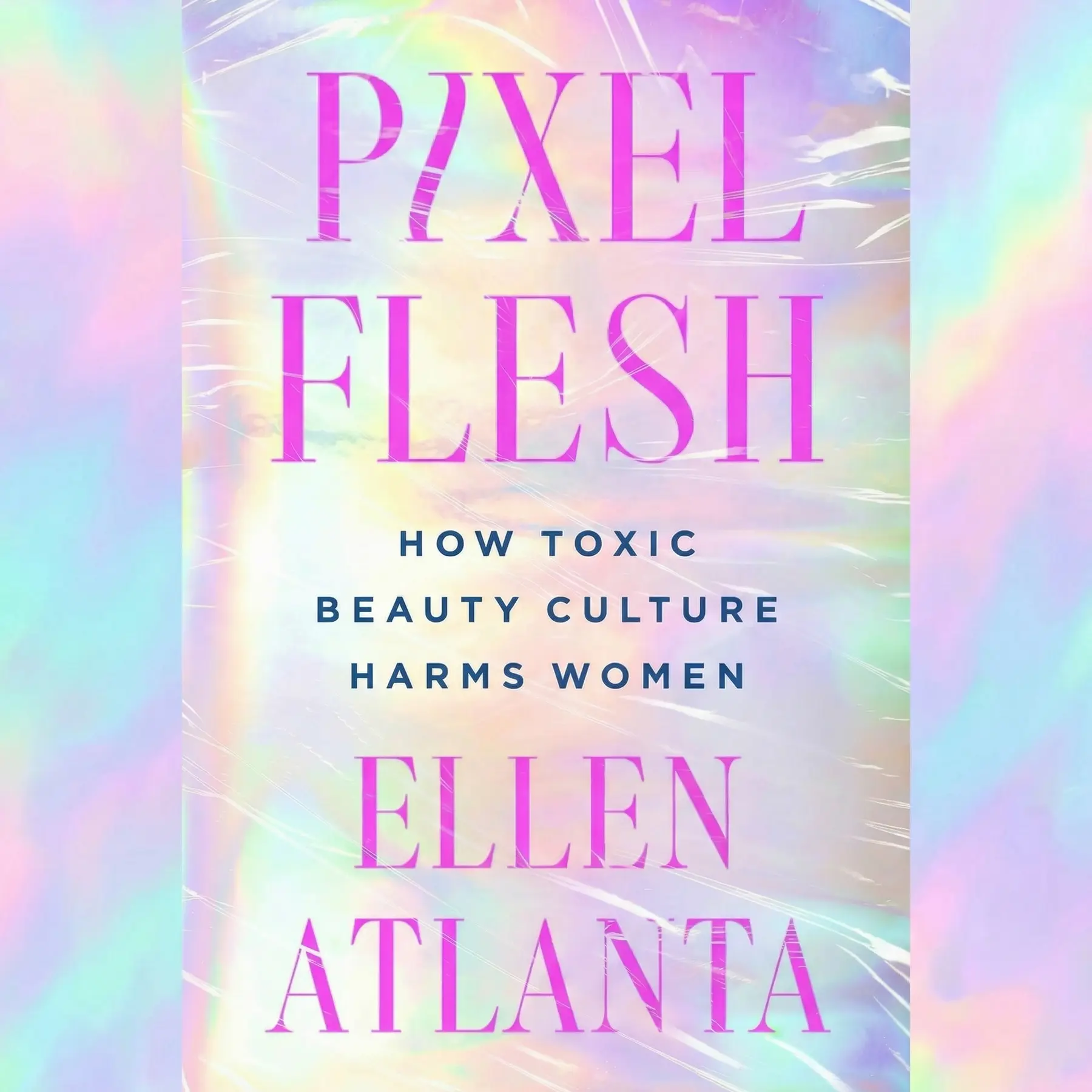
Pixel Flesh: How Toxic Beauty Culture Harms Women
Pixel Flesh explores the intersection of digital identity and modern beauty standards, revealing how technology and toxic culture reshape self-perception, commodify ethnicity, and pressure women toward an unattainable, homogenized physical ideal.
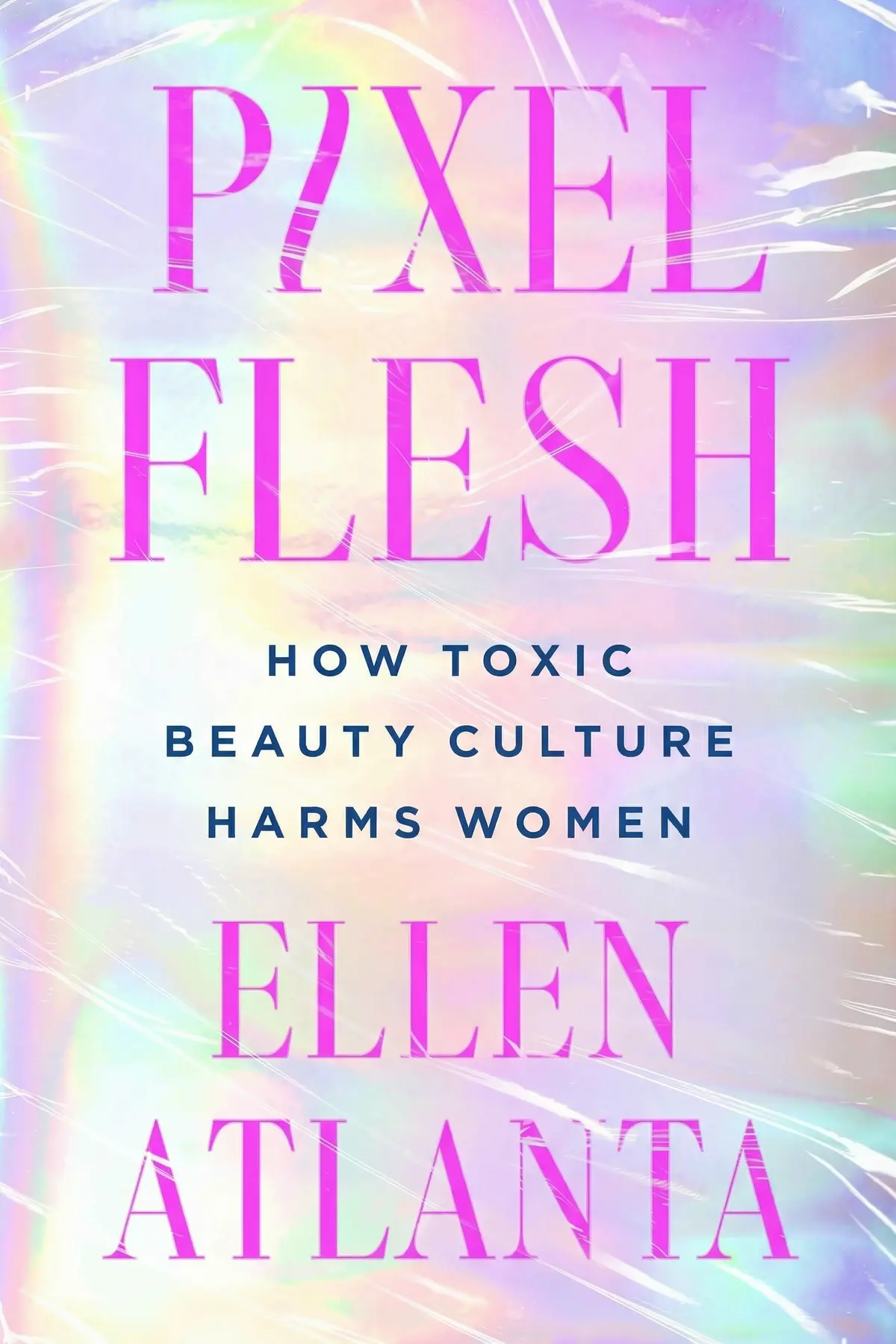
Table of Content
1. Introduction
1 min 34 sec
We live in an era where the boundary between our physical bodies and our digital avatars has begun to dissolve. Every day, we gaze into a glowing rectangle that acts as a modern-day black mirror, reflecting back not just who we are, but an idealized, filtered version of who we are told we should be. This constant exposure is doing more than just occupying our time; it is fundamentally altering the way women perceive their own value, their own faces, and their own place in the world.
In this exploration of Ellen Atlanta’s work, we are going to pull back the curtain on the multi-billion-dollar beauty industry and the digital platforms that sustain it. We will look at how the pursuit of a specific, homogenized look is driving a global surge in cosmetic surgery and how the very concept of ‘self-care’ has been hijacked to sell a never-ending cycle of self-improvement.
The throughline of this journey is the tension between the physical reality of being human—with all our imperfections and changes—and the static, polished perfection demanded by the digital world. We will trace how these pressures affect everything from racial identity and sexual expression to the way we fear the natural process of growing older. By understanding the mechanics of this toxic beauty culture, we can begin to see the pixels for what they are and start the work of reclaiming our flesh-and-blood lives from the grip of the algorithm. This isn’t just about makeup or filters; it’s about the struggle for female autonomy in a world that wants to turn every woman into a curated product.
2. The Rise of the Homogenized Face
2 min 21 sec
Explore how the digital age has created a singular, dominant beauty ideal that pressures women to seek surgical interventions to match a filtered reality.
3. The Commodification of Ethnic Identity
2 min 29 sec
Investigate the unsettling trend of ‘ethnic ambiguity’ in modern beauty and how it often masks a history of appropriation and racial bias.
4. The Illusion of Digital Empowerment
2 min 23 sec
Examine how the blurring of public and private lives has turned personal intimacy into a performance, often at the cost of genuine agency.
5. The Algorithmic Trap of Diet Culture
2 min 18 sec
Uncover how social media platforms amplify harmful weight-loss narratives and how the body positivity movement was co-opted by commercial interests.
6. The Fear of Time and the Fetishization of Youth
2 min 22 sec
Understand the psychological impact of a culture that treats aging as a failure and why even teenagers are now targeted by anti-aging marketing.
7. Crafting a Future Beyond the Filter
2 min 09 sec
Discover how collective action and a shift in personal perspective can help dismantle toxic beauty standards and build a more authentic world.
8. Conclusion
1 min 44 sec
As we conclude our look at Pixel Flesh, it is clear that the digital mirror we gaze into every day is often a distorted one. We have seen how the ‘Instagram Face’ has become a new, homogenized standard that pressures women of all ages and backgrounds to conform to a singular, often surgically-enhanced ideal. We’ve explored the ways this culture appropriates ethnic features while ignoring the people who actually live them, and how it turns our most private moments into public performances.
We have also seen how the diet and anti-aging industries use technology to prey on our deepest insecurities, creating a cycle of consumption that is as profitable as it is damaging. But through this exploration, a path forward has emerged. The solution lies in a combination of critical awareness and collective action. By recognizing the forces at play, we can begin to resist the pull of the algorithm and reclaim our sense of self.
The ultimate takeaway is that your value is not a variable that changes based on a filter, a trend, or a number of likes. Your flesh, with all its history and its future, is more than just a collection of pixels. It is the vessel for your life, your thoughts, and your impact on the world. As you move back into your digital and physical lives, carry with you the understanding that beauty is not a requirement for existence or a prerequisite for respect. By choosing to live authentically and to support other women in doing the same, we can dismantle these toxic structures and build a future where every woman is free to be exactly who she is, unedited and unapologetic. Thank you for joining us on this journey through the modern digital landscape.
About this book
What is this book about?
Pixel Flesh offers a profound investigation into the ways our digital lives have fundamentally altered our physical realities. It examines how the rise of social media platforms and advanced image-editing software has birthed a new, singular standard of beauty that demands constant self-optimization. The book takes the reader through the various facets of this modern crisis, from the surge in cosmetic procedures among teenagers to the problematic appropriation of ethnic features by white influencers. Beyond just documenting the problem, the narrative unpacks the language of 'empowerment' used by the beauty industry to mask systemic pressures. It looks at how performative sexuality on platforms like OnlyFans and the pervasive influence of 'fitspiration' content contribute to a landscape where women’s worth is increasingly tied to their digital reflection. The promise of this summary is to provide a clear-eyed look at these toxic structures while offering a glimpse into a future where women can reclaim their identities from the algorithms. By the end, listeners will understand the historical and cultural forces driving these trends and how to foster a healthier relationship with their own image in an age of pixelated perfection.
Book Information
About the Author
Ellen Atlanta
Ellen Atlanta is a seasoned writer and cultural consultant whose work focuses on the nuances of Gen-Z and Millennial society. With a background that spans digital media and high-level content creation, she has occupied leadership roles at organizations like The Stack World, Flannels, and UN Women UK. Her professional journey also includes strategic consulting for world-renowned beauty conglomerates, including Milk Makeup and Estee Lauder, giving her a unique, insider perspective on the industry she analyzes.
Ratings & Reviews
Ratings at a glance
What people think
Listeners find that perspectives are mixed concerning the author’s repetitive prose and political detours, yet they value her gritty, "microscopic look" at the distortion of modern beauty by AI and social media. Additionally, listeners appreciate how the work uses an intersectional lens to show how capitalism and "influencer culture" drive toxic expectations for women. They also point to the book’s strong relatability, with one listener observing that the included interviews with real women and influencers make the findings feel "powerful and inspiring." Furthermore, many listeners believe the author’s personal industry experience results in an illuminating and "erudite examination" of how insecurity is commercialized.
Top reviews
Arthit
Picked this up on a whim and wow, it hit close to home. Atlanta perfectly captures that suffocating feeling of scrolling through Instagram and feeling like every feature you have needs an upgrade. The way she describes how we ‘slice’ our lives for the feed is honestly terrifying but so accurate. I loved the interviews with other women; they made the whole thing feel less like a lecture and more like a late-night conversation in a club bathroom. It’s raw, it’s uncomfortable, and it made me want to delete every editing app on my phone immediately. Sometimes the writing gets a bit repetitive with the rhetorical flourishes, but the message is too important to ignore. If you’ve ever felt like your face is a ‘project under development,’ you need to read this. It’s a gut-punch for the digital age.
Show morePun
Ellen Atlanta really goes there in this debut. She describes her 'villain origin story' from working inside the beauty machine, and it’s eye-opening to see how these corporations literally commercialize our insecurities. The concept of the 'beauty tax'—the literal time and money women lose just trying to meet a standard that doesn't actually exist—is handled brilliantly. I found myself nodding along to her critique of how AI and filters have made it so we don't even recognize each other in person anymore. It’s a bleak read at times, especially the parts about cyber harassment, but it’s also strangely empowering. She doesn't just give you the surface-level 'girlboss' slogans; she digs into the gritty reality of what it means to have a body in 2024. This isn’t just for Gen Z; it’s for anyone who feels like they’re losing the battle against their own reflection.
Show moreJune
The chapter on 'The Witches of Cyberspace' nearly moved me to tears. It’s a terrifying but necessary look at how men use beauty standards to police and harass women online. Ellen Atlanta writes with such raw honesty about her own experiences and the stories of the women she interviewed. I was fascinated by the discussion of ‘Choice Feminism’—it’s so refreshing to read a book that doesn't just shrug and say 'do whatever makes you happy.' She challenges us to think about who actually benefits when we spend thousands on fillers and skincare. The writing is punchy and modern, perfectly capturing the anxiety of the Gen Z experience. Even though the 'overthrow the patriarchy' conclusion is a bit of a cliché, the path she takes to get there is full of brilliant insights. A must-read for anyone who feels trapped by the scroll.
Show moreEllie
Finally, a book that tackles the reality of the ‘digital face’ without sounding like a boomer shouting at a cloud. Atlanta understands that we can't just 'log off' because our lives are built into these platforms. Her description of the 'beauty tax' resonated so deeply with me. It’s about the mental real estate we lose every single day. I found the section on the ‘nightclub bathroom sisterhood’ to be such a beautiful metaphor for how women can support each other against a system designed to make us compete. While some might find her political views a bit much, I thought they were essential for context. You can't talk about beauty without talking about power and who holds it. It’s a powerful, inspiring debut that left me feeling less alone in my insecurities.
Show moreJin
As a woman who grew up during the social media boom, this book felt like a mirror I wasn’t quite ready to look into. Atlanta’s analysis of the ‘Mean Girls’ mirror scene was a standout moment for me because it perfectly illustrates how we’re conditioned to find flaws even where they don’t exist. The research is solid, even if the citation style is a bit loose for my academic brain. I particularly enjoyed the sections on 'choice feminism' and how we justify harmful beauty rituals as 'self-care.' Look, it’s not a perfect book—some parts feel a bit patronizing, like the glossary—but the core message about how we've become a 'pile of pixels' is haunting. It’s a necessary, if slightly exhausting, exploration of the digital landscape we’re all navigating.
Show moreFang
Truth is, I wasn’t expecting to see myself so clearly in these pages. The interview with the influencer Snitchery was a highlight, specifically the part about creators meeting in person and realizing no one looks like their online persona. We really have become Sims characters! Atlanta does a great job of breaking down how beauty is used as a form of capital that excludes those who can’t or won’t conform. My only real gripe is that the ending felt a bit rushed and idealistic compared to the heavy, research-based chapters that preceded it. Still, the way she explores the 'commercialization of insecurity' is top-tier. It made me reflect on my own habits with FaceTune and why I feel the need to smooth out every ‘imperfection’ before posting. A very sharp, modern take on a conversation we should have had years ago.
Show moreNoppadol
Ever wonder why we're so exhausted by just existing online? Pixel Flesh provides the answers, and they aren’t pretty. Atlanta looks at how the 'male gaze' has been digitized into algorithms that demand we remain ‘imperfect projects under development.’ I loved that this wasn’t just another book saying 'you're beautiful just the way you are.' Instead, it acknowledges that the beauty industrial complex is a powerful force that’s hard to opt out of. The sentence structures can be a little dramatic—she loves a good list for emphasis—but the passion is undeniable. It’s a gut-churning look at how technology has weaponized our desire to be seen. I appreciated the intersectional lens, particularly regarding how Western beauty standards marginalize women of color. It’s a bit of a heavy lift, but an essential one for understanding our current cultural moment.
Show moreYaowaluk
Not exactly an easy beach read, but Pixel Flesh is probably one of the most important books I’ve picked up this year. Personally, the way Atlanta connects the dots between capitalism, tech, and our own self-loathing is masterful. I especially liked the 'villain origin story' aspect of her leaving the beauty industry; it gives her so much credibility. She doesn't just critique from the outside; she knows exactly how the sausages are made. There are moments where the repetition gets a bit much—I don't need the same point made thirteen times in a row—but the emotional core of the book is solid. It’s a call to arms for a 'sisterhood' that values authenticity over pixels. If you’re tired of feeling like you’re not enough, this book will at least tell you why the world wants you to feel that way.
Show moreChanida
While the premise of Pixel Flesh is incredibly timely, the execution left me feeling a bit frustrated. To be fair, Ellen Atlanta’s background in the beauty industry provides some fascinating behind-the-scenes insights that you don't get in other feminist texts. However, I found her writing style to be a bit too ‘Gen Z’ for my taste, often relying on repetitive sentence structures to hammer home a point that I’d already understood three pages ago. There are also quite a few political tangents that felt shoehorned in, distracting from the core analysis of beauty standards. I appreciated the intersectional approach, but I wish the conclusion offered more practical solutions beyond ‘overthrowing the patriarchy.’ It’s a microscopic look at a massive problem, but it occasionally gets lost in its own buzzwords.
Show morePla
I really wanted to like this, especially given the author’s industry experience, but I found the tone incredibly off-putting. Frankly, it felt like being lectured by someone who assumes I’ve never had an original thought about my own body. The glossary inclusion for words like ‘racism’ and ‘parity’ felt patronizing, while actual slang like ‘soft launch’ or ‘Saturn return’ was left unexplained in the main text. More importantly, for a book that throws around so many statistics, the lack of thorough citations is a major red flag for me. She makes huge claims about 80% of women competing with each other but doesn't back it up with clear sources. It’s very repetitive, and the constant political detours into her personal life felt like they belonged in a memoir rather than a cultural critique. I agree with her intentions, but the execution was just too messy and condescending.
Show moreReaders also enjoyed
All About Love: New Visions
bell hooks

A Biography of Loneliness: The History of an Emotion
Fay Bound Alberti

A Force for Good: The Dalai Lama's Vision for Our World
Daniel Goleman


A Room of One’s Own
Virginia Woolf

Abolish Rent: How Tenants Can End the Housing Crisis
Tracy Rosenthal
Abortion: Our Bodies, Their Lies, and the Truths We Use to
Jessica Valenti
AUDIO SUMMARY AVAILABLE
Listen to Pixel Flesh in 15 minutes
Get the key ideas from Pixel Flesh by Ellen Atlanta, plus 5,000+ more titles in English and Thai.
- 5,000+ titles
- Listen as much as you want
- 7-day free trial
- Cancel anytime







