
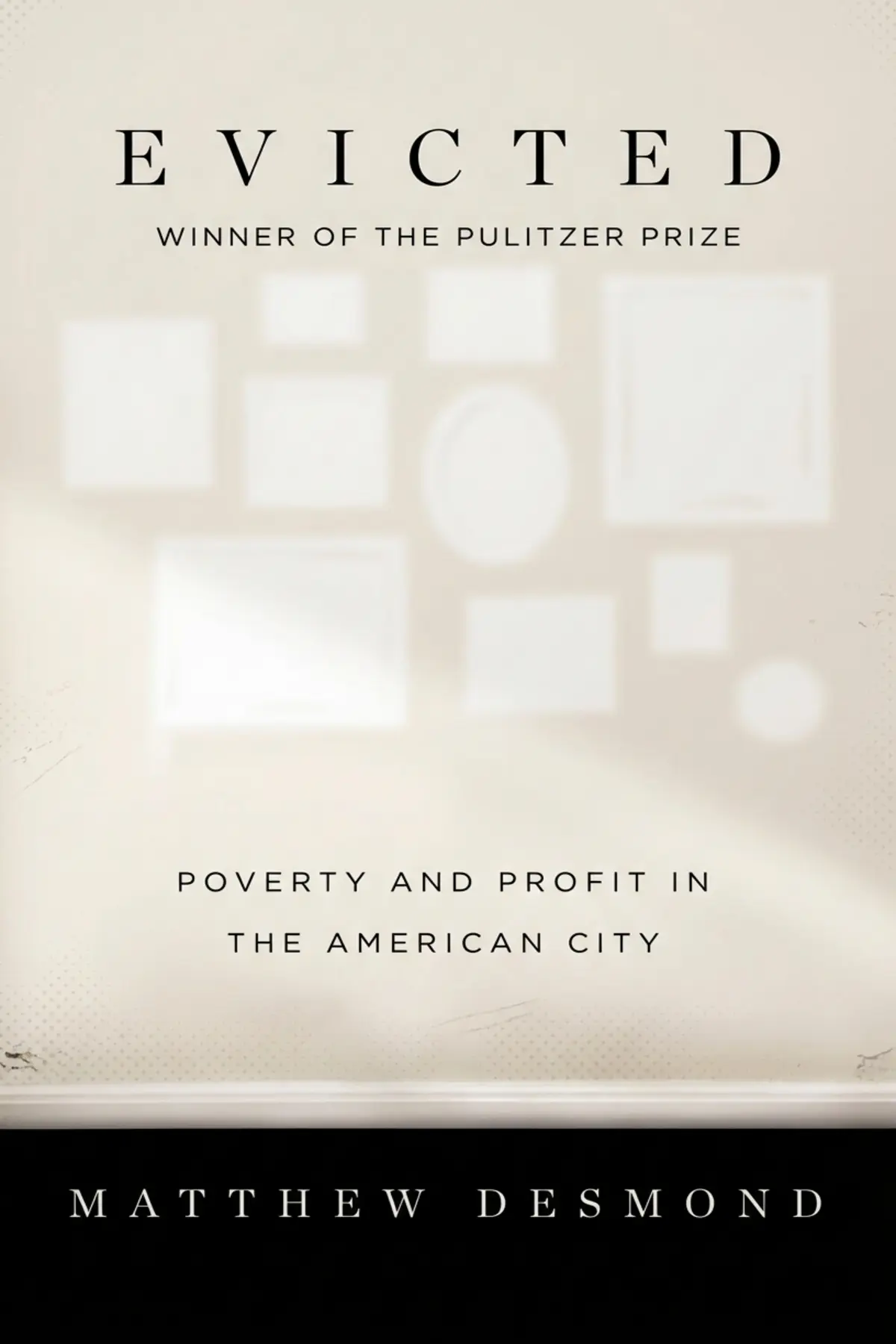
Evicted: Poverty and Profit in the American City
Matthew Desmond
Sociologist Matthew Desmond investigates the systemic causes of American poverty, revealing how the choices of the affluent and structural exploitation trap millions in a cycle of scarcity despite the nation's immense wealth.
1 min 37 sec
Imagine a nation so wealthy that its economic output dwarfs the combined economies of the next six most prosperous countries on the planet. This is the United States—a global powerhouse with a gross domestic product that defies comparison. Yet, within this landscape of immense abundance, a troubling reality persists. Approximately eleven percent of the population—roughly 38 million people—lives in a state of constant financial struggle. This includes millions of children who lack a stable home and tens of millions who go without basic health coverage.
What makes this situation even more perplexing is its persistence. Over the last fifty years, despite massive technological leaps and economic growth, the percentage of the population living in poverty has barely shifted. We are often told that poverty is a personal failing or an unavoidable byproduct of a complex economy. But what if that’s not the whole story? What if the poverty we see is actually a choice made by the systems we uphold?
In this exploration of Matthew Desmond’s work, we are going to look at poverty through a different lens. We will move past the idea that poverty is simply a lack of money and see it as a complex web of social challenges, including housing instability, educational barriers, and health crises. Most importantly, we will examine how the security of the affluent is often built upon the insecurity of the poor. Through this journey, we will see that ending poverty isn’t just about charity; it’s about restructuring how we live, work, and support one another. Let’s dive into the mechanics of this system and discover what it truly takes to move toward a future where prosperity is shared by all.
2 min 19 sec
Uncover how the shifting landscape of American work has eroded the stability of the middle class and left millions of laborers vulnerable to systemic exploitation.
2 min 23 sec
Explore the ‘poverty premium’ where the most vulnerable citizens are forced to pay more for basic necessities like housing and financial services.
2 min 19 sec
Analyze why the American welfare state often provides more financial support to the wealthy than to those living below the poverty line.
2 min 20 sec
Discover how local property laws and residential regulations act as modern barriers to opportunity, reinforcing a cycle of segregation and inequality.
2 min 09 sec
Learn how individual choices and collective action can dismantle the structures of poverty and foster a more equitable society for everyone.
1 min 29 sec
In the end, the persistence of poverty in a nation as prosperous as the United States is a choice we make every day. It is a choice reflected in the labor laws that allow for stagnant wages, the housing markets that prioritize profit over stability, and the tax codes that favor the wealthy. But as we have seen throughout this exploration of Matthew Desmond’s insights, we are not helpless. The same systems that we have built can be redesigned to foster equity and opportunity for all.
The throughline of our discussion is simple: poverty is not just a problem for the poor. It is a challenge that involves all of us because our lives are inextricably linked. When we allow exploitation to flourish or walls of exclusion to stand, we diminish the quality of our society as a whole. To be a poverty abolitionist is to recognize this connection and to commit to a different path. It is to choose integration over segregation, fairness over exploitation, and collective responsibility over individual hoarding.
As you move forward, consider the power of your own choices. Whether it’s advocating for inclusive housing in your neighborhood, supporting ethical businesses, or calling for a fairer tax system, every action contributes to the dismantling of the web of poverty. We have the resources and the knowledge to ensure that no one in this gargantuan economy is left behind. All that remains is the collective will to turn that possibility into a reality. Let’s work together to build an America where the promise of prosperity is finally kept for everyone.
Poverty, by America explores the unsettling paradox of why the wealthiest nation on earth continues to experience persistent, widespread poverty. Author Matthew Desmond argues that poverty in the United States is not an accident of the market or a failure of the poor, but a predictable result of systems designed to benefit the secure at the expense of the vulnerable. The book promises a deep dive into the mechanics of exploitation in the labor and housing markets, the hidden ways the tax code subsidizes the rich, and the invisible walls created by exclusionary zoning. Desmond moves beyond mere statistics to show how poverty is woven into the fabric of American life. Ultimately, the book offers a roadmap for becoming a 'poverty abolitionist,' urging readers to recognize their own role in these systems and to advocate for a more integrated, equitable society where everyone has the opportunity to thrive.
Matthew Desmond is a sociology professor at Princeton University. He is also the author of the award-winning and New York Times bestseller Evicted (2016).
Matthew Desmond
Listeners find this work both gripping and skillfully composed, with one individual mentioning that the narrative flows much like a novel. Furthermore, the book offers an extensive examination of poverty in the United States, described by one listener as an extraordinary overview of economic inequality. Listeners also value the educational depth, noting it serves as essential material for Sociology 101 classes due to its rigorous research and verified evidence. The prose is brief yet stimulates deep thought, offering high-quality concepts. Nevertheless, the tempo gets varied feedback, as some find the subject matter distressing to encounter.
This book is a searing gut punch that demands we look in the mirror. Desmond doesn't just describe the statistics of inequality; he builds a case for 'poverty abolitionism' that implicates the very systems we comfortable people take for granted. I found the sections on tax breaks for the wealthy particularly illuminating and frustrating. Truthfully, it’s not just a book about the poor, but a book about how the rest of us benefit from their struggle. The writing is incredibly concise and moves with the urgency of a manifesto rather than a dry academic text. While it lacks the deep narrative character studies found in Evicted, the trade-off is a much broader, more comprehensive look at American policy. Every person who thinks they understand the economy should have to grapple with his arguments on zoning and banking fees. It is a necessary, albeit uncomfortable, read for our current moment.
Show moreWhy does a country this rich have so much suffering? Desmond answers this question by pointing the finger at our tax codes and our obsession with property values. Frankly, this is some of the most thought-provoking non-fiction I’ve picked up in years. He details how we’ve essentially subsidized the lifestyles of the rich through mortgage interest deductions while let welfare programs for the needy wither away. The prose is beautiful and flows almost like a novel, making complex economic theories accessible to the average reader. I was especially interested in the concept of sectoral bargaining and how it could shift the balance of power for workers. It’s a call to action that doesn't let anyone off the hook. Even if his solutions feel idealistic at times, the moral clarity he brings to the table is refreshing and deeply needed.
Show morePicked this up because I wanted to understand the structural arguments behind American inequality, and Desmond did not disappoint. He takes a fierce accounting of the ways we tax the poor through banking fees and payday loans while shielding the wealthy with government benefits. The chapter on housing was a standout for me, specifically the discussion on how high-density affordable housing is blocked by the very people who claim to support progress. It's a dense read but manages to stay engaging throughout its relatively short page count. I loved how he integrated intersectional approaches, specifically looking at the experiences of Black Americans within the prison industrial complex. This isn't just a book you read; it's a book you have to sit with and process. It challenged my views on what it means to be a good neighbor.
Show moreWow, what a searing indictment of the American economic system. Desmond takes his clout as a Pulitzer winner and uses it to come for the necks of the status quo. I’ve read a lot on this topic, but the way he connects 'tax breaks for the rich' to 'welfare for the wealthy' really clicked for me. He argues that we have the resources to end poverty tomorrow if we simply had the political and personal will to do so. The writing is sharp and doesn't waste a single word, making it feel like an urgent manifesto. I particularly appreciated the focus on healthcare and the 'poverty of single mothers' compared to other nations. It’s a remarkable summary of economic inequality that everyone should read. This book doesn't just want you to feel bad; it wants you to become an active participant in change.
Show moreThe chapter on 'Poverty Abolitionism' really shifted my perspective on what my personal responsibilities are. Desmond writes with a moral authority that is hard to ignore, especially when he discusses the intersection of race and class. He doesn't shy away from controversial topics like zoning changes or universal contraceptive care, and he back them up with confirmed facts. I loved that the book included such a wide-ranging approach, covering everything from the prison system to the lack of unions. It’s much more relevant to the current global struggle with inequality than I initially expected. While it is a sad read in many ways, it also offers a glimmer of hope. If we created these systems, we can dismantle them. This should be required reading for anyone who cares about the future of our democracy.
Show moreFinally got around to reading this and it’s surprisingly fast-paced for a book about economics. Desmond has a way of making complex data points feel like a conversation over coffee. He argues that we don't need more 'charity,' we need a complete overhaul of how we distribute resources. The comparison between the US and countries like Germany was fascinating, even if it was a bit brief. I found myself highlighting passages on every other page because the insights were so sharp. It really highlights how expensive it is to be poor in this country. From paycheck fees to high rent for substandard housing, the system is designed to extract. It’s a brilliant, informative, and deeply humanizing look at a crisis we often choose to ignore. I couldn't put it down.
Show moreAfter the masterpiece that was Evicted, I expected more narrative-heavy storytelling, but what I got instead was a sharp, well-researched polemic. Desmond shifts his focus from the 'how' of poverty to the 'why,' specifically looking at how the affluent protect their own interests through exclusionary zoning and private subsidies. It’s a very different beast than his previous work, feeling more like a high-level Sociology 101 primer than a deep-dive investigation. I did feel some of the comparisons to European social systems were a bit oversimplified, as he doesn't fully account for different educational structures or historical contexts. However, the core message about our collective responsibility is undeniable. The book is short, punchy, and incredibly informative, even if you don’t agree with every policy prescription he offers. It’s certainly a conversation starter for any book club.
Show moreAs someone who works in social services, I found this to be an essential primer on the invisible ways poverty is enforced. Desmond’s research into banking fees and the exploitation of the poor by financial institutions is eye-opening and deeply researched. The book is concise, which makes it perfect for a classroom setting or a quick personal read. However, I did find the pacing to be a bit uneven at times. The first half feels a bit like it's retreading ground for anyone already familiar with progressive economic thought. But when he gets into the actionable solutions in the second half, the book really finds its rhythm. He makes a compelling case that we shouldn't just be 'fighting' poverty, but 'abolishing' it. It’s a bold vision that deserves a lot of serious thought and discussion among policymakers.
Show moreTruth be told, I was a bit let down by the lack of character-driven stories in this one. Evicted was so powerful because you lived with the people, but this felt more like a long-form editorial or a well-researched rant. There are some excellent ideas here, like eliminating the mortgage interest deduction to simplify the tax code, but they are buried in a lot of generalizations. Desmond seems to think that everyone shares his specific moral values, which makes some of his prescriptions feel a bit naive. He also glosses over the unintended consequences that might come from his proposed zoning changes. It's a good summary of the progressive viewpoint on inequality, but it lacks the nuance I was hoping for. It’s worth a read for the facts alone, but don't expect the emotional weight of his previous work.
Show moreLook, I fundamentally disagree with Desmond’s premise that the middle class is to blame for housing costs. He spends a lot of time attacking people who bid up home prices without asking why supply is so artificially constrained in the first place. To me, the culprit is government-subsidized debt and cheap mortgages driving up prices, not some inherent greed in the middle class. The book feels more like an opinion piece or a political pamphlet than the rigorous research I saw in his earlier work. He essentially ignores any solution that involves entrepreneurship or trade schools, focusing entirely on massive federal spending and tax hikes. It’s a very one-sided argument that cherry-picks data to stir up emotional sympathy rather than providing a balanced economic analysis. If you’re looking for a nuanced debate on poverty, this isn't it. I’ll be sticking to more data-driven texts.
Show more
Andrew Ross Sorkin
Virginia Woolf
Ha-Joon Chang
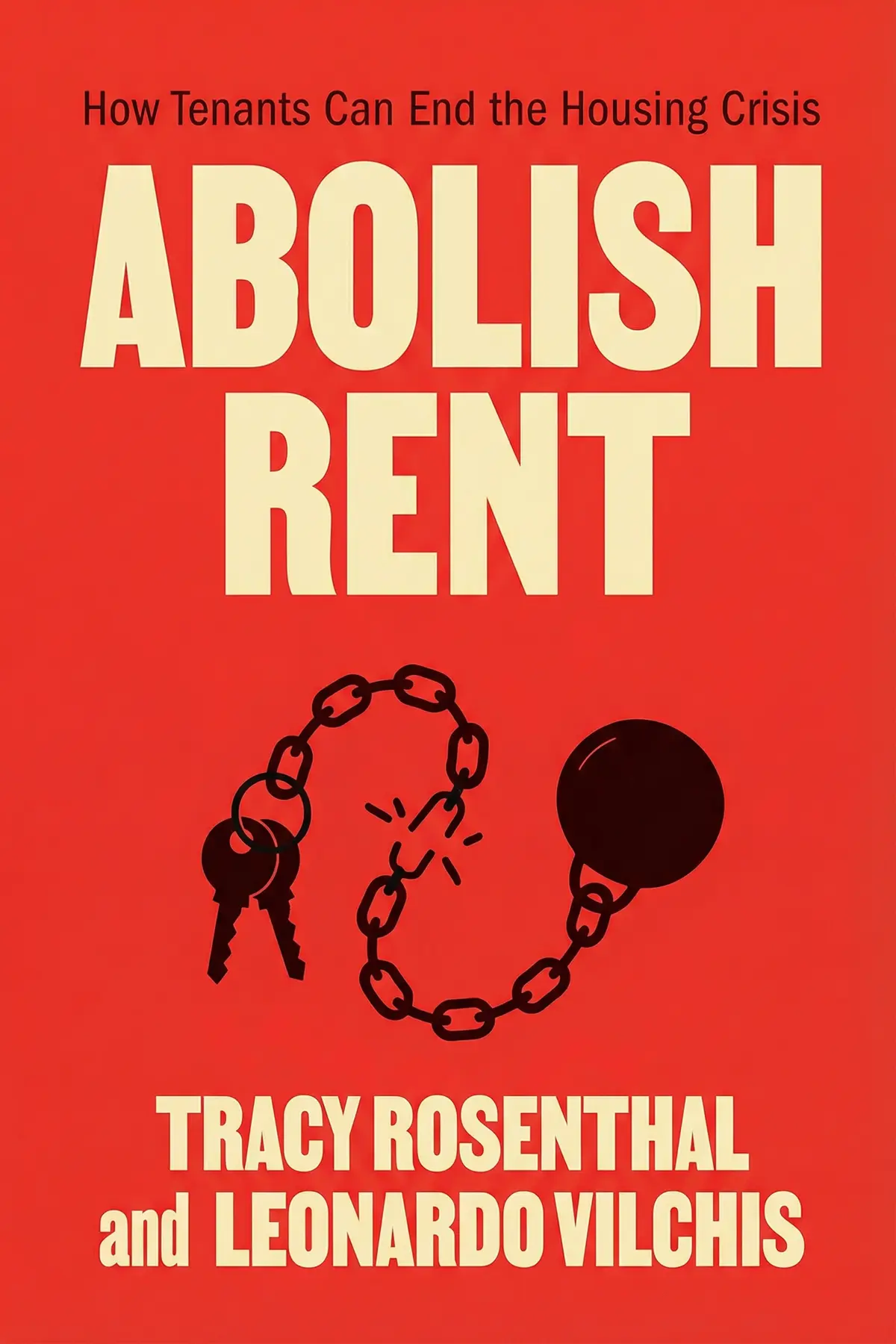
Tracy Rosenthal
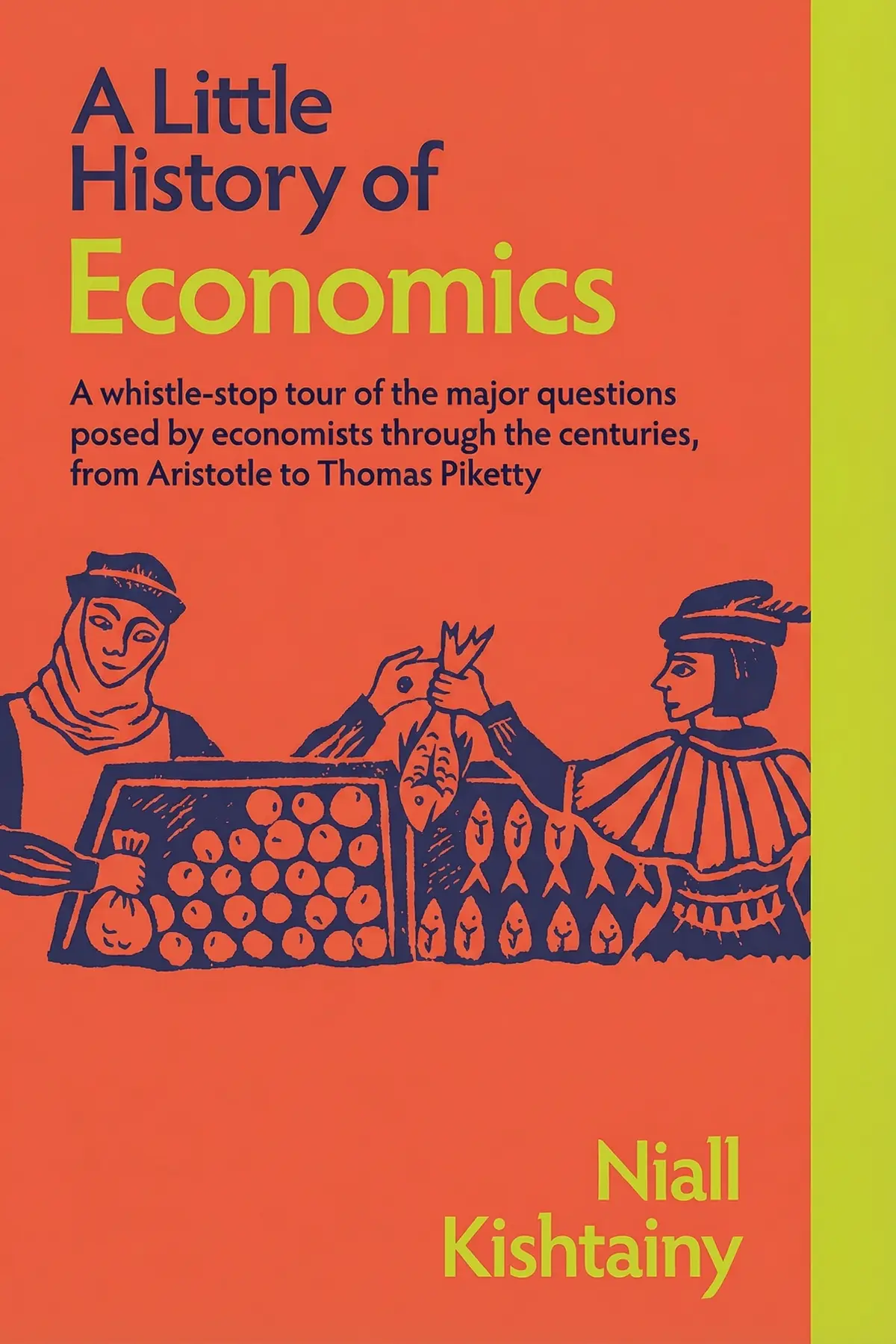
Niall Kishtainy
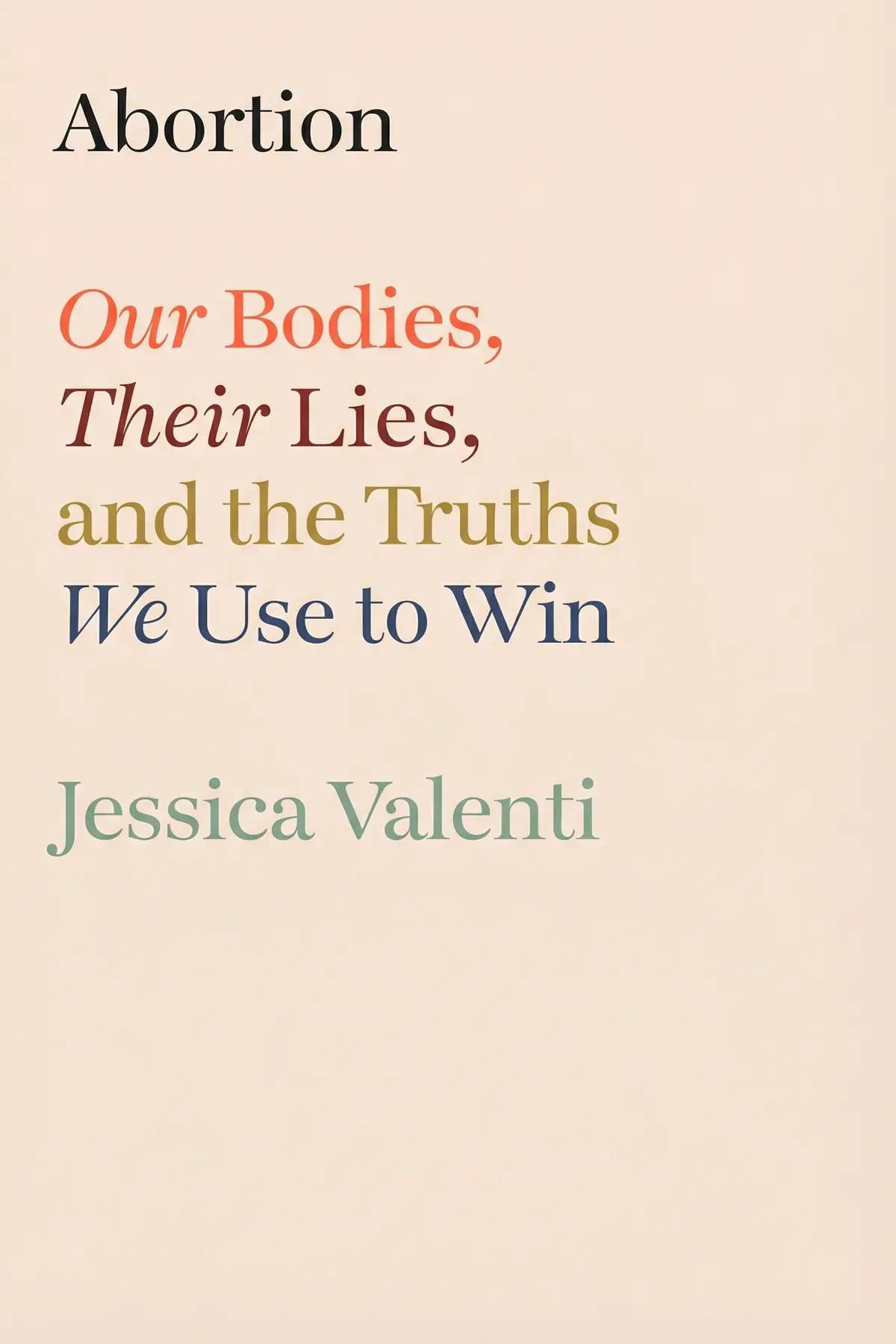
Jessica Valenti
AUDIO SUMMARY AVAILABLE
Get the key ideas from Poverty, by America by Matthew Desmond, plus 5,000+ more titles in English and Thai.







