
5 min 19 sec
A Random Walk Down Wall Street: The Time-Tested Strategy for Successful Investing
Discover why the most effective way to navigate the stock market is to stop trying to outsmart it, embracing a long-term, passive approach rather than chasing unpredictable short-term patterns.
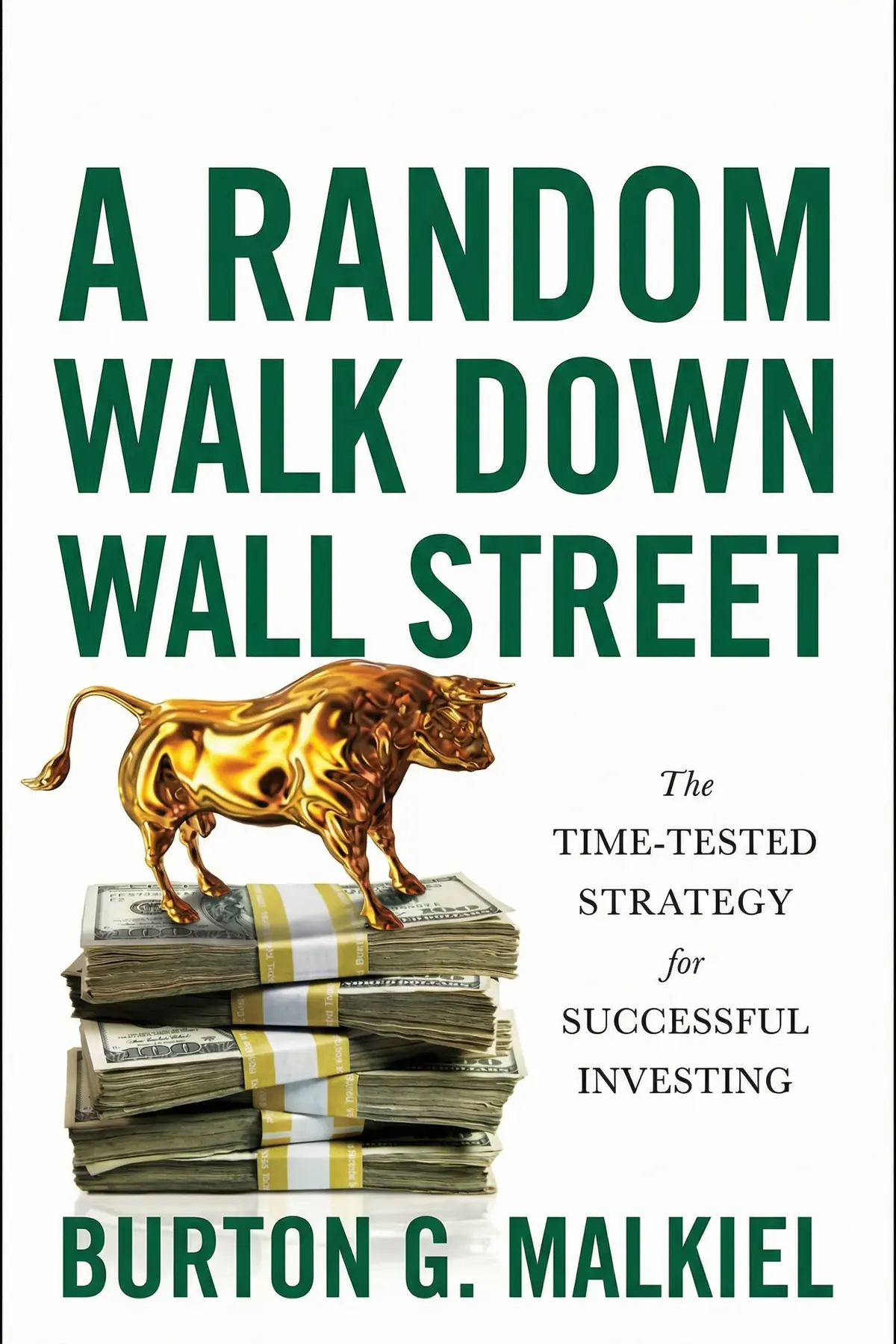
Table of Content
1. Introduction
45 sec
Have you ever wondered why, despite the endless stream of data and expert predictions, so many professional investors struggle to consistently beat the market? It feels like there should be a secret formula or a hidden rhythm to the way stocks rise and fall. But what if the secret is that there is no rhythm at all? This is the central provocation of Burton G. Malkiel’s classic work.
He introduces us to a perspective that challenges everything we think we know about financial trends: the idea that the stock market operates with the chaotic unpredictability of a series of random steps. This is the throughline we will explore today. We are going to look at why our human brains are wired to see patterns in chaos, why the most sophisticated trading systems often fail, and why the most powerful move you can make as an investor might be the simplest one of all.
2. The Illusion of Predictable Patterns
1 min 18 sec
Explore why the human brain is naturally inclined to find order in financial chaos and how this tendency can lead to costly mistakes.
3. The Limitations of Technical Analysis
1 min 11 sec
Analyze the common strategies used by market technicians and understand why they rarely provide a genuine edge over time.
4. The Strength of a Passive Strategy
1 min 12 sec
Learn why a broad, long-term approach to investing is the most reliable path to building wealth in an unpredictable market.
5. Conclusion
53 sec
As we wrap up, let’s bring it all back to that one big idea: the stock market is a random walk. We’ve seen that while Wall Street is full of experts offering complex theories and ‘can’t-miss’ trends, these are often just human attempts to find meaning in a chaotic system. Whether it’s the Filter System or the Dow Theory, these tools frequently fail to beat a simple, disciplined strategy.
The most important takeaway is that you don’t need to be a genius or a psychic to succeed as an investor. You just need to be patient. By accepting that short-term prices are unpredictable, you can stop wasting energy on market timing and start focusing on a diversified, long-term portfolio. The path to financial security isn’t found by chasing ghosts in the charts; it’s built by staying the course and trusting in the power of time and diversification. Next time you see a ‘sure thing’ advertised on the news, remember the coin toss—and keep walking your own path.
About this book
What is this book about?
This exploration breaks down the core philosophy behind Burton G. Malkiel’s influential work on personal finance and market behavior. At its heart, the book argues that stock prices move in a manner that is essentially impossible to forecast, mirroring a random walk where each step is independent of the last. It deconstructs the popular but often flawed methods investors use to time the market, from complex chart reading to trend following. By understanding that the market is far more efficient and chaotic than we care to admit, readers are introduced to a more sustainable promise: that a simple, diversified, and long-term strategy can lead to better financial outcomes than high-frequency trading. It offers a blueprint for ignoring the noise of Wall Street experts and focusing on the power of index funds and patient growth.
Book Information
About the Author
Burton G. Malkiel
Burton G. Malkiel is a renowned economist whose work has profoundly shaped modern investment philosophy. He is particularly recognized for his deep analysis and engagement with the inherent volatility of stock markets, advocating for strategies that respect the unpredictable nature of financial systems.
Ratings & Reviews
Ratings at a glance
What people think
Listeners consider this a foundational text for dedicated investors, delivering a detailed examination of financial tools and acting as a primary resource for investment theory. The material is approachable and clear, even for novices, and listeners enjoy the entertaining delivery, with one listener specifically mentioning the humor and analogies used. Additionally, they find it a worthwhile purchase and highly regard the writing style.
Top reviews
Emma
Finally got around to reading this staple of the investment world, and I’m genuinely impressed by how Malkiel takes such intimidating financial concepts and makes them digestible for the average person. It’s a must-read for anyone serious about understanding how the stock market actually functions rather than just following hype on social media. I loved the humor and the relatable analogies he used to explain the history of market bubbles, like the tulip bulb craze. Even though some of the statistical data feels a bit heavy, the core message about low-cost index funds is incredibly clear. It really changed my perspective on why trying to time the market is usually a fool's errand. For a book about finance, it’s surprisingly entertaining and worth every penny for the peace of mind it gives you.
Show moreRosa
Wow. This is one of those rare finance books that manages to be both informative and genuinely funny. I wasn’t expecting to laugh while reading about the stock market, but Malkiel’s wit and his sharp critiques of 'expert' analysts are top-tier entertainment. He breaks down complex financial instruments with such clarity that even a complete beginner can walk away feeling empowered to manage their own portfolio. The analogies he uses—like the famous 'monkey throwing darts' at a newspaper—really drive home the point that simple beats complex most of the time. It’s a thorough analysis of how to build wealth without the stress of constant trading. If you’re looking for a clear roadmap to financial independence, this is definitely the best starting point.
Show moreTim
Malkiel is a surprisingly gifted writer who manages to turn what could be a boring subject into a fascinating narrative about human nature and economics. He balances his 'random walk' theory with a healthy acknowledgement of market bubbles, showing that while markets trend toward efficiency, they aren't always rational in the short term. The book is a staple for a reason: it cuts through the noise of financial news and gives you a strategy that actually works over decades. I loved the cultured references and the way he weaves historical anecdotes into modern financial theory. It’s a comprehensive look at everything from gold to real estate, not just stocks. Truly an essential read for anyone who wants to take charge of their financial future.
Show moreEthan
This book is essentially the Bible of passive investing. It provides a thorough analysis of every major investment vehicle and explains why most of them are just ways for Wall Street to take your money in fees. I appreciated how the author updated the newer editions to include things like the dot-com bubble and the 2008 crash, proving that his theories hold up even in volatile times. The writing is polished and professional, though Malkiel’s cocksure attitude might rub some people the wrong way. Personally, I found his confidence reassuring because it’s backed up by decades of data. It’s a great introduction for beginners, but there’s enough depth here to keep even seasoned investors interested. Definitely worth the price for the long-term gains it will likely save you.
Show moreMan
As someone who spent years trying to pick individual stocks with mixed results, this was a wake-up call. Malkiel lays out a compelling case for the Efficient Market Hypothesis, arguing that most investors are better off just buying the whole market. The writing style is sophisticated yet accessible, though some sections on technical analysis felt a little long-winded for my taste. To be fair, he covers a massive amount of ground, from behavioral finance to the specifics of tax-advantaged accounts. I appreciated the emphasis on long-term discipline and the warning against high management fees that quietly eat away at your returns. It’s a dense read at times, but the practical advice on diversification makes it a valuable addition to any bookshelf. I wish I’d read it ten years ago.
Show moreFinn
Ever wonder why your mutual fund underperforms the S&P 500 every single year? This book provides the definitive answer by stripping away the mystery and marketing fluff of Wall Street. Malkiel’s central argument is that markets are largely efficient, making it nearly impossible for active managers to consistently win after accounting for fees. I found the chapter on behavioral finance particularly enlightening, as it explains the psychological traps that lead us to make poor decisions. The prose is clear, though I’ll admit the math-heavy sections required a second pass to fully grasp. It’s a serious analysis that doesn’t shy away from technical details, yet it remains approachable for the layperson. Highly recommended for anyone who wants a rational, evidence-based approach to investing.
Show moreNora
Picked this up on a recommendation from a friend, and I have to say, the writing style is surprisingly gifted for a finance professor. He doesn’t dumb things down, but he explains theory, history, and practice in a way that feels like a conversation with a mentor. The truth is, I used to be terrified of the stock market, thinking it was just a giant casino for the elites. This book showed me that with a bit of discipline and an early start, anyone can build a respectable nest egg. I especially liked the specific breakdown of how to allocate assets based on your age and risk tolerance. It’s a practical guide that focuses on what you can control, like minimizing fees and taxes, rather than chasing trends.
Show moreNitaya
Look, I’m not a math guy, and I usually find business books to be incredibly pretentious, but this one was different. My dad actually gave me this copy after I lost a chunk of money trying to trade options during a tech rally. It was an expensive lesson, and Malkiel’s book helped me understand exactly where I went wrong. He explains why the 'hot tips' you hear at work are usually garbage and why laziness—just holding an index fund—is actually a winning strategy. The book is easy to understand, even the parts about beta and risk, and it gave me a lot of confidence to stop obsessing over daily price moves. It’s a bit long, but the humor and the clear logic make it worth the time.
Show moreSarocha
Not what I expected for a 'fun' walk down Wall Street, as it felt more like a college textbook in certain chapters. The information is undoubtedly valuable, and the advice to stick with low-cost index funds is something everyone should hear, but the delivery can be incredibly dry. Malkiel is clearly an expert, but his academic background shines through in a way that makes some passages feel tedious and overly formal. I found myself skimming the parts about historical chart patterns just to get back to the actionable advice. That being said, the core lessons on diversification and the power of compounding are essential for long-term success. It’s a solid 3-star read for me—great info, but the presentation could use a bit more life to keep the reader engaged.
Show moreThitima
The author made his point with an air of academic arrogance that I found difficult to stomach throughout the entire read. While the book is frequently cited as a masterpiece, the rigid insistence on market efficiency feels increasingly outdated in a world of algorithmic trading and meme stocks. Frankly, the condescending tone toward anyone who believes they can find market anomalies is frustrating, especially when he ignores the role of human emotion in driving price fluctuations. There are moments of genuine historical interest, but they are often buried under a mountain of tedious data and repetitive arguments. If you enjoy being told that your efforts to research companies are useless because everything is 'already priced in,' then this is the book for you. I'm giving it two stars only for the historical chapters.
Show moreReaders also enjoyed

Adults in The Room: My Battle With Europe’s Deep Establishment
Yanis Varoufakis
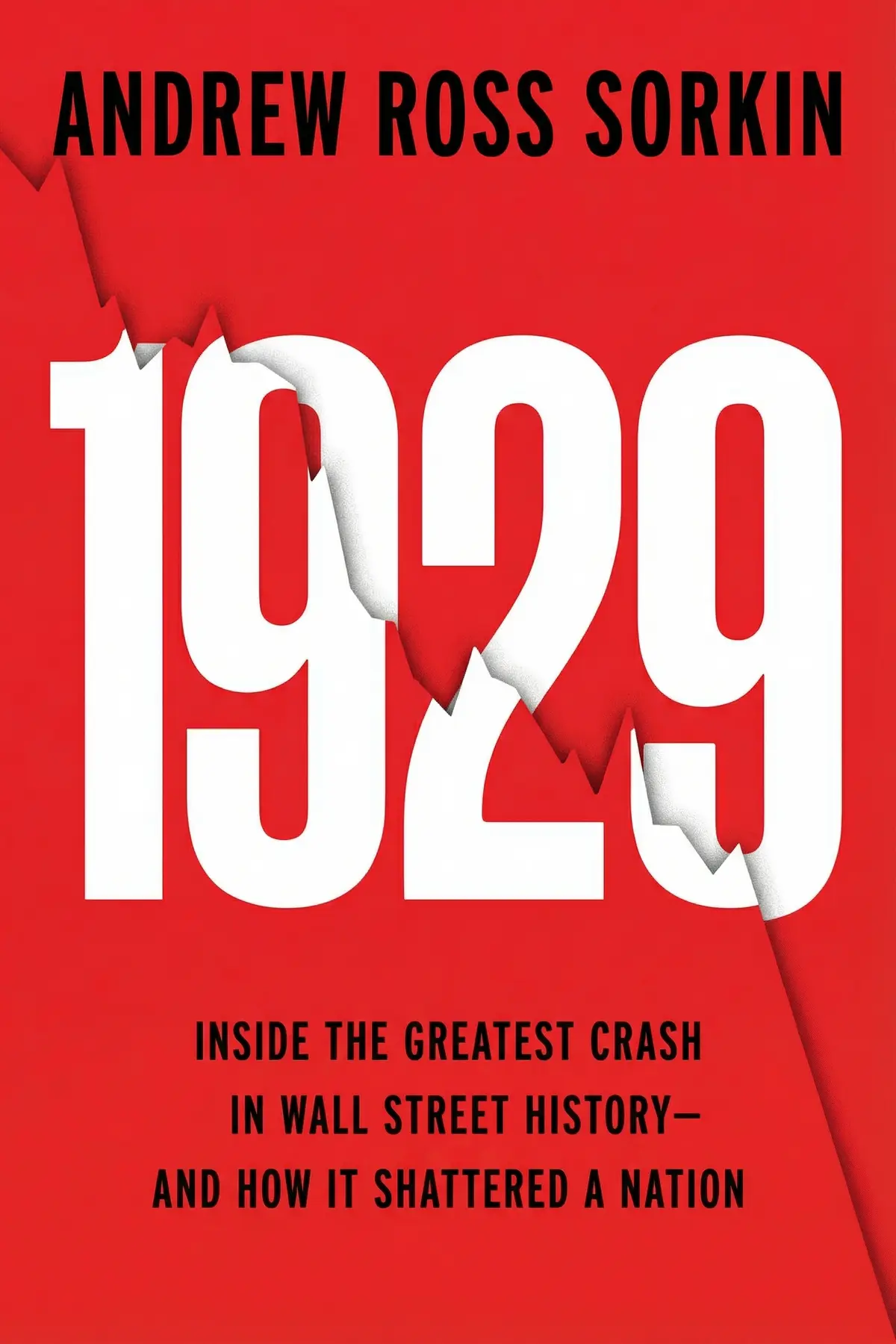
1929: Inside the Greatest Crash in Wall Street History--and How It
Andrew Ross Sorkin
AUDIO SUMMARY AVAILABLE
Listen to A Random Walk Down Wall Street in 15 minutes
Get the key ideas from A Random Walk Down Wall Street by Burton G. Malkiel, plus 5,000+ more titles in English and Thai.
- 5,000+ titles
- Listen as much as you want
- 7-day free trial
- Cancel anytime







