
20 min 34 sec
Reframing Organizations: Artistry, Choice, and Leadership
Reframing Organizations provides a powerful four-part framework for understanding the complexities of leadership. By looking through structural, human resource, political, and symbolic lenses, leaders can navigate challenges and build thriving, ethical institutions.
Table of Content
1. Introduction
1 min 47 sec
Every executive and manager enters their role with a desire to succeed, fueled by a mixture of passion and ambition. However, many quickly discover that individual talent is rarely enough to sustain a company in the long run. The reality is that organizations are intricate, messy, and often unpredictable. When faced with the pressures of a fast-moving market, leaders frequently find themselves forced to make massive decisions with very little clear information. In these moments of high stakes, it is easy to fall into the trap of looking at a problem from just one angle, which can lead to disastrous oversights.
This is where the concept of reframing becomes essential. To navigate the modern business landscape, we must learn to see our organizations not as one-dimensional puzzles, but as complex systems that require different lenses to fully understand. This summary explores how to move beyond a singular way of thinking and instead embrace a multi-framed approach to leadership. We will examine why some of the most successful companies in the world, from grocery chains to airlines, rely on structures that prioritize team autonomy and cultural identity over traditional top-down control.
As we move through these ideas, we will uncover the specific frameworks that allow a leader to act with the precision of an architect, the empathy of a counselor, the savvy of a politician, and the vision of a storyteller. We will see how world-class organizations handle everything from hiring the right personalities to maintaining an ethical soul during rapid expansion. By the end, you will have a new toolkit for analyzing your own workplace, enabling you to build a structure that doesn’t just survive, but truly flourishes. Let’s begin by exploring the cognitive hurdles that often prevent us from seeing the full picture of our professional challenges.
2. The Danger of Mental Shortcuts and Cognitive Bias
2 min 07 sec
Discover why our brains naturally simplify complex problems and how this tendency can lead leaders to make massive errors when they ignore information that doesn’t fit their narrative.
3. Empowering Success Through Self-Managing Teams
1 min 59 sec
Learn how shifting from a traditional hierarchy to a model of collective decision-making can make an organization more responsive and innovative.
4. The Art of Hiring for Cultural and Interpersonal Fit
2 min 06 sec
Finding the best talent isn’t just about looking at a resume; it’s about identifying the specific soft skills and personality traits that align with a company’s unique mission.
5. Building Loyalty Through Security and Shared Prosperity
2 min 13 sec
Explore why guaranteeing job security and offering employees a stake in the company’s financial success can lead to incredible resilience during economic downturns.
6. Harnessing the Power of Myth, Vision, and Heroism
2 min 02 sec
Branding is more than just marketing; it’s about the stories and heroes that give a company its identity and motivate its people to reach for a common dream.
7. The High Stakes of Leadership Transitions
1 min 55 sec
Stepping into a new managerial role is a political minefield. Learn how to navigate the egos, existing loyalties, and resentments that can derail a new leader from day one.
8. Balancing Efficiency with the Spark of Creativity
2 min 07 sec
Focusing too heavily on productivity and cost-cutting can inadvertently kill the very innovation that made a company successful in the first place.
9. The Long-Term Value of Ethical Integrity
2 min 13 sec
In a world focused on quarterly earnings, companies that refuse to compromise their ethics build a level of trust and resilience that translates into massive financial value.
10. Conclusion
2 min 05 sec
As we have seen throughout this journey, an organization is far more than just a collection of desks, computers, and spreadsheets. It is a living, breathing entity defined by its structures, its people, its politics, and its symbols. The most effective leaders are those who realize they cannot rely on a single way of seeing the world. By learning to toggle between the structural, human resource, political, and symbolic frames, you gain a sense of ‘artistry’ in your leadership. You stop reacting to problems with a hammer and start diagnosing them with the precision of a master craftsman.
The throughline of all these insights is the importance of balance. You must have clear roles and goals, but you must also leave room for human creativity. You must pursue profit and efficiency, but never at the expense of your ethical soul or the loyalty of your team. You must navigate the political realities of your office, but you must also provide a vision that gives meaning to every employee’s daily labor. When these frames work in harmony, the result is an organization that is resilient, innovative, and deeply trusted by everyone it touches.
As you move forward into your own leadership challenges, remember the simple advice to look at the structure before you blame the people. Most professional conflicts aren’t caused by ‘bad’ employees; they are caused by unclear roles, misaligned goals, or a lack of shared vision. Before you jump to conclusions or reach for a quick fix, take a moment to reframe the situation. Ask yourself: Is this a problem of structure? Is it a human resource mismatch? Is it a political power struggle? Or is it a loss of symbolic meaning? By asking these questions, you will find yourself making better choices, building stronger teams, and leading with a level of clarity and artistry that sets you apart. Your organization is a complex world—it’s time to start seeing it in all its dimensions.
About this book
What is this book about?
Organizations are not simple machines; they are complex ecosystems that often defy easy logic. Reframing Organizations introduces the idea that leadership failure usually stems from a narrow perspective. To truly succeed, a leader must be able to view their company through four distinct lenses or 'frames.' The authors guide listeners through the Structural frame, which focuses on goals and roles; the Human Resource frame, which emphasizes the fit between people and the organization; the Political frame, dealing with power and competition; and the Symbolic frame, which uncovers the importance of meaning and culture. By mastering these diverse viewpoints, managers can move beyond rigid thinking to solve problems with artistry and flexibility, ultimately creating a workplace that is both productive and purposeful.
Book Information
About the Author
Lee G. Bolman
Lee G. Bolman is a professor at the Bloch School of Business in Missouri, specializing in leadership and organizational dynamics. He is a renowned speaker and consultant for diverse global organizations. Terrence E. Deal is a retired professor from the University of Southern California who has taught at several top-tier universities, focusing on how organizations manage symbolism and navigate periods of disruption.
Ratings & Reviews
Ratings at a glance
What people think
Listeners value the thorough "four-frame" approach for examining leadership within organizations, even if some find the heavy content and business-centric illustrations a bit dry at times. Additionally, they consider the material very approachable, commending the way it merges various studies into a functional system useful in areas like education and ministry. They also highlight the work’s importance as an essential resource throughout a career, with one listener highlighting the "Reframing Kotter's Change Stages" diagram as an especially helpful instrument for practical use.
Top reviews
Kwan
As someone working in Christian ministry, I was initially skeptical about how much a secular organizational theory book could actually offer my congregation. I was wrong. Bolman and Deal have created a 'whopper' of a tome that provides a truly comprehensive way to look at leadership through different lenses. By viewing the church not just as a 'family' (the human resource frame) but also as a 'temple' (the symbolic frame), I gained so much clarity on our recent internal conflicts. Look, the book is nearly 500 pages, but the way it synthesizes complex research into actionable insights is masterful. It’s essentially ten business books rolled into one. I especially appreciated the deep dive into how rituals and stories shape culture. This is the kind of text you don't just read once; you keep it on your desk to consult whenever you hit a structural wall or a political jungle.
Show morePreeda
Wow, talk about a total perspective shift in how I view my workplace. After reading this, I feel like I'm finally seeing organizational theory in everything from my morning meetings to the way our board of directors handles budgeting. It is a great book that looks at the need to change your perception of things by literally 'reframing' the problems you face. The authors argue that most leaders get stuck in one frame—usually the structural one—and fail because they ignore the human or symbolic needs of their people. By viewing our office as both a family and a political arena, I’ve been able to navigate some really tricky interpersonal dynamics lately. The writing style is surprisingly narrative and engaging for such a thick volume. It’s a must-read for anyone who feels stuck in their current management role and needs fresh imagination.
Show moreNannapat
The real value here is how the authors summarize the best business literature into one cohesive mental map. It is a great book that teaches you how to break your old mental frames and construct new ones that actually fit your current reality. In my experience, most managers fail because they rely too heavily on logic and rules while ignoring the 'jungle' of office politics. Bolman and Deal provide the tools to navigate that jungle without losing your soul in the process. I loved the narrative style and the way they use drama and theatre as metaphors for organizational life. It makes the complex theories of hierarchy and division of labor much easier to digest and apply. If you're looking to develop a more sophisticated interpretation of your work environment, this tome is absolutely worth the investment. It’s rare to find a textbook that is both this deep and this useful.
Show moreRin
Usually, textbooks are a total chore to get through, but this one was surprisingly accessible and even entertaining at times. The contemporary reflections on Wells Fargo and even the 2016 election make the theory feel alive and relevant to what’s happening in the world right now. I love how it doesn't just stick to one school of thought but instead forces you to break your existing mental maps to see the bigger picture. Personally, the political lens was the biggest eye-opener for me, as I tend to avoid conflict, but this book helped me see it as a natural part of any 'jungle' environment. My only gripe is that I wish there were more diverse examples from the world of education or libraries. Still, I’m planning on buying my own copy once I finish this library loan because it’s a career-long reference tool.
Show moreSuvannee
Finally got around to the 7th edition of this classic after hearing it mentioned at a Principal Training Center course last summer. The way Bolman and Deal flush out the four frames provides such a rich context that a simple summary just can't capture. I found the section on the symbolic frame particularly moving, as it highlights how important ceremonies are for building a cohesive team spirit. To be honest, I did find some of the older business case studies a bit tedious and hard to apply to a school setting. I would love to see a version of this that focuses entirely on educational leadership! That being said, the chart on page 382 regarding Kotter's change stages is worth the price of the book alone. It really helped me isolate key concepts for my upcoming staff development meetings.
Show moreBun
Ever wonder why your office feels like a circus even when you have perfect systems in place? Bolman and Deal explain exactly why that happens by showing how rationality often loses out to subjective perceptions and power plays. The truth is, most of us are blind to three out of the four frames they describe here. I found the 'structural' vs 'human resource' tension to be the most relatable part of the text for my current role. It’s an indispensable resource for understanding why change initiatives fail so often in large bureaucracies. The authors do a great job of showing that no single frame is better than the others; you need all four to be a complete leader. It’s a bit long-winded, but the insights are genuinely transformative for your career. I wish I’d read this ten years ago.
Show morePierre
After hearing so much hype about the 'four-frame' model, I’m glad I finally took the time to dive into the full text. The book is an excellent synthesis of organizational behavior research, distilling decades of study into a framework that actually makes sense. I found the discussion on the symbolic frame to be the most unique part, as most leadership books completely ignore the 'temple' aspect of work. My only real complaint is that it can feel a bit repetitive, as they hammer the same points home through different metaphors. However, the contemporary examples keep it from feeling like a dusty relic of the 90s. It’s a solid 4-star read that will definitely change the way you handle your next department meeting. It’s helped me realize that what I thought was a 'people' problem was actually a structural misalignment.
Show moreFord
Picked this up because it was a required text for my leadership seminar, and frankly, it is a bit of a mixed bag. On one hand, the four-frame model—structural, human resource, political, and symbolic—is absolutely brilliant for breaking down why certain departments are failing while others thrive. However, the sheer density of the writing can make it a real slog to get through after a long day at the office. Many of the corporate examples felt a bit dated or overly focused on Fortune 500 companies, which didn’t always translate well to my work in the non-profit sector. I found myself skimming the more theoretical sections just to get to the practical takeaways. To be fair, the 'Reframing Kotter’s Change Stages' chart was a total lifesaver for my final project. It’s a solid resource to have on the shelf, but don't expect a light weekend read.
Show moreSkylar
Truth be told, I have very mixed feelings about this one. The core idea of the four frames is a five-star concept that every manager should know, but the execution in this book is just so heavy. It feels like the authors are trying to prove they’ve read every management book ever written by quoting everyone under the sun. At points, it becomes more of a literature review than a practical guide. While the stories are excellent and help break up the monotony, the sheer volume of information can be overwhelming if you're trying to apply it in real-time. I appreciated the human resource frame the most, but I struggled with the political sections which felt a bit cynical at times. It’s a valuable book, certainly, but you really have to be in the right headspace to tackle it without getting lost in the weeds.
Show moreKenji
This was a forced march through 500 pages of academic dense-ness that could have been summarized in a long PDF. Not gonna lie, this is a total grad school pull that I would never have touched if it wasn't on the syllabus. The authors spend an eternity explaining the difference between a 'frame' and a 'lens' which felt like splitting hairs for no reason. While the concept of looking at an organization as a 'theatre' or a 'machine' is interesting, the narrative style felt dry and repetitive. It’s a lot of theory with very little bridge to the daily grind of someone who isn't a CEO. If you aren't forced to read this for a degree, you’re better off finding a summary online and saving yourself twenty hours of boredom. It’s just too much filler for such a simple core concept.
Show moreReaders also enjoyed
A Year with Peter Drucker: 52 Weeks of Coaching for Leadership Effectiveness
Joseph A. Maciariello

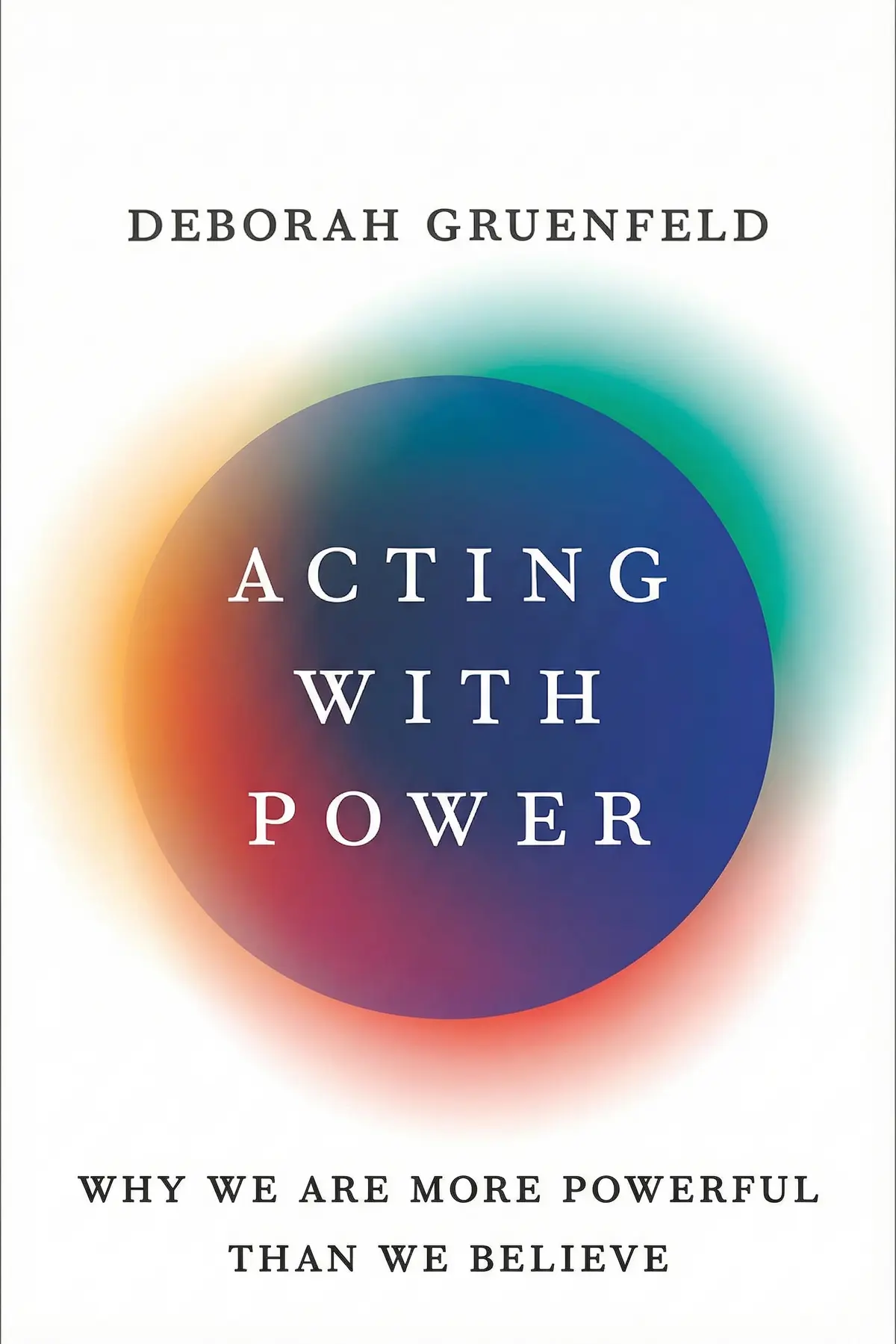
Acting with Power: Why We Are More Powerful Than We Believe
Deborah Gruenfeld
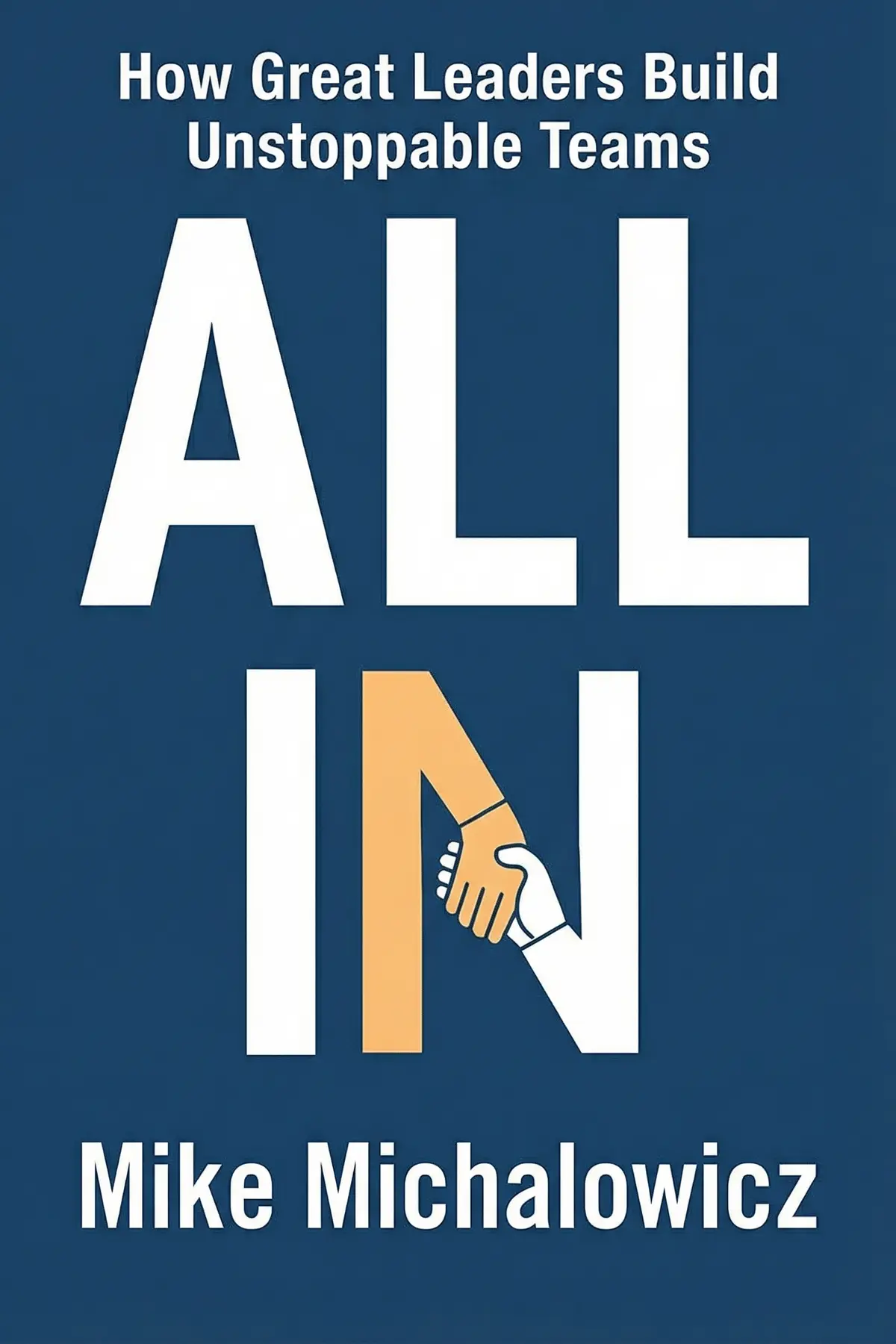
All In: How Great Leaders Build Unstoppable Teams
Mike Michalowicz
7 Powers: The Foundations of Business Strategy
Hamilton Helmer
AUDIO SUMMARY AVAILABLE
Listen to Reframing Organizations in 15 minutes
Get the key ideas from Reframing Organizations by Lee G. Bolman, plus 5,000+ more titles in English and Thai.
- 5,000+ titles
- Listen as much as you want
- 7-day free trial
- Cancel anytime







