
14 min 18 sec
Remote, Not Distant: Design a Company Culture That Will Help You Thrive in a Hybrid Workplace
Remote, Not Distant provides a comprehensive framework for leaders to build strong, resilient workplace cultures in hybrid environments by focusing on psychological safety, intentional design, and results-oriented management.
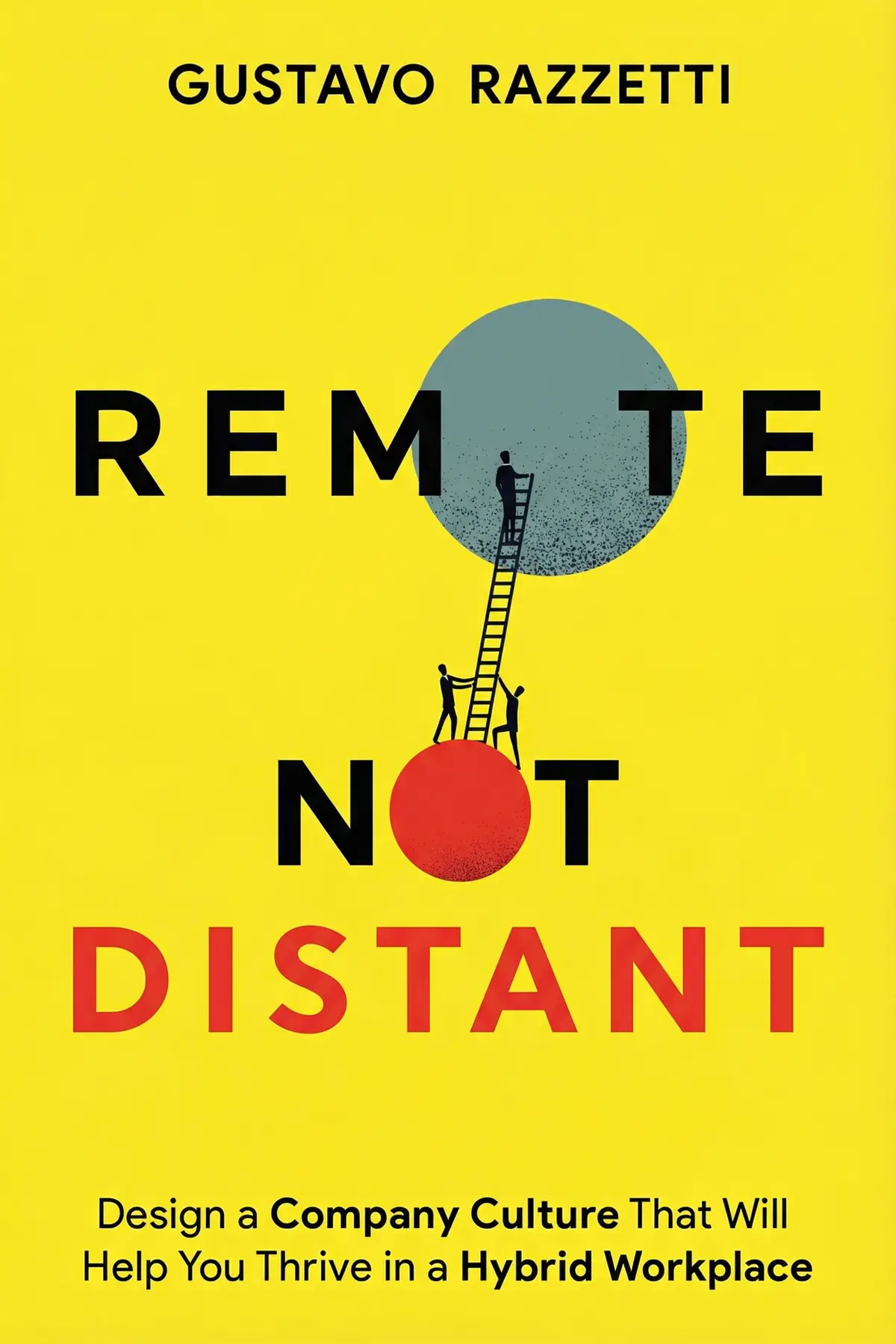
Table of Content
1. Introduction
1 min 41 sec
The world of work has undergone a seismic shift, one that has permanently altered our understanding of what a ‘workplace’ truly is. For decades, we operated under the assumption that culture was something tied to a physical building—a byproduct of shared coffee breaks, office layouts, and the incidental conversations that happen in a hallway. But the recent global transition to remote and hybrid models has shattered that illusion. It has revealed that physical presence is not the foundation of a strong team; intentionality is.
In this exploration of Remote, Not Distant, we are going to look at how the modern professional landscape offers an unprecedented opportunity to hit the reset button. The goal isn’t just to survive the move away from the traditional office, but to thrive within it. This isn’t about simply installing video conferencing software or setting up a Slack channel. It’s about a fundamental reimagining of how people connect, how they are measured, and how they find meaning in their daily tasks.
What we are building toward is a vision of work where distance is a logistical detail, not an emotional or professional barrier. Through this summary, we will walk through the mindset shifts necessary to lead in this new era, the structural changes that support high-performing remote teams, and the cultural glue that keeps everyone moving in the same direction. Whether you are leading a massive corporation or a small startup, the throughline remains the same: a great culture is built on purpose, trust, and results, none of which require a badge reader at a front desk. Let’s dive into how we can make work better for everyone, no matter where they happen to be sitting.
2. Redefining the Professional Mindset for a Hybrid World
2 min 30 sec
Moving beyond the traditional office requires more than just new tools; it demands five critical shifts in how we perceive productivity and collaboration.
3. The Power of Purpose as a Cultural Anchor
2 min 06 sec
Discover why a shared sense of mission is the only thing that can truly prevent teams from drifting apart when they no longer share a physical space.
4. Establishing Psychological Safety in Virtual Environments
2 min 13 sec
High-performing teams rely on a foundation of safety, but creating that trust requires specific, intentional rituals in a digital workspace.
5. Optimizing Collaboration Through Asynchronous Work
2 min 03 sec
More meetings do not equal more collaboration. Learn how to reclaim your time and boost creativity by changing how your team communicates.
6. Designing a Robust Hybrid Operating System
2 min 08 sec
Flexibility requires a framework. Establishing clear rules for your hybrid model is the final step in ensuring long-term organizational success.
7. Conclusion
1 min 37 sec
In the end, the journey into remote and hybrid work is not a temporary detour, but a fundamental evolution of the professional world. We have seen that the strength of a company is not found in its real estate, but in the intentionality of its culture. By shifting our focus from tracking hours to measuring impact, we unlock a new level of productivity and trust. We have learned that purpose is the gravity that keeps a distributed team from floating away, and that psychological safety is the essential fuel for innovation.
The roadmap we have explored emphasizes that collaboration is more about the quality of communication than the frequency of meetings. By mastering asynchronous workflows and setting clear, fair ground rules for hybrid models, leaders can create an environment where everyone feels valued and empowered. The ‘remote’ aspect of work is simply a logistical reality; it doesn’t have to mean ‘distant’ in terms of connection or commitment.
As you move forward, remember that workplace culture is a living thing. It requires constant care, observation, and a willingness to adapt. If you commit to being an intentional architect of your team’s experience, you won’t just keep up with the changing times—you will lead the way. Take these principles and start small: facilitate a check-in, prune a redundant meeting, or clarify a team goal. Every step you take toward a more intentional culture brings your team closer together, no matter how many miles may lie between them.
About this book
What is this book about?
As the traditional office paradigm fades, many organizations struggle to maintain a sense of unity and drive. Remote, Not Distant addresses this challenge head-on, offering a roadmap for navigating the complexities of the modern workplace. It promises to show leaders how to foster a culture that thrives regardless of physical location. The book moves beyond superficial perks, focusing instead on the deep structural shifts required to empower teams. It explores the necessity of psychological safety, the power of asynchronous communication, and the importance of aligning team behavior with a core purpose. By the end, readers will understand how to design a flexible work model that boosts productivity while keeping human connection at the center.
Book Information
About the Author
Gustavo Razzetti
Gustavo Razzetti is a renowned workplace culture expert dedicated to empowering individuals and organizations to overcome limitations and reach their full potential. With four published books, including Stretch for Change, and featured insights in prestigious publications, Razzetti's forward-thinking ideas are guiding leaders and teams to achieve their best work.
Ratings & Reviews
Ratings at a glance
What people think
Listeners find this guide packed with actionable steps and practical guidance, making it essential reading for team managers. They appreciate the focus on virtual work and distributed groups, with one listener highlighting how it helps establish culture in those environments. The material earns praise for its tools, with one listener noting its usefulness for companies. They also value the strategies for collaborating during and post-COVID.
Top reviews
Benjamin
As someone who transitioned to a fully remote lead role last year, I found this roadmap incredibly grounding. The 'stinky fish' exercise is genius—we used it in our last retreat to clear the air about our communication bottlenecks, and it worked wonders. Razzetti emphasizes that being remote doesn’t have to mean being distant, which is a distinction many leaders miss. The focus on psychological safety and treating feedback as a gift resonated deeply with my team's current needs. It’s a must-read if you want to move beyond just surviving Zoom calls and actually start building a meaningful culture that empowers people. The advice is packed with steps that are easy to follow and implement immediately.
Show moreSelin
The chapter on psychological safety alone makes this a worthwhile investment for any manager. Razzetti understands that remote work isn't just a logistical challenge—it's a human one. I loved the practical tips for starting meetings with check-ins and the emphasis on treating mistakes as learning opportunities rather than failures. The QR codes leading to printable diagrams are a life-saver for visual learners like me. In a world where many bosses are demanding a return to the office, this book provides the evidence-based arguments we need to prove that hybrid models can actually be superior. It is highly recommended for anyone leading a distributed team. The focus on inclusivity in the evolving world of work is exactly what we need right now.
Show moreSook
Wow, a business book that actually provides actionable exercises instead of just vague philosophy. I’ve read dozens of these types of books, and most are all fluff. Not this one. The strategies for silent brainstorming and keeping meetings small are things I could implement the very next day. It highlights how physical presence is no longer a prerequisite for a robust culture, which is a message more CEOs need to hear right now. The documentation of interactions ensures that no one is left out of the loop, regardless of their location. It truly changed how I view my role as a facilitator. In my experience, this is the most practical guide on the market for distributed teams.
Show moreDylan
Finally got around to reading Razzetti’s take on the hybrid era. It’s a solid, practical guide for managers struggling to keep their teams connected across different time zones. I particularly appreciated the focus on intentional culture design; it’s not just about where we work, but how we decide to work together. The QR codes were a nice touch, allowing me to download diagrams for our next planning session. While some sections felt like a retread of basic management theory, the specific frameworks for asynchronous collaboration provided fresh air. To be fair, the shift from tracking hours to measuring actual results is a hurdle my company still faces, and this book gives me the language to advocate for that change. It is a very useful tool for anyone in a leadership position.
Show moreBoy
Ever wonder why your team feels disjointed despite being 'connected' all day on Slack? This book dives into the 'why' behind that friction. Gustavo Razzetti makes a compelling case for asynchronous collaboration, arguing that we don't all need to be online at the same time to be productive. I’ve started implementing the 'impact over input' mindset with my direct reports, and the shift in morale is already visible. There’s a lot of talk about intentionality, which can feel a bit buzzword-heavy at times, but the actual exercises provided make it feel more tangible. It's a useful toolkit for the post-pandemic reality. Frankly, every team leader should at least skim the chapters on team empowerment.
Show moreTanawan
Picked this up on a recommendation from my HR director during our hybrid transition. It’s a very practical manual. The book does a great job of defining different hybrid models and setting protocols for decision-making that don't rely on everyone being in the same room. I’ll admit the 'Impact Over Input' section was a bit of a reality check for my old-school management style. The writing is clear and the chapters are short enough to digest during a commute or a lunch break. It’s not a revolutionary manifesto, but it is a very solid 'how-to' guide for the modern workplace. It definitely helps bridge the gap between physical location and team value.
Show moreCameron
Not what I expected, but it has its moments of clarity. My main gripe is that the tone feels a bit too corporate for a small startup environment like mine. The advice seems geared toward companies with hundreds or thousands of employees and established HR departments. That being said, I did appreciate the clear structure and the fact that it didn’t drag on unnecessarily. The section on blurring work-life boundaries was an interesting take, though I’m still not entirely sold on the idea of normalizing personal interruptions during the workday. It’s a decent overview of collaboration methods, just not particularly groundbreaking for my specific situation.
Show moreEllie
To be fair, Razzetti writes well, but much of this territory feels familiar if you've already devoured Harvard Business Review articles or other culture-focused management books. It reads like a very well-organized summary of existing best practices rather than a collection of original insights. I liked the focus on intentional culture design, but I was hoping for more case studies from smaller, non-corporate businesses. If you’re new to the concept of organizational culture, this is a fantastic starting point. If you’re a seasoned pro, you might find yourself skimming through most of the chapters to find the few 'hidden gems' of advice. It’s helpful, but definitely not groundbreaking.
Show moreWatcharee
Look, the transition to hybrid work is messy, and this book tries its best to map out the chaos. Personally, I found the 'stinky fish' exercise a bit hokey, but my team actually enjoyed the vulnerability it encouraged. The book is well-structured, but the physical presentation—huge margins and large font—makes it feel a bit padded to justify the price point. The core message of team empowerment and trust is vital, though not exactly a new concept in management circles. It’s a helpful resource if you need a structured approach to culture, but don't expect it to reinvent the wheel. It's a nice summary for those who haven't kept up with the buzz on remote work.
Show moreRodrigo
This book feels like it could have been a series of blog posts or a long LinkedIn article. I was frustrated by the layout; the font is massive and the margins are so wide it feels like the author was trying to hit a page count. Most of the 'new' models presented are just renamed versions of things we’ve been doing since 2020. If you are a complete beginner to remote work, you might find some value here. However, for those of us who have been in the trenches for years, it’s a bit too generic. It lacks the deep, academic rigor I was hoping for. It’s well-structured enough, but the substance just isn't there for a seasoned professional.
Show moreReaders also enjoyed
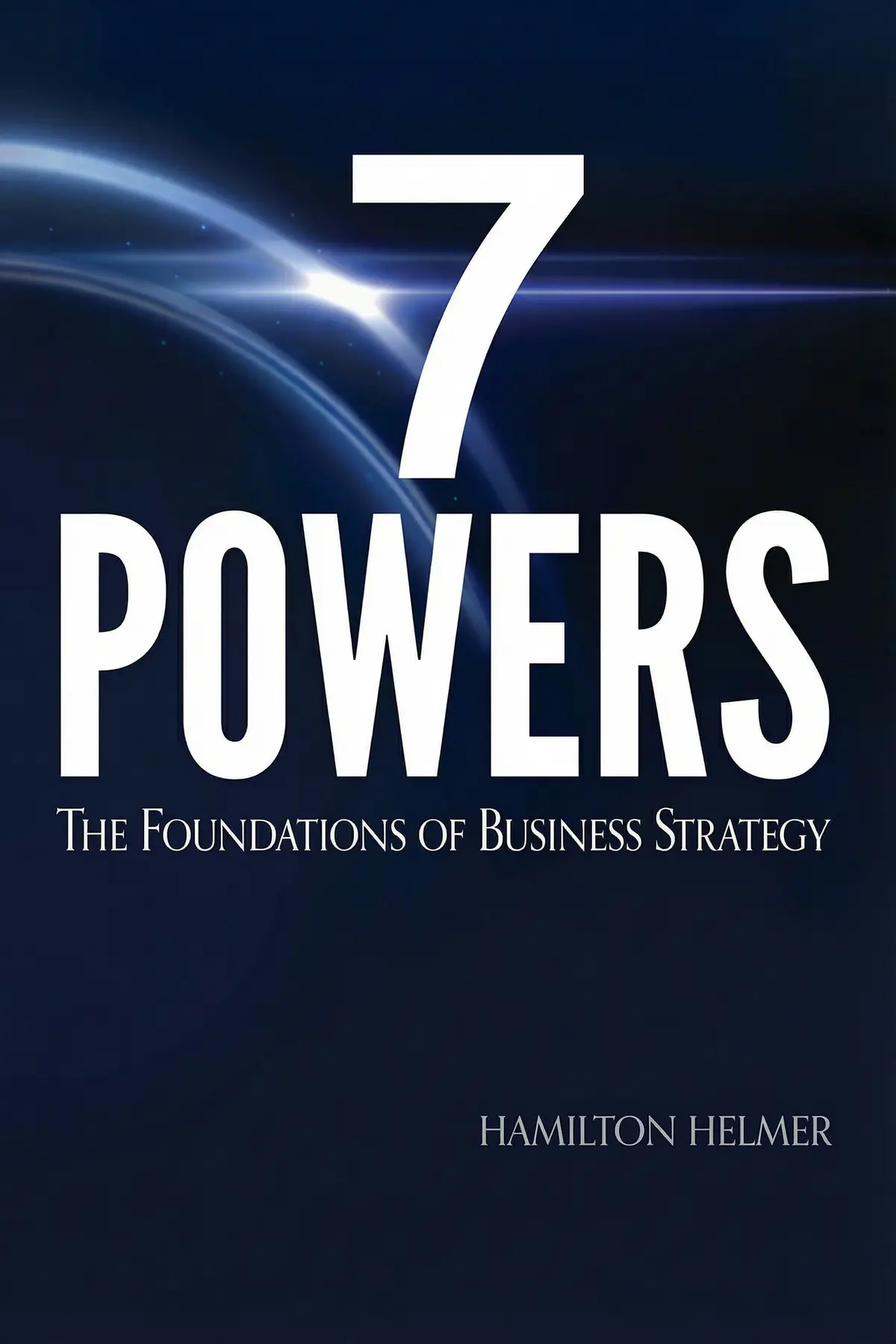
7 Powers: The Foundations of Business Strategy
Hamilton Helmer
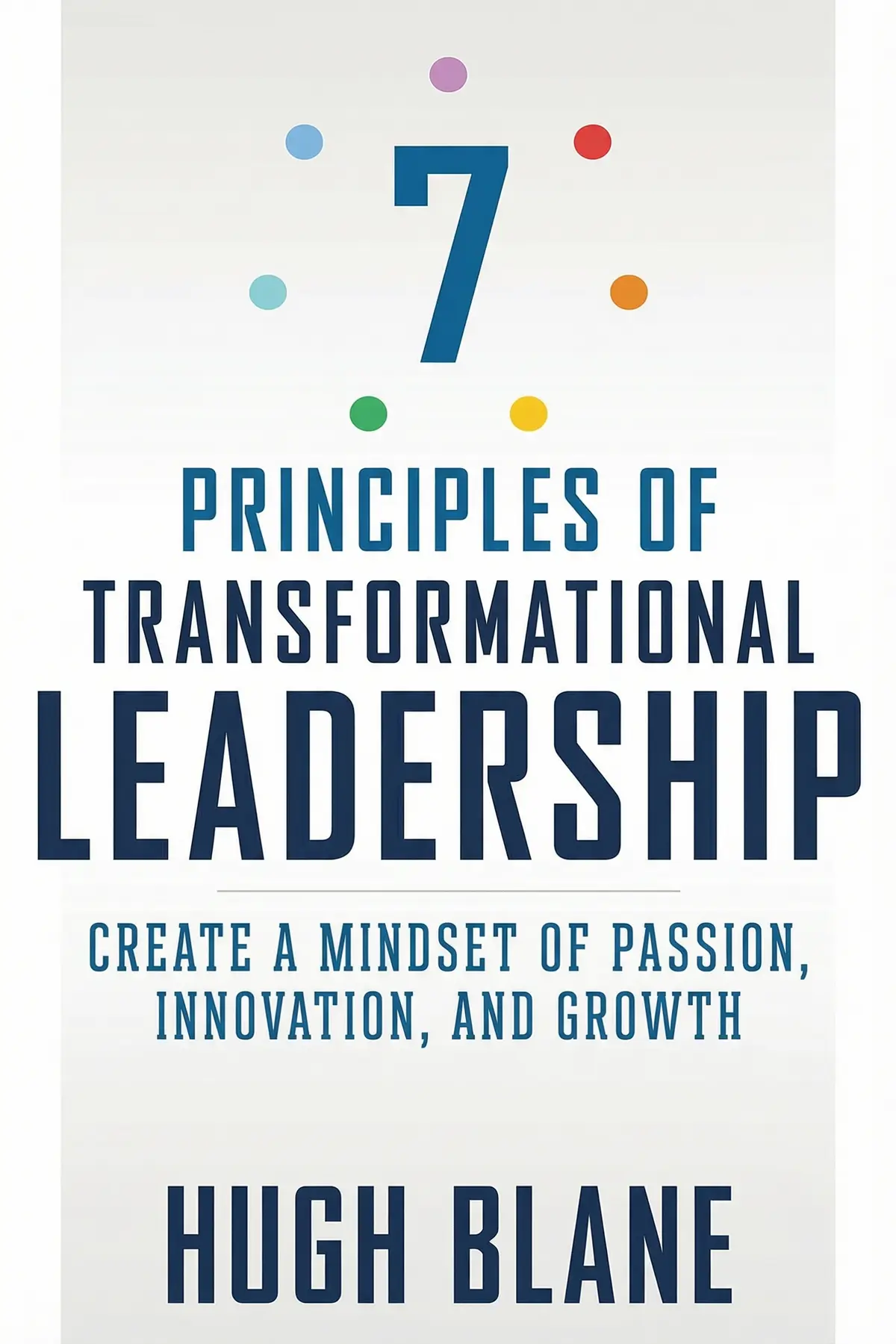

A Bigger Prize: How We Can Do Better Than the Competition
Margaret Heffernan
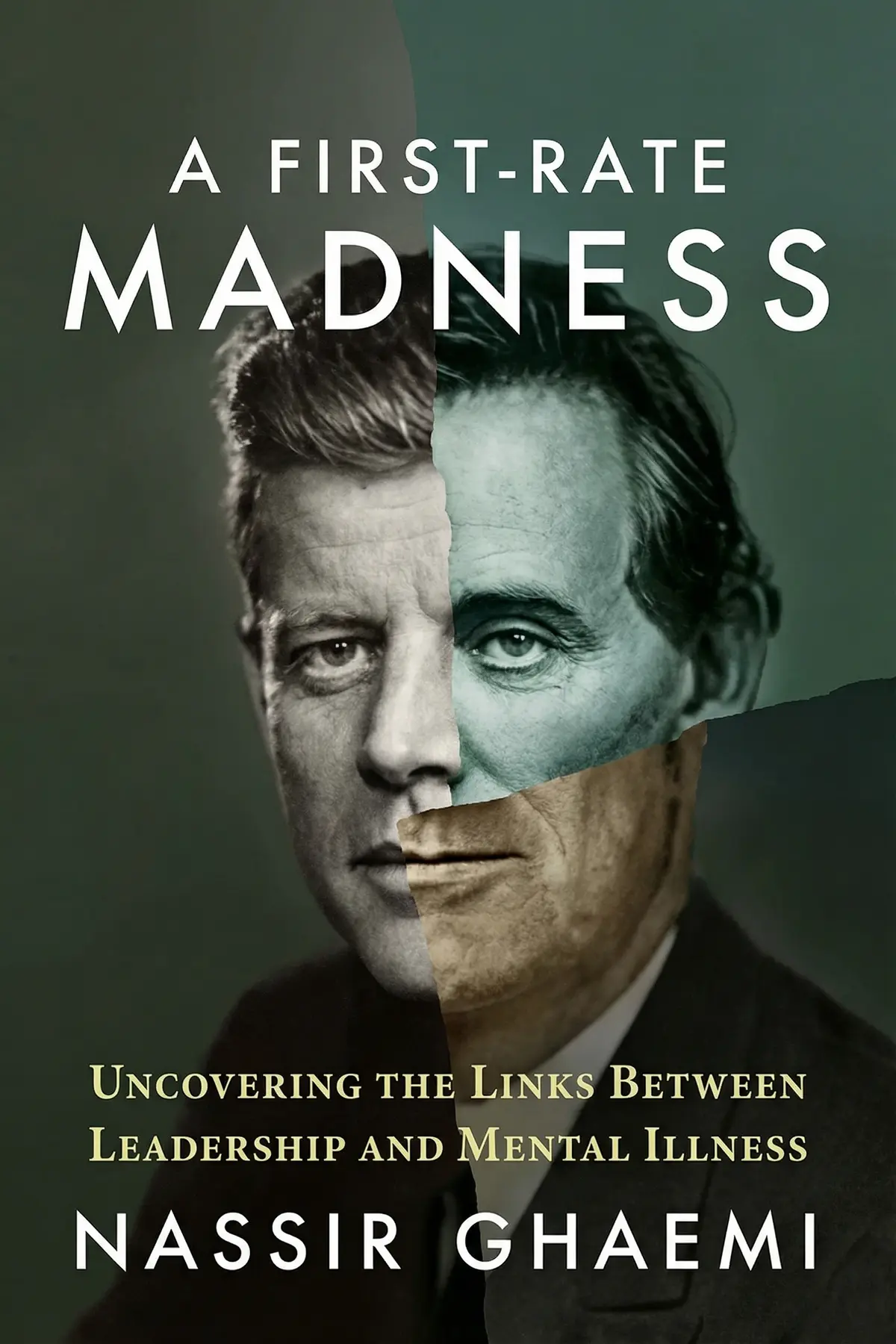
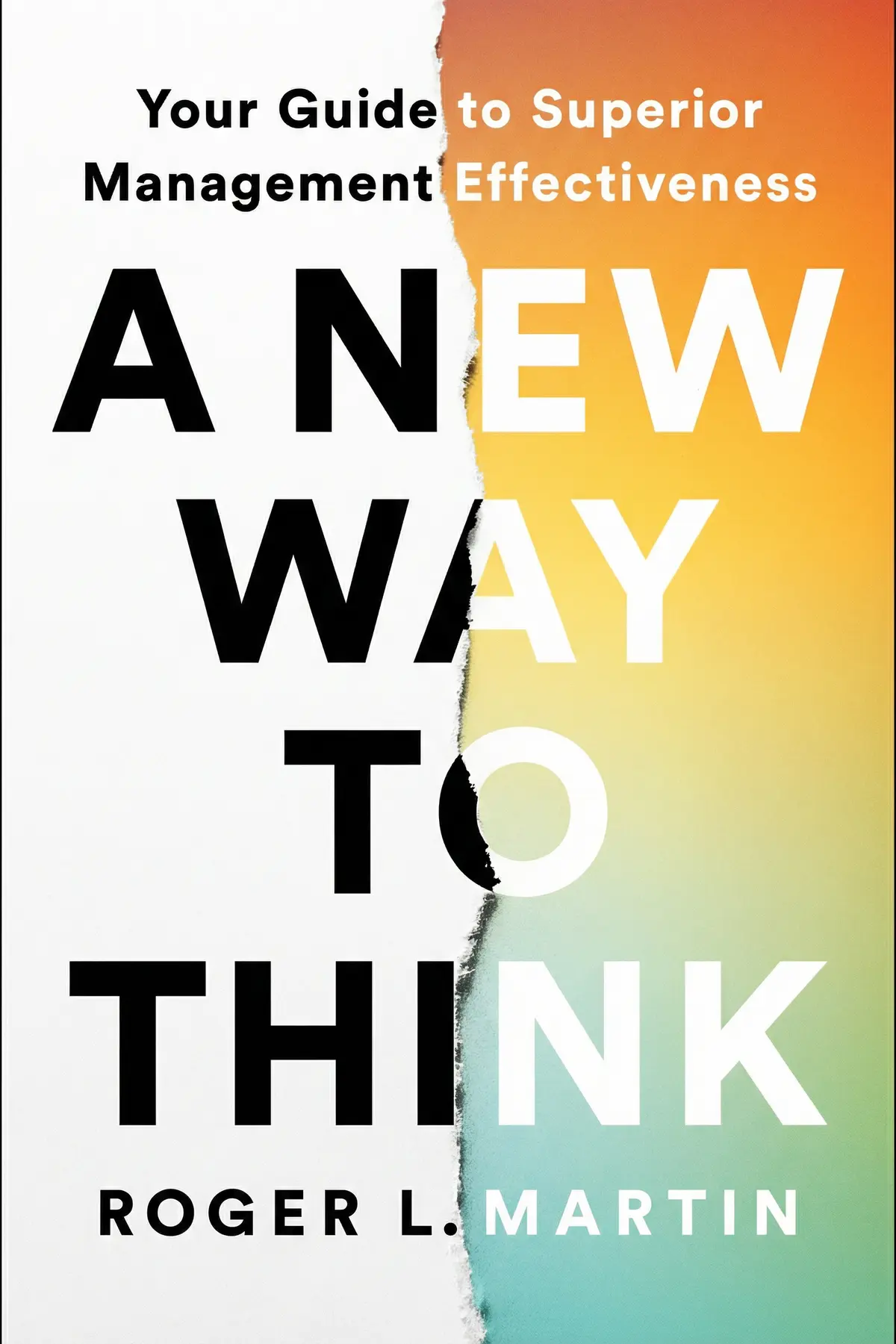
A Year with Peter Drucker: 52 Weeks of Coaching for Leadership Effectiveness
Joseph A. Maciariello
AUDIO SUMMARY AVAILABLE
Listen to Remote, Not Distant in 15 minutes
Get the key ideas from Remote, Not Distant by Gustavo Razzetti, plus 5,000+ more titles in English and Thai.
- 5,000+ titles
- Listen as much as you want
- 7-day free trial
- Cancel anytime







