
A High-Performing Mind: Strengthen Your Mind and Live Your Best Life
Andrew D. Thompson
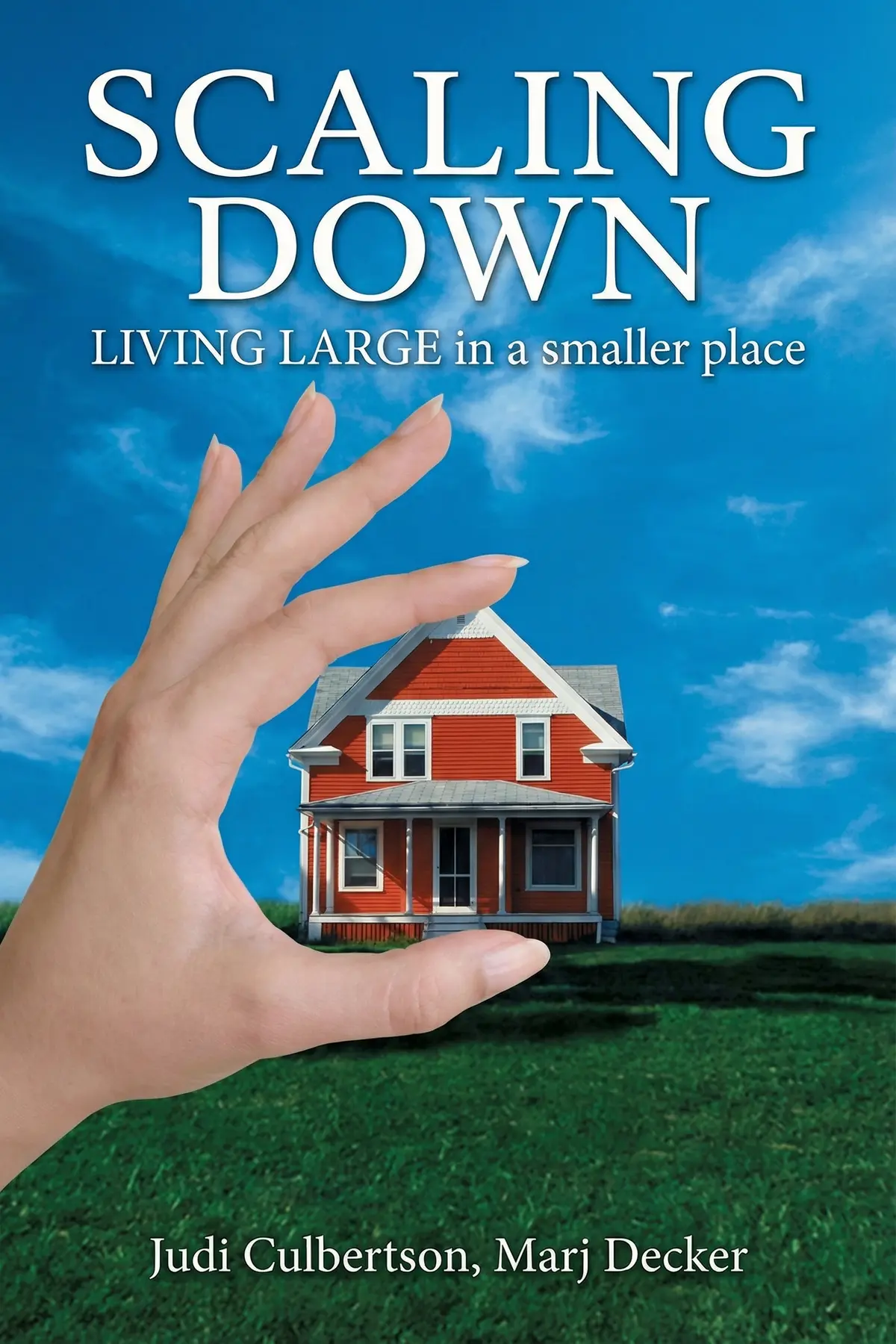
Scaling Down provides a practical roadmap for reducing physical clutter and embracing a simpler lifestyle. It explores the psychological roots of hoarding and offers actionable strategies for letting go of excess possessions.
1 min 18 sec
Imagine your home not as a storage facility for the past, but as a launchpad for your present. For many of us, the spaces where we live have become crowded with the remnants of old hobbies, outgrown clothes, and boxes of “just in case” items that haven’t seen the light of day in years. We have become a society of gatherers, but instead of foraging for the essentials of life, we forage for things. This accumulation doesn’t just take up square footage; it takes up mental and emotional space, too.
Scaling Down is about more than just moving into a smaller apartment or house. It is a philosophy of intentional living that asks us to examine our relationship with our belongings. Why do we keep what we keep? What would happen if we finally let go? The throughline of this guide is the transition from a mindset of scarcity and hoarding to one of abundance and clarity. It’s about recognizing that your value isn’t tied to your inventory.
In this summary, we will walk through the psychological reasons why downsizing feels so difficult and explore the practical tools you can use to make the process smoother. We’ll look at how history shaped our urge to save every scrap, how to overcome the paralyzing fear of regret, and how to effectively sort through a lifetime of memories. By the end, the goal isn’t just to have fewer things, but to have a more meaningful connection to the items you choose to keep.
1 min 34 sec
Discover how the historical shadows of the Great Depression still influence our modern habits of keeping things we don’t need or even want.
1 min 20 sec
Learn how to anchor your decluttering efforts with a clear purpose that keeps you focused when the process feels overwhelming.
1 min 34 sec
Tackle the common anxieties that stop us from downsizing, from the fear of needing something later to the dread of the task itself.
1 min 23 sec
Examine the true cost of collections and explore how to enjoy the thrill of the hunt without the physical clutter.
1 min 34 sec
Master two powerful techniques for identifying excess and ensuring you only keep the best versions of what you own.
1 min 23 sec
Learn how to use mathematical sorting and visual memories to preserve the past without sacrificing your future space.
1 min 34 sec
Explore how the final step of the process—finding a meaningful destination for your belongings—can turn a difficult task into a rewarding one.
1 min 16 sec
Scaling down is not an act of deprivation; it is an act of liberation. Throughout this process, we have seen that the weight of our possessions often stems from outdated survival instincts and the fear of an uncertain future. By creating a clear Scaling Down Mission Statement, we can move through our homes with purpose rather than hesitation. We have learned that the best way to handle the overwhelm is to start small, use systematic methods like grouping and triage, and recognize that our memories are not bound to physical objects.
The throughline of this journey is the realization that we don’t need a mountain of things to lead a happy, fulfilled life. In fact, the less we have, the more we can appreciate the things that truly matter. When we clear away the clutter, we make room for new experiences, better focus, and a more peaceful environment.
As you begin your own journey of scaling down, remember that it is a marathon, not a sprint. Be patient with yourself, especially when dealing with sentimental items. Focus on the ‘graceful exit’ for your belongings, ensuring they find new life with others. In the end, you’ll find that as you reduce the physical items in your life, you gain something much more valuable: the freedom to live large in whatever space you choose.
Many people find themselves overwhelmed by the sheer volume of belongings they have accumulated over a lifetime. This book explores why we hold onto things—often rooted in historical habits or fear of the future—and provides a compassionate yet firm guide to reversing that trend. It moves beyond simple tidying to address the deeper emotional and logistical challenges of moving into a smaller space or simply wanting more room to breathe. The authors provide a variety of systems, from creating a personal mission statement to practical sorting methods like grouping and triage. The promise of the book is not just a cleaner house, but a more liberated mind. By learning how to curate collections, handle sentimental items, and ensure that discarded belongings find a new purpose, readers can transition to a lifestyle where they are no longer burdened by their own property.
Judi Culbertson is a recognized authority in the field of organization and decluttering. Her expertise is so sought after that she frequently conducts seminars dedicated to helping individuals streamline their lives. In addition to her work as an organizational consultant, she is the author of Traveling Light. Marj Decker serves as the CEO of Time is Priceless, a Denver-based firm that specializes in assisting clients through the process of scaling down their lifestyles to achieve a sense of simplicity and freedom.
Listeners find the book to be engaging and well-crafted, filled with numerous useful recommendations. They value the inspiring tone, with one listener noting its effectiveness in purging items, while another highlights its distinct theological perspectives. Listeners applaud the authors' expertise, as one review points out their exploration of the psychology behind decluttering. The guide is praised for its organizational methods, with one listener mentioning that it helps save money by making professional organizers unnecessary.
Finally got around to tackling my basement after reading this, and I'm darn proud of myself! This isn't just another dry list of organization tips; it really delves into the psychology of why we cling to items we don't need. The authors pack so much motivation into a relatively thin book without being repetitive. I especially appreciated the unique theological insights and the sensitive way they handled tough transitions like moving into assisted living or dealing with a loved one's estate. Some might find the 'dumpster method' a bit extreme, but for someone like me with hoarding tendencies, it was exactly the kick in the pants I needed to stop making excuses. It’s an entertaining read that actually helps you save money by avoiding the need for professional organizers. Truly an inspiring guide for anyone ready to simplify their life.
Show moreWow. This book puts my previous attempts at simplifying to shame. The authors delve deep into the psychology of downsizing, helping you understand the emotional weight of your belongings. I loved the practical suggestions that go beyond just 'buy more bins.' One of the best parts is how it helps you avoid the high costs of professional organizers by giving you the tools to do it yourself. The writing is entertaining and never feels like a lecture. I was particularly struck by the sections on the theological aspects of simplicity, which I haven't seen in many other decluttering books. It’s a thin volume, but it is absolutely packed with information. If you're feeling overwhelmed by your stuff, this is the perfect motivational tool to help you reclaim your home and your peace of mind. Highly recommended for any life transition.
Show moreThe chapter on specific checklists was the standout for me. The authors challenge you to write down exactly how many items you truly need—like coffee mugs or DVD players—and then stick to that number. It’s a brilliant way to address those 'blind spots' we all have. I’m currently preparing to consolidate households, and the advice here was incredibly timely. Look, the book does try to do a lot at once by covering everything from marriage to divorce to death. This makes it feel a bit scattered at times, but the core message of maintenance and simplicity is solid. The writing style is very encouraging, almost like having a supportive friend guiding you through your messy closets. I ignored the part about books, of course, because some things are just too precious to scale down, but the rest was very helpful.
Show moreEver wonder why letting go of a simple sweater feels like a monumental task? This book gets into the 'why' behind our attachments. I’ve read plenty of these guides, but this one felt more personal because of the stories Culbertson and Decker shared about their own lives and their clients. It’s definitely aimed at the sixty-something crowd looking to move out of a large family home, but even as a younger person, I found the decluttering pep talks to be quite effective. I’ve already shaped up my closet and gotten rid of several boxes of knick-knacks that were just gathering dust. To be fair, they are a bit soft on the topic of shopping; you can't really scale down if you're still bringing new stuff in every weekend. Overall, it’s a well-organized and practical read that motivated me to value my space more than my possessions.
Show moreTruth is, I was nervous about consolidating my life before getting married, but this book really helped ease that anxiety. The authors write very sensitively about the different stages of life that require us to scale down. Whether you are moving into a smaller apartment or helping a parent transition to assisted living, the advice is grounded in reality. The stories included are very relatable and make the process feel less daunting. I especially liked the checklist for household items; it forces you to be honest about your needs. My only minor complaint is that some of the suggestions for sorting could actually lead to more procrastination if you aren't careful. However, the overall tone is so positive and inspiring that it makes you actually want to start cleaning. It’s a great resource for anyone facing a major life change.
Show moreAfter hearing good things about the authors' experience, I gave it a shot to help with my constant state of de-cluttering. It was recommended to me because I’m always looking for ways to live better with less. What I liked most were the chapters on helping loved ones de-clutter, which is a very delicate task. The writing is practical and the authors have a great sense of what really matters in a home. I found myself finally getting rid of things I had held onto for years 'just in case.' While the book is definitely targeted at an older audience, the lessons on contentment and consuming less are universal. It helped me save money and feel more at peace in my smaller space. It’s a solid four-star read that offers much more than just basic cleaning tips; it offers a new perspective on living.
Show moreAs someone who already lives a fairly lean lifestyle, I found that much of this book was just common sense. The authors spend over 200 pages talking about decreasing clutter, which is great if you have a hard time tossing old magazines or clothing. However, if you naturally don't collect things, there isn't much new information here. I did enjoy the sections on helping older family members downsize, as those chapters were written with a lot of empathy and practical wisdom. My biggest gripe was the final chapter's strange, total praise of urban living. You can live in a small space anywhere, whether it’s a city or a rural town, so that part felt a bit out of place with the rest of the book's marketing. It’s a decent library borrow but probably not a permanent addition to my shelf.
Show morePicked this up at a library sale and found it was heavily geared toward the 'empty nester' demographic. The tagline 'Living large in a smaller space' is what caught my eye since I want to be more content in my current 1,400 square foot home. While I’m not actually moving, I am interested in consuming less and living more. There were definitely whole chunks of text that didn't apply to my situation, which led to a lot of skimming. Frankly, the advice on using dumpsters to clear out trash felt a bit irresponsible regarding the environment, as it encourages tossing things that could be recycled. Still, the authors have a nice way of framing the need for simplicity. It’s a quick read with some useful reminders, even if it wasn't exactly the mini-house design book I thought it would be.
Show moreNot what I expected based on the cover art. Given the title, I was honestly looking for a pep talk on how to enjoy living in a tiny house with minimal closet space and no master bath. Instead, the authors spend chapter after chapter discussing how to purge your belongings. I already have a decent handle on clearing out stuff that is no longer functional, so I felt like I was wading through a lot of irrelevant fluff just to get to the actual 'living small' advice in chapter fifteen. While the writing is clear and the authors are obviously experienced, the focus is heavily skewed toward people who have a major hoarding or shopping problem. If you’re already a minimalist looking for design inspiration, you might want to skip this one. It felt like a long decluttering manual rather than a guide to small-space aesthetics.
Show moreThis book might be useful for a shopaholic, but for me, it felt redundant. I thought this was going to be about the logistics of living in a tiny home or a mini-house, but it's really just a long book about decluttering. Most of the advice is common sense—toss things you don't use, stop buying so much, organize what's left. I rarely leave a book unfinished, so I pushed through the 200 pages, but I learned very little. The authors seem to have a bias toward urban living that felt forced and unnecessary. Also, their suggestion to just rent a dumpster and toss everything can be problematic if you care about where your waste ends up. It’s well-written enough, but the content didn't live up to the promise of the title for me. If you’re already tidy, you won't find much value here.
Show moreAndrew D. Thompson
Deepak Chopra
Richard Wiseman
William B. Irvine
AUDIO SUMMARY AVAILABLE
Get the key ideas from Scaling Down by Judi Culbertson, plus 5,000+ more titles in English and Thai.







