
12 min 34 sec
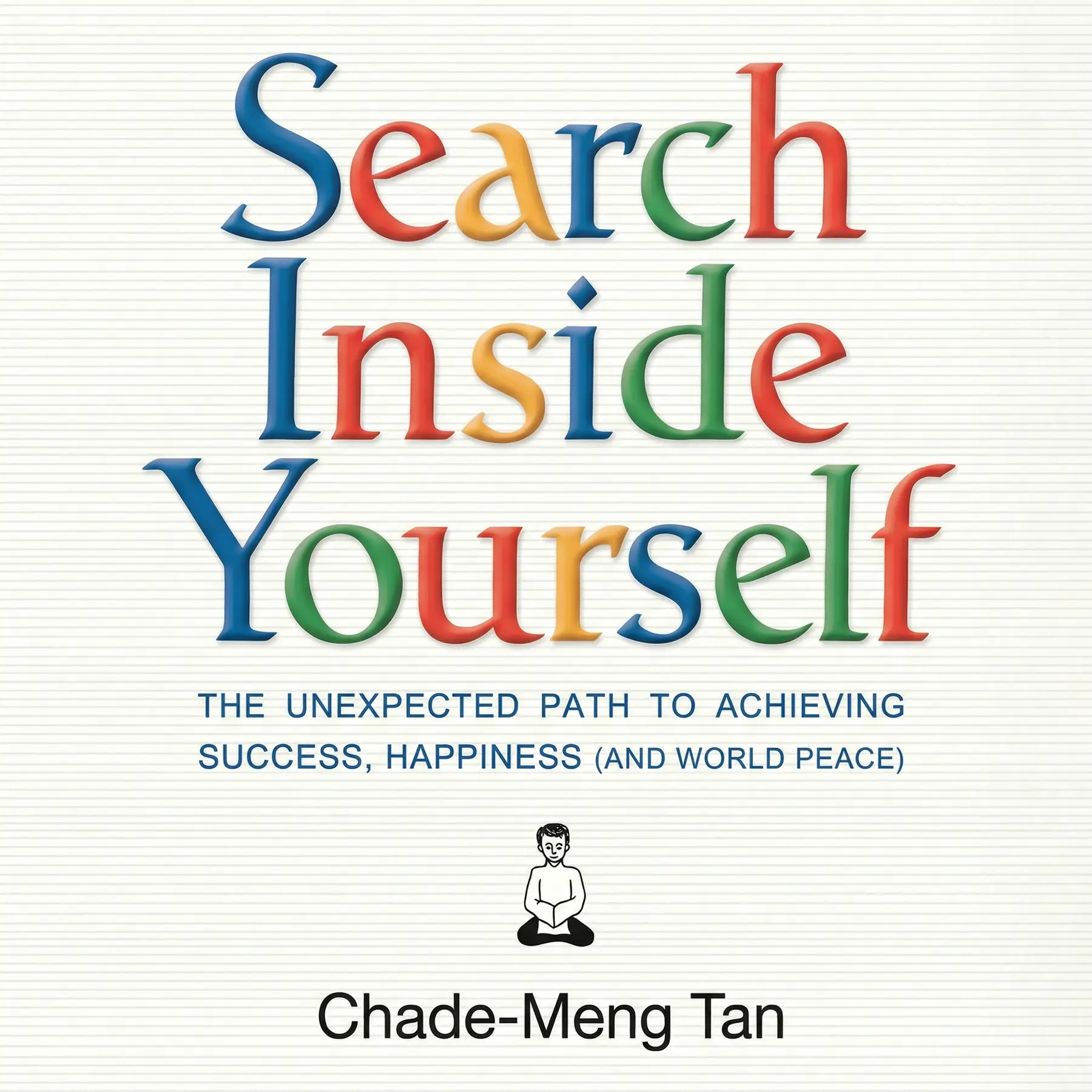
Search Inside Yourself: The Unexpected Path to Achieving Success, Happiness (and World Peace)
Chade-Meng Tan shares a transformative approach to mindfulness and emotional intelligence. Born out of a popular Google program, these techniques help professionals improve focus, reduce stress, and lead with compassion for lasting success.
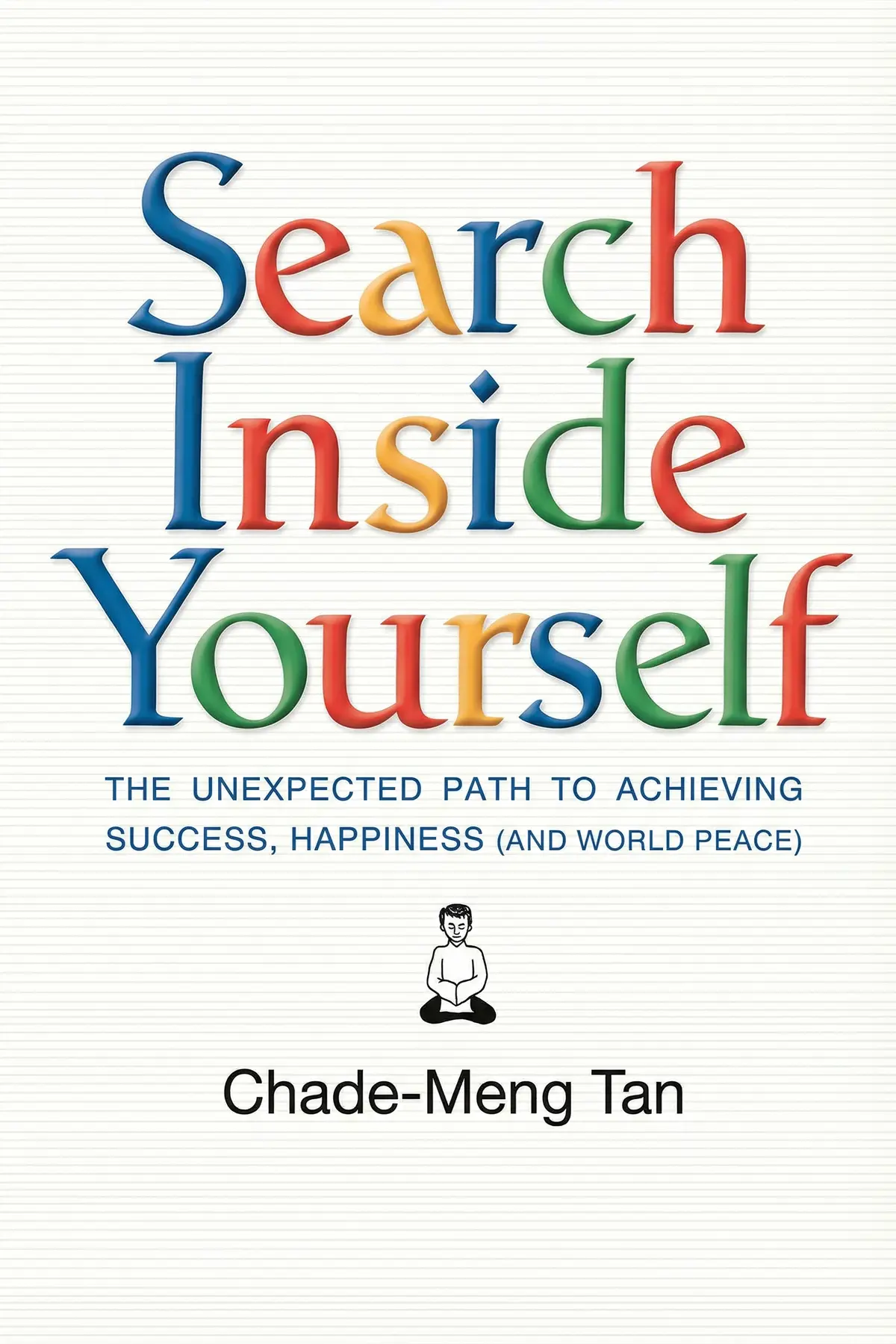
Table of Content
1. Introduction
1 min 17 sec
In our fast-paced, hyper-connected world, we often assume that professional triumph is strictly a matter of technical skill or intellectual horsepower. We pour our energy into mastering software, memorizing data, and out-hustling our competition. Yet, if we look closely at the most effective leaders and the most fulfilled individuals, we find a common thread that has nothing to do with their grade point average or their technical certifications. That thread is emotional intelligence—the ability to understand ourselves and relate deeply to others.
Chade-Meng Tan, an early engineer at Google, recognized that while engineers are brilliant at solving external problems, they often struggle with the internal ones. He developed a curriculum to bridge this gap, blending the logic of science with the wisdom of mindfulness. This journey isn’t about escaping the world or retreating to a mountain top; it’s about optimizing the human ‘operating system’ right where you are.
In the following minutes, we will explore a three-step path to personal mastery. First, we learn to stabilize our attention through mindfulness. Second, we use that sharpened focus to develop profound self-knowledge. Finally, we translate that self-knowledge into outward-facing mental habits that foster empathy, social skill, and leadership. By the end of this exploration, you will understand how searching inside yourself is the most practical thing you can do for your career and your happiness.
2. The Foundations of Emotional Intelligence
1 min 50 sec
Traditional IQ is only a small piece of the puzzle, as true success requires mastery over both our internal feelings and our social interactions.
3. Mindfulness as a Mental Workout
1 min 40 sec
Just as a gym strengthens your body, meditation trains the muscles of your mind to enhance focus and emotional clarity.
4. Self-Awareness and the Thinking Brain
1 min 39 sec
Gaining distance from your emotions allows your logical mind to take control, turning reactive outbursts into rational responses.
5. Sustaining Motivation Through Purpose
1 min 38 sec
While bonuses and perks provide a temporary lift, true and lasting motivation comes from finding a sense of passion and a higher calling.
6. The Power of Empathy and Connection
1 min 28 sec
Building trust and resolving conflict begins with the simple yet profound act of seeing the world through someone else’s eyes.
7. Compassionate Leadership and Influence
1 min 39 sec
Great leaders aren’t defined by their toughness, but by their humility and their genuine concern for the well-being of their team.
8. Conclusion
1 min 23 sec
As we have seen, the journey of searching inside yourself is not a departure from the world of work and achievement, but a way to master it. By training our attention, we gain the focus necessary to navigate complex tasks. By developing self-awareness, we move from being victims of our emotions to being masters of our responses. And by cultivating empathy and compassion, we build the relationships and leadership qualities that define a truly successful life.
If you want to begin this transformation today, try a simple body-scan exercise. Sit comfortably and close your eyes. Spend a few minutes focusing on your breath, then slowly move your attention through every part of your body, from your head to your toes. Notice any tension or sensations without judging them. Then, recall a moment of joy and see where that feeling lives in your body. This practice grounds you in the present moment and helps you develop the physical awareness that is the foundation of emotional intelligence.
Ultimately, the tools for happiness and effectiveness are already within your reach. You don’t need to look for external validation or the next big promotion to find fulfillment. By turning your gaze inward and refining your mental habits, you can create a life of clarity, purpose, and deep connection. The path to a better world and a better career starts with a single, mindful breath.
About this book
What is this book about?
Search Inside Yourself is an exploration of the intersection between ancient mindfulness practices and modern emotional intelligence. Originally developed as a training program for employees at Google, the book provides a roadmap for personal and professional development that prioritizes internal awareness over external metrics. The promise is simple yet profound: by learning to master your own mind, you can unlock higher levels of creativity, productivity, and peace. Chade-Meng Tan breaks down the science of emotions, explaining how we can use mindfulness to rewire our brains for happiness. He moves beyond abstract concepts, offering concrete exercises like breath-work and empathy-building to help listeners navigate the stresses of the modern world. Whether you are looking to become a more effective leader, a more supportive partner, or simply a happier individual, this summary provides the tools to start that journey from within by searching your own internal landscape.
Book Information
About the Author
Chade-Meng Tan
Chade-Meng Tan, who spent years promoting mindfulness at Google, is an award-winning engineer, Nobel Prize nominee and founder of the Search Inside Yourself Leadership Institute. In 2010, he delivered a TED talk on compassion at the United Nations. In 2013, he was invited to give a speech on kindness at The White House.
Ratings & Reviews
Ratings at a glance
What people think
Listeners find this mindfulness guide to be a fast and pleasant experience, valuing its evidence-based advantages and helpful hands-on advice. The material is easy to grasp, as one listener points out that it takes the mumbo jumbo out of meditation. Listeners prize the insights provided, with one specifically mentioning the excellent neuroscience summary, and appreciate how the text moves logically toward social and emotional intelligence. Listeners also enjoy the author's wit, with one noting that the cartoons provide a humorous break between sections.
Top reviews
Araya
Finally, a meditation book that doesn't feel like I'm being sold magic crystals or ancient secrets. Chade-Meng Tan manages to bridge the gap between spiritual mindfulness and modern neuroscience in a way that actually makes sense for someone working a 9-to-5. I appreciated how he explains "high-resolution emotion" as a way to map exactly what is happening in the body. The jokes can be a bit cheesy, and his self-appointed "Jolly Good Fellow" title is definitely a choice, but the core content is solid. It is refreshing to see an author strip away the esoteric fluff and replace it with brain scans and tangible data. While the constant Google name-dropping gets a little old after the third chapter, the actual exercises are incredibly practical. If you have been skeptical about the benefits of sitting still, this is probably the best entry point you will find. It turns the nebulous concept of "finding yourself" into a mental skill you can actually train.
Show moreFelix
Picked this up on a whim during a particularly stressful month, and I am so glad I did. The idea that happiness is a default state of mind that we simply need to allow was a profound shift for me. I have read Thich Nhat Hanh before, and you can definitely feel his influence on Meng’s philosophy, especially regarding the power of compassionate listening. The exercises on "just like me" empathy have already helped me navigate some tense family gatherings without losing my temper. To be fair, the humor is an acquired taste and some might find the heavy "Googliness" of the anecdotes a bit much. But the core message about world peace starting with inner peace is genuinely inspiring. It is rare to find a book that handles heavy emotional topics with such a light, accessible touch. I have already started recommending the "loving-kindness" meditation to my coworkers.
Show moreDao
Wow. I was not expecting an engineer to be the one to finally explain meditation to me in a way that stuck. This book is the perfect antidote to the overly mystical guides that usually populate the self-help section of the bookstore. It is fast-paced, funny, and deeply practical from the very first page. I loved the "mindful breathing" exercises because they only take a minute and can be done anywhere, even in a crowded elevator. Truth is, I used to think mindfulness was just for monks, but Meng proves it is a vital tool for anyone living in the modern world. The cartoons are a great addition and help break up the text, making it feel less like a dry textbook and more like a conversation. While some might find his name-dropping annoying, I actually thought his stories about world leaders were pretty entertaining. This is a must-read for anyone who thinks they are too busy to meditate.
Show moreSelin
After hearing about this book for years, I finally got around to reading it, and it exceeded the hype for me. As a fellow "compulsively pragmatic" person, I appreciated the focus on measurable results and scientific evidence. Meng breaks down complex emotional states into "high-resolution" data points that we can actually influence through practice and awareness. The "three easy steps to world peace" might sound ambitious, but the logic behind starting with individual compassion is actually quite sound. Not gonna lie, I was worried it would be too New-Agey, but the author’s background as an engineer keeps the content grounded and logical. Even the more "Californian" moments are balanced out by self-aware humor and very practical exercises. It is a refreshing take on a subject that is often shrouded in unnecessary mystery. Whether you are a CEO or an entry-level employee, there is something here that will make your life significantly better.
Show moreOm
Struggling with anxiety for years led me to the concept of 'meta-attention' in this book, and it was a total game-changer. The author uses a simple bicycle analogy to explain concentration—it is all about those tiny, constant micro-recoveries that keep you balanced as you ride. I found the sections on emotional intelligence and self-regulation surprisingly applicable to my daily interactions at the office. The book is an easy read, and the cartoons provide a nice mental break when the discussion of amygdala hijacks gets a bit dense. My only real gripe is the tone, which oscillates between deeply insightful and weirdly self-congratulatory. He mentions his famous friends like the Dalai Lama and Bill Clinton quite often, which feels like a perpetual humblebrag. However, if you can look past the corporate elitism, there is a wealth of actionable advice here for building resilience in a high-stress environment.
Show moreRosa
How often do you find a book that treats emotional intelligence like a software upgrade? Chade-Meng Tan’s background as an engineer shines through in the structured way he presents these mindfulness concepts. He takes the "mumbo jumbo" out of meditation by grounding everything in neurological research and measurable outcomes. I particularly enjoyed the summary of Daniel Goleman’s emotional competencies; it gave me a clear framework for my own self-regulation. The writing is punchy and moves fast, making it a perfect weekend read for busy professionals who want results without the fluff. My minor complaint is that some of the "scientific" claims feel a bit hyperbolic, especially when he discusses the effects of a monk's hand-holding on a skeptic's brain. Still, the practical tips for mindful listening and conflict resolution are worth the price of admission alone. It is an excellent bridge between the spiritual and the secular worlds.
Show moreOmar
Ever wonder what the 'secret sauce' behind Google's corporate culture is? This book pulls back the curtain on their famous internal course, and it is easy to see why it is so popular with the employees. Tan makes a compelling case for how contemplative practices can actually boost a business's bottom line by creating more empathetic, focused leaders. I have started using the "empathic listening" techniques during my one-on-ones, and the difference in communication has been night and day. Frankly, the author’s obsession with his own coolness can be a bit cringeworthy at times. He seems to equate high-power jobs with high moral ground, which is a bit of a logical leap. However, the actual curriculum is solid and provides a great roadmap for anyone looking to improve their social intelligence. It is a smart, slightly quirky guide to becoming a better human being in the workplace.
Show moreRania
The information inside this book is undeniably valuable, but the delivery left a lot to be desired. On one hand, the meditation techniques are simple and easy to integrate into a busy schedule without feeling like a chore. On the other hand, the author's personality feels like it is taking up all the air in the room. He refers to himself in the third person far too often for my liking. "If Meng can sit, so can you" is cute once, but it becomes repetitive and grating by the end of the second chapter. I also felt like the book could have been about fifty pages shorter if we removed the constant mentions of free lunches and Google perks. To be fair, the section on "meta-distress"—feeling bad about feeling bad—was eye-opening and helped me stop my negative thought loops. It is a decent guide if you can filter out the corporate chatter, but it is certainly not a masterpiece.
Show moreWeera
Look, I really wanted to like this, but the level of corporate worship is frankly nauseating. Meng spends half the book telling us how lucky he is to work at Google and the other half reminding us that he is friends with every celebrity on the planet. The self-deprecation feels totally hollow when it is immediately followed by a story about meeting Barack Obama or the Dalai Lama. I was hoping for a serious exploration of meditation, but instead, I got what felt like a hagiography of Google’s HR department. The writing style is incredibly corny, filled with dad jokes that just do not land for me. While there are a few decent breathing exercises buried in there, you could probably find the same information on a one-page blog post. It feels more like "Mindfulness for Millionaires" rather than a guide for the average person. If you are not a Silicon Valley executive, you might find the elitism unbearable.
Show moreFinn
Honestly, the 'bullshit detector' mentioned in other reviews was ringing loud and clear for me throughout this entire read. There is an undercurrent of elitism that makes it hard to take the spiritual advice seriously. Tan claims to be humble, yet he manages to mention his friendship with celebrities and world leaders in the same breath as his "simple" aspirations for world peace. It feels like a vanity project disguised as a meditation manual. The jokes are incredibly corny and often feel forced, like a corporate executive trying too hard to be "one of the guys." In my experience, real mindfulness training doesn't involve this much ego or corporate branding. While the summary of neuroscience is okay, it does not justify the slog through the author's endless self-promotion. If you want to learn meditation, there are much more grounded books out there that do not involve a 200-page advertisement for Google's HR policies.
Show moreFeatured in

Readers also enjoyed
59 Seconds: Change Your Life in Under a Minute
Richard Wiseman
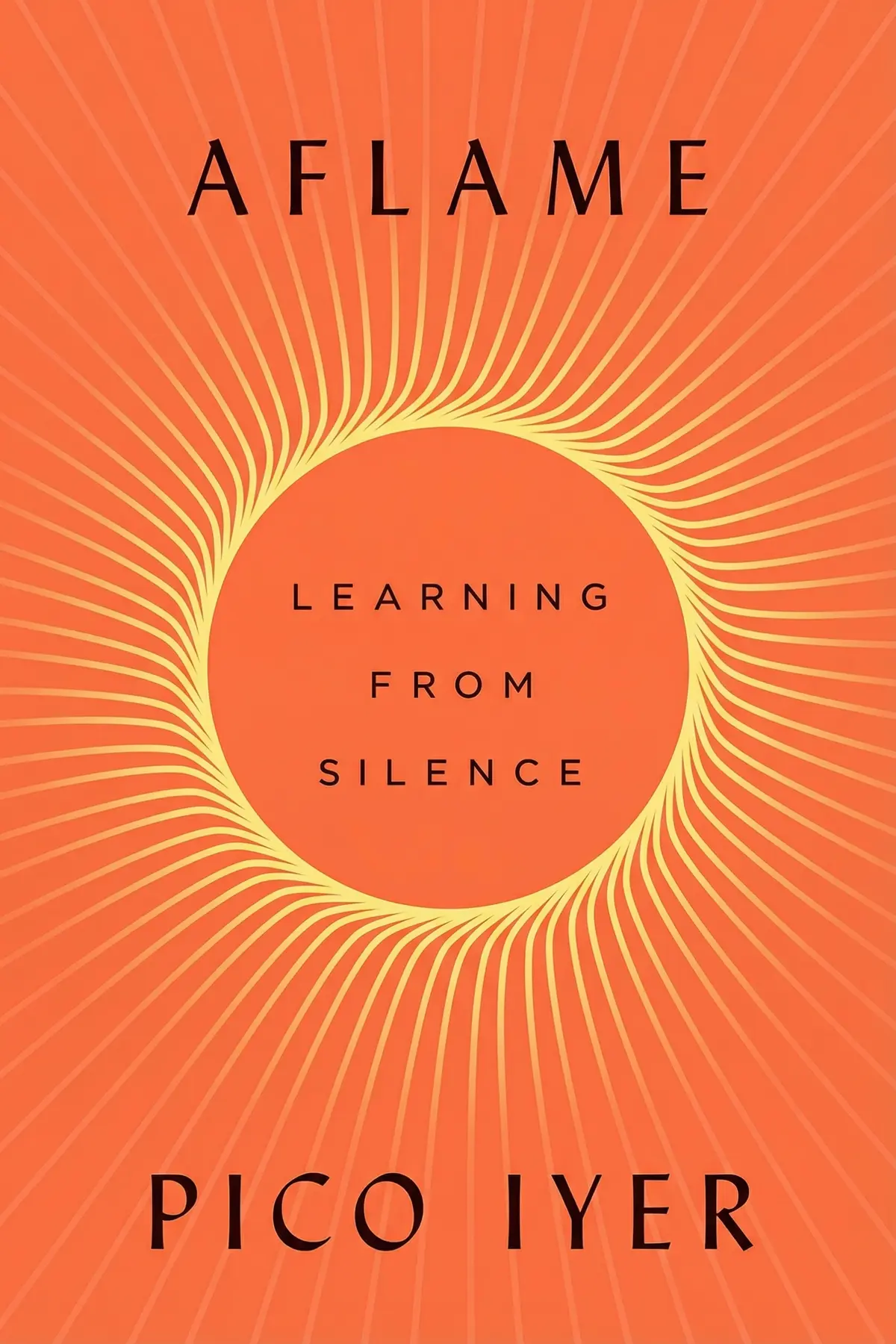
Aflame: Learning from Silence
Pico Iyer
A Guide to the Good Life: The Ancient Art of Stoic Joy
William B. Irvine
A High-Performing Mind: Strengthen Your Mind and Live Your Best Life
Andrew D. Thompson
AUDIO SUMMARY AVAILABLE
Listen to Search Inside Yourself in 15 minutes
Get the key ideas from Search Inside Yourself by Chade-Meng Tan, plus 5,000+ more titles in English and Thai.
- 5,000+ titles
- Listen as much as you want
- 7-day free trial
- Cancel anytime







