
7 Powers: The Foundations of Business Strategy
Hamilton Helmer
Sensemaking explores why human intuition and cultural understanding are more vital than ever, arguing that algorithms alone cannot solve complex problems without the depth of the humanities and social sciences.
1 min 29 sec
In today’s world, we are constantly told that data is the new oil. From the boardrooms of Fortune 500 companies to the strategies of small startups, there is a pervasive belief that if we can just collect enough numbers, run enough simulations, and refine enough algorithms, the answers to our most complex problems will simply appear. We have entered an era where we often defer to the ‘know-it-all’ who shuts down a nuanced conversation by citing what ‘the data actually shows.’ But what if this obsession with cold, hard statistics is actually making us less intelligent?
This is where we encounter the concept of sensemaking. It is a philosophy that suggests that while machines are excellent at processing information, they are remarkably poor at understanding meaning. True wisdom doesn’t come from looking at a screen; it comes from looking at the world. This summary will guide you through a different way of thinking—one that values the humanities as much as the sciences. We’ll explore why cultural knowledge is the ultimate competitive advantage and how a deeper engagement with the human experience can lead to breakthroughs that no algorithm could ever predict.
Over the next few chapters, we will look at how big data missed a global pandemic, how a legendary investor made hundreds of millions by reading culture rather than just charts, and how the FBI solved a kidnapping by understanding the unspoken rules of a foreign society. By the end, you’ll see that the most important insights aren’t found in a database, but in the rich, messy, and beautiful reality of human life.
1 min 59 sec
Discover why true intelligence requires more than just logic, focusing instead on the holistic perspective of the human experience.
2 min 09 sec
Uncover how the tech industry’s obsession with data and disruption often overlooks the nuances of human reality.
1 min 46 sec
See how a deep dive into the lives of customers helped an iconic car brand find its way back to the top.
1 min 58 sec
Learn how combining objective facts with subjective and sensory experiences can lead to massive financial and personal success.
1 min 47 sec
Explore why observing life in its natural habitat is far more effective than analyzing it in an artificial environment.
1 min 49 sec
Challenge the idea that creativity is a rigid process and discover the power of immersion and empathy instead.
2 min 03 sec
See how the FBI used cultural nuance and deep listening to save a life in a situation where logic alone would have failed.
1 min 20 sec
As we look toward a future increasingly shaped by artificial intelligence and automated systems, the lessons of sensemaking become even more critical. We have seen that while data provides a useful map, it is not the territory itself. The human experience is too rich, too varied, and too deeply rooted in culture to be captured by numbers alone. By embracing the humanities—philosophy, history, art, and sociology—we regain the ability to see the world in its full complexity. We move from being passive consumers of information to active participants in the creation of meaning.
The throughline of Christian Madsbjerg’s work is clear: our greatest strength as humans is our ability to empathize, to observe, and to understand context. Whether you are a business leader looking for the next big innovation, a diplomat navigating a crisis, or simply someone trying to make sense of a confusing world, the answer lies in turning your gaze outward. Get out of the ‘zoo’ of your office, look beyond the ‘thin data’ of your screens, and immerse yourself in the ‘savannah’ of real life. When we combine our technical skills with a deep, humanistic attunement to the world around us, we don’t just solve problems—we truly begin to make sense of things. The stars are still there to guide us, if only we remember to look up.
In an era increasingly dominated by big data, algorithms, and automated decision-making, Christian Madsbjerg offers a powerful counter-argument. He suggests that the most successful organizations and leaders are those who look beyond the spreadsheet to understand the human experience through a process he calls Sensemaking. By drawing on the traditions of the humanities—including philosophy, anthropology, and sociology—we can uncover deeper truths that pure numbers often obscure. This summary explores why technical models often fail to predict real-world shifts and how embracing cultural context can lead to a significant competitive advantage. From the way Ford revitalized a dying brand to how the FBI negotiated high-stakes crises, the promise of this book is a new way of seeing. It offers a framework for engaging with the world that prioritizes 'thick data' over thin statistics, teaching us to navigate the complexities of human behavior with empathy and wisdom. Ultimately, it is a call to return to our roots as observers and thinkers in an age of mechanical logic.
Christian Madsbjerg is a leading voice in the application of human sciences to business strategy. He is the founder of ReD Associates, a consultancy firm that integrates anthropology, sociology, philosophy, and art history into its strategic work. Having studied philosophy and political science in both Copenhagen and London, Madsbjerg advocates for a humanistic approach to leadership and innovation in a technology-driven world.
Listeners describe the book as an enjoyable read. Opinions on its significance are varied, though one listener emphasizes the relevance of the topics covered. Comments on the discussion of intelligence are also divided, with one listener valuing the book's comprehensive perspective on the subject.
Wow, this is exactly the wake-up call our data-obsessed culture needs right now. Madsbjerg does a phenomenal job of explaining why 'thick data'—the deep, cultural context of our lives—cannot be replaced by even the most sophisticated algorithms. This isn't just a book for business people; it's a book for anyone who feels that the world has become too clinical and math-driven. I loved the way he wove together philosophy, history, and real-world case studies to show that human intuition is still our most powerful tool. Some might find his critique of Silicon Valley harsh, but I found it refreshing. It's a bold, timely, and deeply intelligent piece of writing that I’ll be thinking about for a long time.
Show moreThe truth is that we are losing our ability to think critically because we trust spreadsheets more than our own eyes. Madsbjerg argues that we need to return to the 'human factor,' and he does so with incredible passion. This book helped me realize that being a good leader isn't just about being right on the numbers; it's about being right on the culture. The way he discusses the 'pendulum shifts' of our age is fascinating. It’s rare to find a business book that references Heidegger and Procter & Gamble in the same breath, but it works. This is an imperative read for anyone who wants to stay relevant in a world that is increasingly automated and, frankly, a bit soulless.
Show moreIn my experience, the best insights come from the edges of a problem, not the center of a data set. Christian Madsbjerg has written a masterpiece that validates this 'old-fashioned' way of thinking. Sensemaking isn't just about collecting information; it's about interpreting it through the lens of human experience. I found the stories, from the vineyard to the hospital, to be incredibly evocative. They illustrate his points far better than a graph ever could. While the author is certainly opinionated, his passion for the humanities is contagious. This book gave me a new vocabulary for things I’ve felt but couldn't quite name. It's a brilliant, challenging, and ultimately hopeful look at what makes us uniquely human.
Show morePicked this up on a recommendation from a colleague who said I needed more 'context' in my coding. As a software engineer, I found the 'Silicon Valley is a State of Mind' chapter to be particularly biting but strangely necessary. We do tend to get caught up in the 'frictionless' dream without considering the messy reality of human culture. Madsbjerg’s critique of how we prioritize efficiency over meaning really hit home for me. While I didn't agree with his total dismissal of algorithmic progress, his focus on 'sensemaking' as a competitive advantage is a perspective I hadn't considered. It’s not a perfect book, and some of the examples are a bit flowery, but it’s an important perspective for anyone in tech.
Show moreFinally got around to reading this, and I have to say, the concept of sensemaking is an essential framework for any modern leader. In a world where we are drowning in numbers, Madsbjerg reminds us that the 'North Star' isn't a GPS coordinate—it's a deep understanding of human experience. I found the section on how successful CEOs often have liberal arts backgrounds to be very validating. There are definitely moments where the writing gets a bit too academic and 'high-brow,' but the overall message is powerful. It challenges the 'assembly of facts' mindset that dominates corporate life. If you can ignore the slightly salesy vibe of the early chapters, there’s a lot of value here for strategic thinkers.
Show moreTo be fair, I went into this expecting a dry business text but was pleasantly surprised by the philosophical depth. The book explores how we can use the humanities to gain a competitive edge, which is a refreshing take compared to the usual 'learn to code' mantra. I especially liked the five principles of sensemaking, particularly the idea of the 'Savannah' versus the 'Zoo.' It’s a solid reminder that human behavior doesn't happen in a vacuum or a lab. The author’s writing style is a bit dense in the middle, and he certainly likes to hear himself talk, but the intelligence of the work is undeniable. It’s a holistic view of intelligence that we desperately need right now.
Show moreEver wonder why big data fails to predict the 'why' behind human behavior? This book attempts to answer that by championing the humanities, which is a noble goal in our current tech-obsessed climate. However, the execution is quite uneven. One minute he’s making a great point about the 'Savannah' vs the 'Zoo,' and the next he’s launching a bizarre attack on Design Thinking that feels more like a professional grudge than a critique. Look, the message that there is more to algorithms than math is compelling, and I agree with the core sentiment. But the book is far too long for the amount of unique information it provides. It’s a decent read if you have the patience, but it could have been a blog post.
Show moreMadsbjerg makes a compelling, if slightly repetitive, argument that our obsession with STEM is blinding us to cultural nuances. As a social scientist, I appreciate the call to return to critical thinking and 'thick' description. That said, the tone can be quite pretentious at times. He sets up a lot of strawman arguments against 'big data' that most serious analysts already know how to avoid. To be fair, he does offer some interesting insights into how leaders can use phenomenology to better understand their customers. It’s a good read for people who are purely data-driven and need a nudge toward the human side of things. Just be prepared for some heavy-handed self-promotion along the way.
Show moreAfter hearing so much hype about the 'human factor' in business, I found this to be more of a pitch for the author's consulting firm than an actual methodology. Madsbjerg argues for 'thick data' over 'thin data,' but his examples are often confusing and seemingly contradictory. For instance, the story about Nicole Pollientier and her brain injury felt like an emotional play that lacked a clear connection to the business thesis he was trying to build. I appreciate the idea that culture matters, but the way he presents it is cluttered with jargon. The book repeats the same core message over and over: context is king. I got that in the first ten pages. The rest felt like a confusing attempt to reignite his love for poetry through business consulting.
Show moreThis book is a massive letdown for anyone expecting a rigorous defense of the humanities. Instead of a deep dive into the human mind, Madsbjerg delivers what feels like a 200-page brochure for his consulting firm. He drops big names like Heidegger and Wittgenstein to sound sophisticated, but the actual substance is incredibly thin. Frankly, the author’s arrogance regarding quantitative fields is exhausting, especially since he doesn't seem to understand what statisticians actually do. He relies on anecdotes that don't prove his points, like his weirdly confident take on wine experts that has been debunked by real data. If you want to understand the limits of algorithms, read Kahneman instead. Don’t waste your money on this self-promoting fluff.
Show moreHamilton Helmer
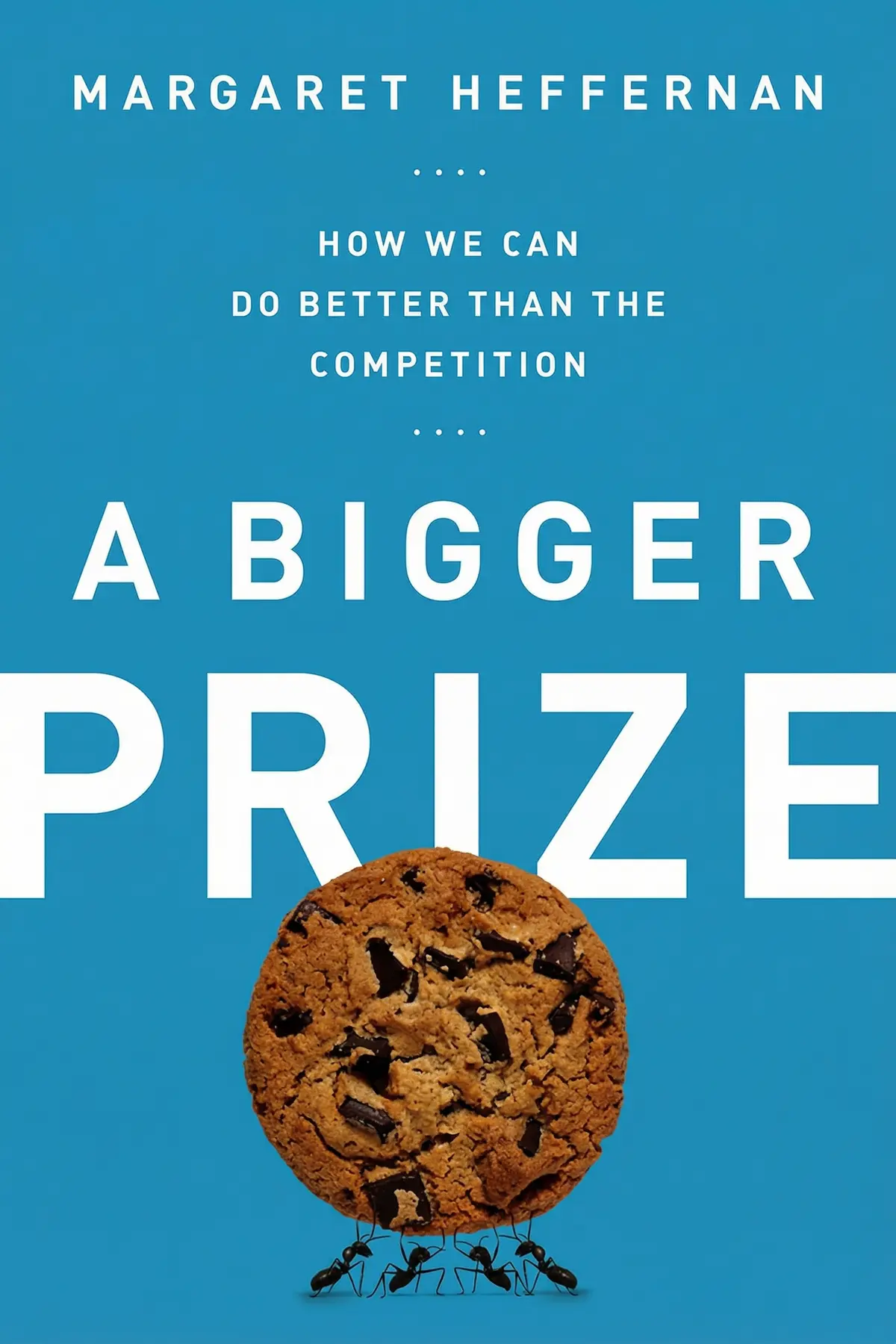
Margaret Heffernan
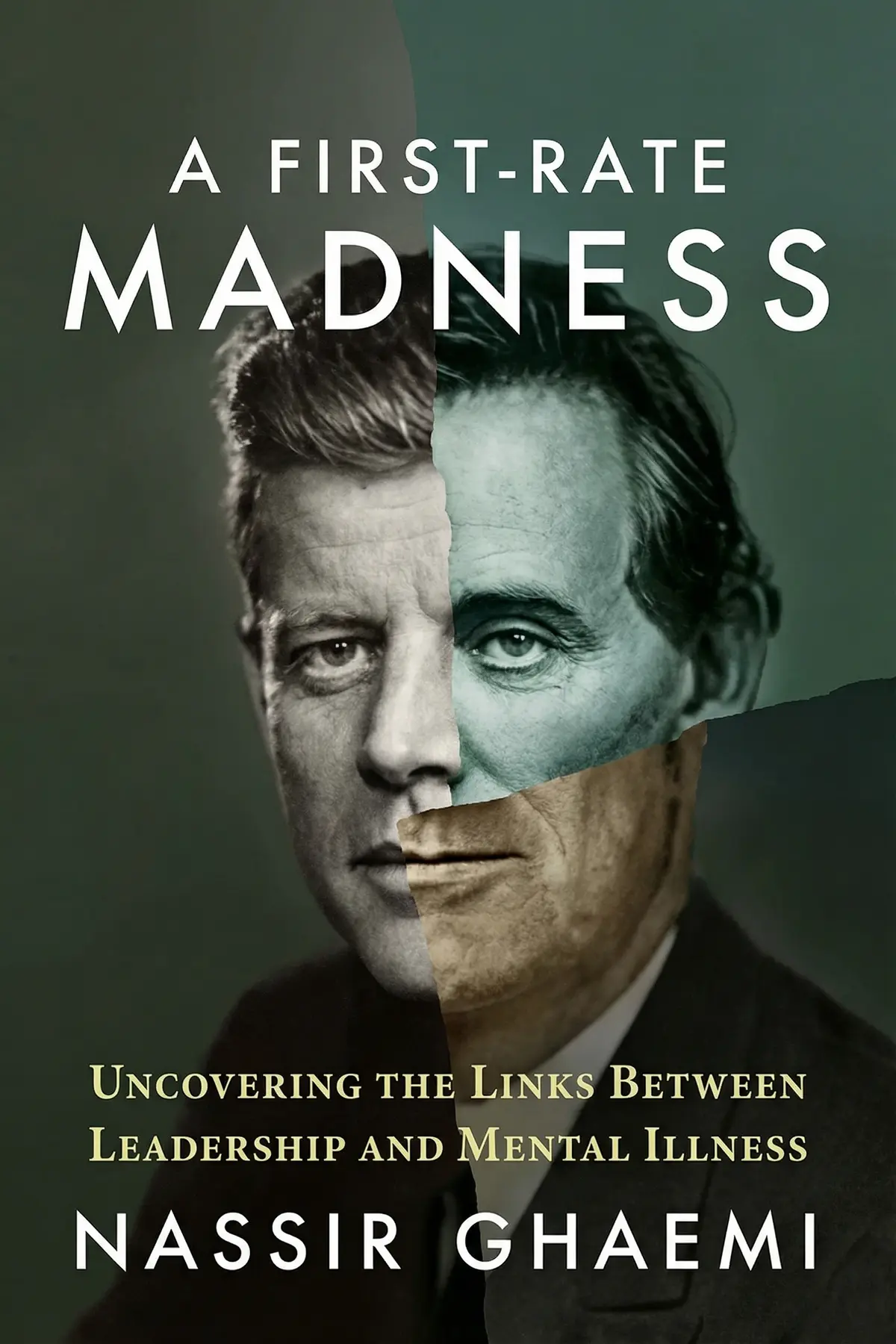
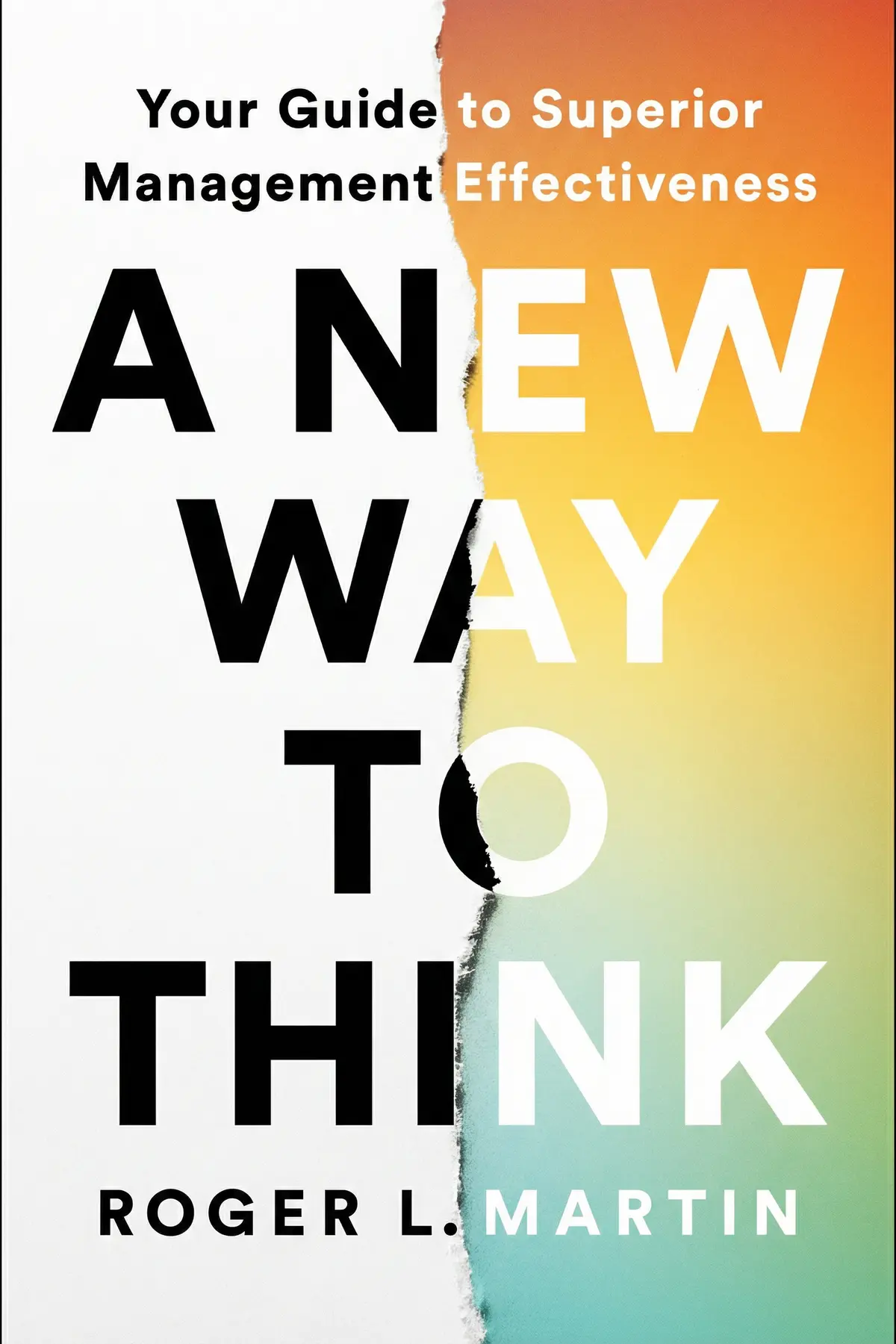
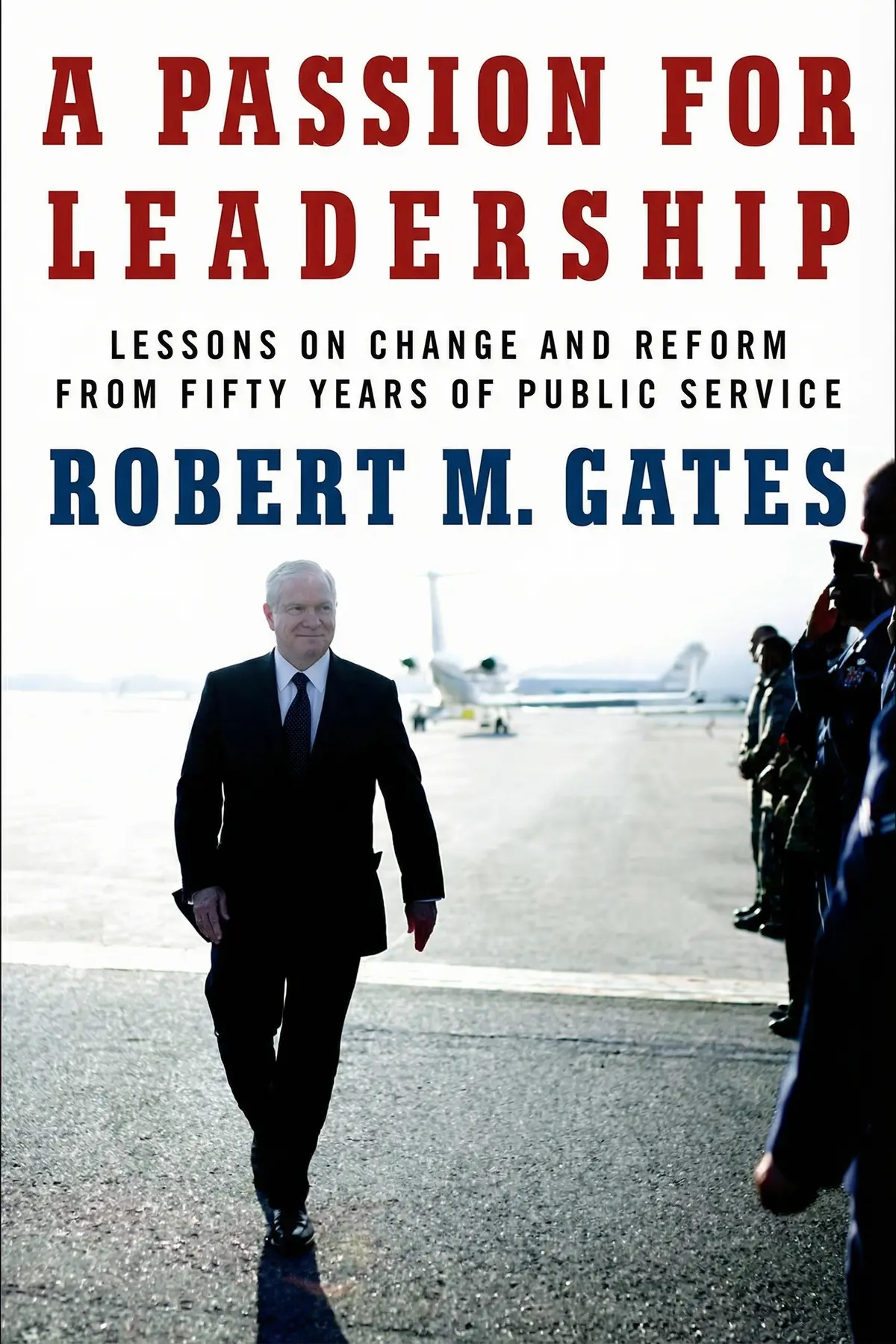
Joseph A. Maciariello
AUDIO SUMMARY AVAILABLE
Get the key ideas from Sensemaking by Christian Madsbjerg, plus 5,000+ more titles in English and Thai.







