
A River in Darkness: One Man’s Escape from North Korea
Masaji Ishikawa
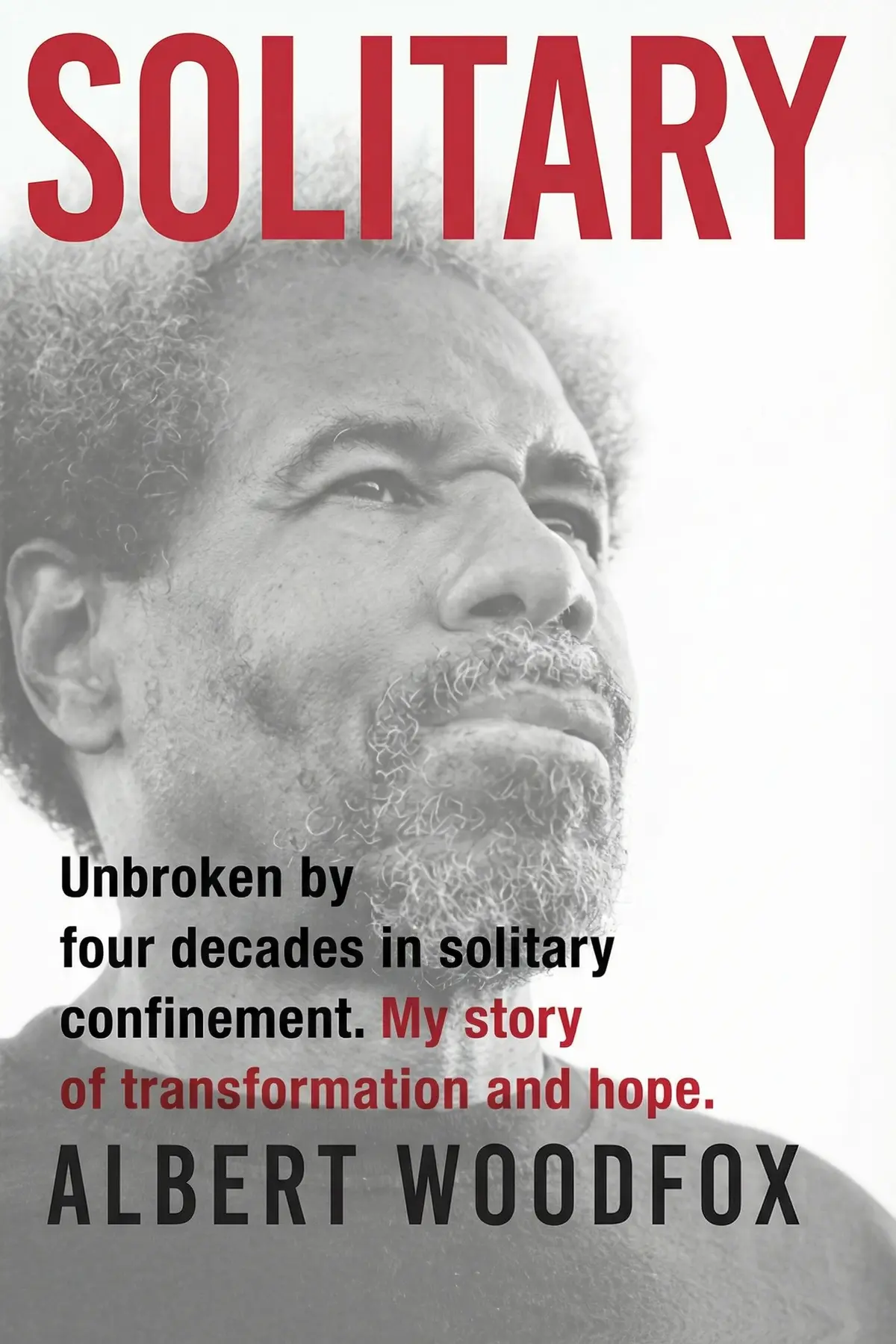
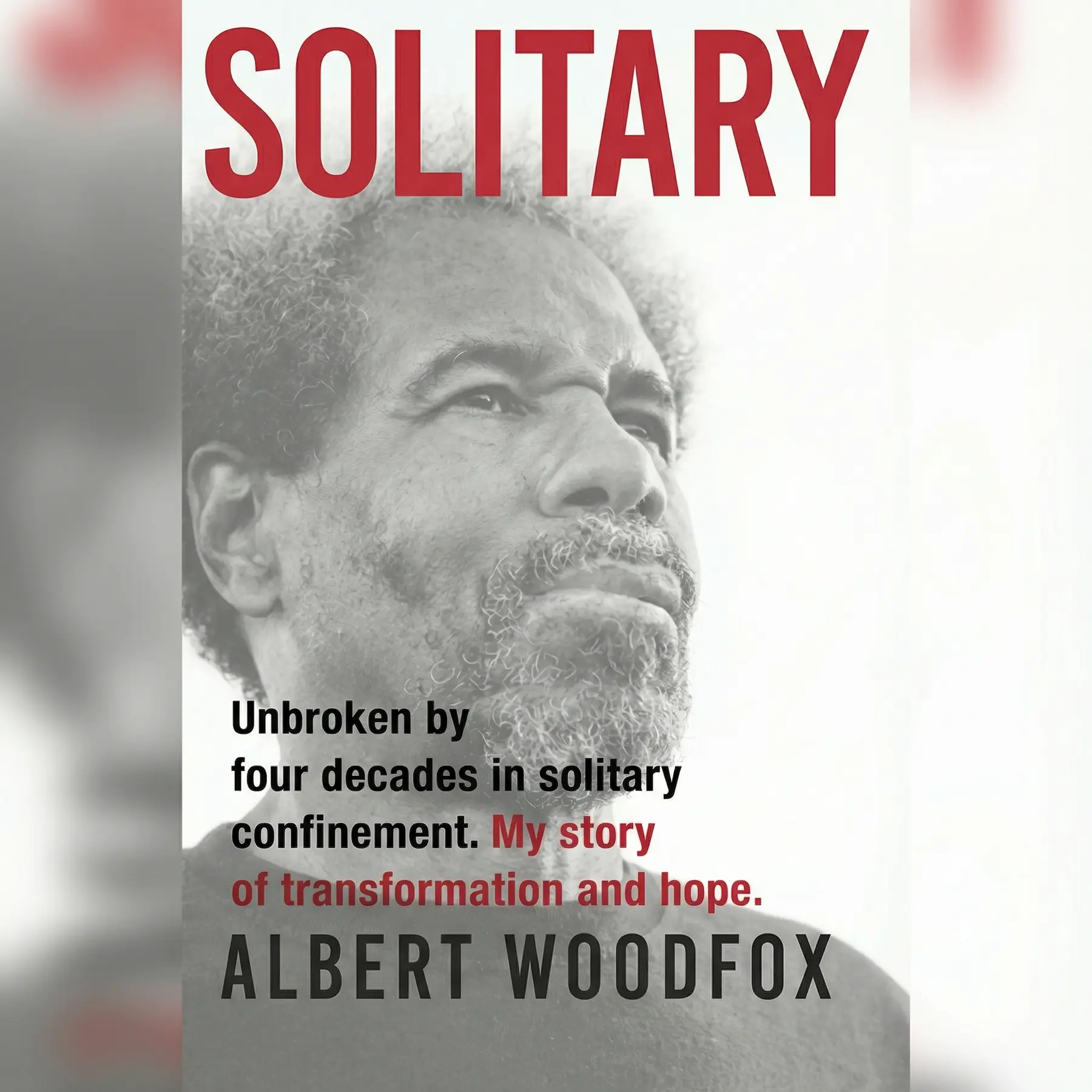
Albert Woodfox’s memoir, Solitary, recounts his unprecedented forty-four years in solitary confinement. It is a profound exploration of racial injustice, the resilience of the human spirit, and a lifelong fight for reform.
1 min 47 sec
Imagine a world that is only six feet wide and nine feet long. Now, imagine staying in that world for more than forty years. This wasn’t a hypothetical experiment in sensory deprivation or a short-term punishment for a momentary lapse in judgment. For Albert Woodfox, this was the defining reality of his adult life. In his memoir, Solitary, we are invited to witness a journey that is as much about the capacity of the human heart to endure as it is about the structural failures of a justice system built on the foundations of racial inequality.
Woodfox’s story is not just a personal record; it is a lens through which we can view the darker corners of the American South. It begins in the segregated wards of New Orleans and leads to the fields of Angola, a prison that serves as a modern echo of the slave plantations that preceded it. Through his eyes, we see how a young man, initially caught in a cycle of poverty and petty crime, transformed himself into a political activist and a symbol of resistance against inhumane treatment.
Throughout this summary, we will explore the factors that led to his unprecedented term in isolation. We will look at the influence of the Black Panther Party, the corruption that framed him for a crime he did not commit, and the incredible bond of friendship he shared with fellow prisoners. More importantly, we will see how Woodfox managed to stay sane and focused when every element of his environment was designed to break his will. This is a story of profound injustice, but it is also a narrative of hope, education, and the relentless pursuit of truth in a system that tried very hard to bury it.
2 min 06 sec
Deep-seated poverty and the rigid laws of Jim Crow New Orleans set the stage for a young man’s early struggles with authority.
2 min 01 sec
The transition from a free citizen to an inmate at a former slave plantation reveals a system of modern-day bondage.
1 min 47 sec
An escape to Harlem leads to a life-changing encounter with the Black Panther Party and a new sense of identity.
1 min 46 sec
Bringing political activism to Angola meant challenging the deep-rooted corruption and violence of the prison leadership.
1 min 57 sec
The tragic death of a young guard provided the perfect opportunity for the state to target political agitators.
2 min 00 sec
Inside the tiny world of solitary confinement, every day is a battle against the loss of one’s mind and dignity.
2 min 04 sec
A unique bond between three men became a lifeline, proving that even in isolation, solidarity can thrive.
2 min 09 sec
The journey through the courts reveals how racial prejudice and institutional corruption can keep an innocent man behind bars.
1 min 58 sec
The psychological and physical toll of long-term isolation is a form of state-sanctioned torture.
2 min 00 sec
After forty-four years, a difficult compromise finally opens the door to a world that has changed beyond recognition.
2 min 04 sec
Woodfox’s story is not a relic of the past, but a reflection of the systemic issues that continue to plague the justice system today.
1 min 47 sec
The ultimate legacy of Solitary is the triumph of the human spirit over a system designed to extinguish it.
1 min 43 sec
The story of Albert Woodfox is a harrowing journey through the depths of the American carceral system, but it is also a powerful testament to the persistence of the human spirit. For over four decades, Woodfox was confined to a tiny cell at Angola, a victim of a system that prioritized political suppression over the pursuit of truth. His memoir, Solitary, serves as both a historical record of racial injustice and a contemporary warning about the continued use of inhumane punishments like long-term isolation.
Through this narrative, we’ve seen how Woodfox transformed his life from one of survival in the streets of New Orleans to one of purposeful activism and self-education. We’ve witnessed the corruption of the legal system and the incredible bond of the Angola Three, who supported each other through decades of state-sanctioned torture. Most importantly, we’ve seen that it is possible to maintain one’s dignity and humanity even when the world is reduced to a space six feet wide and nine feet long.
As we reflect on his journey, the takeaway is clear: the fight for a more just and humane society is far from over. Woodfox’s life calls on us to examine our own biases and to advocate for a system that values rehabilitation and human rights over retribution and neglect. His resilience is an inspiration, but the fact that such resilience was even necessary is a profound indictment of our society. The final message of Woodfox’s life is one of action. We must continue to educate ourselves, challenge systemic inequality, and ensure that no one else is ever buried alive in the name of justice.
This summary explores the harrowing life of Albert Woodfox, a man who spent more than four decades in a six-by-nine-foot cell at the notorious Angola prison in Louisiana. The book traces his journey from a childhood shaped by poverty and segregation in New Orleans to becoming a member of the Black Panther Party and a leader of prison activism. It details the systemic corruption and racial bias that led to his wrongful conviction for the murder of a prison guard and the grueling psychological battle of surviving decades of isolation. Listeners will gain insight into the brutal history of the American carceral system, specifically the legacy of Angola as a former slave plantation. The narrative promises a deep look at how Woodfox maintained his dignity and intellect through education and solidarity with fellow prisoners, even while facing extreme dehumanization. Ultimately, it is a call to action regarding the ongoing issues of racial sentencing disparities and the continued use of solitary confinement in the modern justice system.
Albert Woodfox was born in 1947 in New Orleans and grew up in a family struggling with poverty. He spent 44 years in solitary confinement at Louisiana State Penitentiary, where he became a self-educated activist and member of the Black Panther Party. Released in 2016, he devoted his later life to advocating for prison reform and social justice.
Listeners describe the work as highly accessible and expertly crafted, offering a compelling narrative regarding incarceration and a remarkable chronicle of maintaining human dignity. This stimulating read is vital for grasping global realities, and one listener characterized the experience as a roller coaster ride through uncomfortable issues. Although listeners value the story of endurance, some find the content heartbreaking, and there is significant distress regarding how individuals are treated within solitary confinement.
Woodfox’s resilience is simply staggering. This memoir doesn't just describe forty years of solitary confinement; it makes you feel the airless weight of that 6x9 cell. He spent decades in Angola prison for a murder he didn't commit, yet he refused to let the system break his spirit. The way he and the rest of the Angola 3 utilized the Black Panther party’s teachings to organize against the horrific violence and sexual exploitation in the prison was truly inspiring. It’s a devastating look at systemic racism that left me reeling. Frankly, it’s one of the most powerful things I’ve read in years. Every American should have this on their shelf to understand the reality of our justice system.
Show moreIt is rare to find a memoir that is both a brutal indictment of a system and a testament to the human soul. Albert Woodfox tells his story with a raw, unvarnished honesty that is sometimes hard to stomach. From his early days of petty crime to the decades spent in isolation, the narrative moves like a roller coaster through the darkest corners of the Louisiana justice system. I was particularly struck by his ability to turn his cell into a university. He read everything he could get his hands on to transcend his surroundings. The writing is incredibly clear and persuasive. You cannot read this without wanting to demand immediate prison reform.
Show moreEver wonder how a person maintains their sanity in total isolation for four decades? Woodfox provides the answer through his unwavering commitment to his principles and his friends. This book is a gut-punch. It exposes the corruption of the Louisiana authorities who fought for years to keep an innocent man behind bars. The descriptions of life in Angola are vivid—the heat, the noise, the constant threat of violence. Yet, the core of the book is about humanity and friendship. The bond between the Angola 3 kept them alive when everything else was taken away. It’s an essential, well-written account of survival against impossible odds. Simply unforgettable.
Show moreHeartbreaking. This book is a necessary reminder of the cruelty that exists within our own borders. Woodfox’s account of being framed for a guard's murder and then abandoned in a hole for forty years is chilling. The writing is simple but carries so much weight. I found myself tearing up at the ending—the sheer persistence required to reach that point is unfathomable. It’s more than just a prison memoir; it’s a call to action. If this doesn't make you want to fight for justice reform, I don't know what will. It is a devastating, brilliant, and ultimately hopeful piece of work that everyone needs to experience.
Show moreThe chapter on his time with the Black Panthers completely shifted my perspective on his journey. It wasn't just about survival; it was about reclaiming dignity in a place designed to strip it away. Woodfox writes with such clarity about the systemic racism that fueled his conviction. The fact that he spent forty years in solitary—23 hours a day in a tiny cage—is a stain on our country. This book is well-written and deeply researched, blending personal trauma with political analysis. It’s an incredible account of holding onto one's humanity when the world wants you to disappear. I highly recommend it to anyone interested in social justice.
Show moreAfter hearing so much about Woodfox on the news, I expected a dry legal history, but this was something else entirely. It’s a raw, emotional journey that highlights the absolute worst and best of people. The way the state of Louisiana suppressed evidence for decades is infuriating. But seeing Woodfox emerge as a whole, thoughtful man after 42 years of torture is a testament to the human spirit. The prose is beautiful and the story is essential. It’s a thought-provoking deep dive into why we need to end for-profit prisons and solitary confinement once and for all. This is a truly life-changing read that I won't soon forget.
Show moreWhile this is undoubtedly a monumental story, the execution can be a bit of a slog at times. I found the inclusion of extensive court transcripts and the minute details of every legal maneuvering to be slightly excessive. It definitely slowed down the momentum of the personal narrative. However, that’s a minor gripe when you consider the scope of what Woodfox endured. His transformation from a young man caught in a cycle of crime to a political intellectual is fascinating. The book provides a necessary, if uncomfortable, look at the treatment of prisoners in America. It’s thought-provoking and stays with you long after the final page is turned.
Show moreFinally got around to reading this, and it’s a total roller coaster of emotions. There were moments where I had to put the book down because the injustice was just too much to handle. To be fair, the book is quite repetitive, but I think that might be intentional to mirror the crushing boredom of solitary confinement. Woodfox doesn't shy away from his past, which I appreciated. He’s honest about who he was before he went in. Seeing his growth through education and activism while locked in a tiny room is nothing short of a miracle. This is a powerful story about the endurance of the human spirit.
Show moreLooking at the American justice system through the lens of the 'Angola 3' is an eye-opening experience, though I had some issues with the pacing. The middle section of the book feels bogged down by names of committees and repetitive descriptions of legal filings. It’s obviously an important record, but as a reader, I found my attention wandering. Also, Woodfox’s refusal to express regret for his earlier crimes, like armed robbery, made him a difficult protagonist to root for initially. That said, the second half is incredibly moving. The persistence of his legal team provides a much-needed glimmer of hope in a very dark story.
Show moreI struggled to connect with this narrative, mainly because the editing felt quite loose. To be honest, I found the inclusion of full court transcripts to be unnecessary and distracting from the actual story. It felt like the book couldn't decide if it wanted to be a personal memoir or a legal reference text. Furthermore, I found Woodfox's lack of remorse for his victims prior to his murder conviction quite jarring. He admits to terrorizing people with guns but says he wouldn't change a thing. It’s a very important subject, and solitary confinement is clearly torture, but the writing style just didn't work for me. I preferred other memoirs in this genre.
Show moreMasaji Ishikawa

Ben Macintyre

Fay Bound Alberti


Daniel Goleman

James Shapiro



Virginia Woolf
AUDIO SUMMARY AVAILABLE
Get the key ideas from Solitary by Albert Woodfox, plus 5,000+ more titles in English and Thai.







