
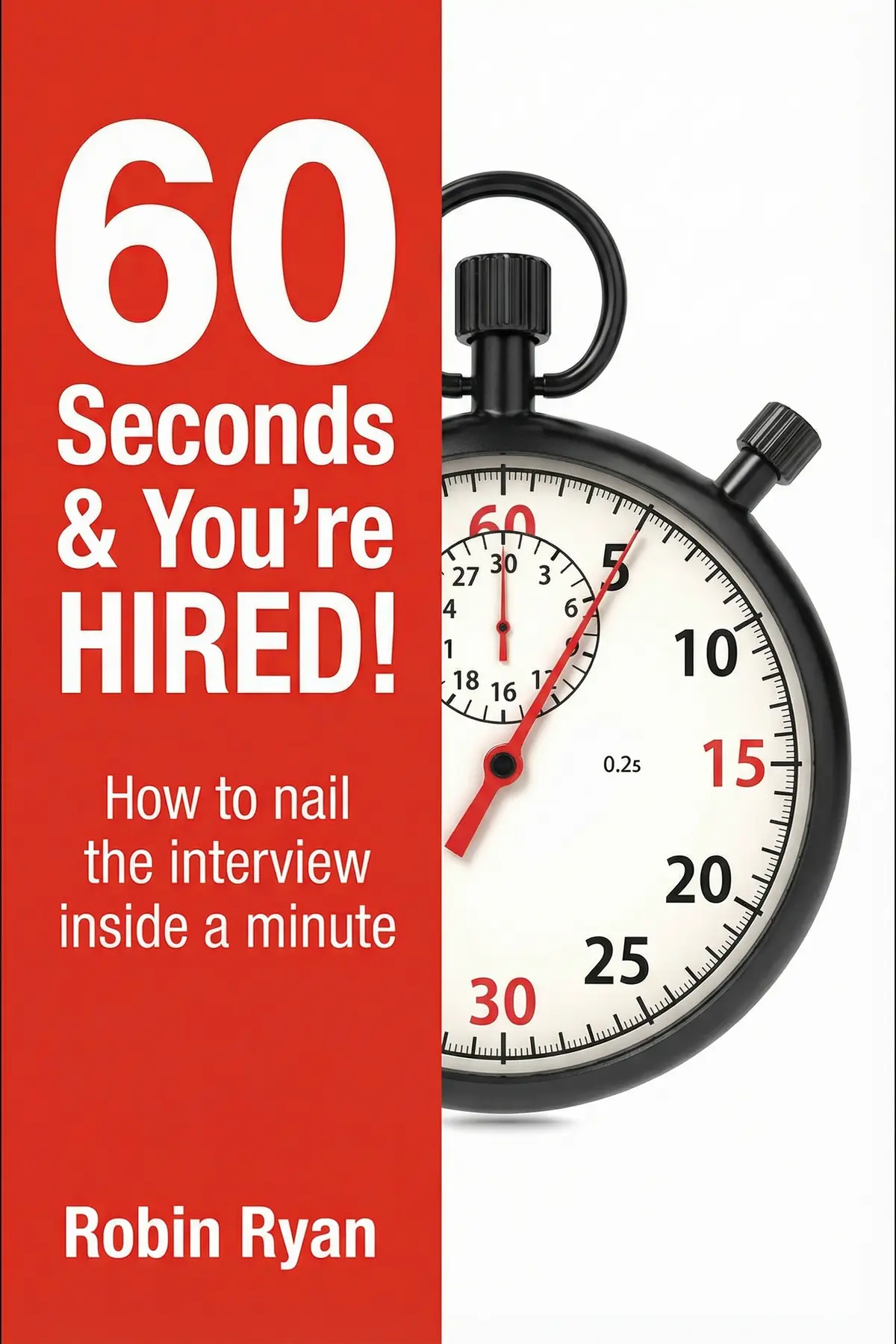
60 Seconds & You’re Hired!
Robin Ryan
Discover a strategic roadmap for professional transitions. This guide explains how to overcome psychological hurdles, rebrand your existing skills, and leverage high-impact networking to successfully land a role in a completely new field.
1 min 38 sec
Imagine working for twenty years in a stable, high-level position within the finance industry. You’ve climbed the ladder, earned the respect of your peers, and built a substantial resume. But deep down, your heart is in creative advertising. You finally decide to make the leap, sending out dozens of applications for senior roles in media companies. You expect doors to fly open based on your track record. Instead, you hear nothing but silence. When you finally get feedback, it’s a cold reality check: your skills are ‘impressive’ but ‘irrelevant’ to the new field. This is the frustrating reality for many professionals attempting a career change.
The problem isn’t your talent; it’s the method. Traditional job searching is designed for people staying in their current lane. When you decide to switch lanes, the rules of the game change entirely. You aren’t just looking for a job; you are undergoing a fundamental rebranding of your professional identity. To succeed, you have to understand the hidden psychology of the hiring process and learn how to position yourself as the solution to a problem your new industry is facing.
In this summary, we are going to explore a strategic framework for making this transition. We’ll look at the different levels of career changes, the mental traps that hold us back, and the specific ways to build a bridge between where you are and where you want to be. It’s about more than just a better cover letter—it’s about a total shift in strategy that turns your ‘outsider’ status into your greatest asset. By the end, you’ll have a clear understanding of how to navigate the complex journey of a career switcher and emerge on the other side with a role that truly fits your passions.
2 min 02 sec
Every career change involves a different level of risk and preparation. Learn to categorize your transition to better manage the sacrifices and strategies required.
2 min 00 sec
The biggest obstacle to a career switch isn’t the market; it’s your own biology. Discover how loss aversion and the lizard brain keep you stuck in unfulfilling roles.
1 min 52 sec
Your old resume won’t work in a new industry. Learn how to translate your past achievements into a language that speaks directly to your future employer’s needs.
1 min 55 sec
Job boards are where career switches go to die. Find out how to build a network of advocates who can vouch for your potential.
2 min 03 sec
When you finally get in the room, the goal is to turn your outsider status into a strength. Learn how to handle tough questions and secure your worth.
1 min 24 sec
The journey of a career switcher is rarely a straight line. It is a process that requires a rare combination of psychological grit, strategic rebranding, and persistent networking. As we have seen, the traditional tools of the job search are often inadequate for those looking to jump into a new industry. You cannot simply update your resume and wait for the phone to ring; you must take command of your own narrative and actively build the bridges that will lead you to your new destination.
To recap the throughline of this transition: start by clearly defining the scope of your move and accepting the necessary sacrifices. Tackle the biological resistance to change by reframing your fears and moving past the limitations of your ego. Translate your existing achievements into a language that your target industry understands, and use the power of personal advocates to get your foot in the door. When you finally reach the interview stage, lean into your unique perspective as an outsider and negotiate for a package that reflects your future value.
Changing careers is one of the most significant challenges a professional can face, but it is also one of the most rewarding. By following this roadmap, you aren’t just looking for a new paycheck—you are claiming a professional life that is aligned with your true interests and talents. The path is open; all that remains is for you to take that first strategic step forward. Start by identifying one person in your target field and asking for a ten-minute conversation. That small act of outreach is the beginning of your new story.
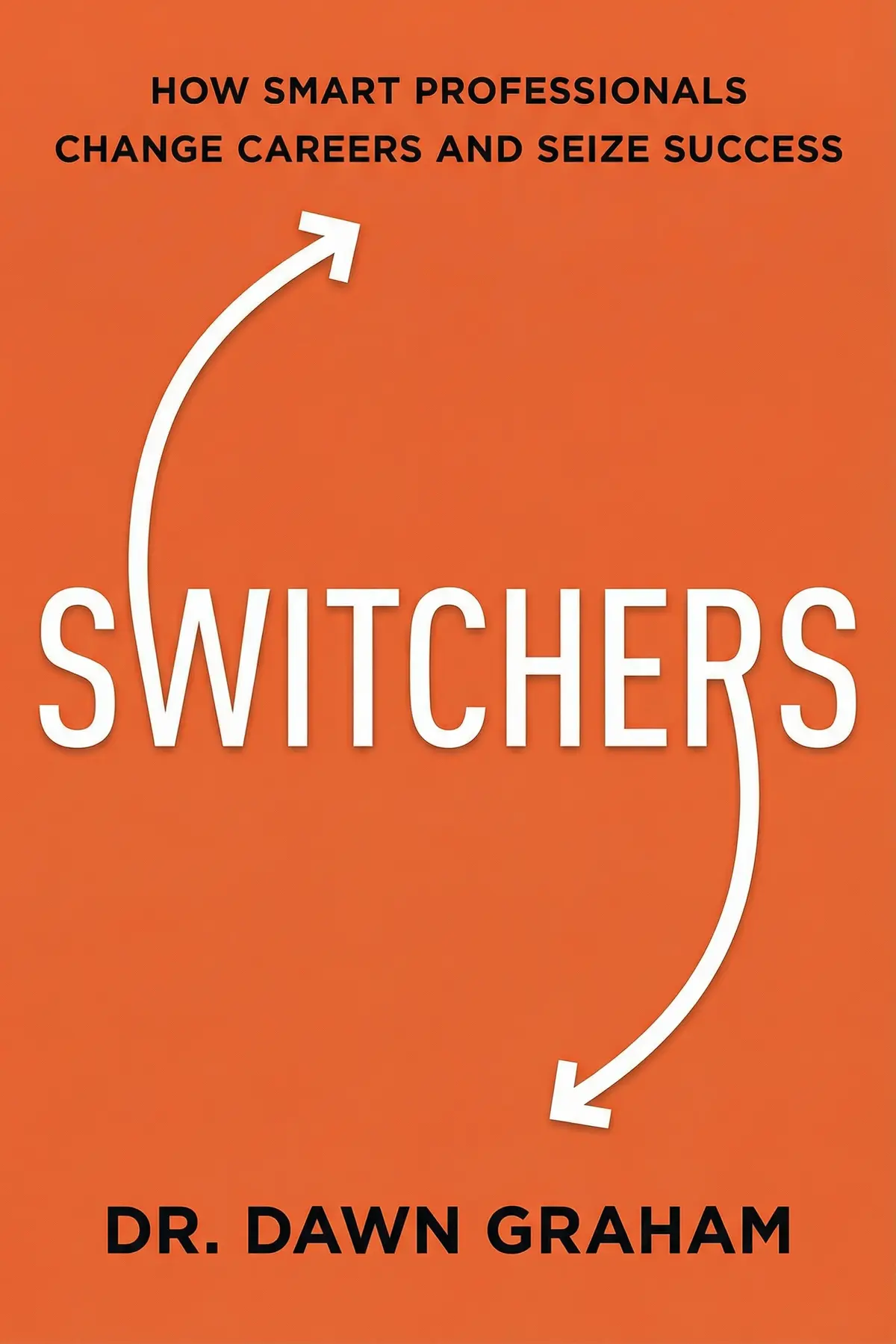
Many professionals feel trapped in careers that no longer fulfill them, yet they struggle to break into new industries because traditional job-hunting methods fail career changers. Switchers addresses this gap by offering a comprehensive blueprint for making a radical professional pivot. It moves beyond simple resume tips to explore the psychological barriers—both in the switcher and the recruiter—that often stall these transitions. The book provides a tactical shift in perspective, teaching you how to view your experience through the lens of transferable value rather than specific job titles. You will learn how to navigate the 'murky middle' of a transition, how to build a network of advocates who can bypass the automated screening systems, and how to frame your unique background as a competitive advantage. The promise is a clear path toward a more meaningful career by mastering the art of professional rebranding and psychological resilience.
Dr. Dawn Graham is a licensed psychologist, career coach, and former corporate recruiter. Her diverse background gives her a unique perspective on the mechanics of hiring and the psychology of career change. She is the host of the SiriusXM program Dr. Dawn on Careers and a regular contributor to Forbes. Beyond her media work, she has shared her expertise through a TEDx talk and various LinkedIn Learning courses, cementing her reputation as a leading voice in professional development and leadership strategy.
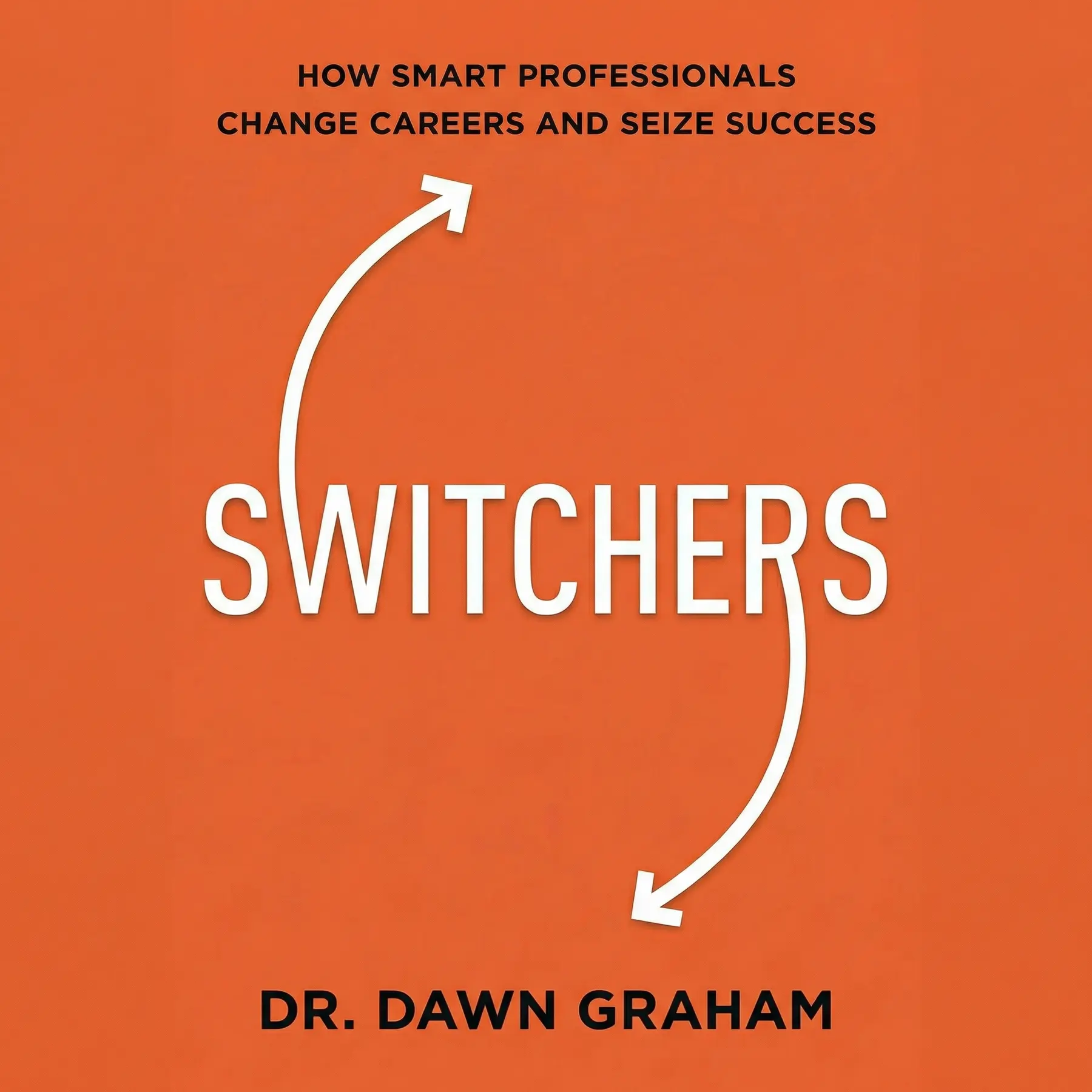
Listeners find this guide offers actionable advice for shifting both functional roles and industries, and one listener mentions it is loaded with useful tips. The work is also lauded for its clear writing and deep psychological perspectives that support individuals during professional pivots. Furthermore, listeners value the thorough subject matter and the user-friendly tools included.
Wow, I wish I had discovered this book three years ago when I first started thinking about leaving my accounting firm. Dr. Dawn Graham has created a masterpiece for anyone who feels 'pigeonholed' in their current profession. The psychological insights are what set this book apart from the usual generic career advice you find online. I loved the emphasis on 'professional energy' over just blindly following your passion, which felt much more grounded and realistic. The 30-day challenge to get outside your comfort zone was exactly the kick in the pants I needed to start networking properly. This isn't just a book you read; it’s a book you do. Every chapter left me with a specific task that actually moved the needle on my job search. If you are serious about changing your life, don't just skim this—study it.
Show moreIn my experience, the hardest part of a career change isn't the skill gap, but the mental hurdle of letting go of your old identity. Graham tackles this head-on with her deep dive into the psychology of transition. She doesn't lie to you; she makes it clear that you will likely have to sacrifice your title or status to get where you want to go. I found the 'Plan A' vs 'Plan B' discussion particularly helpful for staying focused on a singular goal. The writing style is engaging and the stories she shares are truly inspiring without being cheesy. It’s a comprehensive guide that covers everything from social media branding to the nuances of interviewing as an outsider. This book gave me the confidence to finally apply for roles I thought were out of reach. It is easily the most valuable career resource on my shelf right now.
Show moreThe chapter on the 'Unknown Factor' changed my entire approach to the job search. It’s so easy to get discouraged when you’re doing everything 'right' and still not seeing results, but Graham reminds us that luck and timing are part of the equation too. You just have to stay in the game long enough for those factors to align. I really appreciated the focus on building a 'Brand Bank' and how every interaction counts toward your professional reputation. The book is incredibly readable and packed with actionable tools that you can use immediately. I’ve already rewritten my LinkedIn bio using her BVP framework and the response has been amazing. Honestly, this is the first career book that actually made me feel empowered instead of just overwhelmed. It's an essential read for anyone looking to make a meaningful professional shift in today's chaotic market.
Show moreFinally got around to reading this after a friend mentioned the chapter on psychological 'red flags.' As someone looking to move from education into tech, I’ve been battling massive imposter syndrome for months. Dr. Graham’s insights into the 'beginner's mind' and how to frame your career story really helped shift my perspective. I finally feel like I have permission to stop defining myself by my old title and start talking about the value I actually bring to the table. The action steps at the end of each chapter make the daunting process of a career pivot feel much more manageable. My only gripe is that some of the networking advice feels a bit aggressive, almost like you’re expected to bother people constantly. Still, the psychological tools for handling rejection and the fear of loss are worth the price of the book alone. It's a comforting read for anyone feeling stuck in a professional rut.
Show moreThe truth is, most career books are fluff, but this one actually provides a concrete roadmap for those willing to do the work. Graham focuses heavily on the 'Career Story,' which is a game-changer for anyone whose background doesn't perfectly align with their target role. She teaches you how to connect the dots for the hiring manager so they don't have to guess. I found the 'Brand Bank' concept particularly insightful for building a reputation in a new industry. The book is well-organized and the tools are easy to implement right away. It’s a bit repetitive in the middle, but the core message is vital for the modern job market. If you're serious about making a jump, this is one of the better guides out there.
Show moreAs someone who works in recruitment, I found Dr. Graham’s perspective on the hiring manager's psyche to be spot on. We really are wired to avoid risk, and she explains perfectly why a 'Switcher' can look like a liability on paper. Her advice on how to mitigate that perceived risk through referrals and a strong Brand Value Proposition is incredibly practical. I especially liked the section on 'loss aversion' and how it affects both the seeker and the hirer. It's a quick, insightful read that manages to bridge the gap between psychology and business. I’ve already started recommending certain chapters to my candidates who are looking to pivot. The only reason it’s not five stars is that it can feel a bit formulaic at times, but the content itself is high quality. It’s a must-read for anyone who feels like their current path is a dead end.
Show morePicked this up because I’ve been feeling stagnant in my marketing role and wanted to see what the 'other side' looks like. Dr. Graham is very realistic about the sacrifices involved, which I appreciated even if it was a tough pill to swallow. She doesn't sugarcoat the fact that switching careers often means taking a hit to your title or your paycheck. The concept of 'loss aversion' was a real eye-opener for me and helped explain why I’ve been so hesitant to make a move. Personally, I agree with some other readers that the book is quite dry in places. You can get about 80% of the value just by reading the end-of-chapter exercises and the bolded text. It’s a solid roadmap if you need a step-by-step guide, but don't expect to be entertained while reading it. I’m glad I borrowed it from the library rather than buying a permanent copy.
Show moreEver wonder why your resume keeps falling into a black hole when you apply for roles outside your current field? Dr. Graham explains the 'why' behind this frustration by highlighting how hiring managers view switchers as a major red flag. Her focus on rebranding yourself and creating a 'Brand Value Proposition' is probably the most useful part of the entire book. She argues that networking is the only real way in, which is probably true, though it’s exhausting to hear for us introverts. To be fair, the book is very corporate-centric and doesn't account for the gig economy or creative fields much at all. The writing is clear, but the formatting feels a bit like a textbook with all the checklists and bullet points. It’s a functional guide that provides a decent framework, but it lacks the inspiration I usually look for in career development books. It’s more of a manual than a manifesto.
Show moreNot what I expected, but still worth a look if you are feeling completely lost. I was hoping for more specific tips on learning new technical skills, but this is more about the 'selling yourself' part of the equation. Look, the advice on networking and bypassing the online application systems is very solid. I just found the tone a bit too 'corporate cheerleader' for my personal taste. It feels like it was written for people who love LinkedIn, which isn't really me. The summary sections are the best part because they get straight to the point without the fluff. It’s a decent enough guide, but I think the value depends entirely on how much you enjoy the traditional corporate networking dance.
Show moreThis book feels a bit stuck in the past despite claiming to be for the modern job seeker. While Dr. Graham clearly knows her stuff regarding corporate HR, the advice feels tailored exclusively to someone trying to climb a very specific ladder at a Fortune 500 company. If you aren't trying to become a middle manager in a traditional office, you might find the 'tried and true' methods a bit stale. I found the sections on networking to be helpful, but the constant repetition of chapter summaries felt like filler to pad the page count. Frankly, many of these psychological insights are things you can find in any standard career blog for free. It’s not a bad resource if you’re a complete novice, but for those of us already mid-career, it didn't offer the breakthrough I was hoping for. I ended up skimming the last third because it felt like I’d already heard the main points multiple times.
Show moreRobin Ryan
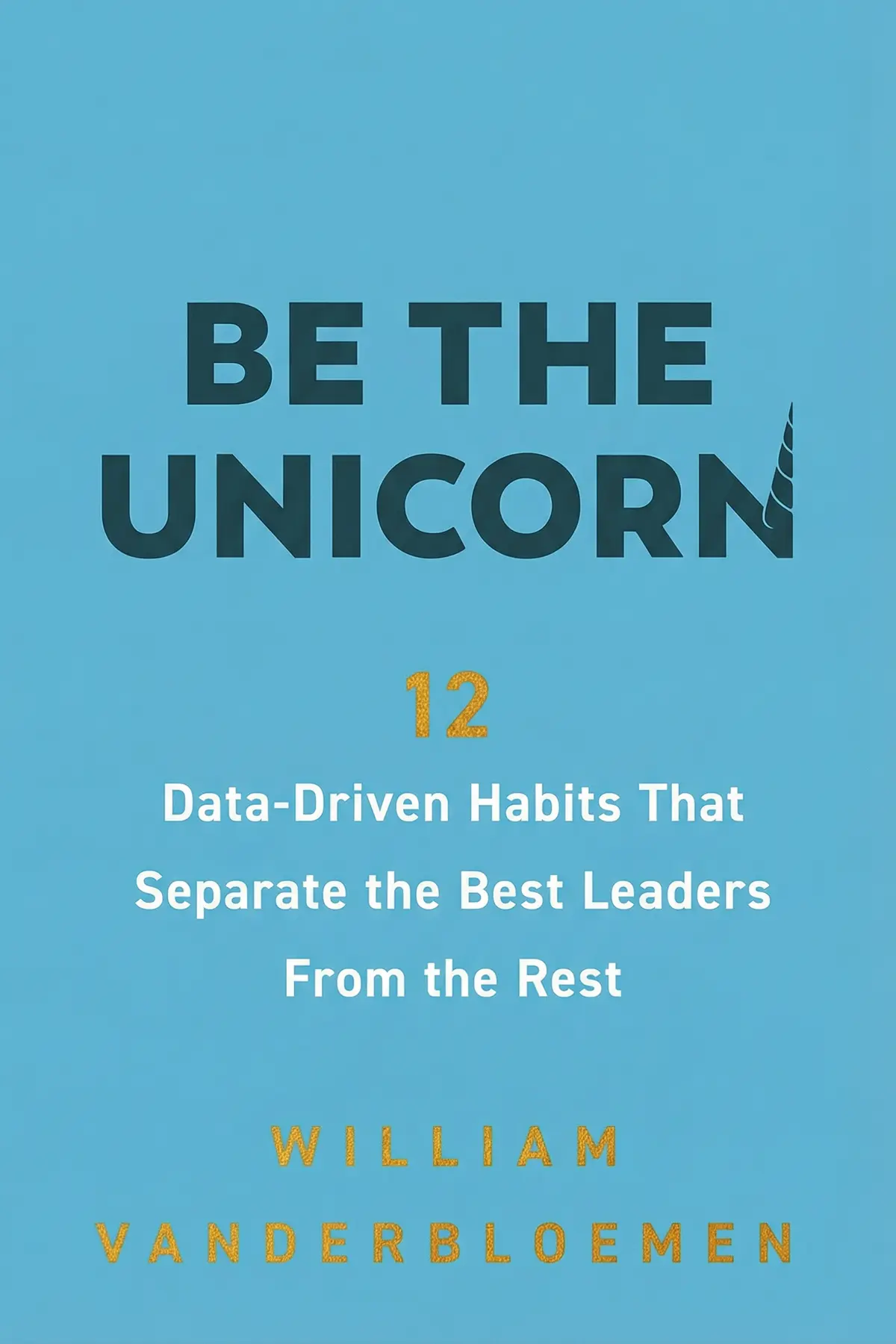
William Vanderbloemen
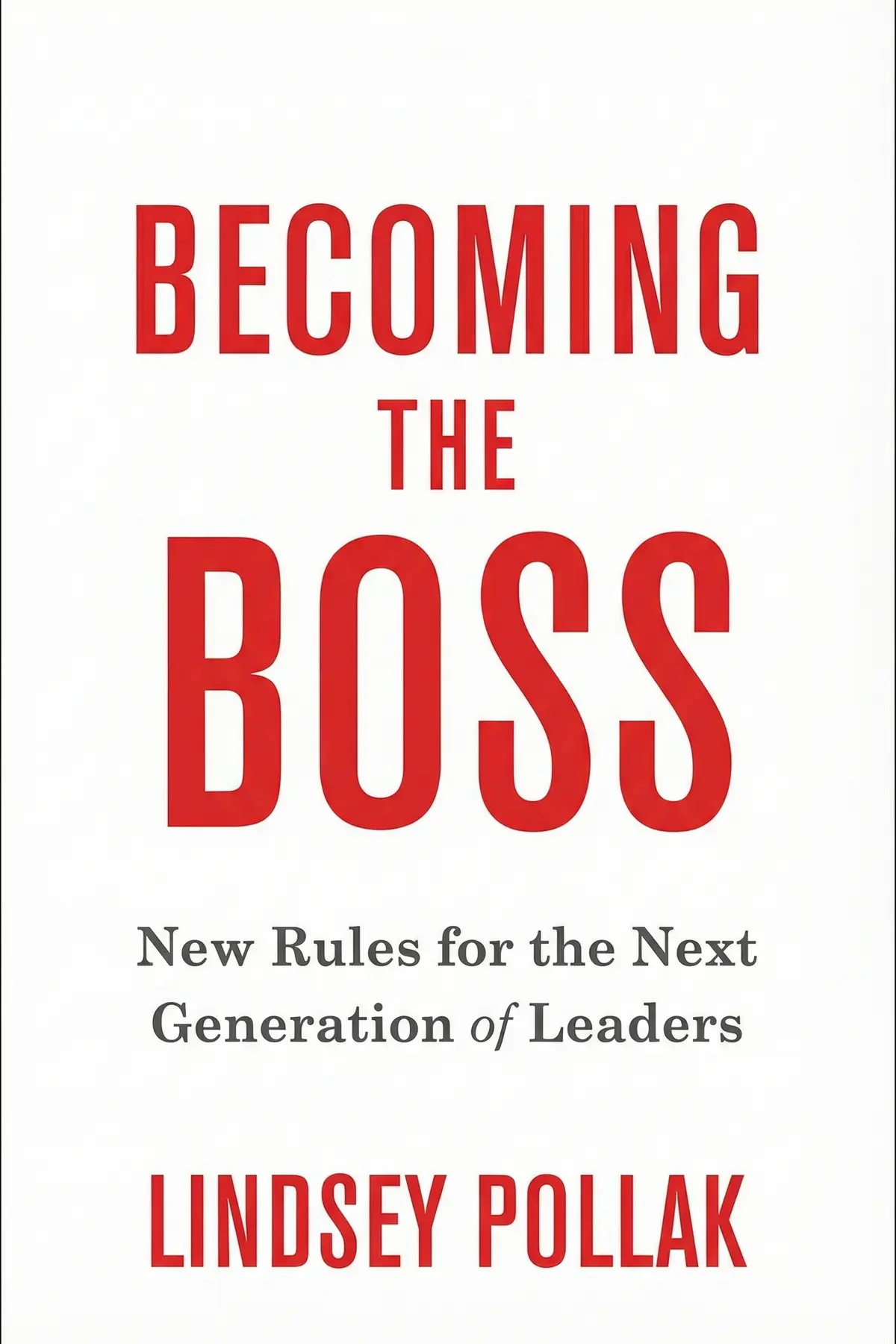
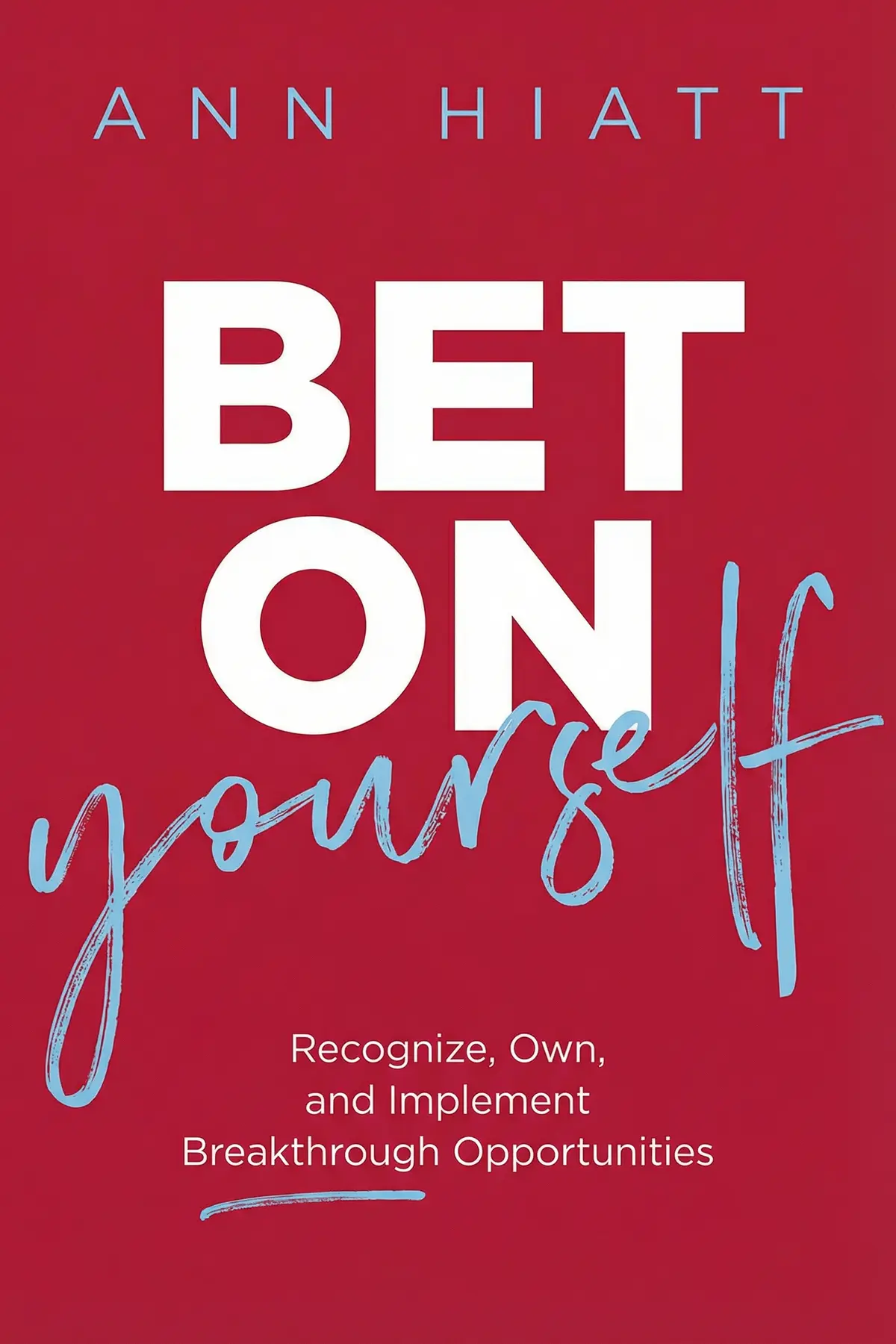
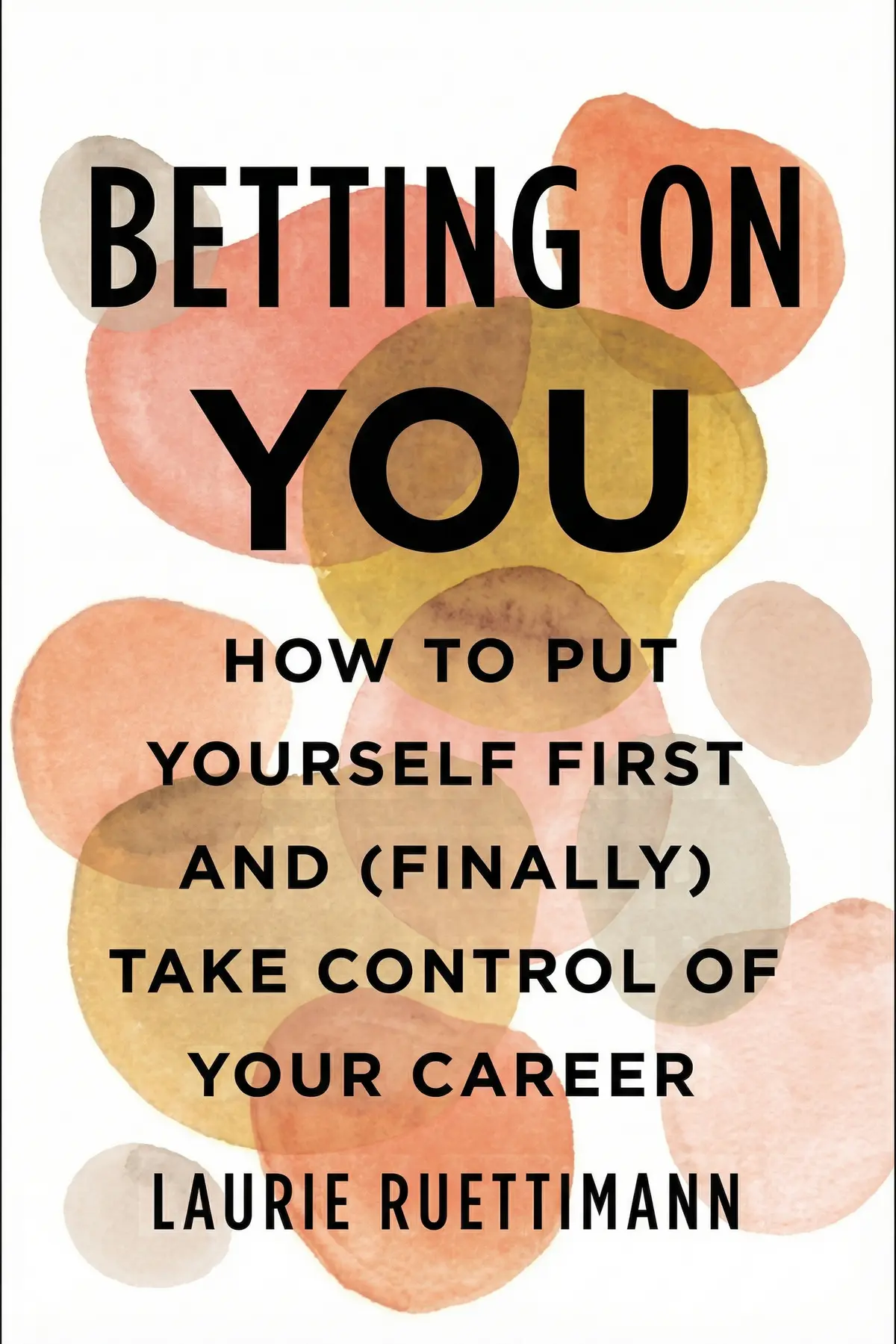
AUDIO SUMMARY AVAILABLE
Get the key ideas from Switchers by Dawn Graham, plus 5,000+ more titles in English and Thai.







