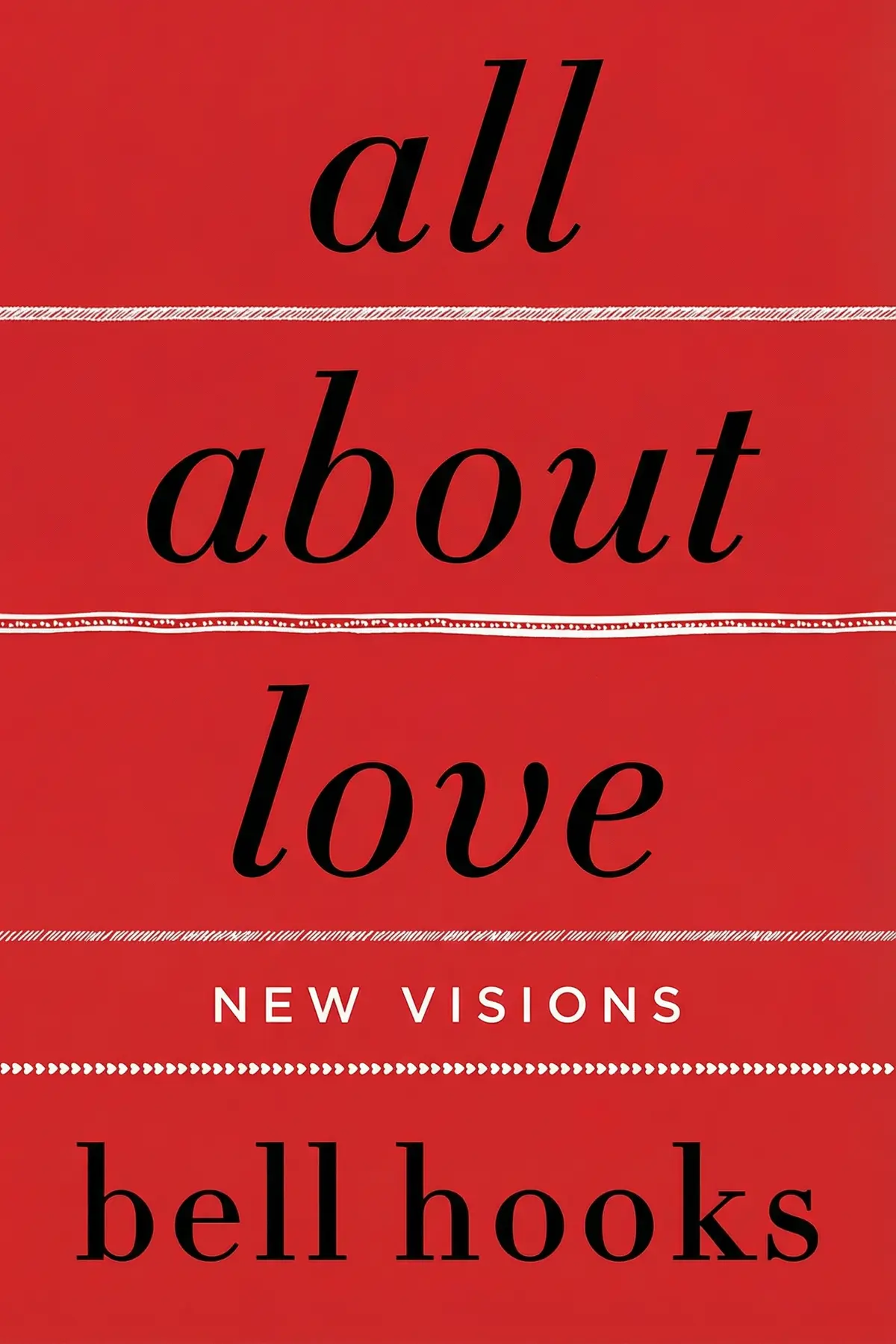
All About Love: New Visions
bell hooks
Discover how to transform heated arguments into moments of deep connection. This guide provides practical strategies and essential phrases to de-escalate conflict and restore intimacy in any relationship.
1 min 14 sec
We have all been there. You are in the heat of a disagreement with the person you love most, and suddenly, it feels like you are speaking two different languages. The volume rises, the walls go up, and instead of solving the problem, you both end up feeling more isolated than when you started. In these moments, it is easy to feel like the relationship is slipping away, lost in a sea of criticism and misunderstanding. But what if there was a way to hit the ‘pause’ button and reset the entire energy of the room?
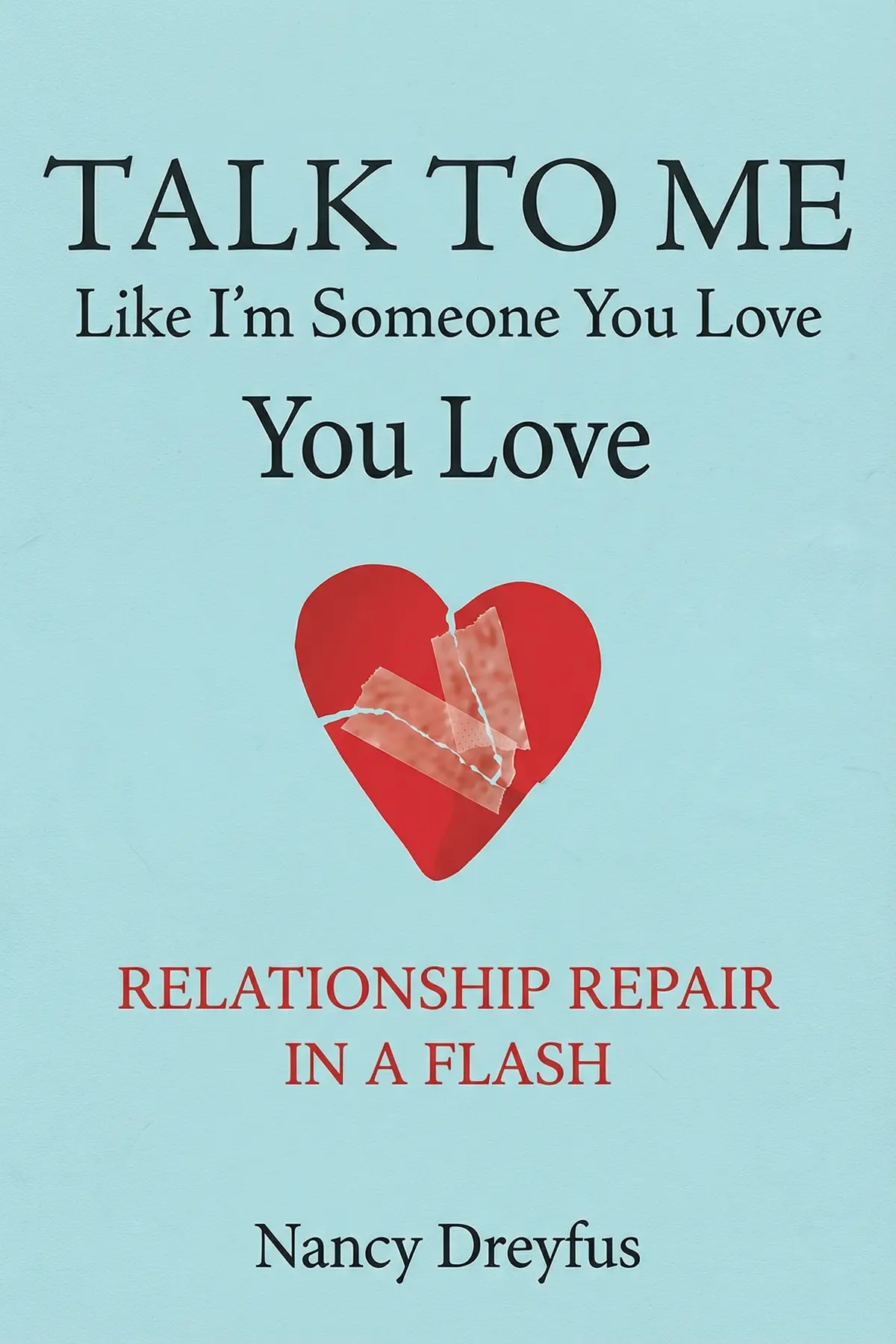
This is the central challenge addressed in Nancy Dreyfus’s work. The throughline here is simple yet profound: communication is the lifeblood of any partnership. When it stops, the relationship begins to wither. However, the solution isn’t just about talking more; it’s about talking differently. It is about moving from a state of combat to a state of connection. In the following sections, we will explore how to recognize when an interaction is failing, how to validate the person across from you even when you’re angry, and how to use vulnerability as a bridge back to intimacy. By the end, you will have a new framework for ‘relational repair’ that can be applied in the blink of an eye, turning a potential disaster into an opportunity for growth.
1 min 20 sec
When a conversation begins to spiral into negativity, the most effective tool is a conscious decision to change course before things get worse.
1 min 31 sec
Prioritizing your partner’s need to feel heard over your own need to be right can de-escalate even the most intense conflicts.
1 min 24 sec
Admitting your faults and apologizing for your behavior is not a sign of defeat, but a foundational building block of trust.
1 min 26 sec
True resolution requires more than just stopping the fight; it necessitates a shift in mood and a return to physical and emotional closeness.
1 min 08 sec
In the end, the health of a relationship isn’t measured by the absence of conflict, but by the speed and sincerity of the repair. As we have seen, the words we choose and the tone we adopt have a massive impact on whether a disagreement leads to a breakthrough or a breakdown. By learning to pivot when a conversation goes sour, validating each other’s deepest feelings, and taking radical responsibility for our own actions, we transform our relationships into safe havens of mutual respect.
The next time you feel that familiar rise of frustration, remember that you have the power to change the energy of the interaction. You don’t have to be a victim of your own communication patterns. Instead, try reaching for vulnerability. Use the phrases we’ve discussed to ask for a fresh start or to express your need for love. When you treat your partner with the dignity they deserve—and demand the same for yourself—you create a cycle of healing that can last a lifetime. Relationship repair is a skill, and like any skill, it gets stronger with practice. Start today by choosing connection over being right, and watch how your world shifts.
Have you ever found yourself trapped in a recurring argument where neither person feels heard? Talk to Me Like I'm Someone You Love offers a refreshing approach to relationship repair that focuses on immediate shifts in communication. Instead of getting bogged down in long-term therapy jargon, this guide provides a toolkit for those high-tension moments when a relationship feels most fragile. The core promise of the book is that by changing our language and energy, we can move from hostility to harmony in a flash. It teaches readers how to recognize destructive patterns, validate their partner's emotions without losing their own voice, and take responsibility for their actions. By utilizing specific phrases and vulnerability-driven interventions, couples can break through the walls of criticism and silence to rediscover the love that brought them together in the first place. Whether you are dealing with minor misunderstandings or deep-seated resentment, these techniques offer a path toward mutual respect and emotional safety.
Nancy Dreyfus, PsyD, brings a unique perspective to the field of relationship counseling. She is a professional psychotherapist with a deep background in human dynamics, supplemented by her former career as a journalist. With over 20 years of dedicated experience as a couples therapist, she specializes in helping partners navigate complex emotional landscapes and find their way back to meaningful connection.
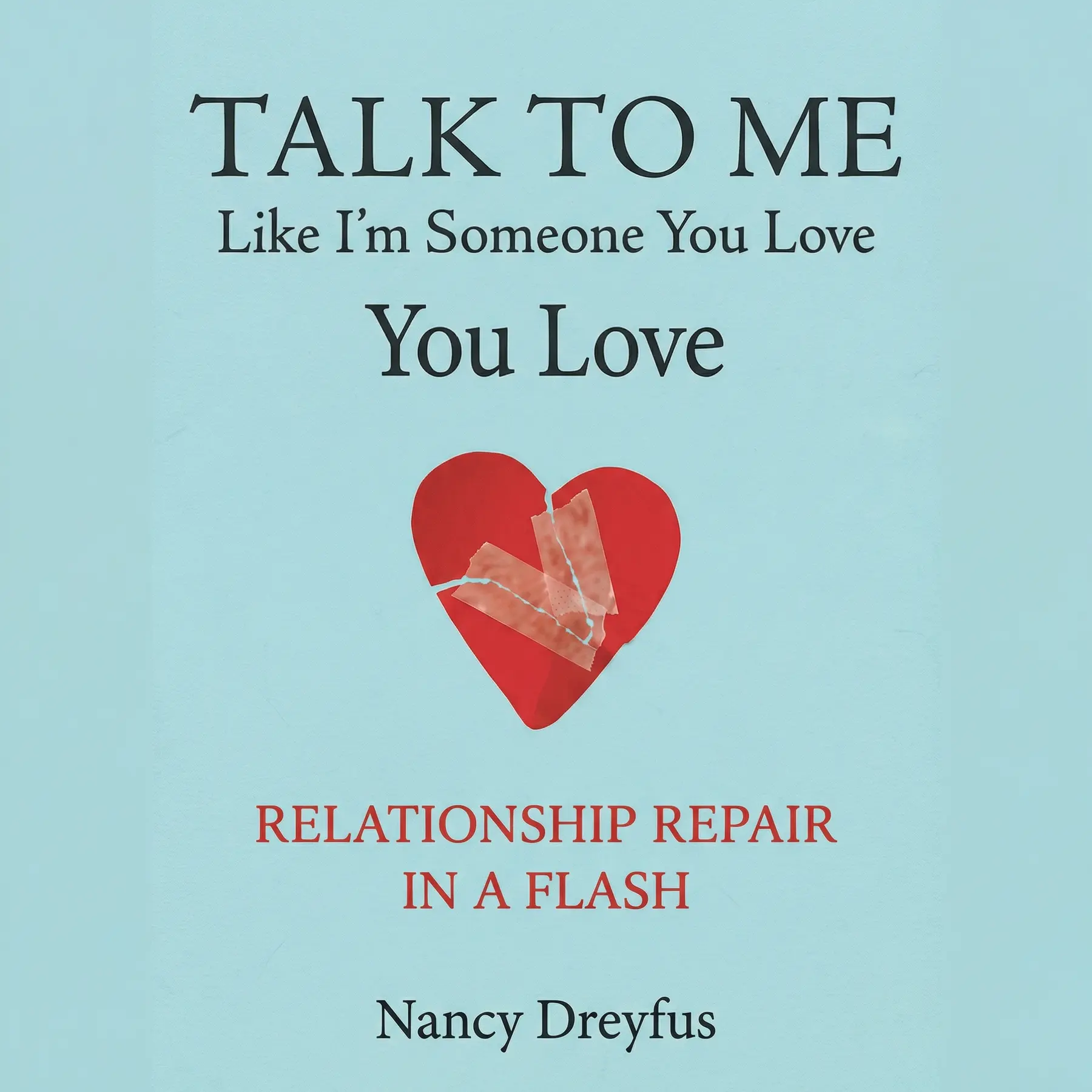
Listeners consider this guide successful at simplifying communication techniques, especially for high-tension emotional moments, and value its accessible format featuring concise sentences on every page. Furthermore, the flashcards are highly regarded, and one listener highlights that 26 new ones have been added across two fresh sections. The material offers excellent insights, which listeners describe as intuitive and straightforward to navigate. It is viewed as a valuable resource for partners as well as clinicians, with one listener pointing out its specific utility for resolving conflicts. This work encourages ongoing relationship growth and represents a solid financial investment.
Picked this up on a whim, and the impact of the 'flashcards' was immediate. My partner and I have always struggled with tone and word choice during arguments, often hurting each other without meaning to. This book offers a direct way to bypass the ego. Showing a physical card instead of shouting allows the other person to truly 'receive' the message without feeling attacked. It’s about being tender and soft when everything in you wants to be hard and defensive. The visual aspect is a total game-changer for relationship repair. If you want to move from hostility to kindness, this is the manual you need.
Show moreThe chapter on taking responsibility hits hard because it forces you to drop the ego and look at your own destructive behaviors. Nancy Dreyfus does a wonderful job of explaining why we get so defensive and how to break that wall down with simple, honest phrases. I love that this edition includes 26 new cards, providing even more ways to navigate those emotionally challenging situations. It’s about more than just 'making up'—it’s about genuine forgiveness and letting your partner see your vulnerability. Using these cards helps ensure that both people feel heard and respected, which is the only way a relationship survives long-term. Truly excellent value for the money.
Show moreTruth is, I was at my wit's end trying to explain how invisible I felt until I saw it written on a card in this book. There is something so profound about the visual interaction of showing your partner your feelings rather than just yelling them. It stops the 'fight or flight' response in its tracks. We’ve started using the 'Can you repeat what you’re saying but in a calmer tone?' card, and it has saved us from dozens of escalations. It’s a beautiful way to validate each other's feelings while staying focused on the resolution. This book makes me feel softer and more tender toward my spouse.
Show moreThis collection of communication scripts acts as a functional bridge for couples who find themselves stuck in a cycle of criticism and defensiveness. The layout is incredibly user-friendly, featuring short sentences on each page that don't overwhelm you when emotions are already running high. I particularly appreciated the section on changing direction; it's a powerful intervention to simply ask, 'Can we start again?' when a conversation goes off the rails. While some of the prompts feel a bit scripted, they serve their purpose by shifting the energy from unfriendly to collaborative. It’s much easier to show a card that says you feel invisible than to try and explain it through tears. This is a great resource for anyone looking to foster a deeper sense of trust and vulnerability.
Show moreAfter hearing several therapists recommend this, I finally dove into the 131 different phrases designed to de-escalate tension. The truth is, most of us aren't taught how to fight fair. We get lost in criticism instead of expressing what we actually need. This book provides the literal words to say when you're at a loss. I found the section on taking responsibility to be the most impactful. Admitting your behavior was destructive is hard, but these cards make it feel like a step toward healing rather than a defeat. It’s a solid resource for both couples and therapists. The only downside is that carrying around a book during an argument feels a bit forced at first.
Show moreLook, if you struggle with tone and word choice when you’re triggered, Nancy Dreyfus provides a solid bridge to get you back to a place of connection. The phrases are simple: 'Can we take a minute to start over?' or 'I recognize that I really hurt you.' They sound basic, but in the heat of the moment, they are almost impossible to come up with on your own. This book is essentially a cheat sheet for emotional intelligence. It’s well-received by my partner because it takes the 'sting' out of the confrontation. It’s a very user-friendly guide that promotes continuous improvement. Highly recommended for couples who are tired of the same old fights.
Show moreAs someone who appreciates actionable advice over vague theory, the layout of this book is brilliant. It isn't just a wall of text; it's a series of interventions you can use immediately. Each card is backed by clinical notes that explain why a certain phrase works, which helps build your inner awareness of the situation. It’s particularly helpful during those moments when you know you’re in the wrong but don’t know how to apologize without feeling belittled. My only gripe is that there are so many cards it can be overwhelming to choose the 'right' one. Still, it’s a great resource for relationship repair.
Show moreEver wonder why a simple disagreement turns into a full-scale war where neither person feels heard? This book tries to solve that with 131 'flashcards' meant to be used during conflict. Personally, I found the core concept brilliant but the execution felt a bit dated. The author uses the word 'crazy' quite frequently, which felt offensive and out of place for a relationship manual. There were also some moments where the advice seemed to lean too heavily into traditional gender roles. However, the phrases themselves are quite helpful for de-escalating tension. If you can ignore some of the more questionable clinical anecdotes, there is definitely some value here for improving your communication skills.
Show moreFrankly, some of the author’s case studies left me with a bit of a bad taste in my mouth. While the flashcards themselves are clever tools for de-escalation, I was genuinely unsettled by the anecdote regarding the husband who was physically abusive. Suggesting a wife was 'suicidal' because her husband stopped hitting her—attributing it to her losing her 'victim' identity—is a very controversial take. I also cringed at the idea that a partner is a 'co-creator' of a betrayal like infidelity. One person owns that choice alone. However, if you can look past those problematic clinical notes, the core concept of using visual cues to lower defenses is quite solid. It provides a way to ask for a hug or a reset when words fail. Just take the psychological commentary with a grain of salt.
Show moreNot what I expected, as the actual implementation of these cards felt incredibly clunky in a real-life scenario. Imagine being in a heated debate and saying, 'Hold on, let me find card number 42.' It just doesn't work for me. The author also includes a very disturbing case study where she seemingly encouraged a woman to stay with an abusive husband, which made me lose a lot of respect for her clinical judgment. Furthermore, the idea that a partner is a 'co-creator' of a betrayal is something I fundamentally disagree with. While the intent of fostering communication is good, the specific advice in this book feels impractical and, at times, problematic. I’d rather just work on general active listening.
Show moreAUDIO SUMMARY AVAILABLE
Get the key ideas from Talk to Me Like I’m Someone You Love by Nancy Dreyfus, plus 5,000+ more titles in English and Thai.