
17 min 26 sec
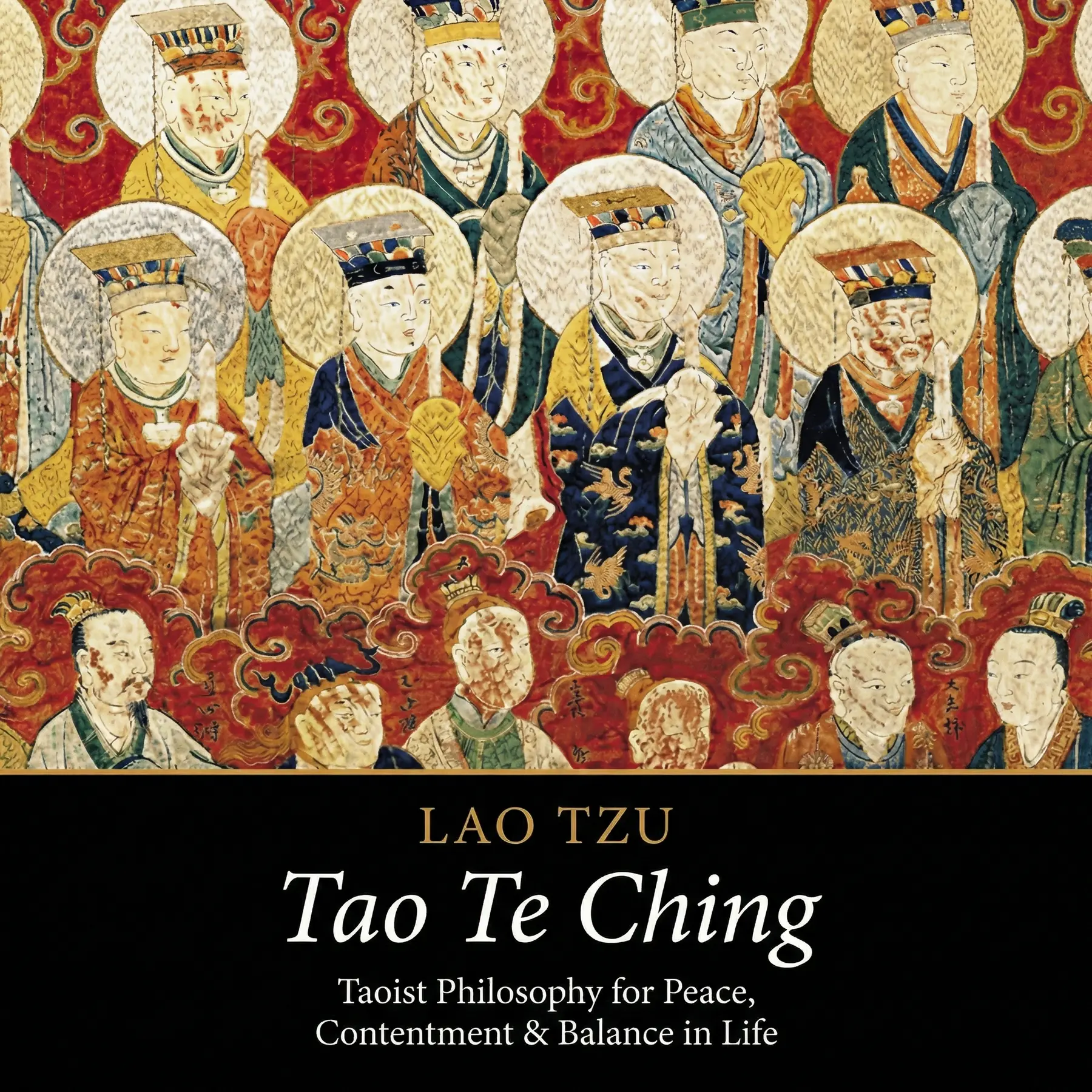
Tao Te Ching
By Lao Tzu
Discover a timeless philosophy of balance and peace. This summary explores the ancient wisdom of moving through the world with ease, focusing on the harmony between the individual and the natural order.
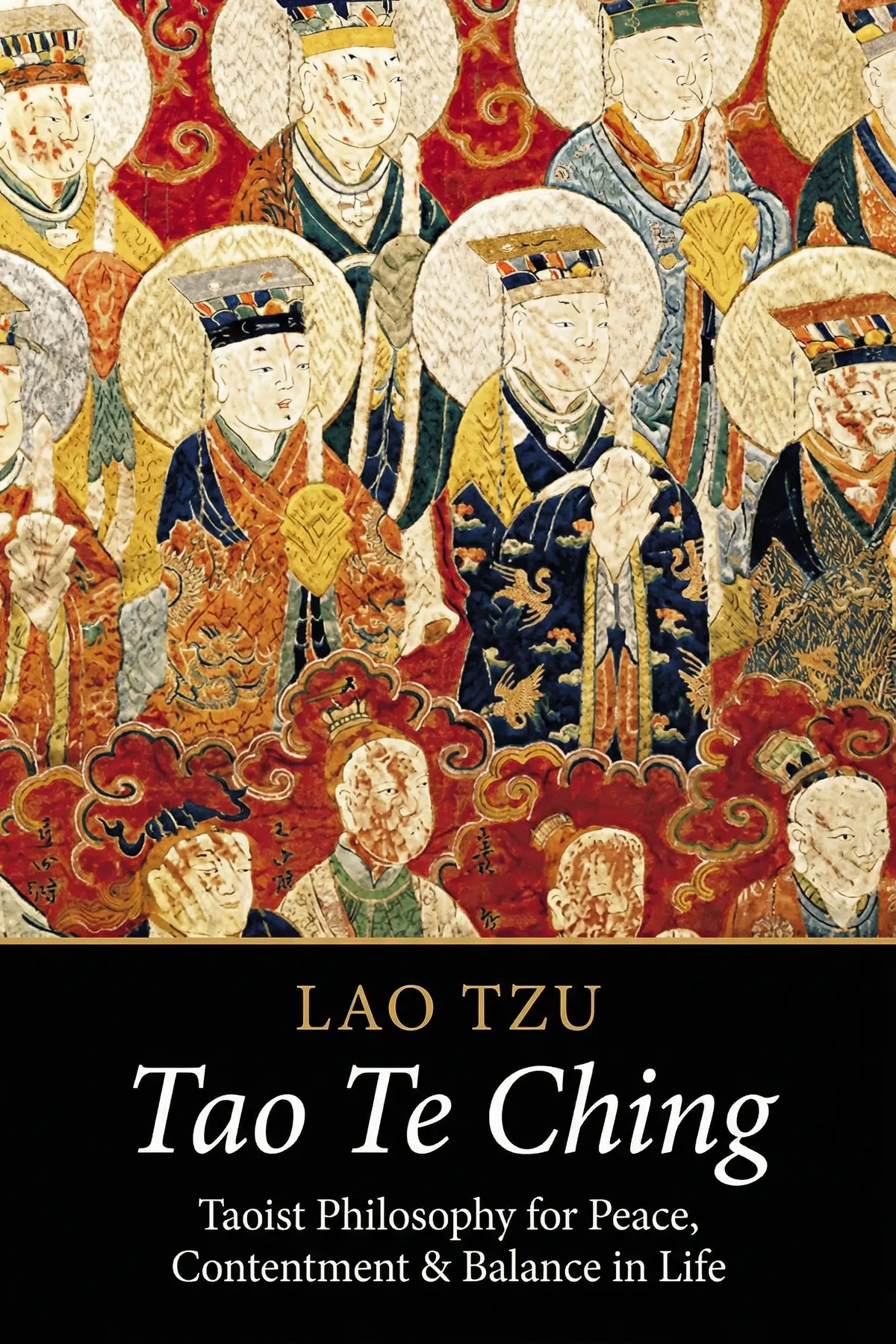
Table of Content
1. Introduction
1 min 41 sec
In our fast-paced, high-pressure modern world, it often feels like we are constantly swimming against a powerful current. We are told to strive, to hustle, and to fight for every inch of progress. We celebrate the aggressive go-getter and the person who forces their will upon the world. But what if there was another way? What if the secret to a meaningful and successful life wasn’t found in harder work or more intense struggle, but in learning how to let go and move with the natural flow of the universe?
This is the central invitation of Taoist philosophy. It offers a radical alternative to the standard approach of constant effort. Instead of viewing life as a series of battles to be won, it presents life as a harmony to be joined. The wisdom found in these ancient pages has endured for over two thousand years because it touches on a fundamental truth about human existence: that the more we fight against the reality of our surroundings, the more exhausted and discontented we become.
In the following pages, we are going to explore a way of being that values simplicity over complexity, humility over pride, and the power of non-action over the exhaustion of constant striving. We will look at how an ancient text, likely born out of a period of immense social and political upheaval, provides a blueprint for finding internal peace regardless of external chaos. By the end, you’ll see how the concept of the Tao, or the Way, isn’t just an abstract metaphysical idea, but a practical tool for living a life of balance, contentment, and effortless effectiveness. Let’s begin our journey into this timeless wisdom by looking at where these ideas came from and how they were gathered.
2. The Mystery of Origin and Authorship
2 min 32 sec
Uncover the enigmatic history behind a foundational text and explore why its true origins might be more about collective wisdom than a single historical figure.
3. Defining the Indefinable Way
2 min 22 sec
Dive into the central concept of the Tao, a force that existed before words and continues to shape everything in the universe without effort.
4. The Constant Cycle of Opposites
2 min 18 sec
Explore why the universe constantly seeks balance and how understanding the rise and fall of all things can bring peace of mind.
5. Mastering the Art of Non-Doing
2 min 26 sec
Discover the paradoxical power of wu wei and learn how doing less can actually lead to accomplishing more in every area of life.
6. The Shadowy Presence of a True Leader
2 min 19 sec
Reimagine leadership through the eyes of the Sage, who guides others so subtly that they believe they achieved success on their own.
7. The Infinite Wisdom of Water
2 min 05 sec
Learn why water is the ultimate teacher of Taoism, demonstrating how the softest substance can overcome the hardest obstacles.
8. Conclusion
1 min 43 sec
As we reach the end of this journey through the ancient wisdom of the Tao, we are left with a perspective that is as challenging as it is beautiful. We have explored the idea of a nameless force that guides the universe, a force that works through cycles of balance rather than linear progress. We have seen how the art of non-doing—wu wei—can lead to more effectiveness than a lifetime of struggle, and how the best leaders are those who leave the smallest footprints.
The throughline of all these ideas is the importance of alignment over ambition. Whether we are looking at the mystery of the book’s origins, the paradox of strength in weakness, or the humble persistence of water, the message is clear: our greatest power comes not from what we do, but from how we relate to the world around us.
Taking these lessons into your daily life doesn’t mean you have to give up your goals or move to a mountain top. It simply means changing your relationship with friction. The next time you feel overwhelmed or like you are fighting a losing battle, remember the image of the clear water settling. Ask yourself where you might be forcing a result instead of following the natural path. Consider where being ‘soft’ might actually be more effective than being ‘hard.’
By valuing contentment over consumption and peace over power, you align yourself with the rhythm of the universe. In a world that never stops moving, perhaps the most radical and effective thing you can do is to find the stillness within yourself and allow the ‘Way’ to carry you forward. This is the path to a life that is not just successful, but truly balanced and deeply at peace.
About this book
What is this book about?
This exploration of Taoist thought delves into one of history's most influential philosophical texts. It examines the central concept of the Tao—an indefinable force that governs the universe—and how aligning oneself with this force can lead to a life of profound contentment and effectiveness. The guide breaks down the core principles of non-striving, the strength found in flexibility, and the paradox of leading through humility. It promises to offer a new perspective on modern struggles by contrasting our current obsession with force and achievement against an ancient tradition that values softness, stillness, and the natural flow of existence.
Book Information
About the Author
Lao Tzu
Lao Tzu is traditionally regarded as the primary author of the Tao Te Ching, though his actual existence and authorship remain subjects of historical debate. Some scholars place him in the sixth century BC as a contemporary of Confucius, while others suggest a later date in the fourth century BC. The name Lao Tzu itself translates to Old Man, hinting that the work may be a compilation of wisdom from various elders.
Ratings & Reviews
Ratings at a glance
What people think
Listeners find the Tao Te Ching an accessible read and enjoy the provided introduction, though one listener points out the history-dense content. The underlying philosophy is seen as deeply enlightening, and listeners depict the volume as attractive and durable, with one listener reporting it arrived with no bends or significant wear. Feedback regarding the translation quality and overall clarity is varied, as some consider it well-translated while others judge it to be poor.
Top reviews
Tantipat
The D.C. Lau translation is a rigorous entry point for anyone wanting to avoid the fluff of more modern, liberal interpretations. This edition is particularly history-dense, providing a necessary scholarly framework that places Lao Tzu’s verses within the chaotic Warring States period. I found the philosophy highly illuminating, especially the recurring metaphors of water and the 'uncarved block.' Unlike the flowery versions that dominate gift shops, this text feels grounded and authentic. To be fair, the introduction is quite long and might be intimidating for casual readers, but the depth it adds to the 81 chapters is indispensable. The physical book itself is surprisingly sturdy and well-bound, making it a permanent fixture on my bedside table. If you want to understand the origins of Taoism without the 'hippie' filters, this is the version to get.
Show moreKavya
This slim volume feels less like a book and more like a mirror for the soul. I was struck by how the Tao Te Ching exalts feminine yin energy—softness, stillness, and the river basin—over the aggressive masculine yang that dominates our modern world. The idea of 'action through inaction' or wu wei is profoundly counter-intuitive but strangely liberating once you stop fighting the natural flow of things. In my experience, these poems offer a way to empty the mind of clutter and replace it with a quiet, unforced wisdom. The translation I read was crisp and avoided unnecessary jargon, making the paradoxical riddles feel accessible rather than frustrating. It’s the kind of text that changes every time you return to it, revealing new layers of meaning based on your current state of mind. Truly a masterpiece of spiritual minimalism.
Show moreLily
Lao Tzu manages to say more in eighty-one short poems than most modern self-help gurus do in five hundred pages. This is an 'every person' book because its wisdom is universal, regardless of your religious background. I particularly loved the phrase about not being free of yourself to become yourself—it’s a perfect summary of the internal struggle we all face. The writing style is laconic and punchy, making it easy to memorize favorite passages. It doesn't demand your belief; it just invites you to observe the world. Frankly, it’s the most inclusive spiritual text I’ve ever encountered, focusing on harmony rather than a list of 'thou shalt nots.' Every time I feel overwhelmed by work or social expectations, I open this book to a random page and immediately feel more centered.
Show moreNadia
As a staunch atheist, I usually find religious texts irritating or exclusionary because they rely so heavily on dogmatic 'eye in the sky' threats. The Tao Te Ching is a refreshing departure from that. It offers folk wisdom that functions perfectly well without a deity. You don't have to believe in a supernatural force to see the practical value in not overfilling your cup or sharpening your knife until it blunts. The book seeks harmony by removing judgmental thinking and greed, which is a goal anyone can get behind. Mitchell’s translation is poetic and smells like patchouli in the best way possible. It’s more of a philosophical toolkit than a scripture. If I had been raised with this instead of the Ten Commandments, I might actually still go to 'church.'
Show morePruet
Stephen Mitchell’s version is certainly a pleasure to read, but you have to take it with a grain of salt. It is essentially a translation of various translations rather than a direct rendering of the original Chinese characters. This leads to some beautiful poetry, but the truth is that much of the technical nuance is lost in favor of aesthetic 'sparkle.' For example, his interpretation of the first line in Chapter 3 changes 'contention' to 'powerlessness,' which shifts the meaning significantly. Still, the book is incredibly easy to read and serves as a fantastic introduction for those who prioritize emotional resonance over scholarly accuracy. It’s a beautiful object to hold, and the layout is clean. Just keep in mind that you are reading Mitchell’s spiritual intuition as much as you are reading Lao Tzu’s ancient wisdom.
Show moreArjun
Picked this up on a whim after seeing so many quotes on social media and I’m glad I did. The Barnes & Noble edition I purchased is quite sturdy and looks lovely on the shelf, with no bends or wear despite multiple readings. While some of the chapters felt a bit disjointed—almost like a brain dump of ancient observations—the core messages about humility and frugality really hit home. I appreciated the introduction which cleared up the mystery surrounding whether Lao Tzu was even a real person or just a composite of many sages. Some sections on governance and ruling a nation felt a bit dated and hard to apply to modern life, but the personal advice is timeless. It's a quick read but requires a lot of pausing to actually digest what you've just looked at.
Show moreMichael
Why do we always assume power must be loud and aggressive? Lao Tzu argues the opposite, suggesting that the most submissive things, like water, eventually overcome the hardest obstacles. I found the sections on the 'feminine of the world' in Chapter 61 to be incredibly progressive for a text written thousands of years ago. The translation was generally well-done, though some of the more abstract chapters left me scratching my head. Look, it’s not a narrative with a beginning and an end; it’s a collection of aphorisms that challenge your ego. My only minor gripe is that the structure can feel repetitive at times, as the same themes of 'doing nothing' are hammered home in almost every chapter. However, the overarching sense of peace the book provides is worth the occasional confusion.
Show moreNum
Ever wonder why modern politics feels like such a chaotic mess of over-regulation? Lao Tzu’s thoughts on governance are surprisingly relevant, comparing the ruling of a state to boiling a small fish—the more you handle it, the more you ruin it. This anti-legislative stance and the emphasis on leading through 'not-knowing' is a fascinating counterpoint to our information-obsessed culture. The book is easy to read, but the concepts of 'non-action' take a lifetime to actually master. I did find some of the anti-intellectual leanings a bit extreme, especially the idea that people should be kept ignorant to be happy. Still, the critique of wealth and 'dressing in fineries' while others starve feels like it was written yesterday. It’s a challenging, paradoxical, and ultimately rewarding piece of literature.
Show moreOlivia
To be fair, the wisdom here is undeniable, but the lack of cohesive flow made it a struggle for me to finish in one sitting. The messages felt very disparate and disorganized, almost as if the author was throwing ideas at a wall to see what stuck. I understand this is the nature of ancient texts, but I would have preferred a version that grouped the poems by theme—like governance, self-reflection, or nature. Some of the translation quality felt poor in the version I had, with sentences that were so vague they became meaningless. I appreciate the historical significance and the 'be like water' metaphors, but I think the book is better used as a daily calendar of quotes rather than a front-to-back reading experience. It's illuminating in small doses, but frustrating as a whole.
Show moreCaleb
Frankly, I am appalled by how much meaning is stripped away in these 'liberal' interpretations that are so popular today. I bought the Mitchell version because of the high ratings, but his arrogance in the back of the book is staggering. Claiming an 'umbilical connection' to the author to justify changing the actual words is not translation; it’s fan fiction. He completely ignores the last chapter’s warning that 'true words aren't eloquent,' opting instead for 'sparkle' and aesthetic beauty over the gritty truth of the original Chinese. This version misleads newcomers who want to understand actual Taoist philosophy. If you want something authentic, go for the D.C. Lau translation or look up the original Wang Bi text online. This particular edition might be 'easy to read,' but it’s a hollow shell of the real Tao Te Ching.
Show moreFeatured in
Readers also enjoyed
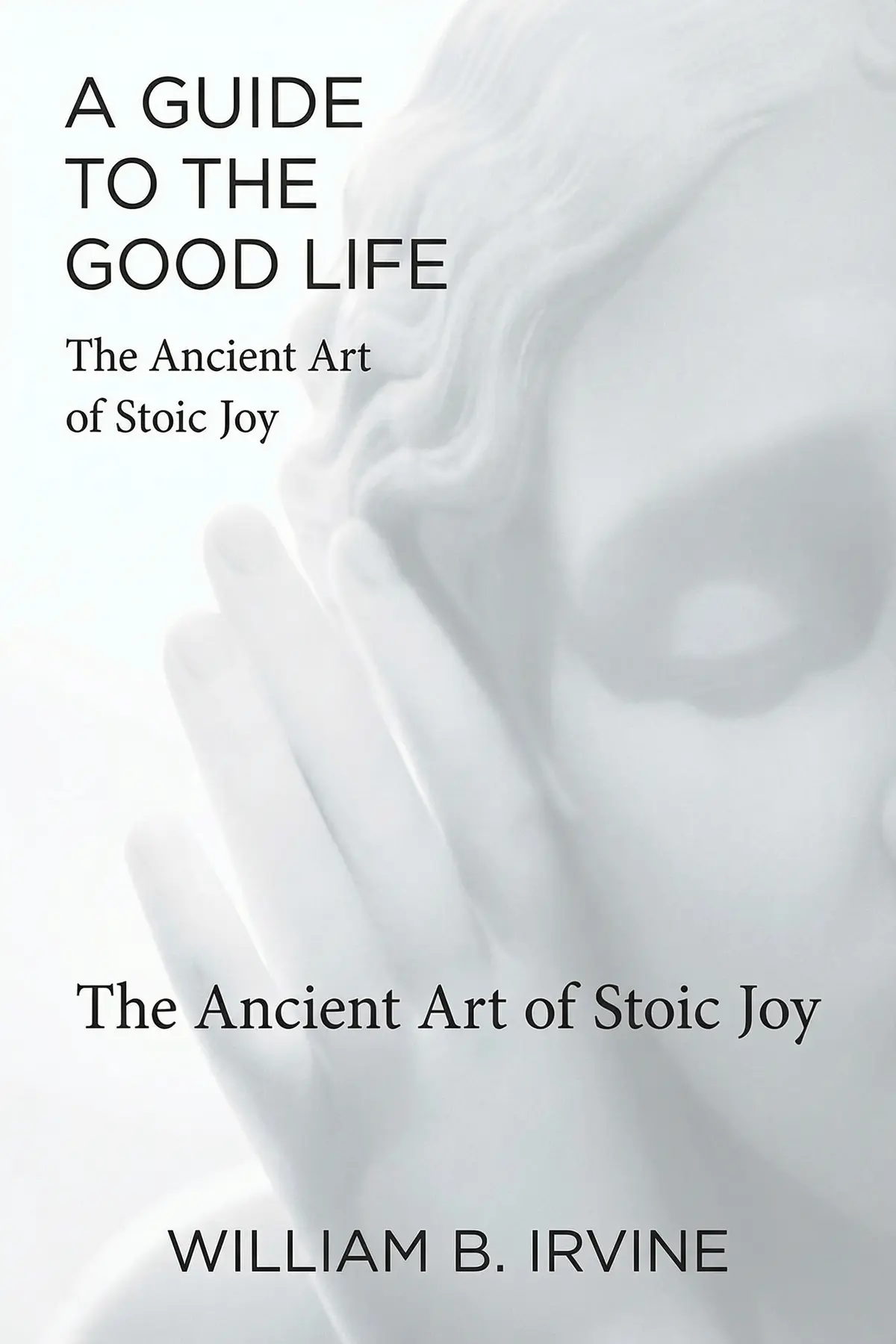
A Guide to the Good Life: The Ancient Art of Stoic Joy
William B. Irvine
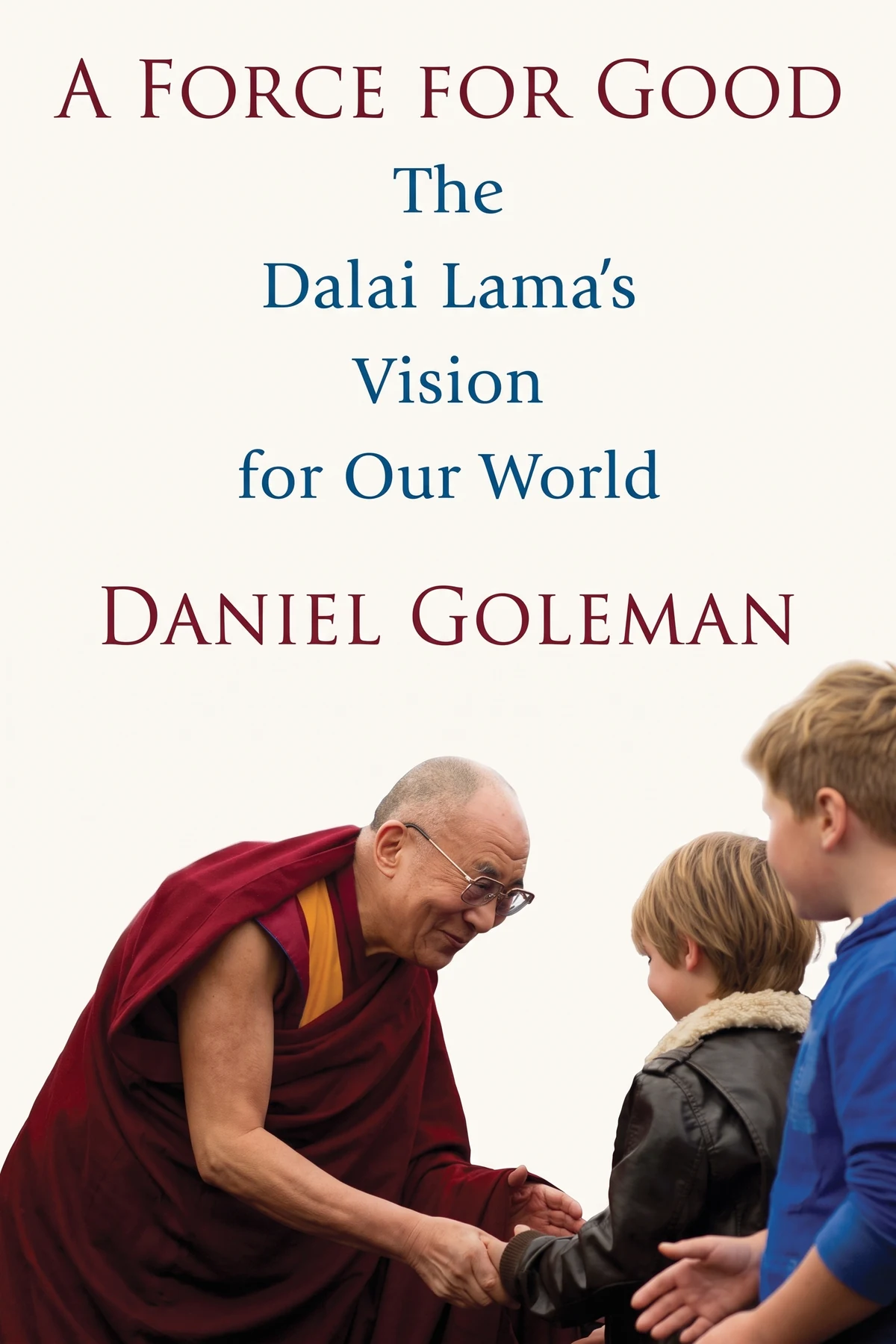
A Force for Good: The Dalai Lama's Vision for Our World
Daniel Goleman
A Little History of Philosophy
Nigel Warburton
A Theory of Justice
John Rawls
A New Earth: Awakening to Your Life’s Purpose
Eckhart Tolle
AUDIO SUMMARY AVAILABLE
Listen to Tao Te Ching in 15 minutes
Get the key ideas from Tao Te Ching by Lao Tzu, plus 5,000+ more titles in English and Thai.
- 5,000+ titles
- Listen as much as you want
- 7-day free trial
- Cancel anytime







