
1929: Inside the Greatest Crash in Wall Street History--and How It
Andrew Ross Sorkin
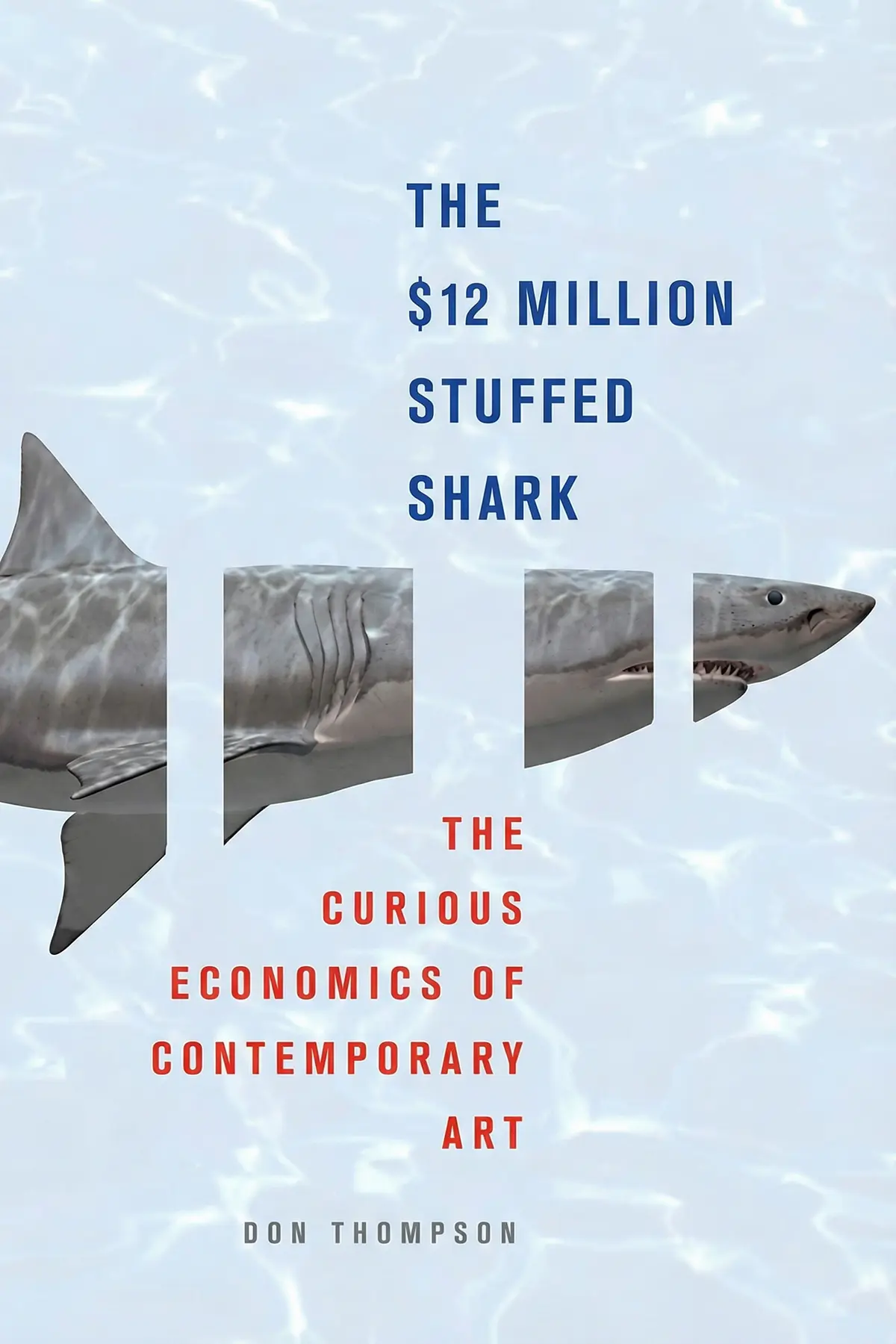
Explore the high-stakes world of contemporary art economics, where branding, scarcity, and prestige transform everyday objects into multi-million dollar assets, revealing why a preserved shark can command a fortune in today's market.
1 min 52 sec
In the mid-2000s, the global art community was rocked by a transaction that seemed to defy common sense. A fourteen-foot tiger shark, preserved in a tank of formaldehyde and titled The Physical Impossibility of Death in the Mind of Someone Living, was rumored to have been sold for twelve million dollars. The artist was Damien Hirst, and the buyer was a hedge fund billionaire. To the average observer, this was an absurd sum for a decaying fish. To the art world, however, it was a landmark moment that perfectly encapsulated the unique, often baffling economics of contemporary art.
But why would someone pay the price of a private jet for a shark in a tank? Is it about the intrinsic beauty of the work, the skill required to produce it, or something entirely separate from the physical object? To understand these prices, we have to look past the canvas or the sculpture and peer into a world where branding, psychology, and market gatekeepers hold more power than the brush itself. The contemporary art market isn’t just a place for aesthetic appreciation; it’s a highly sophisticated financial arena where status, scarcity, and reputation are the primary currencies.
In this summary, we are going to peel back the layers of this mysterious industry. We will explore how a handful of powerful players decide what counts as ‘great’ art and, more importantly, what that art is worth. We’ll look at why a piece of art can triple in value simply by being hung on a different gallery wall, and why most people who buy art as a financial investment are actually taking a much bigger risk than they realize. By the end, you’ll have a clearer picture of the invisible hand that moves the prices of the world’s most expensive contemporary creations.
2 min 19 sec
Discover why the name on the gallery wall or the artist’s signature matters far more than the visual appeal of the artwork itself in determining high-end prices.
2 min 07 sec
Learn how the disappearing supply of historical masterpieces has pushed contemporary art to the center of the financial stage, creating a new class of ultra-valuable assets.
1 min 56 sec
Uncover the secret power of art dealers, who act as judge and jury for an artist’s career, and the high-risk business model behind the world’s top galleries.
2 min 24 sec
Compare the allure of high-profile auction wins with the sobering reality of market cycles, taxes, and the hidden costs of treating art like a stock portfolio.
2 min 00 sec
Explore practical advice for navigating the art market, from the ideal price point for new investors to the importance of long-term patience and diversification.
1 min 26 sec
The world of contemporary art can often seem like a hall of mirrors, where the reflected image of an object’s value is more important than the object itself. We’ve seen how branding can transform a preserved shark or a simple date painting into a multi-million-dollar asset, and how the scarcity of historic works has created a vacuum that contemporary artists are now filling. We’ve explored the pivotal role of the dealer as a kingmaker and the sobering reality that, as an investment, art is far more volatile and less certain than traditional financial markets.
The throughline of the contemporary art market is that it is a social and economic construct fueled by the desire for status and the validation of brands. For the buyer, the takeaway is clear: while it is possible to navigate this world strategically by focusing on emerging talent and maintaining a long-term perspective, the most reliable reward for buying art is the pleasure of owning it. If you approach the market with your eyes open to the mechanisms of hype and the reality of the gatekeepers, you can appreciate the ‘stuffed shark’ for what it really is—a fascinating intersection of creative expression and the highest levels of global commerce. Whether you are a casual observer or an aspiring collector, understanding these economic forces is the only way to truly see the art for what it’s worth.
Have you ever wondered why a piece of contemporary art, which might look like something a child could create, sells for more than a luxury mansion? This exploration into the elite art market pulls back the curtain on the invisible forces that dictate value. It moves beyond aesthetics to examine how a network of branded galleries, influential dealers, and status-seeking collectors create a financial ecosystem where the story behind the art is often more valuable than the work itself. You will discover the strategic mechanisms used by auction houses like Sotheby’s and Christie’s to maintain high prices, the role of scarcity in driving demand, and the reality of art as an investment compared to traditional stocks. From the legendary sale of a formaldehyde-preserved shark to the rise of global art hubs, this summary provides a comprehensive look at how cultural capital is converted into cold, hard cash and what it truly takes to build a collection that lasts.
Don Thompson is a distinguished economist and author with a deep specialization in the economic mechanics of the global art market. He serves as a professor emeritus at York University in Toronto, where he has dedicated much of his academic career to analyzing high-level financial trends. Thompson has authored numerous influential works that bridge the gap between complex economic theory and the fascinating, often opaque world of contemporary art commerce.
Listeners find the book remarkably accessible and simple to follow, praising the thorough research and in-depth breakdowns of social and economic aspects. Furthermore, it offers a compelling perspective on the modern art world and is packed with intriguing real-life stories. Additionally, listeners value the narrative voice and see it as a helpful guide, with one noting it is especially beneficial for newcomers to the industry.
Ever wonder why a pickled shark costs more than a private island? This book offers a hilarious and terrifying glimpse into the elite circles where branding beats beauty every single time. Thompson, an economist by trade, deconstructs the mechanisms of 'Veblen goods' without making it feel like a dry classroom lecture. You’ll learn how Charles Saatchi can turn a pile of candies into a fortune just by attaching his name to the exhibit. It’s a fascinating look at how the super-rich use art as a status symbol to signal their arrival in the global upper class. I especially loved the anecdotes about Christie's and Sotheby’s; the psychology behind those bidding wars is absolutely wild. If you’ve ever looked at a modern masterpiece and thought 'my kid could do that,' read this first. It won't change your mind about the art, but you'll finally understand why it costs millions.
Show moreWow, what a wild ride through the galleries of London and New York. I never realized how much work goes into creating the 'buzz' around a new artist before they even hit the auction floor. This book explains the concept of 'buying blind' and why some collectors will spend millions on things they haven't even seen in person. It’s a bizarre world where status is the primary currency and the art itself is almost secondary to the transaction. Thompson is a fantastic guide, providing just the right amount of economic theory to support his colorful stories. The chapter on the $12 million shark itself is worth the price of admission. It's easily one of the most readable non-fiction books I've picked up this year. Highly recommended for anyone who loves a good behind-the-scenes exposé.
Show moreFor anyone looking to break into the industry, this is basically required reading. Don Thompson provides a comprehensive roadmap of how the contemporary art world actually functions, far away from the romanticized image of the starving artist. He highlights the crucial role of the branded gallery and the importance of a 'star' collector’s endorsement. The book is packed with fascinating true incidents that illustrate how precarious this market can be. Even famous collectors like Charles Saatchi aren't immune to making bad investments sometimes. It’s a very practical look at a very impractical world. The prose is clear and the pacing is excellent throughout the entire work. I finished it in two sittings and immediately wanted to go to a museum.
Show moreAs an economics enthusiast, I found Thompson's breakdown of the high-end art market absolutely gripping. He manages to demystify the bizarre valuations of conceptual works, such as Tracey Emin’s unmade bed or Damien Hirst’s various taxidermy projects. The writing is incredibly accessible, avoiding the dense 'artspeak' that usually alienates outsiders from the conversation. We see how the 'branded' dealer acts as a gatekeeper, ensuring that only the luckiest few artists reach the top of the funnel. While I enjoyed the focus on the financial side, I wish there was more discussion on the intrinsic value of the pieces themselves. It feels a bit cold to talk about creativity solely in terms of ROI and resale margins. Nevertheless, for a deep dive into the business of beauty, this is a top-tier resource.
Show morePicked this up on a whim and couldn't put it down. It’s essentially a collection of 'true crime' stories for the billionaire set, where the crimes are the prices being paid for mediocre objects. Thompson explains why a Damien Hirst shark is worth $12 million while a similar one in a science museum is worth nothing. The answer is branding, branding, and more branding. It makes the whole industry look like a massive, sophisticated game of musical chairs played with oil paintings. My only gripe is that the book gets slightly repetitive towards the end when discussing different auction houses. That being said, the readability is off the charts. You don't need an MFA to appreciate the absurdity documented here.
Show moreDon Thompson does for the art market what Freakonomics did for everyday life. He takes a world that seems nonsensical to the average person and shows that there is a rigid, albeit strange, logic behind it. The sections on how auctioneers use the 'endowment effect' to drive up prices during a sale were particularly eye-opening. You start to realize that the buyer isn't just purchasing a canvas; they are purchasing a ticket into an exclusive club. I was surprised by how much of the value comes from provenance and the prestige of previous owners. It's well-documented and filled with figures that will make your eyes water. My only minor complaint is that some of the market data feels slightly dated now. However, the social principles he outlines are still 100% relevant today.
Show moreAfter hearing about multimillion-dollar sales for years, I finally understand the machinery behind the curtain. Thompson’s exploration of the branding circle—where museums, dealers, and auction houses all support each other’s interests—is brilliant. It’s a fascinating ecosystem where the value of a piece is directly tied to the status of the person selling it. I loved the list of 'rules' for what sells at auction, like why red paintings are worth more than green ones. It’s these kinds of specific, weird details that make the book so engaging for a casual reader. The writing style is brisk and professional without being stuffy. I’d recommend this to anyone who finds the contemporary art scene confusing or pretentious. It provides the decoder ring you’ve been looking for.
Show moreThe book is a solid introduction to the 'how' of the art world, but I felt it lacked a bit of 'soul.' It’s very much written by an economist, meaning everything is viewed through the lens of supply, demand, and signaling. While the breakdown of how galleries manipulate prices was enlightening, the narrative felt a bit detached from the actual joy of art. I wanted to hear more about the artists' struggles rather than just the dealers' commissions. Truth is, the anecdotes are the real star here, especially the parts about the 'trophy wives' leaving auctions early. It’s an interesting read for sure, but maybe too cynical for some. If you want to know about money, buy it. If you want to know about art, look elsewhere.
Show moreThe chapter on auction house psychology was the clear highlight for me. Seeing how Christie’s and Sotheby’s manipulate bidders' egos was both fascinating and a little bit gross. Thompson is great at explaining these complex social dynamics in a way that feels natural. However, I did find the middle section of the book to be a bit of a slog as it drifted into more technical dealer details. It’s a good book, but it probably could have been fifty pages shorter without losing much impact. To be fair, the research is impeccable and the author clearly knows his stuff. It’s just that some of the artist lists started to blend together after a while.
Show moreFrankly, I left this book feeling more cynical than when I started. It’s a well-written account, but the sheer amount of greed on display is honestly exhausting to read about for 300 pages. Thompson focuses almost entirely on the 'branded' superstars like Jeff Koons, leaving little room for the 99% of artists who aren't making millions. The book describes a system where the art is just a commodity, no different than pork bellies or oil futures. It’s informative, yes, but it completely ignores the aesthetic or emotional resonance that art is supposed to provide. If you’re looking for a celebration of creativity, this isn’t it. It’s a funeral for art disguised as a marketing textbook. I appreciate the research, but it left a bad taste in my mouth.
Show moreAndrew Ross Sorkin
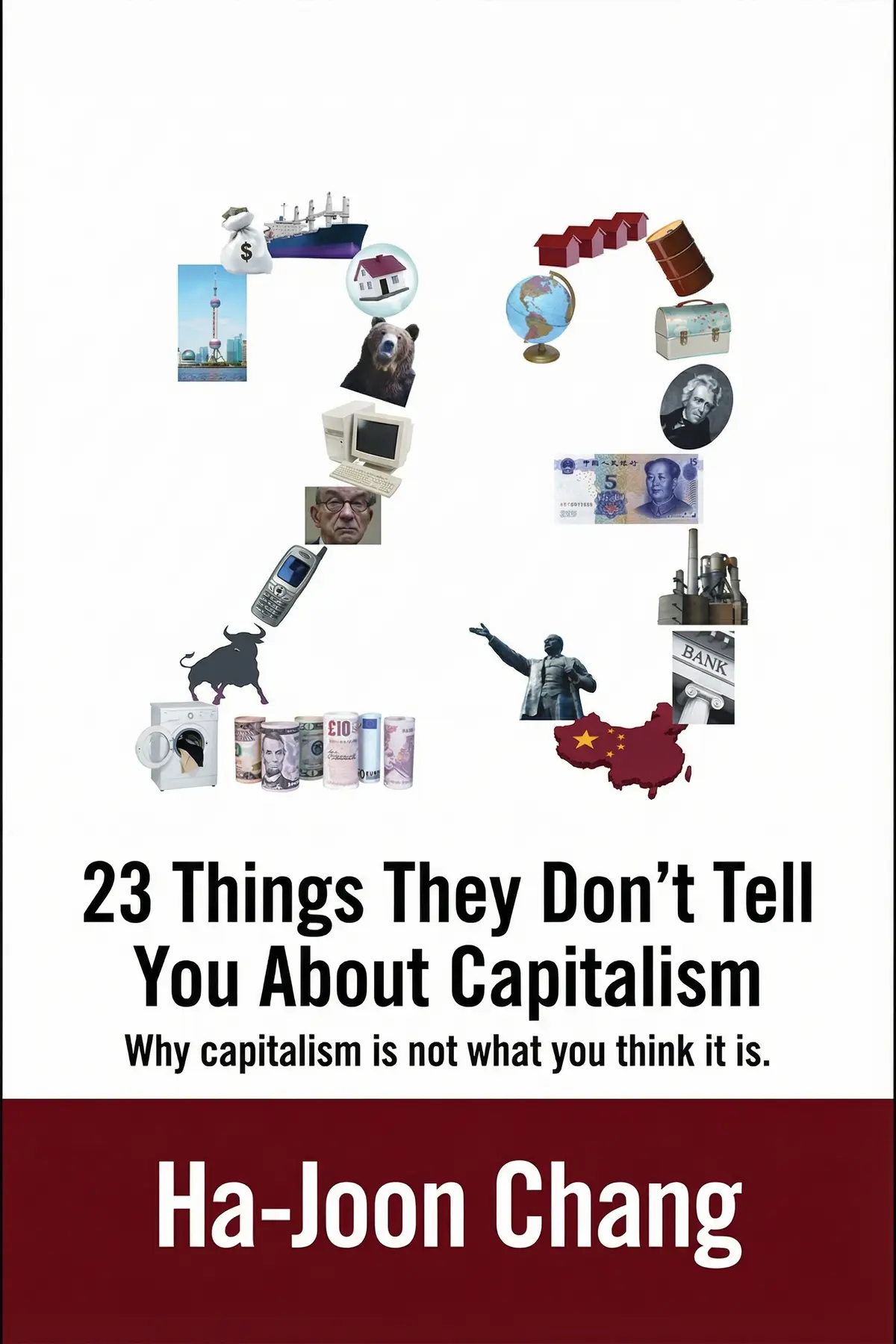
Ha-Joon Chang

Niall Kishtainy
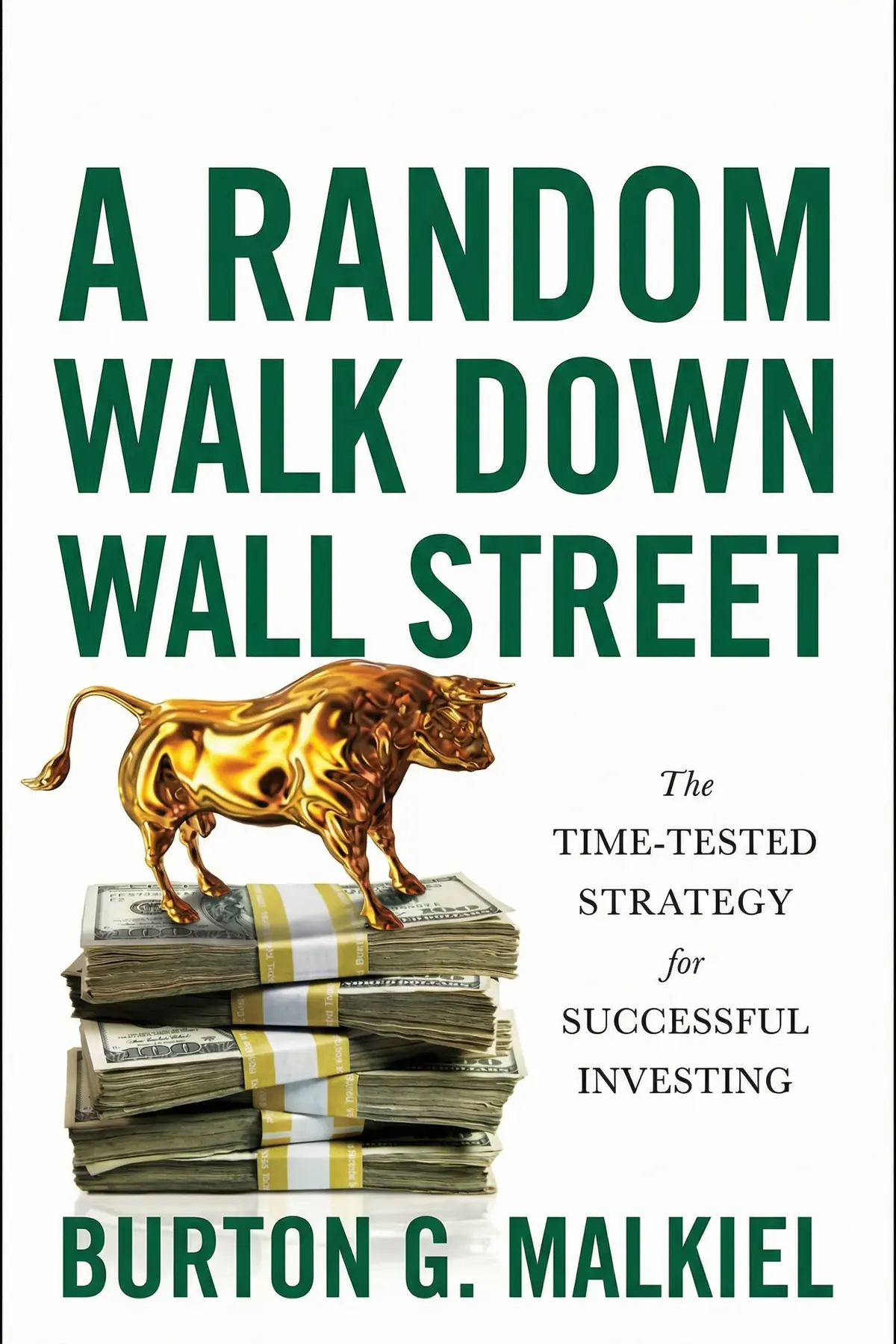
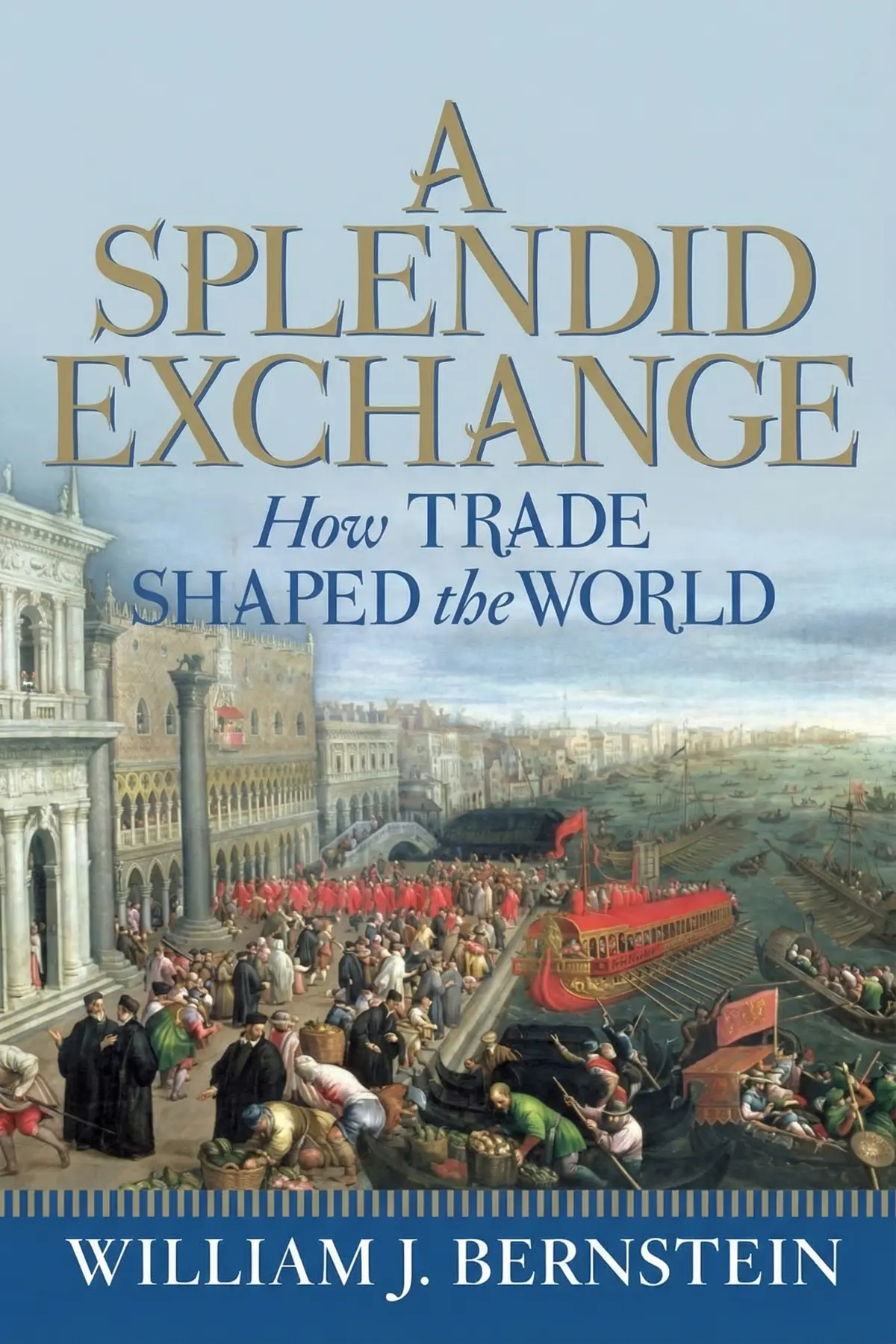
William J. Bernstein
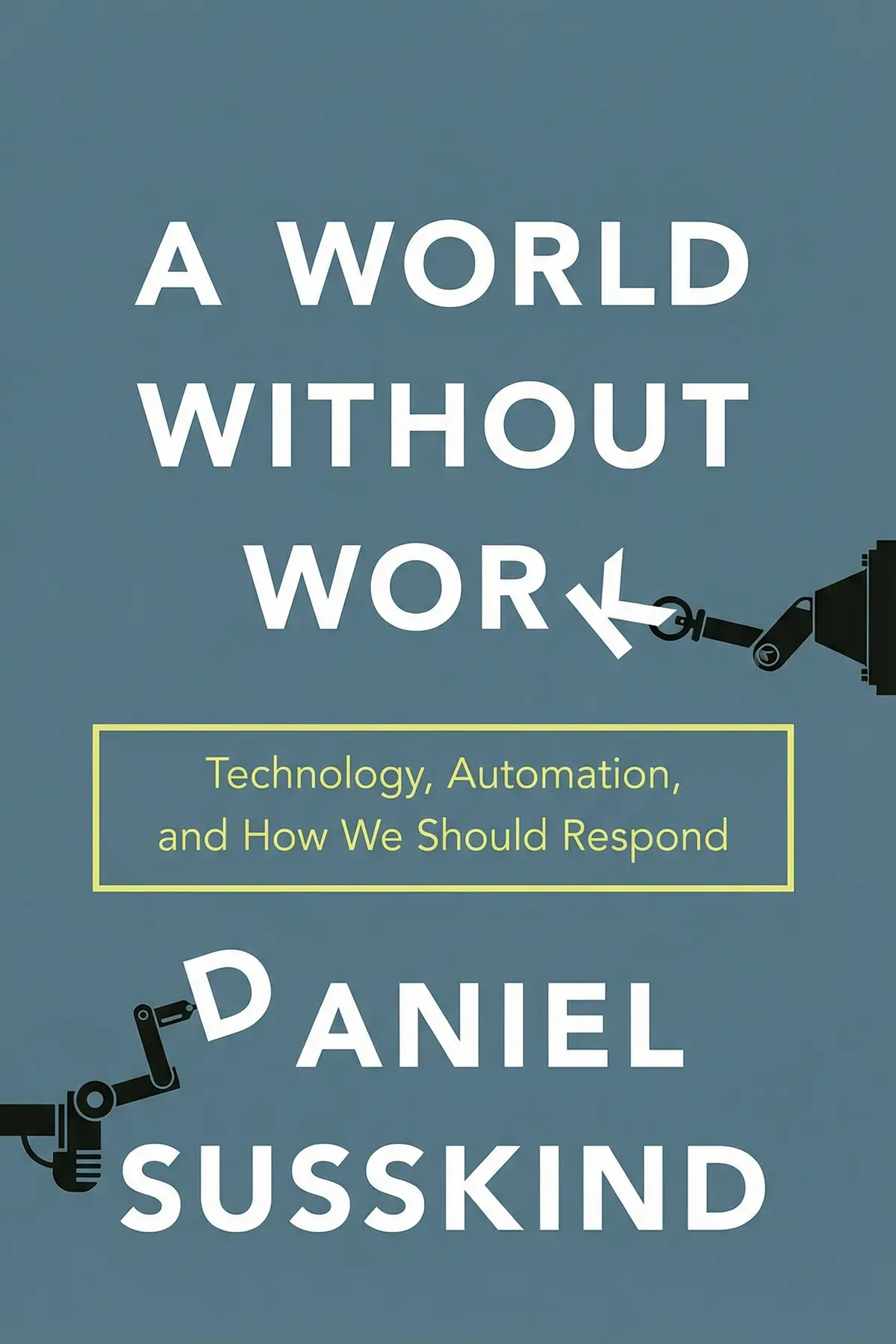

Yanis Varoufakis
AUDIO SUMMARY AVAILABLE
Get the key ideas from The $12 Million Stuffed Shark by Don Thompson, plus 5,000+ more titles in English and Thai.







