
Economics: The User’s Guide: The User's Guide
Ha-Joon Chang
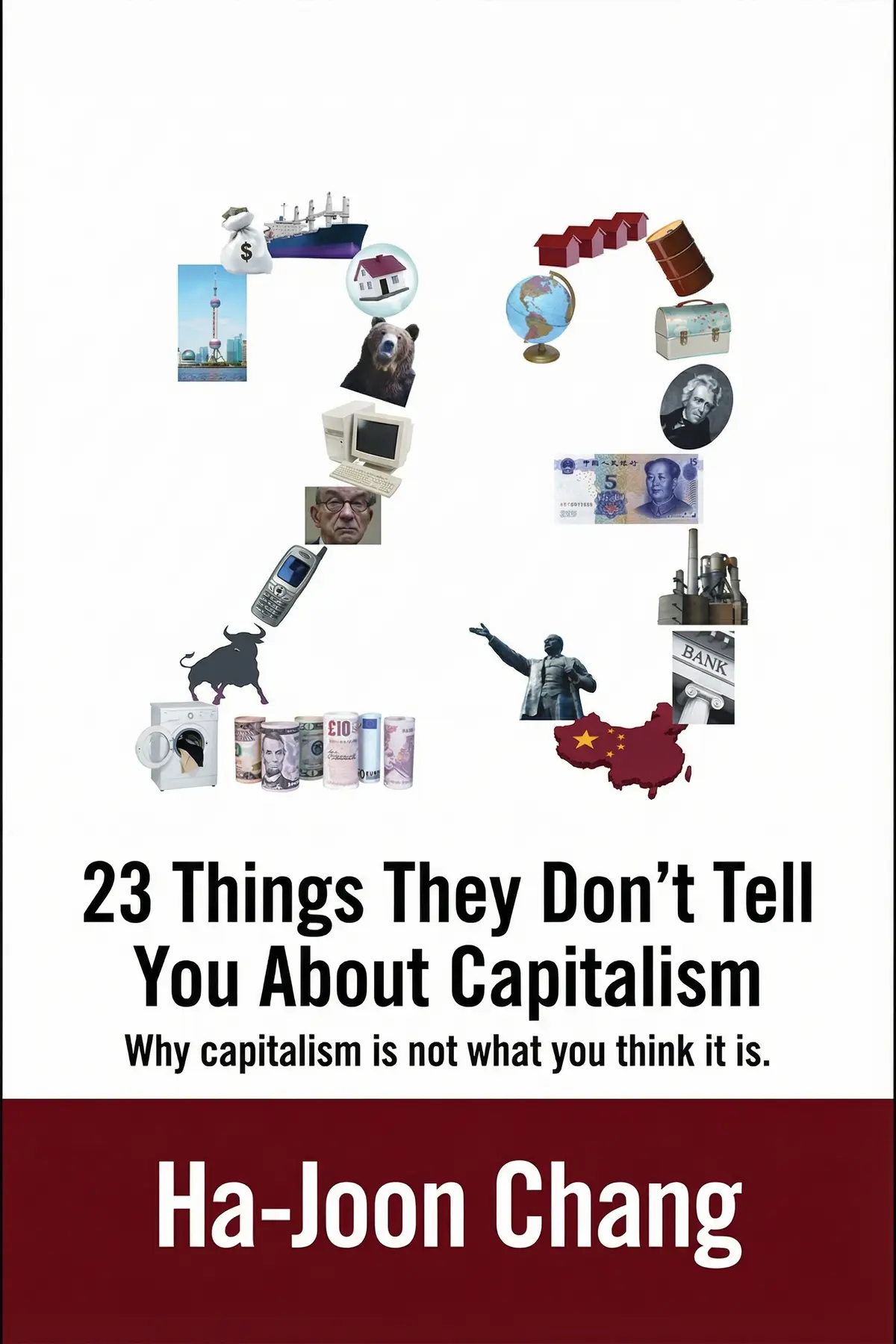
23 Things They Don’t Tell You About Capitalism deconstructs common economic myths. Ha-Joon Chang argues that free markets are never truly free and that strategic government intervention is essential for stability and growth.
1 min 34 sec
Welcome to BookBits. Today, we’re diving into a book that might just change the way you look at every news headline and every price tag you see. We’re exploring 23 Things They Don’t Tell You About Capitalism by Ha-Joon Chang.
If you listen to the talking heads on financial news or read the editorials in major newspapers, you’ll notice a very consistent theme. They almost always advocate for the same thing: free-market economics. There is a pervasive sense that this is the only logical path for a modern nation to take—that it’s less of a political choice and more of a settled law of nature. But as Ha-Joon Chang argues, this consensus is built on a series of fundamental misconceptions.
Far from being an objective, scientific truth, free-market theory is full of holes. It makes assumptions about human behavior that don’t hold up in the real world, and it ignores the very real history of how wealthy nations actually got rich. In this summary, we’re going to look at the ‘throughline’ of Chang’s argument: that the economy is a social construction, not a natural phenomenon. This means we have the power to shape it, regulate it, and choose different paths that prioritize human well-being and long-term stability over short-term profits for a few.
By the end of this journey, you won’t just see the flaws in the current system; you’ll see the possibilities for a better one. We’ll explore why governments shouldn’t be afraid to plan, why the internet isn’t as revolutionary as you think, and why acting selfishly is actually a terrible way to run a society. Let’s get started.
1 min 44 sec
Think economics is too complex for regular people to understand? You might be surprised to learn that most of it is just logic and common sense disguised as a hard science.
1 min 50 sec
If Nobel Prize winners can go bankrupt using their own theories, what does that say about the idea that we all make perfectly rational financial decisions?
1 min 44 sec
Free-market economists claim we are all driven by greed, but if that were true, why do we bother paying our taxi fares when we could easily run away?
1 min 52 sec
Do you really earn what you deserve? Learn why your paycheck has more to do with your passport than your actual skills or hard work.
1 min 42 sec
We are often told that the future is all about services and the internet, but turning away from manufacturing could be a recipe for economic stagnation.
1 min 32 sec
The 2008 financial crisis wasn’t an accident—it was the result of a system that became too complex for its own good.
1 min 32 sec
Free-market fans hate government intervention, but many of the world’s most successful companies only exist because a government stepped in.
1 min 33 sec
What if social safety nets actually made people more productive? Discover why protecting the vulnerable is a smart investment for growth.
1 min 41 sec
Rich countries often tell poor countries to open their borders to trade, but that’s not how those rich countries actually got wealthy.
1 min 32 sec
Capitalism is a powerful tool, but it’s only as good as its design. We need to stop treating it like a runaway train and start using the brakes.
1 min 49 sec
As we wrap up our look at 23 Things They Don’t Tell You About Capitalism, the core message is clear: the economy is too important to be left to the ‘experts’ alone. Ha-Joon Chang has shown us that the free-market orthodoxy that has dominated our world for forty years is not a scientific certainty, but a choice—and often a poor one.
We’ve seen that human beings are more than just selfish calculators; we are motivated by honor and a sense of community. We’ve learned that the most successful economies were built on strategic planning and protectionism, not just wild competition. And perhaps most importantly, we’ve seen that regulation isn’t the enemy of growth; it is the safeguard that makes growth sustainable.
The ‘throughline’ here is that we must reclaim our right to participate in economic decisions. When a politician tells you that we must cut social programs or deregulate a market because ‘that’s just how the economy works,’ you now know better. You can see the ‘car’ without the brakes and realize that it’s headed for a crash.
So, what can you do with this knowledge? Start by being a more critical consumer of economic news. When you hear about ‘merit-based’ pay or the ‘inefficiency’ of the state, remember the bus drivers and the Korean electronics industry. Your most powerful tool is your vote and your voice. Support policies that provide safety nets, because they actually encourage innovation. Demand transparency in finance, because complexity is often just a mask for risk. Capitalism can be a force for incredible good, but only if we have the courage to steer it toward the common good. Thank you for listening to BookBits.
Have you ever felt that economic experts speak a language designed to keep you out of the conversation? In 23 Things They Don’t Tell You About Capitalism, Ha-Joon Chang pulls back the curtain on the global economy to reveal that much of what we accept as common sense is actually based on fragile myths. This book is a direct challenge to the idea that unregulated free markets are the most efficient or only way to organize a modern society. By examining everything from the true impact of the internet to why CEOs are paid so much more than their workers, Chang promises to transform your understanding of how wealth and power really function. The book moves beyond the binary choice of capitalism versus communism, offering a nuanced look at how a regulated, smarter version of capitalism can actually lead to better outcomes for everyone. You will learn why the most successful economies in history often ignored the advice of free-market theorists and how we can redesign our financial systems to be more resilient and fair.
Ha-Joon Chang is one of the leading critics of free-market economics. He’s a professor at Cambridge University specializing in institutional and development economics and has published many widely discussed books about economic development such as Bad Samaritans and Kicking Away the Ladder.
Ha-Joon Chang
Listeners describe this work as thoroughly researched and all-encompassing, featuring accessible prose that questions traditional economic theories. They value its direct and easy-to-read nature, with one listener mentioning that it provides sophisticated insights using very plain terms. The title earns praise for its sincere look at capitalist systems, and listeners view it as a critical piece of literature in the field, with one review highlighting its practical solutions for improvement.
This book completely dismantles the tidy dogmas of neoliberal orthodoxy without ever devolving into impenetrable academic jargon. Chang lays bare how state intervention has always underpinned market stability, showing that unregulated markets are an intellectual myth. His breakdown of the 2008 meltdown—especially the toxic alphabet soup of mortgage-backed securities and collateralized debt obligations—was exceptionally lucid. Modern finance has detached itself from productive enterprise, turning speculation into systemic risk. The truth is, Chang isn’t demanding a socialist revolution here; he’s offering a pragmatic blueprint for a fairer, sturdier social democracy. While a few chapters lean on broad generalities, the overall analysis remains indispensable for understanding our current economic mess.
Show morePicked this up after the 2008 fallout left me thoroughly confused about how global finance actually works, and it answered almost every nagging question I had. Chang peels away the pretentious rhetoric surrounding financial engineering to expose CDO-cubed derivatives for the unmitigated gambling they really were. I gotta say, his wit makes what should be dry policy debates remarkably entertaining. The chapter comparing internet hype to household appliances made me rethink technological fetishism entirely. Free market capitalism isn't an act of nature; it is a human construct built upon explicit political choices and legal boundaries. Reading this gave me the vocabulary to critique economic policies without feeling intimidated. An absolute must-read for engaged citizens.
Show moreRarely does a nonfiction book explain systemic institutional flaws with such quiet clarity and razor-sharp historical perspective. Rather than rehashing tired ideological slogans, Chang demonstrates how affluent nations historically deployed protectionist tariffs, selective subsidies, and state planning before coercing developing nations into deregulating their vulnerable domestic markets. His developmental approach shatters the illusion of universal free trade as a panacea. The truth is that markets require political constraints to serve human dignity rather than unchecked monopoly power. A couple of chapters meander into anecdotal tangents, but the overarching vision is coherent and deeply humane. It stands out as one of the most level-headed defenses of regulated, social capitalism published in the last twenty years.
Show moreAs someone who skipped basic economics in college, I found this remarkably refreshing and easy to digest. Chang writes with the patient clarity of an engaging teacher who wants ordinary citizens to see behind the curtain. He demystifies the murky jargon of modern finance, pulling back the veil on derivatives, wage disparities, and trickle-down mythology. To be fair, dividing the book into twenty-three distinct bite-sized counter-arguments makes the structure feel slightly repetitive toward the end, like a collection of extended essays rather than a singular thesis. Still, it completely altered how I read financial headlines and trade policy debates. A thoroughly empowering primer that proves economics belongs to everyone, not just Wall Street analysts.
Show moreThe chapter on why companies shouldn't just run for their shareholders (Thing 2) alone makes this volume worth your time. Chang pinpoints a critical vulnerability in modern corporate governance: the dangerous speed gap between liquid financial markets chasing quarterly profits and the long-term investment required to sustain tangible industrial capacity. Look, maximizing shareholder return sounds virtuous on paper, but it frequently results in asset stripping and speculative bubbles. Chang draws heavily on South Korea’s industrial transformation to illustrate how planned state development actually fosters competitive enterprise. My only minor gripe is that he occasionally brushes aside legitimate counter-arguments regarding bureaucratic inefficiency. Even so, it provides a compelling case for rebalancing economic power toward workers, communities, and real producers.
Show moreEconomics books usually put me right to sleep, but Chang writes like an exceptionally lucid teacher who actually respects your time. He systematically targets twenty-three widespread myths, examining everything from CEO compensation packages to why equal opportunity fails if poor children arrive at school starving. Personally, I found his critique of immigration policies and national wage levels to be one of the most eye-opening sections of the entire work. Some arguments do feel somewhat oversimplified for rhetorical impact, and he occasionally glosses over genuine market innovations. Nonetheless, the core arguments remain grounded, clear, and immensely practical. You finish this book feeling equipped to challenge orthodox financial pundits at their own game.
Show moreFinally got around to reading Chang after seeing his Guardian columns praised for years, and the book lives up to the reputation. The chapter demonstrating why equal opportunity is meaningless without fair starting conditions struck a particularly deep chord with me. Not gonna lie, I was initially skeptical of his claim that education alone doesn't guarantee national prosperity, but his comparative historical evidence is difficult to dismiss. Chang isn’t trying to tear down commerce; he’s pushing for a functional economic engine that prioritizes societal well-being over reckless short-term speculation. My only reservation is that the format gets a bit formulaic as each chapter unfolds. Still, it delivers an enormous amount of insight in remarkably concise prose.
Show moreColor me impressed by how neatly this slices through standard textbook dogma without falling into partisan melodrama. Chang takes dense concepts like systemic financial contagion, managerial incentives, and labor market boundaries, making them readily accessible to anyone who cares about public policy. He clearly delineates between being anti-capitalist and opposing the specific brand of hyper-financialized neoliberalism that brought the world economy to its knees in 2008. Frankly, his pragmatic policy recommendations feel far more grounded in historical reality than most abstract economic modeling. It won't satisfy revolutionary purists or dogmatic libertarians, but for anyone who wants an honest diagnosis of market failures alongside sensible remedies, this is essential reading.
Show moreEver wonder why mainstream economic debates feel so rigidly narrow? Chang offers a healthy antidote by demonstrating that our economies are far more planned than market zealots admit. His reference to Herbert Simon’s Martian—observing vast green islands of corporate hierarchy connected by thin red market threads—brilliantly captures the reality of modern enterprise. Internal corporate operations rely on planned coordination, not instantaneous price auctions. In my experience, though, Chang’s underlying thesis pulls its punches. By advocating a nostalgic return to the post-war welfare state, he largely side-steps deeper environmental constraints and the volatile contradictions built directly into continuous capital accumulation. It remains a sharp, accessible read, but readers seeking a truly radical alternative will have to look beyond Chang’s reformist boundaries.
Show moreNot what I expected from a Cambridge economist. Chang repeatedly resorts to fighting straw men, portraying economists as blind cultists who deny the existence of basic market regulations. Frankly, claiming that 'free market' proponents oppose child labor laws or property rights misrepresents how regulatory frameworks evolve alongside societal wealth. Take Thing 4: asserting that the washing machine fundamentally outpaced the internet in transformational impact is a provocative hook, but his metric prioritizes telegraph transmission speeds while completely ignoring real-time global networks. Extrapolating historical regressions without robust theoretical grounding severely weakens his core thesis. If you are searching for a rigorous, data-driven critique of free-market theory, this pop-economics overview will leave you feeling underwhelmed.
Show more
Yanis Varoufakis
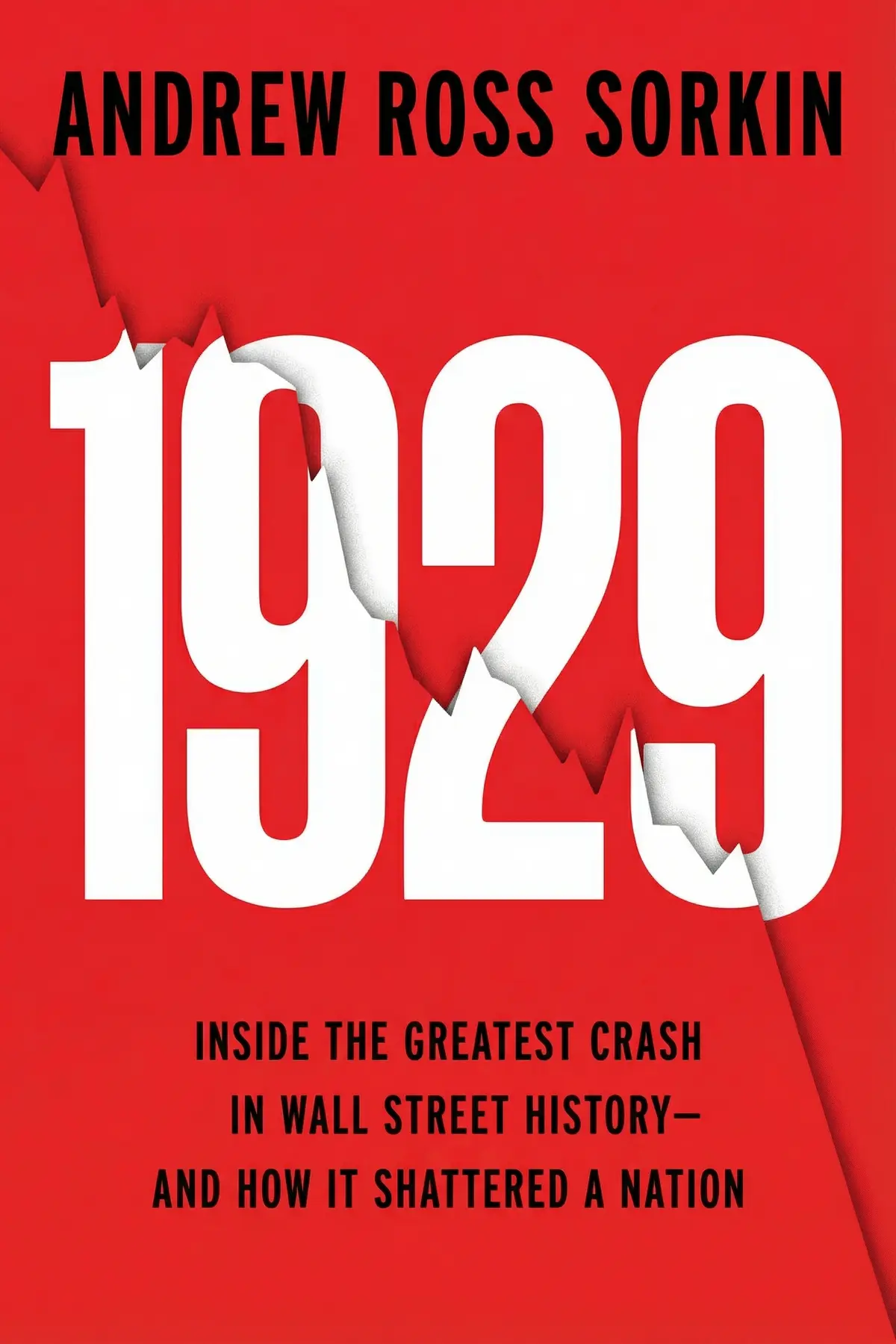
Andrew Ross Sorkin
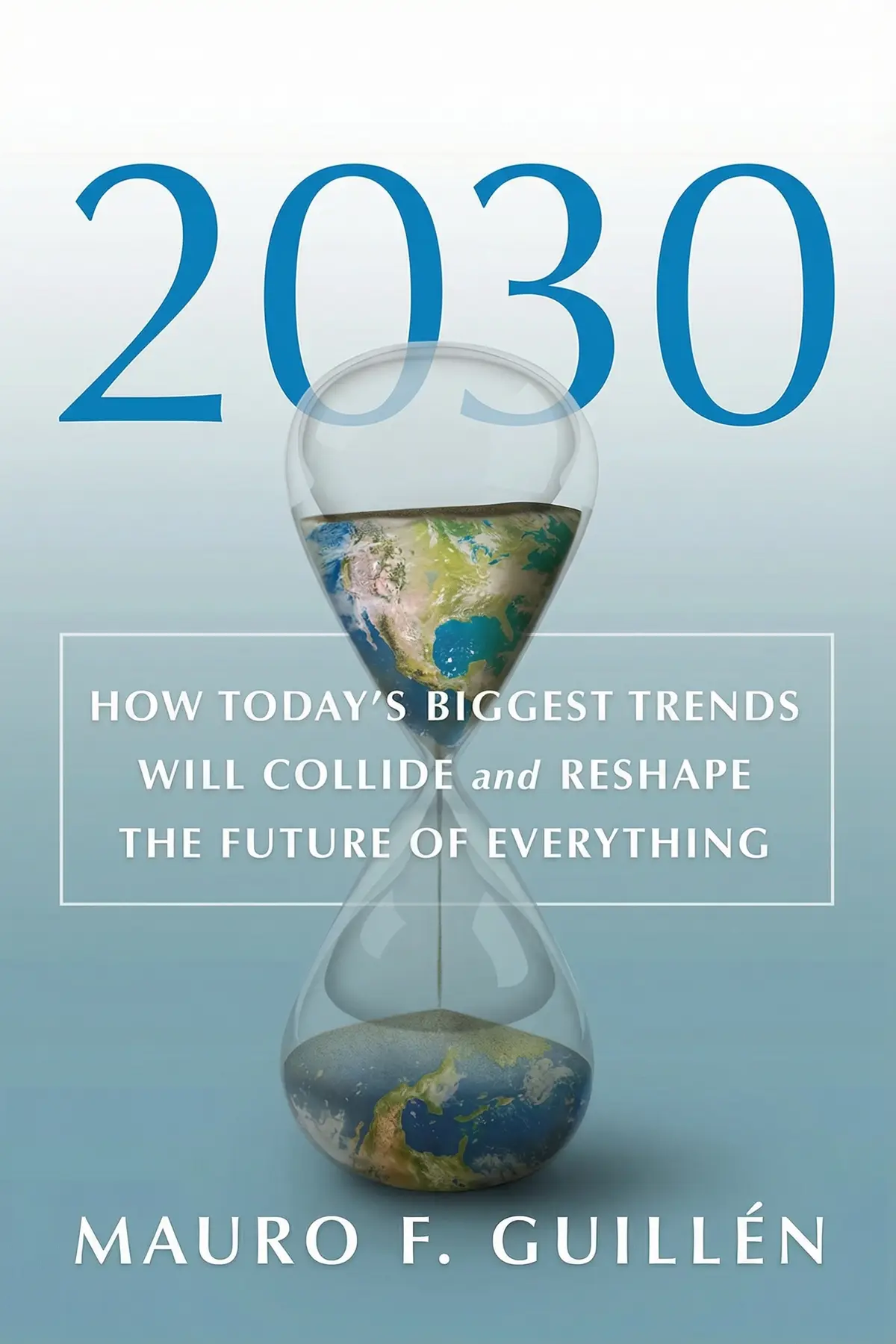
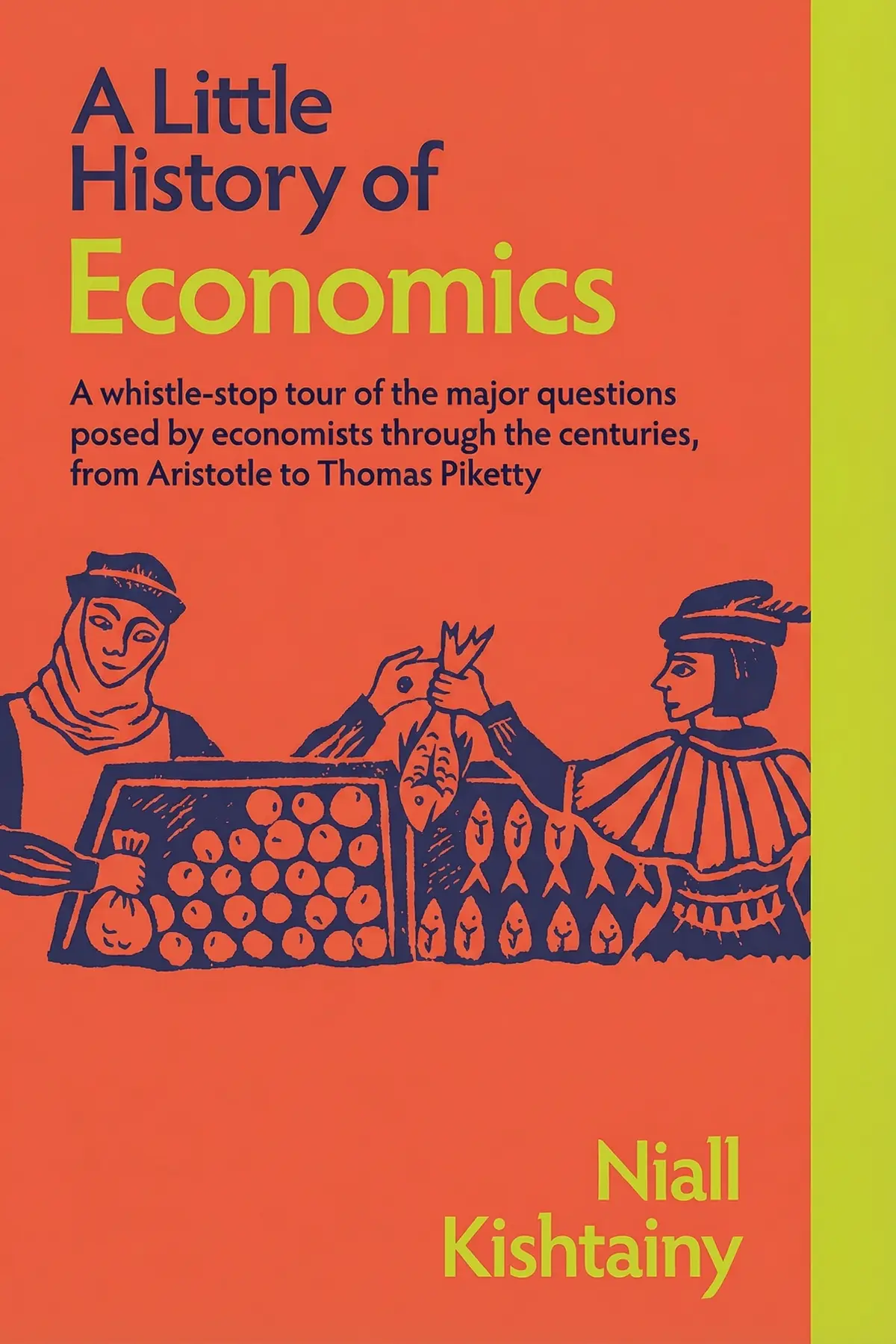
Niall Kishtainy
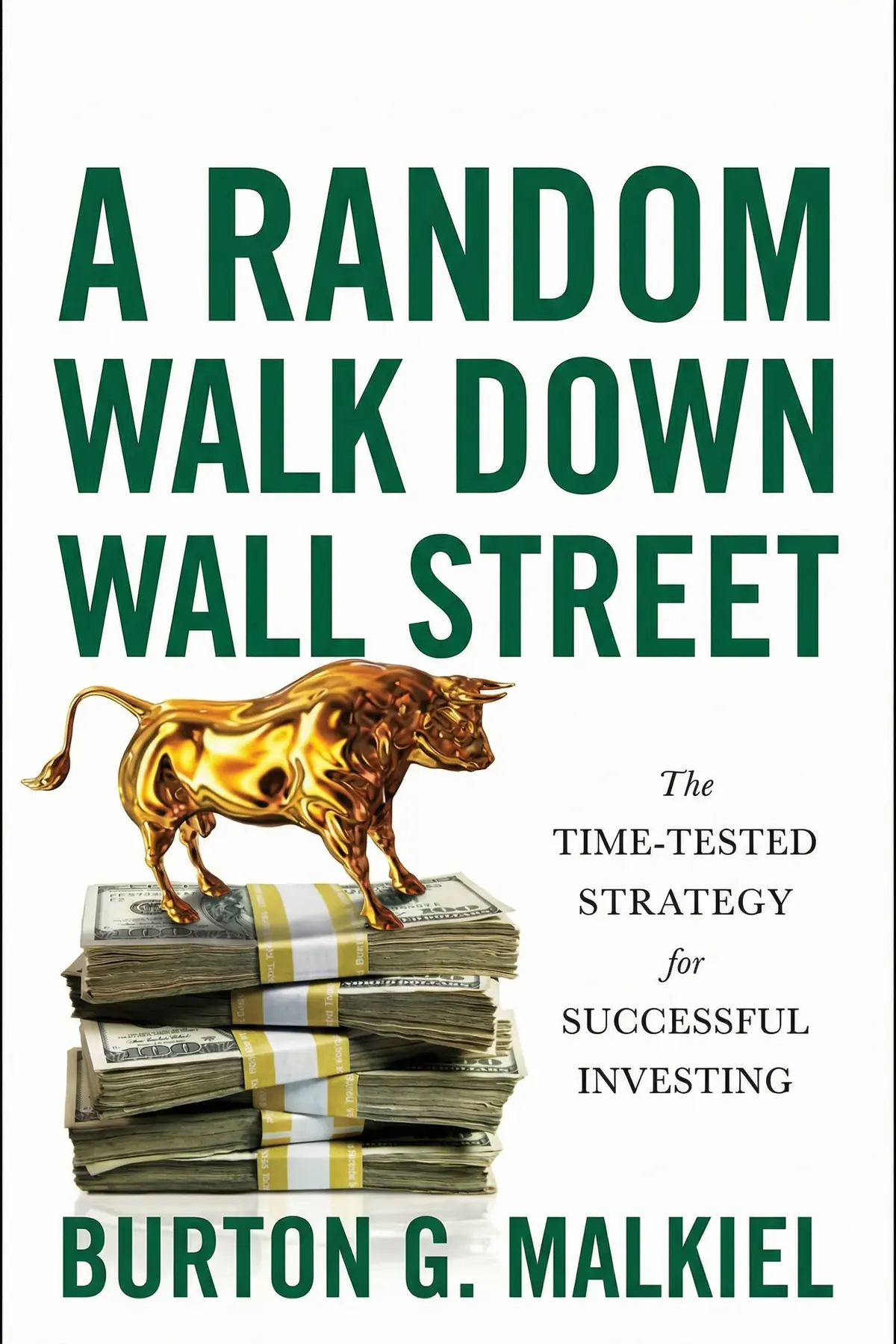
William J. Bernstein
AUDIO SUMMARY AVAILABLE
Get the key ideas from 23 Things They Don’t Tell You About Capitalism by Ha-Joon Chang, plus 5,000+ more titles in English and Thai.







