

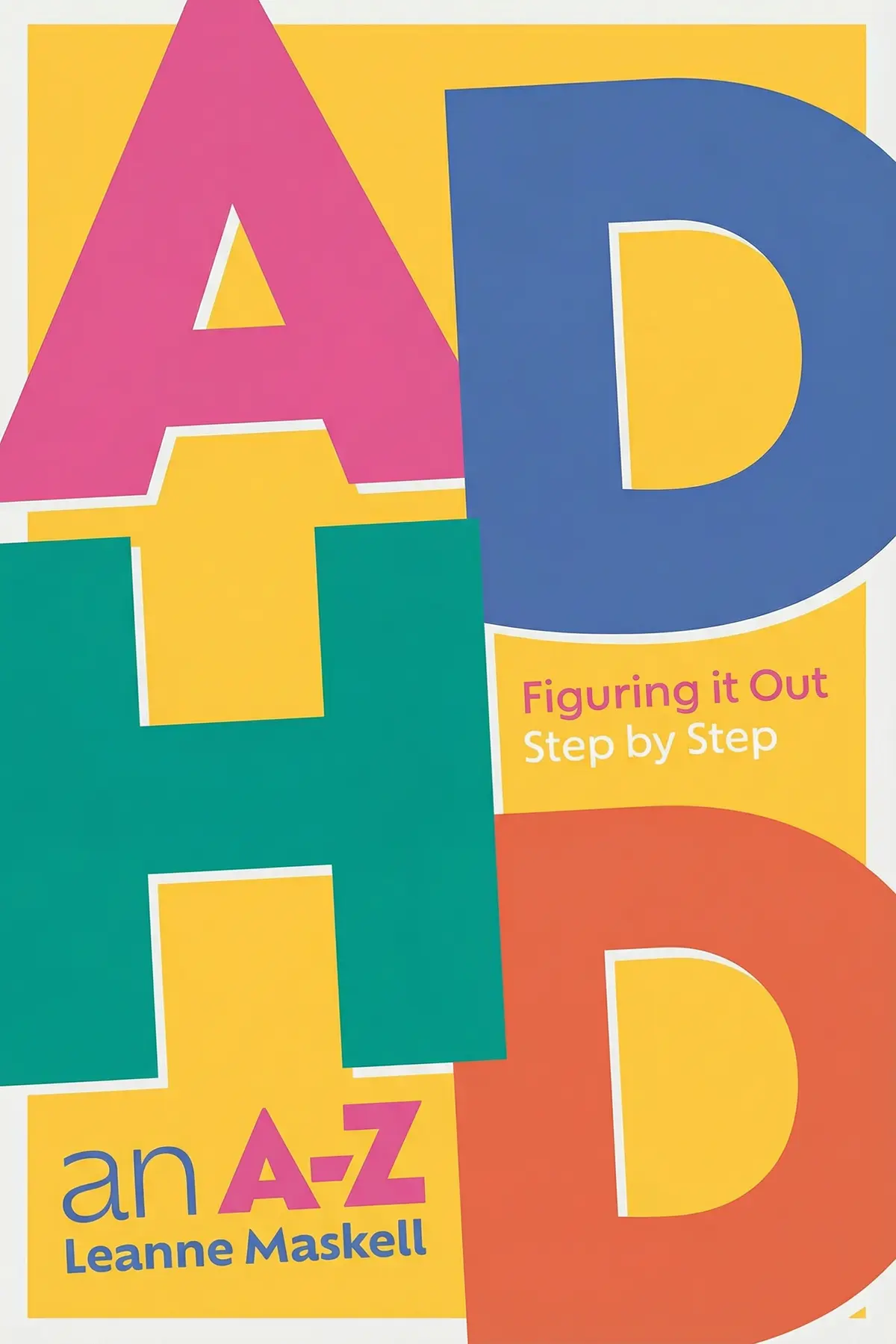
ADHD an A-Z: Figuring It Out Step by Step
Leanne Maskell
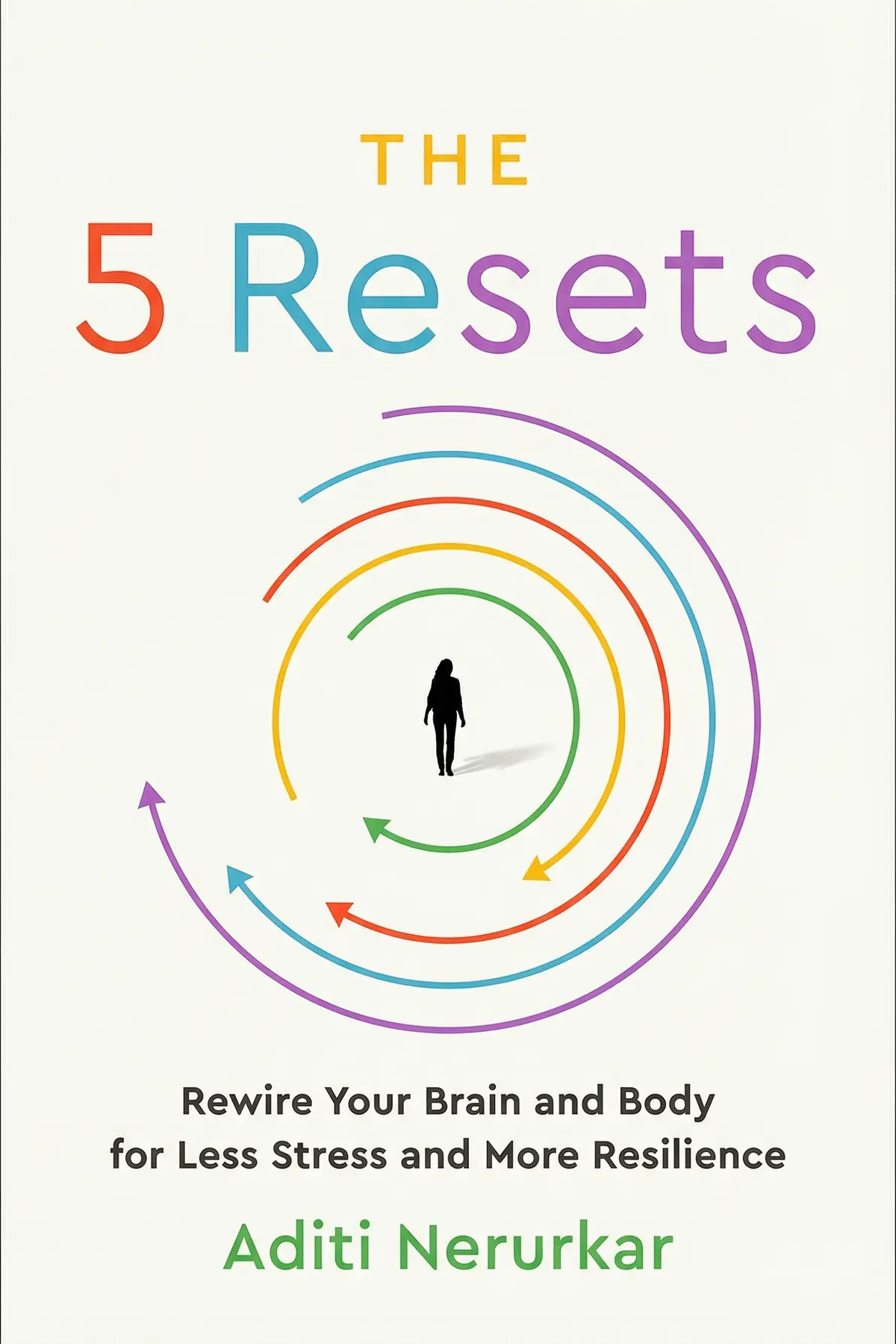
The 5 Resets offers a practical, science-backed framework for managing chronic stress. Learn to transition from survival mode to a state of resilience by retraining your brain and reclaiming your well-being.
1 min 54 sec
Imagine standing in the middle of a high-intensity cardiac unit. The air is thick with the sounds of monitors beeping and the urgent footsteps of medical staff. For one young doctor in 2007, this was her everyday reality. She was working eighty hours a week, pushing herself to the absolute limit in a prestigious training program. On the outside, she looked like the picture of professional composure. But inside, her body was sending out a frantic distress signal. She began to experience heart palpitations and a terrifying sense of losing her grip on reality—symptoms that mirrored the very heart patients she was treating. This doctor was Aditi Nerurkar, and that moment of crisis became the catalyst for a life-changing realization: her body wasn’t failing; it was communicating.
This experience led her to investigate the profound and often hidden connection between our mental state and our physical health. She discovered that stress isn’t just a feeling; it’s a biological process that can be managed and even redirected. The journey we are about to take together is based on her findings, structured around what she calls the 5 Resets. These aren’t just quick fixes or temporary escapes. They are fundamental shifts in how we interact with the world and ourselves.
In the following minutes, we will explore how to interpret the signals your body is sending you. We’ll look at the way your brain shifts between different modes of operation and how you can take the steering wheel back from your survival instincts. The goal isn’t to eliminate stress entirely—that’s an impossible task in our modern world. Instead, the goal is to transform stress into a tool for self-awareness and resilience. By making small, intentional adjustments to your daily routine, you can move away from the edge of burnout and toward a life of balance and fulfillment. Let’s begin by looking at the biology behind why we feel the way we do.
2 min 24 sec
Explore the biological tug-of-war between your brain’s logic center and its alarm system, and why modern life keeps us stuck in fight-or-flight mode.
2 min 30 sec
Learn how to move from a state of fear to a state of growth by setting goals that are motivating and manageable.
2 min 19 sec
Discover how our constant connection to technology creates ‘popcorn brain’ and what you can do to reclaim your focus.
2 min 20 sec
Uncover the scientific link between your physical state and your mental health, and how simple movements and diet can reset your system.
2 min 16 sec
Learn why doing less can actually help you achieve more, and how to create essential boundaries between your work and personal life.
2 min 22 sec
Discover how to silence your inner critic and build long-term resilience through gratitude and self-compassion.
1 min 49 sec
As we bring our exploration of the 5 Resets to a close, it’s worth reflecting on the throughline that connects them all: the idea that we have far more influence over our biological and emotional state than we often realize. We’ve seen how our brains are wired for survival, and how the relentless noise of the modern world can trap us in a state of chronic alarm. But we’ve also discovered that through small, intentional shifts, we can lead ourselves back to a place of calm and clarity.
From defining MOST goals that give us a sense of purpose, to silencing the digital distractions that fragment our attention, each reset offers a practical way to reclaim our well-being. We’ve learned that our bodies and minds are deeply intertwined, and that movement, nutrition, and mindful breathing are essential components of mental health. We’ve also seen the importance of setting boundaries and treating ourselves with the same compassion we would offer a friend.
The journey toward resilience isn’t about reaching a destination where stress no longer exists. Instead, it’s about developing a new relationship with it. When you feel that familiar tension rising, you can now recognize it as a signal to pause and reset. You have the tools to tell your amygdala that you are safe and to allow your prefrontal cortex to lead the way.
Start small. Choose one reset to focus on this week. Perhaps it’s silencing your phone an hour before bed, or taking that twenty-minute walk. These tiny actions, repeated over time, create the foundation for a life of lasting balance. You are both the architect and the inhabitant of your own well-being. By implementing these five resets, you aren’t just surviving the day; you are building a resilient, fulfilling life that can weather any storm.
Modern life often keeps us in a state of high alert, leading to burnout and physical symptoms that mimic serious illness. This guide explores why our brains shift from calm decision-making to survival-driven anxiety and how we can reverse that process. By understanding the biological mechanics of the stress response, listeners can begin to implement five specific lifestyle adjustments designed to restore balance. The book provides a roadmap for aligning daily habits with core values, setting digital boundaries to cure a scattered mind, and synchronizing the mind and body through movement and nutrition. It also emphasizes the importance of strategic rest and self-compassion. Ultimately, the promise is a shift from being overwhelmed by life’s demands to navigating them with clarity and strength, transforming stress from a burden into a guide for growth.
Dr. Aditi Nerurkar is a physician at Harvard Medical School specializing in stress management and resilience. She has served as the medical director of an integrative medicine program and is a prominent commentator on health communication for NBC News. As a columnist for Forbes, she addresses public health issues and the impact of stress on mental health, drawing from her extensive research and clinical practice.
Listeners find the writing highly accessible and skillfully composed, offering actionable methods for handling daily pressure. They value its down-to-earth tone and utility, while one listener highlights how it helps transform stress and trauma into growth. The prose receives favorable reviews, with one listener even calling it fun to read. However, listeners express conflicting views regarding the clarity of the language.
Finally, a self-help book that doesn’t feel like a chore to get through! Dr. Aditi Nerurkar has managed to write something that is both scientifically grounded and genuinely fun to read. Her "Stop-Breathe-Be" technique is so simple that I started using it immediately during my morning commute. I’ve read dozens of books on stress management, but this one stands out because it focuses on small, sustainable shifts rather than demanding a total life overhaul. The anecdotes about her patients were incredibly relatable and helped illustrate how these techniques work in real-world scenarios. It’s a rare find that manages to be both informative and deeply empathetic. I’m recommending this to all my stressed-out colleagues who need a realistic path back to sanity.
Show moreThis book is a breath of fresh air for anyone drowning in the "hustle culture" that defines our current era. Nerurkar reframes stress not as an enemy to be defeated, but as a biological signal that we need to tune into. The Fourth Reset on monotasking was a massive wake-up call for my scattered brain. I’ve always prided myself on doing five things at once, but seeing the science behind why that’s destroying my focus was eye-opening. The "living a lifetime in a day" concept is something I’m still trying to wrap my head around, but it’s a beautiful goal to strive for. The prose is clear, and the 15 techniques are practical enough to implement tonight. Truly life-changing stuff if you actually apply it!
Show moreThe concept of "living a lifetime in a day" changed my entire perspective on what a "good day" looks like. I used to think I had to wait for vacation to feel any sense of peace or joy, but Nerurkar shows how to bake those moments into the daily grind. The Fifth Reset is where the book really shines for me, specifically the shift from self-criticism to self-compassion. It sounds cheesy, but the way she frames it as a biological necessity for resilience makes it click. The book is structured so well that you can jump back and forth between techniques as needed. I’m already seeing a difference in my sleep and overall mood after just two weeks of following the resets. Absolute recommendation for anyone feeling overwhelmed.
Show morePicked this up during a particularly brutal week at work and it was exactly the medicine I needed. What I appreciate most is that Nerurkar doesn't ask you to quit your job or move to a cabin in the woods to find peace. She acknowledges the reality of our noisy, digital, high-pressure lives and gives us ways to navigate it. The "Get Clear on What Matters Most" section helped me stop obsessing over the small stuff and refocus on my actual health. It's an easy read, but the implications are huge if you actually do the work. The mix of personal stories and clinical expertise makes it feel both professional and personal. I honestly think this should be required reading in our overworked culture.
Show moreAfter hearing Dr. Nerurkar on a podcast, I was eager to dive into the full text to see if the hype was real. The "Resilience Rule of 2" is a total game-changer for someone like me who tends to over-commit to new habits and then burn out by Wednesday. It’s written in a very accessible way, making the medical insights feel approachable rather than intimidating or overly clinical. Truth is, while some of the advice on digital boundaries felt familiar, the way she structures the five resets provides a much-needed roadmap for modern living. I particularly appreciated the focus on the mind-body connection and the practical "Stop-Breathe-Be" technique. The writing is engaging and keeps you moving through the chapters without feeling bogged down by dense jargon. It’s a solid 4-star read for anyone feeling the weight of the daily grind.
Show moreAs a chronic multitasker, the fourth reset was a reality check I didn't know I needed. We often think that doing more is the solution to stress, but this book argues the opposite with such grace and clinical authority. I loved the "Resilience Rule of 2"—it stops you from trying to change everything at once and failing. The writing style is very fluid and easy to digest, which is perfect when your brain is already fried from a long day at work. My only minor gripe is that I wanted a bit more of the deep-dive research data. She mentions "research suggests" quite a bit, and as a bit of a science nerd, I wanted the footnotes! Still, the practical strategies are top-notch and very easy to apply to a busy schedule.
Show moreEver wonder why you're always feeling "on" even when you're supposed to be relaxing? This book explains the physiological reasons behind that constant state of high alert. Dr. Nerurkar does a fantastic job of translating Harvard-level science into a language that feels like a warm conversation. The "Stop-Breathe-Be" method has become my go-to for those mid-afternoon slumps where I usually just reach for more caffeine. It’s not just about "self-care" in the fluffy sense; it’s about rewiring how your brain perceives threats in the modern world. Some sections felt a bit repetitive, especially toward the end, but the core message is vital. It’s an easy, engaging read that actually gives you a plan of action rather than just theory.
Show moreDr. Nerurkar has a way of making complex clinical concepts feel like a conversation over coffee. I picked this up because I was struggling with focus, and the section on syncing the brain and body really hit home for me. In my experience, most doctors just tell you to "stress less" without giving you the "how," but the 15 techniques here are actual tools. Look, I’m usually skeptical of anything that mentions "gratitude journals," but the science-backed approach here makes it feel less like a trend and more like a prescription. The flow of the book is excellent, and the MOST goals framework actually made my to-do list feel manageable for the first time in months. A very solid and helpful read for the modern age.
Show moreI really wanted to love this, but it felt a bit like a summary of things I’ve already read elsewhere in the wellness space. To be fair, the first reset regarding the MOST goal (Motivating, Objective, Small, Timely) was a helpful framework for narrowing down my priorities. However, much of the remaining content, like limiting digital engagement or practicing gratitude, felt like common knowledge that didn't offer a groundbreaking perspective. The patient stories were okay, but at times they felt like they dragged on longer than necessary to make a simple point. If you are new to the world of wellness and stress management, this is a great starting point. If you’ve already been down this rabbit hole, you might find yourself skimming through the later sections looking for something more substantial.
Show moreNot what I expected based on the hype I saw online. Frankly, the concepts felt a bit "pie in the sky" and lacked the concrete, groundbreaking tools I was looking for. I found the constant anecdotal stories about Jeanette and other patients to be more of a distraction than a help. While the doctor's tone is very kind and well-meaning, the advice to "just breathe" or "write five things you're grateful for" felt a bit surface-level for someone dealing with serious, chronic burnout. It’s a well-written book for sure, but it just didn’t offer anything new for me personally. If you’ve never read a book on mindfulness, you’ll love it. For everyone else, it might feel like a repeat of every blog post you’ve seen since 2015.
Show moreLeanne Maskell
Alcoholics Anonymous World Services
Steven C. Hayes
AUDIO SUMMARY AVAILABLE
Get the key ideas from The 5 Resets by Aditi Nerurkar, plus 5,000+ more titles in English and Thai.







