

19 min 43 sec
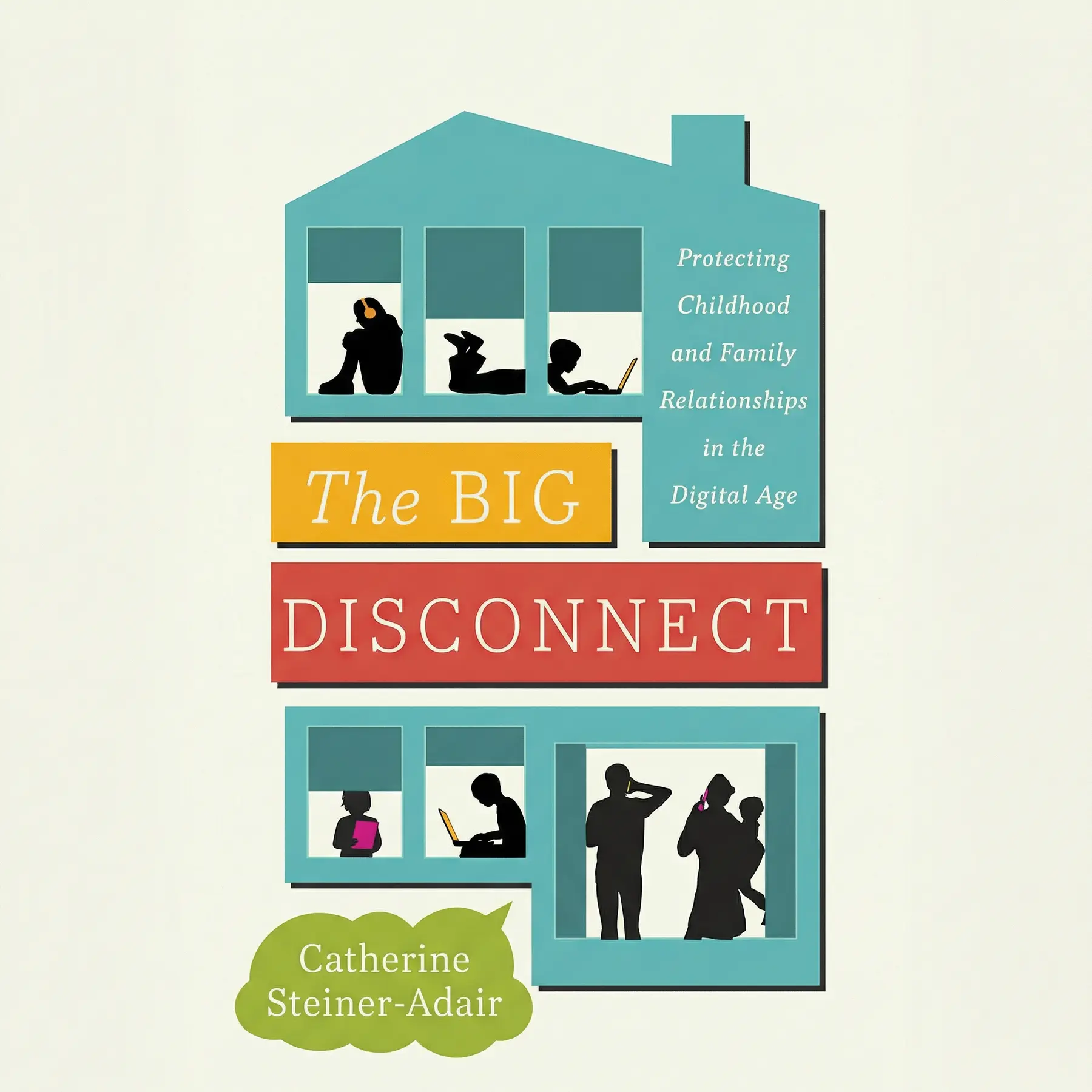
The Big Disconnect: Protecting Childhood and Family Relationships in the Digital Age
A deep look at how digital technology impacts child development and family bonds, offering strategies for parents to maintain meaningful connections in an increasingly distracted world.
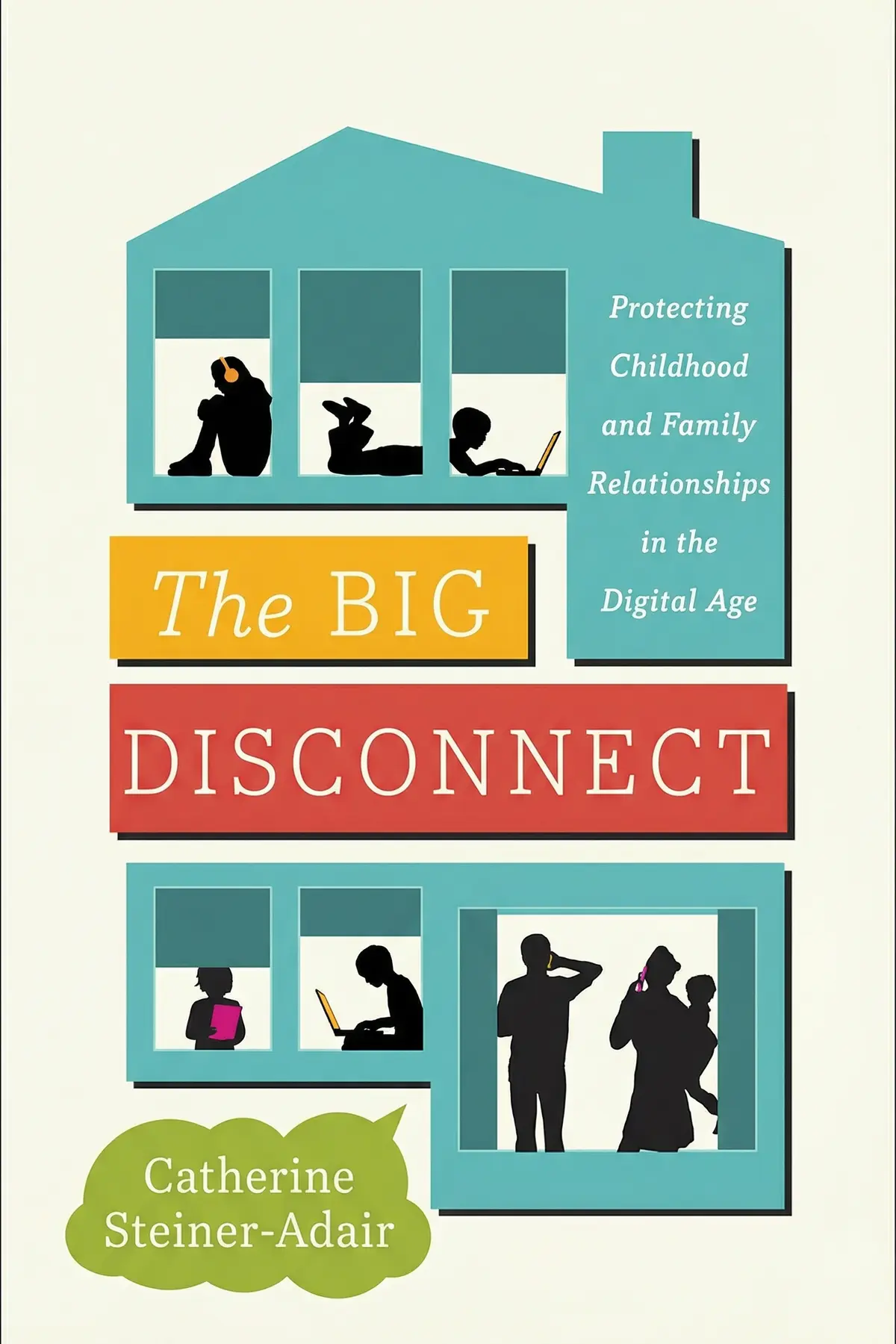
Table of Content
1. Introduction
1 min 50 sec
Picture a typical modern evening: the family is gathered in the same room, but everyone is miles apart. One parent is finishing a work email on a laptop, another is scrolling through a social media feed, and the children are silent, their faces illuminated by the blue light of tablets or gaming consoles. On the surface, it looks like a quiet, peaceful scene. But beneath that silence, something profound is shifting. We are living in an era defined by a massive paradox: we have more tools than ever to stay ‘connected,’ yet we are experiencing a growing sense of isolation within our most intimate relationships. This is what we call the ‘big disconnect.’
In this exploration of our digital lives, we aren’t just looking at how much time we spend online. We are examining how technology serves as a third party in the relationship between parent and child. It changes the way we talk, the way we resolve conflicts, and the way our children understand the world around them. From the moment a baby looks up to find their parent’s eyes fixed on a smartphone, to the teenager navigating the brutal social waters of Instagram, the digital world is a constant, uninvited guest at the dinner table.
Our goal today is to understand the depth of this shift. We will look at why the simple act of playing is becoming a lost art for preschoolers and why college students today seem to possess significantly less empathy than those of thirty years ago. Most importantly, we will establish a throughline: that while technology is inevitable, its negative impact on the human spirit is not. By understanding the specific ways screens interfere with developmental milestones, parents can take back the reins. We are going to learn how to bridge the gap that technology has created, ensuring that the next generation grows up not just tech-savvy, but emotionally intelligent, resilient, and deeply connected to their families.
2. The Erosion of Empathy and Focus
2 min 26 sec
Digital life is subtly reshaping how the next generation perceives the feelings of others and how they handle deep concentration.
3. The Impact of Parental Distraction on Infants
2 min 19 sec
Even the youngest children are affected by the ‘still face’ of a parent lost in a digital device.
4. The Decline of Imaginative Play in Preschoolers
2 min 17 sec
When screens take the lead, children lose the ability to create their own worlds and solve their own problems.
5. New Frontiers of Risk for School-Age Children
2 min 17 sec
The digital world brings adult themes and hidden bullies directly into the safety of the home.
6. Adolescence and the Public Exposure of the Self
2 min 13 sec
Social media turns the awkward mistakes of youth into permanent, public spectacles.
7. The Struggle for Authentic Identity and Connection
2 min 10 sec
In a world of curated digital personas, teenagers are losing the ability to be vulnerable and honest.
8. Building a Bridge of Trust Through Digital Citizenship
2 min 26 sec
Parents must move from being digital police to becoming trusted mentors through role modeling and openness.
9. Conclusion
1 min 45 sec
As we conclude this journey through the landscape of the digital age, the message is not one of despair, but of empowerment. We have seen the risks: the decline of empathy, the erosion of focus, the loss of imaginative play, and the public traumas of adolescence. These are real challenges, but they are not insurmountable. The central throughline remains: the human heart and the parent-child bond are more powerful than any algorithm or screen.
The ‘big disconnect’ happens when we let technology dictate the terms of our lives. We reclaim our families when we intentionally choose connection over convenience. This means protecting the early years of childhood, ensuring that those under five are given the space to grow, play, and bond without the interference of digital media. It means being present for the small moments—the eye contact across the dinner table, the shared laughter during a drive, and the quiet conversations before bed.
Moving forward, the goal is to become ‘digitally savvy’ families who use technology as a tool rather than a crutch. We can start by creating tech-free sanctuaries. Take a weekend to go into nature without your devices. Let your children experience the boredom that leads to creativity and the silence that leads to self-reflection. By modeling a healthy relationship with technology and building a foundation of trust, we can ensure that our children grow up to be the masters of their digital tools, rather than their servants. The digital age is here to stay, but the warmth, depth, and intimacy of your family are entirely within your hands.
About this book
What is this book about?
The Big Disconnect addresses the quiet crisis occurring in modern living rooms: the slow erosion of family intimacy due to the constant presence of screens. Catherine Steiner-Adair explores how the digital revolution has moved beyond mere convenience to fundamentally alter how children develop empathy, how they play, and how they form their identities. The book provides a sobering look at the neurological and psychological shifts occurring in children from infancy through adolescence. It isn't just a critique of technology, but a roadmap for parents who feel outpaced by the rapid changes in social media and gaming. By understanding the specific risks—from the 'still-face' effect on infants to the lack of empathy in teenage texting—parents can reclaim their role as the primary influence in their children’s lives. The promise of this work is a path back to authentic relationship-building, ensuring that the digital tools meant to connect us don't ultimately pull families apart.
Book Information
About the Author
Catherine Steiner-Adair
Catherine Steiner Adair, EdD, is a clinical psychologist who specializes in child and family therapy. She’s also an instructor at Harvard Medical School and a consultant for a number of schools.
Ratings & Reviews
Ratings at a glance
What people think
Listeners find this title a mandatory resource for raising children in our tech-heavy era, blending high-quality research and scientific findings with real-world case studies. They view it as vital material for parents across all stages and value the practical guidance, with one listener mentioning that it offers concrete strategies for families. The work earns praise for its eye-opening information and the depth of its dialogue, as one review points out its effectiveness in cultivating invaluable conversation skills in kids. Opinions are divided, however, regarding the book's impact on family bonding.
Top reviews
Narong
Finally got around to reading this because I’ve been struggling with my own screen time habits around my kids. The anecdote about the seven-year-old girl who feels lonely because her parents are always on their phones hit me like a ton of bricks. Steiner-Adair isn't just wagging her finger; she's showing us the neurological stakes. In my experience, the book shines when it focuses on how we, as parents, can model better behavior to foster empathy in our children. Truth be told, I was worried it would be too anti-tech, but it’s actually more about being intentional. I’ve already started leaving my phone in the drawer during dinner, and the difference in our conversation quality is palpable. Highly recommend for anyone feeling the silvery shine of gadgets taking over their living room.
Show moreAna
Wow, this was exactly the wake-up call I needed to re-evaluate our family’s relationship with the digital world. Steiner-Adair provides a treasure trove of information regarding how tech affects developmental years, particularly concerning empathy and social cues. The chapter on teens was graphic and difficult to read, but it’s a necessary look at the dangers of unchecked internet access. Gotta say, I've already implemented the no phones at breakfast rule and our mornings are significantly calmer. It isn't just about banning devices; it's about being there for our kids when they need us most. This book is a must-read for any parent who feels a disconnect growing between them and their children. It’s enlightened, well-researched, and ultimately very hopeful.
Show moreAnchalee
The chapter on teens and sexting was incredibly eye-opening and provided a much-needed reality check for parents of older kids. Steiner-Adair doesn't hold back on the graphic reality of what kids are exposed to online, which is frightening but essential to know. Truth is, we often assume our kids are safe just because they're in the next room, but the internet brings the whole world into their bed. I loved the emphasis on humanizing our children through consistent engagement and active listening. After reading this, my husband and I have completely redesigned our home's tech boundaries. It has transformed our evening routine into something much more connected and meaningful. This is a vital resource for the modern parent.
Show moreGame
Steiner-Adair provides a much-needed framework for the digital era that goes beyond simple yes or no screen time rules. The book is brimming with insights into how we can nurture invaluable conversation skills in an age of constant distraction. Actually, the most surprising thing for me was learning about how the brain prunes social connections if they aren't used. We always think of tech as an addition, but she shows how it can also be a subtraction of essential human experiences. The family bonding aspect of her advice is incredibly practical, offering scripts and strategies that feel natural rather than forced. It’s a deep dive into the psychology of connection that every parent, teacher, and caregiver should have on their shelf.
Show moreDuang
As a mother of two toddlers, I found the section on neural pruning and empathy development to be both fascinating and terrifying. The idea that we are literally wired for connection through face-to-face interaction is a powerful reminder to put the iPad away. Personally, I appreciated how the author didn't just blame the kids, but instead turned the mirror on the parents’ own distracted behaviors. Not gonna lie, some of the case studies felt a bit extreme and catered to a very specific, wealthy demographic. Despite that, the practical advice on creating tech-free zones is something every modern family can benefit from immediately. It’s a dense read, but the insights into how texting replaces real emotional growth are worth the effort.
Show moreChamlong
Is tech actually ruining our kids' ability to feel empathy? That’s the question Steiner-Adair tackles with a mix of clinical expertise and real-world case studies. While I found her good old days nostalgia a bit grating, the core message about the importance of face-to-face communication is undeniable. The book explains how neural networks for empathy are built through repeated interaction, and how screens can interrupt that vital process. Frankly, it made me rethink how often I check my email while my daughter is trying to tell me about her day. It’s a thick book with a lot of academic language, but the sections on tweens and the hookup culture are particularly eye-opening. Definitely worth a read, even if you don't agree with every single conclusion.
Show moreKiattisak
Picked this up because I've been feeling guilty about my own phone use, and it certainly validated those feelings in a big way. The author’s focus on parental behavior as the primary driver of family disconnect is what sets this apart from other screen time books. In my experience, most parenting guides just tell you what to take away from your kids, but this one tells you what to change about yourself. The case studies are heartbreaking, specifically the quotes from children who feel like they come second to a smartphone. It’s a bit repetitive in the middle, and she definitely skews toward the anti-tech side of the spectrum. Still, the actionable scripts for talking to your kids about online safety are worth the price alone.
Show morePla
The first half of this book is a bit of a slog, filled with the saddest stories ever about preschoolers and their online lives. Look, I get it; we are all too plugged in, but the hyperbole is a bit much to handle for 300 pages. To be fair, if you can make it past the initial alarmist tone, Chapter 8 offers some genuinely actionable steps for reclaiming family time. I found the discussion on gorenography and the lack of empathy in digital communication to be the most compelling parts of her argument. It’s a mixed bag of great research and outdated Luddite sentiments. If you’re already a cautious parent, this might just stress you out more than it helps. I’d suggest skimming the first half.
Show moreLevi
Not what I expected from a Harvard-trained psychologist, as it felt less like a scientific study and more like a collection of pearl-clutching anecdotes. Frankly, Steiner-Adair comes across as incredibly nostalgic for a golden age of parenting that probably never existed for most people. While the warnings about cyberbullying and sexting are valid, the tone is so alarmist that it’s hard to take the advice seriously at times. She seems shocked that a seven-year-old knows how to download an app, which makes me wonder if she’s spent any time with actual children lately. To be fair, there are some decent tips in the final chapters about setting boundaries. However, the first two hundred pages are a repetitive slog of horror stories that feel designed to trigger parental guilt rather than offer solutions.
Show moreSakura
Look, I wanted to like this, but Steiner-Adair is just so out of touch with how modern families actually function. The entire premise seems to be that if you aren't living in a 1950s nuclear family bubble, you're destroying your child's brain. Not only is the book lacking in hard data, but it relies almost entirely on annecdata from her private practice. I found her tone toward parents who use technology as a tool to be incredibly condescending and elitist. Most of us are just trying to get through a flight or a grocery run, not neglecting our children’s souls. If you enjoy feeling guilty for letting your kid watch a movie, then by all means, buy this book. Otherwise, just use some common sense and skip the expensive therapy session in print.
Show moreReaders also enjoyed

AUDIO SUMMARY AVAILABLE
Listen to The Big Disconnect in 15 minutes
Get the key ideas from The Big Disconnect by Catherine Steiner-Adair, plus 5,000+ more titles in English and Thai.
- 5,000+ titles
- Listen as much as you want
- 7-day free trial
- Cancel anytime







