
28 min 29 sec
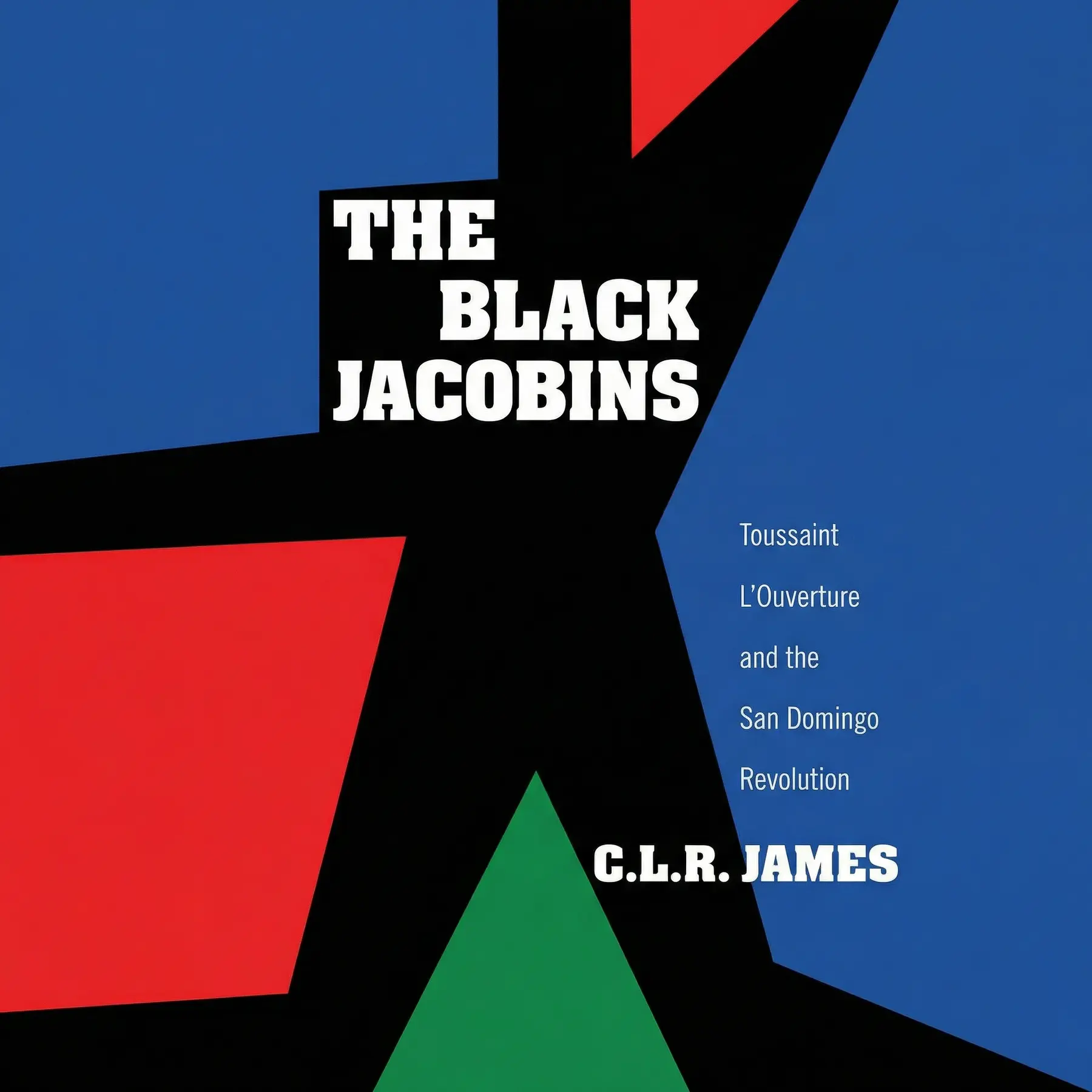
The Black Jacobins: Toussaint L’Ouverture and the San Domingo Revolution
By C.L.R. James
Explore the monumental history of the Haitian Revolution. This account details how Toussaint L’Ouverture led enslaved people to defeat colonial powers and establish the world’s first independent black republic through strategic genius and revolutionary ideals.
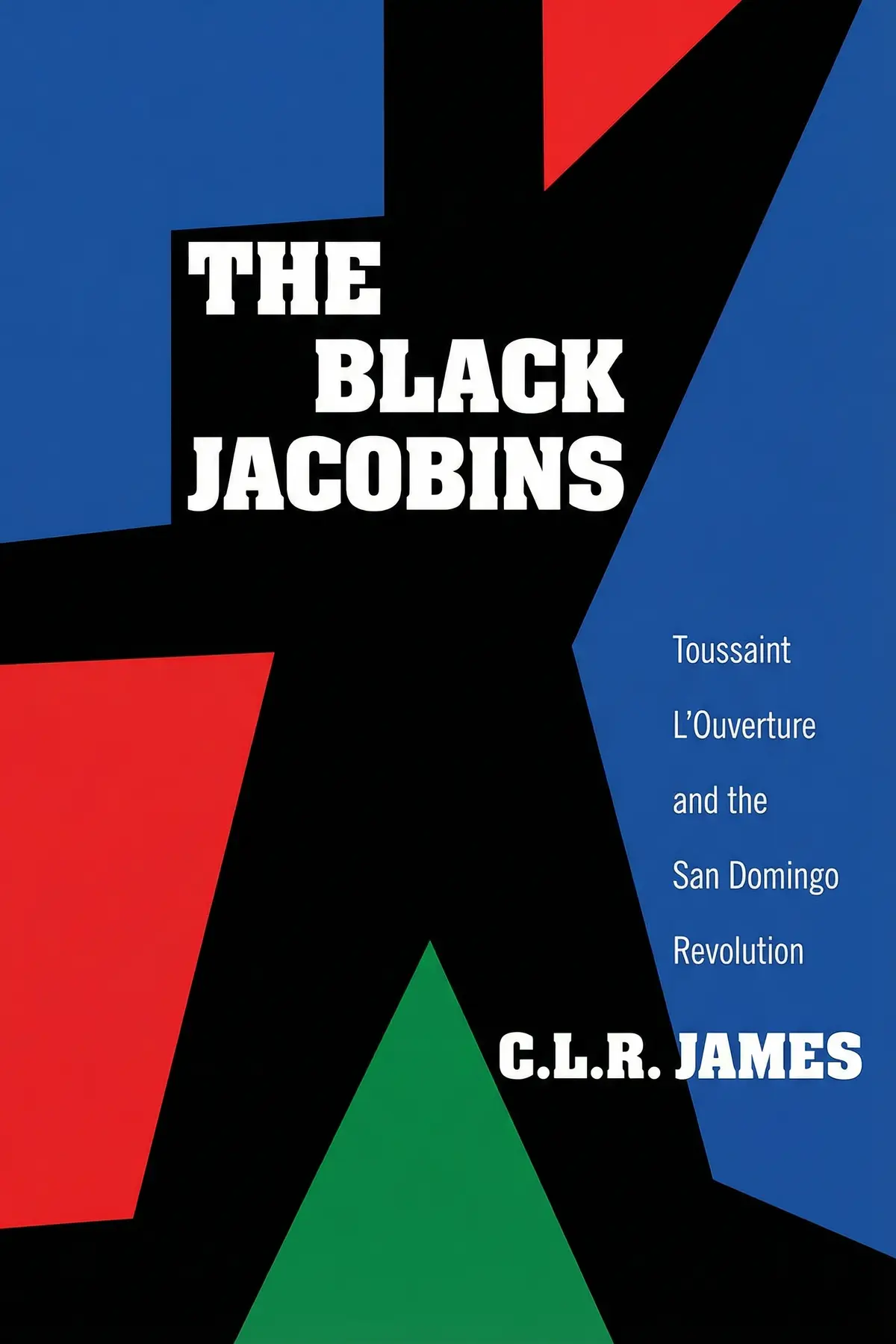
Table of Content
1. Introduction
1 min 26 sec
The history of the modern world is often told through the lens of European empires, but one of the most significant shifts in human liberty happened on a small Caribbean island. In the late eighteenth century, the French colony of San Domingo was the crown jewel of the Atlantic economy. It was a place of staggering wealth and unspeakable cruelty. This is the story of how that system was dismantled from the inside. At the heart of this transformation is Toussaint L’Ouverture, a man who rose from the depths of enslavement to become a military and political strategist of the highest order.
As we walk through this history, we aren’t just looking at a series of battles or dates. We are exploring the birth of a new concept of freedom. We will see how the lofty ideals of the French Revolution—liberty, equality, and fraternity—were taken literally by those they were never intended to include. We’ll examine the intricate social layers that made the colony a tinderbox and follow the tactical genius of a leader who outmaneuvered the greatest empires of his time. This throughline isn’t just about the end of a colony; it’s about the fundamental human drive for dignity and the power of a single, unwavering goal to reshape the map of the world. By the end of this journey, you’ll understand how the Haitian Revolution became the first successful slave revolt in history and why its legacy continues to resonate as a testament to the fact that freedom is never given; it is earned through struggle and visionary leadership.
2. The Economic Engine of San Domingo
2 min 29 sec
Uncover the dark reality behind the immense wealth of France’s most profitable colony and the systematic brutality required to maintain it.
3. A Divided and Volatile Social Hierarchy
2 min 20 sec
Explore the complex layers of colonial society, from the powerful bureaucracy to the disenfranchised free people of color.
4. The Roots of Resistance and the Need for a Leader
2 min 14 sec
Understand why early attempts at rebellion failed and what the enslaved population lacked to truly overturn the system.
5. Revolutionary Ideals Cross the Atlantic
2 min 11 sec
Witness how the cry of ‘Liberty, Equality, and Fraternity’ from Paris ignited a fire in the Caribbean that the colonists could not extinguish.
6. The Rise of Toussaint L’Ouverture
2 min 14 sec
Follow the transformation of a relatively privileged slave into the brilliant mind that would lead a nation to freedom.
7. From Chaos to a Disciplined Revolutionary Army
2 min 17 sec
See how a desperate and disorganized revolt was transformed into a professional military force capable of challenging empires.
8. The Strategic Mastery of Shifting Alliances
2 min 18 sec
Follow Toussaint’s clever diplomatic maneuvers as he played the great powers of Europe against each other to secure abolition.
9. Establishing Order and a New Vision of Society
2 min 22 sec
Witness the immense challenge of rebuilding a war-torn nation and Toussaint’s controversial methods for ensuring economic survival.
10. The Perilous Path of Racial Conciliation
2 min 16 sec
Analyze Toussaint’s controversial attempt to create a multi-racial state and how it led to a tragic rift with his own supporters.
11. Napoleon’s Betrayal and the Fall of a Titan
2 min 20 sec
Witness the dramatic confrontation between the revolutionary leader and a rising dictator, ending in a lonely death in a French prison.
12. The Birth of Haiti and a Legacy of Freedom
2 min 15 sec
See how the people of San Domingo finished what Toussaint started, achieving full independence and changing the world forever.
13. Conclusion
1 min 47 sec
The story of the San Domingo revolution, as captured in this account, is one of the most profound narratives of human struggle and triumph. It reminds us that the great shifts in history are often driven by those who have been most marginalized. We have seen how the brutal machinery of a colonial empire was brought to a halt not by the benevolence of the rulers, but by the strategic brilliance and unwavering resolve of the ruled. Toussaint L’Ouverture stands as a towering figure who bridged the gap between two worlds—using the tools of European enlightenment and military strategy to dismantle European colonial oppression.
The central message we take away is that freedom is a universal human drive that cannot be permanently suppressed by even the most violent systems. The Haitian Revolution was the first to take the promises of the Enlightenment to their logical and universal conclusion. It wasn’t just a local conflict; it was a global event that challenged the economic and moral foundations of the entire Atlantic world.
As we close this summary, consider the actionable lesson it offers: never underestimate the power of a clear, uncompromised vision. Toussaint’s success was rooted in his absolute commitment to the abolition of slavery. While he made tactical shifts and temporary alliances, he never lost sight of his primary goal. In your own life, whether you are leading a team or pursuing a personal goal, clarity of purpose is your most powerful asset. The history of Haiti also teaches us the importance of looking at events from multiple perspectives. The standard histories of abolition often focus on European reformers, but the real story of liberty was written in the fields of San Domingo. By understanding these ‘roots’ of history, we gain a truer sense of how change actually happens—through courage, intellect, and the relentless pursuit of dignity for all people.
About this book
What is this book about?
The Black Jacobins is a seminal historical work that examines the rise of the Haitian Revolution and the extraordinary life of its primary architect, Toussaint L’Ouverture. The narrative begins by illustrating the immense wealth of the French colony of San Domingo, a prosperity built entirely on the systematic brutality of the slave trade. As the ideals of the French Revolution—liberty, equality, and fraternity—crossed the Atlantic, they ignited a powder keg of social tension among the colony’s complex class hierarchy. This summary explores how Toussaint, a former slave with remarkable intellectual and military prowess, transformed a disorganized rebellion into a disciplined revolutionary army. The story follows his strategic maneuvers between world powers like Britain, Spain, and France, always keeping the permanent abolition of slavery as his north star. It concludes with the tragic capture of Toussaint and the eventual birth of the nation of Haiti under his successors. The promise of this account is a deeper understanding of how the most oppressed members of society successfully challenged the global order and redefined the meaning of universal human rights.
Book Information
About the Author
C.L.R. James
C.L.R. James was a prominent Trinidadian academic, writer, and political activist who lived from 1901 to 1989. Throughout his career, he authored numerous influential works covering diverse subjects such as history, Marxism, and cricket. James was a trailblazer in postcolonial literature, utilizing his scholarship to challenge colonial narratives. In recognition of his significant intellectual and cultural contributions, he was honored with the Trinity Cross, the highest award given by the nation of Trinidad and Tobago.
Ratings & Reviews
Ratings at a glance
What people think
Listeners view this volume as a crucial historical text, often lauding it as the best account of the Haitian revolution. Additionally, the author's prose is well-regarded, with one listener observing that it is the first to write favorably about the Haitian revolution. Listeners also enjoy the immersive narrative, as one review commends its detailed portrayal of characters' lives and worldviews. They also appreciate the book's momentum, with one listener noting its fast pace, and its supplemental content, with one listener describing it as an excellent resource.
Top reviews
Gung
This book is a towering achievement that reframes everything you think you know about the Atlantic world. James manages to weave a narrative that is both a rigorous Marxist analysis and a gripping piece of literature. The way he traces Toussaint L’Ouverture’s rise from an unlettered slave to a global political visionary is nothing short of breathtaking. You can feel the author's passion on every page, yet the scholarship remains dense and incredibly well-researched. To be fair, the sheer volume of names and dates can be overwhelming for a casual reader, but the effort is rewarded tenfold. It isn't just a history of Haiti; it is a blueprint for understanding how power and race intersect on a global scale. I found the sections on the economic motives behind abolition particularly eye-opening and challenging. If you want to understand the modern world, start here.
Show moreCee
Finally got around to reading this classic and I’m honestly kicking myself for waiting so long. The Black Jacobins is less of a dry history book and more of a cinematic epic that demands your full attention. James writes with a sense of urgency that makes events from two centuries ago feel like they happened yesterday. Toussaint L’Ouverture emerges as one of history’s most fascinating figures—brilliant, flawed, and ultimately tragic. I was particularly struck by how James debunks the myth that yellow fever alone defeated the French, proving instead the tactical genius of the revolutionaries. The appendix linking the Haitian struggle to the Cuban Revolution adds a fascinating layer of 20th-century context. This is a visceral, emotional journey through the horrors of the middle passage and the glory of liberation. It's easily the most impactful history I've read in years.
Show moreNuk
As someone who usually finds military histories a bit tedious, I was shocked by how much this book grabbed me. C.L.R. James doesn't just list battles; he explains the sociological and economic forces that made those battles inevitable. Frankly, his argument that British abolitionism was driven more by capitalist interests than pure morality is a perspective everyone needs to hear. The book is incredibly fast-paced for a historical text, yet it never sacrifices depth for the sake of speed. I loved how he compared the unlettered Toussaint to figures like Pericles and Jefferson, placing the Haitian Revolution exactly where it belongs: at the center of the Enlightenment. The descriptions of the 'white terror' and the counter-revolutions are harrowing but necessary for understanding the bitterness of the conflict. This is essential reading for anyone who cares about social justice.
Show moreKanokwan
Picked this up after hearing it described as a 'masterpiece' for years, and it absolutely lives up to the hype. C.L.R. James has this incredible way of making historical analysis feel as tense as a thriller novel. The way he portrays the slaves as the primary agents of their own freedom, rather than passive recipients of white benevolence, is revolutionary. Personally, I think the most moving part was the account of Toussaint’s final days in a cold French prison, a martyr for a cause he didn't live to see finished. The book is a beautiful blend of 'history from below' and high-level political maneuvering between world powers. Even if you aren't a Marxist, the insights into class and race relations are undeniably sharp and relevant to today’s world. It’s a thick volume, but the prose is so lyrical that the pages fly by.
Show moreBoy
Not what I expected at all, but in the best possible way. I thought this would be a dry academic text, but James writes with the fire of a revolutionary and the precision of a surgeon. The truth is, this book isn't just about the past; it’s a blueprint for how people can overthrow even the most entrenched systems of oppression. The sections detailing the transition from San Domingo to Haiti are particularly inspiring, showing the birth of a nation against impossible odds. James’s background as a journalist shines through in the way he handles complex narratives without losing the reader’s interest. I found the analysis of how the French Revolution’s ideals were tested and found wanting in the colonies to be particularly brilliant. This is a landmark work that deserves a place on every bookshelf.
Show moreNing
Ever wonder why the Haitian Revolution is so often relegated to a footnote in Western history books? James answers that question with a thunderous, ideologically-charged account that centers the agency of the enslaved. While the writing style is undeniably brilliant, the truth is that the pacing can feel a bit uneven when James dives deep into French parliamentary debates. However, the descriptions of the black generals outmaneuvering the greatest European armies of the era are absolutely electrifying. It's a complex story of triumph and betrayal, showing how Toussaint was ultimately undone by his own hesitation and the treachery of Napoleon. I did struggle slightly with the lack of focus on the roles of women in the rebellion, which feels like a missed opportunity. Nevertheless, the book remains an essential resource for anyone interested in anti-colonial struggles.
Show morePim
Wow, the level of detail in this account of the San Domingo Revolution is truly staggering. I was particularly fascinated by the grim reality of the yellow fever plague that decimated the European forces. James highlights how Napoleon’s general, Leclerc, lost four-fifths of his men, a fact often hidden by official histories. Look, the book isn't always easy to get through because James treats his readers like scholars, expecting us to keep up with a massive cast of characters. The writing is vibrant and dynamic, though I agree with others that the lack of attention to everyday life for the average slave is a slight drawback. Still, seeing the 'Black Jacobins' confront the hypocrisy of revolutionary France is a powerful experience. It’s a book that fundamentally changes how you view the map of the world.
Show moreDao
Look, this is clearly the definitive account of the Haitian Revolution, but it requires a lot of patience from the reader. The sheer number of dramatis personae makes it difficult to stay oriented at times, especially when the focus shifts to French politics. That being said, the way James dismantles the myths of white military superiority is masterful and deeply satisfying. Toussaint L'Ouverture is portrayed with all his contradictions—as both a tactical genius and a man who occasionally lost touch with the masses he led. In my experience, it's best to read this alongside a map and a basic timeline to really grasp the scale of the conflict. The bitterness of the struggle is palpable, and James doesn't shy away from the horrific violence on both sides. It’s a gritty, honest, and profoundly important work of scholarship.
Show moreChamnong
After reading about the French Revolution for years, it’s refreshing to finally see the 'other side' of that history. James provides a much-needed perspective on how the Enlightenment ideals of liberty and equality were often denied to those who needed them most. The book is an excellent resource, filled with primary source material and deep dives into the motivations of the Spanish and British expeditions. Gotta say, the pacing can feel a bit sluggish during the dense ideological sections, but the battle scenes are gripping. Toussaint’s evolution from a 45-year-old slave to a military leader who fought European professionals to a standstill is a story that feels almost mythological. It’s a heavy read, both in terms of subject matter and intellectual depth, but it's worth every second. It truly reveals the things that shaped the Caribbean.
Show moreSamroeng
The chapter on the various empires—France, Britain, and Spain—vying for control of San Domingo is undeniably impressive in its research. However, I found myself increasingly frustrated by the heavy-handed Marxist polemics that occasionally overshadowed the historical narrative. James is clearly a master researcher, but his commitment to a specific ideological framework sometimes makes the characters feel like symbols rather than people. To be blunt, the prose is a bit too dense in the middle sections, and the constant shifting of alliances left me feeling like I needed a spreadsheet to keep track. While I appreciate the importance of centering black agency, the tone occasionally veers into hero-worship of Toussaint. It’s a foundational text, no doubt, but perhaps better suited for academic study than a light weekend read. It sparked my interest in the period, but I’ll be looking for a more balanced account next.
Show moreReaders also enjoyed
A Splendid Exchange: How Trade Shaped the World
William J. Bernstein
A Spy Among Friends: Philby and the Great Betrayal
Ben Macintyre
1491: New Revelations of the Americas Before Columbus
Charles C. Mann
A Year in the Life of William Shakespeare: 1599
James Shapiro
1929: Inside the Greatest Crash in Wall Street History--and How It
Andrew Ross Sorkin
AUDIO SUMMARY AVAILABLE
Listen to The Black Jacobins in 15 minutes
Get the key ideas from The Black Jacobins by C.L.R. James, plus 5,000+ more titles in English and Thai.
- 5,000+ titles
- Listen as much as you want
- 7-day free trial
- Cancel anytime







