
18 min 01 sec
The Courage Habit: How to Accept Your Fears, Release the Past, and Live Your Courageous Life
By Kate Swoboda
The Courage Habit offers a practical, four-step framework to transform your relationship with fear. By reshaping emotional routines and internal narratives, you can build a resilient, brave life aligned with your true desires.
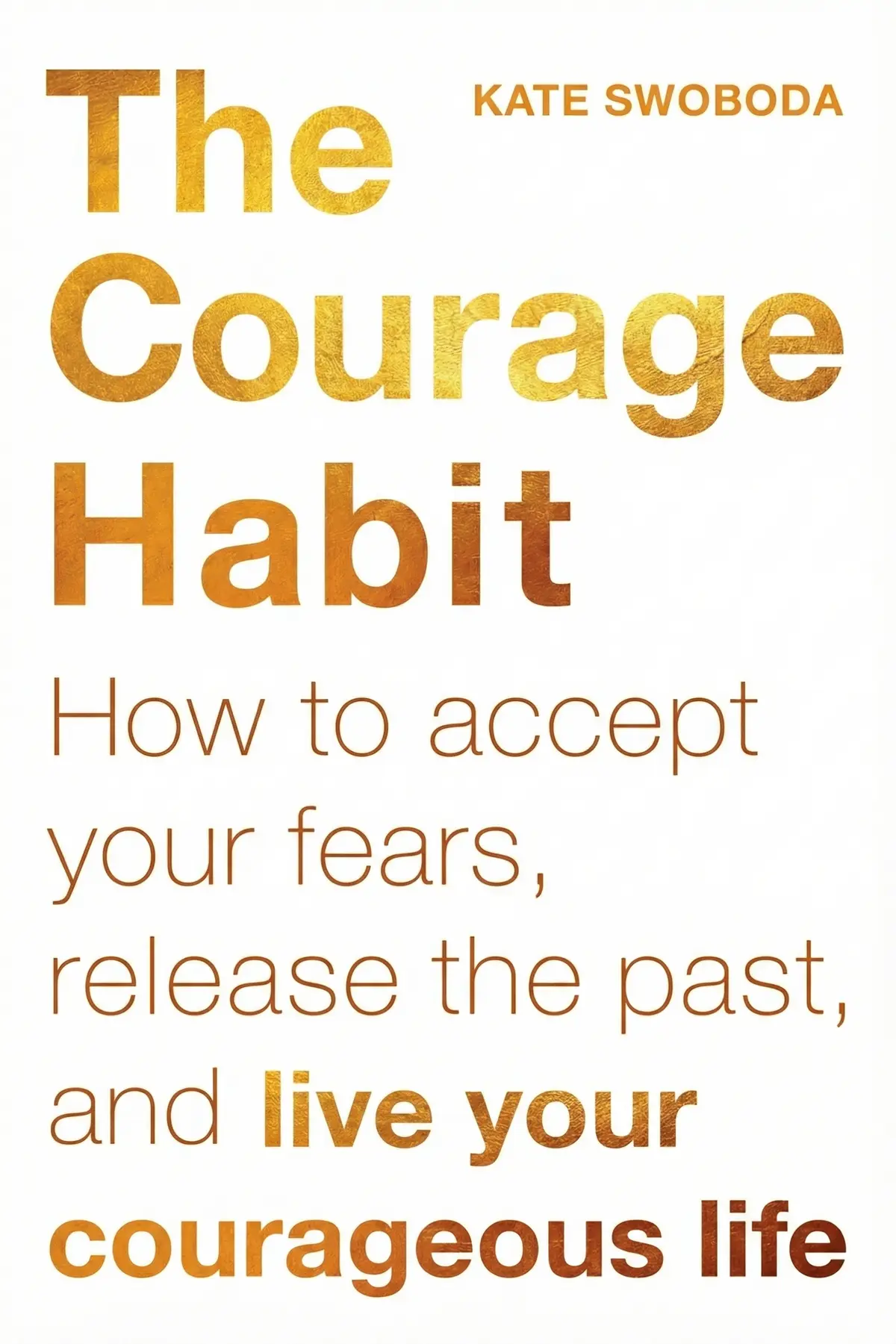
Table of Content
1. Introduction
1 min 44 sec
We have all been there. You wake up on a Monday morning with a spark of inspiration, vowing that this is the week you will finally start that novel, have that difficult conversation with your partner, or put in your notice at a job that drains your soul. But by lunchtime, that spark has been snuffed out by a familiar wave of anxiety. You tell yourself the timing isn’t right, or that you aren’t actually qualified, or that it is safer to just stay put for another month.
What you are experiencing isn’t a lack of willpower; it is the weight of your own habits. In her work as a life coach, Kate Swoboda discovered that fear is the single biggest obstacle preventing people from achieving their goals. But here is the catch: you cannot simply fight fear or pretend it isn’t there. If you try to suppress it, it only finds more creative, subconscious ways to control your actions.
The path forward isn’t about becoming fearless. It is about building a different relationship with that fear. It is about turning courage into a daily habit—something as automatic as brushing your teeth. This transition requires a deep dive into the physical sensations in your body, the voices in your head, and the social circles you inhabit. Over the course of this summary, we will explore a four-step method designed to help you stop reacting to fear and start acting on your authentic desires.
We will look at why your brain craves the status quo, how to identify the specific flavor of fear that usually stops you in your tracks, and how to effectively negotiate with that inner voice that says you aren’t good enough. By the end, you will understand how to shift from a life of avoidance to a life of courageous action. This isn’t just about big, heroic gestures; it is about the quiet, consistent choices that lead to true liberation.
2. Defining Your Vision of a Liberated Life
2 min 24 sec
Before you can overcome the obstacles in your path, you must clearly define what a life free from the constraints of fear actually looks and feels like.
3. Interrupting the Fear-Based Habit Loop
2 min 28 sec
Understanding the mechanics of how habits form is the key to stopping the automatic fear routines that keep you stuck in the status quo.
4. Connecting with the Physicality of Fear
2 min 29 sec
Fear isn’t just a thought; it’s a physical experience. Learning to listen to your body’s signals is essential for emotional regulation.
5. Negotiating with the Inner Critic
2 min 26 sec
Rather than trying to silence your inner critic, learn to engage with it respectfully to uncover the protective fears it is trying to manage.
6. Reframing Your Limiting Stories
2 min 16 sec
The narratives we tell ourselves define our reality. By intentionally rewriting these stories, you can unlock new possibilities for action.
7. Cultivating a Courageous Community
2 min 36 sec
Courage is a social endeavor. Surrounding yourself with people who value vulnerability and growth will dramatically increase your chances of success.
8. Conclusion
1 min 38 sec
Building a courage habit is not about reaching a mythical state where you never feel afraid again. It is about changing your default response to that fear. Instead of letting anxiety drive you into the arms of perfectionism, sabotage, martyrdom, or pessimism, you can learn to pause, feel the sensation in your body, negotiate with your inner critic, and rewrite the narrative of your life.
This four-step process—accessing the body, investigating the critic, reframing stories, and reaching out to community—is a lifelong practice. There will be days when you fall back into old patterns, and that is perfectly okay. The goal is not perfection; it is persistence. Growth happens in the moments when you notice you have slipped and choose to gently bring yourself back to the habit of bravery.
As you move forward, make sure to celebrate your progress. Don’t just look for the fear in your body; look for the moments of pride, the feelings of expansion, and the shifts in your perspective that prove you are changing. These small wins are the evidence your brain needs to believe that a courageous life is truly possible.
Your authentic life is waiting on the other side of your fear routines. By committing to these practices, you aren’t just changing your habits; you are reclaiming your future. Take the first step today: find one sensation in your body, listen to one thought from your critic, or share one vulnerable truth with a friend. Every small act of courage builds the momentum you need to live the liberated life you have envisioned. You have the tools, you have the path, and most importantly, you have the capacity to be brave. Now, it is time to start.
About this book
What is this book about?
Have you ever felt held back by an invisible barrier just as you were about to make a major life change? The Courage Habit explores why our brains are hardwired to prefer the safety of the familiar, even when that familiarity makes us miserable. Kate Swoboda argues that courage is not a personality trait you are born with, but a skill you can develop through consistent practice. The book outlines a transformative process that begins with identifying your deepest aspirations and continues through a somatic and cognitive overhaul. You will learn how to listen to your body’s signals, negotiate with your inner critic, and rewrite the stories that limit your potential. By moving away from fear-based routines—like perfectionism or self-sabotage—and moving toward a community of support, you can finally take the steps necessary to live authentically. This guide provides a roadmap for anyone looking to quit a dead-end job, fix a struggling relationship, or simply find the bravery to be themselves in an intimidating world.
Book Information
About the Author
Kate Swoboda
Kate Swoboda is a professional life coach and the director of the Courageous Living Coach Certification. She is also the creator of YourCourageousLife.com. Her insights on bravery and habit formation have been featured in prominent publications such as Forbes, USA Today, Entrepreneur, and Business Insider. Additionally, she has shared her expertise through outlets like Business Insider, Lifetime Moms, and others, focusing on helping individuals navigate personal transformation.
Ratings & Reviews
Ratings at a glance
What people think
Listeners find the book’s perspective on courage valuable, highlighting the specific techniques for summoning it and the motivating ways to confront fears. The work also receives acclaim for its useful drills, with one listener observing how they help to make the teachings feel concrete. Furthermore, the standard of information is highly regarded, as one review highlights that the content is backed by scientific research. Listeners consider the material both approachable and interesting, with one review particularly enjoying the blend of stories included.
Top reviews
Bella
Wow. Kate Swoboda has managed to turn the abstract concept of "bravery" into a literal step-by-step manual. I was particularly struck by the four fear routines—The Perfectionist, The Saboteur, The Martyr, and The Pessimist—and how they dictate our daily habits without us even realizing it. The workbook-style exercises aren't just fluff; they actually force you to confront the physical sensations of fear in your body. I practiced the five-minute body scan she suggested and was surprised by how much tension I was carrying in my jaw. Some might find the tone a bit too "coachy," but for me, the blend of psychological research and practical application was exactly what I needed. It's grounded in real science rather than just "think positive" platitudes. If you're tired of feeling paralyzed by your own inner critic, this is the toolkit you've been waiting for.
Show moreCharles
Finally got around to finishing this, and I can say it’s a game-changer for people struggling with self-doubt and anxiety. Kate Swoboda breaks down the complex mechanics of fear into something you can actually manage through daily habits. I love how she emphasizes that you can't just "decide" not to be afraid; you have to change your physiological response to the fear "cue." The section on "The Perfectionist" routine hit home so hard I had to put the book down for a minute. It’s rare to find a book that is both deeply compassionate and rigorously practical. The exercises are excellent, and the emphasis on building a "courageous community" provides a necessary social element to what is often a very lonely struggle. Highly recommend this for anyone ready to stop letting fear call the shots.
Show moreEleanor
Picked this up because I’ve been feeling stuck in my career lately, and the idea of fear as a habit really resonated with me. The most helpful part was the breakdown of the "Saboteur" routine, which described my tendency to take two steps forward and one step back perfectly. I liked that the author doesn't promise to "eliminate" fear, but rather teaches you how to negotiate with it. Some of the exercises, like having an actual dialogue with your inner voices, felt a little strange at first, but once I got over the "icky" feeling, it actually helped me reframe some old stories. The writing is accessible and moves quickly, though I wish there was a bit more depth in the middle chapters. It’s a practical guide for anyone who needs a nudge to stop people-pleasing and start living for themselves.
Show moreSarawut
After hearing about the four fear routines, I had to see which one I fit, and seeing "The Martyr" laid out on the page was a huge wake-up call for me. The author’s style is engaging and soothing, making it feel like you're having a conversation with a very smart friend. I really appreciated the specific ways to summon courage in the moment, like identifying the physical pit in your stomach before you cave into a bad habit. The book is heavily grounded in Cognitive Behavioral Therapy principles, which makes the advice feel trustworthy and actionable rather than just aspirational. I did find some of the workbook sections a bit tedious to complete, but the insights I gained from the "Reframing Limiting Stories" chapter were worth the effort. It’s an inspiring read that provides a clear path forward.
Show moreKiattisak
Ever wonder why you self-sabotage just when things are going well? This book provides a fascinating look into the neurobiology of fear and how our brains are hardwired to seek the "reward" of decreased tension, even if that means giving up on our dreams. Swoboda’s approach is refreshing because it’s so tangible; she gives you an actual framework to follow. I found the "putting a container around the experience" tip particularly helpful for dealing with intense emotions without letting them derail my entire workday. The mix of stories and evidence-based strategies makes for an engaging read that doesn't feel too academic. While I think some of the habit-shifting advice is easier said than done, the book provides a solid foundation for anyone willing to do the internal work.
Show morePenelope
As someone who follows Brené Brown’s work closely, I found this book to be a bit of a "lite" version of those deeper vulnerability concepts. Swoboda does a decent job explaining the cue-routine-reward cycle, and I appreciated the focus on how fear is a physical experience, not just a mental one. However, I felt like the book didn't spend enough time on actual courage; it felt more like a guide to mindfulness and basic habit formation. The author uses the word "courage" frequently, but it often felt like a placeholder for "being authentic" or "showing up." To be fair, the stories about her clients were engaging and helped illustrate the points, but I didn't find many "transformational keys" here that I haven't seen in other self-help titles. It’s a solid, easy read, but perhaps not the groundbreaking manual I was expecting based on the title.
Show moreSakura
To be fair, the science behind the habit loops is solid and well-supported by evidence. Swoboda draws on Charles Duhigg’s work but applies it specifically to emotional triggers, which is a clever angle. My main gripe is that the book feels a bit repetitive after the first hundred pages. You get the four routines, you get the body scan, and then it’s a lot of anecdotes that start to blend together. While I found the concept of "accessing the body" useful, the literal conversations with internal parts felt a bit "woo-woo" for my taste. Frankly, I would have preferred more focus on the "Courageous Community" aspect mentioned toward the end. It’s a helpful book for beginners in the self-development space, but if you’ve read a lot of CBT or ACT literature, you might find yourself skimming.
Show morePriya
The title is a bit misleading if you’re looking for "bravery" in the traditional sense of heroic acts or overcoming massive trauma. Instead, this is a quiet book about the small, daily choices we make to either hide or show up as ourselves. I enjoyed the focus on mindfulness and the "cue-routine-reward" cycle, but I felt the author spent way too much time on the "inner critic" voices. At times, the advice felt a bit like common sense dressed up in new terminology. It took me quite a while to finish because the pacing slows down significantly in the second half. That said, the client stories were relatable and kept me grounded in the material. It’s an okay read, but I’ve definitely encountered these same themes better articulated in other positive psychology books.
Show moreDarius
The chapter on reframing limiting stories was the highlight for me, offering a new perspective on the narratives we tell ourselves. However, I found the rest of the book to be a bit hit-or-miss. Some of the body-based practices felt a bit forced, and I struggled to connect with the author's voice at times. It’s certainly an accessible book, and the "Pessimist" vs "Perfectionist" archetypes are easy to understand and apply. But I couldn't help but feel that the book was trying to cover too much ground—mindfulness, habits, community, and CBT—without going deep enough into any one of them. It's a decent introductory text for building self-awareness, but it didn't quite provide the "transformational" experience I was hoping for when I first picked it up.
Show moreElise
Look, I really wanted to love this, but it felt like a rehashing of mindfulness concepts I’ve read elsewhere dozens of times. The core premise—that fear is a habit—is interesting, but the execution felt thin. I found the constant "outer dialogue" with inner voices to be borderline annoying and, as another reviewer mentioned, a bit icky. The writing is fine, but it lacks the punch or the deep research that makes books by people like Brené Brown or Charles Duhigg so compelling. It felt like "Brene Brown Lite" without the same level of emotional resonance. If you’re brand new to self-help, you might get something out of the body-scanning techniques, but for everyone else, this might feel like a lot of filler around a very simple idea.
Show moreReaders also enjoyed

A Guide to the Good Life: The Ancient Art of Stoic Joy
William B. Irvine
A High-Performing Mind: Strengthen Your Mind and Live Your Best Life
Andrew D. Thompson
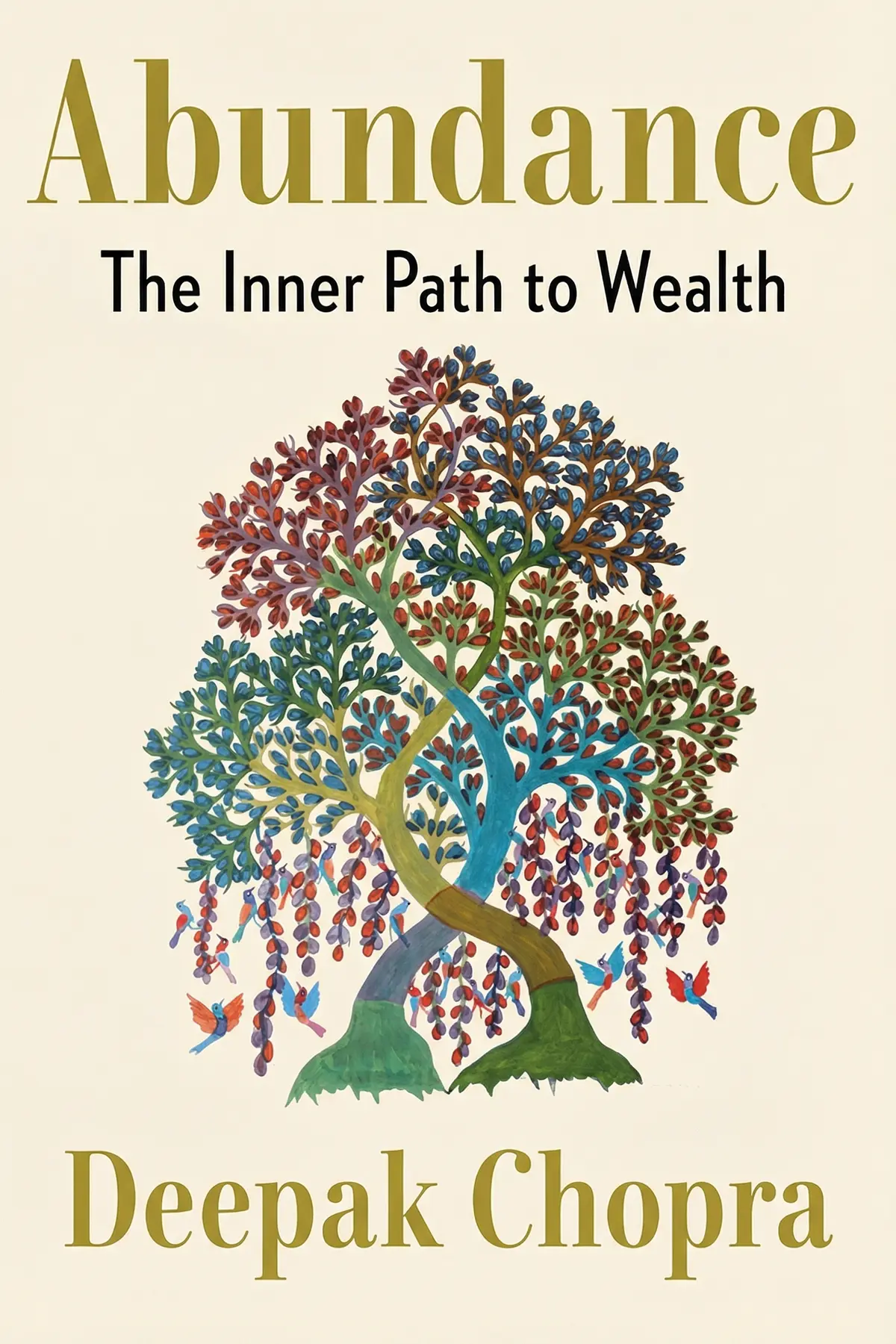
Abundance: The Inner Path to Wealth
Deepak Chopra
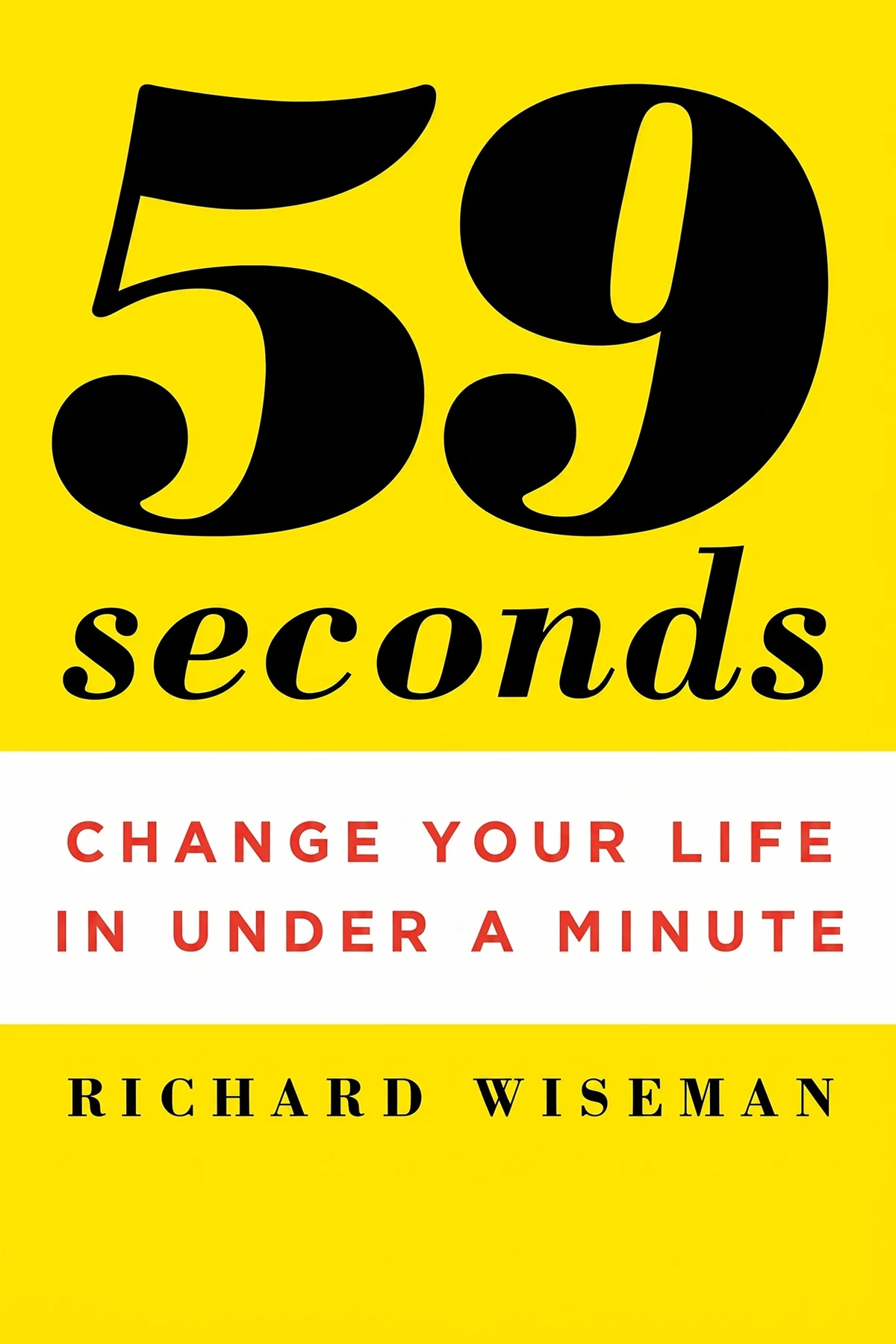
59 Seconds: Change Your Life in Under a Minute
Richard Wiseman
AUDIO SUMMARY AVAILABLE
Listen to The Courage Habit in 15 minutes
Get the key ideas from The Courage Habit by Kate Swoboda, plus 5,000+ more titles in English and Thai.
- 5,000+ titles
- Listen as much as you want
- 7-day free trial
- Cancel anytime







