
25 min 40 sec
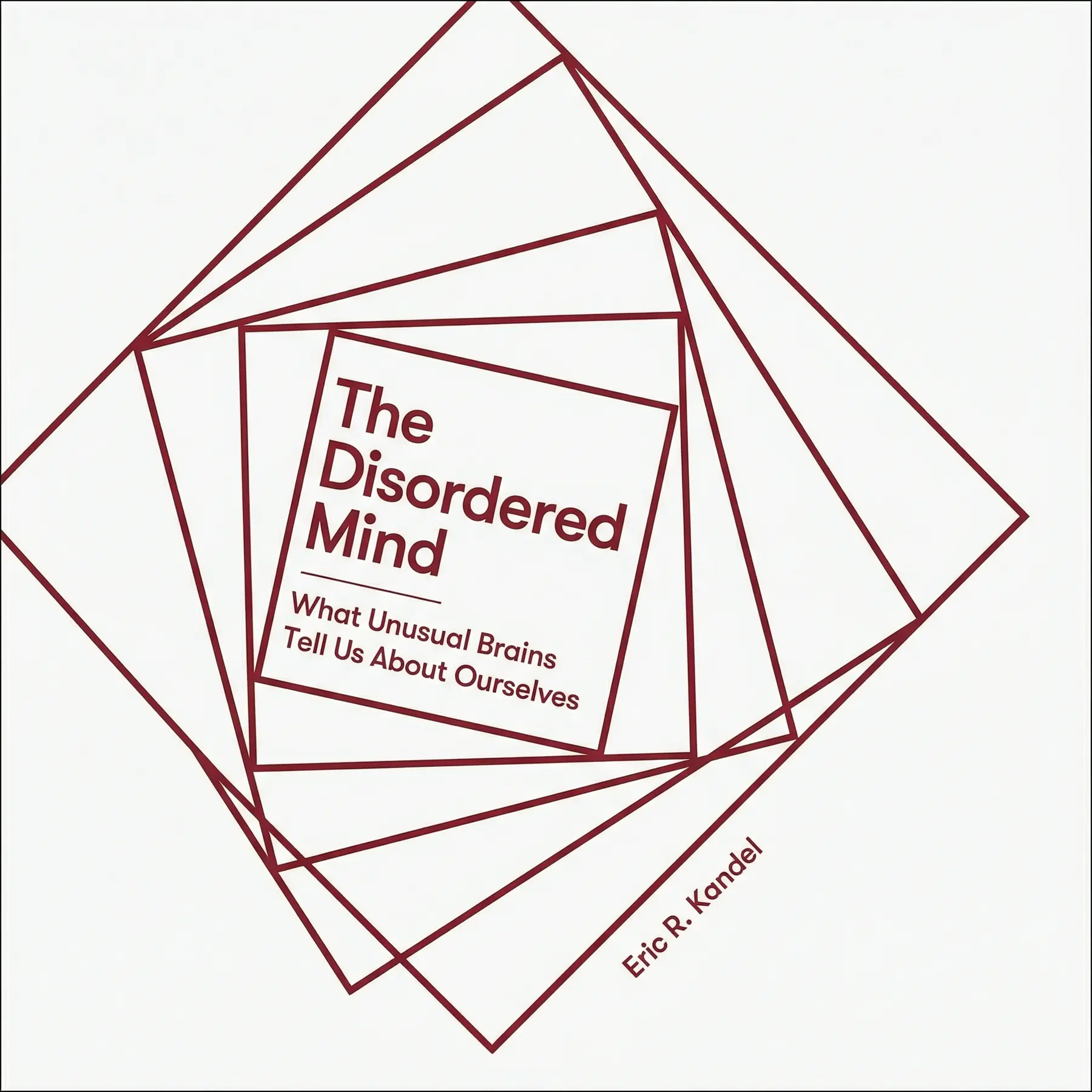
The Disordered Mind: What Unusual Brains Tell Us About Ourselves
Explore the biological foundations of human nature through the lens of brain disorders. This summary explains how conditions like autism and depression reveal the hidden mechanisms of our daily thoughts and emotions.
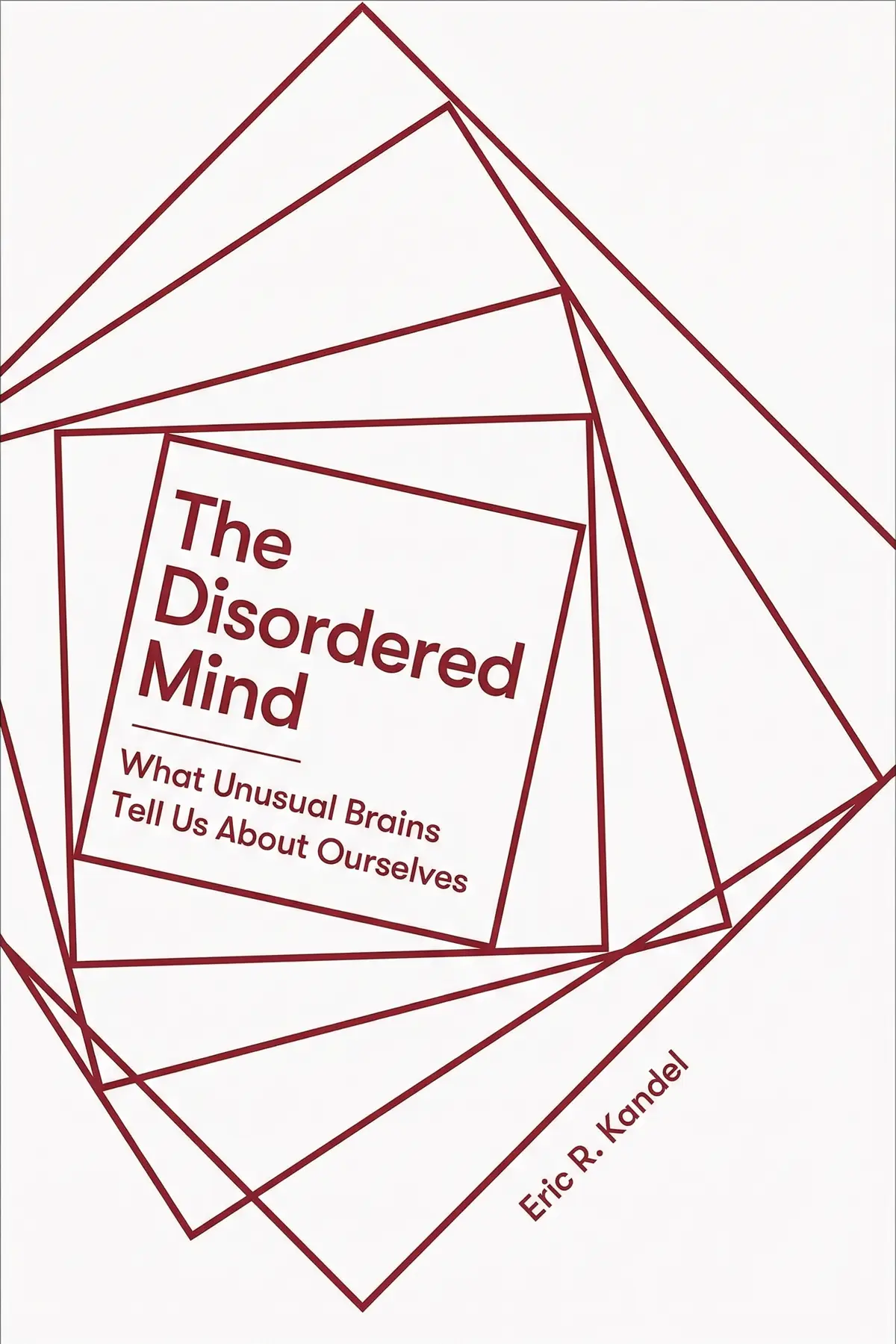
Table of Content
1. Introduction
2 min 07 sec
Imagine the human brain as one of the most sophisticated pieces of technology ever conceived. It is an intricate network of billions of specialized parts, all working in a highly programmed, rhythmic harmony to produce everything you think, every emotion you feel, and every action you take. But as anyone who has worked with high-level technology knows, you often learn the most about how a system is supposed to work when it begins to falter. By looking at where a mechanism breaks down, we can identify the specific roles of its individual components.
This is the core philosophy that has driven psychiatry since its inception in the late eighteenth century. When a person experiences a mental health disorder, an addiction, or a neurological disease, we are essentially seeing a specific biological change in the brain manifest as a shift in behavior or thought. These deviations aren’t just obstacles; they are windows. They allow scientists and doctors to witness how concrete, physical variations in neural structure or chemistry translate into the vast spectrum of the human experience.
In our modern era, the tools at our disposal have reached a level of precision that previous generations could only dream of. We can now observe the brain in real-time, trace the influence of individual genes, and map the pathways of chemical messengers. In this summary, we are going to explore what these scientific advances tell us about the nature of being human. We will look at how autism illuminates the social wiring of our species, how the challenges of schizophrenia might be linked to the heights of creative genius, and how the tragedy of memory loss reveals the very structure of our identities. By the end, you’ll see that the study of the disordered mind is, in fact, the study of our own minds—revealing the delicate, beautiful, and sometimes fragile systems that make us who we are. Through this lens, we don’t just find a medical catalog of illnesses; we find a deeper understanding of the biological throughline that connects every human being, regardless of how their brain is wired.
2. Learning from the Exceptional
2 min 42 sec
Discover how deviations from typical brain function serve as a vital roadmap for scientists trying to chart the vast territory of human cognition and behavior.
3. The Biological Social Network
2 min 37 sec
Explore the specialized neural pathways that allow humans to navigate the complex social world and learn how autism highlights the brain’s innate social drive.
4. The Chemistry of Emotion
2 min 23 sec
Uncover the ancient survival mechanisms within the brain’s limbic system and how their imbalance can lead to long-term mood and anxiety disorders.
5. Structure, Pruning, and the Creative Edge
2 min 45 sec
Examine the dramatic brain changes associated with schizophrenia and the puzzling, age-old link between mental instability and artistic brilliance.
6. The Architecture of Memory
2 min 17 sec
Learn about the two distinct systems the brain uses to store our past and how specific proteins can cause these systems to crumble in dementia.
7. Movement and the Dopamine Balance
2 min 12 sec
Trace the neural loops that control our physical bodies and see how the loss of a single chemical can lead to the profound tremors of Parkinson’s.
8. The Hijacked Reward System
2 min 07 sec
Discover the biological mechanics of addiction and why the brain’s own learning system makes it so difficult to break free from destructive habits.
9. The Spectrum of Identity
2 min 08 sec
Unpack the complex biological layers of sex and gender and see how the timing of brain development can lead to a wide range of human identities.
10. The Mystery of the Conscious Mind
2 min 10 sec
Explore the leading theories on how the brain creates a sense of awareness and the thin line between conscious thought and unconscious processing.
11. Conclusion
2 min 12 sec
As we conclude this journey through the landscape of the human mind, it becomes clear that the line between ‘normal’ and ‘disordered’ is far more blurred than we might have once thought. Each of the conditions we’ve explored—from the social complexities of autism to the structural shifts of schizophrenia and the chemical imbalances of depression—serves as a vital piece of a much larger puzzle. They show us that our thoughts, our identities, and even our most cherished memories are not just abstract concepts. They are the direct results of physical, biological processes.
By studying these disorders, we move toward a future where mental health is treated with the same scientific rigor and compassion as physical health. We see that the human brain is a masterpiece of balance. It requires the right genetic timing, the perfect chemical levels, and a resilient structural network to function as it does. When that balance shifts, the results can be challenging, but they also highlight the remarkable adaptability and complexity of our species.
Ultimately, this biological perspective offers a profound sense of hope and connection. It reminds us that our experiences of fear, joy, creativity, and love are shared across the human spectrum, rooted in the same neural architecture. To truly understand ourselves, we must embrace the full range of human neural diversity.
As a final takeaway, consider how you can support your own brain health. One of the most fascinating findings in recent years is the link between our physical bodies and our minds. For instance, our bones release a hormone called osteocalcin, which has been shown to boost memory and the production of vital neurotransmitters. Because bone density can decrease with age, staying physically active is one of the most effective ways to keep your mind sharp. Exercise isn’t just about your muscles; it’s a direct investment in the long-term health and clarity of your brain. By taking care of the biological machine that houses your consciousness, you are ensuring that your own ‘global workspace’ remains vibrant and clear for years to come.
About this book
What is this book about?
This exploration of the human brain takes a unique approach to understanding our daily experiences. Instead of looking solely at the typical brain, it examines what happens when neural processes deviate from the norm. By studying conditions such as schizophrenia, addiction, and Alzheimer’s, we gain a clearer picture of how a healthy mind maintains its sense of self, memory, and social connection. The book bridges the gap between traditional psychiatry and modern neuroscience, showing that every mental state has a physical root in our biology. You will learn about the intricate chemical balances that dictate our moods, the structural pruning that shapes our teenage years, and the fascinating ways our brains manage our social lives and movements. Ultimately, it offers a deeply human perspective on mental health, illustrating that the line between a disordered mind and a healthy one is thinner than we might imagine, providing a profound promise of empathy and scientific clarity.
Book Information
About the Author
Eric R. Kandel
Eric R. Kandel is a highly respected psychiatrist and neuroscientist who stands as a primary figure in modern neuroscience. His groundbreaking research into how the brain stores memories earned him the Nobel Prize in Physiology or Medicine in the year 2000. Beyond his clinical work, he is an accomplished author who has published extensively on a wide range of topics, including neurobiology, psychiatry, the intersection of art and science, and the complex nature of human memory.
Ratings & Reviews
Ratings at a glance
What people think
Listeners find this book deeply educational regarding how the brain operates and the ways neurological conditions offer a window into the human experience. The prose is accessible, supported by lucid diagrams and formatting, and one listener mentions that it reads like a mystery novel. They value the author's perspective, with one characterizing them as a gifted writer. The text examines various psychiatric conditions, such as schizophrenia.
Top reviews
Montri
Finally got around to reading Kandel's latest, and it's a masterpiece of scientific communication. For a Nobel laureate, he has a surprising gift for stripping away the dense jargon to reveal the core mechanics of how our brains actually function. The way he frames brain disorders as a window into the 'normal' mind makes the whole thing read like a high-stakes detective novel. I was particularly gripped by the sections on schizophrenia and how the breakdown of neural circuits leads to a fragmented sense of self. The diagrams are crisp, clean, and actually help explain the text rather than just cluttering the pages. While some might find it a bit structured like a textbook, I appreciated the clarity and the logical flow from one condition to the next. It’s a compelling argument for viewing mental health through a purely biological lens.
Show moreApichat
This book is an absolute must-read for anyone who has ever felt the sting of stigma surrounding mental illness. Kandel does an incredible job explaining that conditions like depression, PTSD, and addiction aren't failures of character but rather measurable disruptions in brain chemistry. Not gonna lie, I was worried it would be too dry, but the writing is actually quite engaging and fast-paced. He tackles the 'hard problem' of consciousness with humility, admitting where science still falls short while celebrating how far we've come. The illustrations of neurons and synaptic pruning are helpful visual aids that clarify the more technical paragraphs. It's rare to find a book that feels both academically rigorous and deeply compassionate toward its subjects. I walked away with a much deeper empathy for the 'disordered' among us.
Show moreMo
Wow. I haven’t felt this enlightened by a science book in a long time. Kandel writes with the authority of a Nobel prize winner but the clarity of a veteran teacher. He takes daunting subjects like schizophrenia and breaks them down into understandable components of neural signaling and genetic predisposition. It’s fascinating to see how the 'glitches' in the brain can actually reveal the blueprints for how we perceive the world. The book itself is quite a brick—very heavy for its size—but the text inside is nimble and light. I especially enjoyed the discussion on how brain disorders can sometimes influence or even enhance creativity. It feels like a comprehensive tour of the most important organ in the human body. Highly recommended for curious minds.
Show moreVipawan
Picked this up on a whim and ended up finishing it in two days because it genuinely reads like a mystery novel. How does the brain create a unified sense of self? Why do certain circuits fail? Kandel leads you through the history of psychiatry with an ease that is truly impressive. He covers everything from the early days of Freud to the latest in medical imaging technology. The way he describes the neuron as a fundamental signaling unit is both simple and profound. It changed the way I think about my own brain and the people around me who struggle with these disorders. While it’s quite technical in spots, the clear headings and summaries keep you from getting lost. It’s an essential addition to any science lover’s library.
Show moreAnucha
Ever wonder why we are the way we are? Kandel’s exploration of the disordered mind suggests that our very identity is a product of precisely wired neural circuits. I found the chapter on autism and the social brain to be incredibly eye-opening, providing a bridge between complex genetics and everyday behavior. The prose is remarkably accessible, though it occasionally slips into a repetitive rhythm that slows down the momentum. I liked that he included personal accounts from patients to humanize the data, preventing the book from feeling like a cold laboratory report. The truth is, the integration of neurology and psychiatry is the future of medicine, and this book lays out that case convincingly. It’s a solid read for anyone interested in the biological roots of the human experience.
Show moreMadison
As someone who works in a related field, I appreciated how Kandel synthesized decades of research into such a digestible format. He manages to explain the transition from 19th-century 'moral' views of madness to our current understanding of brain circuitry without being condescending. The chapters on addiction were particularly strong, even if I disagreed with some of the normative claims he made about willpower. Look, it’s not a perfect book—some sections on protein folding and Alzheimer’s are a bit of a slog—but the overall impact is significant. It’s a very clear-eyed look at how the brain builds our reality. The diagrams are excellent, and the layout makes it easy to jump around to specific topics of interest. A very strong introduction to a complex field of study.
Show moreRyan
The chapter on the biology of gender identity was worth the price of the book alone. Kandel takes these hot-button topics and applies a cool, scientific lens that is incredibly refreshing in today’s polarized environment. Personally, I found the book a little heavy on the anatomy at times, but the way he links those physical structures to our sense of self is brilliant. He shows how things like memory and emotion are the glue that holds our consciousness together. I did feel that it was a bit repetitive toward the end, and the 'mystery' of consciousness felt like a bit of a cop-out after such detailed explanations of other phenomena. Still, it’s a high-quality production with clear headings that make it very readable for the layperson. It’s informative, professional, and mostly accessible.
Show moreYuwadee
Truth is, I found it a bit more academic than I originally anticipated. I was hoping for more patient histories and personal anecdotes to bring the science to life, but those moments were slightly sparse. It feels very much like a high-end textbook, complete with diagrams that, while incredibly clear, add to the clinical atmosphere of the whole project. He does a great job explaining the 'how' of brain disorders, though I occasionally struggled with the transition from diseased states to healthy ones. It’s a very informative read if you want the hard facts about neurochemistry, but it requires a bit of focus to get through the denser chapters. Definitely a great resource for students or serious science buffs, even if it lacks the poetic soul of Oliver Sacks' writing.
Show moreRod
To be fair, I expected something a bit more narrative-driven along the lines of Oliver Sacks. Kandel is undoubtedly a brilliant scientist, but this book often feels caught between a technical manual and a pop-science overview. My main issue is that it doesn't quite fulfill the promise of telling us what these disorders reveal about the 'normal' brain beyond just the absence of disease. There’s a lot of focus on animal models and clinical binaries that might rub some readers the wrong way, especially regarding ethics. If you already have a background in neuroscience, you likely won’t find many groundbreaking revelations here. However, for a total newcomer, the clear formatting and the heavy-duty construction of the book itself make it a decent reference guide. It’s informative, just not particularly moving.
Show moreElise
Not what I expected given the high praise from other sources. While the physical quality of the book is impressive—it’s a sturdy, heavy volume—the content itself felt quite dated and lacked a modern ethical framework. There's a heavy reliance on animal testing data that feels a bit excessive for a book aimed at the general public in this day and age. I also felt that the author skipped over the complexities of consciousness, basically dismissing it as a mystery rather than engaging with current theories. For a book that claims to bridge the gap between mind and brain, it remains stubbornly focused on the mechanical and the binary of 'sick' vs 'well.' If you’re looking for the warmth and storytelling of a neurologist like Oliver Sacks, you will be disappointed.
Show moreReaders also enjoyed
A Liberated Mind: How to Pivot Toward What Matters
Steven C. Hayes
Acting with Power: Why We Are More Powerful Than We Believe
Deborah Gruenfeld


Alien Earths: The New Science of Planet Hunting in the Cosmos
Lisa Kaltenegger
Age of Propaganda: The Everyday Use and Abuse of Persuasion
Anthony Pratkanis
AUDIO SUMMARY AVAILABLE
Listen to The Disordered Mind in 15 minutes
Get the key ideas from The Disordered Mind by Eric R. Kandel, plus 5,000+ more titles in English and Thai.
- 5,000+ titles
- Listen as much as you want
- 7-day free trial
- Cancel anytime







