
14 min 46 sec
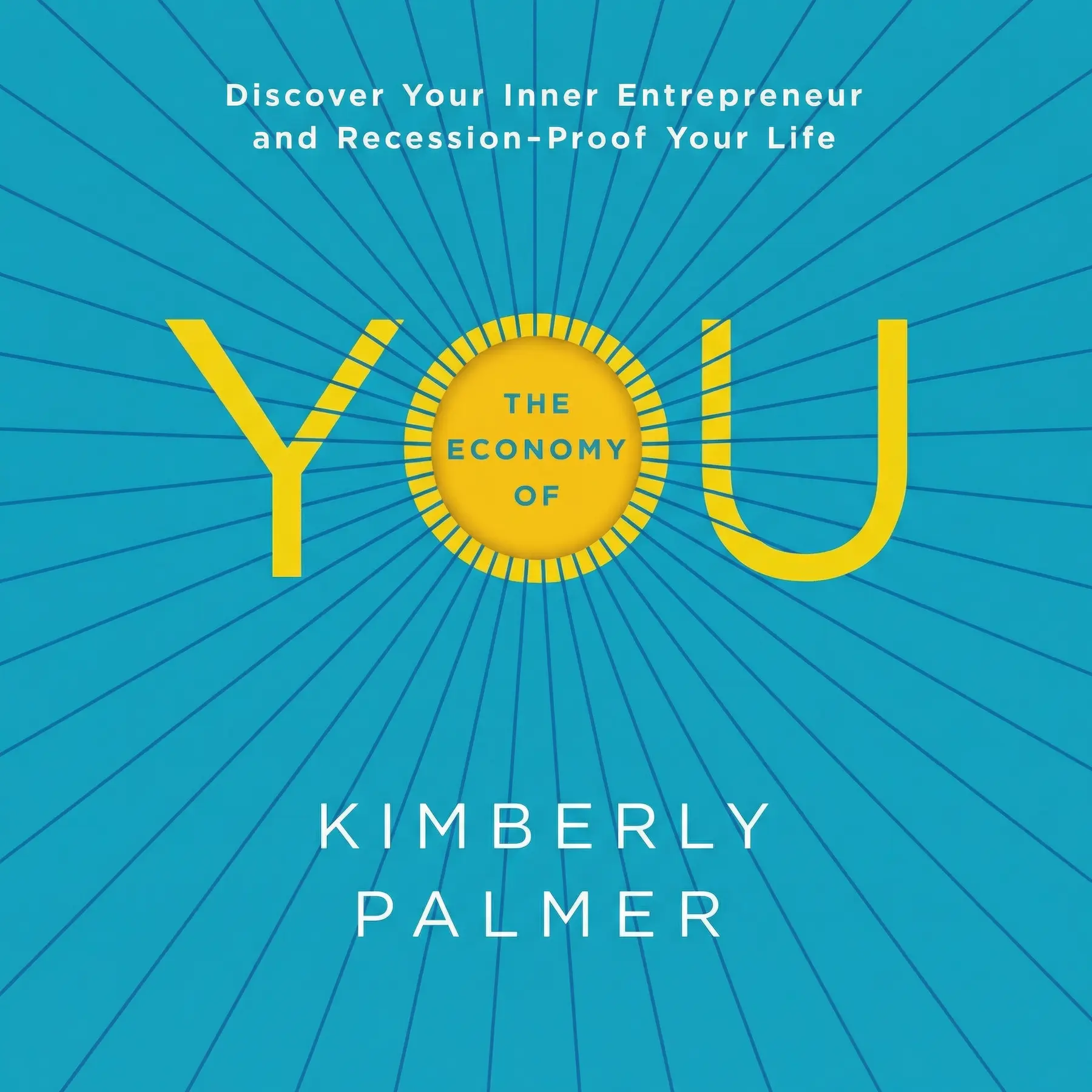
The Economy of You: Discover Your Inner Entrepreneur and Recession-Proof Your Life
Discover how to build a personalized financial safety net by launching a side business that leverages your unique talents, protects against economic instability, and creates a more fulfilling professional life.
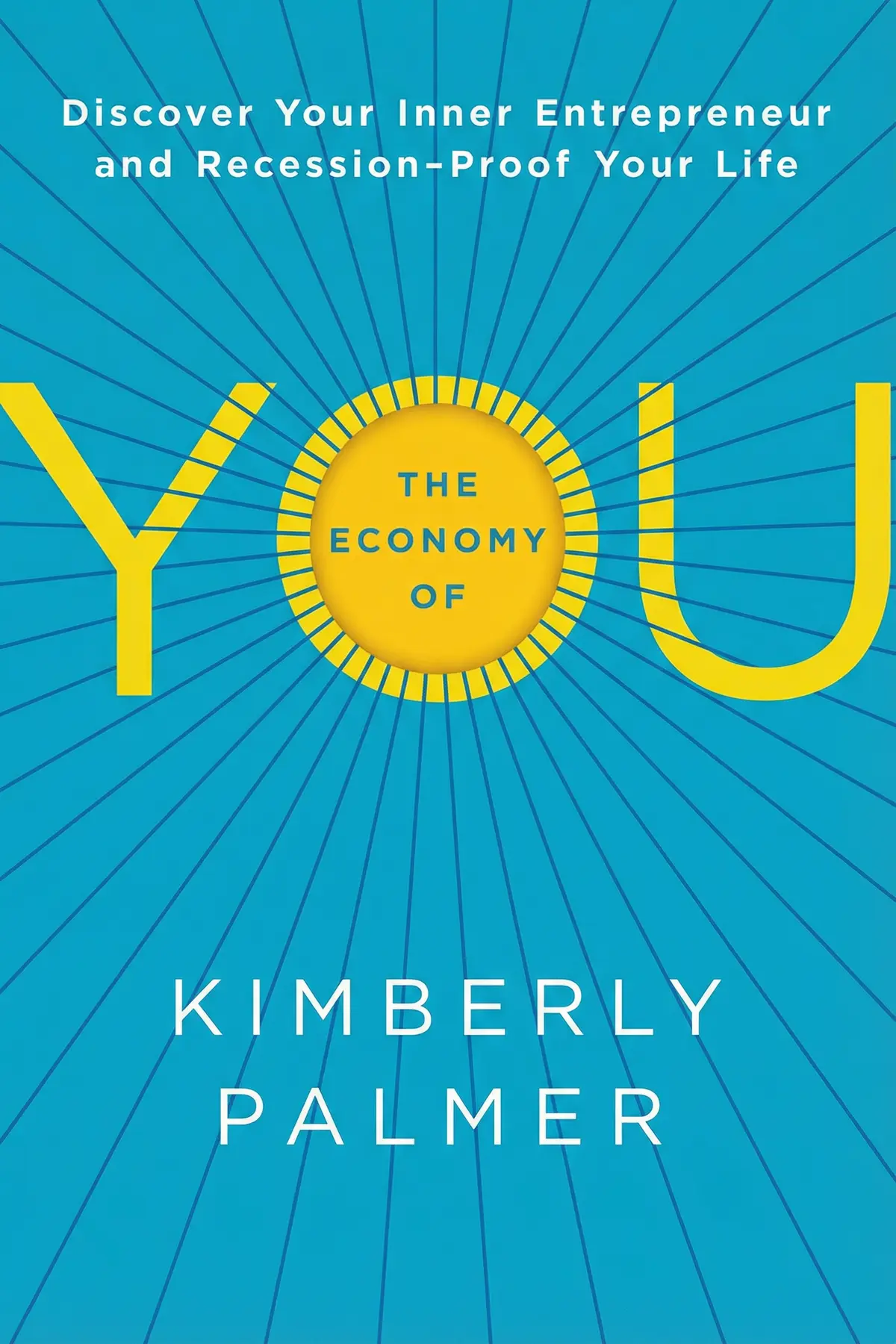
Table of Content
1. Introduction
1 min 39 sec
The traditional concept of a career has undergone a radical transformation. For decades, the unspoken agreement was simple: you give your loyalty to a single company, and in exchange, they provide a steady paycheck and a sense of long-term security. However, the seismic shifts of the 2007 and 2008 financial crisis shattered that illusion for millions of people. We moved into an era where even the most stable-seeming positions can vanish overnight, leaving families vulnerable in a volatile global market. But within this uncertainty lies a remarkable opportunity to take back control.
This is where we enter the world of a more personalized financial structure. The central premise we are exploring is the idea that you can become the architect of your own stability. By diversifying your income and launching a side venture, you aren’t just making extra money; you are building a fortress around your lifestyle. This isn’t necessarily about quitting your day job to start a massive corporation. Instead, it’s about micro-entrepreneurship—taking the skills, hobbies, and passions you already possess and turning them into a secondary revenue stream.
In the following sections, we will walk through the practicalities of this journey. We will look at how to identify what you have to offer, how to find the time in a crowded schedule, and how to use the digital tools at your fingertips to reach a global audience. More importantly, we will discuss the mindset shift required to thrive in this new landscape, where your security is no longer tied to a corporate headquarters, but to your own ingenuity and drive. Whether you want to pay down debt, save for a house, or simply find more meaning in your work, the path to a more resilient life starts with recognizing that you are your most valuable asset.
2. The New Motivation for Dual Employment
1 min 42 sec
Discover why modern professionals are increasingly turning to side ventures, not just out of financial necessity, but as a strategic path toward personal growth and professional autonomy.
3. Inventorying Your Marketable Talents
1 min 38 sec
Uncover the hidden value in your daily professional tasks and learn how to translate those existing skills into a profitable freelance or creative service.
4. Mastering the Art of Stolen Moments
1 min 32 sec
Learn how to effectively manage a side business alongside a full-time career by reclaiming small pockets of time and optimizing your daily routine.
5. Building Digital Social Capital
1 min 42 sec
Explore the importance of networking in the digital age and how to create genuine connections that foster growth for your new venture.
6. Developing a Resilience Mindset
1 min 45 sec
Understand why setbacks are an essential part of the entrepreneurial journey and how to use Plan B thinking to stay focused and motivated.
7. The Power of Professional Karma
1 min 25 sec
Discover how a spirit of generosity and helping others can become a powerful engine for your own business success and personal fulfillment.
8. Finding Meaning Beyond the Paycheck
1 min 43 sec
Explore how to balance financial goals with personal passion and social impact to ensure your side hustle remains a source of joy rather than stress.
9. Conclusion
1 min 40 sec
As we wrap up our look into the principles of building your own personal economy, the most important takeaway is that you are no longer a passive participant in the global market. You have the tools, the platforms, and the skills to create a life that is both financially resilient and personally fulfilling. The shift from a single-income reliance to a diversified professional life is more than just a strategy for surviving a recession; it is a way to reclaim your agency and design a future that reflects your true potential.
Remember that this journey is a marathon, not a sprint. You don’t need to have all the answers on day one. Start by looking at the skills you already use and the pockets of time you already have. Build your network with a spirit of generosity, and don’t let the fear of failure stop you from trying something new. As you begin to see the first results of your efforts—whether it’s a small sale, a new connection, or the thrill of seeing your ideas come to life—you will realize that the greatest security you can have is the confidence in your own ability to provide for yourself.
One final piece of advice: pay attention to your own natural rhythms. We all have times of day when our energy is high and times when we feel drained. Instead of forcing yourself to work when you are exhausted, adjust your schedule to match your energy levels. If you are a morning person, use that time for your most creative tasks. If you find a second wind in the evening, use that for administrative work. By working with your body instead of against it, you’ll find it much easier to sustain the effort required to make your personal economy thrive. Your future is in your hands—now is the time to start building it.
About this book
What is this book about?
The Economy of You explores the powerful shift toward micro-entrepreneurship as a response to an increasingly unpredictable global market. Rather than relying on a single employer for financial security, author Kimberly Palmer argues that individuals should cultivate their own personal economy through side hustles. The book provides a practical roadmap for identifying marketable skills, leveraging digital platforms like Etsy and Upwork, and managing time effectively to build a secondary income stream. Beyond the financial benefits, Palmer promises a transformation in personal agency. By diversifying how you earn, you gain not only a recession-proof buffer but also the freedom to explore passions that your primary career might not accommodate. This guide combines real-world success stories with actionable strategies for networking, overcoming the fear of failure, and maintaining a healthy work-life balance while pursuing a entrepreneurial spirit.
Book Information
About the Author
Kimberly Palmer
Kimberly Palmer is a blogger for U.S. News & World Report whose expertise in money management has made her a sought-after guest on NBC, CNBC, CNN and other networks. Palmer has written articles for newspapers including The Washington Post and The Wall Street Journal.
Ratings & Reviews
Ratings at a glance
What people think
Listeners find this self-help title both encouraging and beneficial, as it delivers plenty of tools and actionable guidance. Containing several real-world instances, the text is accessible, and one listener highlighted its exhaustive depth. They admire the author's level of insight, with one listener remarking that it is perfect for entrepreneurs. The specific prose style generates varied feedback from listeners.
Top reviews
Lek
Finally got around to reading this, and it’s exactly the kick in the pants I needed to start diversifying my income. The roadmap Palmer provides is incredibly practical, especially the 'Top Fifty Side-Gigs' list in the back which actually gave me three viable ideas I hadn't considered. I loved her personal story about balancing family life with her career at U.S. News—it made the whole concept of the 'Economy of You' feel attainable rather than just a pipe dream. The worksheets helped me organize my chaotic thoughts into a real timeline. If you’re feeling the pressure of a precarious job market, this book offers a tangible way to build your own safety net. It’s inspirational without being overly 'woo-woo' about entrepreneurship. Highly recommended for anyone wanting more control over their financial future.
Show moreKwame
Wow, I didn't expect to be so energized by a business book, yet here I am planning my first revenue stream outside of my salary. What I loved most was the emphasis on starting small. Palmer doesn't pressure you to build a tech empire; she celebrates the handyman, the baker, and the niche consultant. This is about resilience. The stories of people who lost their jobs but survived because of their side-gigs were truly moving. In my experience, most business books are written for men in suits, but this felt like it was written for real people with families and mortgages. The tone is encouraging and the five common pitfalls section helped me avoid a major mistake with my own project. This is essential reading for the modern worker.
Show moreEye
The Economy of You provides a surprisingly tangible framework for anyone feeling stuck in the 9-to-5 grind. I particularly appreciated the section on leveraging your current day job to build skills for your side business. It’s a smart, safe approach to entrepreneurship that doesn't require you to quit your job and risk everything on day one. Some of the case studies are a bit repetitive, and the tone can be a tad too cheerful given how grim the economy is, but the resources are undeniably helpful. The appendix alone is worth the price of the book for the sheer number of links and platform suggestions. It helped me realize that a second income stream isn't just about money; it’s about the peace of mind that comes from not being reliant on a single employer.
Show moreLaddawan
Not what I expected, but in a good way. I thought this would be a dry economics text, but it's actually a collection of human stories tied together with practical advice. The writing style is conversational, making it easy to breeze through in a weekend. I think Palmer correctly identifies that the 'safety net' of a single full-time job is a thing of the past. Her argument that a side-gig provides the ultimate security is compelling. I do wish she had branched out more with her demographics, as the examples do lean heavily toward a certain type of professional. Still, the core message is solid: you are your own best investment. The worksheets at the end are a great touch for turning inspiration into an actual plan.
Show moreTanawan
The chapter on failure alone makes this worth the cover price, even if it is a bit short. It addresses the psychological hurdles many entrepreneurs face when things don't go according to plan. Kimberly Palmer writes with a lot of heart, and her background as a financial journalist shows in her clear, jargon-free explanations. While I agree with other reviewers that the sample of entrepreneurs is a bit skewed toward the DC elite, the underlying principles she teaches are universal. You have to be your own advocate. You have to build your own brand. Whether you want to make an extra $500 or launch a new career, this book provides the initial roadmap. It's an empowering read for anyone feeling vulnerable in today's unpredictable job market.
Show moreLuke
Is a side-hustle really the magical solution to our economic woes, or is it just another way to repackage overwork? I’m torn. On one hand, the author presents some really motivating anecdotes and the writing is breezy and accessible. On the other hand, much of the advice on time management felt like common sense for any busy adult. Look, I appreciate the optimism, but I found myself agreeing with the critics who say the book glosses over the 'middle parts' of starting a business. It’s great to see people succeeding, but I needed more on the legal and tax implications than the 'happy-go-lucky' storytelling provided. It’s a decent starting point for the curious, but don't expect a comprehensive business strategy guide. It’s more of a motivational primer.
Show moreFah
Picked this up after seeing it recommended on a finance blog, but the results were a bit of a mixed bag for me. To be fair, Palmer is a gifted writer and she makes the concept of micro-businesses feel very approachable. However, the book feels slightly dated in its reliance on specific platforms that have changed significantly since publication. I enjoyed the chapters on overcoming the fear of failure, though they were a bit brief compared to the success stories. It's a quick read, maybe a bit too quick, as it leaves you wanting more technical depth. I finished the book feeling energized but still unsure of the actual 'how-to' steps for the boring stuff like licensing or insurance. Good for a boost of confidence, but you'll need other books for the nitty-gritty.
Show moreBrahim
Everything in these pages feels a bit like common sense if you've spent more than five minutes on LinkedIn or Pinterest lately. I appreciate Palmer’s effort to compile these resources into one place, but the 'Economy of You' concept isn't exactly groundbreaking anymore. The storytelling is pleasant enough, though it leans heavily on the 'everything worked out perfectly' trope which can be a bit grating when you're actually struggling. I would have liked to see more about the failures—the people who lost money or couldn't make the time work. It’s a very optimistic take on the gig economy that ignores some of the darker realities of the 60-hour work week. It’s fine for a light read, but lacks the bite I was looking for.
Show moreAey
While Palmer is clearly knowledgeable about the shifting landscape of employment, I found this book deeply frustrating for its lack of systemic analysis. It’s hard to ignore the privilege dripping from every page. Most of the success stories are from the DC area, featuring professionals who already had massive networks and disposable income. Truth is, telling people to just 'start an Etsy shop' ignores the reality of those living in economic deserts. The author jumps from 'Bob likes toys' to 'Bob makes money' without detailing the actual marketing or logistics involved. I wanted a guide for the average worker, but this felt more like a manual for the elite to stay ahead. The omission of how to navigate the lack of benefits like health insurance while gigging is a massive oversight.
Show moreKiattisak
As someone living in a rural area far from the high-powered networks of the DC metro scene, this guide felt incredibly alienating. Palmer focuses heavily on consultants, bloggers, and white-collar professionals who can easily pivot their existing skills into freelance work. But what about the rest of us? The book assumes you have a stable job with a flexible schedule and a boss who won't fire you for asking for more autonomy. Frankly, the logical jumps are jarring. She mentions that one in three employers look for entrepreneurial experience now, which just feels like another hoop for exhausted job-seekers to jump through. It’s a very 'Lean In' style approach that works great if you’re already at the top, but offers very little for the person struggling to pay rent on a standard salary.
Show moreFeatured in
Readers also enjoyed
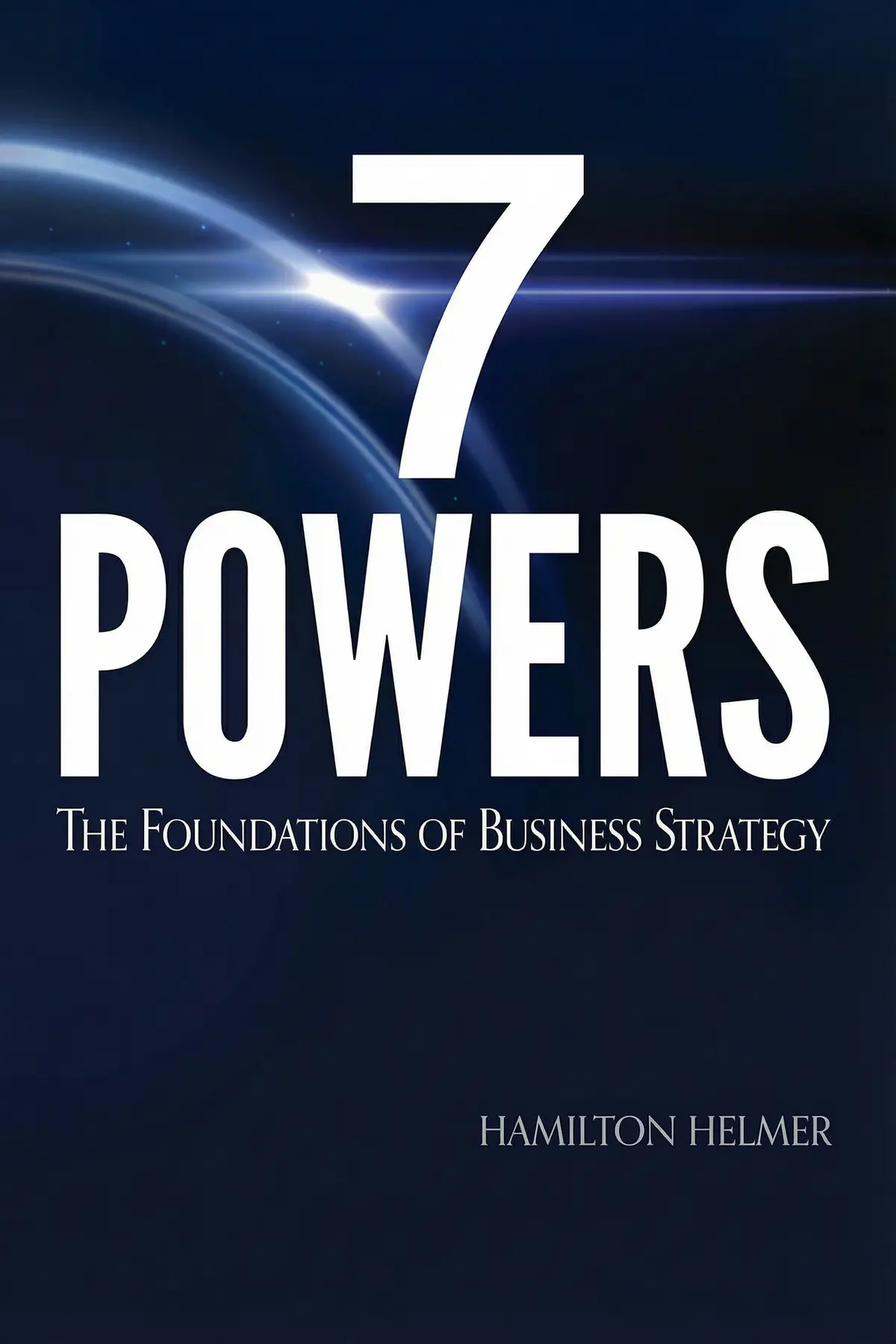
7 Powers: The Foundations of Business Strategy
Hamilton Helmer
Alibaba: The House That Jack Ma Built
Duncan Clark
Bad Blood: Secrets and Lies in a Silicon Valley Startup
John Carreyrou
AUDIO SUMMARY AVAILABLE
Listen to The Economy of You in 15 minutes
Get the key ideas from The Economy of You by Kimberly Palmer, plus 5,000+ more titles in English and Thai.
- 5,000+ titles
- Listen as much as you want
- 7-day free trial
- Cancel anytime







