
A Higher Loyalty: Truth, Lies and Leadership
James Comey
Explore the foundational arguments for the American Constitution. This summary breaks down the essential principles of federalism, the separation of powers, and the strategic balance required to maintain a lasting democratic republic.
2 min 03 sec
Imagine a moment in history where the future of an entire continent hung by a single, fraying thread. The year was 1787, and the newly independent American states were far from a cohesive nation. Instead, they were a loose collection of entities, often at odds with one another, struggling under a weak framework that threatened to collapse at any moment. In this climate of uncertainty and heated debate, three men stepped forward to provide a vision for the future. Writing under the shared name of Publius, Alexander Hamilton, James Madison, and John Jay composed a series of eighty-five essays known as The Federalist Papers. Their goal was simple yet monumental: they needed to convince the people of New York, and the rest of the country, that the newly proposed Constitution was the only way to save their fragile experiment in self-rule.
As we explore this blueprint for the American Republic, we aren’t just looking at old political arguments; we are examining the very DNA of modern democracy. These essays tackle the big questions that still resonate today. How do we create a government strong enough to protect us but limited enough to respect our freedom? How do we prevent a majority from trampling on the rights of the few? And how can diverse interests be brought together into a single, unified purpose without erasing their individuality? This throughline of balanced power—finding the middle ground between the chaos of total liberty and the stagnation of total control—is what makes this work so enduring.
In the pages that follow, we will walk through the seven core pillars of the authors’ argument. We’ll see why they believed unity was more than a preference—it was a necessity for survival in a world of empires. We’ll uncover the logic behind splitting the government into competing branches and the ingenious way they proposed to share power between the local and the national levels. This is a journey into the minds of the people who built the American system, offering a deep understanding of why the government is structured the way it is and the values it was designed to protect.
2 min 08 sec
Discover why the founding architects believed that thirteen separate states could never survive alone against the pressures of a competitive and often hostile global landscape.
1 min 58 sec
Explore the logic behind creating a robust national government and why leaving states to manage their own foreign affairs would lead to international embarrassment and internal chaos.
1 min 58 sec
Uncover the mechanical brilliance of checks and balances, and how pitting one person’s ambition against another’s can safeguard a nation from the threat of tyranny.
1 min 59 sec
Understand how the distribution of authority between state and national levels creates a protective layer for democracy and encourages local innovation.
1 min 46 sec
Learn why the protection of property rights was viewed as a foundational duty of government and the secret to a prosperous, stable society.
1 min 57 sec
Discover why an independent judiciary is the ultimate shield against the abuse of power and how judges ensure that the law remains above the reach of politics.
1 min 57 sec
Explore the delicate equilibrium required to prevent a democracy from sliding into either the chaos of anarchy or the cold grip of authoritarianism.
1 min 16 sec
The Federalist Papers stands as more than just a historical artifact; it is a masterclass in the logic of governance that continues to shape how we think about power today. Through the combined efforts of Hamilton, Madison, and Jay, we are reminded that a successful society requires more than just good intentions. It requires a carefully designed architecture that acknowledges the flaws of human nature while striving for the highest ideals of justice and freedom. By focusing on unity, the separation of powers, and the protection of individual rights, they built a system that has proved remarkably resilient through centuries of change.
The throughline we’ve explored—the constant search for balance—remains the central question for any democracy. As you reflect on these ideas, consider how the principles of checks and balances and the value of an independent judiciary play out in the modern world. The authors challenged their readers to look beyond local interests and see the value of a larger, unified purpose. Their actionable legacy is the reminder that liberty is not something that happens by accident; it is something that must be actively protected through a robust legal framework and a commitment to shared responsibilities. By understanding this blueprint, we are better equipped to navigate the complexities of our own time and preserve the delicate balance between order and freedom.
The Federalist Papers serves as the definitive roadmap for the American system of government. Comprising eighty-five distinct essays, this collection was crafted to persuade a skeptical public that a strong, unified national government was not only beneficial but necessary for survival. Through the combined perspectives of three influential founders, the work addresses the fundamental tensions between state autonomy and federal authority. Listeners will discover the intellectual scaffolding that supports the United States Constitution. The text moves beyond mere policy, diving into the psychological and philosophical underpinnings of governance. It promises to reveal why checks and balances are essential to prevent tyranny, how a large republic can manage internal conflict, and the reason an independent judiciary is the ultimate guardian of citizen rights. By the end, you will understand the complex blueprint designed to ensure that liberty and order can coexist in a diverse and growing nation.
Alexander Hamilton was a Founding Father, lawyer, and the first U.S. Secretary of the Treasury whose writings significantly shaped American constitutional law. James Madison, a diplomat and statesman, served as the fourth president of the United States and is widely regarded as the Father of the Constitution. John Jay was a foundational figure in early American diplomacy and served as the first Chief Justice of the Supreme Court. Together, writing as Publius, they provided the most significant defense of the federal system in history.
Listeners view this anthology of the Federalist Papers as essential reading for citizens, highlighting the sophisticated prose and its significance as a vital historical record. Furthermore, the full, unabridged edition is well-received, and listeners appreciate the budget-friendly price point. On the other hand, the difficulty level and word choice get varied reviews, as some find the text accessible while others struggle to follow along, with one listener specifically describing the vocabulary as daunting.
Picked this up after years of hearing politicians misquote the founding fathers, and frankly, I was stunned by the intellectual depth. Hamilton and Madison weren't just politicians; they were masters of rhetoric who managed to build a government from scratch. While some sections regarding tax collection feel a bit bloated, the sheer weight of their logic is undeniable. Every American needs to sit down with these 85 essays to truly understand the tension between state and federal power. This unabridged version is quite affordable, making it accessible for any student of history. The writing is dense, but the clarity it brings to the Constitution is worth the struggle. You realize quickly that our modern debates are nothing new.
Show moreEver wonder how a group of men managed to design a system that has lasted for over two centuries? This book provides the answer in excruciating, brilliant detail. Madison is the real standout here for me, as his essays feel more like timeless philosophy than mere political propaganda. He dives into human nature and the inherent dangers of factions with a precision that feels incredibly relevant to our current political climate. The way these men anticipated future conflicts is nothing short of prophetic. It is a long read—nearly 22 hours if you go the audio route—but it leaves you with a profound respect for the Republic. Do not settle for the highlights; get the complete collection and read it alongside the Constitution.
Show moreAfter hearing so much about what the 'Founders intended' in the news, I decided to go straight to the source. This unabridged collection is a staggering achievement of political thought. Every American should be required to read this to understand the checks and balances that hold our society together. The writing style is certainly a product of its time—very wordy and formal—but the logic is crystalline once you get past the initial barrier of the language. It’s surprisingly affordable for such a massive piece of history. Reading the actual Constitution after finishing these papers makes the document feel entirely new. You see the blood, sweat, and fear that went into every single clause. It’s a humbling and necessary experience for any citizen.
Show moreThis book is essentially the blueprint for the American experiment and remains a mandatory addition to any library. You can find many versions, but this unabridged collection is incredibly affordable given the massive amount of historical insight contained within. While the language is certainly ornate and requires some serious focus, the way it clarifies the Constitution is invaluable. If you want to move past modern soundbites and understand the true intent behind our system, start right here. It’s not an easy read, but the best things rarely are. Hamilton, Madison, and Jay have left us a legacy of reason that we would be wise to study more closely. Five stars for the content, even if the vocabulary is a bit of a workout.
Show moreAs someone who appreciates deep dives into political science, I found this collection to be an essential, if exhausting, experience. The scholarship displayed by Jay, Madison, and Hamilton is genuinely impressive. They were writing for their lives, trying to convince a skeptical public that this new Constitution was their best hope for survival. Some of the compromises mentioned, like the 3/5 clause, are difficult to read through a modern lens, but they provide necessary context for our nation's flaws. The prose is often cramped and opaque, requiring a dictionary by your side at all times. Still, the brilliance of Federalist No. 10 alone justifies the purchase price. It’s a foundational text that demands your full attention and a lot of patience.
Show moreFinally got around to finishing this monster of a book and I feel like I need a long nap. The English is incredibly ornate and archaic, which makes the reading process much slower than your average non-fiction title. Look, I’ll be the first to admit that the vocabulary is daunting and some chapters on the militia are incredibly dry. However, the insight you gain into the 'intent' of the Founders is unparalleled. It turns the Constitution from a dry list of rules into a living argument for unity. It’s a must-read for anyone who wants to actually participate in political discourse with some level of authority. Just be prepared to re-read every sentence twice to catch the meaning.
Show moreIn my experience, you have to treat this book like a marathon rather than a sprint. Personally, I found the contrast between Hamilton and Madison to be the most interesting part of the entire collection. Hamilton is the tireless, diligent worker bee, while Madison is the soaring theorist who thinks in centuries rather than years. The prose is often bloated and the arguments can feel a bit one-sided, which makes sense given that this was essentially a campaign for ratification. To be fair, some of the specific concerns about state vs. federal power are a bit dated now. But the core questions about justice and restraint remain as vital as ever. It's a challenging read, but ultimately a rewarding one for the patient.
Show moreNot what I expected given how much people talk about this being the ultimate political masterpiece. Frankly, I found large portions of it to be a tedious managerial manual rather than a profound philosophical treatise. Hamilton’s writing can feel rushed and disorganized, like he was scribbling between meals to meet a newspaper deadline. I struggled with the archaic vocabulary and the way the authors often rely on personal incredulity to make their points. It’s obviously important, but I’d be lying if I said I didn't fall asleep while reading about the nitty-gritty of tax collection. It is worth having on your shelf for the historical context, even if you never actually finish every single page.
Show moreLook, the historical value here is a ten, but the readability is closer to a two. I found myself frequently reminded of a lawyer trying to win a case by throwing every possible argument at the wall to see what sticks. The authors use words like 'likely' and 'probably' to do a lot of heavy lifting, which isn't always the most convincing rhetorical device. At times, the essays feel haphazardly dashed off, lacking the polish of a professional philosopher. While Madison’s contributions are intellectually stimulating, Hamilton’s sections can be repetitive and overly focused on administrative niceties. It’s an important book for the shelf, but it’s more of a reference guide than something you read for pleasure.
Show moreTruth is, I only picked this up because of the Broadway show, and boy, was I in for a shock. I expected high-stakes drama but instead I got 500 pages of archaic English and dense arguments about legislative procedures. It’s honestly kind of a slog, especially when Hamilton starts droning on about the importance of a single executive for dozens of pages. Maybe I’m just a philistine, but I found the prose cramped and the vocabulary absolutely daunting for a casual reader. It’s an important historical document, sure, but it’s definitely not a fun weekend read for the faint of heart. If you aren't a history major, you might want to just stick to the cast recording and save yourself the headache.
Show moreJames Comey
Anthony Pratkanis
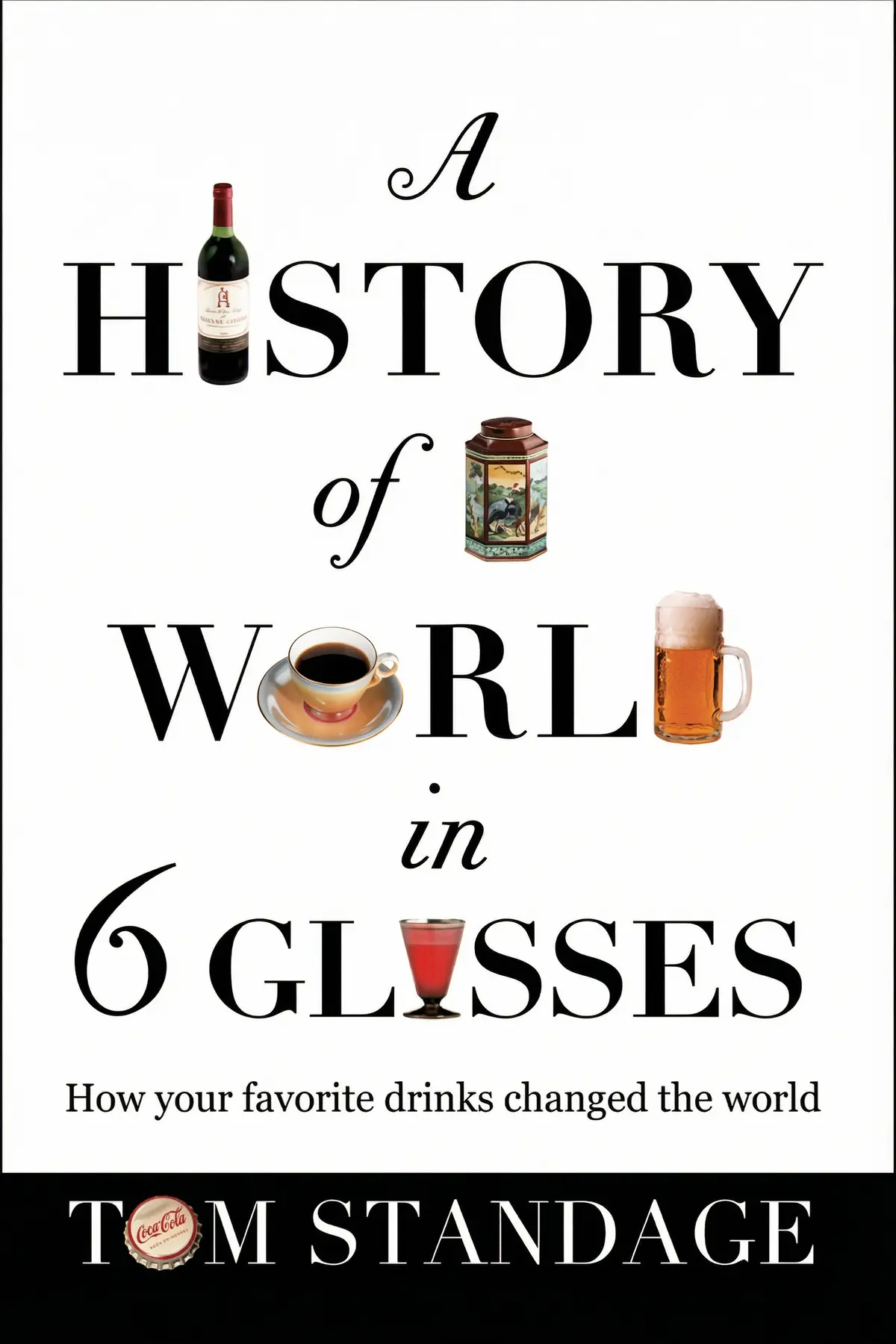
Tom Standage
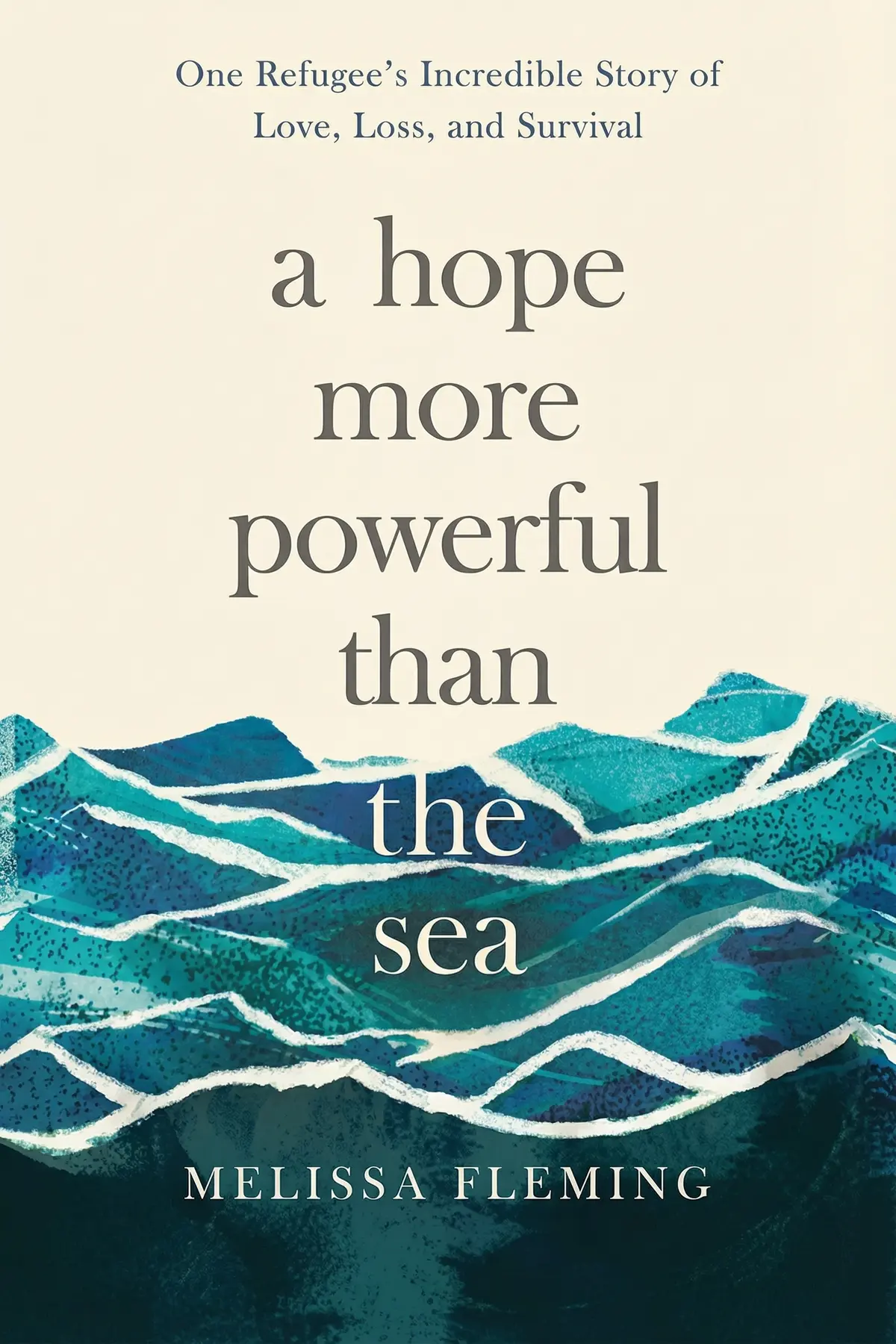

Ishmael Beah
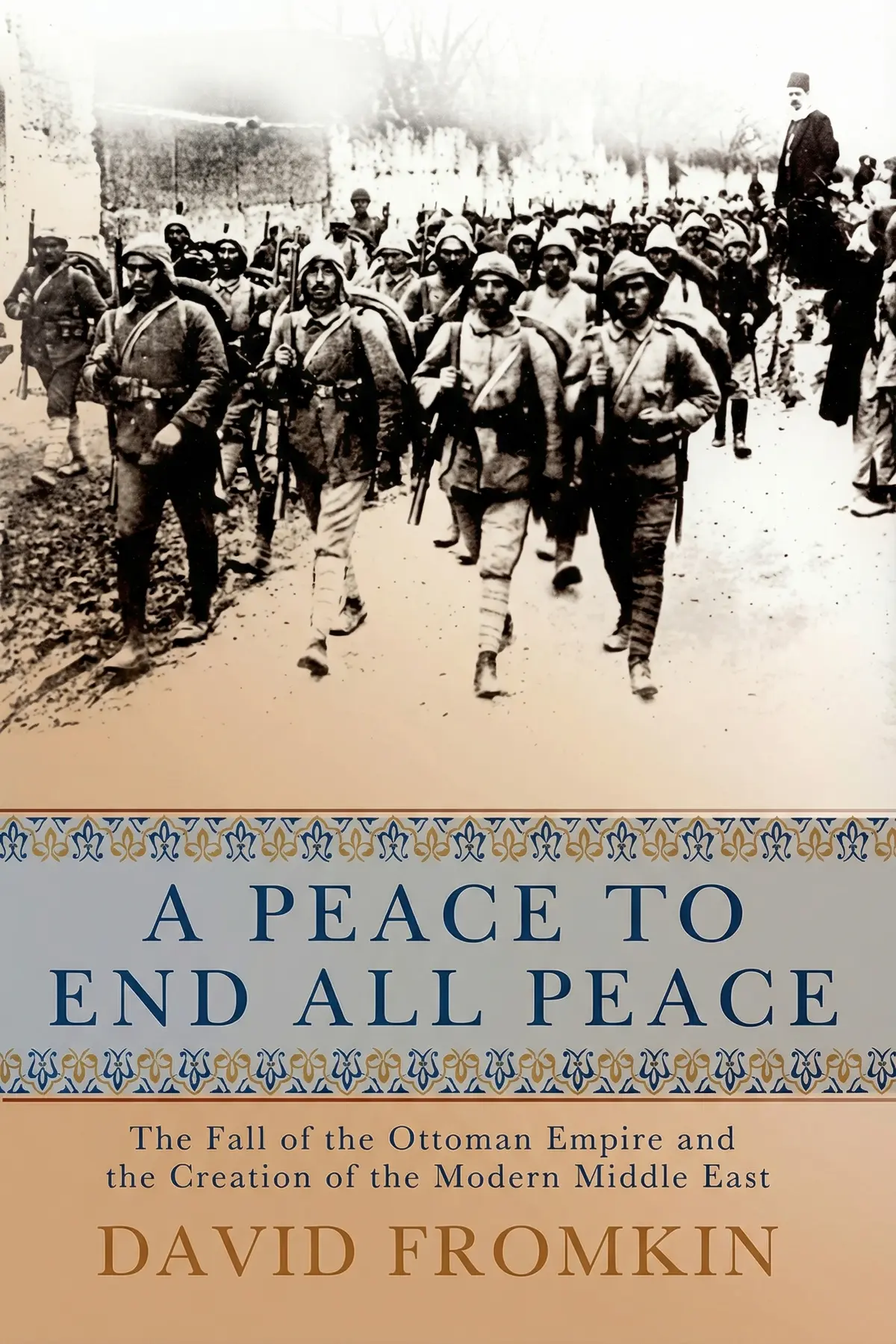
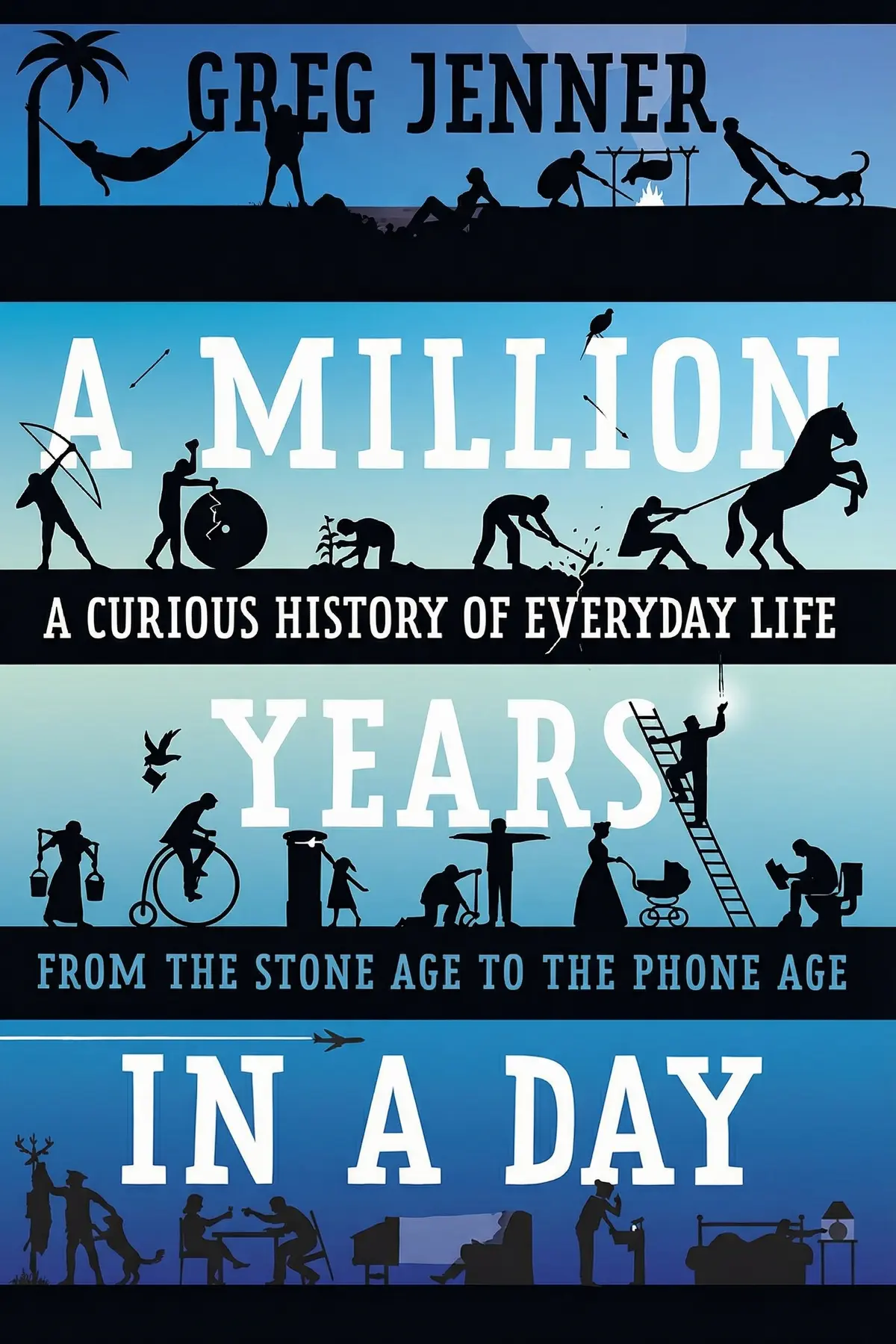
Barack Obama
Masaji Ishikawa
AUDIO SUMMARY AVAILABLE
Get the key ideas from The Federalist Papers by Alexander Hamilton, plus 5,000+ more titles in English and Thai.







