
17 min 06 sec
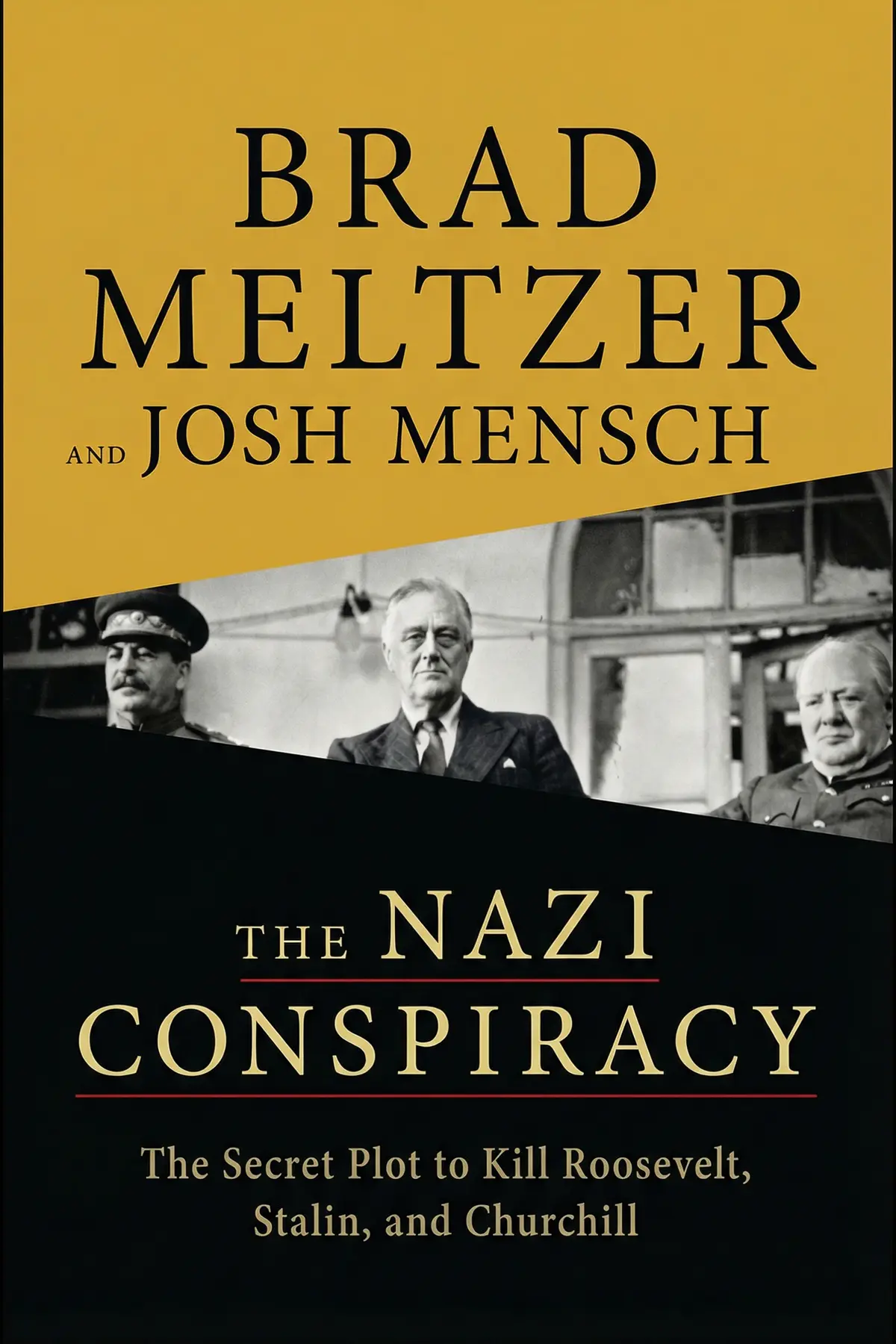
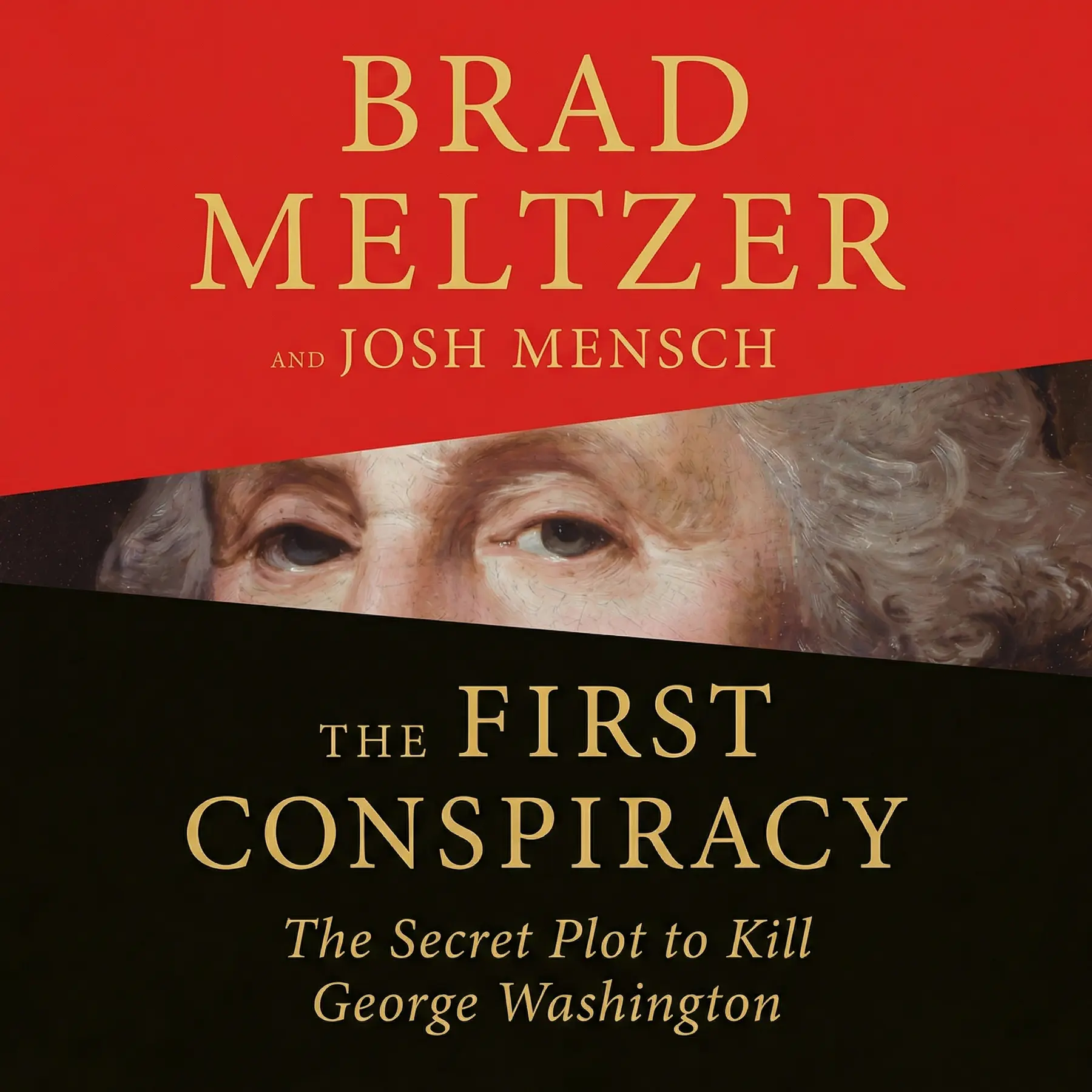
The First Conspiracy: The Secret Plot to Kill George Washington
Discover the harrowing, true story of a secret plot to assassinate George Washington during the American Revolution and the internal betrayal that nearly changed the course of world history forever.
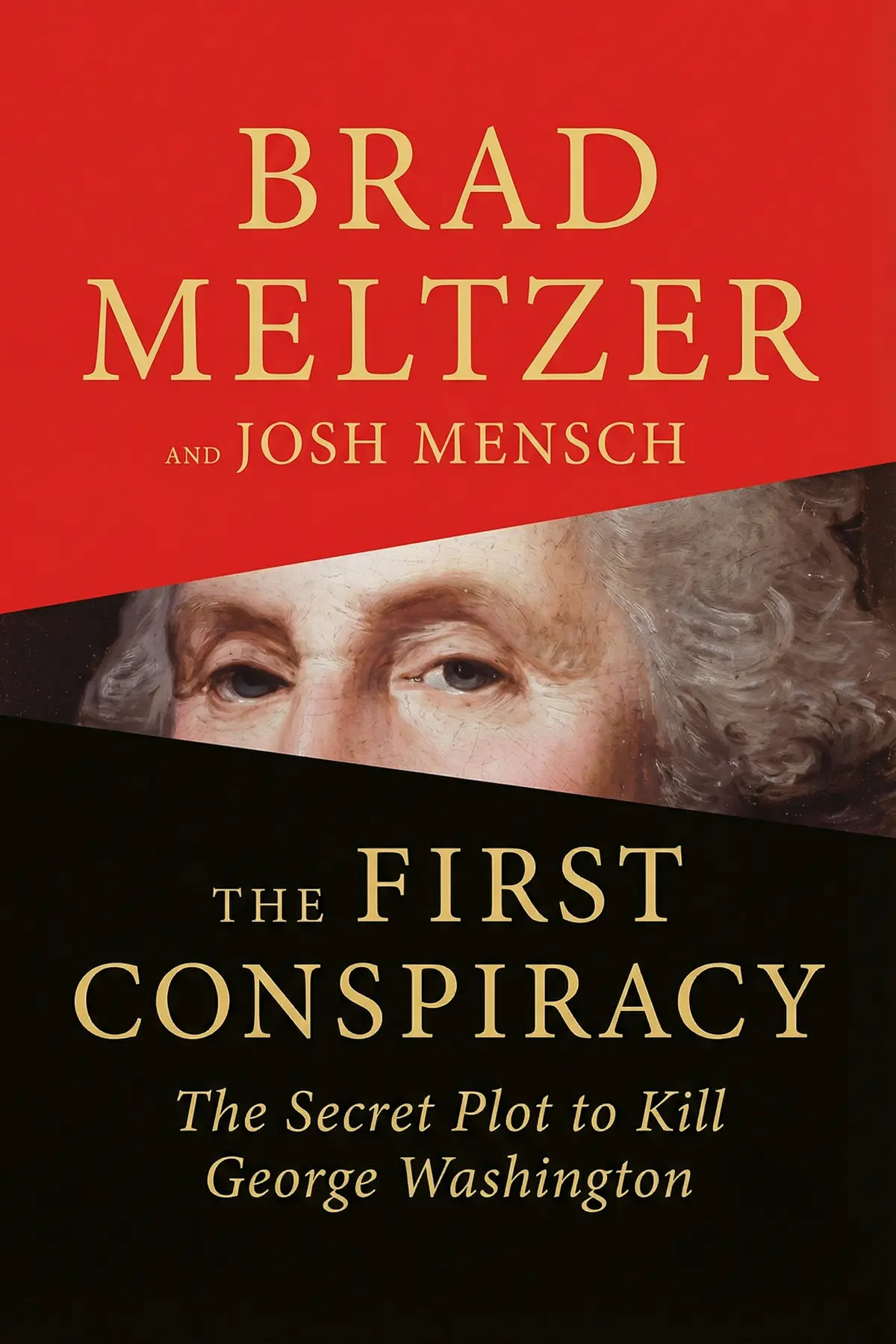
Table of Content
1. Introduction
1 min 10 sec
History often presents the American Revolution as a series of grand battles and soaring speeches, but beneath the surface of the struggle for independence lay a much darker, more clandestine reality. While the Continental Army faced the might of the British Empire on the open field, George Washington faced an even more personal threat: a secret conspiracy to end his life before the revolution could even truly begin. This wasn’t just a battle of ideologies; it was a shadow war filled with spies, bribes, and betrayal reaching into the highest levels of the American military.
In this exploration of those early, fragile days of the nascent United States, we’ll move beyond the familiar tales of the Boston Tea Party to uncover a sophisticated plot orchestrated by powerful British loyalists. You will see how the very men sworn to protect Washington became the tools of his potential destruction. This narrative traces the throughline of a country defined by its survival against internal treachery, highlighting how the first American commander survived a trap that could have redirected the entire flow of modern history. Prepare to enter a world where loyalty was a fluid currency and where the birth of a nation depended on catching a killer in the ranks.
2. The Revolutionary Tension of 1775
2 min 27 sec
In a time when loyalty to the Crown was the law, a group of unauthorized delegates met in Philadelphia to discuss a radical and dangerous future for the American colonies.
3. The Unanimous Choice for Commander
2 min 21 sec
Amidst a room full of ambitious leaders, one man’s quiet confidence and military background made him the undeniable selection to lead the first Continental Army.
4. The Rivalry of William Tryon
2 min 30 sec
A ruthless governor with a history of violent suppression became the shadow architect of the plot to destroy Washington’s leadership.
5. A War of Fluid Allegiances
2 min 23 sec
In the chaos of the early revolution, knowing who to trust was impossible, as soldiers and citizens alike switched sides for coin or survival.
6. The Inner Circle Betrayal
2 min 13 sec
The plot to kill Washington wasn’t hatched by distant enemies, but by a network of conspirators who bribed the General’s own elite bodyguards.
7. Justice in the Shadow of the Gallows
2 min 25 sec
A chance encounter in a jail cell and the subsequent public execution of a traitor marked a turning point in how the new nation defined treason.
8. Conclusion
1 min 37 sec
The story of the first conspiracy against George Washington serves as a powerful reminder of how precarious the birth of the United States truly was. It wasn’t just a war won on battlefields, but a conflict survived in the dark corners of jail cells and through the discovery of internal treachery. George Washington’s survival was the result of a narrow escape, highlighting the reality that the leaders of the Revolution were constantly walking a tightrope between public heroism and private danger.
Through this account, we see that the American identity was forged not just through ideals of liberty, but through the hard-won establishment of loyalty. The trial and execution of Thomas Hickey transformed the concept of treason from a royal offense into a crime against a new, collective vision of a nation. It forced the colonists to decide where their true allegiances lay—not just in words, but in their ultimate actions. This period of history shows us that the survival of a movement often depends as much on vigilance against the ‘enemy within’ as it does on the bravery shown against the enemy without.
As you reflect on these events, consider the impact of a single person’s integrity or a single person’s loose talk. The course of the world was nearly altered by a bribe and a secret handshake. The takeaway for all of us is that great shifts in history are often decided by the smallest moments of chance and the courage to uphold a cause even when betrayal is profitable. Washington survived the first conspiracy, and in doing so, he ensured that the American story could continue beyond its first, most dangerous year.
About this book
What is this book about?
The First Conspiracy explores a largely forgotten but pivotal moment in American history: the 1776 plot to kill George Washington. At the dawn of the Revolutionary War, the future of the American colonies rested on the shoulders of one man. Yet, as he struggled to build a Continental Army, a shadow network of British loyalists, led by New York Governor William Tryon, worked to eliminate him from the inside. This account follows Washington’s rise to command and the brutal reality of colonial life under British rule. It details how the Governor of New York orchestrated a sophisticated bribery scheme that reached into Washington’s own inner circle—the elite Life Guards. The book promises a gripping look at the atmosphere of suspicion, the birth of American counterintelligence, and the high-stakes drama of a nation nearly strangled in its crib by a traitorous conspiracy.
Book Information
About the Author
Brad Meltzer
Brad Meltzer is an American writer and bestselling author of The Escape Artist. He has been named by the Hollywood Reporter as one of Hollywood's Most Powerful Authors, and every one of his thriller novels has featured on the New York Times Bestseller list. Josh Mensch is an author and documentary maker whose work deals with the culture and history of the United States. He has written, directed, and produced acclaimed television series for PBS, The History Channel and National Geographic.
Ratings & Reviews
Ratings at a glance
What people think
Listeners find the work a gripping narrative filled with well-sourced content and intriguing details about the American Revolution, drawn from historical records. Additionally, the writing quality is highly regarded, with one listener mentioning the exhaustive research involved in its creation. However, reactions to the pacing are mixed; while some describe it as fast-moving, others feel the story drags, and several listeners note that the prose is repetitive.
Top reviews
Sven
Ever wonder why we don't hear more about the internal threats George Washington faced during the early days of the Revolution? This book answers that question with a gripping, pulse-pounding narrative that feels more like a modern political thriller than a dry history text. Meltzer and Mensch have clearly done their homework, utilizing primary sources like journals and committee records to reconstruct a plot that almost ended the war before it truly started. I found the details about Governor William Tryon and the secret committee in New York to be particularly enlightening. The short chapters and frequent 'cliffhangers' kept me turning pages late into the night. While some might find the style a bit sensational, I think it’s the perfect way to bring these pivotal moments to life for people who might usually avoid the history section of the bookstore. It is a meticulous, well-documented look at a terrifying moment in our nation's birth.
Show moreChatri
Meltzer and Mensch have done a remarkable job digging through primary sources to bring a relatively obscure piece of history into the limelight. I was blown away by the sheer amount of research that went into documenting the various turncoats and spies operating in New York during the early stages of the war. Most books focus on the big battles, but this one looks at the shadows, and it is absolutely riveting. The prose is fast-paced and accessible, making it easy to devour in just a couple of sittings. I particularly liked how they explored the alternate history possibilities—what would have happened if the kidnapping or assassination plot had actually succeeded? It really puts the stakes of the Revolution into a new perspective. If you enjoy learning about the darker, more conspiratorial side of American history, you cannot miss this one. It's a masterclass in how to make non-fiction engaging without sacrificing historical integrity.
Show moreMichael
Wow, I never realized how close the American experiment came to ending before it even truly began. This book manages to sustain a level of suspense that is honestly impressive considering we already know the ending. The authors do a fantastic job of illustrating the chaos of 1776 New York—the loyalist pockets, the underground networks, and the general feeling of paranoia. I loved the meticulous attention to detail regarding the secret committee and their interrogation techniques. It’s clear that a massive amount of archival work went into this project. Some might find the short, punchy sentences a bit simplistic, but I thought they served the 'thriller' vibe perfectly. It’s an engaging, informative, and ultimately inspiring look at how Washington navigated the most treacherous waters of his career. I'll definitely be looking for more of Meltzer's non-fiction after finishing this one.
Show moreAisha
This book manages to maintain a breakneck pace while clearly demonstrating the meticulous research that went into every page. The way the authors piece together the clues of the first conspiracy is nothing short of brilliant. They take obscure journal entries and official records and weave them into a story that feels immediate and dangerous. Personally, I enjoyed the present-tense narrative because it made the historical events feel like they were happening in real time. The focus on minor players who were nearly lost to history adds a layer of depth that most textbooks lack. Even though the authors admit the plot may have been for kidnapping rather than assassination, the threat to Washington—and the cause of independence—was undeniably real. It’s a compelling, well-documented, and thoroughly entertaining read for anyone with even a passing interest in American history. Highly recommended for the storytelling alone!
Show morePakpoom
As someone who usually finds Revolutionary War history a bit dry, I was pleasantly surprised by how much this felt like a modern political thriller. The narrative centers on a little-known plot involving Washington’s own inner circle, and the level of detail regarding the New York City setting in 1776 is impressive. You can tell the authors poured over historical documents to ensure the facts were straight. That being said, I have to agree with some other readers that the pacing can be a bit repetitive. They tend to re-introduce characters and recap the previous chapter's ending more than necessary. It’s like they’re writing for a television audience that might have missed the last episode. Still, the core story is so compelling that I was able to overlook the 'History Channel' style of writing. It’s a solid, informative read that highlights just how fragile the American cause really was at the beginning.
Show moreUdom
Picked this up on a whim after seeing it on a 'best of' list, and while it isn't perfect, it’s a solid piece of pop-history. The book does an excellent job of detailing the tension in New York City when the British fleet arrived. I never realized how much of a 'tin foil hat' atmosphere there was back then, with plots and counter-plots happening in every tavern. My only real gripe is the redundancy; I felt like I was being reminded of the same three facts every ten pages. Do we really need to be told why a 'woman of ill repute' was relevant three different times? Despite that, the actual historical content is top-notch. The authors managed to find some truly obscure figures and give them their moment in the sun. It’s a compelling read that manages to be informative without being overwhelming, which is a rare feat for books about the 1700s.
Show moreNing
After hearing so much buzz about this 'hidden' history, I decided to see if the hype was real. Truth is, the story of the conspiracy is absolutely wild. The idea that Washington's own guards were plotting against him is the stuff of movies, and the authors lean into that cinematic feel heavily. I appreciated the inclusion of so many primary source quotes, as it helped ground the more dramatic claims in actual reality. While the pacing is generally fast, it does drag in the middle when they start repeating the same biographies of minor players. I also found the 'cliffhanger' sentences at the end of every chapter a bit cheesy, but I suppose that's just Meltzer's style. Overall, it’s a very well-documented account of a forgotten crisis. It’s perfect for a weekend read if you want to learn something new about the American Revolution without feeling like you're studying for a mid-term.
Show moreSomrutai
The chapter on the Hickey Plot was definitely a highlight, though the narrative style left something to be desired. Frankly, the constant foreshadowing at the end of every single chapter started to grate on my nerves by the halfway point. We all know George Washington survives, so trying to build life-or-death suspense around his potential assassination feels a bit redundant. I did enjoy learning about the 'Life Guards' and the role of the secret committee, but the writing often felt too simplistic for an adult non-fiction book. The authors frequently use italics for emphasis in a way that feels like they’re shouting at you. It’s a decent introductory text for someone who knows nothing about the period, but seasoned history buffs might find the lack of deep analysis on the 'Providence' aspect of Washington’s leadership a bit shallow. It’s a mixed bag—great info, mediocre execution.
Show moreWachira
Look, the subject matter is absolutely fascinating, but the delivery is where this book stumbles for me. I wanted a deep dive into the 1776 conspiracy against George Washington, yet I felt like I was being treated like a middle schooler. The authors have this habit of over-explaining everything; they defined 'loyalist' multiple times and even 'translated' colonial quotes that were perfectly clear on their own. It’s a shame because the research into the Hickey Plot and the Life Guards is clearly extensive. However, the constant use of present tense to manufacture tension just felt forced and gimmicky. I appreciate the effort to make history accessible to a wider audience, but you shouldn't have to dumb down the language to do it. It's a quick read, but the repetitious nature of the prose made me want to skim through large chunks just to get to the actual facts.
Show moreHenry
To be fair, I went into this expecting a serious historical analysis, but what I got felt more like a sensationalized script for a basic cable documentary. The writing is incredibly inferior, bordering on juvenile. Why is everything written in the present tense? It’s a cheap tactic to create tension that simply doesn’t work in a non-fiction setting. Even worse, the authors admit in the text that there is no hard evidence of a plot to actually *kill* Washington, yet they put it right there in the title anyway just to sell books. That kind of sensationalism is exactly what's wrong with modern pop-history. It's repetitive, it's 'dumbed down' for people who apparently can't understand basic colonial English, and it lacks any real scholarly depth. If you want to learn about the Culper Ring or Washington’s spies, read a book with actual substance instead of this tabloid-style fluff.
Show moreReaders also enjoyed
A Splendid Exchange: How Trade Shaped the World
William J. Bernstein
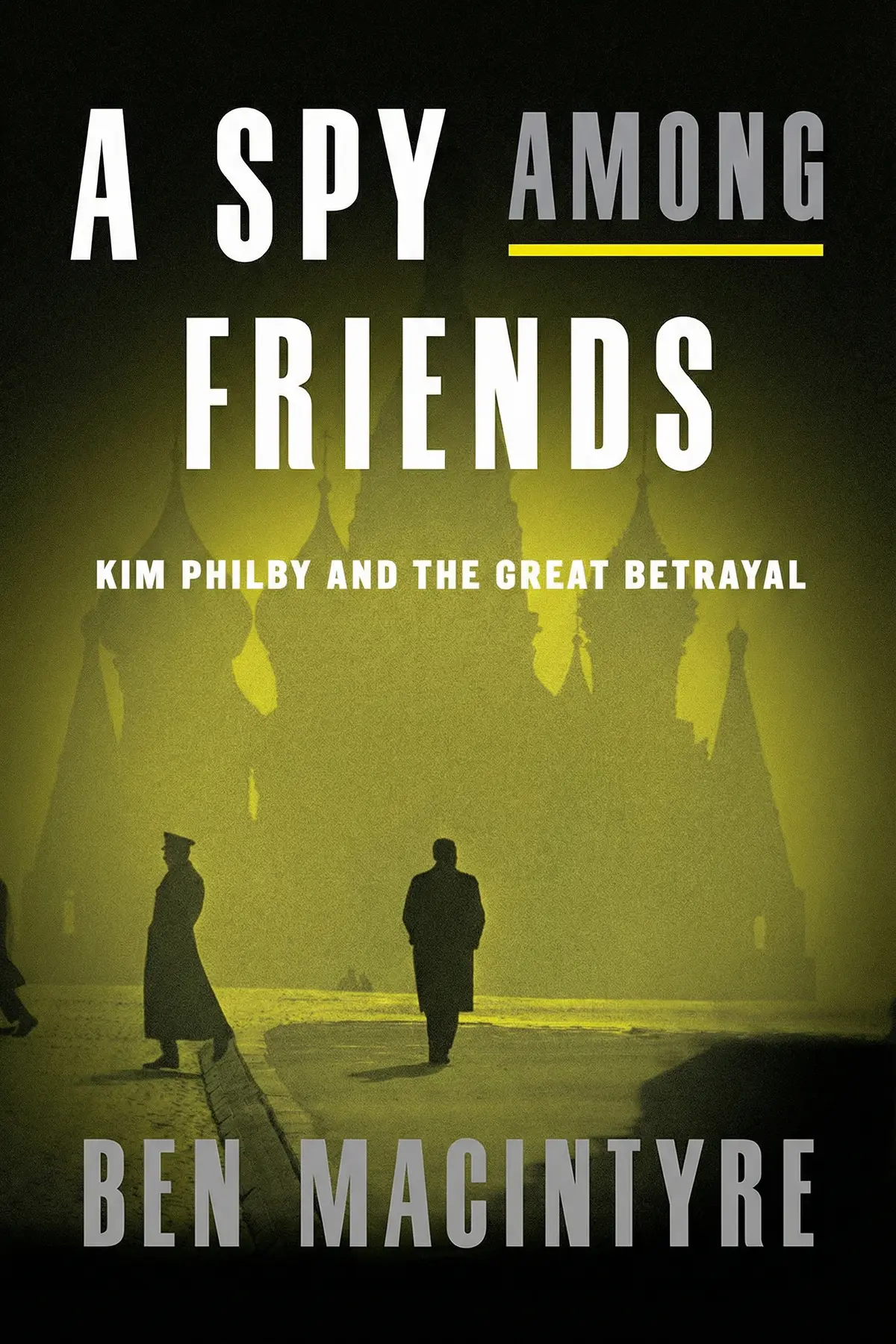
A Spy Among Friends: Philby and the Great Betrayal
Ben Macintyre
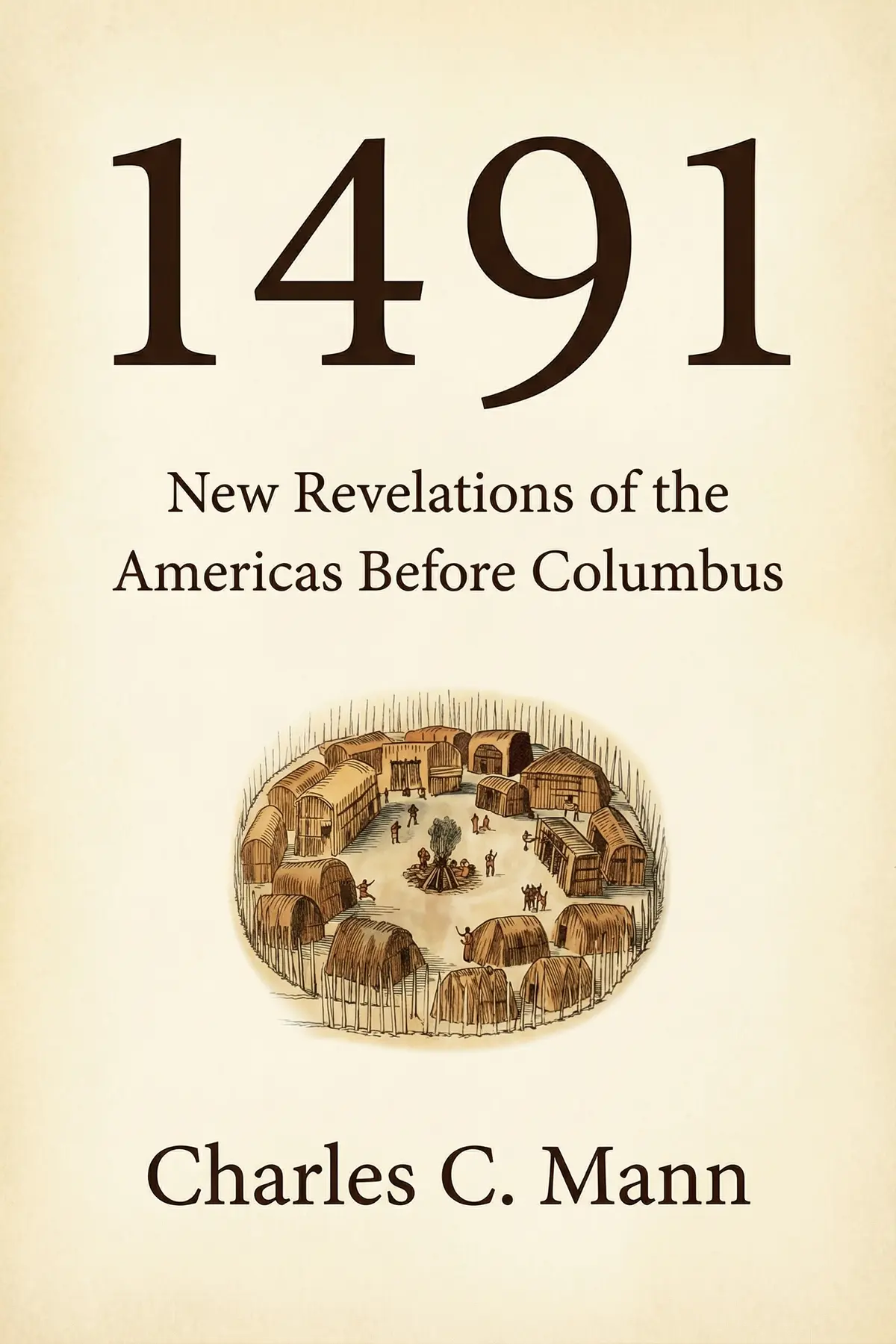
1491: New Revelations of the Americas Before Columbus
Charles C. Mann
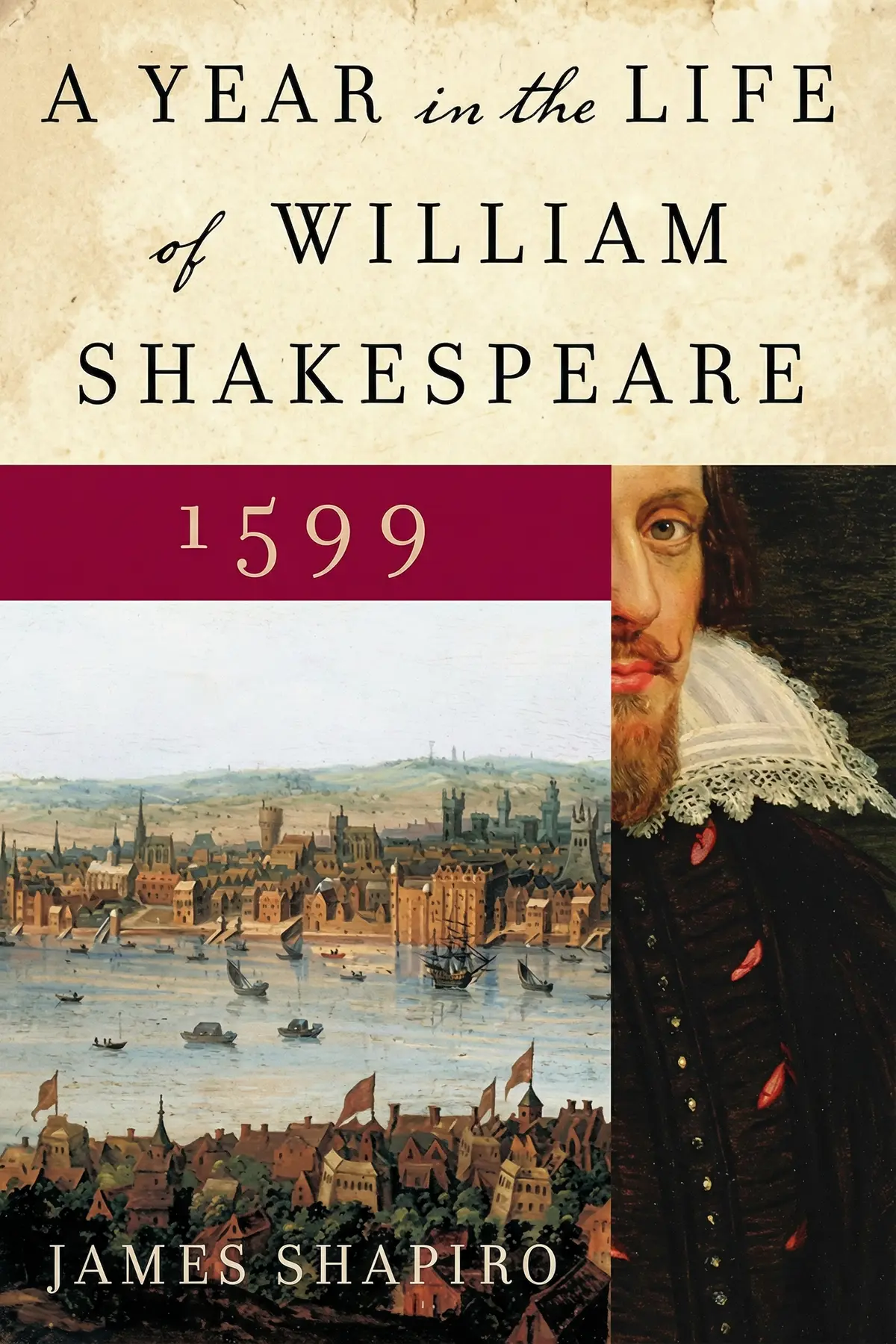
A Year in the Life of William Shakespeare: 1599
James Shapiro
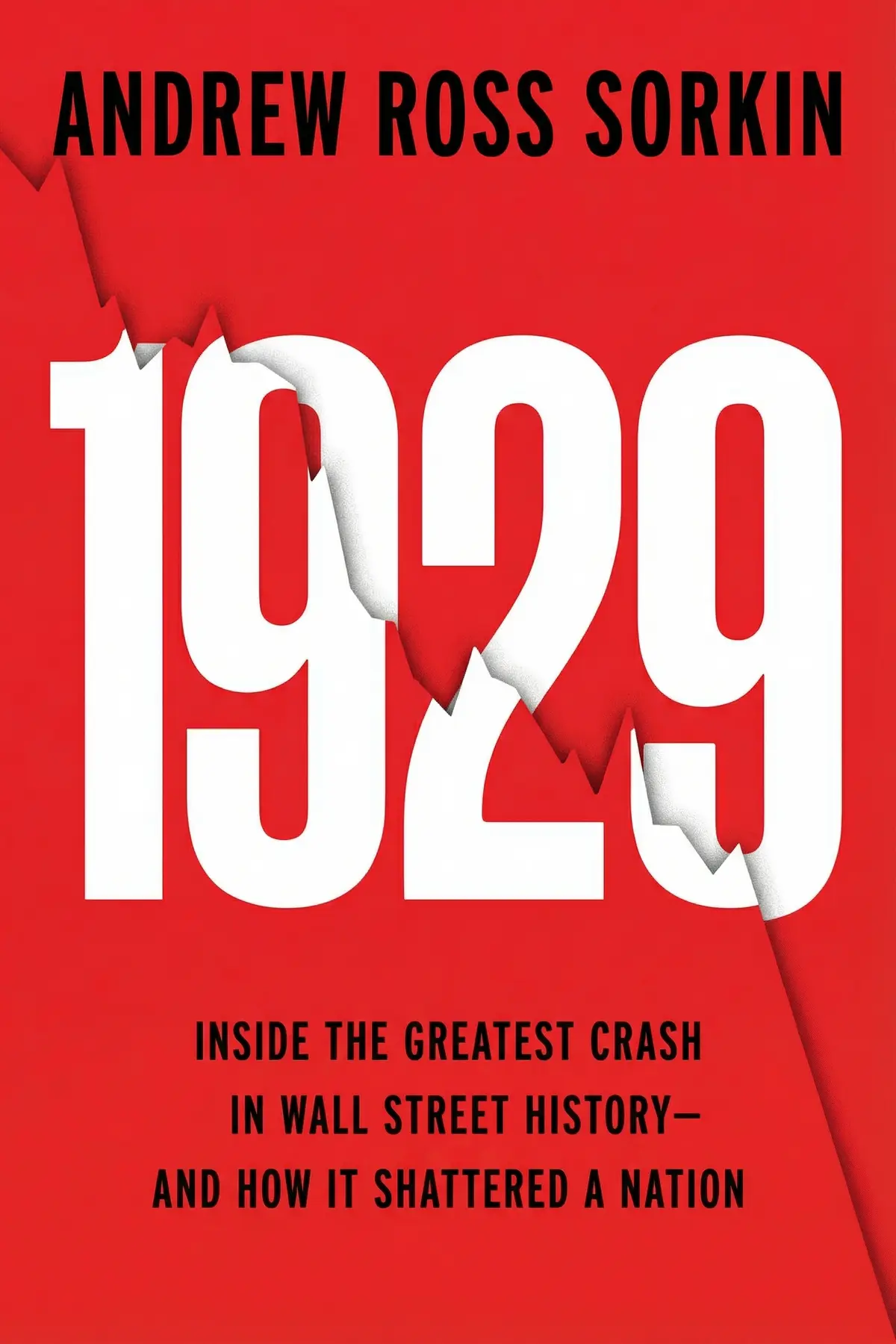
1929: Inside the Greatest Crash in Wall Street History--and How It
Andrew Ross Sorkin
AUDIO SUMMARY AVAILABLE
Listen to The First Conspiracy in 15 minutes
Get the key ideas from The First Conspiracy by Brad Meltzer, plus 5,000+ more titles in English and Thai.
- 5,000+ titles
- Listen as much as you want
- 7-day free trial
- Cancel anytime







