

A Biography of Loneliness: The History of an Emotion
Fay Bound Alberti
A gripping exploration of the 1927 mission that marked the first combat flight over Iraq, detailing the primitive technology and immense bravery that defined the dawn of aerial warfare.
1 min 59 sec
Imagine, for a moment, the world in 1927. This was a time when the sky was still a frontier, largely untamed and profoundly mysterious. Most people viewed airplanes as fragile curiosities—glorified kites made of wood, wire, and fabric. But while the public was captivated by the romance of flight, a different kind of history was being written in the heat and dust of the Middle East. This is the story of a landmark event that changed the nature of conflict forever: the first combat flight over Iraq. It is a narrative that goes far beyond simple dates and locations; it is an exploration of what happens when human ambition meets the raw, unyielding reality of a hostile environment.
In this journey, we aren’t just looking at a military operation; we are looking at the birth of modern air power. The mission in 1927 represented a massive leap into the unknown. There were no established protocols for what these pilots were attempting. There were no sophisticated navigation systems, no digital cockpits, and no safety nets. Every time a pilot climbed into one of these early machines, they were entering into a silent pact with gravity and mechanical reliability—a pact that was frequently broken.
Our throughline here is the intersection of three specific elements: the primitive technology of the era, the unforgiving geography of Iraq, and the extraordinary character of the men who volunteered for such a task. By understanding this specific mission, we gain a deeper appreciation for the evolution of aviation and the sheer scale of the risks taken by those who came before us. This wasn’t just about flying; it was about proving that the sky could be a theater of war, even when the tools available were barely advanced enough to stay aloft. As we peel back the layers of this account, we see a world where every bolt, every gust of wind, and every decision made in the cockpit carried the weight of life and death. Let’s step back into that cockpit and experience the tension, the mechanical roar, and the high-stakes reality of the first combat mission over the Iraqi desert.
2 min 21 sec
Discover the harrowing reality of 1920s flight technology, where pilots relied on primitive machines of wood and fabric to survive the world’s first aerial combat missions.
2 min 05 sec
The Iraqi desert wasn’t just a backdrop; it was a primary antagonist that tested the limits of both man and machine in the heat of battle.
2 min 06 sec
Explore the unique psychological makeup of the pilots who risked everything to prove that the sky could be mastered for military purposes.
1 min 56 sec
Learn how a single mission in 1927 signaled the end of traditional warfare and the beginning of a new era dominated by the sky.
1 min 58 sec
Delve into the intimate and often precarious relationship between a 1920s pilot and his aircraft, where survival depended on sensory intuition.
1 min 50 sec
As we reflect on the story of the first combat flight over Iraq in 1927, the overwhelming takeaway is the sheer audacity of the endeavor. We have looked at the rickety, fabric-covered planes that served as the era’s cutting-edge technology. We have explored the harsh, unforgiving desert environment that acted as a silent but deadly adversary. We have examined the unique brand of bravery required to fly those early missions, and we have seen how this single operation helped to rewrite the rules of modern warfare.
This mission was the foundation upon which the future of aviation was built. The lessons learned in the skies over Iraq—lessons about engine endurance, desert logistics, and the psychological demands of air combat—paved the way for everything that followed. It reminds us that every technological advancement we enjoy today began with a group of people willing to take an enormous risk on something unproven. These pilots didn’t have the benefit of hindsight; they only had their training, their intuition, and their courage.
The legacy of the 1927 mission is a reminder that the spirit of exploration and the demands of duty often push us to the very edge of what is possible. It’s a story that honors the individuals who saw the sky not as a limit, but as a new arena for human achievement and sacrifice. Whether you are interested in military history, the evolution of technology, or the limits of human endurance, the account of this flight stands as a powerful testament to the pioneers who first mastered the Iraqi air. Their story is a bridge between the old world of ground-based conflict and the high-altitude reality of the modern age. As we close this chapter, let us carry forward the appreciation for that fragile, roaring, and ultimately triumphant moment in 1927 when the first combat wings cast their shadows over the desert sands, changing the world forever.
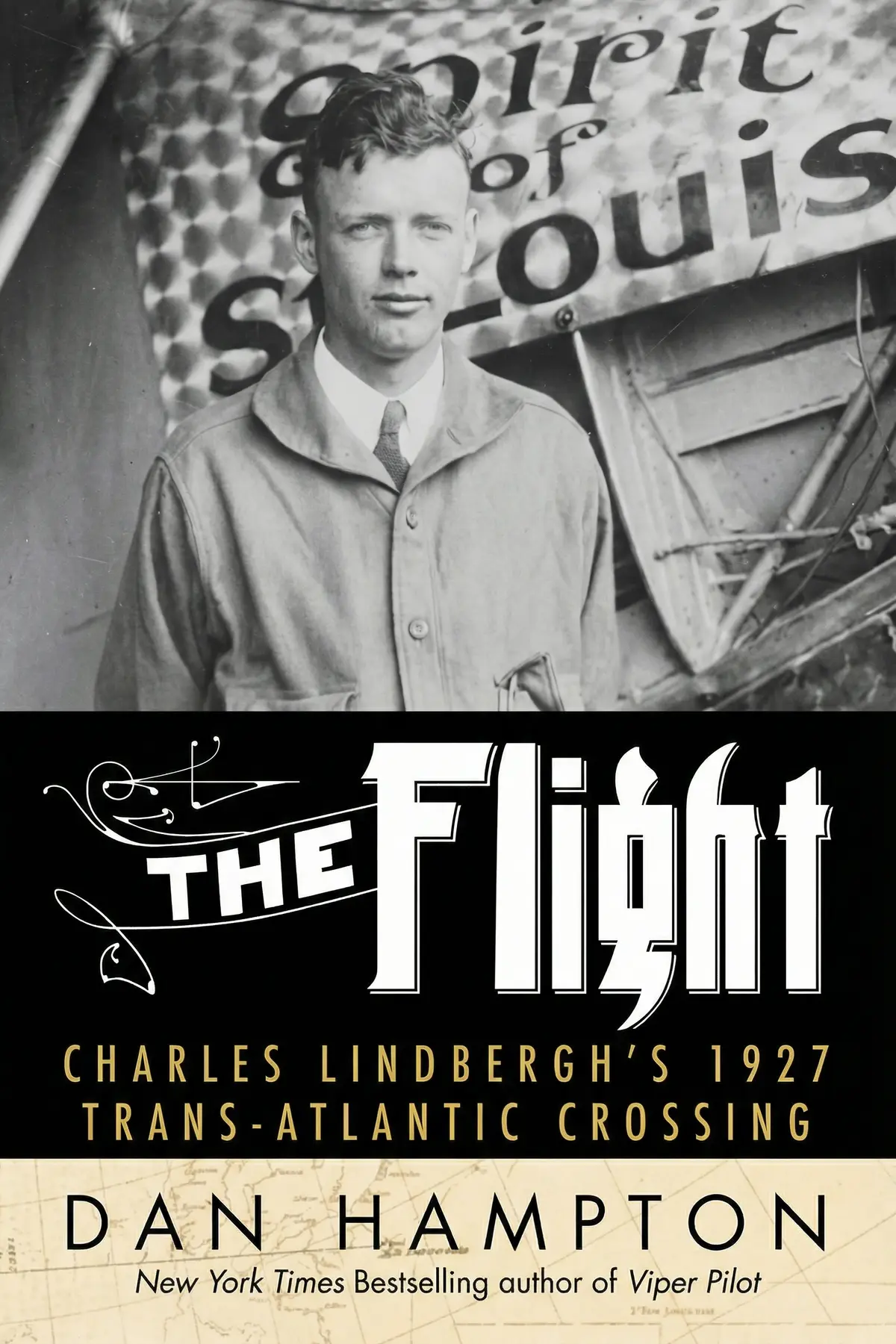
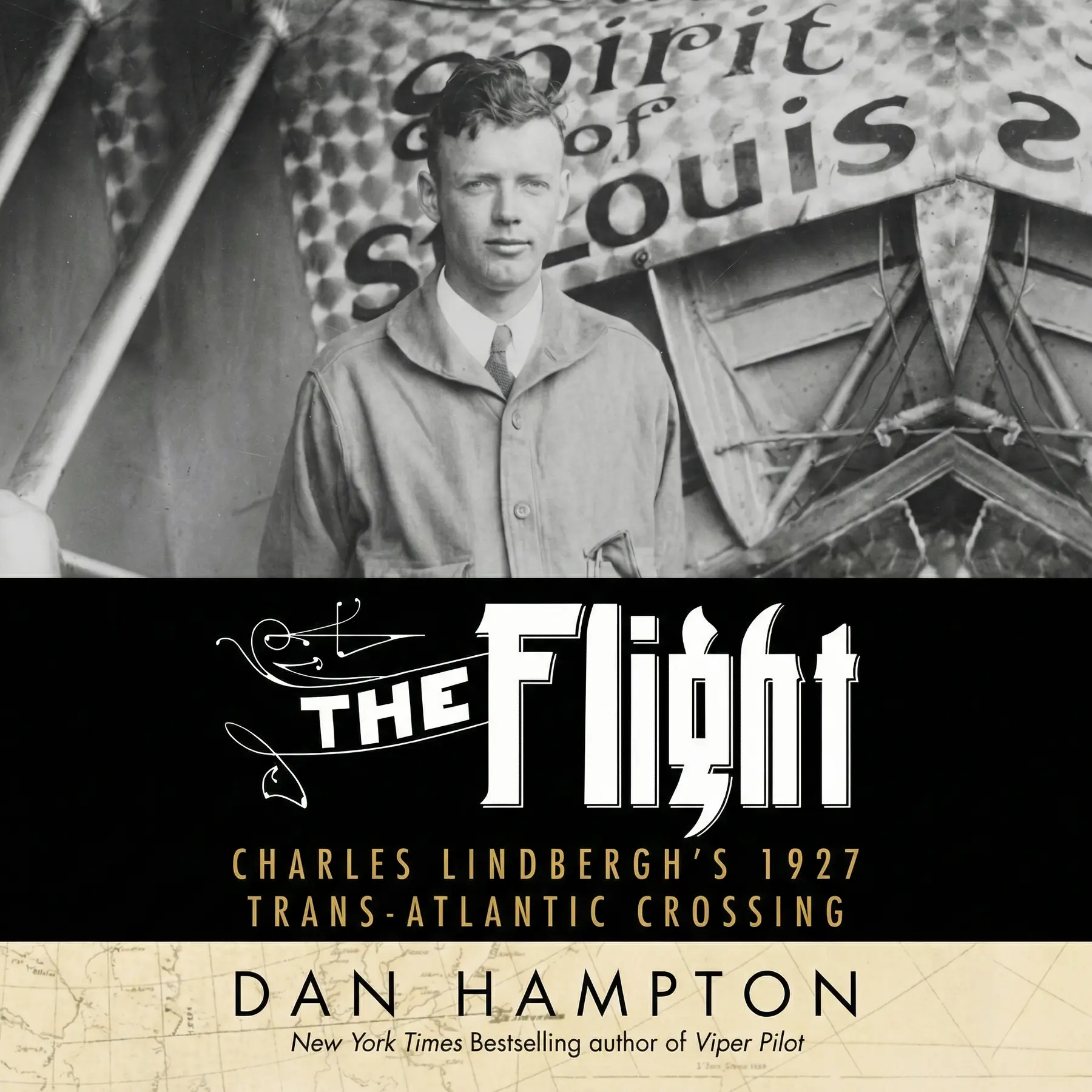
The Flight takes readers back to a pivotal moment in aviation history: the year 1927. While most of the world was focused on the burgeoning possibilities of civilian travel, a group of courageous pilots was pushing the limits of technology in a much more dangerous arena. This account focuses on the very first combat flight over Iraq, a mission that required not just technical skill but an almost superhuman level of grit. Through this narrative, we see the transition of the airplane from a fragile novelty to a decisive instrument of military power. The book promises a deep dive into the mechanical challenges of the era, the unforgiving nature of the Iraqi landscape, and the psychological fortitude required to fly missions where the margin for error was non-existent. It is a story of pioneering spirit and the literal life-and-death stakes of early 20th-century flight.
Dan Hampton is a New York Times best-selling author who served in the United States Air Force for 20 years, becoming a highly decorated officer, with a Purple Heart and four Distinguished Flying Crosses. His previous books include Viper Pilot and The Hunter Killers.
Listeners find this aviation history book excellently written from an aviator’s point of view, dense with facts and thoroughly researched. They value the immersive storytelling that maintains a steady pace, and one listener points out how it merges technical components with historical setting. Listeners also commend the book’s momentum, calling it absorbing and hard to put down.
Dan Hampton brings a unique edge to this biography that only a fellow combat pilot could provide. The way he describes the mechanics of the Spirit of St. Louis makes you feel the vibration of the Wright Whirlwind engine in your own chest. Personally, I was riveted by the technical precision used to explain how Lindbergh balanced his fuel levels while battling hallucinations and bone-deep fatigue. It is a gripping piece of aviation history that reads more like a high-stakes thriller than a dry textbook. While some might find the detailed descriptions of magnetos and ailerons a bit much, I think they are essential for understanding the sheer impossibility of the feat. Hampton’s visceral prose successfully puts the reader right in that cramped, windowless cockpit for all thirty-three hours. This is an absolute must-read for anyone who wants to understand the true dawn of the American century.
Show morePicked this up because I wanted to know more about the man behind the legend, and I wasn't disappointed. The narrative is meticulously researched and provides a much more balanced view of Charles Lindbergh than I’ve seen elsewhere. Hampton doesn't shy away from the later, more controversial aspects of Lindbergh’s life, but he shines a bright light on his undeniable courage and aeronautic acumen. The sections describing his civilian combat missions in the Pacific during WWII were a revelation to me, especially the details about his friction with FDR. It’s fascinating to see how one singular event can catapult a person into a life of fame that they are clearly not built for. The pacing is excellent, moving from the frantic preparation for the Orteig Prize to the lonely silence of the ocean flight. This book is a powerful reminder of how one person's determination can truly change the trajectory of the world.
Show moreWow, I was absolutely gripped by the minute-by-minute account of those 33.5 hours over the ocean. Hampton uses his experience as a fighter pilot to translate the 'pilot-speak' into something visceral and terrifyingly real for the average reader. You really feel the stakes of the mission, knowing that so many others had disappeared or died trying to claim the same prize. The author’s ability to weave technical details into a compelling narrative is impressive, even if it requires a little concentration at times. I loved the parts describing how Lindbergh navigated by the stars and the clouds with such rudimentary equipment. It makes you realize just how much we take modern technology for granted today. This is an inspiring look at a man who saw a challenge and turned it into his life's work. If you like David McCullough's style of history, you will find a lot to love here.
Show moreFinally got around to reading this account of the Orteig Prize race, and it lived up to the hype. The book is incredibly well-written and serves as a fitting tribute to the sheer bravery required to fly solo across an ocean in a modified tin can. I found the technical aspects of the Wright Whirlwind J5-C engine fascinating, particularly how Lindbergh managed the fuel tanks to keep the plane stable. Hampton’s perspective as a military pilot adds a layer of respect to the text that you don't get from standard historians. It’s a story of grit, luck, and incredible skill that kept me hooked from Roosevelt Field all the way to Le Bourget. Even if you think you know everything about Lindbergh, this book will surprise you with its depth. It is a definitive account of an immortal moment in time.
Show moreEver wonder what it actually felt like inside that tiny, fuel-heavy cockpit over the dark Atlantic? Hampton does a masterful job of recreating the claustrophobia and the sensory deprivation Lindbergh faced during his 1927 crossing. I particularly enjoyed the inclusion of smaller, humanizing details, like the five sandwiches in a brown paper bag or the St. Christopher medal tucked away by a kind mechanic. To be fair, the book does take some long detours into the general history of the 1920s, including the Scopes Monkey Trial, which felt like a bit of a distraction from the main event. However, the author’s perspective as a pilot adds an authenticity that other biographers simply cannot match. It’s a well-researched, soaring adventure that managed to keep me awake and engaged until the very last page. I would definitely recommend it to history buffs and aviation enthusiasts alike.
Show moreAfter hearing many conflicting stories about Lindbergh's later life, I found this portrayal quite balanced and refreshing. Hampton frames the 1927 flight as a desperate duel between man and nature, which really highlights the vulnerability of early aviation. The book is packed with fascinating trivia, like the fact that Lindbergh was only 25 when he made the crossing. Look, the writing style is very direct and masculine, which fits the subject matter perfectly, though some of the historical tangents feel a bit forced. I found the ending particularly moving, as it explores the heavy cost of fame and the tragedy that followed his greatest triumph. It is a solid piece of non-fiction that manages to make a familiar story feel new again through the eyes of a modern aviator. Definitely worth a look if you enjoy deep dives into 20th-century icons.
Show moreGotta say, the way Hampton weaves 1920s culture into the flight narrative is a bold choice that mostly pays off. While some reviewers complained about the 'extra' history, I thought it provided necessary context for why this flight meant so much to the American public. We see the world transitioning from the horrors of WWI into a new era of machines and speed. The description of Lindbergh as a 'lonely leader' is apt, and the book does a great job of showing his stoicism. My only minor gripe is that the prose can be a bit dry during the mid-flight sections where not much is happening except for weather changes. Still, the research is top-notch and the author clearly knows his stuff when it comes to the physics of flying. It’s a very grounded look at a soaring achievement that shaped the future of travel.
Show moreAs someone who appreciates a good underdog story, the description of the Orteig Prize competition was fantastic. You really get a sense of the 'Lindberghian luck' that allowed this young, relatively unknown pilot to succeed where more famous aviators had failed. Hampton’s writing is sharp and detailed, capturing the eerie beauty of the clouds and the terrifying reality of flying blind through a storm. I also appreciated the nuanced look at Lindbergh's personality—he wasn't always a likable man, but his determination was undeniable. The book successfully argues that this flight wasn't just a stunt, but a pivotal moment that proved the potential of commercial aviation. Despite a few sections that felt a bit meandering, the overall impact of the book is quite powerful. It’s a scholarly yet accessible look at a hero who was forced to live in the shadow of his own success.
Show moreThe technical jargon in this book is incredibly dense, sometimes to its own detriment. Frankly, as someone who doesn't know a crankshaft from a fuselage, I found myself getting bogged down in the data-heavy descriptions of the plane's construction. I really wanted to focus on the emotional journey and the historical impact, but the author kept pulling me back into the weeds of 1920s engineering. That being said, the actual account of the flight itself is quite thrilling once it finally takes off. I appreciated learning about the intense rivalry between the different pilots vying for the transatlantic record, many of whom didn't make it back. It’s a decent read if you have the patience for the technicalities, but it wasn’t the page-turner I was expecting. I’d give it three stars for the research, even if the execution felt a little too heavy for my taste.
Show moreTruth is, I struggled with the middle sections of this book due to the heavy data load and constant aviation terminology. I am a fan of history, but I found myself skimming the parts about magnetos and fuel valves just to get back to the actual story. The author is clearly very knowledgeable, but sometimes it felt like he was writing for other pilots rather than a general audience. To be fair, the last third of the book, which covers Lindbergh's life after the flight and his time in the Pacific, was much more engaging for me. The personal grudge between FDR and Lindbergh was a fascinating bit of history I hadn't encountered before. It’s a well-researched book, but the pacing is a bit uneven because of the technical interruptions. It's a three-star experience for me, though aviation nuts will likely adore it.
Show moreFay Bound Alberti


James Shapiro



Michael Axworthy

Ben Macintyre
AUDIO SUMMARY AVAILABLE
Get the key ideas from The Flight by Dan Hampton, plus 5,000+ more titles in English and Thai.







