
18 min 23 sec
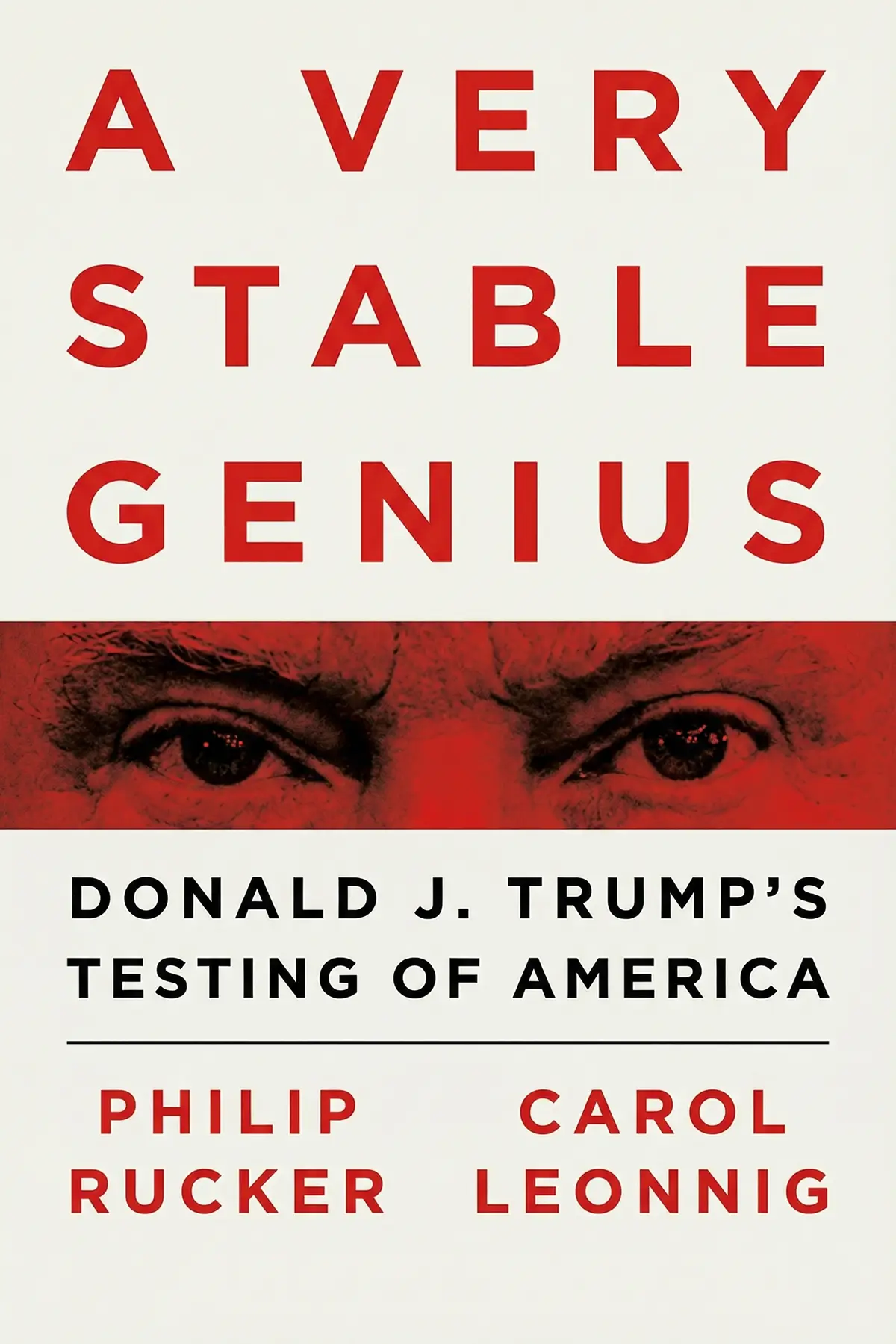
The Gatekeepers: How the White House Chiefs of Staff Define Every Presidency
Explore the hidden power dynamics of the White House. This summary reveals how the Chief of Staff serves as the indispensable gatekeeper, shaping the success or failure of every modern American president.
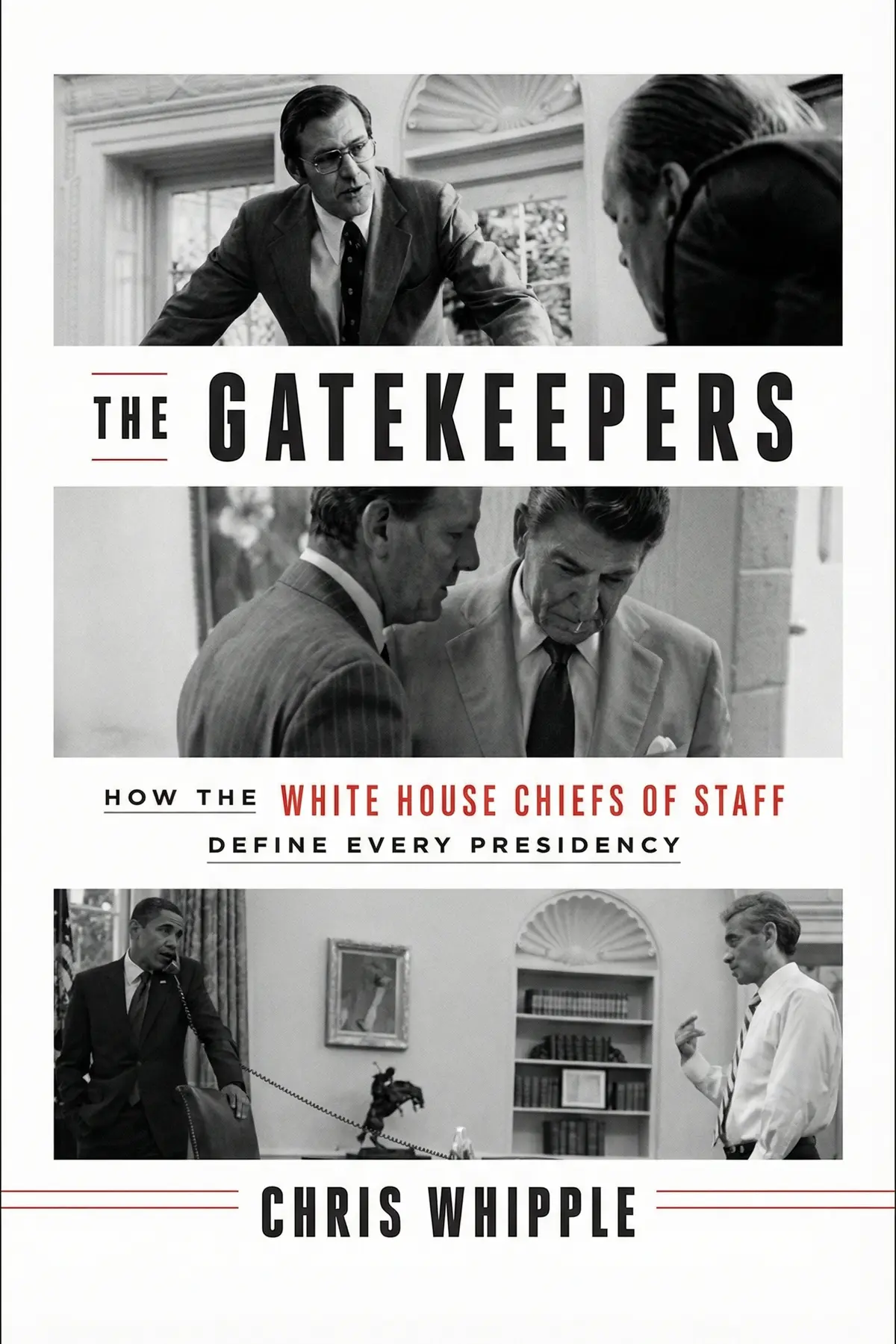
Table of Content
1. Introduction
1 min 35 sec
Imagine for a moment that you are the most powerful person on the planet. You sit behind the Resolute Desk in the Oval Office, and every decision you make carries the weight of global stability. Every minute of your day is a precious resource. Who decides how you spend that time? Who determines which problems are urgent enough to reach your desk and which ones are handled by others? Who is the one person you can trust to tell you the brutal truth when everyone else is whispering what you want to hear?
This is the world of the White House Chief of Staff. Often referred to as the second most powerful person in Washington, the chief of staff is the ultimate gatekeeper. They are the buffer between the president and the chaos of the world. As we look through the history of the modern presidency, a clear pattern emerges: the success of a leader is rarely determined solely by their own intelligence or charisma. Instead, it is frequently a reflection of the strength, discipline, and political savvy of their chief of staff.
In our exploration of this high-stakes role, we aren’t just looking at administrative schedules. We are looking at the engine room of history. We will see how Richard Nixon’s downfall was linked to the systems his staff created, how Ronald Reagan’s greatest triumphs were engineered by a master strategist, and how the financial crisis of 2008 was navigated by a steady hand behind the scenes. This is a story about power, control, and the critical importance of having someone who knows when to open the door and, more importantly, when to keep it shut. By the end of this journey, you’ll understand that while the president holds the office, the gatekeeper often holds the keys to the presidency’s legacy.
2. The Evolution of the Modern Gatekeeper
2 min 00 sec
Discover how Richard Nixon moved away from the organizational chaos of his predecessors to create the disciplined, powerful role of the Chief of Staff we recognize today.
3. Restoring Order and the Politics of Transition
2 min 02 sec
Follow the high-stakes transition from Nixon to Ford, where the Chief of Staff had to rescue a presidency in freefall and manage a brutal reorganization of power.
4. The Perils of the Self-Managed Presidency
1 min 51 sec
Learn why Jimmy Carter’s refusal to appoint a strong Chief of Staff led to a presidency overwhelmed by detail and paralyzed by global crises.
5. The Era of the Co-President
2 min 00 sec
Explore the tenure of James Baker, the man who set the gold standard for the role by turning Ronald Reagan’s vision into political reality.
6. When Confidence Turns to Arrogance
1 min 43 sec
Examine how the personality of a Chief of Staff can alienate allies and undermine a president’s reelection, as seen in the George H.W. Bush administration.
7. From Chaos to Discipline in the Clinton Years
1 min 53 sec
Witness the dramatic transformation of the Clinton White House from a disorganized ‘dorm room’ to a high-functioning executive machine.
8. The Shadow Gatekeeper and Crisis Management
1 min 47 sec
Explore the unique power dynamic of the George W. Bush years, where a Vice President acted as the primary gatekeeper, and a Chief of Staff steered the nation through financial ruin.
9. Navigating the Friction of Change and Legacy
1 min 54 sec
See how Barack Obama’s Chiefs of Staff balanced the hope of a progressive movement with the grinding reality of Washington politics.
10. Conclusion
1 min 38 sec
As we look back at the history of the modern White House, one thing is undeniably clear: the person standing just outside the Oval Office is often as consequential as the person sitting inside it. The role of the Chief of Staff has evolved from a simple administrative aide into a complex, high-stakes position that requires the skills of a diplomat, a drill sergeant, a therapist, and a master strategist. We have seen how the ‘gold standard’ set by James Baker allowed Ronald Reagan to transform the American economy, and how the lack of structure in the early days of the Carter and Clinton administrations led to missed opportunities and political peril.
The throughline of every successful presidency is a disciplined gatekeeper who understands that their job is not to seek power for themselves, but to protect the most important office in the world. They manage the most finite resource a president has: time. By filtering out the distractions, vetting the information, and ensuring that every decision is thoroughly debated, they create the environment where leadership is possible.
What can we take away from this high-level look at executive power? On a personal level, the lesson is about the vital importance of managing our own information flow. In our own lives and careers, we are often overwhelmed by ‘noise’—emails, notifications, and trivial demands that distract us from our most important goals. While we might not have a Chief of Staff to guard our doors, we can adopt their mindset. We can set up our own systems to filter information, delegate the minor details, and ensure that our focus remains on the ‘big picture’ objectives that truly matter. In the end, we all need a gatekeeper—even if that gatekeeper is just a more disciplined version of ourselves.
About this book
What is this book about?
The Gatekeepers offers a deep dive into the most demanding and often misunderstood job in the world: White House Chief of Staff. Through the lenses of various administrations, it examines how these powerful individuals manage the president's time, protect their reputation, and steer the course of history. From the rigid discipline of the Nixon era to the chaotic early days of the Clinton administration, the narrative shows that a president is only as effective as the person guarding the door to the Oval Office. This summary provides a throughline from the post-war era to the modern day, illustrating how the role evolved from an informal aide to a 'co-president' figure. You will discover why some presidencies flourished under a master strategist while others foundered due to organizational neglect. By understanding the relationships between the commanders-in-chief and their right-hand men, you gain a unique perspective on how global policy is actually forged in the pressure cooker of the West Wing.
Book Information
About the Author
Chris Whipple
Chris Whipple is a Peabody- and Emmy-award-winning author, documentarian and journalist. He recently wrote and produced Showtime’s The Spymasters: CIA in the Crosshairs, further cementing his reputation as a leading voice on the inner workings of American power and intelligence.
Ratings & Reviews
Ratings at a glance
What people think
Listeners find this an absorbing account that offers superb perspectives on White House functions and aids in comprehending modern-day administrations. It provides a quality overview of past events and is skillfully composed, with one listener mentioning that it is not written from a partisan right or left viewpoint. Listeners value the depth of material and compelling evaluations of different chiefs of staff, while one review emphasizes how the narrative brings the gatekeepers to life.
Top reviews
Owen
This book provides an unparalleled deep dive into the engine room of the American presidency. Whipple manages to strip away the partisan vitriol we see on news cycles and focuses purely on the mechanics of power. I was particularly struck by how the role evolved from Haldeman’s rigid structure to the more fluid, yet often chaotic, modern iterations. It’s fascinating to see how a mediocre president simply cannot survive without a powerhouse Chief of Staff to act as the ultimate son of a bitch. The transition from the Ford years—where Cheney was apparently humble—to the more recent administrations is eye-opening. While the author is a journalist, the prose feels more like a fast-paced political thriller than a dry historical account. It’s a mandatory read for anyone who wants to understand why some administrations soar while others crash and burn before the first midterm.
Show moreDream
Picked this up because I’ve always been obsessed with the inner workings of the West Wing. It’s refreshing to find a political book that doesn't feel like it’s grinding an axe for the left or the right. Instead, Whipple treats the Chief of Staff role as a craft—one that requires a spine of steel and the ability to tell the most powerful man on earth that he’s being an idiot. The interviews are clearly the star of the show here, offering a level of candor you rarely see in DC. Seeing the through-line from Nixon all the way to the brief epilogue on the Trump era reveals a cyclical nature to American politics that is both comforting and terrifying. Truly, the best managers aren't always the most liked, and this book proves it.
Show moreClara
After hearing about the documentary, I had high hopes for the book, and it did not disappoint. The way Whipple illustrates the gatekeeper as both a shield and a sword for the President is masterful. I loved the tinfoil hat moments where you realize just how connected the Washington elite are—seeing names like Rumsfeld pop up decades apart is wild. The book makes a great case that the Chief of Staff is the second most powerful person in the world, yet they remain largely invisible to the public. The prose is punchy, and the author does a great job of humanizing these often-reviled figures. It’s a fascinating look at the burden of leadership and the impossible choices made in the dark corners of the West Wing.
Show morePor
Not what I expected, in the best way possible. As a die-hard fan of The West Wing, I’ve always viewed Leo McGarry as the gold standard, and it was heartening to see that many real-life chiefs share that same tireless devotion to the country. The book is essentially a series of high-stakes dramas. You see the arrogance that leads to downfall and the humility that leads to success. The chapter on the 2008 economic crisis was particularly gripping; seeing all those former chiefs gather to advise Rahm Emanuel was a powerful moment. It’s a well-researched, non-partisan, and deeply human look at the people who actually run the country while the President is busy being the face of it.
Show moreOat
Looking back at the last fifty years of American history through this specific lens is a revelation. Whipple manages to weave together the personal temperaments of the Presidents with the administrative styles of their chiefs in a way that feels definitive. The James Baker years under Reagan stand out as the absolute peak of the craft, and the book does a beautiful job explaining why. It’s not just about policy; it’s about the fabric of power and knowing when to herd the cats. This is the kind of book that makes you look at the evening news differently. It provides a necessary framework for understanding why certain leaders succeed and others become smartest man in the room failures. Highly recommended for any history or politics buff.
Show morePrinya
Ever wonder why certain presidents seem to constantly trip over their own feet while others glide through scandals? Whipple’s exploration of the gatekeeper role offers a compelling answer. The anecdotes are top-tier, especially the sections on James Baker and Leon Panetta. However, the book does have a tendency to drift into general history when the Chief of Staff should be the center of attention. Sometimes it felt more like a summary of presidential blunders than a focused study on staff dynamics. Also, fair warning to mystery fans: there is a totally unnecessary spoiler for an Agatha Christie classic right in the middle of the text. Despite that bizarre inclusion, the insights into the 2008 transition and the sheer exhaustion of the job make it well worth your time.
Show moreBook
As someone who works in corporate management, I actually found this to be a brilliant case study on organizational leadership. The contrast between Jimmy Carter’s no chief disaster and Reagan’s reliance on Howard Baker is a masterclass in delegation. Truth is, most of us will never work in the Oval Office, but the lessons on being an honest broker and managing the smartest man in the room are universal. Whipple writes with a clean, journalistic style that keeps the pages turning, though some chapters feel a bit rushed compared to others. The Ford and Nixon sections were definitely the highlights for me. It’s a solid 4-star read that highlights why having a son of a bitch in the room is sometimes the only way to get anything done.
Show moreNina
Wow. I didn’t expect to get through a 300-page book on White House staffing in just two sittings, but here we are. The pacing is excellent. Whipple does a great job of showing the sheer physical and mental toll the job takes—no wonder they call it a sprint rather than a marathon. My only real complaint is that the coverage of the more recent administrations feels a bit thin compared to the deep dives into Nixon and Reagan. Maybe that’s just because the history is still too fresh? Regardless, the takeaways about speaking truth to power are vital. It’s a great reminder that even the most powerful leaders are only as good as the people they let into the room.
Show moreSomporn
Finally got around to reading this, but I have to say I’m a bit torn on the final product. On one hand, the access Whipple had to former Chiefs of Staff is incredible. Hearing directly from guys like Rahm Emanuel and Dick Cheney provides a behind the curtain feel that is genuinely addictive. On the other hand, the narrative structure is quite messy. The author frequently gets lost in the weeds of various administration scandals, losing sight of the staff members he’s supposed to be profiling. I also found it incredibly frustrating that he casually spoiled the ending of Murder on the Orient Express without any warning. Why was that even in there? It’s a decent overview of modern history, but it lacks the analytical rigor I was hoping for.
Show moreSirinat
The chapter on Jimmy Carter was interesting, but frankly, the rest of this felt like a repetitive slog through DC inside-baseball. I picked this up hoping for a fresh perspective on political power, but instead, I got a lot of recycled anecdotes and a few management tips that felt pretty superficial. To be fair, the research is clearly there, but the writing didn't grab me. It felt like the author was more interested in name-dropping and recounting famous scandals than actually analyzing the mechanics of the Chief of Staff role. Plus, the random spoiler for a classic mystery novel was just unprofessional. If you're already a political junkie, you've probably heard half these stories before. It just wasn't for me.
Show moreReaders also enjoyed

A Year in the Life of William Shakespeare: 1599
James Shapiro

A Warning
Miles Taylor

Agent Sonya: The Spy Next Door
Ben Macintyre

1491: New Revelations of the Americas Before Columbus
Charles C. Mann

Alexander Hamilton
Ron Chernow
1929: Inside the Greatest Crash in Wall Street History--and How It
Andrew Ross Sorkin

Alexander the Great
Philip Freeman
AUDIO SUMMARY AVAILABLE
Listen to The Gatekeepers in 15 minutes
Get the key ideas from The Gatekeepers by Chris Whipple, plus 5,000+ more titles in English and Thai.
- 5,000+ titles
- Listen as much as you want
- 7-day free trial
- Cancel anytime







