
15 min 27 sec
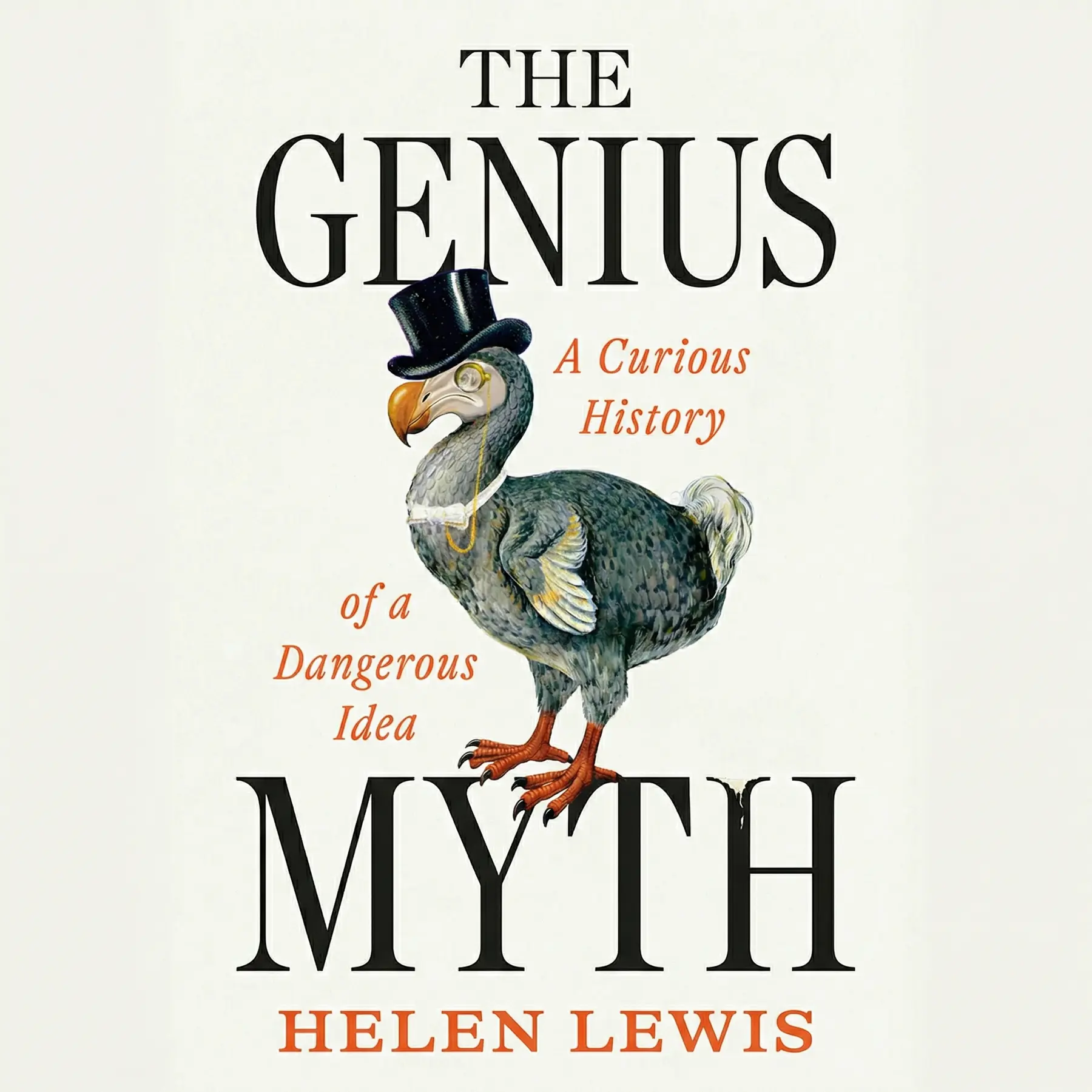
The Genius Myth: A Curious History of a Dangerous Idea
By Helen Lewis
Explore the evolution and pitfalls of the concept of individual brilliance. This summary examines how historical narratives, flawed science, and systemic biases have built a dangerous myth that ignores collective effort.
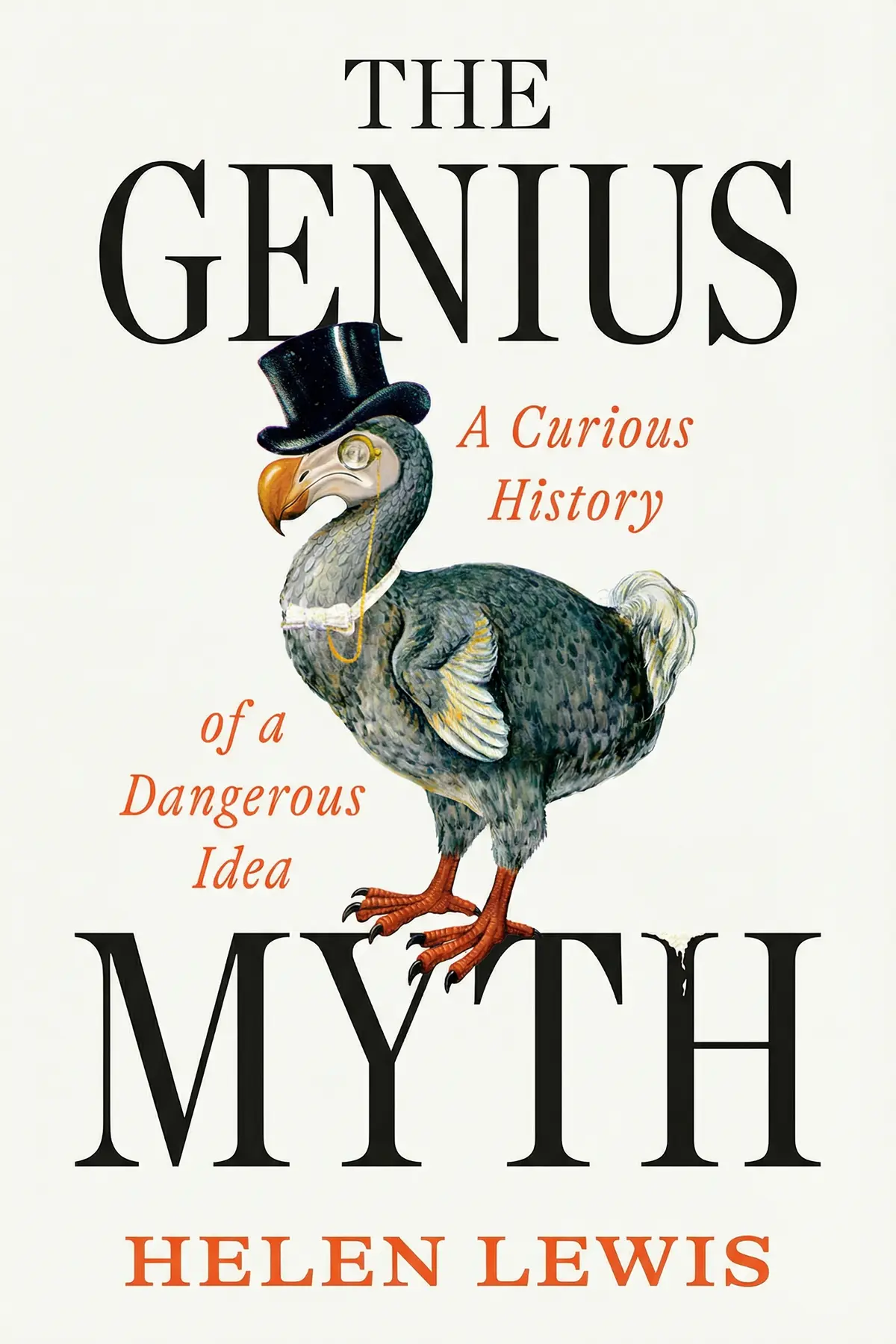
Table of Content
1. Introduction
1 min 44 sec
When we hear the word ‘genius,’ a very specific set of images usually flashes through our minds. Perhaps it is a scientist with wild hair scribbling equations on a chalkboard, or a tech visionary pacing a stage in a black turtleneck. Maybe it is a Renaissance master hunched over a marble slab in a candlelit studio. We have been conditioned to see genius as a rare, almost magical spark that resides within a few chosen individuals—people who are fundamentally different from the rest of us. We view them as the primary engines of human progress, the ‘great men’ who pull the rest of humanity toward the future through sheer force of intellect.
But what if this entire framework is flawed? What if our obsession with identifying and elevating these solitary figures actually obscures the truth about how innovation, art, and societal shifts really happen? In this exploration of the cultural history of brilliance, we are going to look behind the curtain of the most enduring legends. We will see how the concept of genius has been molded and manipulated over centuries to serve specific social and political agendas.
From the ancient world’s belief in guardian spirits to the modern world’s obsession with IQ scores and tech moguls, the definition of genius is constantly shifting. Yet, despite these changes, the myth continues to perform the same function: it justifies the elevation of a few while ignoring the contributions of the many. By tracing this curious and often dangerous history, we can start to see why it might be time to move beyond the idea of the lone genius and toward a more honest understanding of human achievement. It is a journey that takes us through art history, flawed genetics, and the hidden domestic lives of icons, ultimately showing us that greatness is rarely as solitary as it looks.
2. The Evolution from Spirit to Individual
2 min 27 sec
Discover how the concept of greatness shifted from an external spiritual guide to an internal character trait, fundamentally changing how we perceive human talent.
3. The Dark Alliance of Brilliance and Biology
2 min 18 sec
Explore the troubling era when Victorian thinkers attempted to turn the subjective idea of greatness into a measurable, hereditary science of superiority.
4. The Flaw in Quantifying the Mind
2 min 24 sec
Examine the rise of IQ testing and how the attempt to measure genius revealed more about our social biases than our actual potential.
5. The Hidden Scaffolding of Great Men
2 min 18 sec
Uncover the overlooked contributions of the women who provided the intellectual and domestic support necessary for famous geniuses to thrive.
6. From Menlo Park to Silicon Valley
2 min 18 sec
Trace the birth of the modern tech mogul and see how the ‘inventor’ archetype was carefully crafted to prioritize marketing over collective labor.
7. Conclusion
1 min 58 sec
The history of the genius is a history of storytelling. From the guardian spirits of Rome to the boardroom legends of today, we have used this concept to make sense of the extraordinary. But as we have seen, the myth of the lone genius often comes at a high price. It has been used to justify systemic racism through eugenics, to erase the vital contributions of women, and to give undue power to individuals who believe their own hype. It teaches us to look for saviors rather than solutions, and to prize raw intellect over empathy, ethics, and collaboration.
What this exploration really shows us is that intelligence does not exist in a vacuum. It is nurtured by support, shaped by opportunity, and often propelled by simple good fortune. When we strip away the archetypes—the tortured artist, the absent-minded professor, the tech wizard—we are left with something much more human and much more interesting. We see that progress is a team sport. Whether it’s the theory of relativity, a masterpiece of Russian literature, or the invention of the phonograph, these were not the work of solitary minds acting alone. They were the products of partnerships, communities, and long lineages of shared knowledge.
In our current era, we face challenges that no single person, no matter how ‘brilliant,’ can solve. Issues like the climate crisis or the complexities of global politics require us to move beyond the Great Man theory of history. By letting go of the genius myth, we can begin to value the collective expertise that truly drives our world forward. We can stop looking for the next ‘wizard’ and start focusing on how we can better support one another. The real genius of humanity isn’t found in a few exceptional individuals; it is found in our unique ability to work together, to build on each other’s ideas, and to create something greater than any one of us could achieve alone. It is time we start telling a new story—one that celebrates the power of the ‘us’ over the ‘I.’
About this book
What is this book about?
Why does modern culture remain obsessed with the figure of the solitary genius? This deep dive into the history of exceptionalism traces the term from its origins in ancient Rome to its current incarnation in the boardrooms of Silicon Valley. It reveals how the Renaissance transformed a spiritual concept into a cult of personality, creating archetypes like the tortured artist and the absent-minded polymath that still dominate our stories today. The narrative explores the darker side of this obsession, showing how Victorian thinkers like Francis Galton used the idea of inherited greatness to fuel the eugenics movement. It also brings to light the hidden labor that sustains genius, particularly the roles of women like Mileva Marić and Sofia Tolstoy, whose intellectual and domestic contributions were often erased to preserve the myth of male self-sufficiency. By dissecting the lives of figures from Thomas Edison to Elon Musk, this exploration challenges the idea that success is purely individual. It argues that by ditching the myth of the Great Man, we can foster a more inclusive and collaborative approach to solving the world’s most pressing problems.
Book Information
About the Author
Helen Lewis
Helen Lewis is a journalist and staff writer at The Atlantic. Her work has also appeared in The New York Times, Vogue, and The Guardian. She is the author of Difficult Women: A History of Feminism in 11 Fights and the host of two BBC podcasts: Helen Lewis Has Left the Chat and The New Gurus.
Ratings & Reviews
Ratings at a glance
What people think
Listeners find that although perspectives differ on the book’s organizational logic and its chosen modern examples, many value its relevant dismantling of the "genius" archetype. Furthermore, listeners appreciate the detailed study of how social structures and external support systems frequently uphold the illusion of the isolated, brilliant person. They also highlight the perceptive discussion regarding IQ metrics and the ethics of intellect, with one listener pointing out how the writing exposes the frequently ignored "unpaid labor of great women" who stood behind these famous historical icons.
Top reviews
Camila
Lewis has written a sharp, necessary takedown of the 'lone wolf' narrative we love to project onto brilliant men. It’s about time someone looked at the invisible infrastructure—the wives, the assistants, and the social safety nets—that actually allows a 'genius' to function in the first place. I found the sections on the domestic labor of women particularly galling but enlightening. While the pacing occasionally stutters in the middle, the core argument remains ironclad and incredibly timely. Truth be told, we need to stop worshipping at the altar of the difficult man. This is a brilliant starting point for that cultural shift.
Show moreKiattisak
After finishing this, I can't look at 'great' historical figures the same way again. Lewis exposes how our culture prizes a specific type of antisocial intelligence while ignoring the collaborative reality of human progress. The way she links the cult of genius to the 'unpaid labor of great women' is nothing short of revelatory. It makes you realize how many potential Jane Austens we've lost because they weren't 'difficult' enough to fit the mold. The writing is snappy and journalistic, which makes the heavy historical lifting feel a lot more accessible than a textbook. Highly recommended for any history buff.
Show moreRoydao
As someone who grew up in 'Gifted and Talented' programs, this book felt incredibly personal and validating. Lewis deconstructs the ethical dimensions of intelligence in a way that goes far beyond just criticizing Elon Musk. She looks at how these labels affect the neurodivergent and how they've been used to justify horrific social policies throughout history. I found the discussion of Wittgenstein’s family dynamics to be one of the most poignant parts of the book. Look, it’s not a perfect work—it rambles in spots—but the emotional and intellectual payoff is well worth the effort.
Show moreDen
Ever wonder why we're so obsessed with tech billionaires and rock stars even when they're demonstrably awful human beings? Lewis dives headfirst into this paradox, using Elon Musk and the Beatles as modern anchors for a much older historical trend. She argues convincingly that 'genius' is often just a label we use to excuse bad behavior or intellectual arrogance. I appreciated the deep dive into IQ testing, though I’ll admit I wanted a bit more on how these myths manifest in non-Western cultures. It’s a dense read at times, but the prose is lively enough to keep you hooked.
Show moreA
The chapter on Chris Goode really soured what was otherwise a fascinating exploration of intellectual idolatry. To be fair, Lewis tries to remain objective, but I found the sympathetic framing of such a problematic figure to be a massive misstep that undermined her larger point. Why are we still extending empathy to monsters under the guise of 'understanding the myth'? Aside from that jarring section, the book does a solid job of dismantling the Great Man Theory. She’s at her best when she’s exposing the systemic biases of who gets to be called a genius. It's a complicated, messy, but essential read.
Show moreGung
Not what I expected, but perhaps exactly what I needed to hear regarding our modern obsession with 'disruptors.' Lewis manages to weave together 19th-century philosophy with 21st-century tech worship in a way that feels organic. I particularly enjoyed her takedown of the idea that art and architecture 'stagnated' during the Middle Ages just because they lacked celebrity creators. Some might find her tone a bit too skeptical or even 'presentist,' but I think a healthy dose of cynicism is required when dealing with these myths. It’s a long-overdue reality check for anyone who still thinks IQ is the end-all-be-all of human value.
Show moreSuthee
Finally got around to reading this, and I’m struck by how much it challenges the hagiographic style of writers like Walter Isaacson. Lewis isn't here to build statues; she’s here to show you the cracks in the marble. By focusing on the 'curious history' of the genius label, she reveals it to be a tool for exclusion as much as an accolade. I do wish she had elaborated more on the 'Jane Austen problem' she mentions early on. Still, the research is top-notch and the way she tackles the 'asshole-intellectual' trope is both hilarious and biting. It’s a necessary antidote to modern hero worship.
Show morePornthip
Lewis has a real talent for making complex sociological concepts feel like a dinner party conversation. This book is a fascinating, if occasionally disjointed, look at why we allow certain people to be terrible just because they’re 'smart.' The bits on the Beatles were fun, though I can see why some critics think they felt a bit out of place compared to the heavier stuff. In my experience, the best history books are the ones that make you question your own biases. This definitely fits that description. It's a 4-star book that feels like a 5-star conversation.
Show moreLuke
Picked this up after hearing Lewis on a podcast and, while the premise is fantastic, the execution feels a bit like a collection of loosely connected essays. There are moments of absolute brilliance—especially her critique of how we deify 'difficult' intellectuals—but then she’ll spend ten pages describing a movie that doesn't quite fit the theme. Frankly, the first half is much stronger than the second. I still think it's worth reading for the chapters on the history of eugenics and IQ. Just don't expect a perfectly linear or cohesive narrative from start to finish.
Show moreThida
This book is basically an excuse to complain about people the author dislikes under the veneer of historical analysis. While there are a couple of decent chapters in the middle, most of it felt like a rambling list of grievances. Lewis spends way too much time on pop culture anecdotes and not enough on the actual 'history' promised by the subtitle. To be honest, it felt like she was writing a long-form article that got stretched into a book against its will. If you’re looking for a serious academic study on the nature of intelligence, this isn't it. Disappointing.
Show moreReaders also enjoyed

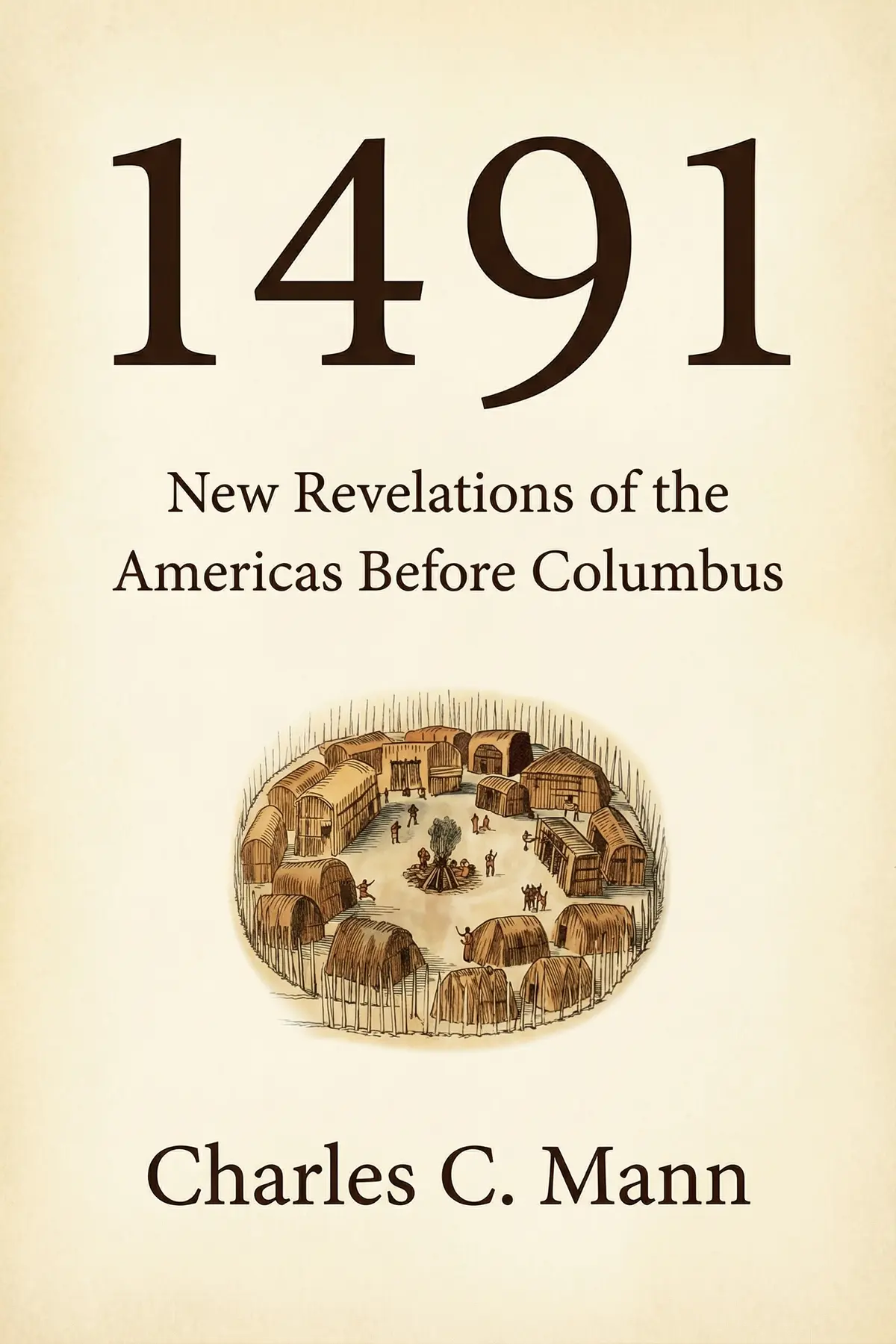
1491: New Revelations of the Americas Before Columbus
Charles C. Mann
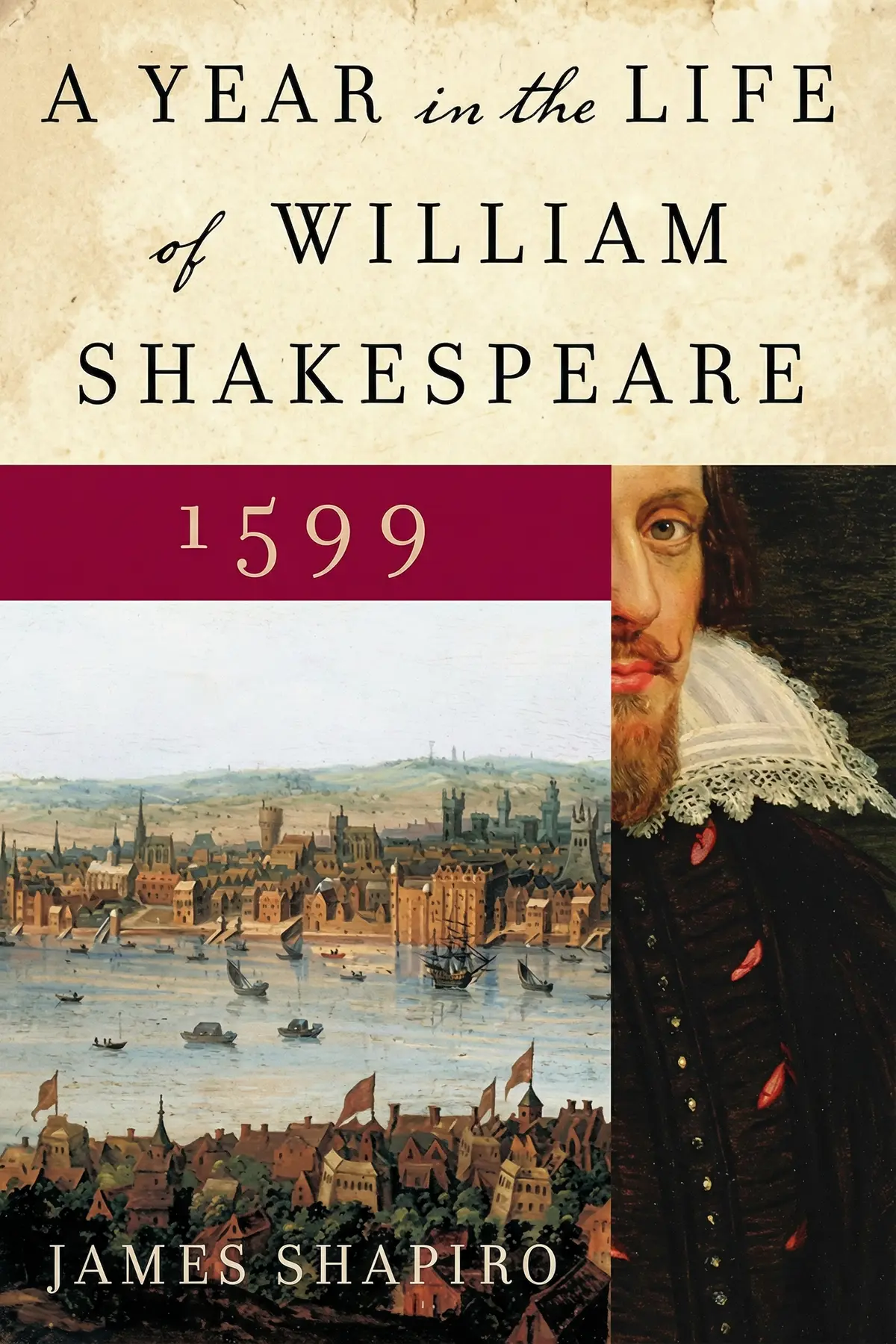
A Year in the Life of William Shakespeare: 1599
James Shapiro

A Force for Good: The Dalai Lama's Vision for Our World
Daniel Goleman

1929: Inside the Greatest Crash in Wall Street History--and How It
Andrew Ross Sorkin

Age of Anger: A History of the Present
Pankaj Mishra
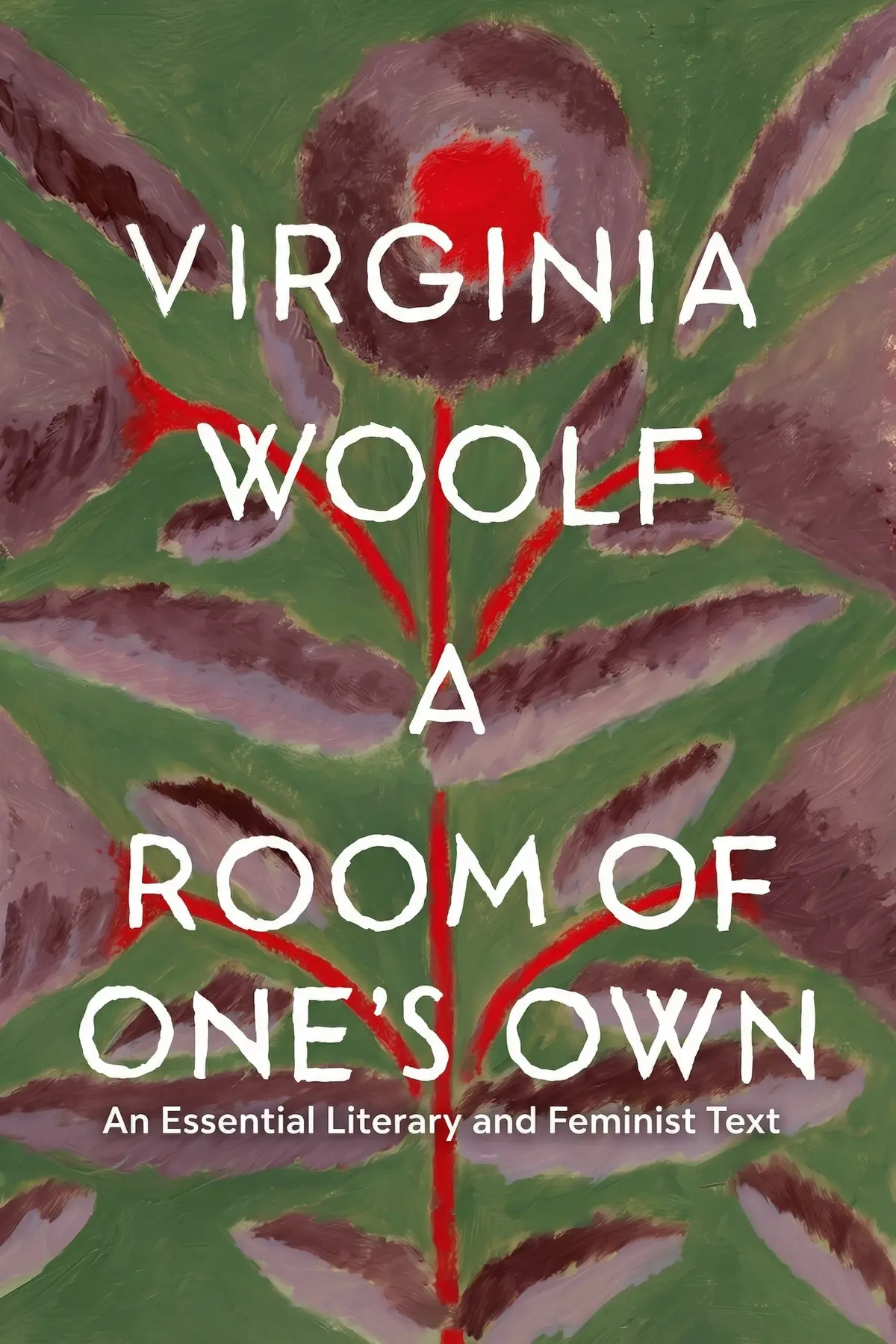
A Room of One’s Own
Virginia Woolf

A Biography of Loneliness: The History of an Emotion
Fay Bound Alberti
AUDIO SUMMARY AVAILABLE
Listen to The Genius Myth in 15 minutes
Get the key ideas from The Genius Myth by Helen Lewis, plus 5,000+ more titles in English and Thai.
- 5,000+ titles
- Listen as much as you want
- 7-day free trial
- Cancel anytime







