
26 min 39 sec
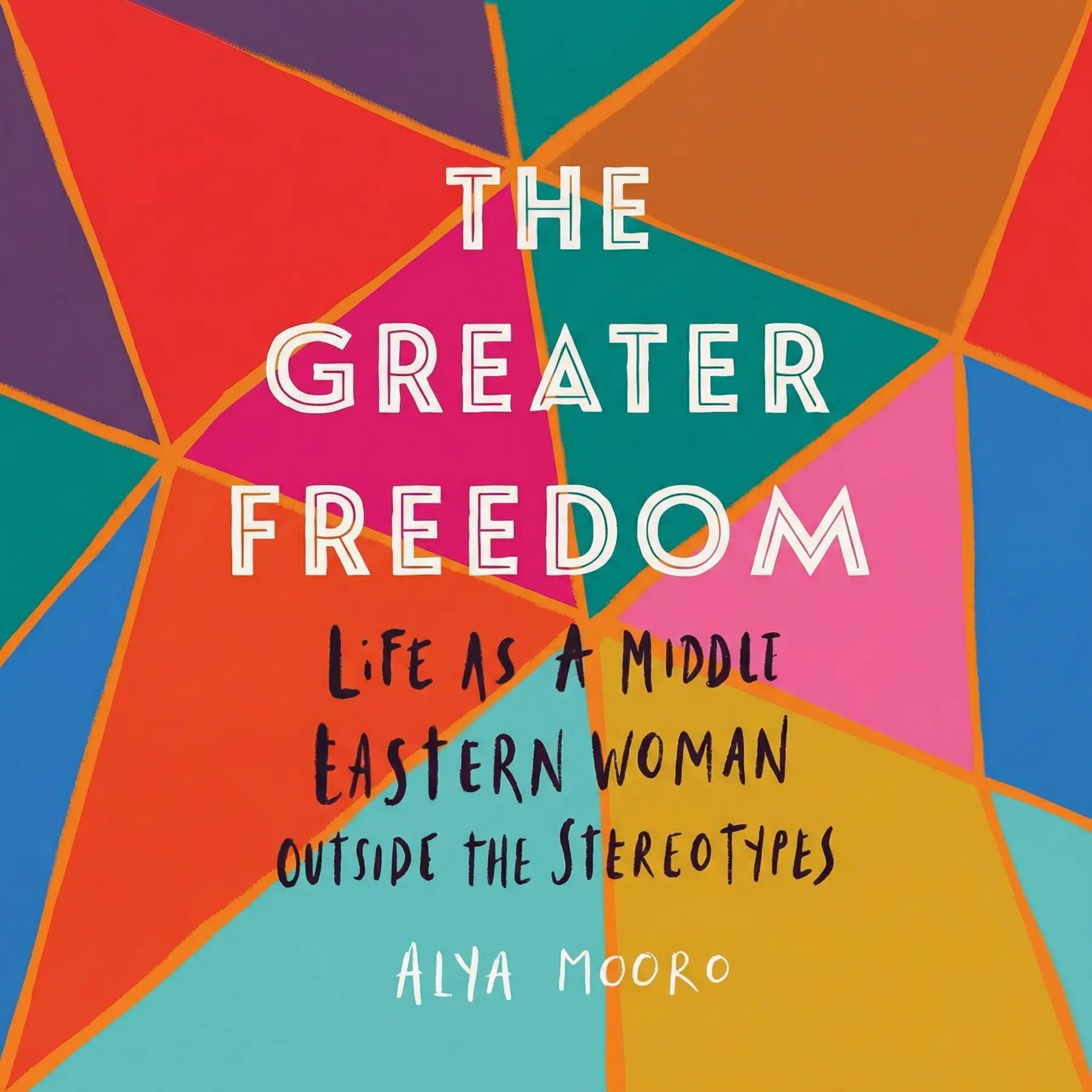
The Greater Freedom: Life as a Middle Eastern Woman Outside the Stereotypes
By Alya Mooro
Explore the nuanced journey of a British-Egyptian woman navigating the complexities of identity, beauty standards, and cultural expectations while forging a unique path between two distinct worlds and heritage.
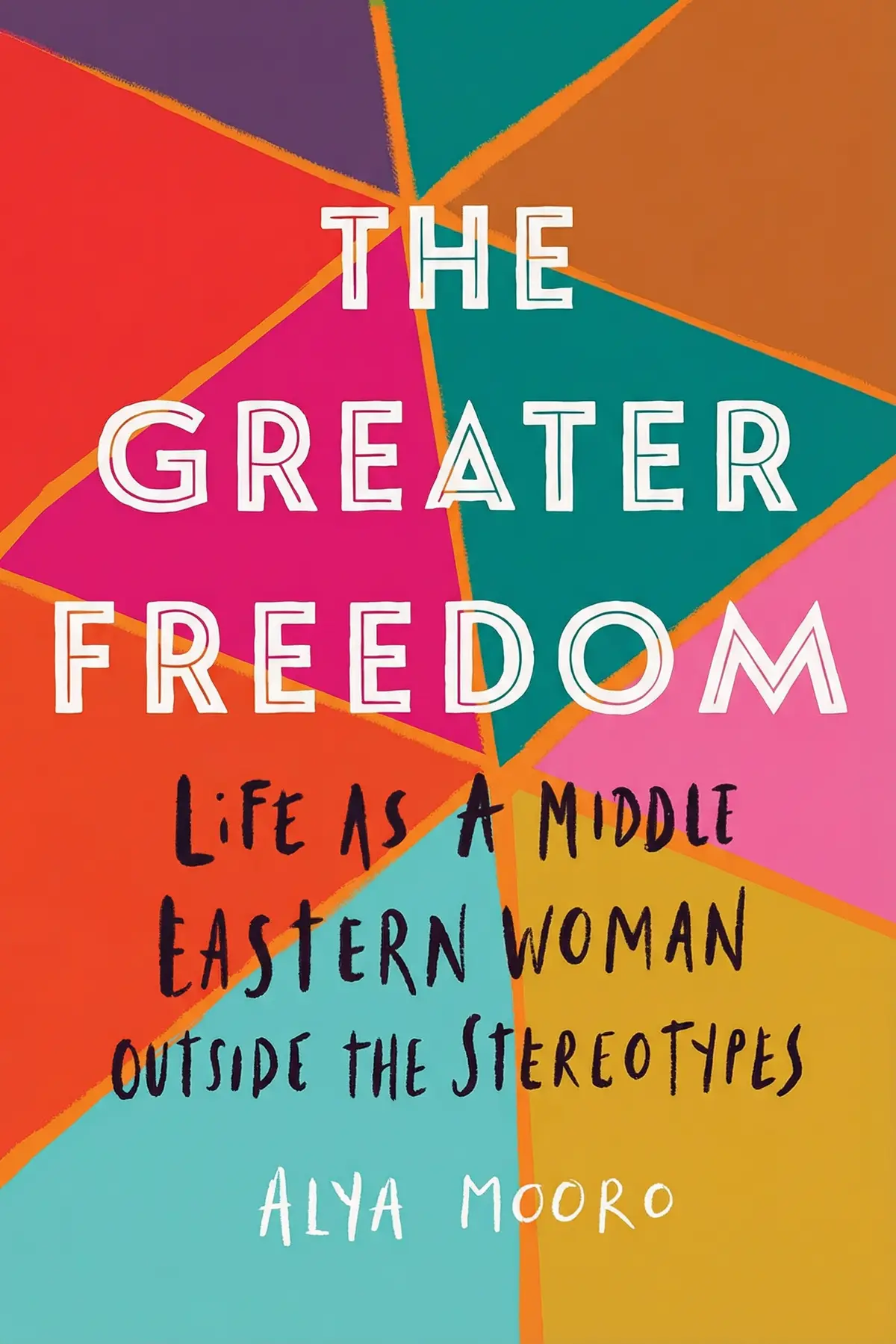
Table of Content
1. Introduction
1 min 57 sec
Have you ever felt like you were standing in the middle of a bridge, watching two different cities on either side, yet never quite feeling at home in either one? This is the central tension in the life of Alya Mooro, and it is the throughline of our exploration today. We are looking at a life lived in the margins—not the margins of society, but the margins between cultures. For many women of Arab descent living in the West, identity isn’t a simple box to check on a form; it is a constant, shifting negotiation between what the world expects them to be and who they actually are.
In this journey, we’ll see how a woman raised between the bustling streets of Cairo and the multicultural neighborhoods of London manages to carve out a space for herself. We aren’t just talking about a travelogue or a simple list of cultural differences. Instead, we are diving into the psychological and emotional landscape of what it means to be a ‘third culture kid.’ It’s about the struggle to find role models in a media landscape that either ignores you or paints you as a villain. It’s about the literal pain of trying to fit into beauty standards that weren’t designed for your body type or hair texture. It’s also about the bravery required to talk about things that are often kept behind closed doors—topics like sexuality, faith, and the weight of family expectations.
As we walk through these ideas, notice how the concept of ‘freedom’ evolves. Initially, it might seem like freedom is just about escaping rules. But as we’ll discover, the ‘greater freedom’ is actually the power to define yourself on your own terms, even when those terms don’t fit into the neat stereotypes the rest of the world finds convenient. Through Mooro’s eyes and the stories of the women she interviews, we’ll see that identity is a living thing, something that can be reclaimed, reshaped, and finally, celebrated. Let’s begin by looking at how the simple act of being seen by others can complicate how we see ourselves.
2. The Struggle for Visibility and Authentic Identity
3 min 19 sec
What happens when your heritage is simplified into a caricature? Learn how the lack of realistic representation affects the self-worth of those caught between cultures.
3. The Weight of the Aesthetic Ideal
2 min 59 sec
Explore the intense pressure to conform to Eurocentric beauty standards and the physical and emotional toll it takes on women seeking acceptance.
4. Surveillance and the Policing of Sexuality
2 min 50 sec
Moving between London and Cairo reveals a stark contrast in how women’s bodies and behaviors are monitored by the community.
5. Untangling Shame from Desire
3 min 01 sec
How do early lessons in guilt impact a woman’s adult life? Discover the journey of moving from traumatic silence to sexual agency.
6. The Marriage Trap and the Path of Singlehood
2 min 54 sec
Marriage is often seen as a woman’s ultimate goal in Middle Eastern culture. Learn why some are choosing to redefine success on their own terms.
7. Navigating Faith in the Shadow of Islamophobia
2 min 55 sec
Being a ‘moderate’ Muslim in the West involves a constant, defensive negotiation. Explore the nuance of faith outside the extremist labels.
8. Unmasking the Common Roots of Sexism
2 min 30 sec
Sexism takes different forms in the West and the Middle East, but the underlying issue is the same: the reduction of women to their bodies.
9. The Fluidity of Home and the Power of Choice
2 min 34 sec
What does it mean to belong when you are ‘both and neither’? Discover how a sense of home can be built on perspective rather than geography.
10. Conclusion
1 min 40 sec
As we conclude this exploration of Alya Mooro’s journey, the central theme of ‘The Greater Freedom’ becomes clear: it is the freedom to exist outside of the boxes that others have built for us. We’ve seen how the weight of being an ‘other’ can lead to a fragmented sense of self, and how the pressure to conform to narrow beauty standards and social surveillance can stifle a woman’s growth. But we’ve also seen the power of reclamation.
Whether it’s through navigating the complexities of faith in a world rife with Islamophobia, or challenging the deep-seated sexism that exists in both Eastern and Western cultures, the path forward is one of integration. The ‘third culture kid’ has a unique advantage: the ability to see the world from multiple perspectives at once. By embracing the contradictions of a multicultural identity, rather than trying to smooth them over, a person can find a deeper, more authentic sense of belonging.
The takeaway for all of us, regardless of our background, is that identity is not a destination we reach, but a relationship we cultivate with ourselves. We are all subject to ‘invisible juries’—the expectations of our families, our peers, and our societies. The work of a lifetime is to listen to our own voices above that noise. As you move forward, consider the ‘greater freedom’ in your own life. Where are you shrinking to fit a mold? Where can you reclaim a part of yourself that you’ve hidden away? Remember, the choice to define your own story is the most powerful freedom you will ever possess. It is the only way to truly come home to yourself.
About this book
What is this book about?
The Greater Freedom offers a deeply personal exploration into the life of Alya Mooro, a woman who finds herself caught between the traditional expectations of her Egyptian upbringing and the secular, often judgmental environment of modern Britain. The narrative moves beyond simple binaries, illustrating the challenges of the 'third culture kid'—someone who belongs to multiple worlds yet often feels like a stranger in all of them. Through a series of reflective essays and personal anecdotes, the book tackles the heavy burdens placed on Middle Eastern women, from the intense pressure to conform to Western beauty ideals to the social policing of their sexuality and marriage prospects. Mooro also addresses the psychological impact of Islamophobia and the lack of authentic media representation. Ultimately, the book promises a roadmap for self-actualization, showing how one can reclaim their voice and define their own version of freedom by integrating their diverse influences rather than choosing between them.
Book Information
About the Author
Alya Mooro
Alya Mooro is a British-Egyptian author and journalist who has contributed on topics of culture, beauty, and fashion to publications including Grazia, Refinery29, and The Telegraph. Using social media and her blog as platforms, she has come to embody the millennial third culture kid: sophisticated, introspective, and opinionated.
Ratings & Reviews
Ratings at a glance
What people think
Listeners find Alya Mooro’s writing to be an honest and thoroughly investigated study of the bicultural identity held by numerous British-Egyptian women. Although views differ regarding if the text adequately covers the lives of women beyond the author’s specific socio-economic background, listeners enjoy how she blends individual stories with data and interviews to confront cultural cliches. Furthermore, they prize the "part memoir, part social exploration" structure, as one listener pointed out that this mixed genre results in an engaging and balanced story. Many also consider the dialogue about managing the pressures of an "invisible jury" to be unique and resonant for individuals juggling a Middle Eastern background with a Western life.
Top reviews
Yui
This book is a masterclass in vulnerability and intersectional dialogue. Mooro manages to balance her personal history as an Egyptian-born Londoner with hard statistics about marriage and gender roles. I honestly loved the hybrid format, though I know some readers find the shift between memoir and social exploration a bit jarring. The prose is clean, likely a result of her journalism background, and it moves quickly through complex themes. My only real gripe is that it leans heavily on social media polls as evidence at times. Still, for a debut, it offers a refreshing challenge to the monolithic stereotypes we usually see in media. It felt like a necessary breath of fresh air for the genre.
Show moreYaowares
Ever wonder what it’s like to feel like a total stranger in your own home? Mooro captures that 'hybrid' feeling perfectly, describing the alienation of being 'too Western' in Cairo and 'too Arab' in London. The chapters on sex and sexuality were the most courageous, breaking taboos that are still very much alive in our communities. I gotta say, the footnotes and research references were a great touch for anyone wanting to dive deeper. It isn't a perfect book, and the editing could have been tighter in the middle chapters. However, its heart and soul are definitely in the right place, making it a powerful read for anyone balancing dual identities.
Show moreRapee
As someone who navigates a dual heritage, Mooro’s exploration of the ‘invisible jury’ felt incredibly resonant and timely. The way she dissects the constant pressure to perform 'Middle Eastern-ness' while living a Western life is captured with real nuance. To be fair, her perspective is rooted in a specific kind of London privilege that might not reflect every immigrant story. However, the journalistic research she weaves into her personal narrative adds a necessary layer of depth to what could have been a simple memoir. I appreciated the interviews with other women, even if some felt a bit brief. It’s a compelling, well-researched look at the 'both and neither' identity crisis.
Show moreSuvannee
Picked this up because I was looking for more books by MENA authors, and I wasn't disappointed by the raw honesty here. Alya Mooro doesn't shy away from the messy parts of dating, family expectations, and the hair-removal obsession that many of us grew up with. Her writing is conversational yet informed, making complex cultural issues feel accessible to everyone. I found the interviews with 'Samira' and 'Dunya' particularly enlightening as they offered diverse viewpoints beyond the author's own experience. Not gonna lie, some of the hip-hop references felt a bit dated, but they added to the authenticity. It’s a solid, rounded addition to the feminist canon for a new generation.
Show moreAroon
The chapter on marriageability and the expectations of Middle Eastern mothers hit a little too close to home for me. Mooro perfectly describes that weight of being a 'good girl' while trying to carve out an independent career. I appreciated that she didn't just rely on her own story but included voices from women across the MENA spectrum. Look, it’s a memoir first and foremost, so don’t expect a definitive sociological textbook. It’s a personal journey that happens to touch on universal themes of belonging and rebellion. The 'invisible jury' concept is something I’ll be thinking about for a long time, as it explains so much of the internal guilt we carry.
Show moreCamila
After hearing so much buzz about this title, I finally dove into Mooro’s world and found a lot of my own experiences mirrored on the page. The way she discusses the 'double life' many of us lead is handled with such grace and honesty. She manages to critique Middle Eastern culture without falling into the trap of praising Western culture as a flawless alternative. In my experience, that’s a very difficult needle to thread, but she does it well. Some segments were a bit redundant, but the overall message of reclaiming your narrative is powerful. Definitely recommend this to my fellow third-culture kids seeking some validation for their experiences.
Show moreRod
It's rare to find a book that feels like a long, honest conversation with a friend, but that’s exactly what Alya Mooro provides here. Her exploration of what it means to be a modern Muslim woman is both refreshing and long overdue. I loved how she used her journalism background to back up her claims with actual data on marriage ages and employment trends. While I agree with other reviewers that she speaks from a place of economic privilege, her insights into the psychological toll of dual identity are universal. It’s a brave, heartfelt book that deserves a spot on the shelf of anyone interested in intersectional feminism.
Show moreBenjamin
While the writing is undeniably polished and professional, I struggled to relate to the author's specific lifestyle of parties and boyfriends. The truth is, the 'Greater Freedom' she describes seems largely enabled by her socioeconomic status and liberal parents. It often felt more like a 'trendy London girl' memoir than a broad look at Middle Eastern womanhood. I would have liked to see more engagement with the struggles of those who don't have her safety net. That said, the sections on the 'invisible jury' of community judgment were spot on. It’s a decent read but feels limited in its scope and fails to represent the majority of MENA women living under different circumstances.
Show moreGrace
Frankly, the blend of personal anecdote and sociological research felt a bit disjointed at times, almost like a collection of magazine essays. I was intrigued by the premise, but the execution felt like it was aiming for a younger, college-age audience. There is a lot of focus on superficial things like fashion and hair, which sometimes buried the more serious discussions on systemic oppression. To be fair, her candor about her relationship with her father was moving and very well-written. It’s a worthwhile read if you’re interested in identity politics, but I just wish it had a bit more intellectual 'bite' and less reliance on Instagram polls for data.
Show moreJavier
Not what I expected given the title’s promise to look 'outside the stereotypes.' Instead of a deep dive into Middle Eastern culture, I got a lot of stories about a wild teenager in London. Personally, I found the 'social exploration' side of the book to be quite thin and repetitive compared to other feminist texts. It felt like the author was living in a bubble of her own making, which she even admits to at one point. If you want a light autobiography about a privileged upbringing, this might work for you. Otherwise, it lacks the intellectual weight and broader cultural perspective I was hoping for in a serious social commentary.
Show moreReaders also enjoyed
A River in Darkness: One Man’s Escape from North Korea
Masaji Ishikawa
A Spy Among Friends: Philby and the Great Betrayal
Ben Macintyre
A Biography of Loneliness: The History of an Emotion
Fay Bound Alberti
A Force for Good: The Dalai Lama's Vision for Our World
Daniel Goleman
A Year in the Life of William Shakespeare: 1599
James Shapiro
AUDIO SUMMARY AVAILABLE
Listen to The Greater Freedom in 15 minutes
Get the key ideas from The Greater Freedom by Alya Mooro, plus 5,000+ more titles in English and Thai.
- 5,000+ titles
- Listen as much as you want
- 7-day free trial
- Cancel anytime







