
26 min 25 sec
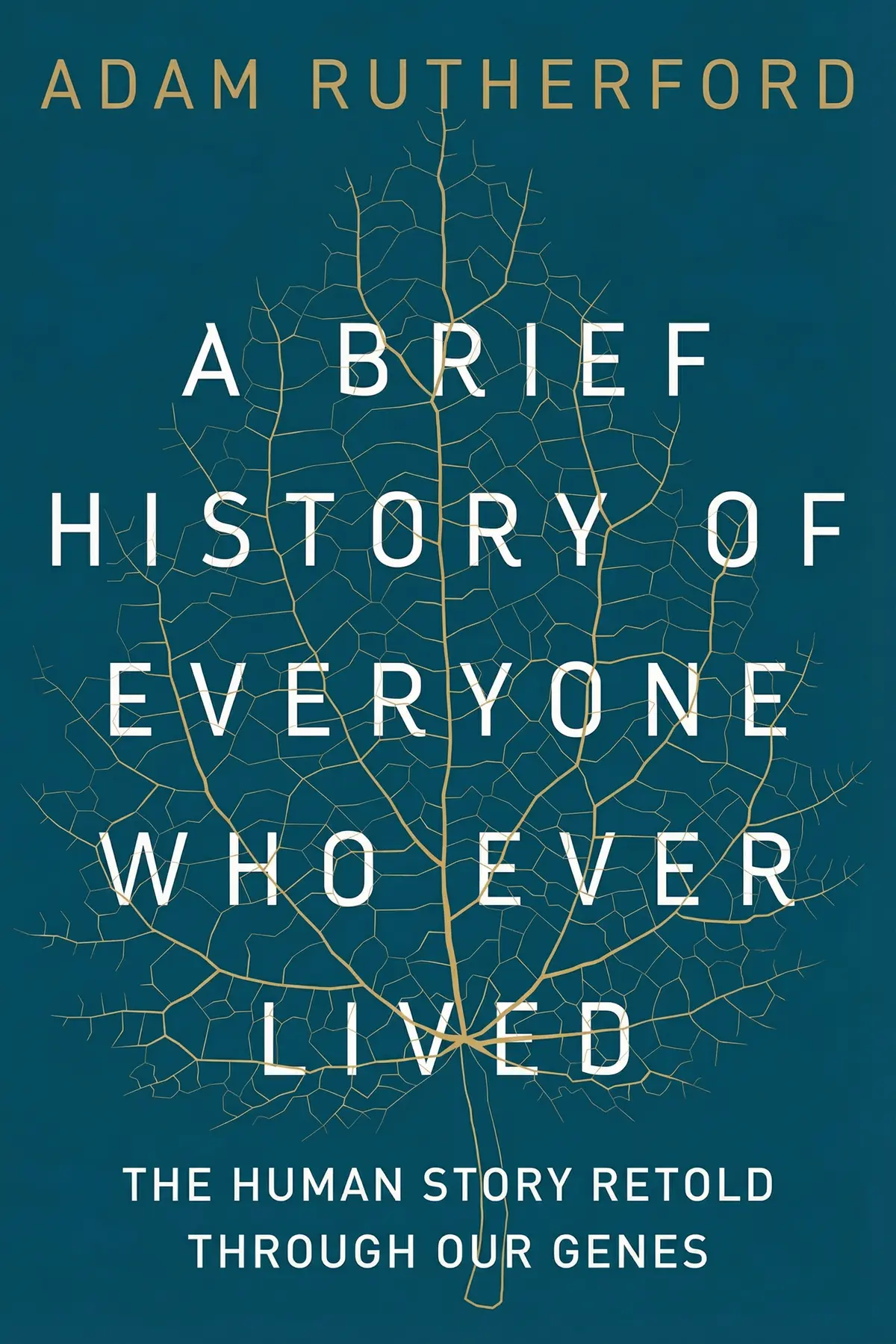
The Hour Between Dog and Wolf: How Risk-Taking Transforms Us, Body and Mind
By John Coates
Explore the biological feedback loops that drive financial markets. Former trader John Coates reveals how hormones and physical responses dictate risk-taking, intuition, and the cycles of economic bubbles and crashes.
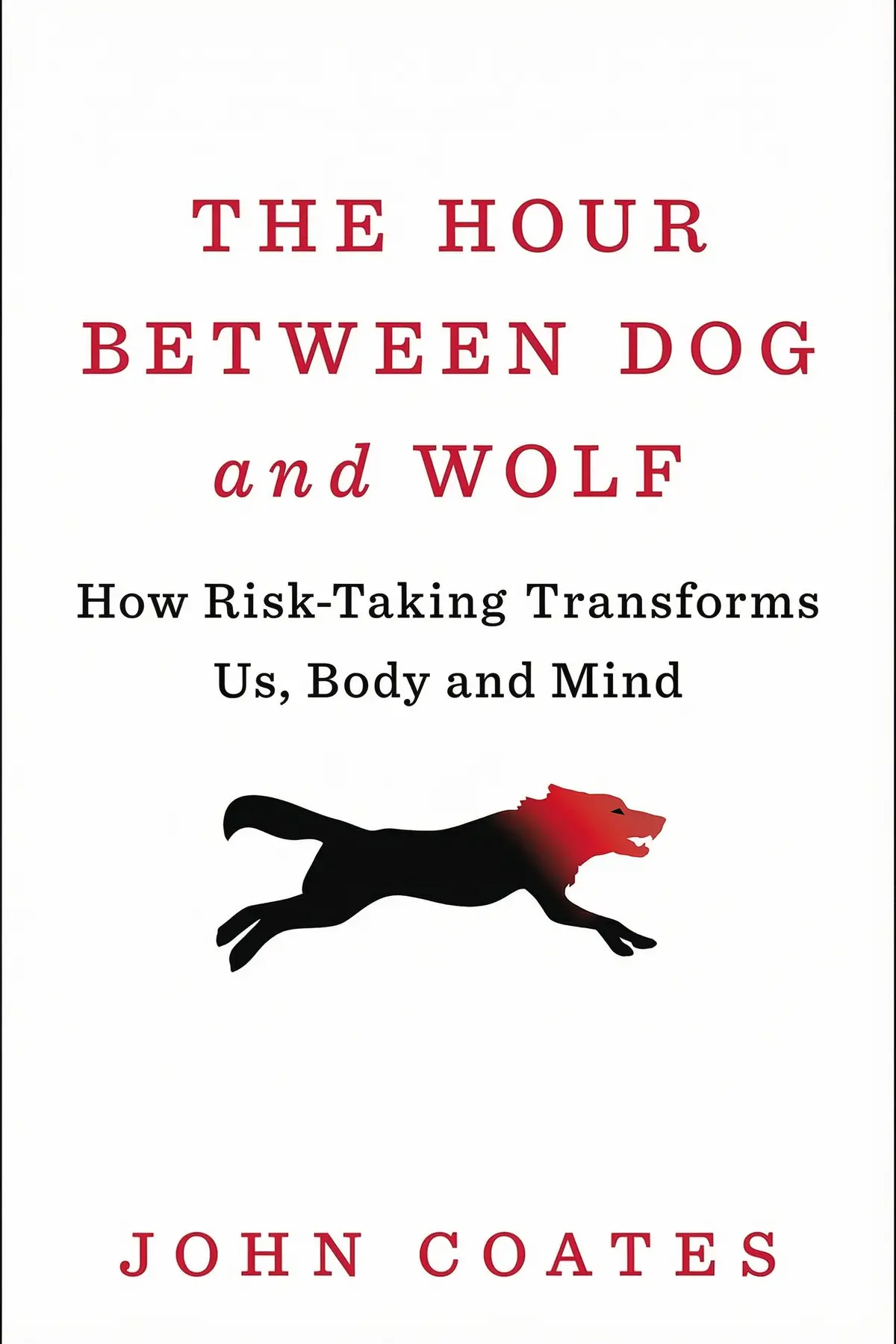
Table of Content
1. Introduction
1 min 38 sec
Have you ever found yourself making a decision that felt right in your gut, only to wonder later where that feeling actually came from? In the high-octane world of global finance, we often imagine traders as cold, calculating machines, crunching numbers and making purely rational bets. But what if the reality is much more visceral? What if the secret to a multi-million dollar trade—or a devastating market crash—is hidden not in a spreadsheet, but in the chemical composition of a trader’s blood?
In this summary, we are diving deep into the groundbreaking insights of John Coates, a man who lived the frantic life of a Wall Street professional before turning his attention to the laboratory. His work, The Hour Between Dog and Wolf, presents a revolutionary way of looking at human behavior. It suggests that we don’t just think with our brains; we think with our entire bodies. From the hormones secreted in our gut to the way our hearts beat under pressure, our biology is the silent partner in every risk we take.
Throughout this journey, we will explore the “throughline” of the book: the idea that our physiological state during moments of uncertainty—that precarious twilight between confidence and recklessness—is what ultimately shapes our world. We will learn how intuition is a physical skill, why stress can be physically contagious on a trading floor, and why the most successful decision-makers are often those most in tune with their physical selves. By the end, you’ll see that whether you’re navigating the New York Stock Exchange or just managing the stresses of daily life, understanding the “dog and wolf” within you is the key to mastering the challenges ahead.
2. The Unified Mind and Body
2 min 17 sec
Discover why the traditional separation of mind and body is a myth when it comes to decision-making and how your gut literally influences your thoughts.
3. The Biological Engine of Risk
2 min 21 sec
Explore the profound impact of testosterone on competitive behavior and the dangerous feedback loop known as the Winner Effect.
4. The Perception Gap and Automatic Action
2 min 13 sec
Learn why your conscious mind is often the last to know what your body is doing and how we navigate a world that moves faster than we can see.
5. The Secret Language of Intuition
2 min 11 sec
Discover how gut feelings are actually the result of sophisticated pattern recognition and physical memory known as Somatic Markers.
6. The Athleticism of High Finance
2 min 09 sec
Learn why physical fitness is a prerequisite for mental acuity and how being in tune with your heartbeat can make you a better decision-maker.
7. The Chemistry of the Bubble
2 min 16 sec
Understand how dopamine and testosterone combine to create a dangerous addiction to risk that fuels market instability.
8. The Physical Toll of the Crash
2 min 14 sec
Discover how the stress hormone cortisol shuts down rational thought and turns the trading floor into a landscape of fear and volatility.
9. Building Physiological Resilience
2 min 27 sec
Learn how the ‘toughening’ process can help us handle stress better and why small amounts of discomfort are actually good for the brain.
10. The Power of Diversity on the Floor
2 min 27 sec
Discover why hiring more women and older men could be the key to preventing the next financial meltdown.
11. The Need for Control and Familiarity
2 min 28 sec
Learn why novelty can be your worst enemy when you’re stressed and why having a sense of agency is a powerful physical painkiller.
12. Conclusion
1 min 44 sec
As we reach the end of our exploration into the biological world of high finance, the central throughline of John Coates’ work becomes clear: we are physical creatures through and through. The “hour between dog and wolf”—that threshold where our biology shifts from being our greatest ally to our most dangerous enemy—is a place we all visit. Whether we are chasing the high of a big win or huddling in the shadow of a looming crisis, our hormones, our gut, and our nervous system are the ones truly pulling the strings.
We’ve learned that the mind and body are an inseparable unit, that our intuition is a physical skill built through experience, and that the chemical feedback loops of dopamine and testosterone can lead to the very market bubbles and crashes that affect all our lives. But more importantly, we’ve discovered that we aren’t helpless in the face of this biology. By prioritizing physical fitness, fostering diversity in our workplaces, and seeking out the “toughness” that comes from moderate challenges, we can learn to manage our internal chemistry.
The final takeaway is one of empowerment and self-awareness. To thrive in a world of risk and uncertainty, you must stop trying to ignore your body and start listening to it. Pay attention to those subtle Somatic Markers—the gut feelings and the tensing muscles. Recognize when the “Winner Effect” is making you overconfident, and understand that in times of crisis, your first priority must be to regain a sense of control and stability. By mastering the biology of the “dog and wolf,” you can transform the way you handle risk, making you not just a better decision-maker, but a more resilient human being. Now, take this knowledge out into your own world and start thinking with your whole self.
About this book
What is this book about?
The Hour Between Dog and Wolf explores the fascinating intersection of neuroscience, biology, and high-stakes finance. By moving beyond the traditional view of humans as purely rational decision-makers, the book investigates how our bodies and brains function as a single, integrated unit when we face risk and uncertainty. It reveals that our financial successes and failures are not just products of logic or luck, but are deeply rooted in our physiological states. Readers will discover how hormones like testosterone and cortisol create powerful feedback loops that can lead to irrational exuberance or paralyzing fear. The book promises to change how you view stress and intuition, offering insights into why markets behave the way they do and how physical fitness and diversity can lead to more stable decision-making. Whether you are a trader or simply curious about human behavior, this summary provides a blueprint for understanding the biological machinery that governs our response to challenge.
Book Information
About the Author
John Coates
John Coates is a neuroscientist working at the University of Cambridge, and a former Wall Street trader for Goldman Sachs, Merrill Lynch and Deutsche Bank. In 2012, he made The Financial Times and Goldman Sachs Business Book of the Year Award shortlist, and was named on the magazine Foreign Policy’s list of Top 100 Global Thinkers.
Ratings & Reviews
Ratings at a glance
What people think
Listeners consider this work a vital read, particularly for traders, and value the rich content, with one listener observing how it details the different drivers behind human decision-making. The writing is also well-regarded, as listeners find it both captivating and interesting, with one review praising its vivid trading room stories. However, the book's description receives mixed feedback; several listeners note it explains concepts in layman's terms, while others find it poorly documented. Additionally, listeners hold differing views on the overall value for money.
Top reviews
Sienna
John Coates has written an essential piece for anyone trying to understand the chaos of the trading floor through a lens that isn't just numbers. It’s a vivid, visceral look at how our bodies react when we are in the 'dog' or 'wolf' phase of a trade. Frankly, the way he connects the physiological rush of a win to the crushing weight of a loss feels incredibly authentic to the life of a professional trader. The storytelling is top-notch, pulling you into the high-stakes environment of Goldman Sachs while explaining the chemical soup of our brains. You won’t find a better explanation of why we lose our heads when the market swings wildly. While some might find the heavy focus on hormones a bit dense, it’s exactly what makes the book so fulfilling for those seeking the 'why' behind the 'what'. Highly recommended for its unique perspective and vivid imagery.
Show moreKet
The title alone—referring to that twilight hour where you can't tell a friend from a foe—perfectly sets the stage for this brilliant exploration. Coates manages to capture the electricity of the trading floor and ground it in the reality of our physical limitations. I found the arguments about how our bodies literally change during a winning streak to be some of the most fulfilling content I've read in years. It’s a must-read because it challenges the very foundation of modern economic theory. We aren't robots; we are animals driven by ancient survival mechanisms. The prose is sharp, the stories are engaging, and the science, while complex, is presented with a clarity that few academics can manage. It’s one of those rare books that makes you rethink every decision you’ve ever made under pressure.
Show moreNan
To be fair, I wasn't sure if a book about biology would really change how I look at the stock market, but I was wrong. Coates has crafted a masterpiece that explains the various drivers behind our worst decision-making processes. The way he describes the 'winner effect'—where success breeds a dangerous level of confidence fueled by testosterone—is chillingly accurate. It’s an entertaining journey through the mind and body of a trader, filled with vivid stories that make the science feel urgent and real. For anyone who has ever felt that 'rush' after a big win and then lost it all on the next play, this book provides the missing pieces of the puzzle. It’s fascinating, well-written, and provides a much-needed reality check for the financial world.
Show moreThanit
Ever wonder why markets seem to lose their minds every few years? Coates provides a compelling, if occasionally repetitive, argument that our biology is largely to blame for the boom-and-bust cycles. By looking at the spikes in testosterone during bull markets and the crippling levels of cortisol in the crashes, he strips away the myth of the rational economic actor. The truth is, we are biological creatures first and foremost. I found the section on 'irrational exuberance' particularly enlightening because it gives a name to that gut feeling every trader knows. However, I do wish there were more concrete strategies for overcoming these impulses beyond just hiring more women or older men. It’s a fascinating read that bridges the gap between the lab and the trading pit, even if the science feels a bit dated in parts.
Show moreWillow
Finally got around to reading this and it definitely lived up to the hype regarding its writing quality. Coates has a way of making complex biological processes feel accessible to the layman, which is no small feat. The discussion regarding the 2D:4D finger ratio and its correlation to trading success was absolutely bizarre, yet somehow plausible when you see the data. It makes you look at your own hands in a completely different way! The book does a great job of explaining the 'animal spirits' that Keynes talked about, giving them a physical presence in the body. I’ll admit, the pace drags a bit when he gets deep into the weeds of chemical pathways, but the vivid stories from the trading floor kept me engaged enough to finish. It’s a solid 4-star read for anyone who enjoys behavioral economics and wants to see the physical side of the game.
Show morePor
Picked this up on a recommendation and found it to be a fascinating, if somewhat lopsided, look at risk-taking. Look, the core premise—that our hormones dictate our financial successes and failures—is incredibly strong. Coates writes with the authority of someone who has actually been in the trenches, which makes the trading floor scenes pop with authenticity. I was particularly interested in his suggestions for diversifying trading floors to include more women and older traders to balance out the testosterone-fueled volatility. It’s a sensible solution, even if the implementation seems difficult in the current culture of Wall Street. My only real gripe is that it leans so heavily into the science that the finance side feels like an afterthought at times. Still, it's an entertaining and eye-opening read for anyone interested in the human element of the markets.
Show moreTaw
The chapter on finger ratios and prenatal testosterone exposure was enough to keep me talking for a week! It’s these kinds of specific, weird details that make the book stand out from your average finance read. Coates does a great job of explaining how our physical bodies are inextricably linked to the ebb and flow of global markets. While the book can get a bit repetitive when he hammers home the testosterone/cortisol cycle, the writing remains high-quality throughout. I especially liked the discussion on how a sunny day can actually impact market performance through our physiology. It’s a bit speculative in parts, sure, but it’s an incredibly thought-provoking look at the 'animal spirits' of the trading floor. Definitely worth a read for the perspective shift alone.
Show moreValentina
As someone who spent years in the financial industry, I was hoping for more practical takeaways than what was provided here. This book is essentially a Neuroscience 101 course with a thin veneer of finance slapped on top. It’s interesting to learn about the amygdala and the prefrontal cortex, but does that actually help me execute better trades on Monday morning? Probably not. The author’s background as a trader is evident in the anecdotes, which are the best part of the book, but they are far too sparse. Instead, we get long, dry explanations of human anatomy and endocrine systems that feel more like a textbook. Personally, I think a summary of the main points would have been a much better use of my time. It’s not a bad book, but the marketing makes it sound like a risk-management guide when it’s actually a science paper.
Show moreDream
Not what I expected based on the jacket description. I was looking for a book on trading psychology and risk management, but this is much more focused on neurobiology. While the author is clearly an expert, the relentless focus on anatomy and hormone levels became a bit dry after the first hundred pages. Gotta say, the anecdotal stories from his time at Goldman Sachs were the highlight, and I wish there had been more of them to break up the technical sections. It’s a good starting point if you’re completely unfamiliar with how the brain processes fear and reward, but for seasoned readers, it might feel like retreading old ground. It's a decent read, but be prepared for a lot of talk about the endocrine system and very little about actual technical analysis.
Show moreKevin
This was a bit of a slog, to be honest. I went in expecting a deep dive into financial psychology, but what I got was an overly technical lecture on hormones that felt poorly documented in its crazier claims. For instance, the idea that markets crash in October because of seasonal shifts in male testosterone levels is a bit of a reach. Is there a duck nearby? Because I hear a quack. The author uses primitive neuroscience to paint a picture that feels like drawing a mountain with crayons—it’s too simplistic to be truly useful. If you’ve read 'Behave' or any modern neuroscience, this will feel like a step backward. The writing is okay, but the content is just too repetitive and focused on biology over actual market dynamics. I’d rather just re-watch Margin Call if I wanted to feel the tension of a trading room.
Show moreReaders also enjoyed

1929: Inside the Greatest Crash in Wall Street History--and How It
Andrew Ross Sorkin
A Life Decoded: My Genome: My Life
J. Craig Venter
23 Things They Don’t Tell You About Capitalism
Ha-Joon Chang
A Planet of Viruses
Carl Zimmer
A Little History of Economics
Niall Kishtainy
AUDIO SUMMARY AVAILABLE
Listen to The Hour Between Dog and Wolf in 15 minutes
Get the key ideas from The Hour Between Dog and Wolf by John Coates, plus 5,000+ more titles in English and Thai.
- 5,000+ titles
- Listen as much as you want
- 7-day free trial
- Cancel anytime







