
14 min 32 sec
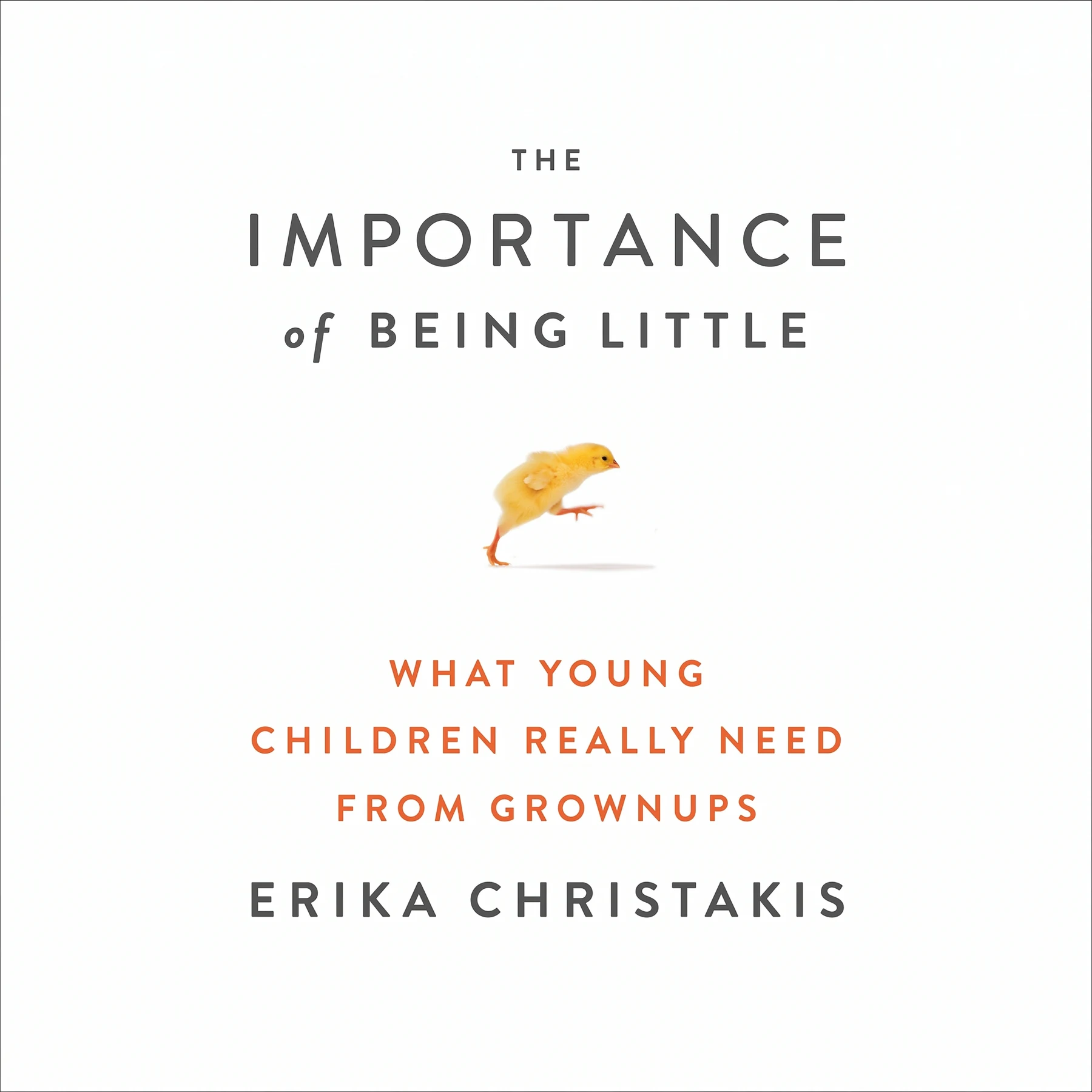
The Importance of Being Little: What Young Children Really Need from Grownups
Erika Christakis examines the misalignment between modern preschool environments and the developmental needs of young children, advocating for a return to play-based, child-centered learning that fosters lifelong curiosity and critical thinking skills.
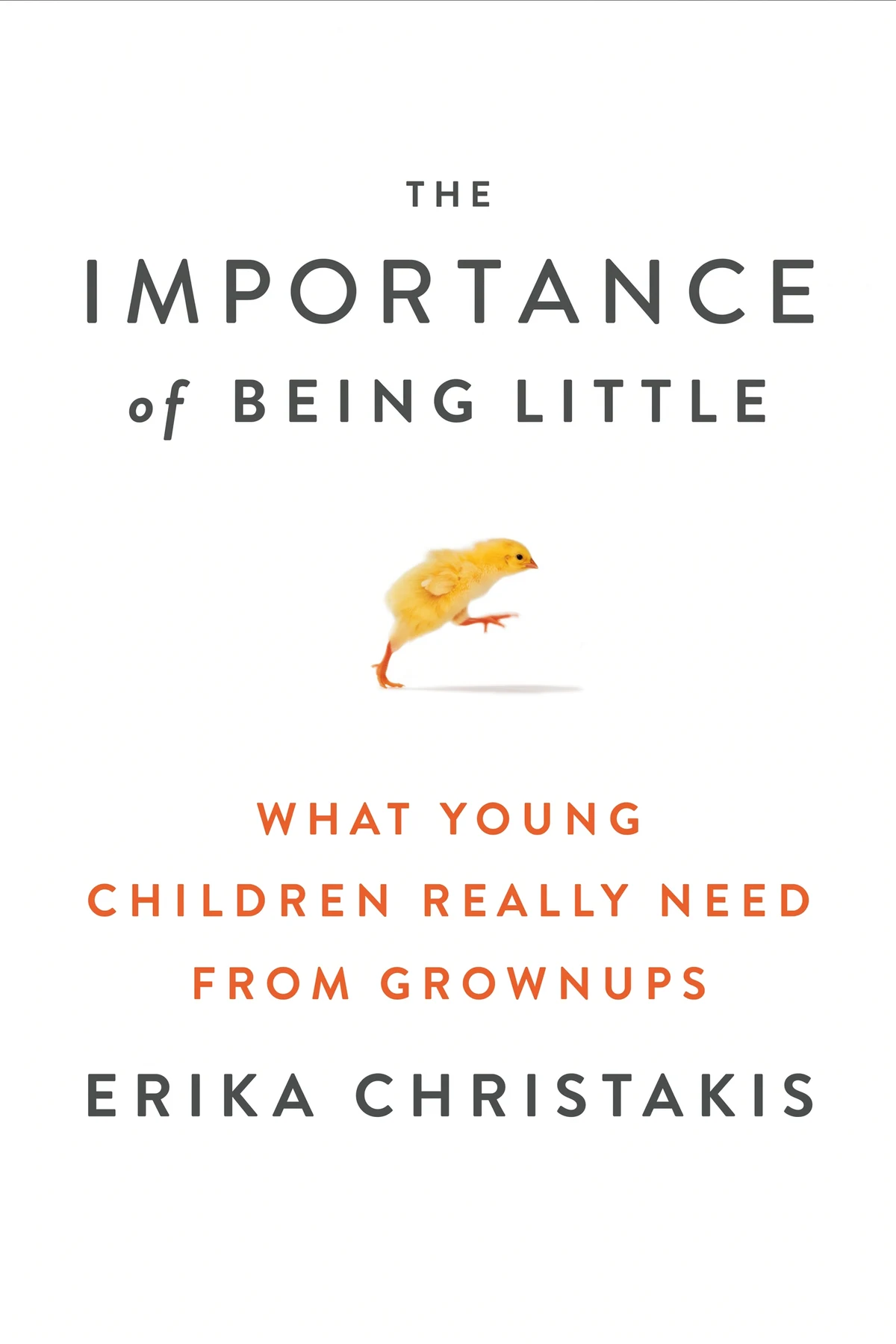
Table of Content
1. Introduction
1 min 43 sec
Childhood is a fleeting, precious window of time—a phase that should be defined by wonder, messy exploration, and the simple joy of discovery. But if you step into a modern American preschool today, you might find something quite different. Instead of the chaotic, creative energy of the past, you are more likely to see three- and four-year-olds sitting quietly in rows, focusing on worksheets, and being measured against rigid academic standards. There is a growing sense that we are trying to turn our little ones into miniature adults before they’ve even had a chance to be children.
In Erika Christakis’s exploration of early education, *The Importance of Being Little*, we are invited to look closely at what is happening behind the classroom doors. The throughline of this work is simple yet profound: our current approach to preschool is failing because it prioritizes adult-defined metrics over the actual developmental needs of kids. We have created a system that values standardized performance more than the natural curiosity that makes children such incredible learners in the first place.
Over the next few minutes, we will look at how social changes and policy shifts have pushed play out of the classroom. We will examine why the very things we think are helping our kids—like strict grammar rules or calendar drills—might actually be holding them back. Most importantly, we will see how we can shift our perspective to create environments where children can thrive, not by acting like adults, but by being exactly who they are: little people with a vast, untapped potential for learning through the world around them. Let’s explore how we can make early childhood education truly great again by putting the child’s perspective back at the center of the story.
2. The Shift Toward Standardized Preschools
2 min 05 sec
Discover how modern preschools have swapped imaginative play for rigid academic standards, and why this one-size-fits-all model might be ignoring the unique needs of young learners.
3. Educational Models Designed for Adults
2 min 01 sec
Learn why the quiet, orderly classrooms parents often crave are actually detrimental to a child’s learning process and biological need for active engagement.
4. The Hidden Intelligence of Children
1 min 48 sec
Explore the remarkable cognitive abilities of the youngest learners and see how academic pressure can inadvertently lead to unfair labeling and missed opportunities.
5. The Impact of Underfunding and Policy
1 min 54 sec
Uncover the economic realities of early education, where low wages and rigid funding requirements often force teachers into less effective, rote instruction methods.
6. The Biological Necessity of Play
1 min 42 sec
See why play is not just a break from learning, but is actually the most sophisticated way for any intelligent mammal to develop essential survival and social skills.
7. Cultivating Skills Over Facts
1 min 51 sec
Look at the long-term benefits of an education that prioritizes personal development and transferable skills, using the successful Finnish model as a guide.
8. Conclusion
1 min 28 sec
The message at the heart of *The Importance of Being Little* is a call to action for everyone who cares about the future of our children. We have drifted into a system that treats the early years as a race to be won, rather than a unique developmental stage to be honored. But the evidence is clear: the most effective foundation for any child’s education isn’t a pile of worksheets or a rigid curriculum; it is a rich environment of active learning, play, and trusting relationships.
To make a real change, we have to push back against the urge to turn preschools into high-pressure academic environments. We must advocate for policies that fund teachers properly and give them the freedom to follow a child’s lead. We need to value play not as a luxury, but as a vital biological necessity that builds the very cognitive and social muscles children need to survive and thrive in the modern world.
The throughline we’ve explored reminds us that when we focus on a child’s personal development—their ability to communicate, solve problems, and stay curious—we are giving them something far more valuable than a head start on their ABCs. We are giving them the tools to be lifelong learners. As you think about the children in your life, remember that they don’t need to be little adults. They need the space, the safety, and the joy to be exactly what they are: little people with big minds and endless potential. Let’s give them the preschool experience they actually need.
About this book
What is this book about?
The Importance of Being Little addresses a growing crisis in early childhood education: the transformation of preschools into high-pressure academic boot camps. Erika Christakis argues that by imposing adult-style metrics, rigid curricula, and standardized testing on our youngest learners, we are actually stifling their natural capacity for growth. The book explores how the current system, driven by parental anxiety and legislative mandates like the Common Core, often ignores the biological reality of how children actually learn. Instead of focusing on rote memorization or compliance, Christakis offers a vision for a more nurturing and effective educational model. She emphasizes the vital roles of play, rich conversation, and trusting relationships between teachers and students. The promise of the book is a roadmap for parents and educators to reclaim the magic of early childhood, ensuring that preschool remains a place of wonder, exploration, and the development of the foundational skills that lead to long-term success.
Book Information
About the Author
Erika Christakis
Erika Christakis is an experienced parent and educator who has taught at the preschool level. Her professional background also includes significant work within the public health sector. She has also contributed to the fields of child development and education policy through her former work at the Yale University Child Study Center.
Ratings & Reviews
Ratings at a glance
What people think
Listeners find the book accessible with relatable analogies and appreciate its instructional value for both educators and parents. The prose is considered eloquent and stimulating, with one listener highlighting how the author supports her perspectives using academic citations. Additionally, listeners consider the material captivating, with one mentioning it is full of anecdotes that maintain interest. Nevertheless, the work receives varied opinions regarding its academic depth, as one listener noted a deficiency in methodological rigor.
Top reviews
Ubolwan
Finally got around to reading this, and I must say it is a groundbreaking breath of fresh air for anyone feeling the pressure of modern "hyper-parenting." Christakis argues convincingly that we need to get out of the way and let kids be little, focusing on relationship-building rather than standardized testing or data-driven curriculum. The stories she shares are both heart-wrenching and hilarious, providing a vivid picture of the potential that exists when we respect a child’s innate intelligence. Personally, I think every policymaker needs to read her chapters on why we pay daycare workers so little while expecting so much from them. It’s a dense, intellectual journey that reframed how I look at my own four-year-old’s daily interactions at home and in school. It is rare to find non-fiction that is this well-written and genuinely moving.
Show moreSuthee
Wow, what a refreshing perspective on the "nightmare" that early childhood education has become in the era of Common Core and standardized testing. Christakis uses her extensive experience to show that "schooling" and "learning" are often two completely different things, which is a distinction we desperately need to make. Her writing is well-crafted and engaging, pulling you in with stories that make the research feel personal and urgent for today's families. I’ve read a lot of these types of books, but this one stands out because it doesn't just blame parents—it looks at the whole ecosystem of childhood, from policy to play. It’s a must-read for anyone who believes that play is the fundamental building block of human cognition and social behavior. I will be recommending this to every parent I know.
Show moreHarper
After hearing so many mixed things about the book’s structure, I was pleasantly surprised by how much the conversational style actually helped me absorb the complex topics. Erika Christakis has a gift for making child development research feel easy to understand without stripping away the nuance that makes the subject so fascinating. The way she links sleep deprivation to our current "competitive" world was particularly striking and has already changed how I manage my kids' evening routines. While it’s true the book meanders, I found those diversions into history and policy added a richness that a more "structured" guide would have missed entirely. This is an essential read for anyone who wants to protect the sanctity of childhood in an increasingly hurried and academic world. It’s a beautiful, complicated, and ultimately hopeful book that puts the child back in the center.
Show moreSatit
As someone who works in a preschool setting, I found the emphasis on "guided freedom" and high-quality interactions incredibly validating for our daily work. Christakis does a fantastic job of backing her theories with cited research, making the argument for play-based learning feel intellectually grounded rather than just sentimental. While she occasionally gets sidetracked by the "matter-over-mind" problem, the core message about prioritizing the child's thinking process over a finished construction-paper project is essential. Truth be told, I appreciate how she highlights the economic struggles of early educators, though the book's lack of a clear "how-to" roadmap for fixing the system might leave some readers frustrated. It’s a dense read that demands your full attention, yet the insights into how we over-test children are too important to ignore. It really makes you reconsider what a "successful" classroom looks like.
Show moreLayla
Picked this up because I was tired of the typical "beautiful special snowflake" parenting manuals and wanted something with more substance and research-backed teeth. The author’s storytelling is engaging, filled with real-life anecdotes from her Yale Child Study Center days that illustrate exactly how children perceive the world differently than adults. I found the discussion on the "backlash against specialness" particularly insightful, as it challenges the way we label and over-diagnose behaviors in young boys and girls too early. Not gonna lie, the book is quite lengthy and could have used a much tighter edit to remove some of the repetitive themes and the occasional meandering tale. Still, for a parent who wants to understand the "why" behind their child's need for quiet and calm, this is a very valuable and educational resource.
Show moreAstrid
The chapter on "Just Kidding" really opened my eyes to how we use labels to define children's traits far too early in their development. Christakis writes with a clear passion for the field, and her experience as a licensed teacher shines through in the way she describes the "magic" of a well-run classroom. I appreciated the comparison between the oversight of funeral homes and the lack of regulation in early childcare—it’s a shocking wake-up call for anyone unaware of the industry's systemic failures. While some critics point to a lack of methodological rigor in her arguments, her conversational tone makes the heavy research feel much more accessible than a standard textbook. It’s a solid, thought-provoking read that encourages us to prioritize the "little" things that actually matter for a child's cognitive health and long-term happiness.
Show moreJin
Ever wonder why our kids seem more stressed at age five than we ever were? Christakis addresses this beautifully by critiquing the "academic-minded" push that has trickled down into preschools, yet the book itself is surprisingly jargon-heavy for a general audience. I loved the "process, not product" section because it reminds us that a child’s creative journey matters more than a refrigerator-worthy turkey drawing. However, the writing style is quite choppy, making it hard to maintain momentum through the longer, more analytical chapters that some might say lack methodological rigor. In my experience, it works better as a collection of thoughtful essays rather than a cohesive guide for parents seeking immediate, practical advice. It’s a thought-provoking look at the "hot mess" of early education, even if it offers more questions than solid solutions for those in the thick of it.
Show moreWanida
To be fair, Christakis makes some incredibly valid points about the "matter-over-mind" problem in our current public school system. She correctly identifies that we spend way too much time measuring learning through pen-and-paper tests for five-year-olds when we should be fostering the curiosity itself. My main grievance is that the book is quite meandering; it takes thirty pages to say what could have been expressed in ten, which is tough for a parent of three to get through. It’s a mix of brilliant insight and academic fluff that requires a lot of "digging" to find the actionable takeaways for your own family. It’s worth a look if you’re interested in education policy, but casual readers might find the "chaotic fun" of her writing style more exhausting than enlightening. The core message is great, but the delivery is messy.
Show moreRosa
I really wanted to love this book given my background in child development, but it felt like a meandering, stream-of-consciousness soliloquy that never quite found its footing. One moment we are discussing the history of deaf education, and the next we are diving into the minutiae of IEP word-for-word dialogues, leaving me totally exhausted by the lack of structure. Frankly, the author swings back and forth on issues so frequently that I felt more confused about what makes a "good" preschool program than when I started. While there are some gems buried in the clutter—especially the bits about the importance of play—you really have to hunt for them through pages of barely relevant rambling. It's a shame because the subject is vital, but the chaotic organization makes it a chore to finish for any busy parent who just wants clear answers.
Show moreCha
This was a difficult read that felt like a series of disjointed ramblings rather than a focused argument for educational reform. The author seems to have a hard time sticking to one position, often addressing why something is a problem and then immediately explaining why it might not be a problem after all. Look, I agree that kids need more play and fewer worksheets, but the way this information is presented is so disorganized that I lost interest by Chapter 5. There’s an irony in a book about simplifying a child’s life being so incredibly over-complicated and full of barely relevant clutter. I was hoping for a clear outline of how to improve early learning, but instead, I got what felt like a meandering van ride through every random thought the author has ever had about kids.
Show moreReaders also enjoyed
AUDIO SUMMARY AVAILABLE
Listen to The Importance of Being Little in 15 minutes
Get the key ideas from The Importance of Being Little by Erika Christakis, plus 5,000+ more titles in English and Thai.
- 5,000+ titles
- Listen as much as you want
- 7-day free trial
- Cancel anytime







