
18 min 15 sec
The Mind at Night: The New Science of How and Why We Dream
By Andrea Rock
The Mind at Night explores the biological and psychological frontiers of dreaming, tracing how modern science has transformed our understanding of the sleeping brain from random noise to a vital cognitive tool.
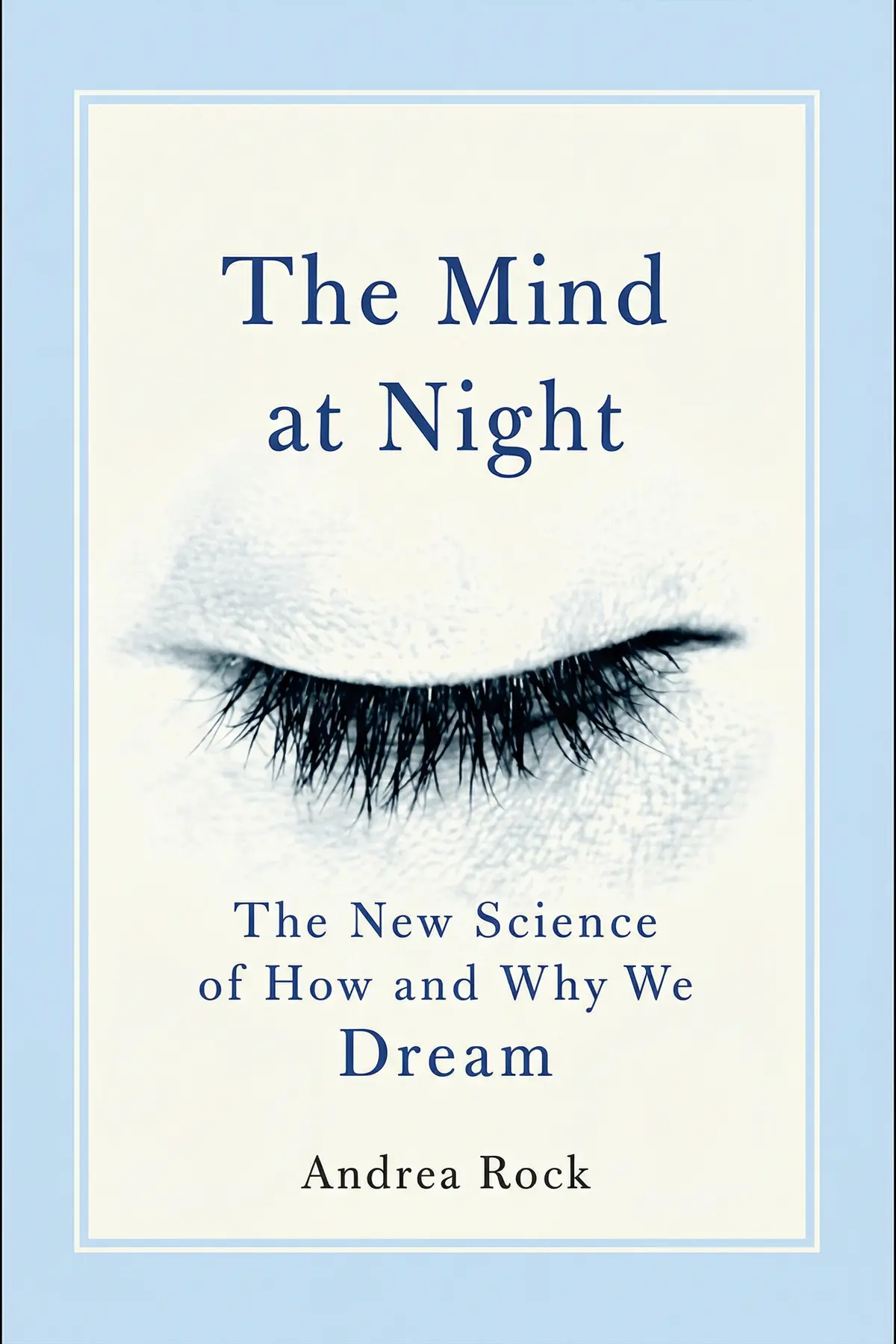
Table of Content
1. Introduction
1 min 50 sec
Every night, as the world grows quiet and we slide into the depths of sleep, a secondary life begins. For a long time, this realm of dreams was a territory belonging almost exclusively to poets, mystics, and eventually, psychoanalysts. We viewed our dreams as cryptic puzzles or perhaps just static from a brain that had finished its day’s work. But as science began to peer into the living brain, a new story emerged—one that is far more complex and fascinating than we ever imagined. In The Mind at Night, we journey through the history and the cutting-edge research that defines the modern science of dreaming.
This isn’t just a collection of anecdotes about strange visions. Instead, it is a deep dive into the ‘why’ and the ‘how’ of our nocturnal experiences. We will explore the seismic shifts in our understanding, beginning with the accidental discovery that the brain is far from dormant during sleep. We will see how researchers challenged the long-held Freudian views, replacing them with biological models, only to find that those models needed to be refined to include the very human elements of emotion and meaning.
Throughout this discussion, we will keep a central question in mind: what is the mind actually doing while we rest? As we move through the evolution of sleep science, you will see a throughline emerge. Dreaming is not merely a side effect of biology; it is a vital, active process that helps us learn, survive, and process the intensity of our emotional lives. By the end of this journey, you will likely see your own nights not as a period of emptiness, but as a sophisticated workshop where the brain prepares you for the challenges of the day to come.
2. The Dawn of REM Science
2 min 06 sec
Discover how a simple observation in a Chicago lab overturned centuries of assumptions about sleep and revealed a brain that is startlingly active.
3. The Challenge to Freudian Interpretation
2 min 04 sec
Explore the intellectual battle between the psychological view of dreams as hidden desires and the emerging biological view of dreams as neural static.
4. The Brain’s Emotional Engine
1 min 48 sec
Learn why dreams are often so intense and bizarre by looking at which parts of the brain take the lead while you sleep.
5. Dreams as a Tool for Learning and Memory
1 min 40 sec
Discover the ‘overnight therapy’ and data processing that happens in your brain while you sleep to help you master new skills.
6. The Evolutionary Purpose of Nightmares
1 min 42 sec
Consider the possibility that your worst dreams are actually a survival mechanism designed to keep you safe in the real world.
7. The Neurology of Meaning: Solms and the Forebrain
1 min 47 sec
See how new clinical evidence brought the ‘meaning’ back to dreams by showing they can happen even without the brainstem’s REM trigger.
8. Lucid Dreaming and the Frontier of Consciousness
1 min 57 sec
Explore the fascinating phenomenon of becoming aware within a dream and what it tells us about the boundaries of the human mind.
9. The Impact of Trauma and the Future of Sleep
1 min 51 sec
Examine how the dreaming process can go wrong in PTSD and what the future of dream science might hold for our mental health.
10. Conclusion
1 min 30 sec
The journey through the science of sleep reveals that the mind at night is every bit as active, purposeful, and vital as the mind during the day. We have moved from a world where dreams were dismissed as either mystical omens or random biological noise to a more sophisticated understanding of dreaming as a cornerstone of our cognitive and emotional health. We have seen how the discovery of REM sleep provided the framework, how the debate between biology and psychology pushed us toward a deeper truth, and how the dreaming brain acts as a laboratory for memory, emotion, and survival.
What this means for you is that your nightly visions are not just a series of strange movies; they are an essential part of your internal architecture. They are the way your brain makes sense of a chaotic world, the way it heals from emotional wounds, and the way it prepares you for future challenges. Every time you wake up with a lingering feeling from a dream, you are experiencing the aftereffects of an intense period of mental work.
As you move forward, consider the value of your sleep. It is not a luxury or a period of wasted time; it is a time for your brain to perform tasks that are impossible while you are awake. By respecting the work of the dreaming mind, we can better understand ourselves. The next time you close your eyes, remember that you aren’t just going to sleep; you are stepping into a vital, active workshop where your mind continues the never-ending project of being human.
About this book
What is this book about?
For centuries, dreams were regarded either as divine messages or as the repressed desires of the subconscious. The Mind at Night takes readers on a journey through the scientific revolution that stripped away the mysticism to reveal the mechanical and neurological foundations of our nightly visions. It examines the pivotal moments in sleep research, from the accidental discovery of REM sleep to the complex debates over whether dreams possess inherent meaning or are merely the byproduct of neural maintenance. This exploration promises to bridge the gap between the rigid world of neuroscience and the deeply personal experience of dreaming. By looking at how the brain processes emotions, consolidates memories, and even simulates threats while we sleep, the book offers a comprehensive look at why the mind remains so active in the dark. It provides a roadmap for understanding how our nocturnal lives influence our waking reality, suggesting that dreaming is not an accidental quirk of biology but a sophisticated evolutionary advantage.
Book Information
About the Author
Andrea Rock
Andrea Rock is an investigative journalist who has won a number of awards, including the National Magazine Award and the Investigative Journalist and Editors Award.
Ratings & Reviews
Ratings at a glance
What people think
Listeners find the book to be thoroughly researched and educational regarding sleep and dream science, describing it as an accessible read for a general audience. They value the prose and view it as a fantastic deal, with one listener remarking on how it brings sleep research stories to life. The work earns praise for its narrative style, and one review highlights its amusing anecdotes.
Top reviews
Jeeranan
The chapter on Tibetan Buddhism and lucid dreaming changed my entire perspective on what happens when the lights go out. I have read plenty of books on sleep, but this one stands out because of how it bridges the gap between ancient philosophy and modern EEG results. Andrea Rock does a brilliant job of interviewing actual scientists, letting them explain their findings in their own words rather than just summarizing them. Frankly, the discussion on how the brain replicates sensory information without external input was nothing short of mind-blowing. The book explores the 'how' and 'why' of dreaming with a level of detail that makes Freud look like an amateur. Every chapter starts with an illuminating quote that sets the tone perfectly for the neuroscientific deep dive that follows. This is easily the most comprehensive popular science book I have encountered in years.
Show moreUdom
Frankly, the way the author traces the history of sleep research from the mid-twentieth century to the present is a masterpiece of science journalism. She manages to explain why we experience dreams as real while we are in them by looking at the physiological conditions of the brain. I found the quotes at the beginning of each chapter to be incredibly illuminating and a nice touch to the overall presentation. The book isn't just about sleep; it’s a deep dive into what it actually means to be a conscious human being. Not only is it accessible, but it’s also moderately complex enough to satisfy readers who want more than just 'pop' psychology. This is one of those rare books that makes you think about your own life every time you lay your head on the pillow. Truly an impressive piece of work.
Show moreNina
As someone who has always been a lucid dreamer, I found the scientific validation in these pages to be incredibly validating. The research into how the brain simulates threatening situations in a safe virtual reality environment is absolutely fascinating. Andrea Rock writes with a clarity that makes even the most complex neurological processes easy to grasp for a general audience. It is rare to find a book that is this well-researched while still maintaining a sense of wonder about the subject matter. The discussion on how dreams are keys to who we are, despite never being designed to be remembered, resonated deeply with me. This is the best popular science book I have read in a long time. It’s an essential addition to any psychology lover's bookshelf.
Show moreRatchanee
Picked this up on a whim after a string of weird nightmares, and I must say it was a surprisingly gripping journey through the night. Andrea Rock manages to take a notoriously dense subject and turn it into a compelling narrative that feels accessible for a layperson like me. The way she chronicles the shift from psychoanalysis to hard neuroscience feels less like a textbook and more like a detective story. To be fair, I did find the middle sections a bit repetitive when she dives deep into specific lab results. However, the anecdotes about sleep researchers and their quirky experiments kept me turning the pages regardless of the data-heavy segments. It is a well-researched piece of journalism that finally makes sense of why our brains stay so busy while we rest. If you enjoy popular science that doesn't talk down to you, this is definitely worth your time.
Show morePooja
After hearing a podcast about REM cycles, I wanted something that went deeper than just surface-level tips for better sleep. This book delivered exactly that, focusing on the history of sleep research starting from the 1960s onwards. It is fascinating to see the 'ghost of Freud' being challenged by modern animal experimentation and brain mapping. Not gonna lie, some of the descriptions of animal studies were a bit tough to get through, but they were necessary to prove the points. The writing style is crisp and professional, reflecting Rock’s background as a journalist who knows how to keep a story moving. I particularly enjoyed the sections on 'nocturnal therapy' and how dreams help us process heavy emotions. It’s a great bargain for the amount of high-quality information packed into these pages.
Show moreNathan
Wow, I never realized how much of an 'anti-Freud' movement existed within the modern sleep study community until I picked this up. Rock does a stellar job of explaining how our brains act as 'ultimate spin doctors' to create narrative out of chaotic neural firing. The chapters on memory consolidation were the highlight for me, especially the parts about rerunning the maze in our sleep. It is a very well-written book that brings the stories of these dedicated researchers to life in a way that feels personal. My only minor complaint is that the technical descriptions of brain structures can occasionally get a bit overwhelming for someone without a biology background. Still, the amusing anecdotes about sleep labs and dream journals keep it grounded enough to remain enjoyable. It is a solid four-star read for anyone curious about their own consciousness.
Show moreOscar
Finally got around to finishing this, and while I am not a scientist, I feel like I actually understand the 'why' behind my sleep now. The book is essentially a series of well-connected stories about how we discovered that the brain is just as active at night as during the day. I appreciated the nuance in the debate regarding Freud; it wasn't just a total dismissal but a more measured '50% right and 100% wrong' approach. Truth is, I found the chapters on depressed patients and REM sleep to be the most moving and insightful parts of the whole work. It is a very interesting exploration of the most complex system in the known universe. While it gets a little technical in the middle, the payoff in the final chapters is more than worth the effort. A great read for anyone interested in the mysteries of the mind.
Show moreRodrigo
Ever wonder why we dream about such bizarre scenarios that make zero sense once we wake up? Rock provides some solid answers here by looking at the parts of the prefrontal cortex that simply shut down during sleep. I loved the neuroscience, but I found the author’s insistence on portraying evolutionary theory as absolute fact to be a bit distracting. To be fair, she treats other theories as possibilities, so the shift in tone there felt somewhat inconsistent with the rest of her reporting. The book started strong but definitely began to feel a little drawn out toward the final third. I found the lack of actual photos of brain scans to be a real missed opportunity given how much they are discussed. It is a decent read for science buffs, but it might be a bit tedious for everyone else.
Show moreSue
Look, I appreciate the depth of research here, but the section on the spiny anteater felt like it went on forever. The book is definitely informative, yet it struggles with a repetitive structure that makes the latter half feel like a chore. One thing that was highly entertaining was the obvious frustration modern neuroscientists feel toward psychoanalysis. They seem to take every opportunity to point out where Freud was wrong, which becomes a funny running theme throughout the book. Personally, I think the book could have been about fifty pages shorter without losing any of its core scientific value. It serves as a good introduction to the field, but it doesn't quite reach the 'unputdownable' status of other science writing. It is an interesting read if you have the patience for a slow-moving narrative.
Show moreChatri
Not what I expected based on the glowing blurbs I saw online before purchasing. While the information regarding the mechanics of REM sleep is clearly well-researched, the prose is unfortunately as dry as Death Valley. I had to physically force myself to finish the last few chapters because the writing style felt so clinical and detached. Look, the science is fascinating if you can stomach the delivery, but it lacks the narrative spark found in other pop-science bestsellers. My biggest gripe was the total absence of diagrams or photos of the brain scans she kept describing in such painstaking detail. It is hard to visualize complex neurological activity through text alone without any supporting imagery to break up the monotonous blocks of print. It’s an informative resource for a student, perhaps, but it’s a slog for a casual reader looking for entertainment.
Show moreFeatured in
Readers also enjoyed
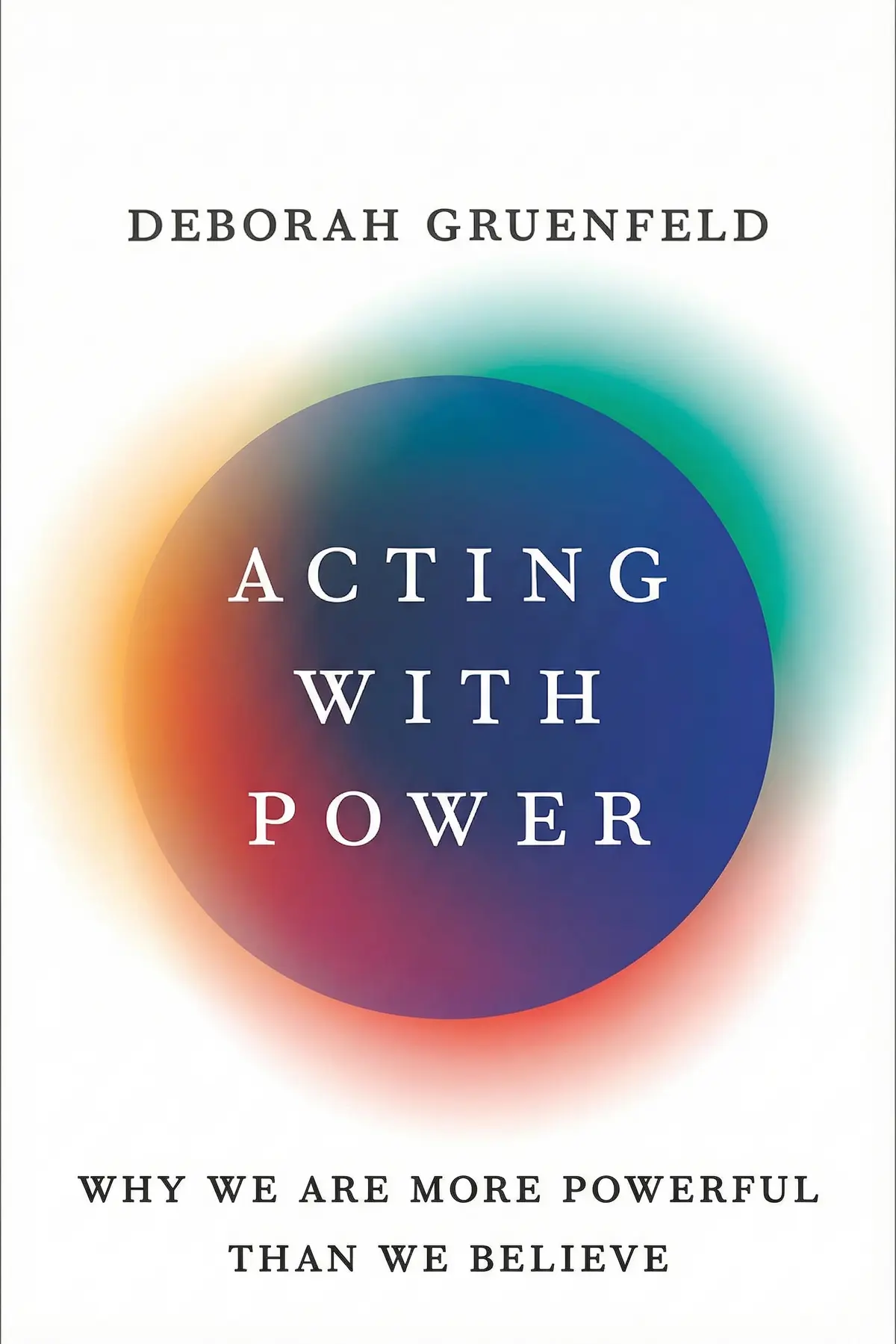
Acting with Power: Why We Are More Powerful Than We Believe
Deborah Gruenfeld

Alien Earths: The New Science of Planet Hunting in the Cosmos
Lisa Kaltenegger
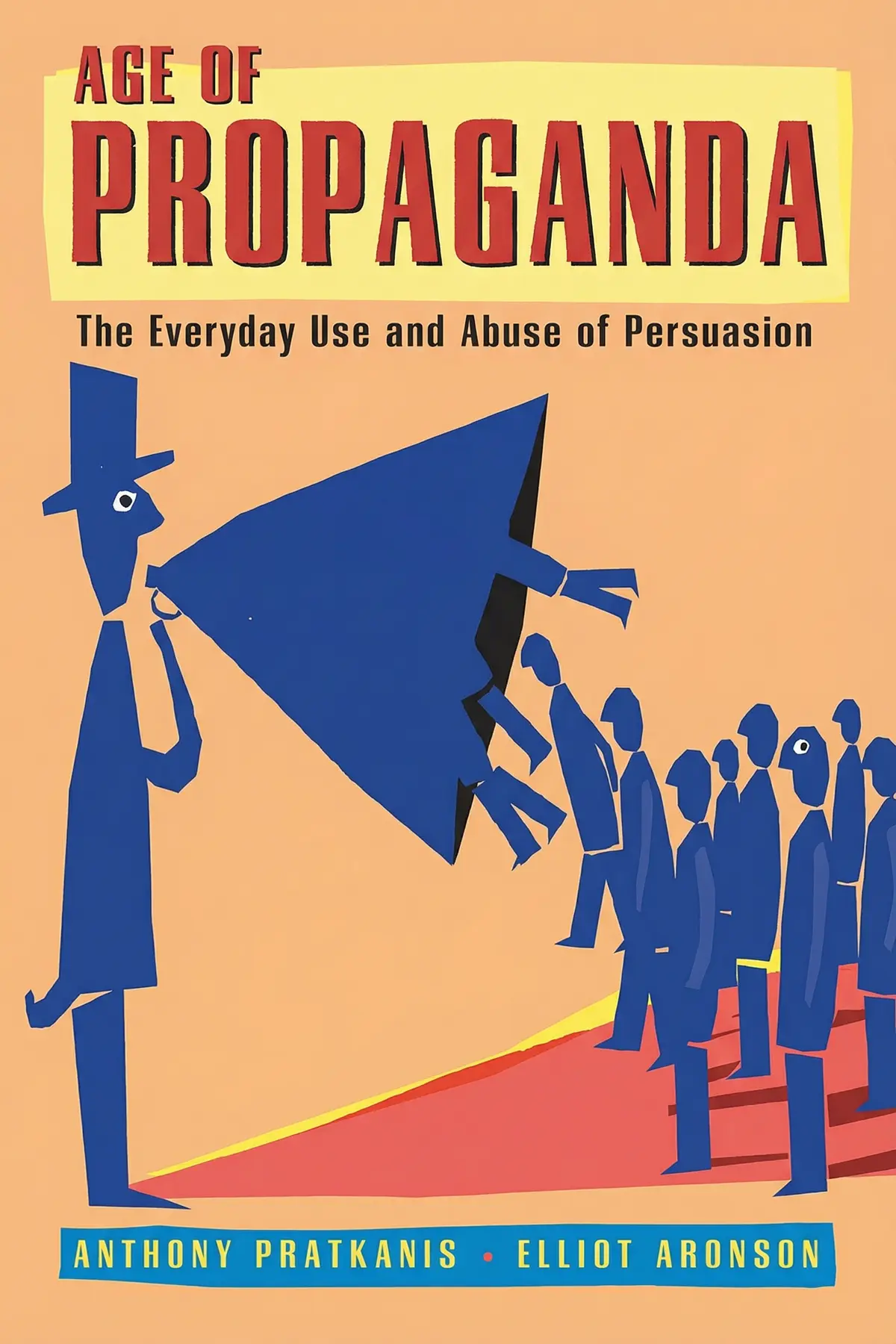
Age of Propaganda: The Everyday Use and Abuse of Persuasion
Anthony Pratkanis


AUDIO SUMMARY AVAILABLE
Listen to The Mind at Night in 15 minutes
Get the key ideas from The Mind at Night by Andrea Rock, plus 5,000+ more titles in English and Thai.
- 5,000+ titles
- Listen as much as you want
- 7-day free trial
- Cancel anytime







