
19 min 58 sec
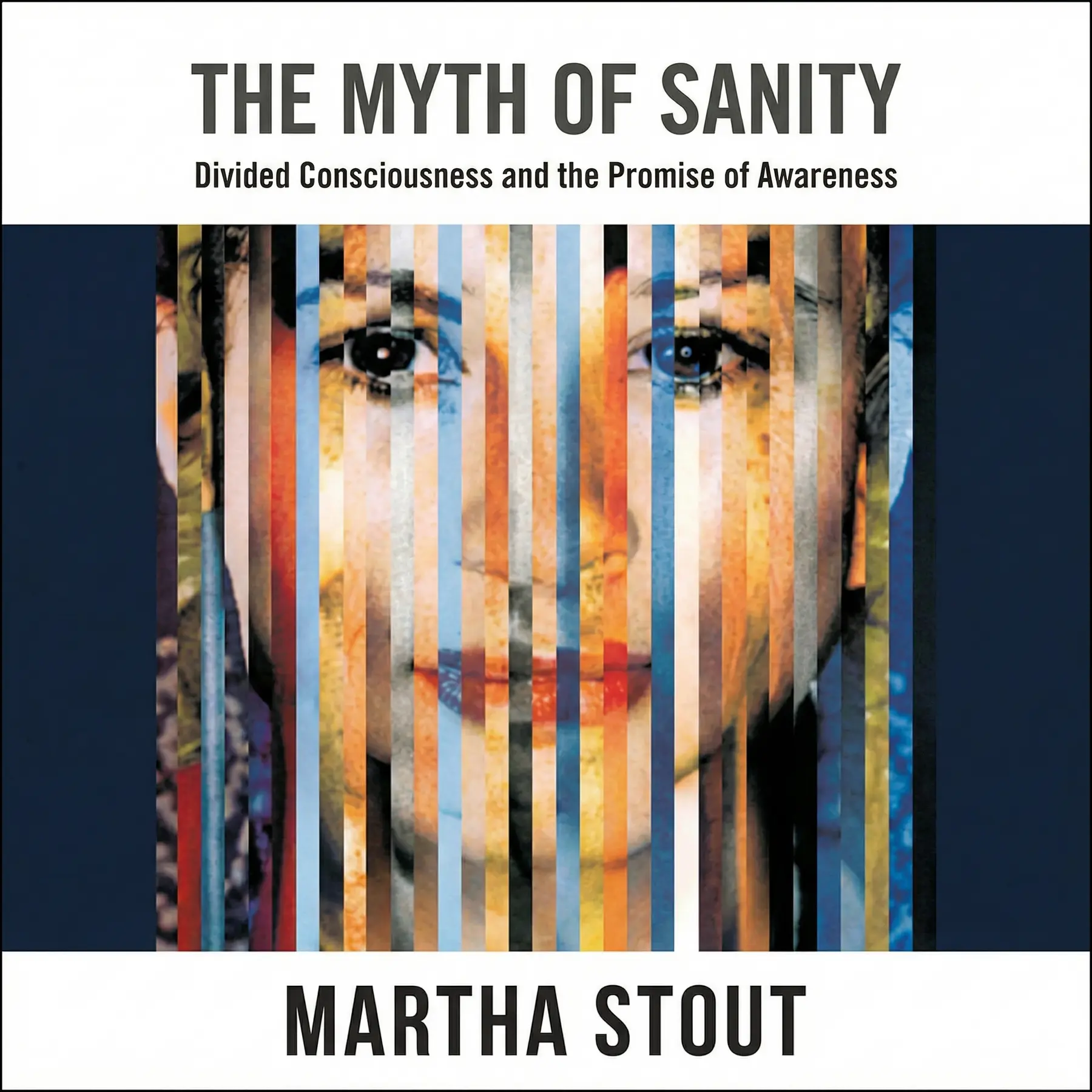
The Myth of Sanity: Divided Consciousness and the Promise of Awareness
By Martha Stout
Explore the profound reality of dissociation and how the mind uses psychological distance to survive trauma. This summary examines the spectrum of divided consciousness and the journey toward mental integration.
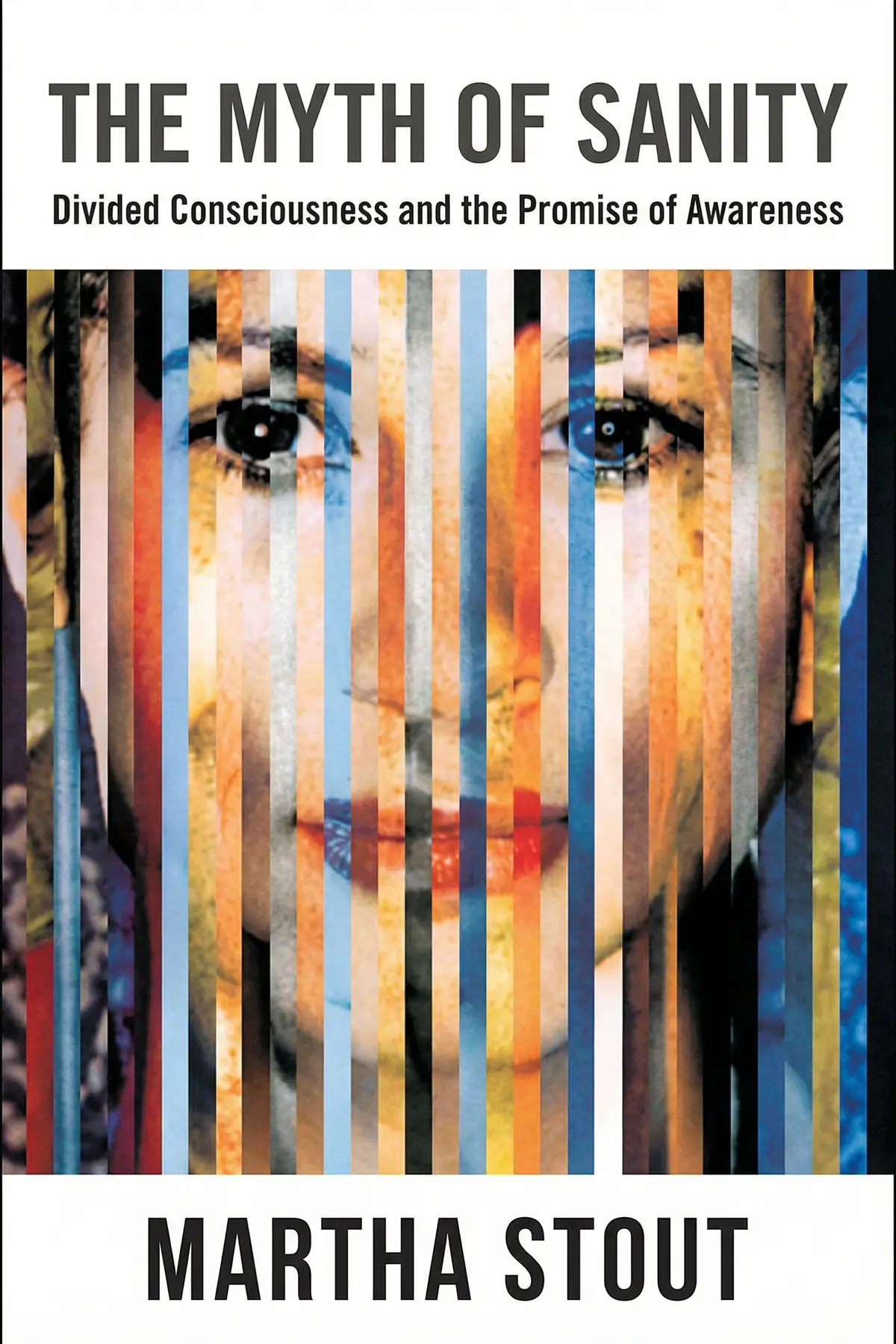
Table of Content
1. Introduction
1 min 45 sec
In our daily lives, we often operate under a comfortable assumption: that sanity is a solid, unchanging foundation upon which we build our identities. We like to believe that our minds are cohesive, our memories are consistent, and our sense of self is a singular, unified narrative. But what if that sense of unity is more fragile than we care to admit? What if the human mind is naturally inclined toward division as a way to protect itself from the unbearable?
This exploration delves into the fascinating and often misunderstood world of dissociation. At its core, dissociation is a psychological distance—a mental ‘checking out’ that allows us to separate ourselves from a reality that is too painful or overwhelming to face. It is a spectrum that spans from the mundane moments of a wandering mind to the deep fractures of identity that can occur after severe trauma. By examining the ‘myth’ that sanity is a monolithic state, we begin to see that many of us are living with a divided consciousness, often without even realizing it.
Throughout this journey, we will look at how the brain fundamentally changes the way it records history when we are under duress. We will hear the stories of individuals who have lost years of their lives to the shadows of their own minds and discover why the experiences of childhood are so pivotal in shaping our adult psychological landscape. The goal here isn’t just to identify the cracks in our consciousness, but to understand the profound survival logic behind them and to find the path back to a whole, integrated existence. This is a story about the resilience of the human spirit and the promise of awareness that comes when we finally decide to look at the parts of ourselves we have worked so hard to forget.
2. The Dual Nature of the Mind's Defense
2 min 18 sec
Discover how the brain’s ability to emotionally detach from a crisis acts as a vital survival tool, while simultaneously creating long-term psychological challenges that ripple through daily life.
3. How Trauma Rewires Memory Storage
2 min 25 sec
Explore the biological breakdown that occurs when intense emotions bypass the brain’s organizational centers, leaving behind fragmented sensory echoes instead of a coherent narrative.
4. The Profound Vulnerability of the Developing Mind
2 min 23 sec
Analyze why the early years of life are a critical period for psychological formation and how childhood distress can fundamentally alter a person’s adult worldview.
5. The Phenomena of Fugue and Lost Time
2 min 23 sec
Investigate the strange experience of ‘losing time’ and how the brain can carry out complex daily tasks while the conscious self is completely elsewhere.
6. The Logic of the Splintered Identity
2 min 27 sec
Delve into the complexities of Dissociative Identity Disorder, exploring how the mind can split into multiple personas to compartmentalize unbearable stress and ensure survival.
7. Recognizing Dissociation in the Social World
2 min 14 sec
Understand how subtle ‘switches’ in personality can disrupt relationships and why we often struggle to recognize these patterns in the people we love.
8. The Path Toward Integration and Reclaiming the Self
2 min 30 sec
Learn about the transformative journey of facing suppressed memories and moving beyond a victim identity to achieve a more authentic, present life.
9. Conclusion
1 min 33 sec
The journey through the complexities of the human mind reveals that the line between ‘sane’ and ‘disordered’ is far more blurred than we often imagine. Dissociation is not a sign of a broken mind, but rather a testament to the mind’s incredible ingenuity in the face of suffering. It is a survival strategy that, while effective in the short term, can leave us living a life that feels like a series of disconnected rooms. By acknowledging the myth of a monolithic sanity, we open the door to a deeper understanding of ourselves and others.
The throughline of this exploration is clear: awareness is the antidote to fragmentation. When we have the courage to face our hidden histories and the compassion to understand why we once had to hide, we begin the vital work of integration. This isn’t just about clinical recovery; it’s about reclaiming the right to be fully present in our own lives. It’s about ensuring that we are the ones at the steering wheel, not just passengers in a vehicle driven by our past traumas.
As you move forward, remember that your mind’s primary goal has always been to protect you. If you find yourself ‘checking out’ or feeling disconnected, see it as a signal rather than a failure. It is an invitation to ground yourself, to look at your surroundings, and to remind yourself that you are safe in the present. By taking responsibility for your own awareness and refusing to be defined by your past wounds, you break the cycle of dissociation. You move out of the shadows of the ‘myth’ and into the light of a truly integrated and authentic life.
About this book
What is this book about?
The Myth of Sanity challenges the conventional notion that mental health is a simple, binary state. Instead, it reveals that many people who appear perfectly functional are navigating a complex internal world defined by dissociation. This phenomenon, which ranges from everyday daydreaming to profound identity fragmentation, often serves as a survival mechanism developed during childhood to cope with overwhelming distress. Through a series of compelling clinical case studies, the book illustrates how the brain physically alters its memory processing when faced with trauma, leading to gaps in time, unexplained behaviors, and a sense of being disconnected from one's own life. The promise of this work lies in its roadmap for healing. By understanding the neurological and psychological roots of these hidden fractures, individuals can begin to bridge the gap between their fragmented selves. It provides a compassionate lens for viewing those who struggle with these conditions and offers practical insights into how confronting painful memories, rather than avoiding them, can lead to a more authentic and integrated way of living in the present.
Book Information
About the Author
Martha Stout
Martha Stout is an experienced clinical psychologist who has served on the faculties of several prestigious institutions, including Harvard Medical School, Wellesley College, The New School for Social Research, and the Massachusetts School of Professional Psychology. She gained significant acclaim for her 2005 work, The Sociopath Next Door, which was honored as the Best Book in Psychology at the Books for a Better Life Awards. Currently, she maintains a private practice in Boston, Massachusetts.
Ratings & Reviews
Ratings at a glance
What people think
Listeners find this work insightful, especially valuing its explanation of how the human mind builds awareness. The writing style is also commended for being articulate and accessible, with one listener noting that it successfully avoids excessive psychobabble. Additionally, the book’s pacing receives positive marks; one listener highlights the exploration of trauma survivors' painful psyches, while another appreciates the way background stories are used to present the information.
Top reviews
Ana
Martha Stout has a gift for taking the most complex, terrifying corners of human psychology and making them feel deeply human. Instead of hiding behind dense clinical terms, she uses vivid narratives of her own patients to illustrate how trauma fractures the self. I was particularly struck by the idea that dissociation isn't just a "movie trope" like Sybil, but a spectrum we all inhabit to some degree. It’s a chilling but ultimately hopeful look at the mind's survival mechanisms. The pacing is excellent, moving quickly through case studies without losing the emotional weight of the survivors' experiences. If you've enjoyed her other work, this is a must-read for understanding the "normalcy" of mental fragmentation and how the mind constructs awareness.
Show moreDao
Picked this up after reading "The Sociopath Next Door" and found it equally gripping, though much more heartbreaking. The way Stout explores the painful psyches of trauma survivors through their background stories makes the disorder feel less like a medical curiosity and more like a heroic survival strategy. I was fascinated by the discussion on how children create different personality states to cope with abuse they can't escape. The book flows perfectly, balancing clinical definitions with deeply personal anecdotes that keep you turning pages. It really highlights how thin the line is between "sane" and "dissociated." It’s rare to find a psych book this accessible and moving.
Show moreNim
Wow, I never realized how much of my daily life is spent "checked out" until I read Stout’s analysis of awareness. This isn't just a book about "multiple personalities"; it's a deep dive into how we all protect ourselves from reality when it gets too intense. The background stories of her patients are haunting and beautifully told, providing a bridge to understanding the extreme trauma responses. I loved that she avoided "psychobabble" entirely, making this feel more like a conversation with a brilliant friend than a lecture. It’s a powerful testament to the human mind’s ability to survive the unthinkable through creativity and fragmentation. One of the best psych books I've read in years.
Show moreRosa
Ever wonder how your brain handles stress that feels too big to carry? This book dives into the mechanics of awareness and how the mind builds protective walls through dissociation. Stout avoids the typical psychobabble found in academic texts, opting instead for a storytelling approach that makes the concepts easy to grasp. I appreciated her explanation of how everyday "spacing out" is actually a milder form of what trauma survivors experience. Gotta say, my only gripe is that she occasionally repeats certain points, making some sections feel slightly redundant. Still, the insight into DID and the importance of personal responsibility in healing is profound and worth the read for anyone interested in behavioral psychology.
Show moreNoi
The way Stout dismantles the barrier between "us" and "them" is probably the most impressive feat of this book. She argues that we all experience micro-dissociations, like losing time during a long commute or getting lost in a movie. This perspective humanizes the more extreme cases of DID, showing them as an extension of a normal mental process used for defense. Look, the subject matter is undeniably dark—some of the trauma described is hard to stomach—but the focus remains on recovery and the courage required to face the past. I wish there had been more focus on other mental health conditions besides dissociation, but for a deep dive into this specific syndrome, it’s excellent.
Show moreSureerat
As someone who appreciates psychology without the jargon, I found this to be one of the most readable books on trauma out there. Stout explains the "Diagnostic and Statistical Manual" symptoms in a way that actually makes sense in a real-world context. She uses her history as a Harvard psychologist to provide authority, yet her tone remains accessible and grounded in empathy. The exploration of "victim identification" was particularly resonant and offered a unique perspective on the long-term effects of trauma. I did find the pacing a bit slow in the middle chapters, but the final sections on recovery and taking responsibility were very strong. It’s a very easy to understand book.
Show moreLiam
Finally got around to this classic and I’m glad I did, even if some parts felt a bit dated. The core message—that dissociation is a normal defense mechanism taken to an extreme—is still incredibly relevant today. Stout is a master at using narrative to explain behavioral psychology, which makes the book feel like a collection of short stories rather than a dry textbook. I appreciated her honesty regarding the difficulties of treating suicidal patients and the fierce respect she has for her clients. It’s a bit redundant if you’ve studied DID before, but for a general reader, it’s a goldmine of insight into the mind's ability to cope.
Show moreSawit
The chapter on dissociation during mundane tasks like driving was a huge eye-opener for me. It’s fascinating to see how the mind can perform complex actions while the conscious self is essentially "on vacation." Stout uses these relatable moments to build a foundation for understanding the more severe fragmentation seen in trauma survivors. Personally, I found the book's pacing to be one of its greatest strengths; it never feels like it's dragging through data. A minor criticism would be the lack of discussion on modern neurobiology, but for an older text, it holds up remarkably well. It’s a compassionate and clear-eyed look at the architecture of the human soul.
Show moreArt
While I found the core information regarding Dissociative Identity Disorder fascinating, the author’s writing style often pulled me out of the narrative. Stout has a tendency to be somewhat "cloying" and overly sentimental when describing her patients, which felt a bit unprofessional at times. To be fair, her clarity on how the brain constructs awareness is top-notch and serves as a great introduction for laypeople. The book effectively debunks the "Sybil" myths, showing that these shifts are often subtle and hard to detect. It just didn't have that "eureka" moment for me that I was expecting after her sociopath book. It’s a decent primer, but the tone might not be for everyone.
Show moreSombat
Not what I expected given the title, as it focuses almost exclusively on Dissociative Identity Disorder rather than a broader "myth of sanity." I found the sections on hypnosis and memory retrieval to be a bit controversial, though Stout does emphasize the need for ethical practitioners. Truth is, the case studies are well-written, but they occasionally feel a bit "neat" and polished for such messy conditions. I did appreciate the distinction between a change in mood and a change in personality, which cleared up a lot of my misconceptions. It’s a solid read that offers good information but lacks the comprehensive scope I was hoping for when I first bought it.
Show moreReaders also enjoyed
ADHD an A-Z: Figuring It Out Step by Step
Leanne Maskell
A Liberated Mind: How to Pivot Toward What Matters
Steven C. Hayes
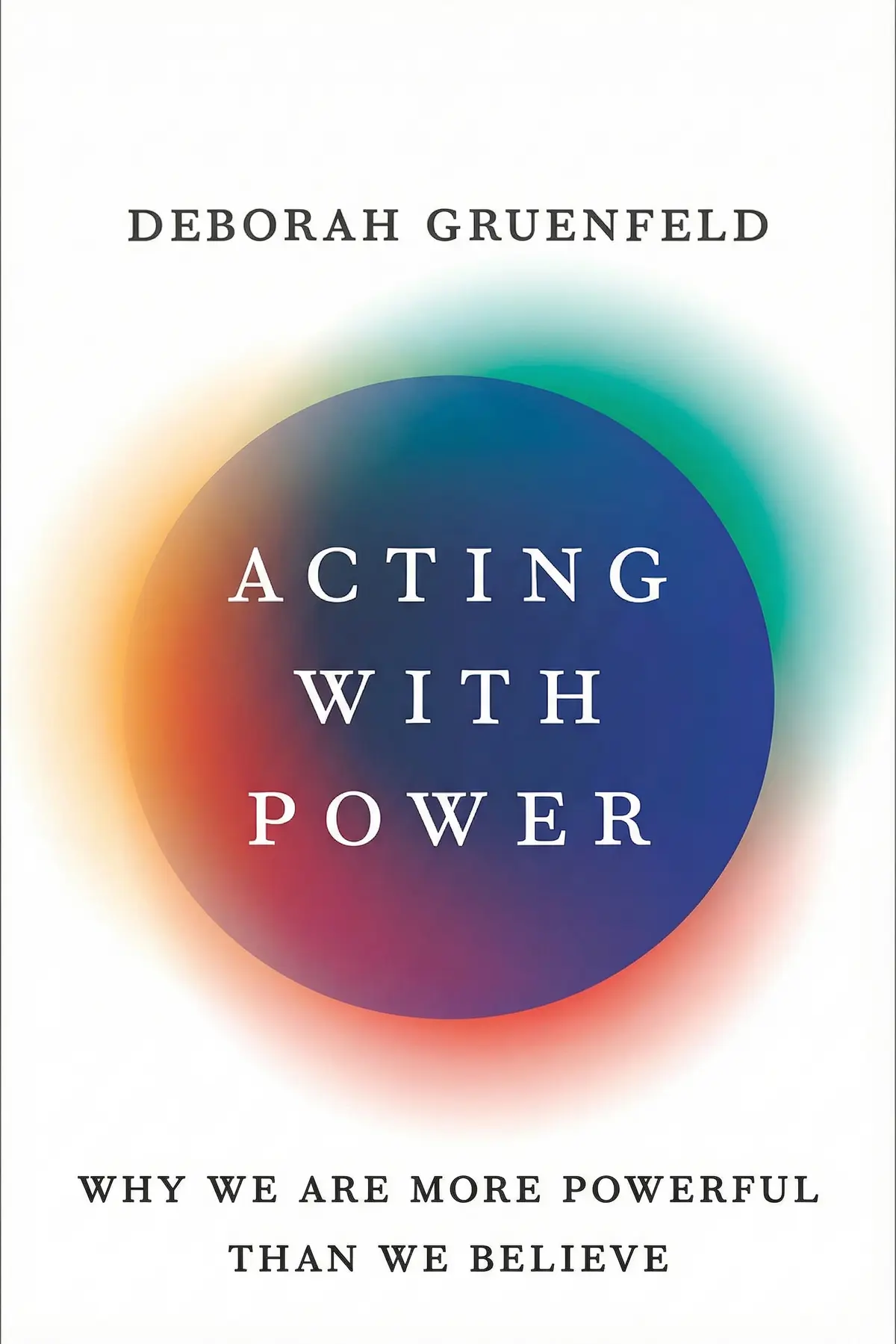
Acting with Power: Why We Are More Powerful Than We Believe
Deborah Gruenfeld
AUDIO SUMMARY AVAILABLE
Listen to The Myth of Sanity in 15 minutes
Get the key ideas from The Myth of Sanity by Martha Stout, plus 5,000+ more titles in English and Thai.
- 5,000+ titles
- Listen as much as you want
- 7-day free trial
- Cancel anytime







