
A High-Performing Mind: Strengthen Your Mind and Live Your Best Life
Andrew D. Thompson
Discover how to bridge the gap between setting goals and achieving them by mastering self-discipline. This guide explores the biological, psychological, and habitual foundations of mental toughness and lasting success.
1 min 36 sec
Have you ever found yourself in that familiar cycle of high-energy goal setting followed by a slow, quiet fade into inaction? It is a scenario most of us know all too well. We start the year or the month with grand visions of a new version of ourselves—healthier, wealthier, or more productive—only to find that within a few weeks, the old patterns have reclaimed their territory. We often tell ourselves that we simply didn’t want it enough, or perhaps the goal was too ambitious. But the reality is often much simpler and, fortunately, much more fixable. The missing link between the person you are today and the person you want to become isn’t a lack of desire; it is a lack of the specific system required to bridge that gap.
That system is self-discipline. In this exploration of Daniel Walter’s insights, we are going to look beyond the surface-level advice of ‘just working harder.’ Instead, we will dive into the cognitive mechanics of how our brains handle choices, the invisible psychological traps that keep us tethered to our current circumstances, and the ancient mindfulness practices that can sharpen our focus. We are shifting the perspective from viewing discipline as a form of punishment to seeing it as the ultimate tool for freedom. When you master your impulses, you are no longer a slave to your immediate whims. You become the architect of your own future. This journey is about taking radical responsibility, recognizing that while others might provide a spark of motivation, you are the only one who can keep the fire burning. Let’s explore how to cultivate that internal strength and finally turn your aspirations into your reality.
2 min 12 sec
Discipline isn’t a personality trait you’re born with; it’s a physical skill governed by a specific region of your brain that you can actively strengthen.
2 min 19 sec
Uncover the psychological biases, like the sunk cost fallacy and loss aversion, that silently sabotage your progress and keep you stuck in the status quo.
2 min 04 sec
Success isn’t built on grand gestures but on the quiet, repetitive routines that shape your morning, your evening, and your perspective on the world.
2 min 14 sec
Explore how the ancient principles of Zen and specific meditation techniques can help you stay grounded in the present and master your inner dialogue.
2 min 01 sec
Instead of letting frustration or jealousy stop you, learn to treat your negative feelings as data that can guide and accelerate your progress.
1 min 21 sec
As we wrap up this look at the mechanics of self-discipline, the most important takeaway is that your current limitations are not permanent. Whether you have struggled with low self-esteem, poor habits, or a persistent fear of change, you now understand that these are obstacles that can be dismantled through consistent, deliberate practice. Self-discipline is not a gift bestowed upon a lucky few; it is a skill that resides in the prefrontal cortex of your brain, waiting to be developed.
By recognizing the psychological ‘anchors’ like the status quo bias, you can stop being a victim of your brain’s desire for safety. By implementing morning and evening routines and practicing the art of gratitude, you can create an environment where success becomes the path of least resistance. And through the mindfulness of Zen and the strategic use of your emotions, you can maintain your focus even when life becomes difficult.
Remember, the journey toward a more disciplined life is built one decision at a time. It isn’t about being perfect; it’s about being responsible. You are the only person who can truly change the trajectory of your life. Every time you choose your future self over a temporary craving, you are casting a vote for the person you want to become. Start small, stay consistent, and trust that the system of discipline you build today will be the foundation of everything you achieve tomorrow. The power to change is already in your hands—now, it’s time to use it.
The Power of Discipline tackles the universal struggle of following through on our best intentions. While many people believe that success is a matter of luck or innate talent, Daniel Walter argues that it is actually the result of a specific, trainable skill: self-discipline. By understanding how the brain’s prefrontal cortex functions, readers can learn to prioritize long-term rewards over instant gratification. The book provides a roadmap for breaking through the psychological barriers that keep us stuck, such as the status quo bias and fear of regret. Through practical techniques like Zen meditation, morning and evening routines, and the strategic use of negative emotions, it promises a comprehensive system for anyone looking to increase their productivity and take full responsibility for their life’s direction.
Daniel Walter is a self-improvement enthusiast who’s written numerous books on helping others improve their concentration, develop better habits, and increase productivity. His previous books include How to Stop Procrastinating, Habits for Success, and Take Back Your Day.
Listeners find this work to be a fast, accessible read packed with useful suggestions and actionable guidance on cultivating self-control. The text is quite simple to grasp, and one listener highlighted how it breaks down self-discipline using very clear and accessible terminology. Listeners value the inspiring material that assists them in improving their daily habits, finding the writing style both engaging and educational.
Daniel Walter manages to break down the complex biology of the brain into something actually useful for the average person. I particularly appreciated the focus on the prefrontal cortex and how we can literally train our brains to favor long-term rewards over instant gratification. It’s not just "think positive" fluff; there’s a real emphasis on self-discipline as an acquired skill that requires constant exercise. The writing is straightforward and avoids the dense academic jargon that usually bogs down these types of books. My only minor gripe is that the introductory chapters felt a bit like a sales pitch for his other work. Despite that, the actionable advice on building morning routines and utilizing meditation is top-tier. It's a quick read, but the impact is lasting if you actually apply the techniques.
Show moreWow, this was exactly the kick in the pants I needed to stop procrastinating and start taking responsibility for my future. The way the author explains that our lives are just a reflection of our past decisions is both terrifying and motivating. I’ve read plenty of productivity books, but this one stands out because of how it integrates the concept of loss aversion into our failure to change. Truth is, we are often more afraid of what we might lose than excited about what we could gain. This book helped me identify those mental blocks and gave me the tools to push past them. If you’re tired of failing at your New Year’s resolutions, read this. It’s short, punchy, and incredibly effective.
Show moreFinally got around to finishing this short guide and it's surprisingly punchy for such a quick read. I’ve always struggled with the "all or nothing" mentality, but this book helped me see that discipline is more about consistent, small choices than one massive effort. The focus on the prefrontal cortex was fascinating and helped me view my lack of focus as a biological challenge I could actually solve through training. Gotta say, the tip about writing down five things you're gratitude for every night has already improved my outlook. It’s not a revolutionary text, but it’s a very solid, well-written reminder of the basics we all tend to forget. Great for a quick boost of motivation.
Show moreLife isn't just about the wins, and this book does a great job of explaining how to use failure and negative emotions as fuel. Instead of telling you to ignore your anger or frustration, Walter shows you how to sit with those feelings and analyze what they’re trying to tell you. I loved the idea that self-discipline is the ultimate form of self-respect and responsibility. The formatting is clean, the advice is actionable, and the tone is encouraging without being cheesy. Personally, I found the evening routine suggestions regarding caffeine to be the most immediately helpful. If you want a better future, you have to start making better decisions today, and this book shows you exactly how to do that.
Show moreEver wonder why it's so easy to set a goal but nearly impossible to follow through? This book provides a clear roadmap to bridge that gap by focusing on systems rather than just willpower. The sections on Zen and meditation were a refreshing addition, shifting the focus from "grind culture" to a more mindful approach to productivity. Frankly, the "just sitting" technique is something I’ve already started incorporating into my daily life with great results. It’s a very accessible guide for anyone feeling stuck in their current habits. While some of the advice on caffeine and electronics is common sense, seeing it framed within the context of status quo bias makes it much harder to ignore. Highly recommended for those who need a practical, no-nonsense manual.
Show morePicked this up because my morning routine was non-existent, and I was tired of starting every day behind the curve. Walter’s advice on eliminating electronics an hour before bed and starting the day with meditation has been a total game-changer for my focus levels. The book is incredibly easy to digest, with short chapters that get right to the point without any unnecessary filler. I appreciated how he addressed the emotional side of discipline, specifically how to handle jealousy and anxiety rather than just suppressing them. It’s an empowering read that puts the responsibility squarely on your shoulders. You won't find any magic pills here, just solid frameworks for better decision-making.
Show moreThe chapter on status quo bias really hit home for me. I never realized how much the "mere exposure effect" was keeping me trapped in a job I hated just because it was familiar. Walter does an excellent job of explaining how our brains are wired to keep us safe, even when "safe" means being miserable. The book offers a great balance of psychological theory and practical application, particularly the Shikantanza meditation technique. It’s a quick read, which is perfect for someone with a short attention span like me. I did think some of the sections on habit building were a bit brief, but they serve as a solid starting point for further exploration. Definitely worth the afternoon it takes to read.
Show moreAs someone who struggles with instant gratification, I found the section on the prefrontal cortex genuinely enlightening. It helped me understand that my brain isn't "broken," it just needs better conditioning. The author’s take on "getting comfortable with being uncomfortable" is a mantra I’ve started repeating to myself whenever I want to quit a difficult task. The book is very readable and avoids the preachy tone that many self-help authors fall into. To be fair, some of the meditation sections felt a little out of place compared to the more scientific start, but the connection to impulse control eventually made sense. It’s a practical, straightforward guide that cuts through the noise of the productivity industry.
Show moreTo be fair, I went into this with high expectations based on the title, but the results were a bit of a mixed bag. The author relies heavily on several psychological studies that have faced significant replication issues in recent years, which made it hard for me to take some of the scientific claims at face value. However, if you can look past the shaky academic foundation, there are some genuinely helpful nuggets regarding the sunk cost fallacy and loss aversion. It’s a decent entry-point for beginners, though seasoned readers of the self-help genre might find it a bit repetitive and predictable. I liked the bit about "trying" vs. "doing," as it highlights how we often give ourselves an easy exit strategy. It’s okay, just not groundbreaking.
Show moreNot for me, as the content felt like a rehash of every other self-help blog post I've stumbled upon over the last five years. While the writing is clear, the author spends far too much time summarizing basic concepts like the importance of sleep and gratitude without offering much new depth. I found the storytelling style a bit distracting when I was looking for more data-driven, action-oriented steps. The part about "trying" being a psychological trap was interesting, but it wasn't enough to save the book from feeling like a generic advertisement for his broader brand. It might be a good gift for a teenager or someone totally new to personal development, but for me, it lacked the substance I was looking for.
Show moreAndrew D. Thompson
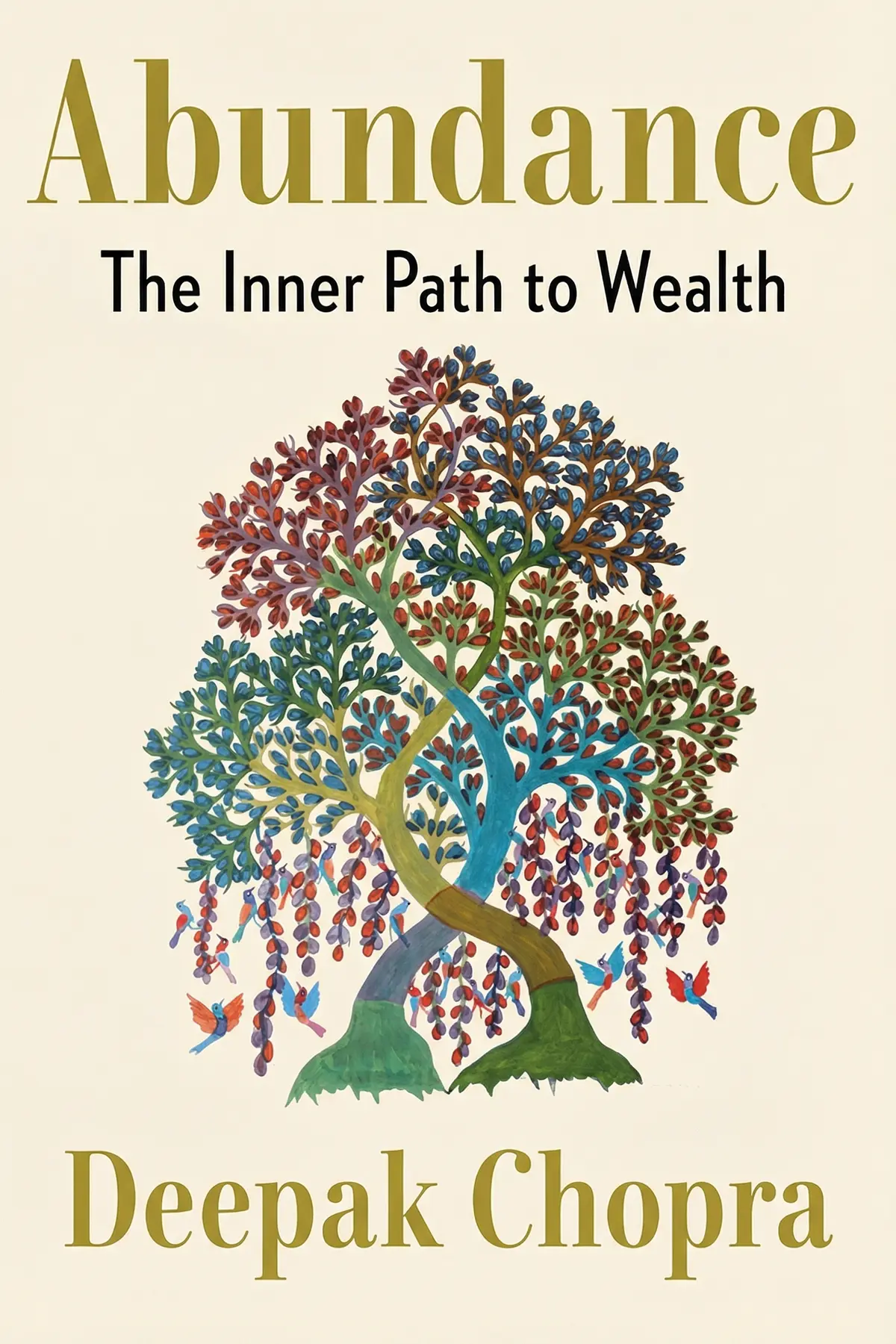
Deepak Chopra
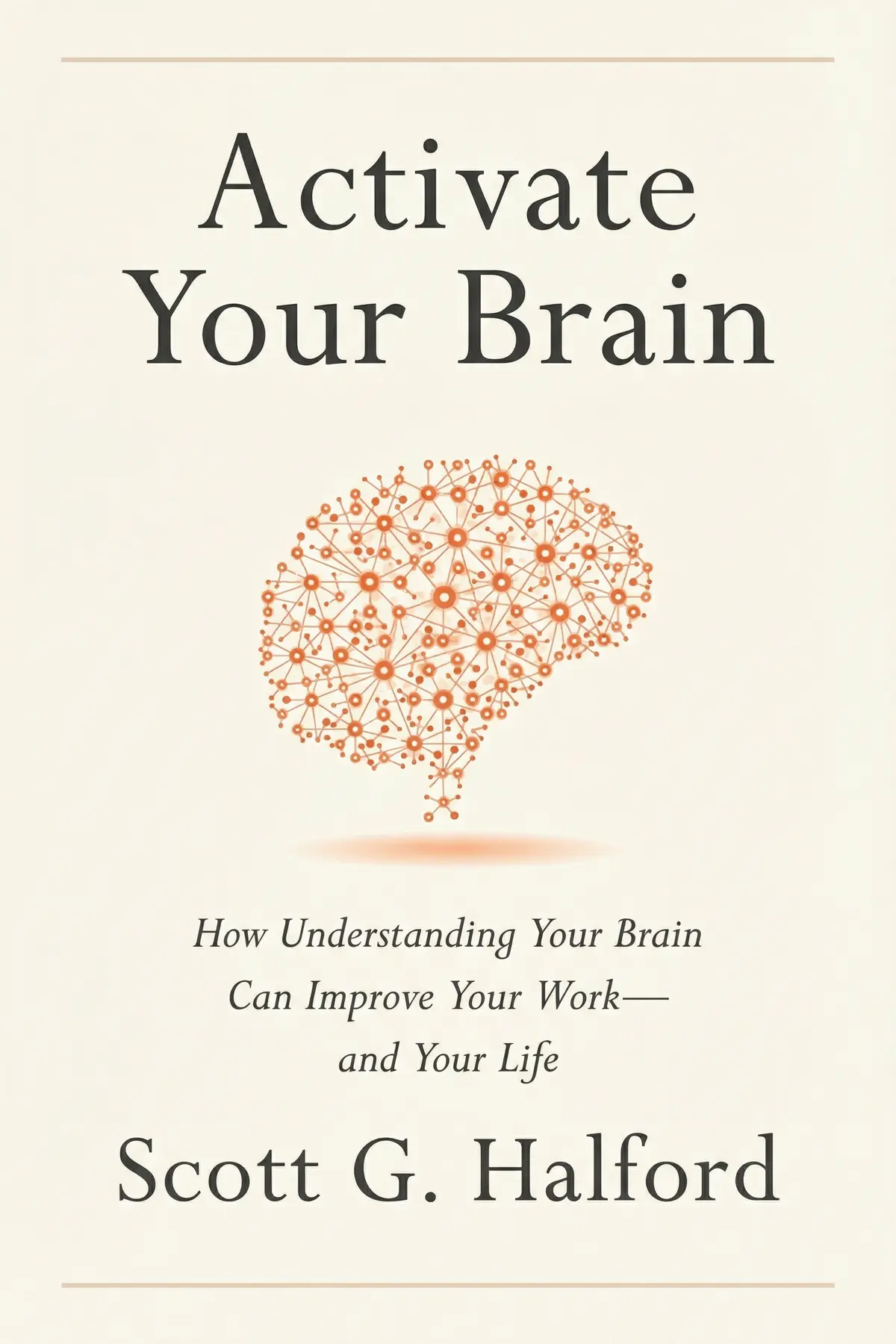
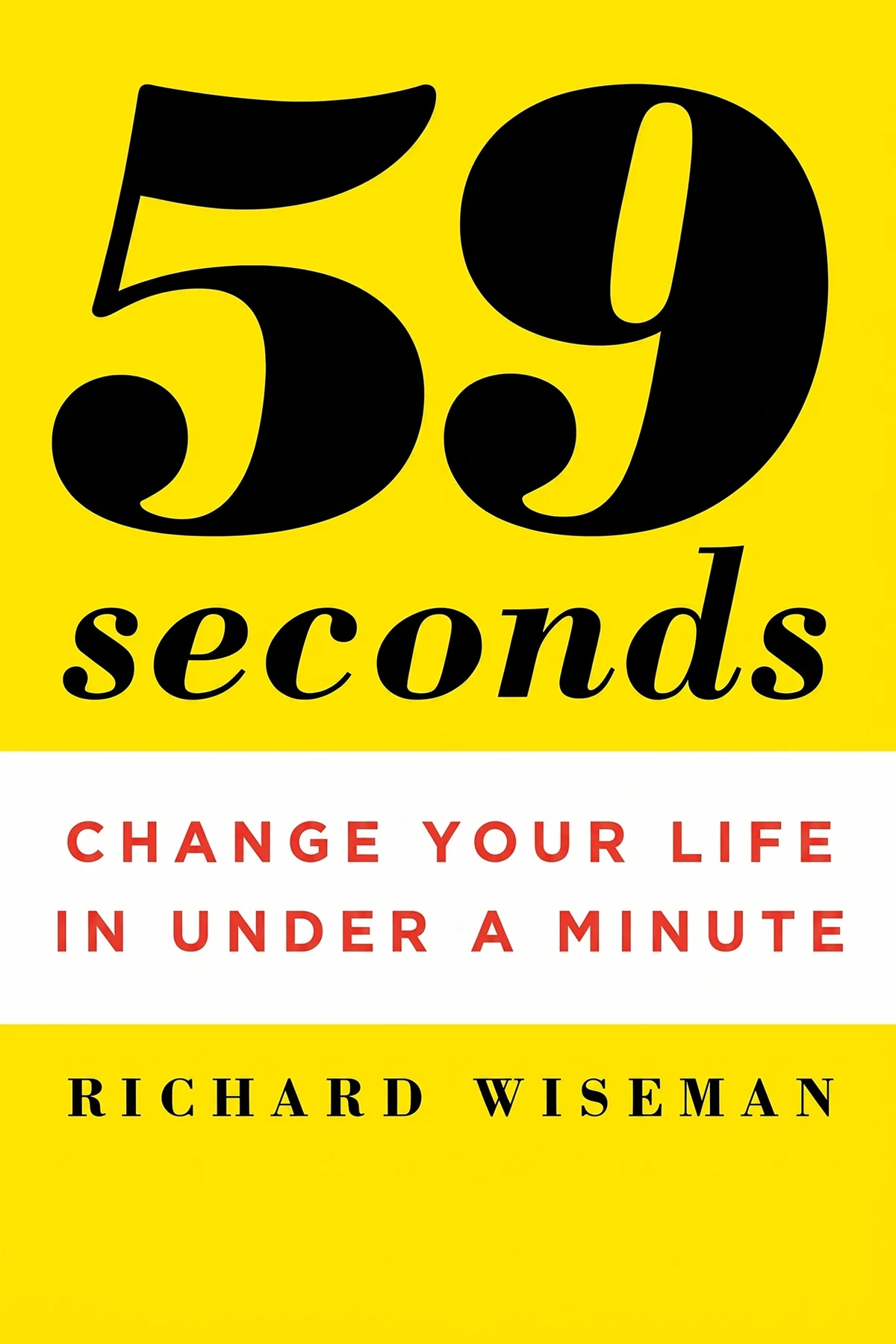
Richard Wiseman
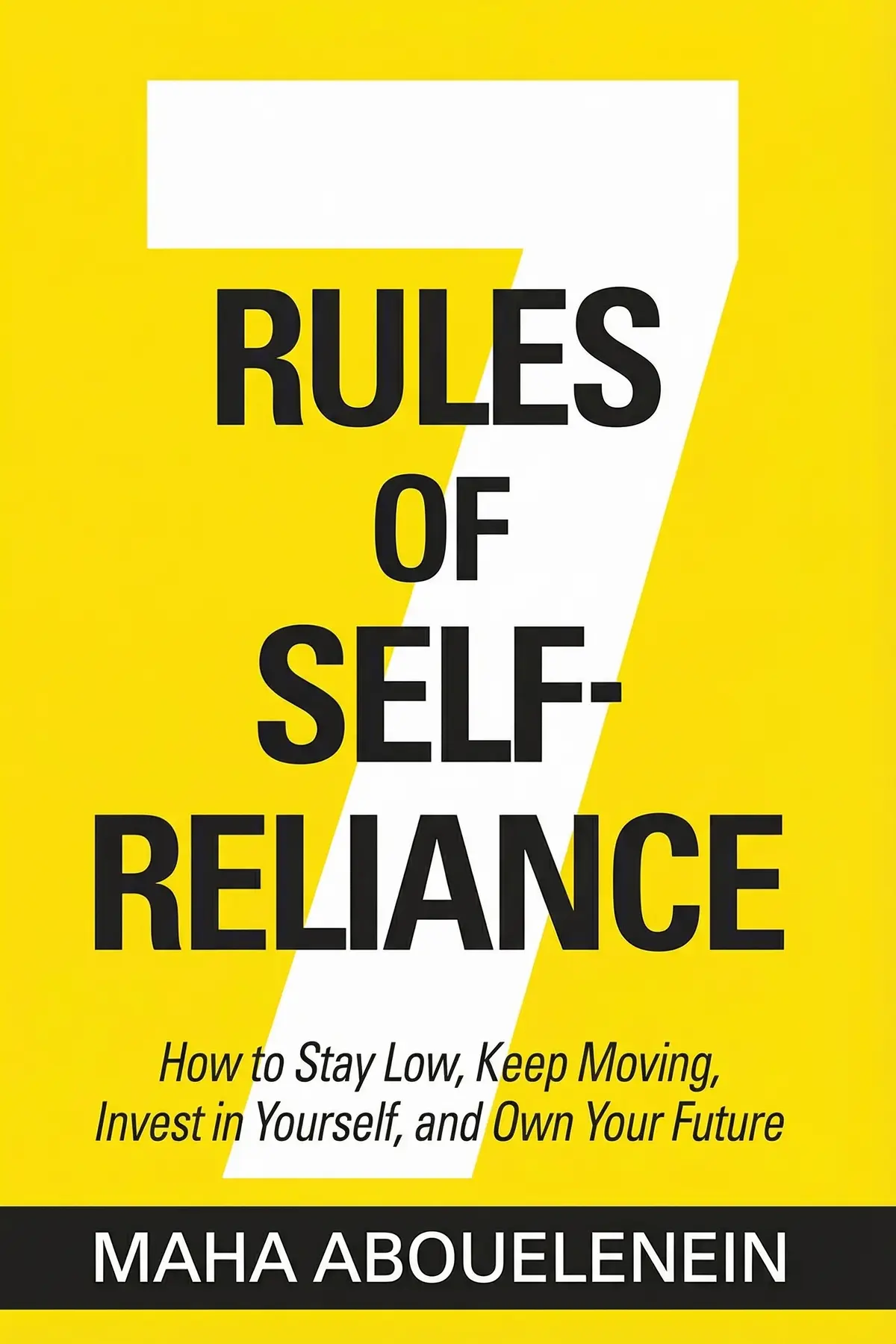

William B. Irvine
AUDIO SUMMARY AVAILABLE
Get the key ideas from The Power of Discipline by Daniel Walter, plus 5,000+ more titles in English and Thai.







