
17 min 10 sec
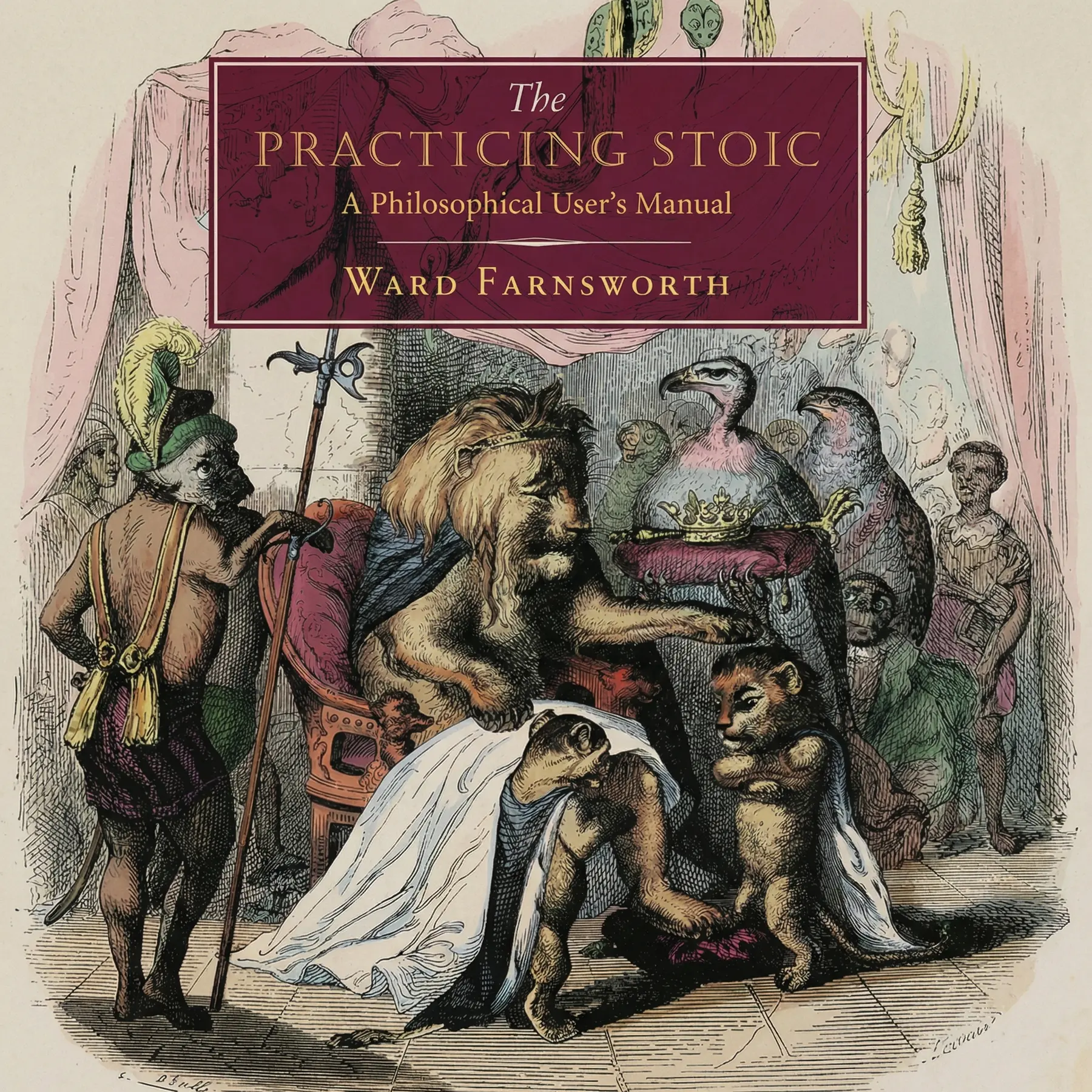
The Practicing Stoic: A Philosophical User's Manual
A practical guide to ancient wisdom, this summary explores how Stoic principles can transform your emotional life by shifting your perspective, managing desires, and focusing on internal control rather than external chaos.
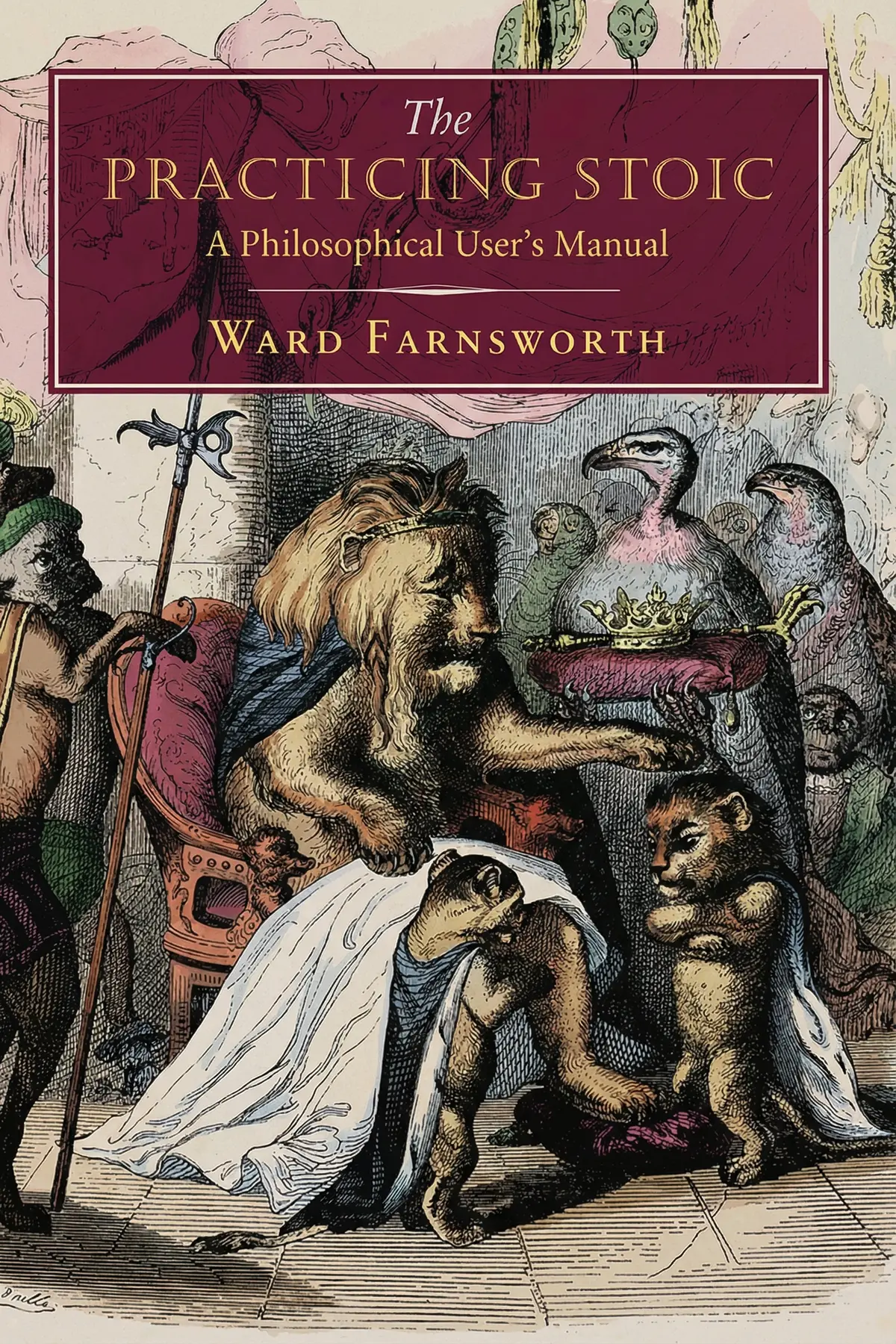
Table of Content
1. Introduction
1 min 44 sec
Imagine navigating your day with an invisible shield that deflects the usual arrows of modern life. Think of the moments that usually set your teeth on edge: a cutting remark from a superior, a sudden financial setback, or the grinding frustration of a commute that has come to a standstill. For most of us, these events trigger an immediate wave of irritation or anxiety. But what if that reaction wasn’t inevitable? What if there was a way to maintain a steady, unshakeable calm regardless of what the world decided to throw at you?
This isn’t a pipe dream or a state reserved for monks on mountaintops. It is the central promise of Stoicism, a philosophy that functions more like a psychological toolkit than a set of abstract ideas. While many people associate the word ‘stoic’ with being cold or unfeeling, the reality is quite different. The original Stoics were deeply engaged with the world; they were emperors, slaves, and teachers who realized that the secret to a good life doesn’t involve changing the external world—which is largely impossible—but rather mastering the internal world.
In this exploration of Ward Farnsworth’s insights, we are going to look at Stoicism as a practical user’s manual for the mind. We will see how our suffering is almost always self-generated by the way we frame our experiences. By the end of this journey, you’ll have a clearer understanding of how to separate what matters from what doesn’t, how to find satisfaction that doesn’t depend on your bank account or social status, and how to practice the mental discipline required to turn these ideas into a lived reality. This is about finding a throughline of tranquility in a chaotic age.
2. The Filter of Judgment
2 min 56 sec
Discover how your emotional distress is rarely caused by the events themselves, but rather by the silent interpretations you make about them in the heat of the moment.
3. The Power of Limited Control
2 min 54 sec
Learn to distinguish between what you can change and what you must accept, finding a profound sense of relief in letting go of external outcomes.
4. The Perspective of Eternity
2 min 45 sec
Shift your vantage point to see the world from a distance, realizing how small and temporary our biggest problems truly are in the grand scheme of time.
5. Taming the Infinite Want
2 min 41 sec
Explore why chasing status and luxury is a losing game, and how returning to natural desires can break the cycle of perpetual dissatisfaction.
6. Stoicism as Mental Athletics
2 min 51 sec
Understand that peace of mind is a skill that must be trained, much like a muscle, through specific daily exercises and self-reflection.
7. Conclusion
1 min 19 sec
As we conclude this journey through the manual of the practicing Stoic, the most important takeaway is that your inner life is your own domain. We have seen that while the world is often chaotic and unfair, your reaction to it is a matter of choice. By filtering your experiences through a lens of rational judgment, focusing your energy only on what you can control, and maintaining a broad perspective on time and desire, you can build a life of profound tranquility.
Stoicism isn’t about reaching a state of perfection where you never feel a spark of anger or a moment of sadness. Instead, it’s about developing the tools to handle those feelings when they arise, so they don’t steer the ship of your life. It is a philosophy of action and endurance.
Moving forward, try to implement one small piece of this wisdom. Perhaps tonight, you can conduct a brief review of your day. Or the next time you feel frustrated, try to find the hidden judgment that is causing the sting. Remember that becoming more resilient is a gradual process—a series of small adjustments that lead to a significant shift in how you experience the world. By taking responsibility for your own mind, you stop being a victim of circumstance and start becoming the master of your own peace. That is the ultimate goal of the practicing Stoic.
About this book
What is this book about?
The Practicing Stoic acts as a modern user manual for an ancient school of thought. It moves beyond abstract theory to provide a roadmap for navigating the complexities of human emotion and the unpredictability of the world. By synthesizing the teachings of great thinkers like Marcus Aurelius, Epictetus, and Seneca, it offers a coherent system for achieving psychological resilience. The core promise of the book is a life of greater composure and less suffering. It teaches that while we cannot govern the events that happen to us, we have absolute authority over how we interpret them. Readers will discover how to dismantle irrational judgments, find contentment in simple necessities, and treat every challenge as an opportunity for character development. It is less about being 'emotionless' and more about being emotionally intelligent in a way that leads to lasting peace.
Book Information
About the Author
Ward Farnsworth
Ward Farnsworth is a distinguished legal scholar who serves as the Dean and John Jeffers Research Chair at the University of Texas School of Law. His academic career includes significant tenures as an associate dean and professor at Boston University Law School. Beyond the classroom, Farnsworth has served in prestigious legal capacities, including clerking for Supreme Court Justice Anthony M. Kennedy and Appeals Court Judge Richard A. Posner. His international experience includes work as a legal adviser at the Iran–United States Claims Tribunal in The Hague.
Ratings & Reviews
Ratings at a glance
What people think
Listeners value this Stoic philosophy guide for its thorough perspective and historical excerpts, characterizing it as a perfect starting point for novices. Organized efficiently by theme, the book provides useful instructions, with one listener highlighting how it bridges ancient philosophy with modern daily life. Listeners find the prose clear and accessible, and they appreciate the reflective wisdom and extensive survey of Stoic ideas. Listeners view the book as life-altering, with one listener noting how it fundamentally transformed their worldview.
Top reviews
Nong
Farnsworth has created what I consider to be the definitive syllabus for anyone curious about the ancient path of the porch. Instead of a dry history, he provides a structured overview that functions like a thematic map of the human condition. It is a brilliant and highly organized guide for the modern seeker. By grouping insights from the 'big three'—Seneca, Epictetus, and Marcus Aurelius—he allows the reader to compare their perspectives on judgment and adversity directly. This approach makes the philosophy feel far more accessible than trying to wade through the original texts in a vacuum. I particularly loved the inclusion of later thinkers like Montaigne and Schopenhauer to show how these ideas endured through the centuries. It is truly a masterclass in synthesis that rewards those who take the time to digest it slowly.
Show moreNatalie
Pick this up if you are weary of the shallow, 'life-hack' versions of Stoicism that seem to dominate the internet today. Farnsworth provides a meatier, more authentic experience that feels like a genuine protein shake for the tired soul. The writing is remarkably clear and avoids the trap of dumbing down complex philosophical nuances for a general audience. I found the chapter on 'externals' to be particularly life-changing because it reframes our relationship with things we cannot control. It is rare to find a book that manages to be both an academic resource and a practical manual for daily living. Every page seems to offer a thoughtful insight that demands you stop and reflect on your own character. This is easily one of the most comprehensive tours of Stoic thought available to the public right now.
Show moreWit
Finally got around to finishing this, and I am genuinely blown away by how relevant these ancient voices still feel today. Ward Farnsworth has a gift for taking the 'marble-busted heavies' of history and making their advice feel like it was written yesterday. The structure of the book allows you to jump around to whatever topic you are currently struggling with in your personal life. Whether you are dealing with a difficult coworker or a major setback, there is a chapter here that offers a useful perspective shift. It really changed my outlook on what it means to live a virtuous and tranquil life in a chaotic world. I have already recommended it to several friends who are looking for something more substantial than typical self-help books. This is a comprehensive and deeply human look at a philosophy that is often misunderstood by the general public.
Show moreConnor
The chapter on wealth and pleasure alone transformed my perspective on what it actually means to live a good life. Ward Farnsworth has assembled a remarkable collection of wisdom that serves as a powerful antidote to the materialism of our current age. I found the synthesis of Seneca and Marcus Aurelius to be particularly enlightening because it shows the consistency of their core values. It is a book that encourages deep reflection rather than quick fixes, which is exactly what I needed right now. The writing style is elegant and precise, ensuring that the reader never feels lost in the jargon of ancient philosophy. I keep this on my desk and find myself flipping to the section on 'judgment' whenever I feel my temper starting to rise. It is an invaluable resource for anyone who wants to improve their character and find a bit more peace.
Show moreVimolwan
After hearing so much hype about this specific volume, I can finally confirm it serves as an excellent 'pocket reference' for the soul. The way this book addresses the 'robotic' stereotype of Stoicism in the final chapter is masterfully and convincingly done. It provides a clear path for those who want to use reason to navigate their emotions without completely discarding their humanity. The organization by topics like adversity and learning makes it a practical tool that you can actually use in your daily routine. Farnsworth has done a massive service to the public by making these difficult texts so approachable and easy to understand. It is a life-changing read that offers a comprehensive tour of one of the most practical philosophies ever devised by man. This is truly an essential addition to any library focused on personal growth or ancient history.
Show moreSue
As someone who has spent years dipping into Seneca and Epictetus, I found this synthesis to be refreshingly organized and thoughtful. The author does an excellent job of letting the ancients speak for themselves while providing just enough connective tissue to keep the themes coherent. I was particularly struck by the chapter on death, which presents the Stoic perspective with a sobering yet strangely comforting clarity. My only minor gripe is that the sheer volume of quotes can occasionally feel a bit repetitive after several chapters. Nevertheless, the way Farnsworth addresses the common criticisms of the philosophy in the final section is absolutely essential reading. It helps clear up the misconception that being a Stoic means becoming a cold, unfeeling robot. Overall, it is a sturdy and reliable guide that belongs on the shelf of any serious student of philosophy.
Show moreWacharapol
Ever wonder how ancient wisdom actually applies when your modern life feels like it is spinning completely out of control? This book attempts to answer that by providing a very systematic and clear framework for practicing the art of Stoic living. The author’s tone is academic yet accessible, making it easy to digest even the more challenging concepts like the valuation of externals. I appreciated the way he uses authors like Samuel Johnson and Adam Smith to illustrate the lasting influence of these ideas. Some of the examples regarding the suppression of emotion felt a bit extreme, but the author does clarify these points in the final chapter. It is a long read, but the wealth of information provided makes it worth every single minute of your time. This is a very practical guide that avoids the fluff and focuses on the core principles of the school.
Show moreFort
Look, I was worried this would be another repetitive 'bro-stoic' manual, but the inclusion of diverse voices changed my mind entirely. Farnsworth manages to elevate the discussion by showing how Stoicism isn't just a isolated set of rules, but a living tradition. The way he organizes the text by topic rather than author makes it much easier to see the big picture of the philosophy. I did struggle a bit with the section on ambition, as the Stoic push for acceptance can sometimes sound like a lack of drive. However, to be fair, the author provides enough context to show that it is more about where you place your internal value. It is a very thoughtful and comprehensive guide that avoids most of the common pitfalls of modern philosophy books. I would suggest reading it in small chunks to really let the heavy ideas sink in properly.
Show moreOlivia
While the curation here is undeniably impressive, I could not help but feel a certain disconnect from our modern reality while reading. The book excels at categorization, yet it avoids the difficult task of situating these ancient teachings within our current technological landscape. I kept waiting for the author to speculate on how Seneca might navigate the pressures of social media or the relentless pace of the algorithm. To be fair, the book does exactly what it promises by presenting the original texts with clear, helpful commentary. However, for those looking for practical modern application, William B. Irvine’s 'A Guide to the Good Life' might be a more useful starting point. It functions well as a reference, but it lacks the creative bridge to the twenty-first century that I was personally hoping to find.
Show moreViolet
If you are coming to this looking for the rigorous academic depth of Pierre Hadot’s 'The Inner Citadel,' you may find yourself wanting more analysis. The book primarily functions as a high-quality collection of organized quotes rather than a deep dive into the underlying physics or logic of the Stoic system. Frankly, it feels a bit like a very well-curated anthology where the author’s own voice takes a backseat to the historical figures. This is great for beginners who want a comprehensive overview, but more advanced readers might find it somewhat redundant. The layout is clean and the categories are logical, which makes it a decent reference for specific topics like wealth or emotion. It is a solid introductory volume, but it does not quite reach the philosophical heights of the benchmarks in this specific field.
Show moreReaders also enjoyed
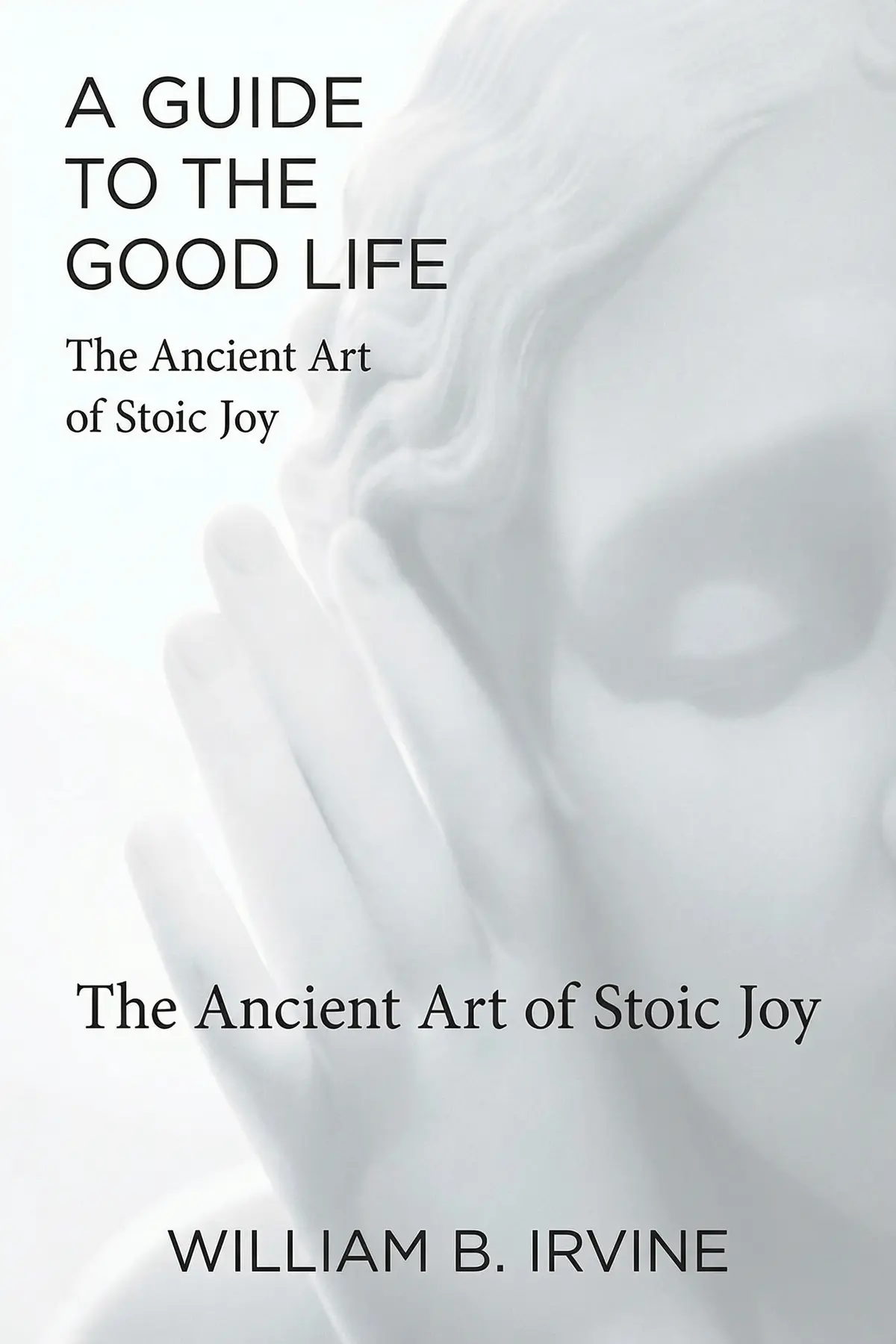
A Guide to the Good Life: The Ancient Art of Stoic Joy
William B. Irvine

A Little History of Philosophy
Nigel Warburton
A Theory of Justice
John Rawls

Anarchy, State, and Utopia
Robert Nozick
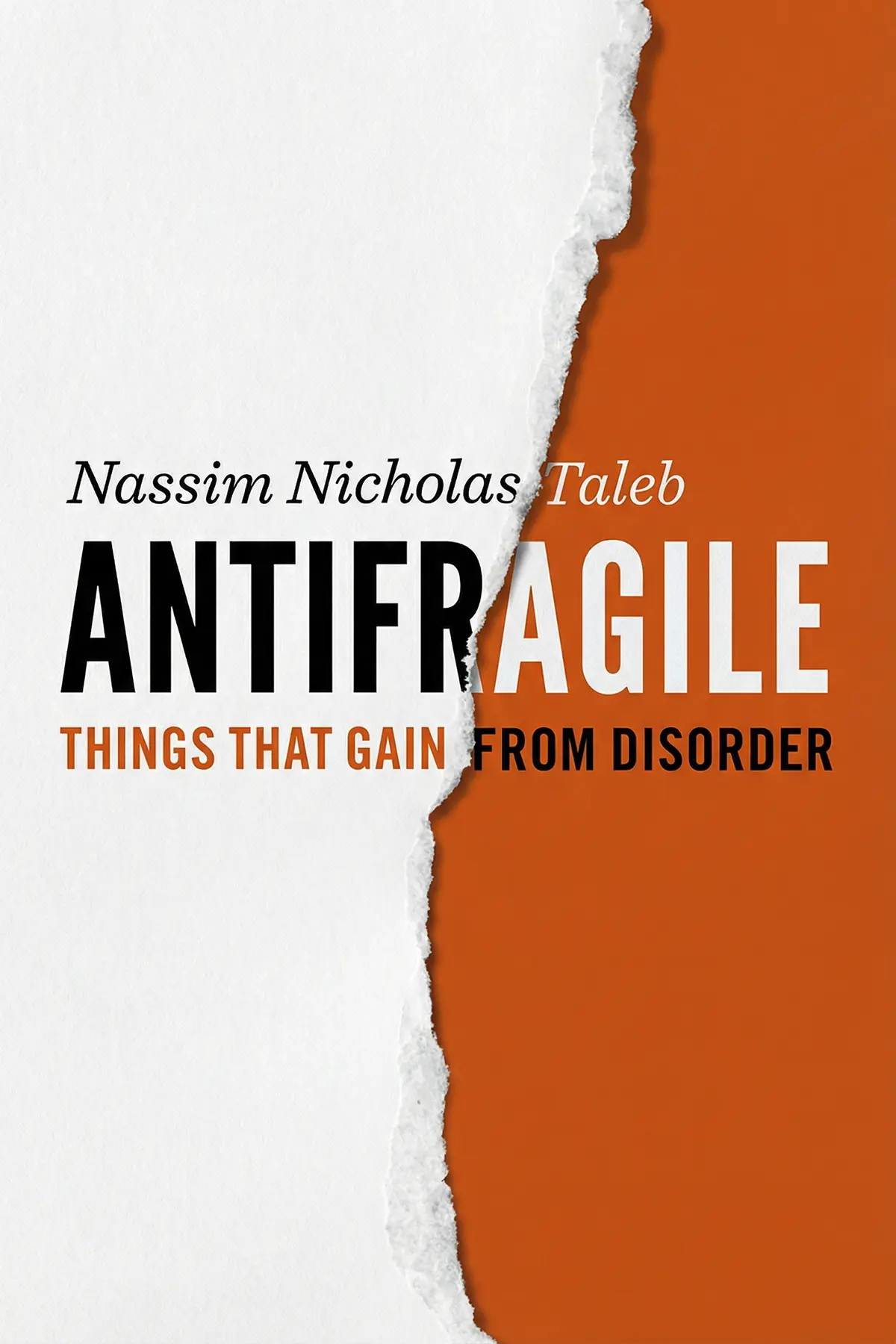
Antifragile: Things That Gain from Disorder
Nassim Nicholas Taleb
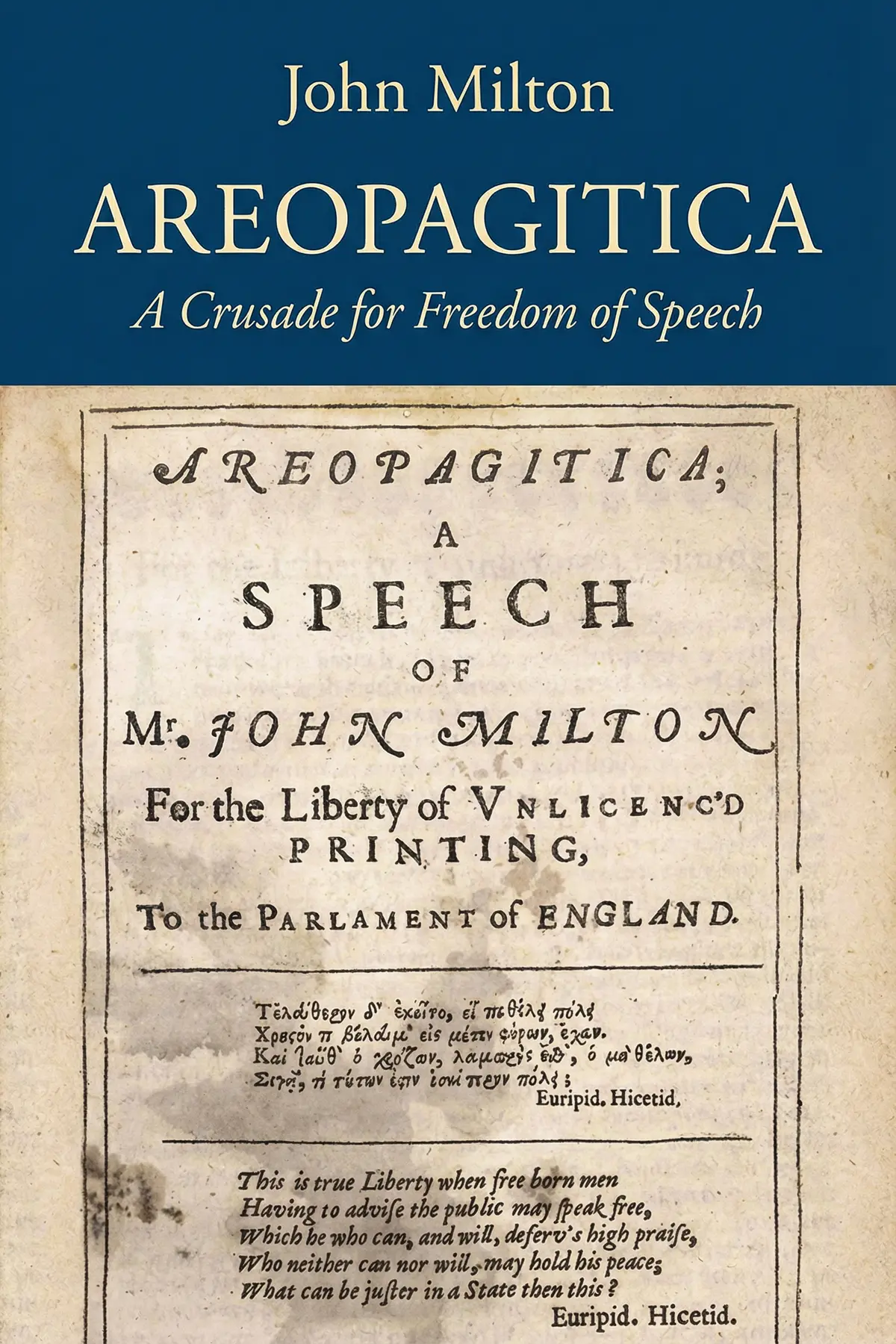
Areopagitica: Philosophy)
John Milton
AUDIO SUMMARY AVAILABLE
Listen to The Practicing Stoic in 15 minutes
Get the key ideas from The Practicing Stoic by Ward Farnsworth, plus 5,000+ more titles in English and Thai.
- 5,000+ titles
- Listen as much as you want
- 7-day free trial
- Cancel anytime







