
26 min 37 sec
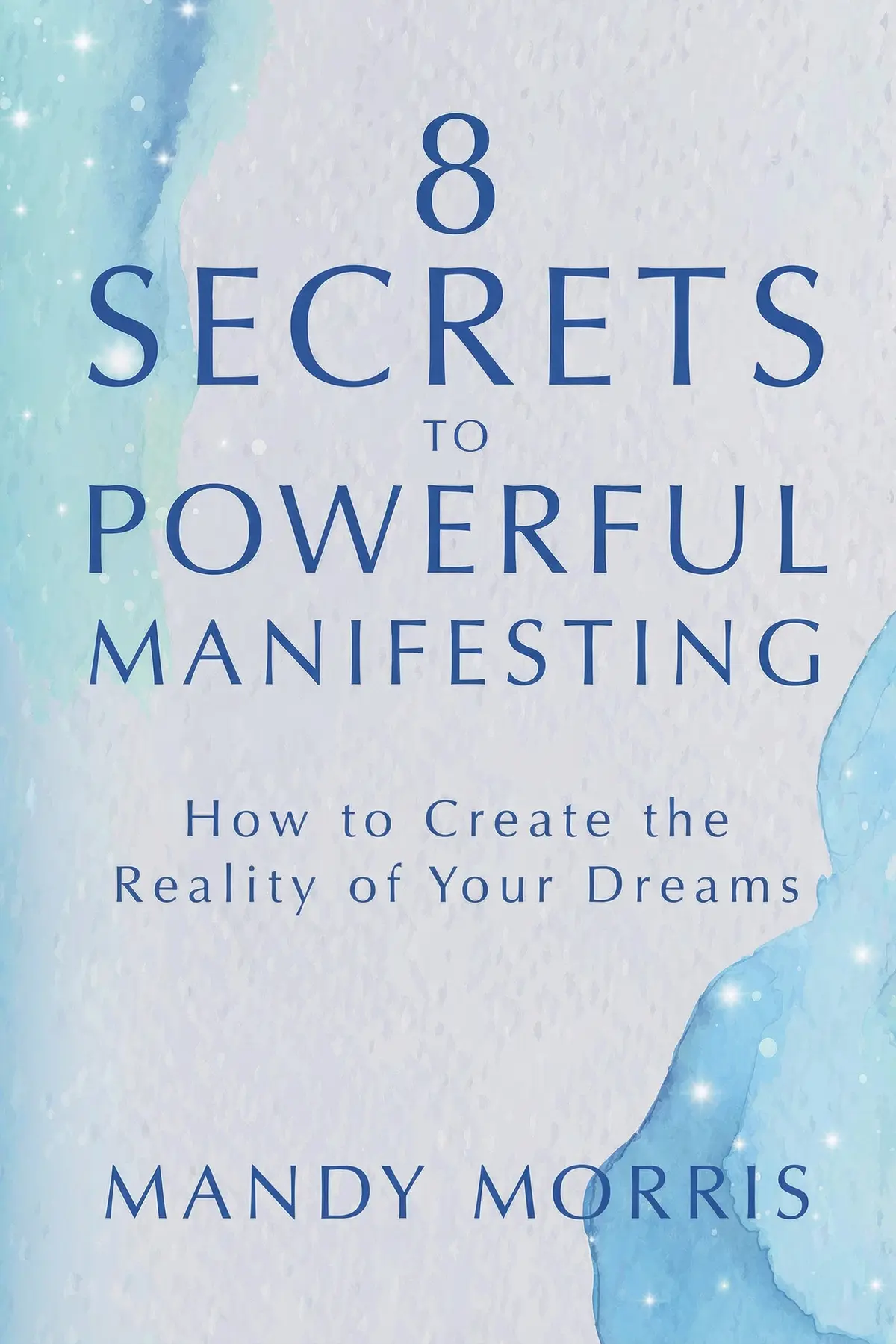
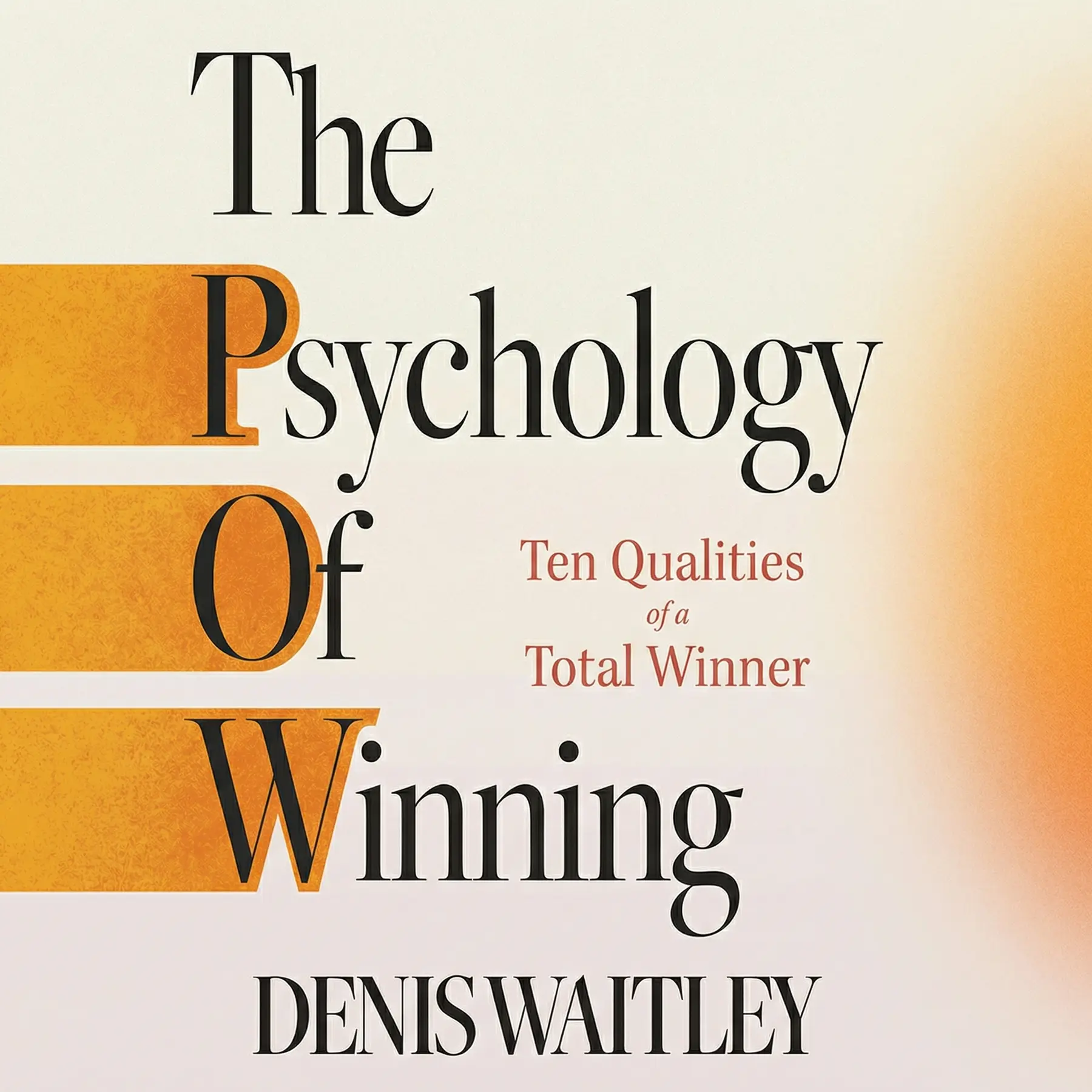
The Psychology of Winning: Ten Qualities of a Total Winner
Explore the mental strategies that distinguish champions from the rest. This guide outlines ten core qualities for developing a resilient, goal-oriented mindset designed to foster personal success and positive community impact.
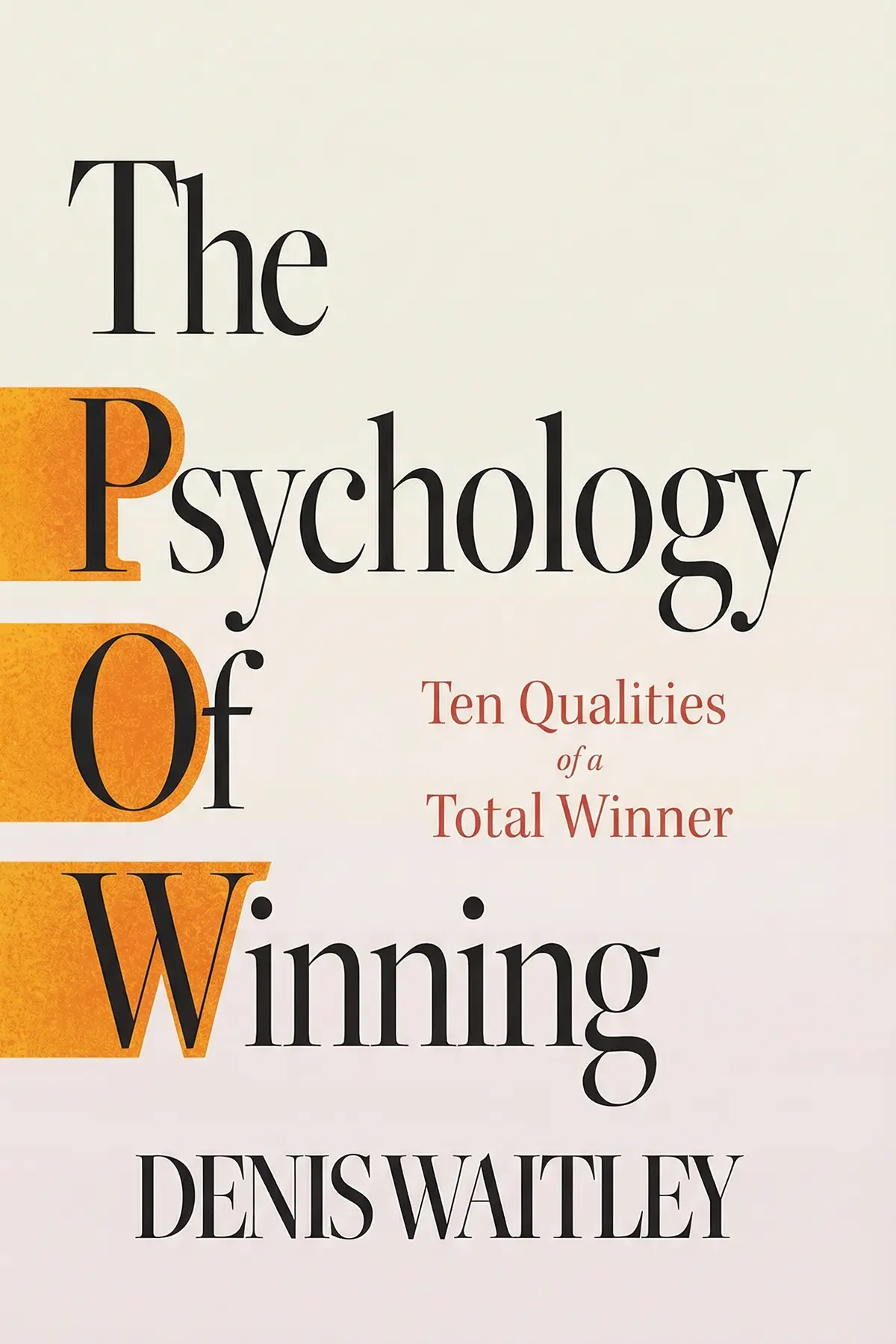
Table of Content
1. Introduction
1 min 39 sec
In our modern, high-stakes world, the divide between those who thrive and those who merely survive is more visible than ever. We often look at the ‘winners’ around us—the people who seem to radiate confidence and achievement—and wonder what secret they possess. Is it luck? Is it a specific set of circumstances? According to the psychological principles of winning, the difference isn’t found in what these people have, but in how they think. The gap between success and failure is fundamentally a gap in attitude and habit.
While many people find themselves trapped in cycles of self-doubt, aimlessness, and regret, a winner operates from a completely different internal blueprint. Winning isn’t about crushing the competition or amassing wealth at the expense of others; it’s about a comprehensive lifestyle that promotes personal growth and benefits the broader community. It is a state of being that is accessible to anyone willing to put in the mental work.
Over the course of this summary, we will explore the ten specific qualities that define a ‘Total Winner.’ We will see how success starts as an internal projection long before it manifests in the physical world. We will learn why our self-image acts as a thermostat for our achievements and how we can recalibrate that setting to reach new heights. From the power of clearly defined purposes to the necessity of self-discipline, these ideas provide a roadmap for moving away from ‘loser habits’ and toward a life characterized by purpose, adaptability, and deep-seated self-esteem. By the end of this journey, you’ll understand that the power to change your life doesn’t lie in your environment, but in the deliberate cultivation of your mental state. Let’s begin by looking at how our minds actually shape our reality.
2. The Power of Internal Projection
2 min 26 sec
Your future self might be hiding in your childhood daydreams. Discover how mental imagery acts as a blueprint for your most significant real-world achievements.
3. Defining a Winning Lifestyle
2 min 09 sec
Winning isn’t a one-time event; it’s a way of living. Learn why replacing destructive habits with constructive ones is the only path to lasting success.
4. The Torpedo Effect: Goals and Purpose
2 min 33 sec
Without a target, even the most powerful engine goes nowhere. See how a clear purpose can become a survival tool in the face of life’s greatest challenges.
5. Motivation Through Desire, Not Fear
2 min 11 sec
Are you running away from failure or toward a dream? Learn why focusing on the rewards of success is the key to sustainable motivation.
6. Taking the Reins of Self-Determination
2 min 13 sec
Stop waiting for things to happen and start making them happen. Discover how viewing life as a game of cards can empower you to change your destiny.
7. The Dual Strengths of Honesty and Empathy
2 min 25 sec
Winning requires a clear view of yourself and a deep understanding of others. See how these two traits create the ultimate advantage: adaptability.
8. Building the Engine of Self-Esteem
2 min 19 sec
Self-esteem is the primary differentiator between winners and losers. Learn how to use positive self-talk and logic to build an unshakeable sense of worth.
9. The Subconscious Mirror: Your Self-Image
2 min 19 sec
Your nervous system can’t tell the difference between a real event and a vividly imagined one. Explore how your self-image dictates your level of achievement.
10. Self-Discipline and Mental Simulation
2 min 22 sec
Winning habits are only as strong as the discipline behind them. Learn the ‘simulator’ techniques used by Olympic athletes and astronauts to ensure success.
11. The Total Person: Holistic Success
2 min 26 sec
True winning isn’t a solo journey. Discover how to excel in every area of life while creating a legacy of success for those around you.
12. Conclusion
1 min 35 sec
As we conclude this exploration into the psychology of winning, the most important takeaway is that becoming a winner is a choice available to you right now. It is not a matter of changing your DNA or winning the lottery; it is a matter of changing your mind. Winning is a lifestyle characterized by a positive self-image, a clear sense of purpose, and the self-discipline to see your goals through to the end.
We’ve seen how the mind acts as a powerful projector, turning our internal fantasies into external realities. We’ve learned that by taking responsibility for our own self-determination and building our self-esteem through honest self-talk and logical thinking, we can overcome any adversity. We’ve discovered the power of mental simulation—the ‘simulator’ that allows us to practice success until it becomes inevitable. And finally, we’ve looked at the ‘Total Person,’ the individual who wins in every area of life and leaves a trail of success for others to follow.
The throughline of these ten qualities is simple: your internal state determines your external fate. If you want to change the results you are getting in life, you must first change the person who is producing those results. Start today by examining your self-talk. Are you being a coach or a critic? Begin to project a more competent, more confident version of yourself onto the screen of your mind. Set one specific, prioritized goal and pursue it with the focus of a torpedo. As you adopt these winning habits, you’ll find that success is no longer something you have to chase; it’s something you attract by the person you’ve become. Go out and be a winner, and in doing so, help the world around you win as well.
About this book
What is this book about?
What truly separates those who excel in life from those who feel stuck in a cycle of frustration? The answer isn't found in genetic luck or financial inheritance, but within the specific psychological patterns we cultivate every day. This summary breaks down the essential habits of a winning mindset, moving beyond mere ambition to look at how self-image, purpose, and self-discipline form the foundation of a meaningful life. You will discover how to harness the subconscious power of your mind to bridge the gap between where you are and where you want to be. By shifting your internal dialogue and learning to project a successful version of yourself, you can transform your external reality. The promise here is not just about professional accolades; it is about becoming a 'Total Person' who experiences happiness, fosters healthy relationships, and maintains a sense of control over their own destiny, regardless of the challenges life presents.
Book Information
About the Author
Denis Waitley
Dr. Denis Waitley has established himself as a prominent figure in the fields of motivation and consulting. Over the course of his career, he has authored more than twelve books and reached a massive global audience, selling upwards of ten million audio programs. His literary contributions include several highly acclaimed bestsellers, most notably titles such as The Winner’s Edge, Seeds of Greatness, and Being the Best.
Ratings & Reviews
Ratings at a glance
What people think
Listeners find this work highly motivational, guiding them toward a winner's mindset and offering benefits across every part of their lives. They value the text as a fast, accessible manual packed with useful insights. The book earns praise for its overall philosophy and flow, with one listener specifically mentioning its ability to boost their spirits. Although listeners believe the core message remains applicable today, some point out that the provided examples feel quite old-fashioned.
Top reviews
Lena
This book is a classic for a reason, even if the copyright date says 1979. Dr. Waitley breaks down the "Total Winner" into ten manageable qualities that actually feel attainable rather than just some vague motivational fluff. I found the section on positive self-expectancy particularly grounding because it shifts the focus from luck to preparation. While some of the cultural references are definitely stuck in the disco era, the core philosophy about self-discipline and self-image remains timeless. It’s a quick read, but you’ll want to keep a highlighter handy for all the pithy one-liners. Personally, I think the way he contrasts "goal-achieving" acts with "tension-relieving" ones is worth the price of the book alone.
Show morePrasarn
As a veteran, I really appreciated the disciplined, no-nonsense approach Denis Waitley brings to the table regarding personal growth. He doesn't sugarcoat the fact that winning requires practice and a systematic pursuit of your own potential rather than leaving it to chance. The concept of being "inner-directed" resonated with me because it emphasizes that self-worth isn't something granted by your parents or your environment. Instead, it is a quality you cultivate through positive self-talk and clear, daily game plans. Even though the examples regarding the Vietnam War era show the book's age, the military-style focus on mission and self-control is incredibly effective. It’s a high-impact guide for anyone looking to upgrade their personal standards.
Show moreArt
Finally got around to reading this classic and it honestly exceeded my expectations despite the "retro" vibes. I love the idea that "school is never out for the winners" and that we have to be master simulators of our own success before it happens. The author makes a compelling case that conceit is just a gift for shallow people, whereas true winners have a deep, quiet feeling of worth. I’ve started using the simple "Thank you" technique for compliments and it really does change how you perceive your own value. This isn't just a book about getting rich; it’s about living in harmony with your community and nature. I would recommend this to anyone who wants to become the captain of their own thoughts.
Show moreBrahim
After hearing so much about this book in leadership circles, I’m glad I finally sat down with it. It’s a raw and real wake-up call that reminds you that joy cannot be found outside of yourself. Waitley’s perspective on "positive self-awareness" helped me realize that I was letting external stress dominate my world instead of changing the world I live in. I especially loved the advice on treating nature tenderly and seeing others as brothers and sisters; it adds a level of humanity to the "winning" concept. The price of winning is indeed practice, and this book serves as a great coaching manual for that daily work. Truly a five-star experience that I'll probably revisit every few years.
Show moreKanchana
Ever wonder why some people seem to bounce back from failure while others just crumble under the pressure? This manual explores that exact psychological edge by focusing on internal attitudes rather than external talent. Look, you have to ignore the mentions of Betamax players and some outdated societal examples, but the underlying truth is irrefutable. The author argues that winning is essentially a DIY project that requires constant mental rehearsal and a refusal to let stress dominate your world. I liked the focus on "positive self-dimension" and living in harmony with others, which prevents it from being a "me-first" manifesto. It’s a solid 4-star read that helps you audit your own habits.
Show moreMadison
Wow, this was exactly the mood-lifter I needed this week. I was feeling a bit stuck, but Waitley’s emphasis on "positive self-projection" reminded me that our outward demeanor often dictates how the world treats us. The most fascinating part for me was the section on visualization—how champions replay missed shots in their minds as successes until it becomes a reality. Truth is, we really do move in the direction of what we dwell on most, whether that's our bills or our goals. I'm rating it four stars because some of the "winner vs loser" comparisons felt a little binary for today's world. However, the action items at the end of each chapter make it a practical workbook rather than just a theory book.
Show moreChee
To be fair, I expected this to be a dry business book, but it’s actually a very quick and engaging read. Waitley has a way of streamlining complex psychological data into "ten qualities" that anyone can understand and start applying immediately. Not gonna lie, the OJ Simpson references are jarring given what we know now, but you have to separate the principles from the people. The book focuses heavily on attitude as the primary criterion for success, arguing that talent and education are secondary to your mental outlook. If you can look past the 70s cheese, there is a lot of valuable information about breaking the habits that hold you back. It’s a great refresh for the mind.
Show moreErn
Waitley’s approach to "The Psychology of Winning" is less about beating others and more about being in a constant competition with your past self. He outlines how habits grow from cobwebs to cables, and that we have the power to decide which cables we are weaving every day. I appreciated the specific focus on "goal-achieving" vs "tension-relieving" acts because it provides a clear filter for daily decision-making. My only gripe is that the pacing can feel a bit repetitive, as he hits the same "positive self-everything" notes in every single chapter. Still, the message about taking credit and blame for your own life is powerful stuff. It’s a solid blueprint for anyone wanting to take their lifestyle to the next level.
Show moreSing
Picked this up after seeing it on several must-read lists for sales professionals, but I found it a bit of a mixed bag. On one hand, the ten-step framework for building a winning personality is logically structured and very easy to follow. On the other hand, the tone is occasionally so cheesy it feels like a 1970s infomercial. Phrases like "habit is the cable that grows from a cobweb" are inspiring at first, but they start to feel repetitive after a while. To be fair, the advice on taking both the credit and the blame for your own life is a necessary wake-up call. It's a decent motivational boost if you're in a slump, even if it lacks some modern nuance.
Show moreTee
The chapter on self-esteem felt a bit dated, but the overall message of the book is still worth considering if you're into self-improvement history. Denis Waitley draws heavily on his experience training astronauts and athletes, which gives the book a certain level of authority that modern "influencers" often lack. I did find the constant labeling of people as either "winners" or "losers" to be a bit abrasive and perhaps too simplistic for modern psychology. Frankly, life is more of a gray area than he suggests, and some of the examples are laughably old-fashioned. That said, the core idea that self-development is a lifetime program is a point well taken. It’s an okay read, but maybe not the revolution it was in 1979.
Show moreReaders also enjoyed
A Guide to the Good Life: The Ancient Art of Stoic Joy
William B. Irvine
A High-Performing Mind: Strengthen Your Mind and Live Your Best Life
Andrew D. Thompson
Abundance: The Inner Path to Wealth
Deepak Chopra
59 Seconds: Change Your Life in Under a Minute
Richard Wiseman
AUDIO SUMMARY AVAILABLE
Listen to The Psychology of Winning in 15 minutes
Get the key ideas from The Psychology of Winning by Denis Waitley, plus 5,000+ more titles in English and Thai.
- 5,000+ titles
- Listen as much as you want
- 7-day free trial
- Cancel anytime







