
14 min 25 sec
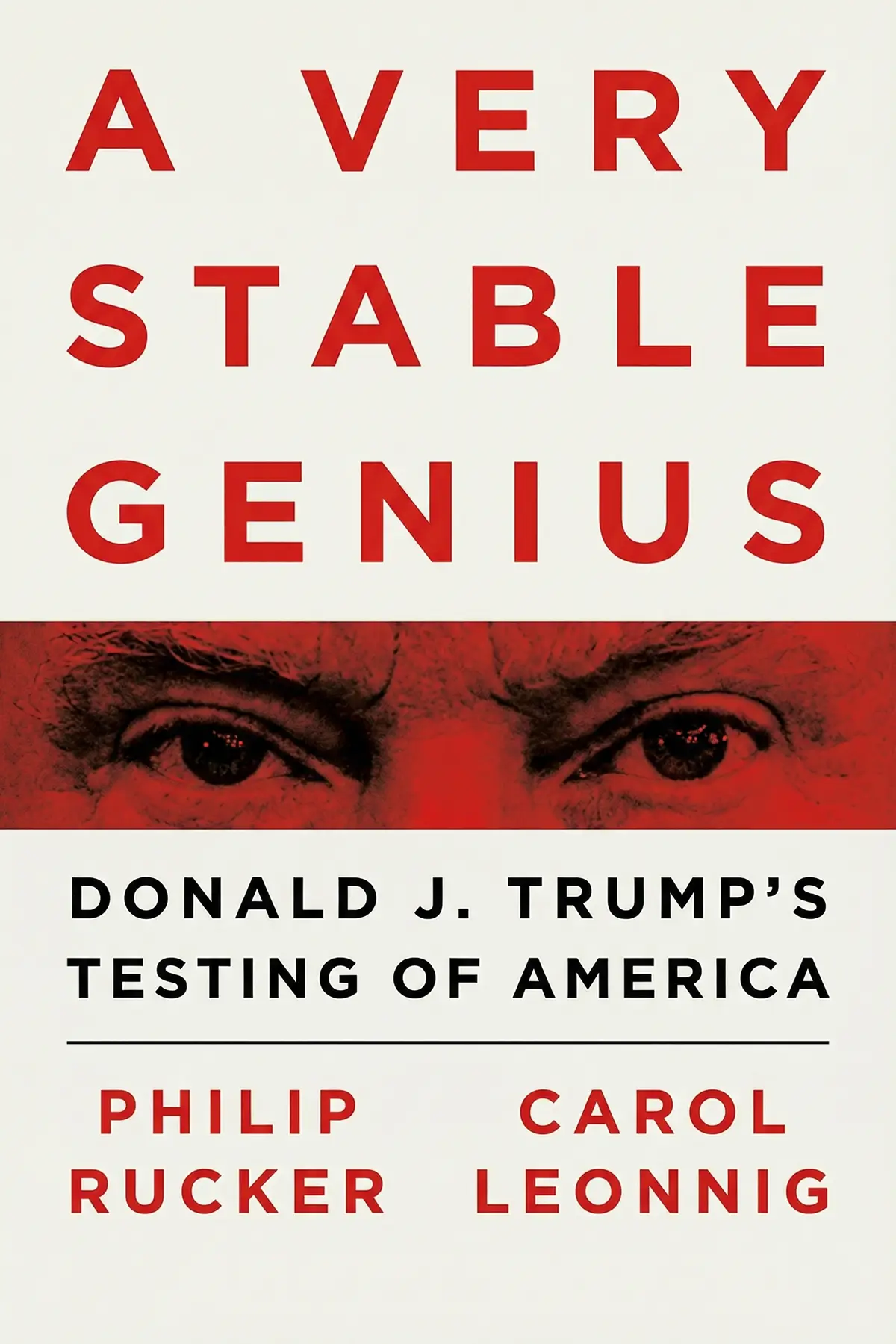
The Situation Room: The Inside Story of Presidents in Crisis
The Situation Room reveals the hidden history of the White House’s high-stakes command center, detailing how presidents have navigated global crises and internal conflicts within its highly secure walls over several decades.
Table of Content
1. Introduction
1 min 44 sec
Step inside the most critical square footage in the world. Deep within the West Wing of the White House lies a windowless, highly secure complex that functions as the neurological center of the American presidency. This is the Situation Room. It is a place where the weight of the world is felt in real-time, where information from every corner of the globe converges, and where the most significant decisions in modern history are hammered out under immense pressure. It isn’t just a room; it’s a living archive of every crisis, every triumph, and every failure that has defined the United States’ role on the world stage since the middle of the twentieth century.
In this overview, we are going to explore the hidden life of this facility through the eyes of the people who have worked there and the presidents who have relied on it. We’ll see how it was born out of a desperate need for better communication during the Cold War and how it evolved from a rudimentary basement space into a sophisticated technological hub. We will look at how different leaders—from the obsessive detail-seeking of Lyndon Johnson to the unconventional atmosphere of the Trump administration—transformed the room into a reflection of their own management styles.
What you’ll find is that the throughline of this story is the intersection of human psychology and geopolitical stakes. We will walk through the tension of the Cuban Missile Crisis, the sleepless nights of the Vietnam War, the chaos of an assassination attempt on Ronald Reagan, and the unprecedented challenges of September 11. Through these moments, we’ll understand how the Situation Room acts as a vital buffer between a president and the chaos of the world, and why its existence is essential for the survival of the nation in times of extreme peril. Prepare to enter the room where it happens.
2. A Response to Crisis
2 min 20 sec
Discover how a failed invasion and a converted bowling alley led to the creation of the world’s most famous high-stakes command center.
3. The Weight of the Watch
2 min 12 sec
Experience the intense, round-the-clock pressure of wartime leadership as one president turns the room into a personal vigil.
4. When the System Fails
2 min 22 sec
Peek behind the curtain of a White House in shock after an assassination attempt and see what happens when the chain of command fractures.
5. The Crucible of 9/11
2 min 08 sec
Follow the dedicated staff who refused to leave their posts on America’s darkest day, even as the White House became a potential target.
6. Erosion of Tradition
2 min 16 sec
Witness the shift from protocol to unpredictability as a new kind of leadership tests the boundaries of White House security.
7. Conclusion
1 min 23 sec
The journey through the history of the Situation Room brings us to a profound conclusion about the nature of the American presidency. We have seen how this room was born from the ashes of a failed operation and how it has served as the silent witness to the most agonizing decisions a human being can make. It has been a sanctuary for presidents like Johnson, a site of confusion for administrations in shock, a fortress for dedicated staff on 9/11, and a place of shifting norms in the modern era. Throughout all these changes, the room has remained the one constant—a fixed point in an ever-changing world.
What we can take away from this is that the quality of American leadership is directly tied to how a president engages with the truth. The Situation Room exists to provide that truth, unfiltered and in real-time. When used correctly, it is a tool for peace, stability, and thoughtful strategy. When neglected or treated with suspicion, it becomes a mirror of the disarray within the government. As we look toward the future, the complexity of the world only grows. The threats are faster, the data is more voluminous, and the stakes remain as high as ever. The Situation Room will continue to evolve, but its core mission will remain the same: to be the place where the light of knowledge meets the heat of crisis. It is, and will always be, the indispensable heart of the White House, ensuring that even in the darkest hours, the nation has a place to stand and a way to see the path forward.
About this book
What is this book about?
This exploration takes you inside the most secretive and influential square footage in the White House. It traces the history of the Situation Room from its modest, hurried beginnings during the Kennedy years to its role as a high-tech command post in the modern era. You will see how different presidents—from Lyndon Johnson to Donald Trump—interacted with this space and the staff who keep it running twenty-four hours a day. The narrative provides a rare look behind the curtain of global power. It examines how information is gathered, how crises are managed, and how the personal temperament of a leader can alter the course of history when they are standing in this specific room. By the end, you will understand how the Situation Room has shaped American foreign policy and why it remains the indispensable heart of the presidency. Through historical anecdotes and insider perspectives, the account highlights the gravity of presidential decision-making in the face of international uncertainty.
Book Information
About the Author
George Stephanopoulos
George Stephanopoulos is a political commentator and former senior advisor to President Clinton. He is known for his role as co-anchor of Good Morning America and host of ABC’s This Week. Stephanopoulos has authored several best-selling books, including All Too Human, which provides an insider’s perspective on his years in the Clinton administration.
Ratings & Reviews
Ratings at a glance
What people think
Listeners find this a captivating listen that offers profound perspective on past events, with expertly written and rapid chapters that are both high-stakes and chilling at times. The work showcases intriguing accounts of the various crises each president navigated, and listeners respect the author’s meticulous method of distinguishing truth from misinformation. They prize the rich historical detail, with one listener observing it brings the Presidency closer than most books.
Top reviews
Ethan
Finally got around to finishing this, and it was a total page-turner. Stephanopoulos takes a room we see in movies and shows us the cramped, high-pressure reality of the basement. From the Cuban Missile Crisis to the hunt for bin Laden, the tension is palpable in every chapter. Frankly, I didn’t realize how much technology evolved from simple telegraphs to the state-of-the-art center it is now. It’s an easy-to-read history that makes you feel like a fly on the wall during the most terrifying moments in American history. Even if you aren't a history buff, the pace keeps you hooked.
Show moreNing
This book provides a fascinating peek behind the curtain of the White House. It starts with the disaster of the Bay of Pigs and tracks how the Sit Room became the essential tool for every president since Kennedy. I found the stories about the technological shifts particularly interesting, moving from a humble bowling alley to a high-tech hub. The author clearly did his homework, interviewing over a hundred people to get the facts right. Truth is, it’s rare to find a political book that feels this fast-paced and intense without being purely sensationalist. I'm definitely recommending this to my book club.
Show morePrim
Wow, what a ride. I expected a dry history lesson but instead got a series of intense, almost cinematic vignettes. The chapter on the failed "Desert One" rescue mission during the Carter administration was heartbreakingly detailed. It’s terrifying to think about how much rests on the communication flowing through that one basement room. Not gonna lie, I stayed up way too late reading the section on the Reagan assassination attempt. Stephanopoulos manages to blend deep research with a narrative style that keeps the reader constantly engaged. It’s a brilliant exploration of power and pressure.
Show moreWoramet
Picked this up after seeing it on a bestseller list, and the historical content is truly top-notch. It’s fascinating to see how a simple request from JFK evolved into the most important room in the world. The writing is clear and accessible, even when diving into the more complex aspects of national security and intelligence gathering. I particularly enjoyed the photographs included; they really helped ground the stories of these high-stakes meetings. Look, if you want to understand how the US handles a global catastrophe, this is probably the best resource available to the general public.
Show moreSeksan
Stephanopoulos really delivered a well-crafted and incredibly researched piece of non-fiction. It’s clear that his background as a reporter helped him gather a massive amount of intel from interviews with key players. The stories about the hunt for Osama bin Laden were especially gripping, offering details I hadn’t heard in previous accounts. Frankly, it’s impressive how he manages to cover twelve different presidencies without the book feeling bloated or repetitive. It’s a fast-paced journey through sixty years of American crises that left me feeling much more informed about how our government actually functions.
Show moreRatchada
Ever wonder what it’s actually like when the world is falling apart and the President needs to make a call? This book answers that with incredible detail. I appreciated how George focused on the non-political staff who keep the gears turning regardless of who is in the Oval Office. To be fair, some sections felt a bit dry and reporter-like, especially when discussing older administrations I wasn't as familiar with. However, the insights into the 9/11 response were absolutely riveting and worth the price of admission alone. It’s a solid look at the "nerve center" of the executive branch.
Show moreAhmed
As a political junkie, I found this deep dive into the Executive Branch’s communications hub to be essential reading. George brings a unique perspective given his own time in the White House, though he stays mostly in the role of a historian here. He highlights how different presidents—from Nixon to Obama—approached the same four walls with vastly different temperaments. One minor gripe is that the cast of characters can get a bit overwhelming at times with so many similar-sounding advisors. Still, the way it brings the presidency closer than most books is a real achievement for any reader.
Show moreTeng
The chapter on the Iran hostage crisis alone makes this book a must-read for anyone interested in modern history. It really highlights the "sealed can" environment of the Sit Room and how high-pressure situations are the norm. I loved the "fly on the wall" feeling of the prose, though I’ll admit I had to switch from the audiobook to print to keep all the names straight. In my experience, the pictures in the physical copy add a lot of necessary context to the physical space of the room. It’s an enlightening and frequently scary look at the burdens of leadership.
Show moreMaya
I wanted to love this, but the author's personal leanings occasionally got in the way of the storytelling. The first 80% is a fantastic, balanced history of crisis management from Kennedy through the Bush years. But once we hit the modern era, the tone shifts dramatically from factual reporting to what feels like a personal grievance. I also think starting with January 6th was a missed opportunity compared to the unifying potential of a 9/11 focus. In my experience, the book is at its best when it explores the "behind the scenes" mechanics rather than the author’s own political opinions.
Show moreGame
Look, the history here is interesting, but the author’s bias is just too loud to ignore. For a man who built a career as a journalist, the lack of balance in the final chapters is quite jarring. He gives effusive praise to figures like Bush while offering nothing but vitriol for others, which makes the whole work feel inconsistent. Personally, I was looking for a neutral historical account of the room itself, not a platform for political commentary. The sections on the Cold War were excellent, but the shift toward a personal journey at the end ruined the experience for me.
Show moreReaders also enjoyed

A Year in the Life of William Shakespeare: 1599
James Shapiro
A Warning
Miles Taylor
Agent Sonya: The Spy Next Door
Ben Macintyre

1491: New Revelations of the Americas Before Columbus
Charles C. Mann
Alexander Hamilton
Ron Chernow
1929: Inside the Greatest Crash in Wall Street History--and How It
Andrew Ross Sorkin
Alexander the Great
Philip Freeman
AUDIO SUMMARY AVAILABLE
Listen to The Situation Room in 15 minutes
Get the key ideas from The Situation Room by George Stephanopoulos, plus 5,000+ more titles in English and Thai.
- 5,000+ titles
- Listen as much as you want
- 7-day free trial
- Cancel anytime







