
16 min 55 sec
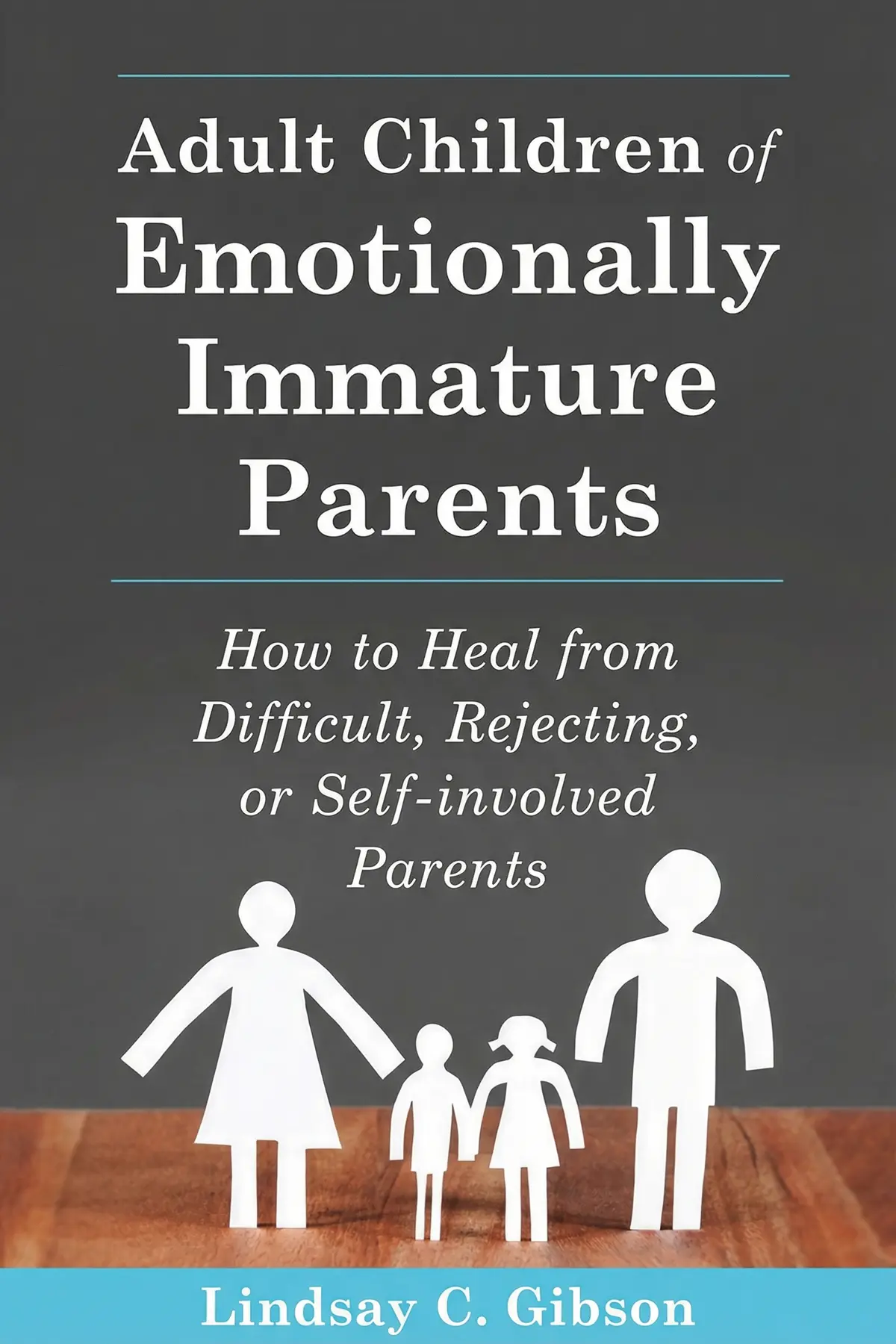
The Sovereign Child: How a Forgotten Philosophy Can Liberate Kids and Their Parents
Exploring the Taking Children Seriously philosophy, this summary examines how replacing parental control with autonomy and creative collaboration fosters independent, resilient, and cooperative children while strengthening the bond between parents and their children.
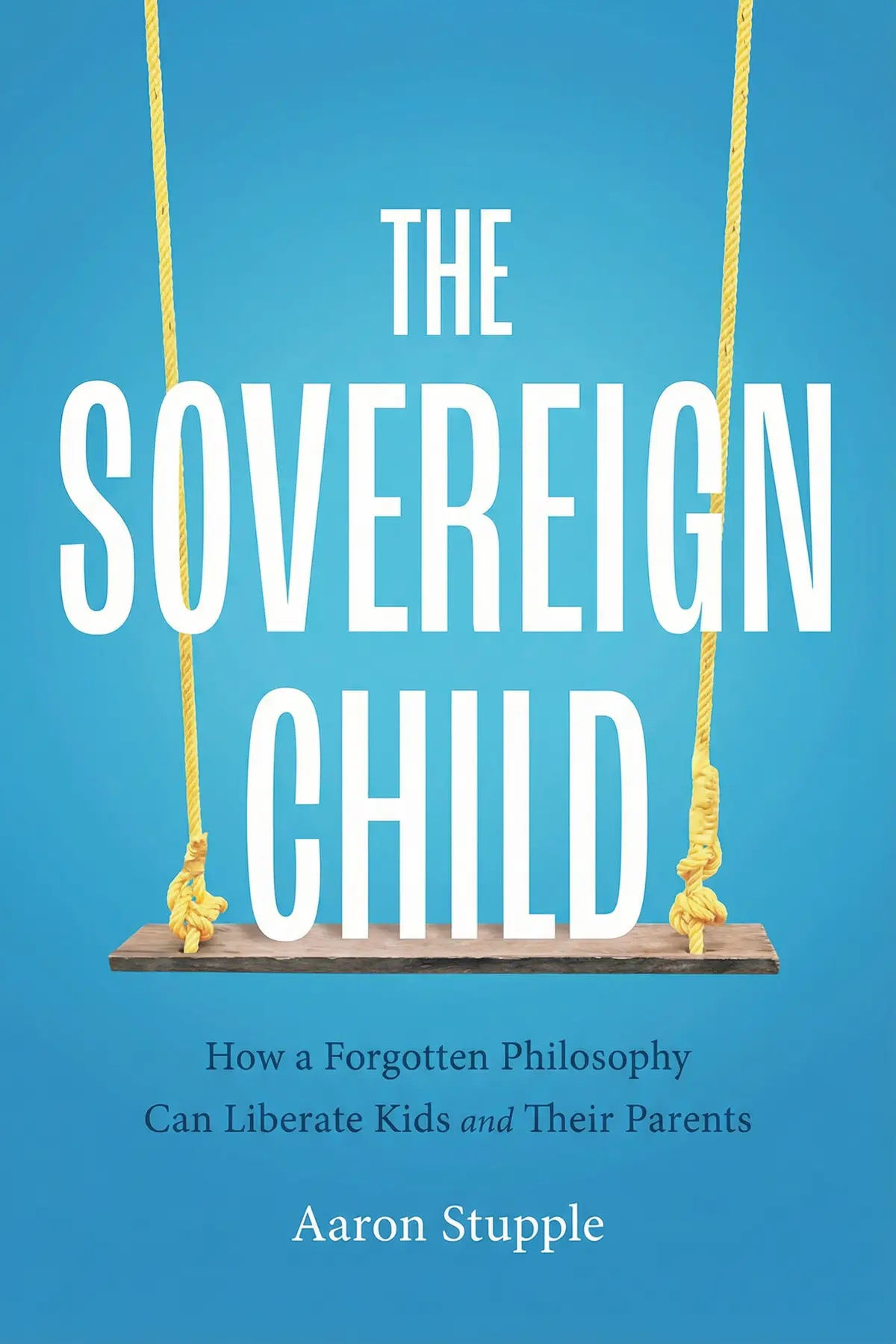
Table of Content
1. Introduction
1 min 51 sec
Every parent has felt that moment of tension: the sudden realization that you have become a policeman in your own home. You find yourself issuing orders about vegetable consumption, negotiating the minutes of remaining screen time, and enforcing a bedtime that feels more like a prison sentence than a period of rest. We do this because we love our children. We worry that without these guardrails, they will fail to develop the self-discipline necessary for a successful adult life. We fear the ‘wild child’ who eats only sugar and never sleeps. But what if our very attempts to control their behavior are the things preventing them from growing into the responsible, thoughtful people we want them to be?
This is the central provocation of The Sovereign Child. It introduces us to a philosophy known as Taking Children Seriously, or TCS. This isn’t just another parenting trend or a ‘gentle’ way to get kids to obey. It is a fundamental shift in how we view the human status of children. It suggests that children are not projects to be managed or biological machines to be programmed, but rather full human beings with the same capacity for reason, creativity, and self-determination as any adult.
In the pages that follow, we’re going to explore what happens when we dismantle the traditional hierarchy of the family. We’ll look at why rules often backfire, leading to deception and resentment rather than learning. We’ll see how a life without coercion doesn’t lead to chaos, but to a deeper, more profound kind of cooperation. And finally, we will discover how parents can transform their role from an authority figure into a trusted ally, helping their children navigate the world through curiosity and mutual respect rather than fear and force. If you’ve ever wondered if there’s a way to parent that doesn’t involve a constant struggle for power, this journey into the sovereign child’s world is for you.
2. The Foundation of Genuine Growth Lies in Liberty Rather Than Control
2 min 04 sec
What if we stopped viewing children as projects to be managed? Explore why treating kids as rational individuals can replace the constant need for parental discipline.
3. The Hidden Cost of Parental Coercion and Rule Enforcement
2 min 20 sec
Traditional rules might be doing more harm than good. Discover how strict boundaries can actually encourage deception and hinder a child’s moral development.
4. Trusting the Process of Self-Regulation Without Limits
2 min 13 sec
Could no bedtimes or meal plans actually lead to healthier habits? Learn how children develop internal wisdom when given the space to choose for themselves.
5. Using Creative Collaboration to Resolve Conflict
2 min 17 sec
Forget compromises where everyone loses a little. Learn the art of the ‘win-win’ solution and how to handle household disagreements without any coercion.
6. The Power of Guidance Over Parental Enforcement
1 min 57 sec
Discover why being an ally is more effective than being an authority. Learn how to guide your child’s choices through logic and mutual understanding.
7. Embracing a Culture of Continuous Problem Solving
2 min 19 sec
Successful parenting isn’t about finding one right answer; it’s about a commitment to trying again. Learn why the process of trial and error is your best tool.
8. Conclusion
1 min 54 sec
As we wrap up our look at The Sovereign Child by Aaron Stupple, the primary takeaway is a call to radical trust. Raising a child doesn’t have to be a series of battles where the parent must ‘win’ to ensure the child’s future. When we step away from the traditional tools of coercion—the rules, the punishments, and the arbitrary boundaries—we aren’t inviting chaos. Instead, we are inviting a more authentic and resilient form of order, one built on the child’s own growing ability to reason and self-regulate.
We’ve seen that treating children as full, rational individuals allows them to develop true responsibility. By focusing on win-win solutions, we move away from the friction of compromise and toward the harmony of genuine cooperation. We’ve learned that the role of a parent is not to be a master, but to be an ally—a source of wisdom and support that the child chooses to consult because they feel respected and heard.
The path of Taking Children Seriously isn’t the ‘easy’ path. It requires more patience, more creativity, and more emotional labor than simply issuing commands. It requires us to face our own fears and to accept that failure is just a step toward a better solution. But the reward is a relationship with your child that is defined by joy rather than resistance. It is a home where children grow up knowing that their needs matter, their voices are heard, and their sovereignty is absolute. By letting go of control, you gain something much more valuable: a lifelong bond based on mutual respect and the shared adventure of discovery. As you move forward, try to look at the next conflict not as a challenge to your authority, but as an invitation to collaborate. You might be surprised at the brilliant solutions your sovereign child has waiting for you.
About this book
What is this book about?
Modern parenting is often a battleground of wills, where parents feel forced to act as disciplinarians to ensure their children grow up successful. The Sovereign Child challenges this exhausting dynamic by introducing a forgotten philosophy: treating children as full, rational individuals. The book argues that by removing arbitrary limits—like bedtimes, meal restrictions, and forced chores—parents can move from a role of control to one of guidance. This shift doesn't lead to chaos; instead, it invites a deeper form of cooperation built on trust and mutual respect. The promise of this approach is a liberated family life where children learn to navigate the world through their own reasoning rather than fear of punishment. It provides a roadmap for parents to stop being enforcers and start being allies, using creative problem-solving to find win-win solutions that respect the sovereignty of both the child and the adult.
Book Information
About the Author
Aaron Stupple
Aaron Stupple brings a unique perspective to child development, drawing on his professional background as both a physician and a former public school educator. His dual experience in the fields of medicine and education reinforces his belief in the power of autonomy and the importance of respecting a child’s natural curiosity. Residing in Massachusetts with his wife and five children, Stupple doesn't just theorize about child-rearing; he actively implements the principles of Taking Children Seriously within his own home.
Ratings & Reviews
Ratings at a glance
What people think
Listeners find the writing both intellectually engaging and simple to digest, valuing the imaginative parenting framework that pushes back against standard rule-heavy tactics. The book’s tempo also earns praise, as one listener specifically points out the lack of shaming or indignation in the text. Moreover, listeners respect the work's ethical viewpoint and its focus on cultivating problem-solving techniques. Still, the core premise and the particular parenting method described draw a variety of responses from listeners.
Top reviews
Aroha
Finally got around to reading this after finishing the Tim Ferriss podcast episode with Aaron, and it’s a total game-changer. Most parenting books focus on how to manipulate kids into obeying, but Stupple asks if obedience is even the right goal. By treating my son as a sovereign individual, our relationship has shifted from a constant power struggle to a collaborative partnership. I love the focus on problem-solving rather than rule-enforcement. While letting a kid eat ice cream for dinner sounds crazy, the philosophy behind it—trusting them to self-regulate—is deeply profound. It’s an easy, non-shaming read that prioritizes the child's autonomy above all else. This creative approach to parenting is exactly what I needed.
Show moreLuke
After hearing the three-hour podcast episode with Naval and the author, I felt compelled to buy this. It is a deeply thought-provoking manual that forces you to question every assumption you hold about parental authority. Stupple manages to present a radical vision for the family without the usual tone of moral indignation found in parenting literature. By focusing on a moral stance of respect, he shows how to foster genuine trust instead of fear-based compliance. Some of the practical examples, like letting a toddler choose their own bedtime, are undeniably shocking to the average parent. Yet, the absence of shaming in the writing makes it easy to explore these ideas with an open mind. Even if you only adopt ten percent of this, your home will be more peaceful.
Show moreHassan
The Sovereign Child isn't just another parenting book; it’s a radical re-evaluation of the parent-child power dynamic. Stupple uses critical rationalism to argue that traditional rules actually hinder a child’s ability to learn about the world around them. I found the chapter on screen time particularly challenging, especially the idea that 'addiction' is often just a label for an intense interest. Even if you don't go full 'no rules,' the mental shift toward finding win-win solutions is incredibly valuable. Some examples felt extreme, and I worry about the lack of hard scientific data throughout. Still, the moral core is hard to argue with if you truly value freedom.
Show morePat
Ever wonder what happens if you just stop saying 'no' to your toddler? Stupple attempts to answer that by documenting his own family’s journey into a rule-free life. The results are sometimes beautiful—like kids choosing to join family dinner because they actually want to be there—and sometimes terrifying. I appreciate that he doesn't shame parents who use rules but instead offers a different path based on creativity and patience. My only real gripe is that it feels geared toward families who have the time for endless negotiation. Still, it’s a moral and highly readable book that prioritizes the child as a full human being. It fosters problem-solving skills in a way that few other books do.
Show moreWatcharee
Picked this up during a particularly rough week of bedtime battles and screen-time tantrums. Instead of more 'gentle parenting' scripts, I found a philosophy that essentially says: stop the fighting. Stupple’s conversational tone makes the heavy philosophical underpinnings surprisingly accessible for a sleep-deprived parent. While I’m not quite ready to let my two-year-old draw on the living room walls, the book encouraged me to stop policing arbitrary things that don't actually matter. It’s a fast-paced read that manages to be thought-provoking without feeling like a long lecture. Definitely not for everyone, but a breath of fresh air for those tired of being the household police. Highly recommend for the perspective shift alone.
Show moreRania
To be fair, the writing style is refreshingly casual and easy to digest compared to most dense parenting manuals. I was intrigued by the recommendation from Naval, but I found myself disagreeing with at least half of the premises. Stupple’s rejection of all conventional wisdom regarding sleep hygiene and nutrition feels a bit reckless in the modern world. However, the sections on fostering a child’s natural curiosity and avoiding coercive education were brilliant. It’s a polarizing read that will make you think, even if you end up tossing it across the room. A creative approach to parenting that certainly fosters problem-solving skills, but proceed with caution.
Show moreSuthinee
This book is a fascinating social experiment, though I’m not entirely sold on the actual execution. As someone who grew up in a strict household, I love the idea of child-led learning and bodily autonomy. But there’s a massive gap between 'respecting a child's choices' and 'letting them stay on an iPad until sunrise.' Stupple argues that kids will eventually self-regulate, but that’s a dangerous gamble to take with a developing brain. I enjoyed the fast-paced chapters and the lack of moral shaming. It’s definitely worth reading for the perspective shift, but keep a healthy dose of skepticism regarding the health claims. It challenges traditional rule-based methods in a way that is hard to forget.
Show moreMay
Personally, I found the pacing of this book to be its greatest asset. It moves quickly through complex ideas about 'Taking Children Seriously' without getting bogged down in academic jargon. I loved the emphasis on teaching children problem-solving skills rather than just demanding blind obedience to authority. However, the chapter on unlimited screen time felt incredibly irresponsible to me. We know how addictive these algorithms are designed to be for adult brains, let alone kids. It’s a morally courageous book, but I can’t get past the safety concerns. Still, the absence of shaming makes it much more readable than other radical parenting texts. A mixed bag, but undeniably thought-provoking.
Show moreKek
Frankly, Stupple’s advice feels like it was written specifically for people who live in a vacuum with unlimited resources. I live in a world where parents have jobs and bills that require some level of structure. Telling me to spend three hours turning a car-seat struggle into a 'creative game' isn't helpful when I'm late for work. The philosophy sounds lovely on paper—treating kids like sovereign adults—but children lack the neurological development to handle that burden. This approach isn't innovative; it's a disingenuous take on parenting that ignores the reality of most families. Two stars for the decent prose and for making me think, even if I ultimately disagreed with the premise.
Show moreAom
What an absolute train wreck of a philosophy. Stupple advocates for a brand of neglect masquerading as high-brow intellectual freedom. Allowing a child to eat only ice cream for months isn't a 'choice'; it's a failure of basic guardianship. I’m a huge fan of Naval, but his recommendation here is a massive error in judgment. This is not what I consider to be parenting. It is a reckless experiment on helpless human beings who deserve boundaries. The writing is narcissistic and lacks any grounding in actual developmental science. One star is being generous for this nonsense. It should be reclassified as satire because the alternative is too disturbing to take seriously.
Show moreReaders also enjoyed
AUDIO SUMMARY AVAILABLE
Listen to The Sovereign Child in 15 minutes
Get the key ideas from The Sovereign Child by Aaron Stupple, plus 5,000+ more titles in English and Thai.
- 5,000+ titles
- Listen as much as you want
- 7-day free trial
- Cancel anytime







